12 Backyard Plants in Pennsylvania That Spell Trouble for Dogs
If you share a Pennsylvania yard with a dog, you already know how much sniffing, digging, and tasting goes on out there. Most of it is harmless fun.
Still, a surprising number of common landscape plants around here can upset a dog’s stomach or cause more serious problems if chewed. The good news is that knowing what grows in your yard makes it easier to manage the risk.
Once you can recognize the handful of plants worth watching, you can garden freely and let your dog roam with confidence. Nothing here means tearing out your flower beds.
Often the fix is simple: a fence panel, a raised planter, a shift in where you set a container, or a quick sweep of fallen leaves and bulbs after planting day. Puppies and habitual chewers deserve the most attention, since they explore with their mouths.
Older dogs usually leave plants alone, though bored dogs sometimes surprise us. Below are twelve plants that show up often in Pennsylvania yards and gardens, from spring bulbs to evergreen hedges.
For each one, you will find what to watch for and a practical way to reduce risk. If your dog ever chews something questionable, call your veterinarian or a pet poison hotline right away.
Keep that number saved on your phone.
1. Azaleas
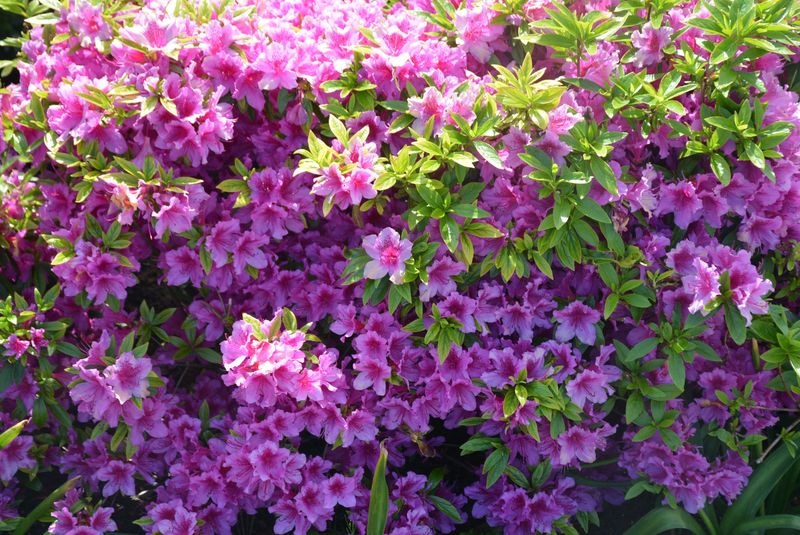
Few shrubs put on a spring show quite like an azalea, which is exactly why they line so many Pennsylvania walkways.
The trouble is that their leaves and flowers contain compounds that can upset a dog’s stomach and affect the heart. Even small amounts of chewed foliage deserve a call to your vet.
Plant them behind fencing or along a border your dog cannot reach, and rake up dropped blossoms after storms.
2. Rhododendrons
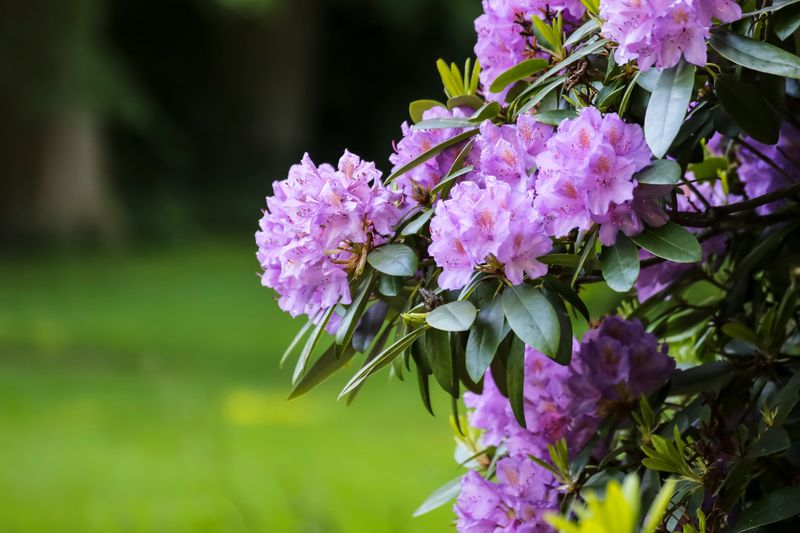
Pennsylvania’s state flower is mountain laurel, while rhododendrons are also popular landscape shrubs across the region.
Closely related to azaleas, they carry the same concerning compounds in their thick leaves, buds, and blooms. Dogs that strip branches while playing are the ones most at risk.
Consider placing rhododendrons in front beds rather than the fenced play area. Supervise puppies near any established shrub, and clear pruned clippings promptly.
3. Sago Palm
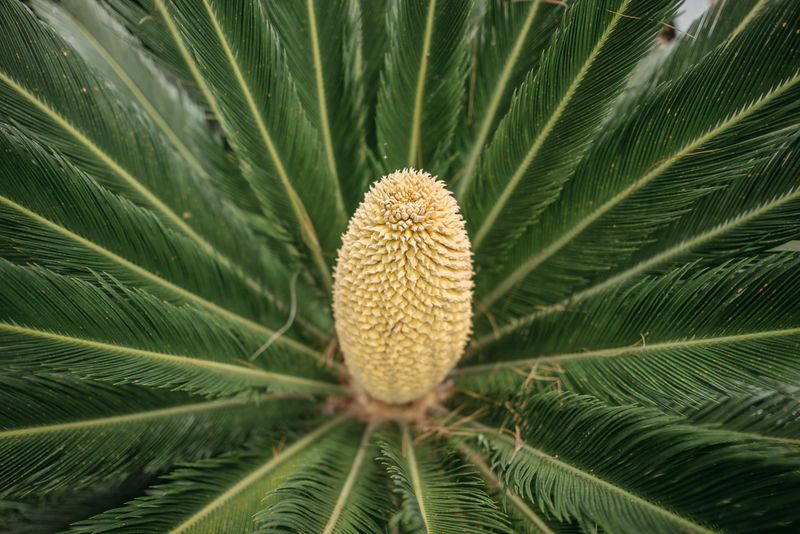
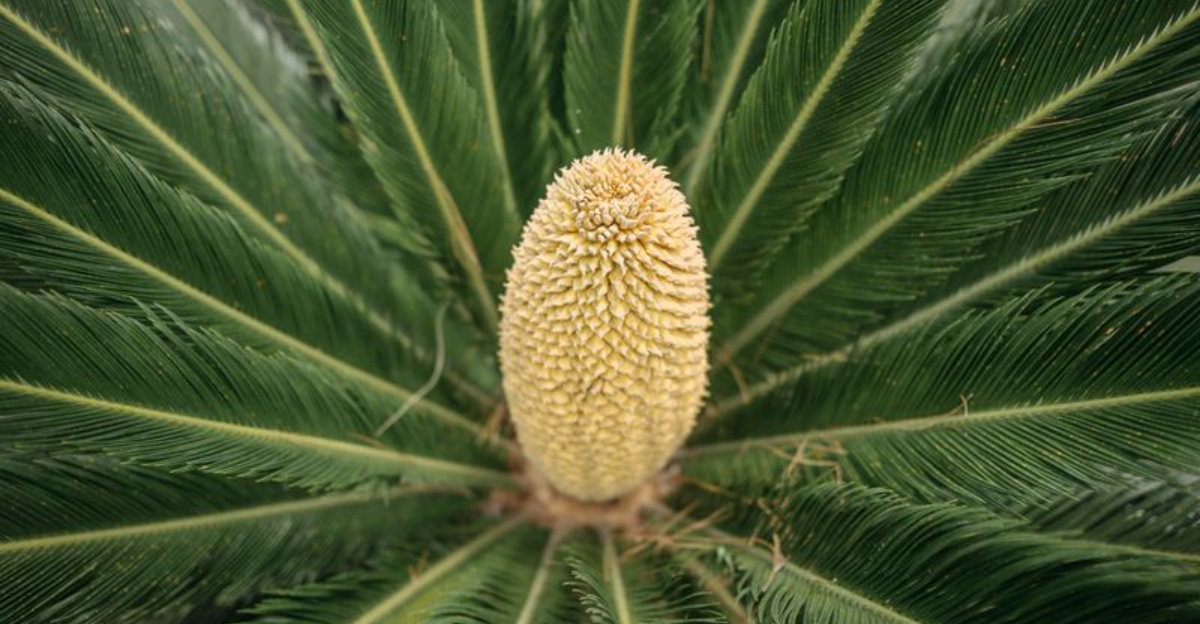
It looks like a vacation souvenir, and that is often how sago palms arrive here: as potted plants summering outdoors.
Every part of the plant is toxic to dogs, and the seeds are considered the most dangerous portion. Even one seed warrants immediate veterinary attention.
If you love the look, keep the pot on a high shelf or skip it entirely. Sweep up any shed seeds or fronds carefully.
4. Oleander
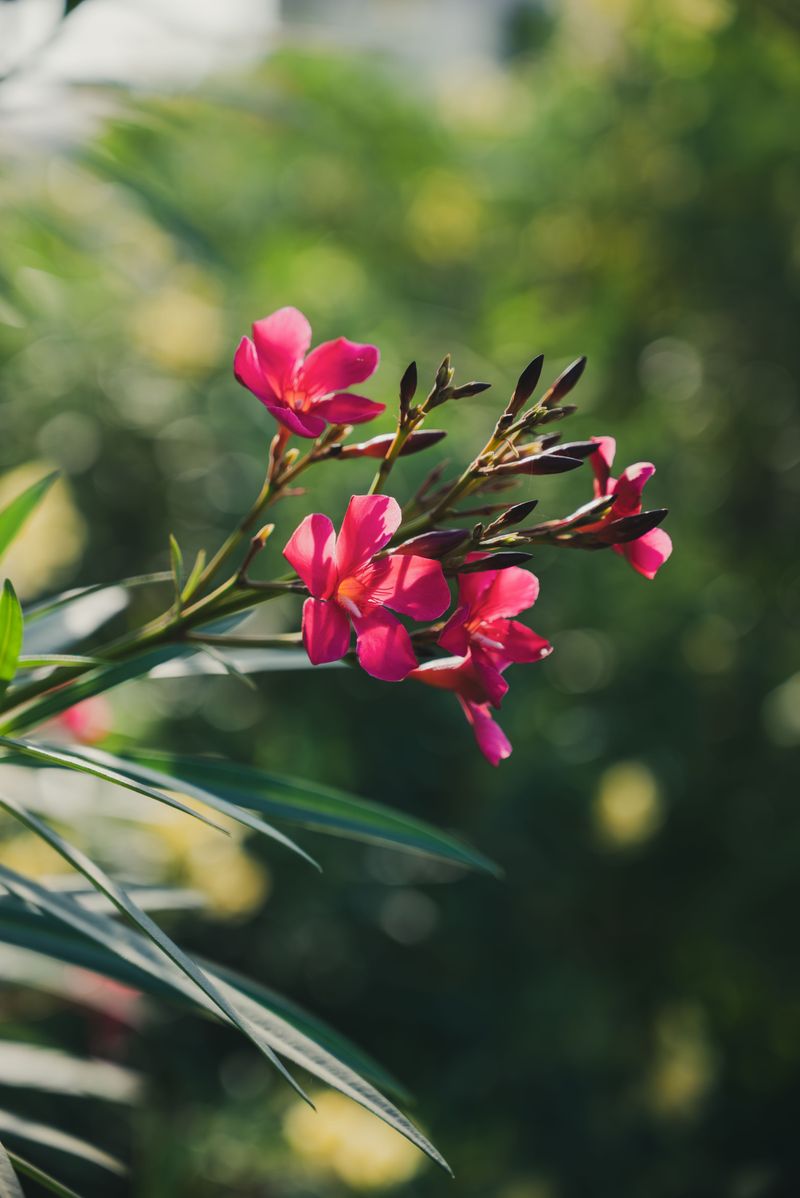
Not a Pennsylvania native, oleander may still appear in patio containers or as a seasonal ornamental plant brought outdoors during warm weather.
Leaves, stems, and flowers all contain substances that affect heart rhythm in dogs. Chewing even a leaf or two is a genuine emergency.
Place containers where paws and noses cannot reach, or choose a different flowering shrub for pet zones. Never toss trimmings into the yard or compost pile.
5. Lily of the Valley
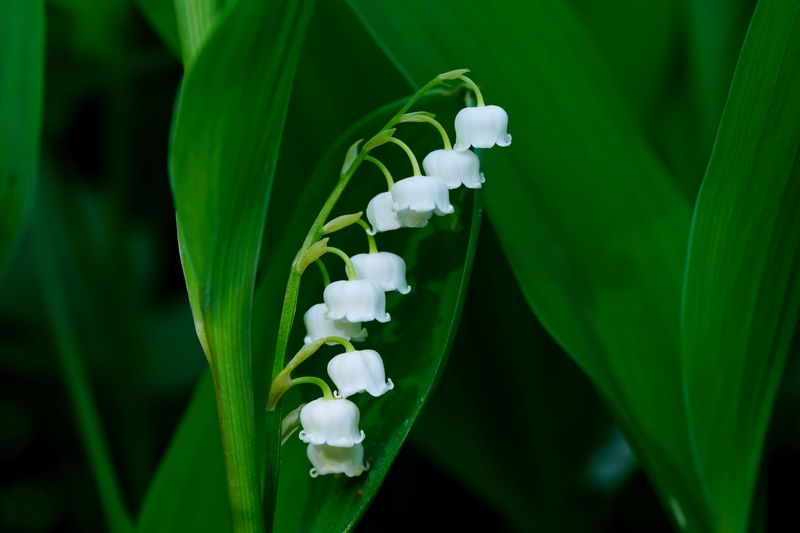
Those tiny white bells smell wonderful and spread quietly through shady corners, often under old maples and porches.
Leaves, flowers, and the red berries all contain heart-affecting compounds. Vomiting, a slowed heartbeat, or unusual tiredness after chewing means call the vet.
Because the patch expands by underground runners, check its edges each spring. Border it with stone edging, or relocate it to a fenced side yard away from your dog.
6. Daffodils
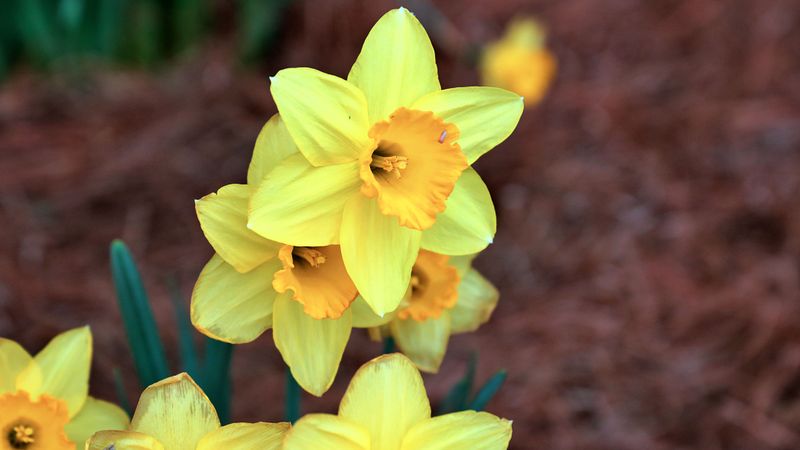
Nothing says spring in Pennsylvania quite like daffodils pushing up through cold soil in March.
The bulbs concentrate the most irritating compounds, which matters for dogs who treat garden beds like a digging project. Stems and flowers can also cause drooling and stomach upset.
Plant bulbs deeper than usual and cover beds with chicken wire until growth fills in. Store leftover bulbs in a secure container where curious pets cannot reach them.
7. Tulips
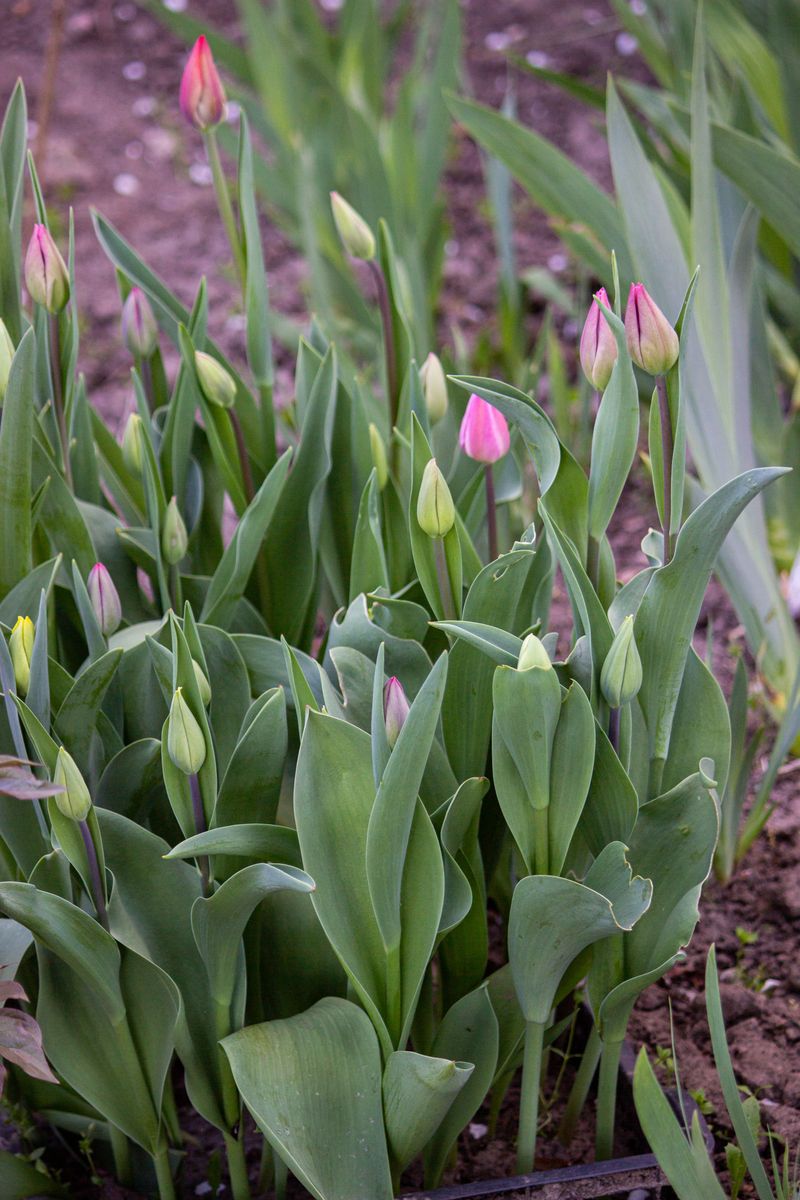
Tulip planting season tends to overlap with the exact months dogs feel like excavating.
Freshly buried bulbs are the biggest concern, since they hold the plant’s most irritating substances. Chewing or consuming them can cause drooling, vomiting, and mouth irritation.
Try planting tulips in raised containers or a bed your dog never enters. A layer of decorative stone over the soil discourages digging and still lets the shoots come through.
8. Autumn Crocus
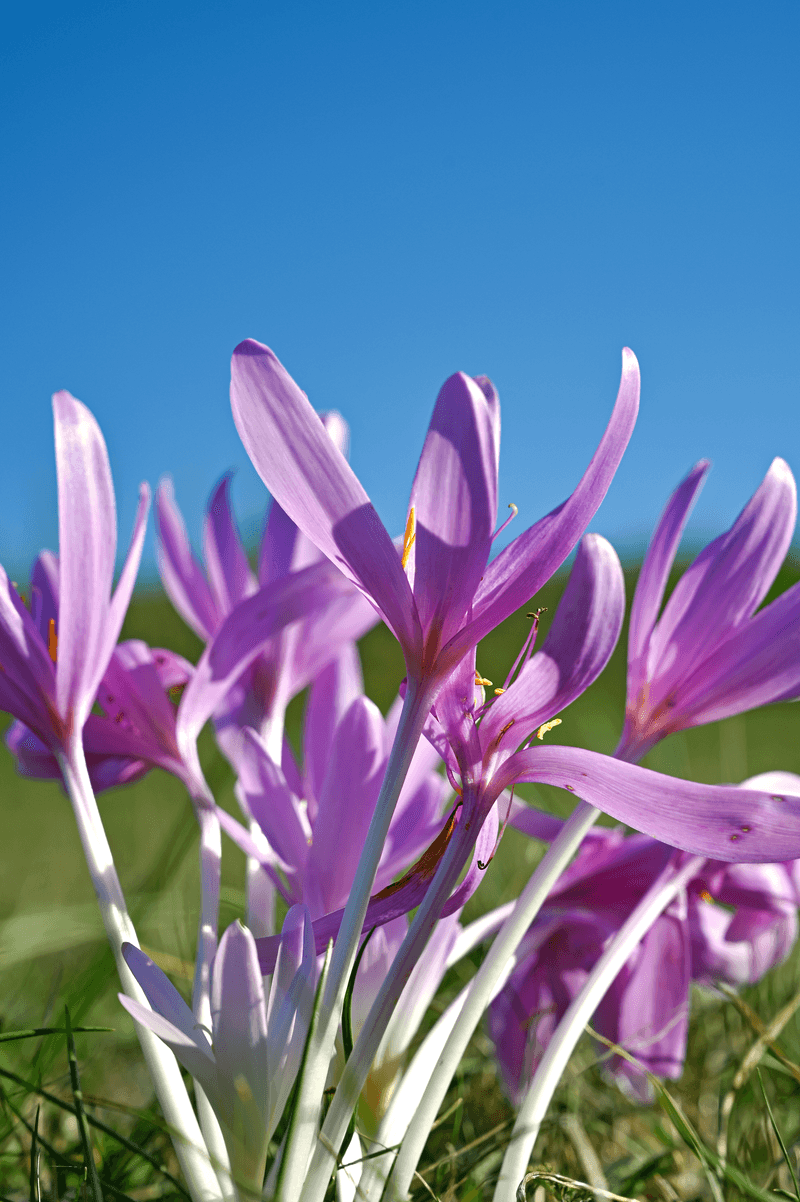
Here is a plant that fools people twice: it blooms in fall, and it is not related to the friendly spring crocus.
Autumn crocus contains colchicine, which can seriously harm a dog’s digestive system and organs. Symptoms sometimes appear hours or days later.
Given that delay, treat any chewing as urgent. Most owners with dogs are better off choosing fall asters or mums instead.
9. Foxglove
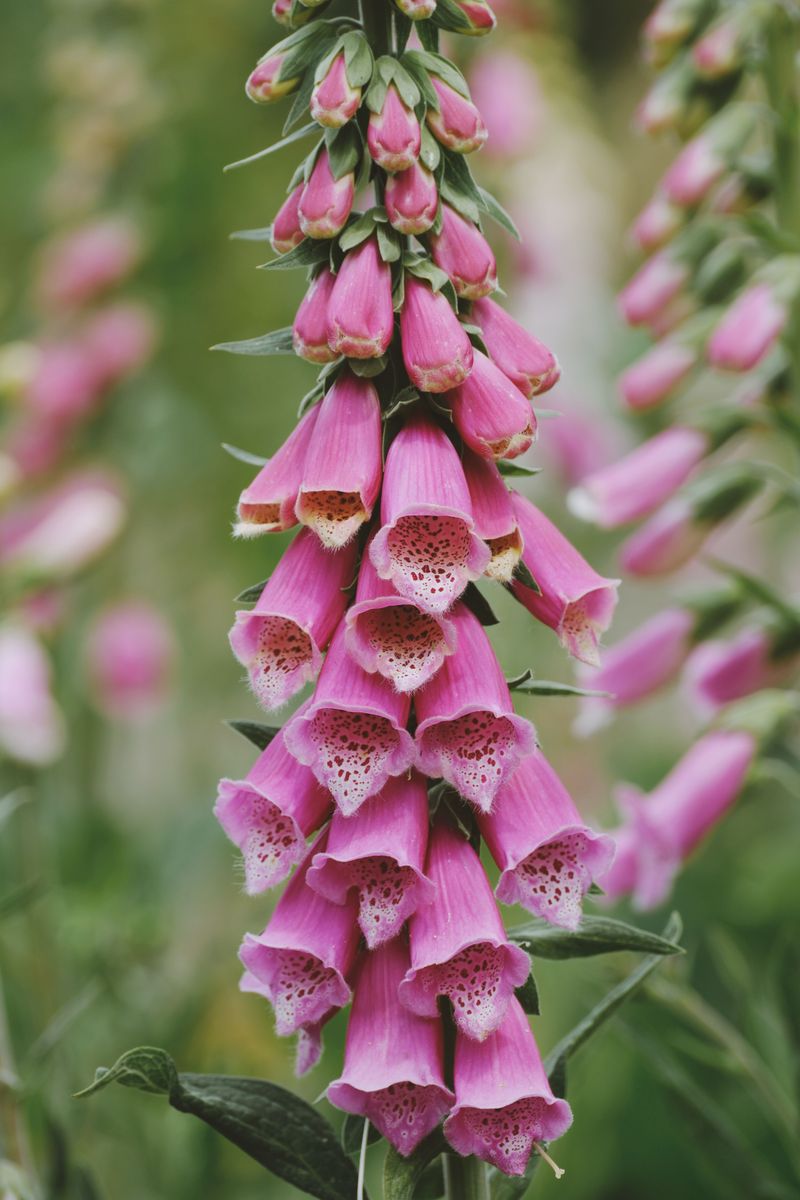
Cottage gardeners adore foxglove for its tall spires of speckled, bell-shaped blooms.
Those same plants contain digitalis-type compounds that affect heart rate, and every part is a concern for dogs. Leaves at the base sit right at nose height.
Keep foxglove out of fenced dog areas altogether. If you already grow some, deadhead spent stalks and pull volunteer seedlings before they establish nearby.
10. Hydrangea
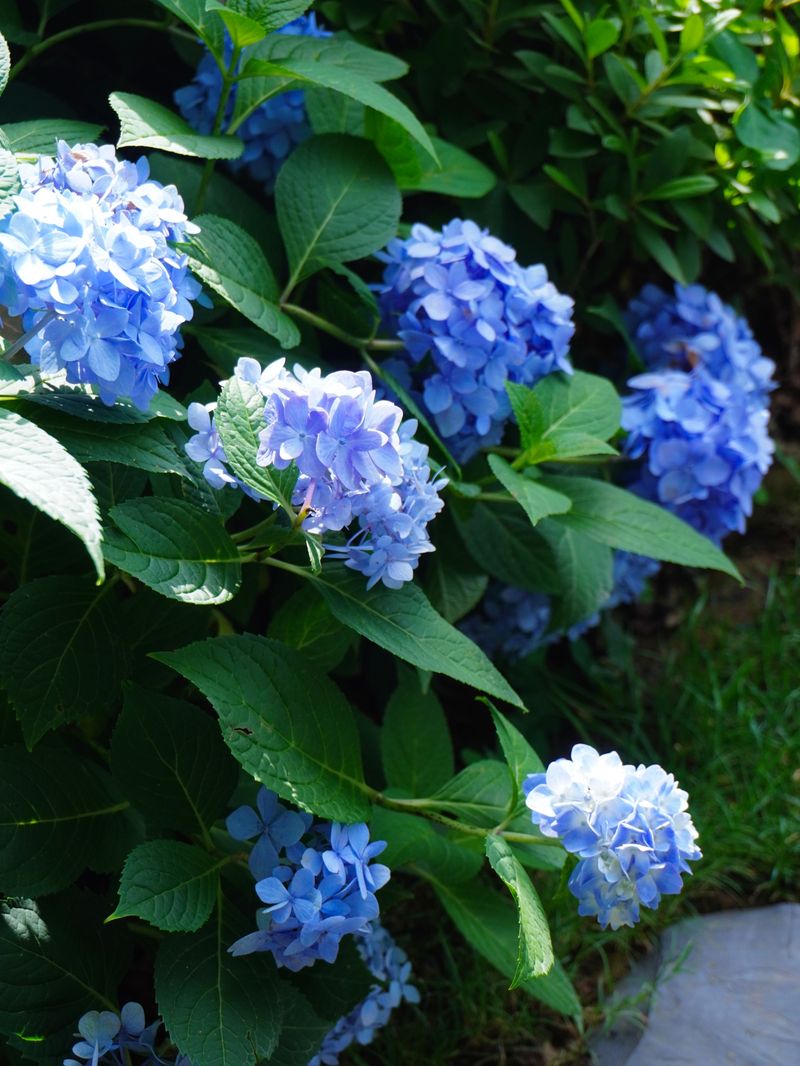
Hydrangeas anchor countless Pennsylvania porches, and honestly they are hard to beat for summer color.
Their leaves, buds, and flowers contain small amounts of a cyanide-releasing compound, so a nibbling dog may develop stomach upset or lethargy. Large quantities cause more trouble than a stray leaf.
Watch dogs who chew shrubs out of boredom. Providing chew toys and shade often solves the problem faster than fencing does.
11. English Ivy
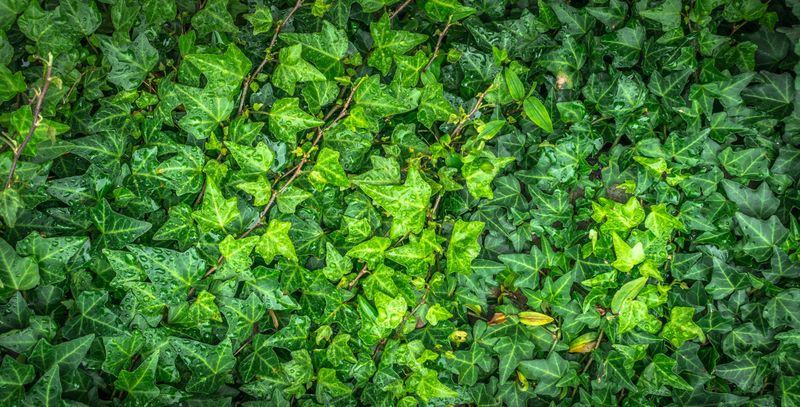
Climbing stone walls and blanketing shady slopes, English ivy is quietly everywhere in older neighborhoods.
Its leaves and dark berries contain saponins that irritate a dog’s mouth and stomach. Contact with sap can also leave skin itchy or red.
Since ivy spreads aggressively, trim it back from paths and doghouse areas each season. Wear gloves while pulling it, and bag the cuttings rather than piling them.
12. Yew
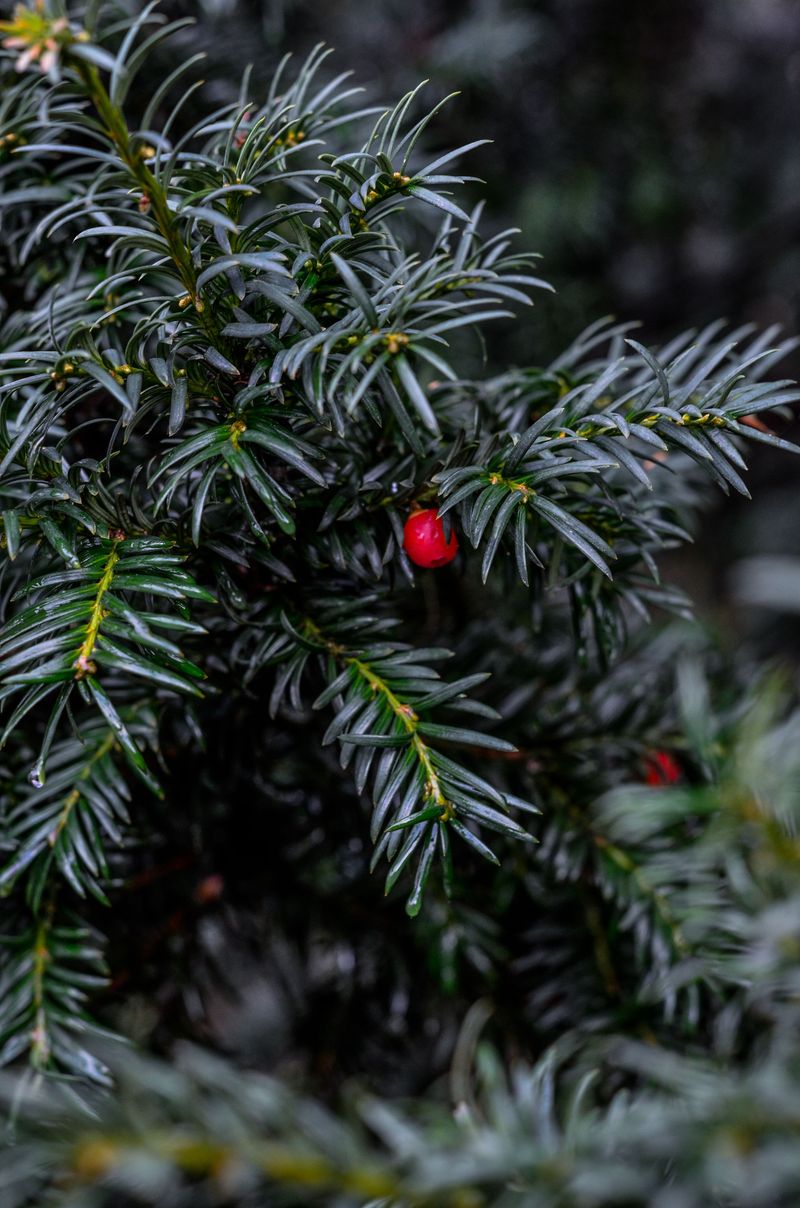
Trimmed yews hug the foundations of homes all over Pennsylvania, staying green through the worst February weather.
Their needles, bark, and seeds contain taxine compounds that affect the heart, making yew one of the more serious landscape concerns for dogs.
Clippings are especially risky, so bag them right after pruning. Place new hedges away from dog runs, and check the base for chewed branches during winter boredom.