What Oklahoma Dog Owners Should Know About Rattlesnakes And Copperheads
If you walk your dog anywhere in Oklahoma, from a red dirt ranch road to a shaded city greenbelt, you share the land with snakes. That sounds unsettling at first, but the reality is far calmer than most people expect.
Snakes are not out looking for dogs. They want warmth, cover, food, and to be left alone.
Trouble usually happens by accident, when a curious nose lands somewhere it should not. The good news is that a few simple habits prevent most close calls.
Knowing which species live here, where they rest, and how they behave gives you a real advantage on every walk. Add a solid recall, a shorter leash in brushy areas, and a tidy yard, and your risk drops considerably.
It also helps to know the early signs of a bite and exactly who to call. Think of this as the local knowledge a neighbor shares over the fence.
Nothing here is meant to scare you off the trail. The aim is the opposite: more confident outings, fewer surprises, and a dog who gets to enjoy Oklahoma right alongside you, season after season.
Know Oklahoma’s Venomous Snakes
Oklahoma hosts several venomous species, and rattlesnakes and copperheads are the two dog owners meet most often. Cottonmouths and coral snakes also live in parts of the state.
Learning the basics of where each one lives changes how you plan a walk. You start reading terrain instead of ignoring it.
Wildlife biologists with state agencies publish free identification guides. A few minutes with one builds lasting confidence for you and safer outings for your dog.
Where Rattlesnakes Are Common
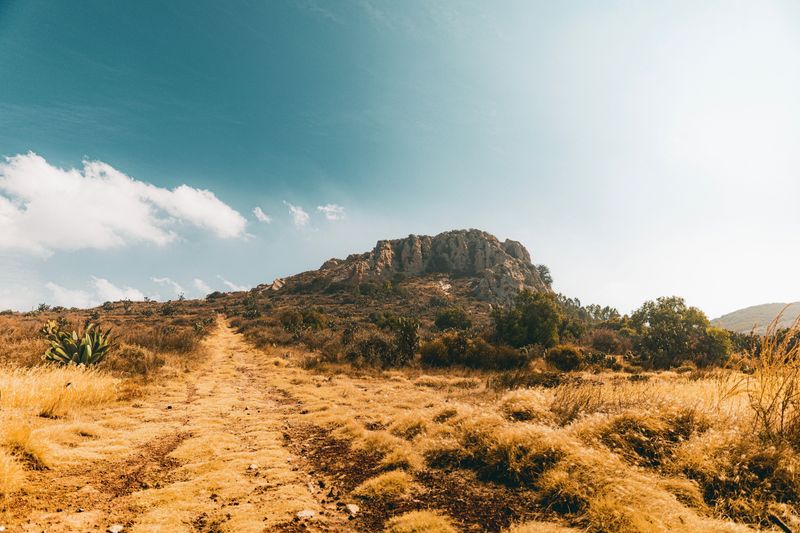
Rocky ledges, open grasslands, wooded edges, and rural pastures suit rattlesnakes well across much of Oklahoma. Western diamondbacks favor the drier western half.
Dogs running fence lines or scrambling over rock piles enter prime resting spots without meaning to.
Keep that map in your head when you choose a route. Trails through short grass with clear sightlines are simply easier to manage than thick, rocky scrambles with your dog out front.
Where Copperheads Tend To Hide
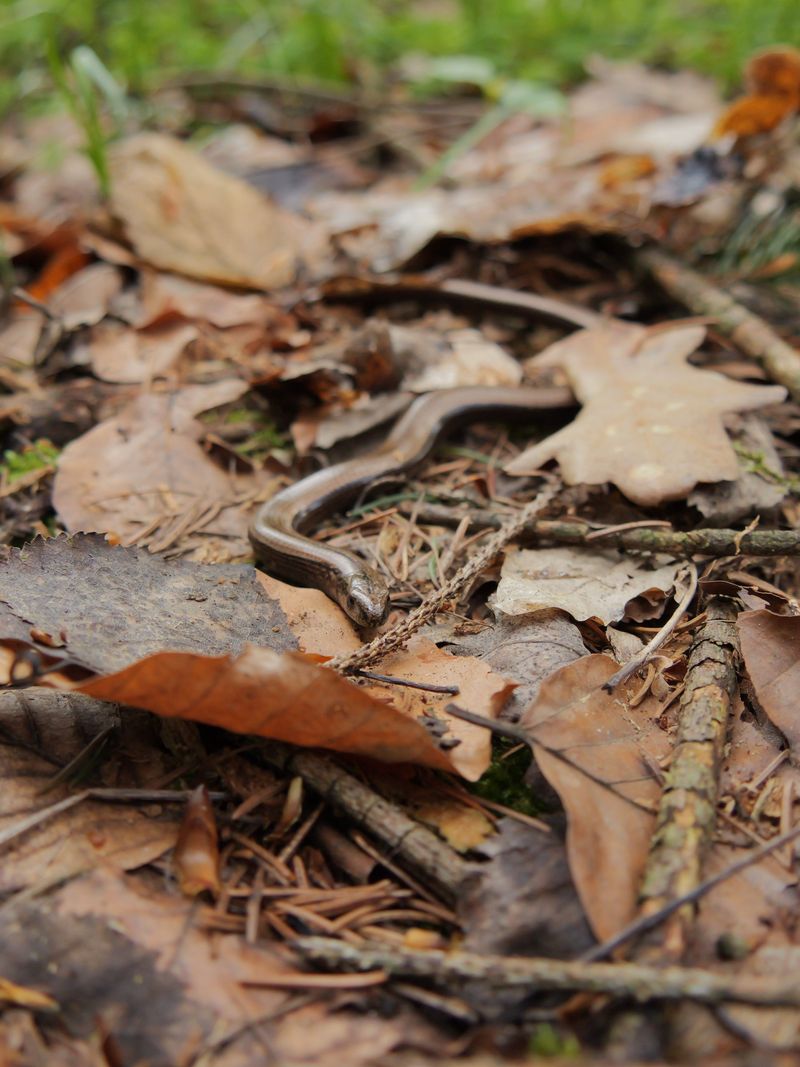
Leaf litter is a copperhead’s favorite blanket. Shaded woods, brushy creek banks, rocky hillsides, and mulched flower beds all suit them nicely.
Their coloring blends into fallen oak leaves so well that people often walk right past one.
Eastern Oklahoma’s timbered country holds plenty of them, though suburban yards with heavy landscaping qualify too. Slow down in leafy shade, and keep your dog beside you rather than plowing ahead.
Why Curious Dogs Are At Risk
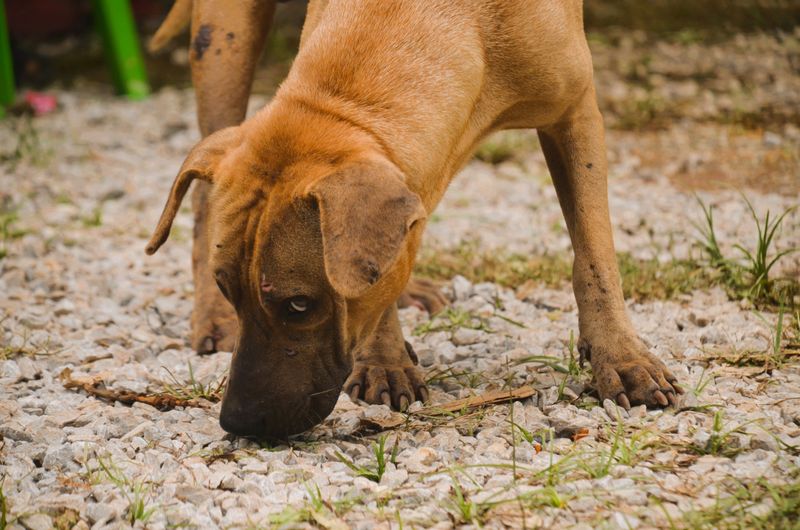
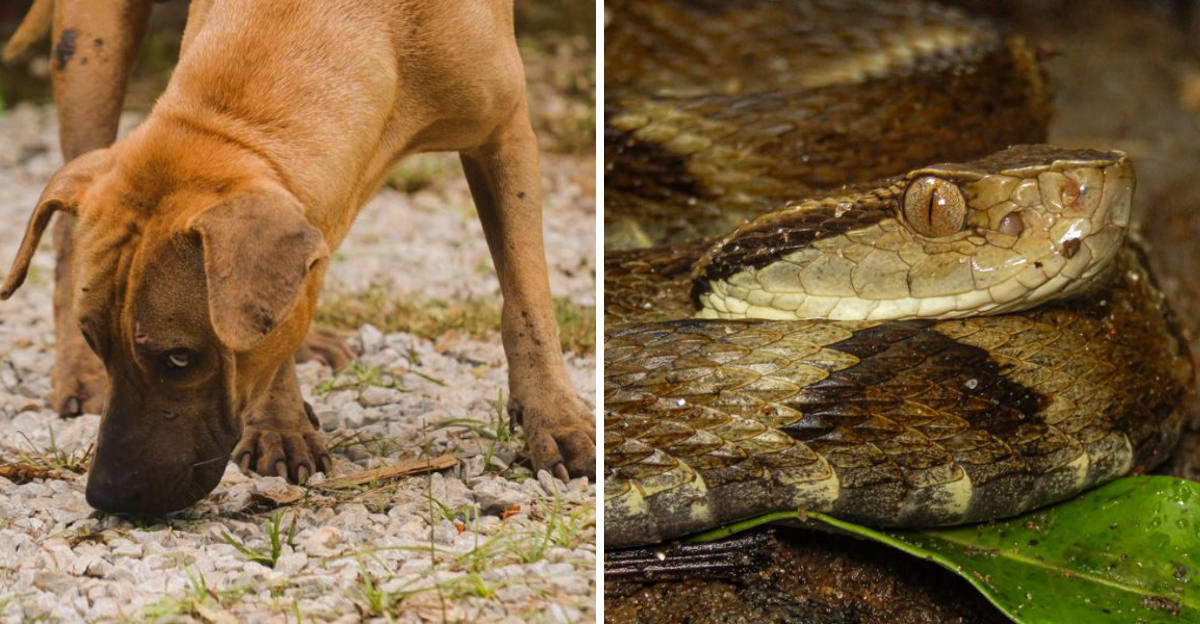
A dog’s nose does the exploring long before the eyes catch up. That instinct is wonderful for tracking squirrels and terrible for avoiding snakes.
A curious dog may put its face or paws close to a snake while investigating it, increasing the chance of a bite.
Puppies and confident sporting breeds tend to investigate hardest. Understanding this pattern helps you redirect early, before the sniffing turns into poking.
Your job is simply steering that curiosity somewhere safer.
Keep Dogs On Designated Trails
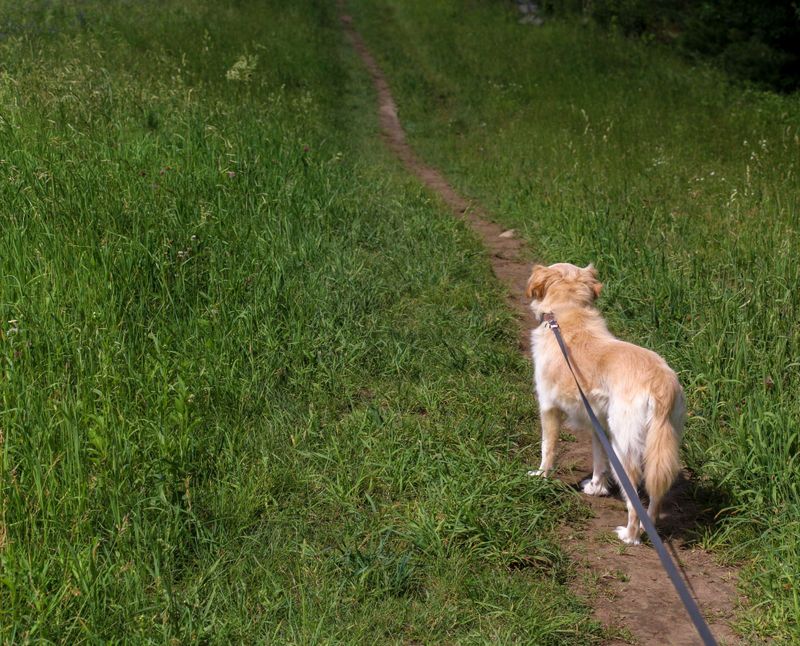
Established trails exist for good reasons, and visibility is one of them. Packed dirt shows you the ground ahead in a way tall grass never will.
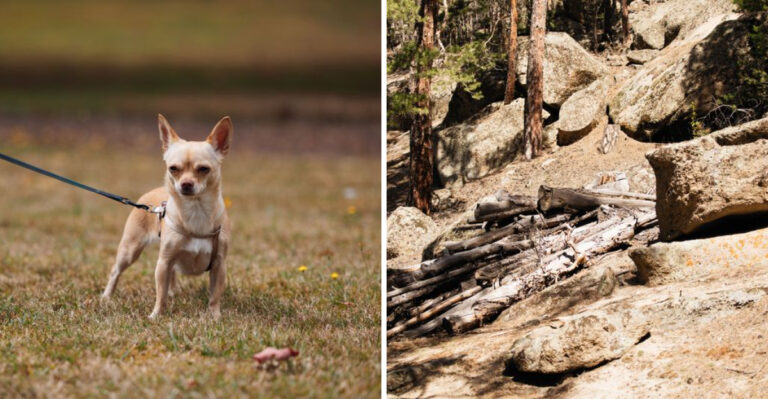
Shortening the leash through rocky or overgrown stretches keeps your dog within arm’s reach.
Many Oklahoma state parks post seasonal wildlife notices at trailheads. Reading them takes seconds.
Wandering off-trail to shortcut a loop is where most avoidable encounters begin.
Watch Where Your Dog Sniffs
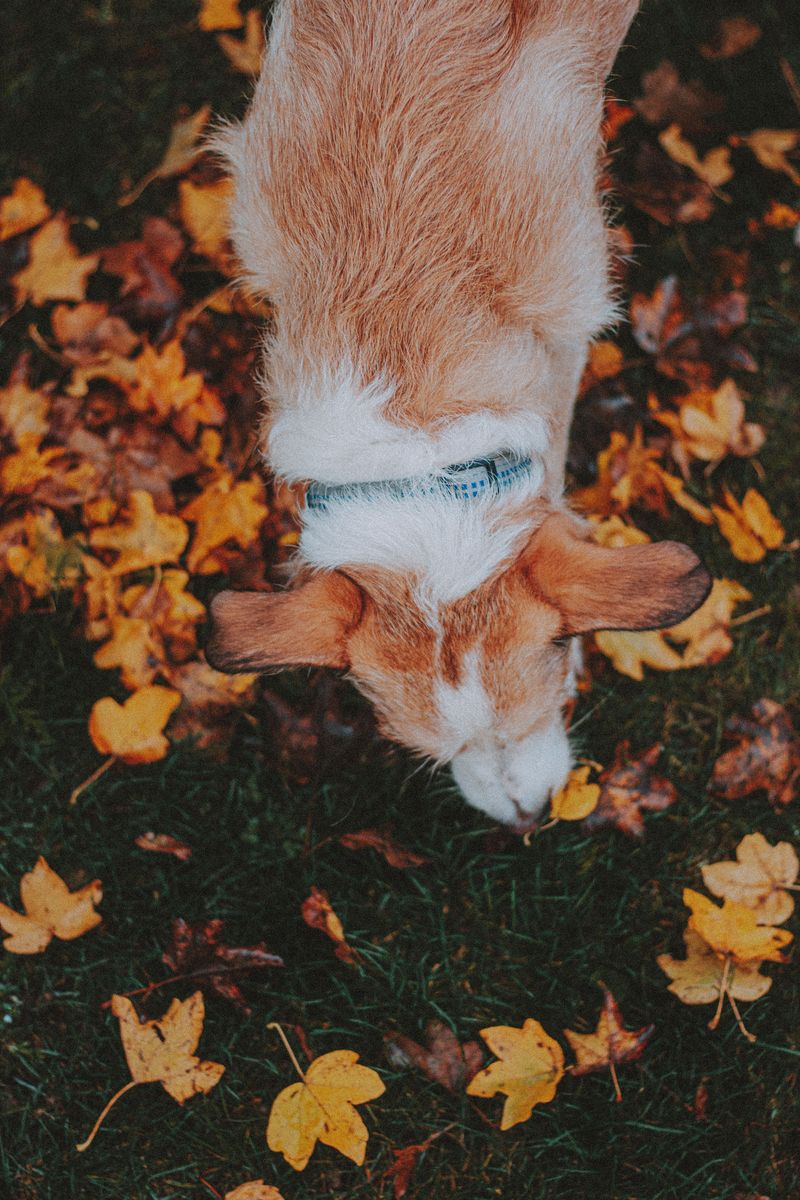
Hollow logs, rock crevices, woodpiles, and brush heaps act like tiny hotels for wildlife. Snakes rest there to escape heat or cold.
Teaching a simple leave it cue pays off enormously in those moments.
Try walking a wide arc around any dark opening at ground level. Your dog learns the pattern faster than you would expect, and the habit sticks on every future outing.
Learn To Recognize A Rattlesnake
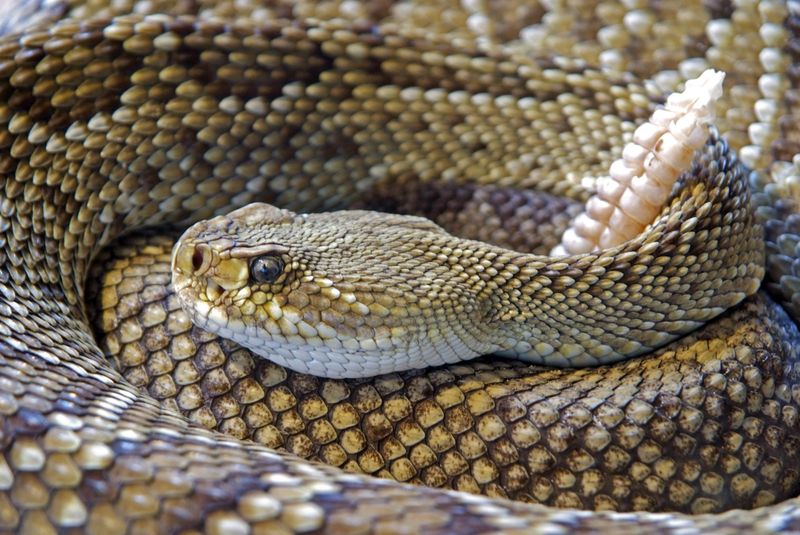
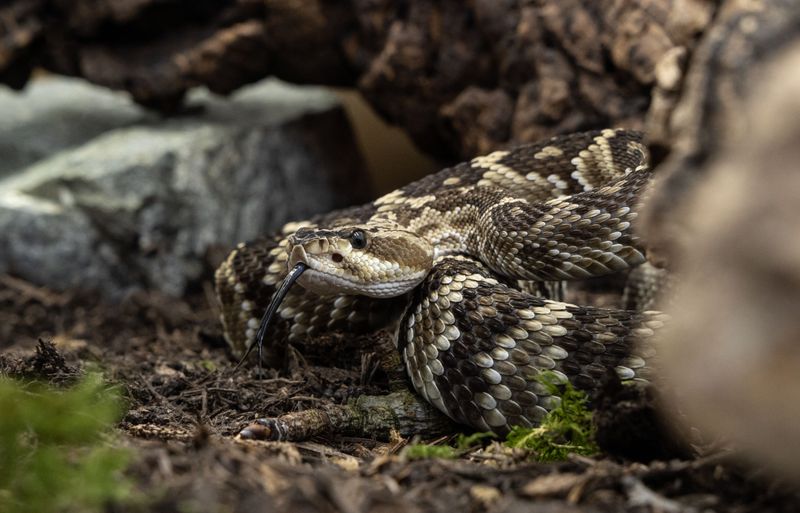
Broad triangular head, thick body, and segmented rattle at the tail tip are the classic markers. Diamondbacks add black and white tail bands.
Young rattlesnakes may have only a small button, so the rattle is not always obvious.
Identification matters from a distance, never up close. Snap a photo with your phone zoom if you can do it safely, then move along with your dog.
Learn To Recognize A Copperhead
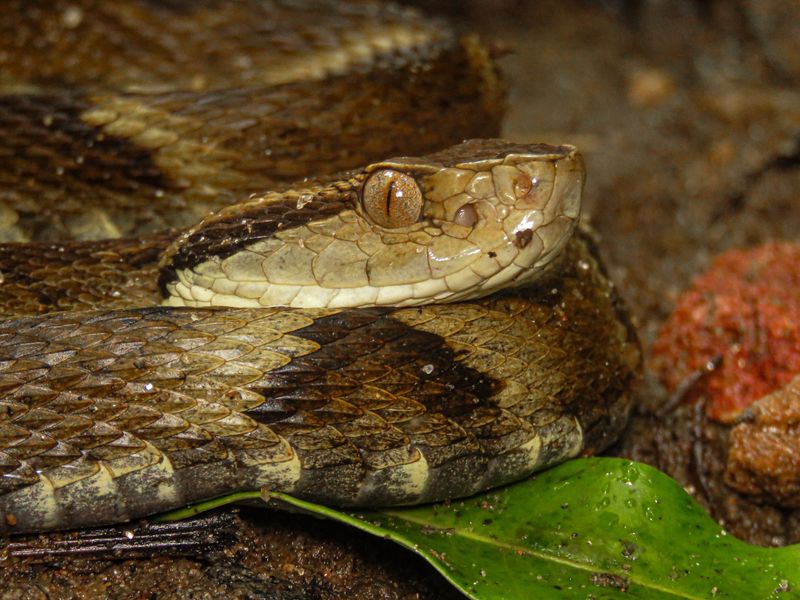
Copper-toned head and dark hourglass bands across a tan body give this species away. The bands look wide on the sides and narrow across the spine.
No rattle exists, so there is no audible warning at all.
Harmless water snakes and juvenile rat snakes get mistaken for copperheads constantly. When unsure, treat any snake as one to avoid and simply keep walking.
Listen For A Rattle
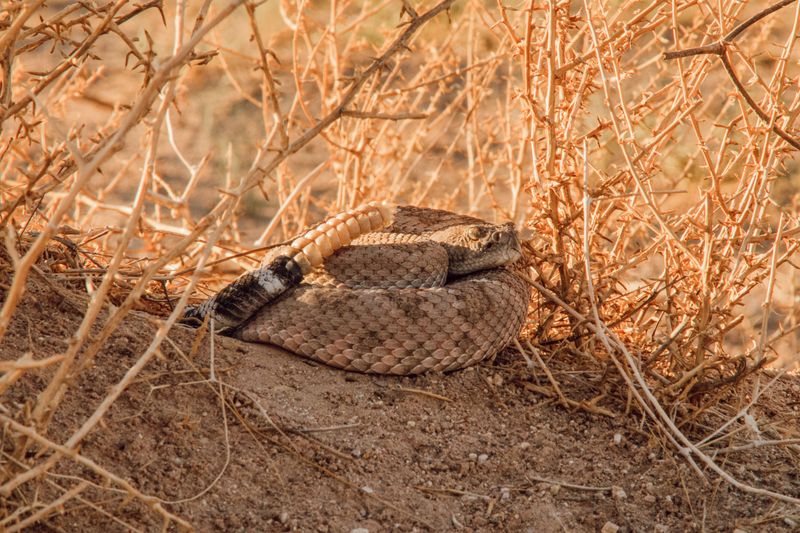
That dry buzzing sound carries surprisingly well in open country. It means a snake feels crowded and wants space.
Freeze first, locate the sound, then back away steadily with your dog on a short leash.
Running or lunging tends to make things worse. Rattlesnakes do not chase.
Give them ten feet or more and the situation resolves itself quietly, usually within a minute or two.
Keep Dogs Away From Snake Encounters
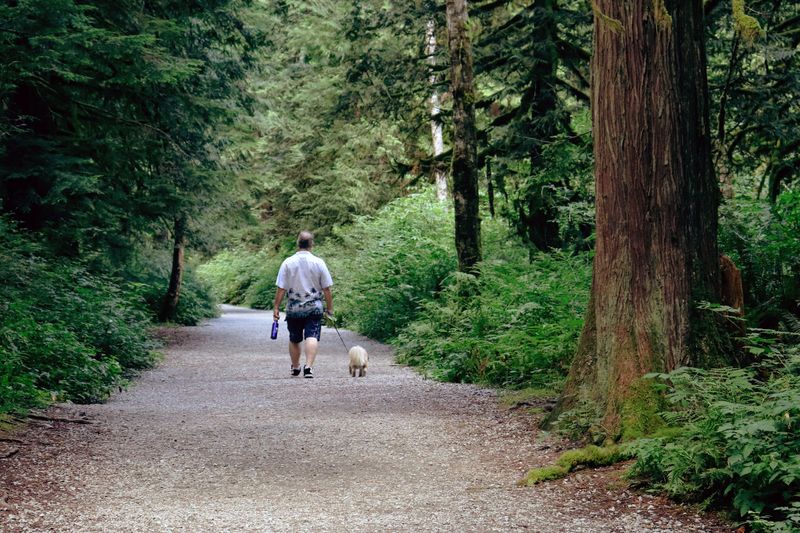
Some dogs want to bark at anything that moves. A snake being circled or cornered has fewer options and becomes defensive.
Turn your dog and walk the other direction rather than trying to shoo the animal off.
Handling or killing snakes creates unnecessary risk, and many species are beneficial. Report a persistent problem snake to animal control or a licensed wildlife removal service instead.
Be Extra Careful In Warm Weather
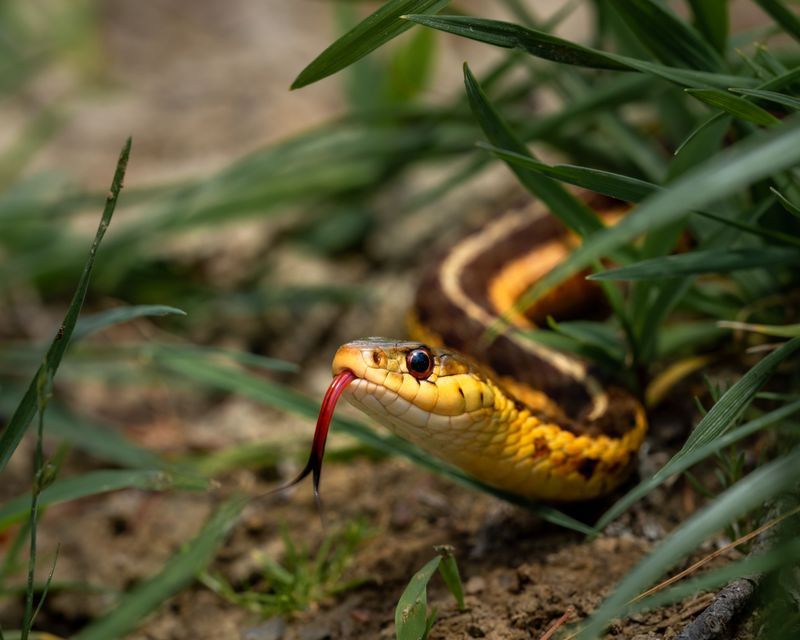
Snake activity varies by species and temperature, but many Oklahoma snakes become more active during warmer weather.
Pavement and flat rocks hold heat after sunset, which draws snakes out to bask.
Scheduling walks during cooler midday hours in spring, or using a bright flashlight after dark, cuts down surprises. Carry the light even for short backyard potty breaks in summer.
Check The Yard For Snake-Friendly Cover
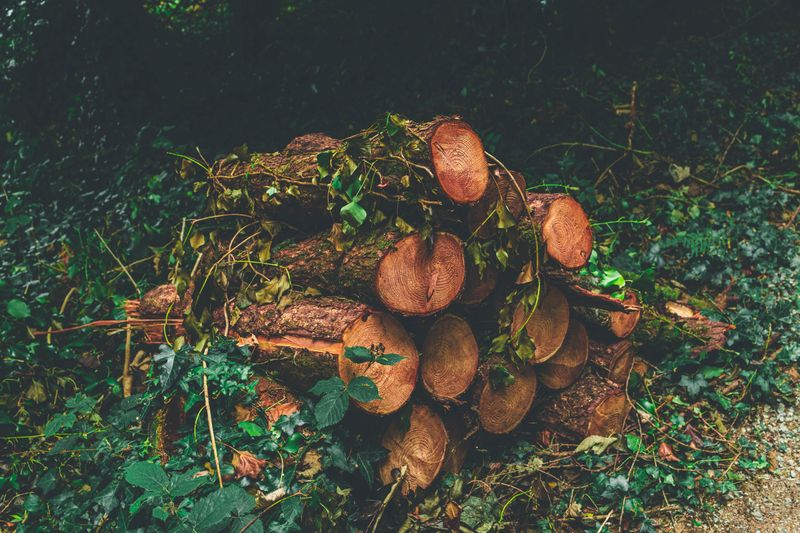
Home is where dogs relax their guard, so make the yard boring for wildlife. Lumber stacks, loose rock borders, and thick ground cover all offer shelter.
Mowing regularly and storing firewood off the ground removes easy hiding spots.
Controlling rodents matters just as much, since mice attract snakes looking for meals. Keeping vegetation, woodpiles, and other potential hiding places under control can reduce the amount of shelter available to snakes.
Use Caution Around Water And Brush
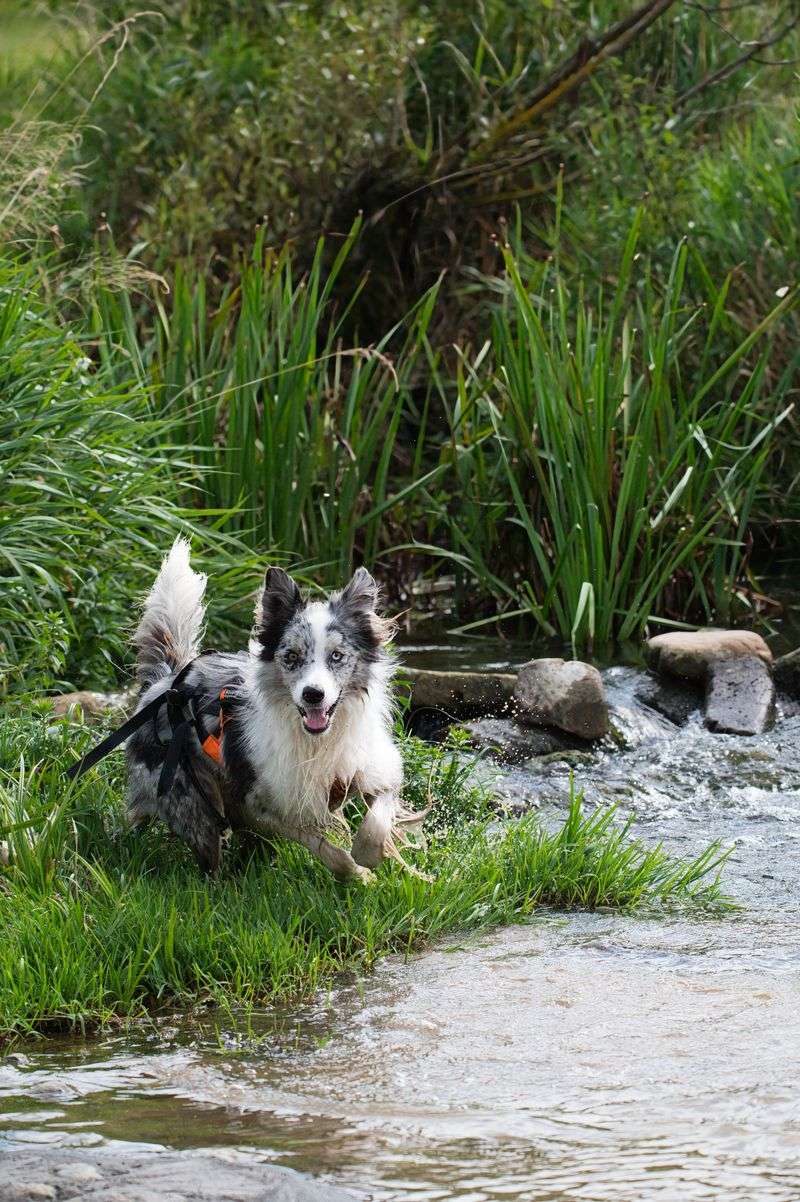
Creek banks and lake edges combine everything wildlife wants: moisture, cover, frogs, and sunning rocks. Cottonmouths favor these spots in southeastern counties.
Dogs love wading, which makes supervision essential near murky shallows and log jams.
Keep the leash on where vegetation crowds the water. Let your dog swim in open, clear areas instead of pushing through reeds and tangled brush along the shoreline.
Teach A Reliable Recall
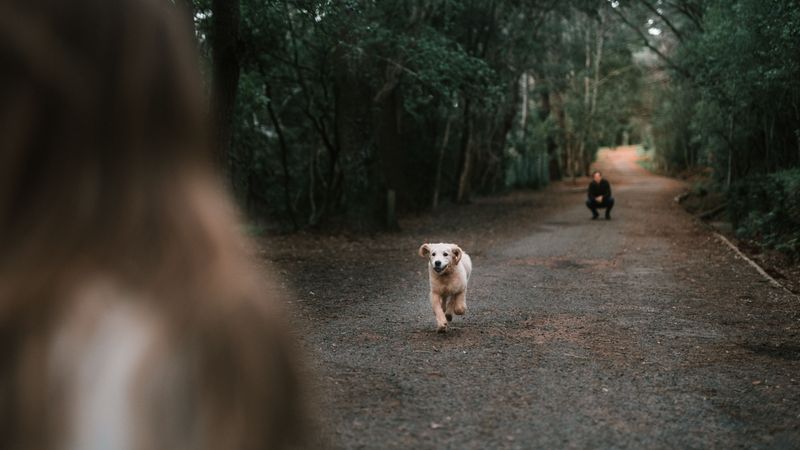
Few skills protect a dog more than coming when called. A recall interrupts trouble before it starts.
Build it indoors first, then in a fenced yard, then in gradually busier outdoor settings with a long line attached.
Reward generously every single time, even when your dog takes a moment. Punishing a slow return teaches hesitation, and hesitation is exactly what you cannot afford near a snake.
Consider Snake-Avoidance Training
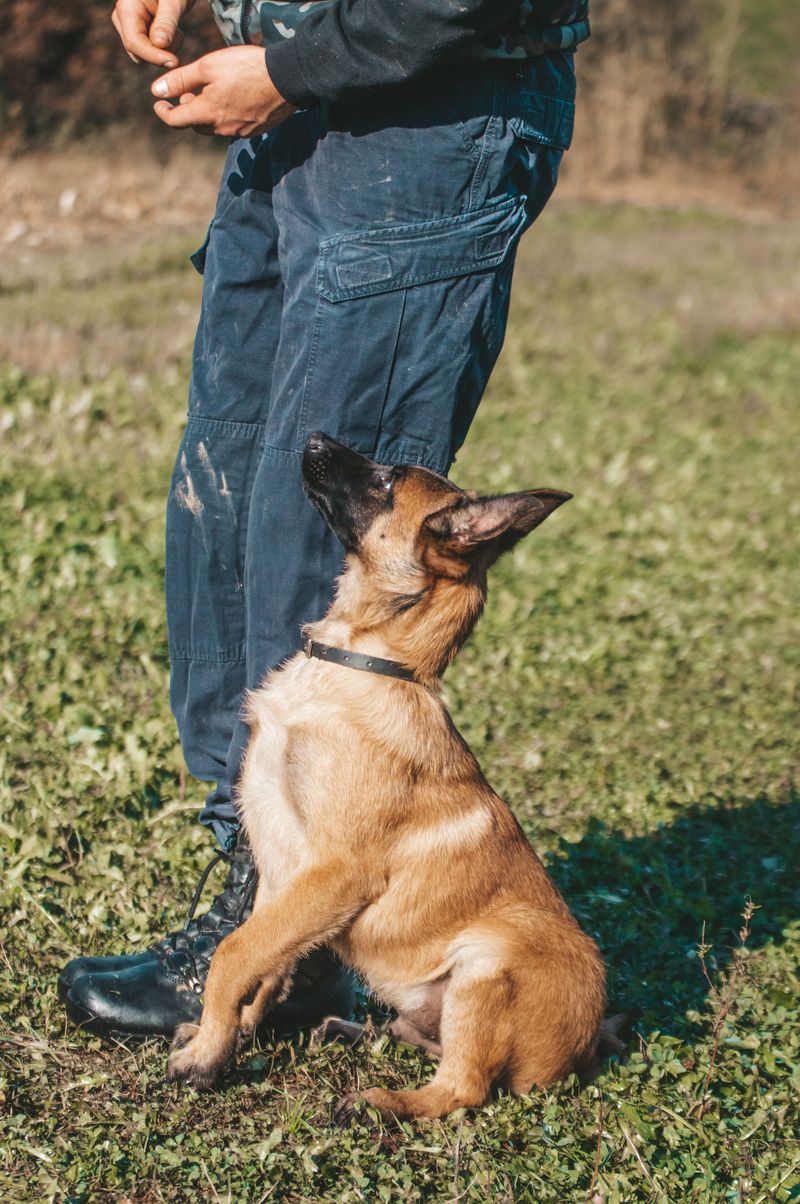
Specialized classes teach dogs to recognize snake scent, sound, and sight, then move away on their own. Several Oklahoma trainers offer seasonal sessions.
Methods vary widely, and some older approaches use aversive tools that many owners prefer to skip.
Ask directly about technique before booking. Reward-based programs exist, and a reputable trainer will explain their process openly.
Refresher sessions each spring help keep the lesson fresh.
Know The Signs Of A Possible Snakebite
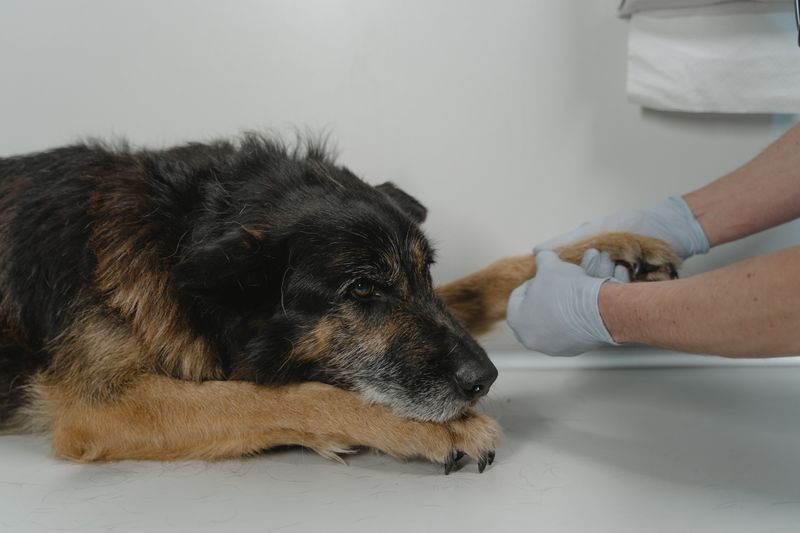
Rapid swelling around the face or a leg is often the first clue. Puncture marks, bleeding, obvious pain, drooling, weakness, or sudden restlessness can follow.
Not every bite injects venom, and reactions differ by snake and dog size.
Guessing wastes time you do not have. Any suspected bite deserves a call to your veterinarian or the nearest emergency clinic immediately, even if your dog seems fine.
Stay Calm After A Suspected Bite
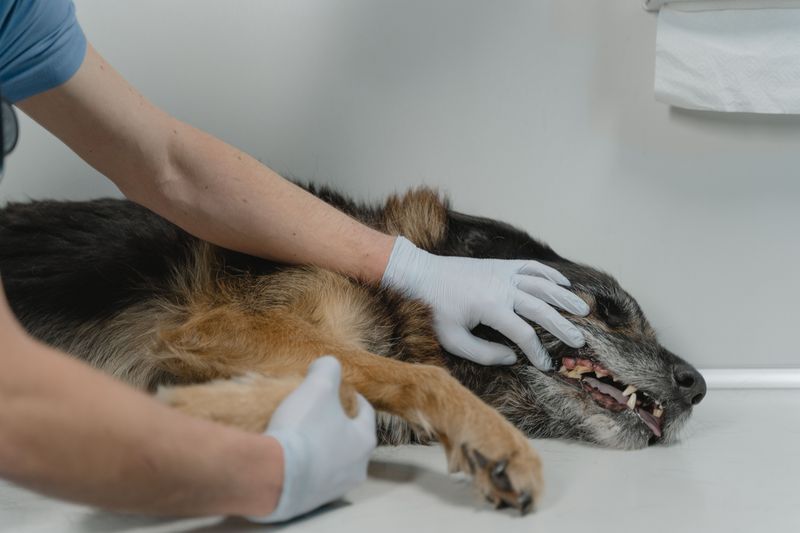
Your steadiness helps your dog stay still, and stillness slows venom movement. Carry smaller dogs to the vehicle when you safely can.
Skip tourniquets, ice, cutting, and suction devices, since veterinary organizations advise against all of them.
Call ahead so the clinic prepares before you arrive. Antivenom and supportive care work best early, so driving directly beats searching online for home remedies.