What Michigan Dog Owners Should Know About Strong Currents At Great Lakes Beaches
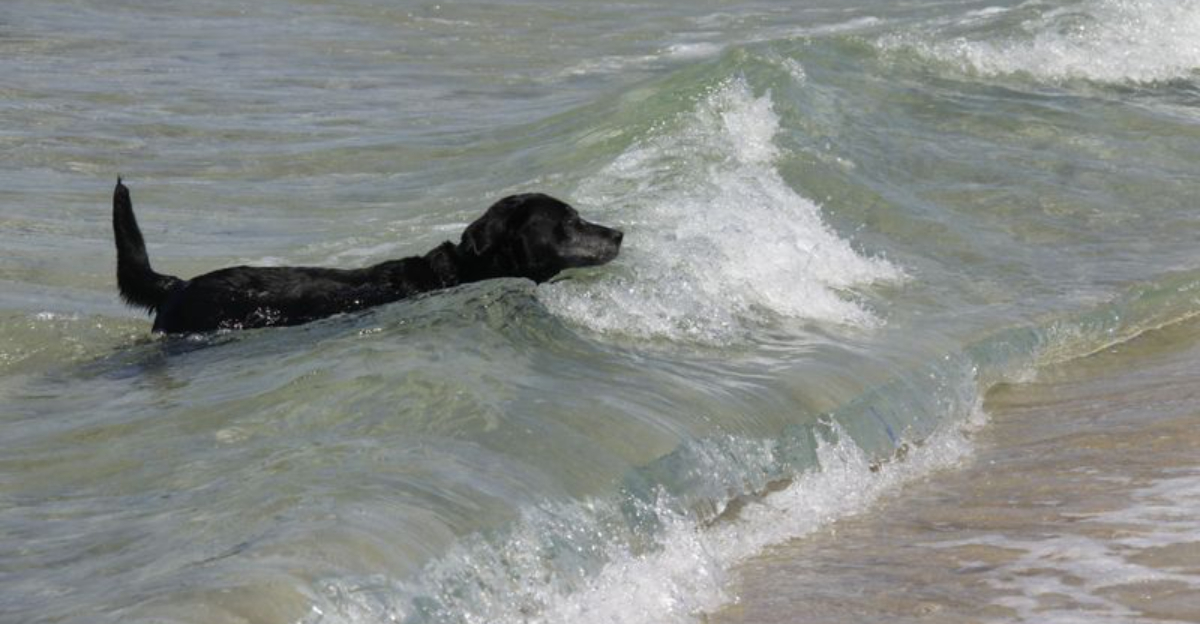
If you live in Michigan, you probably measure summer by how many beach days you get. Sandy shoreline, cool water, and a happy dog shaking off spray: it is hard to beat.
The Great Lakes are wonderful places to bring a dog, but they behave more like inland seas than like ponds. Wind can build waves in a hurry, and water near shore can move in ways that surprise even experienced swimmers.
That does not mean you should stay home. It simply means a little local knowledge goes a long way.
Think of this as advice from a neighbor who has spent plenty of mornings on Lake Michigan sand, watching the water before letting anyone splash in. The habits below are simple: check the forecast, watch the waves, keep a leash handy, and know when to call it a day.
None of it takes much effort, and all of it helps your dog stay comfortable. Read through the points, pick up a few new routines, and you will feel steadier the next time you park at a familiar beach and hear the water.
Good beach days start with good preparation, and your dog is counting on you for that part.
Great Lakes Water Can Change Quickly

Glassy water at nine in the morning can look completely different by noon. The Great Lakes hold enough open space for wind to stack up waves fast.
Before your dog trots toward the shoreline, take a look at what the water is actually doing. Compare it to what you expected on the drive over.
If the surface has turned choppy and loud, treat it as a new beach with new rules for the day.
Rip Currents Deserve Extra Attention
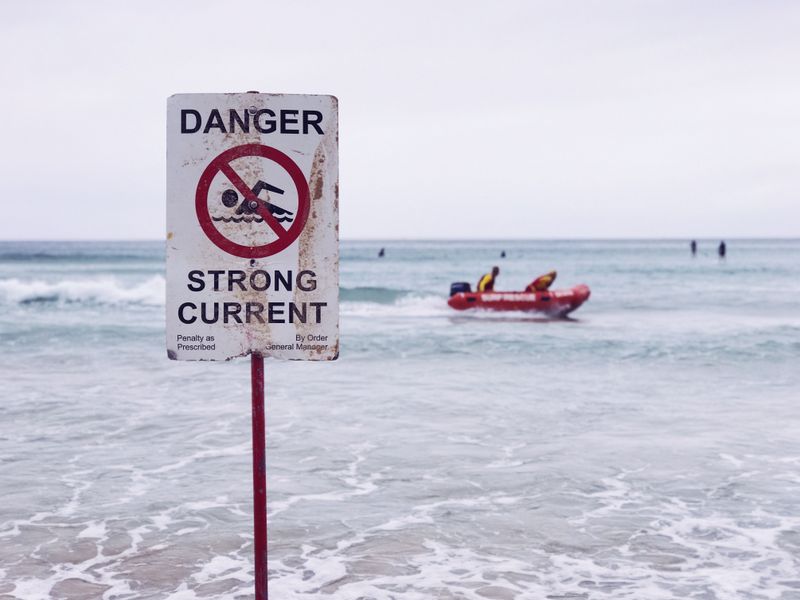
Rip currents can pull water away from shore through narrow channels, and they can occur on Great Lakes beaches when conditions are favorable.
Swimming against that kind of movement tires a dog out much faster than a normal paddle around the shallows. Strength does not solve the problem.
Look for gaps in the breaking waves or streaks of churned, sandy water. When you spot those signs, keep your dog on the beach and close to you.
Dogs Are Not Immune to Water Hazards
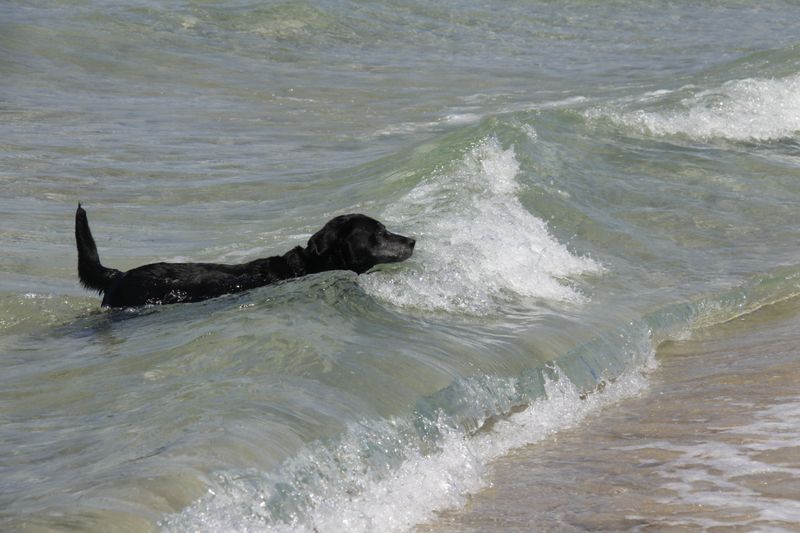
Plenty of owners assume a natural swimmer handles anything. Retrievers included, dogs get tired and disoriented in rough water just like people do.
Repeated waves to the face make breathing harder, and cold water drains energy sooner than most folks expect.
A dog who paddles happily in a quiet bay may struggle in open surf. Judge each outing by today’s conditions, not by past performance.
Wind Can Transform a Familiar Beach
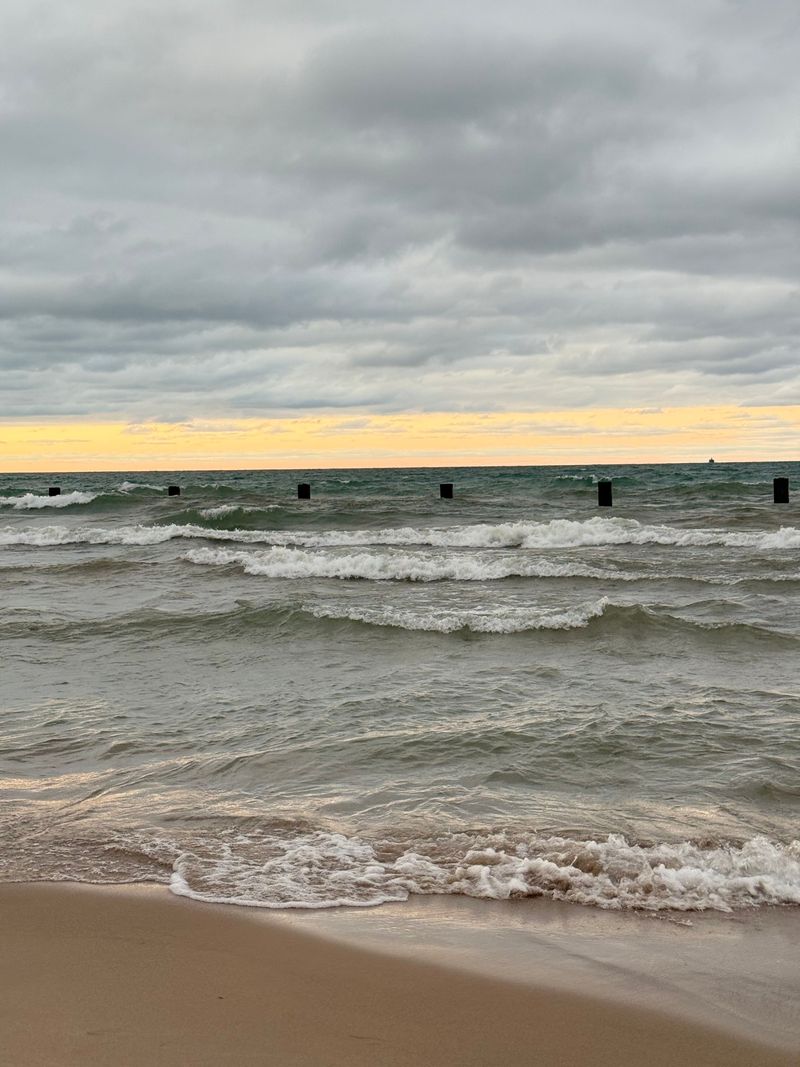
Here is the part locals learn quickly: the wind direction matters more than the temperature.
Onshore wind pushes waves straight at the sand and stirs up stronger movement close to shore. The same beach can feel tame on a calm morning and busy the next afternoon.
When flags snap and sand skitters past your shoes, adjust your plan. A leashed walk often beats a swim on breezy days.
Waves Can Make Shorelines Unpredictable
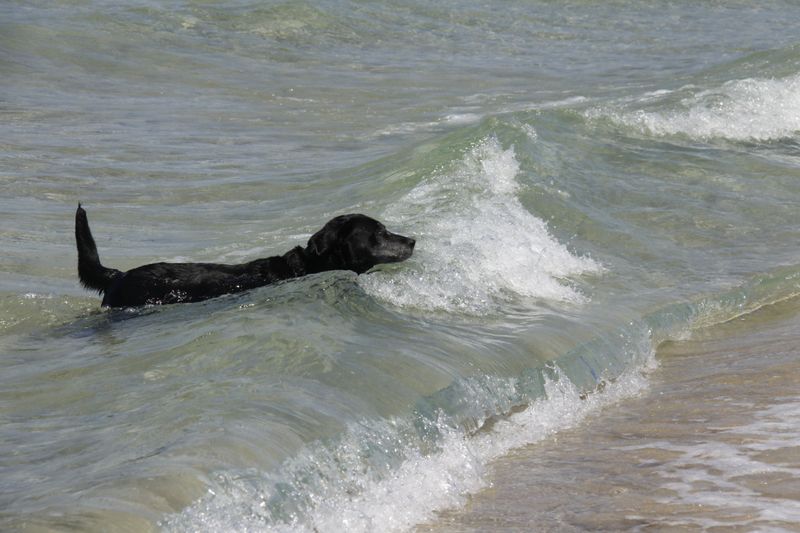
Even knee-high breakers can knock a mid-sized dog sideways. Sand shifts underfoot, and the pull of retreating water carries pets farther out than they intended.
Toy games get risky here, since a focused dog will chase a ball straight into the churn.
Keep throws short and onto dry sand when surf is up. Standing within a few steps of your dog gives you room to help quickly.
Watch the Water Before Your Dog Enters
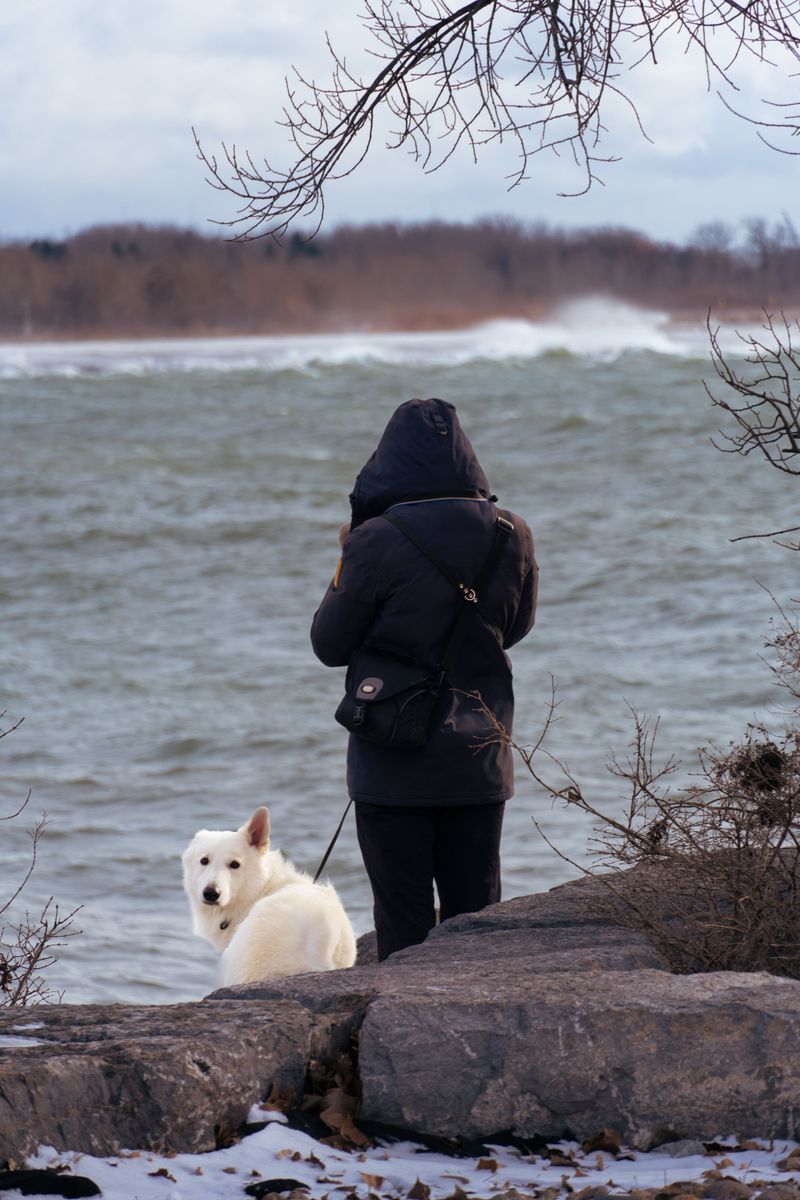
Give yourself five quiet minutes on the sand before anything else happens. Watch how waves break, where foam gathers, and whether the water pulls sideways.
Patterns become obvious once you actually look. Uneven, choppy movement with no rhythm is a signal to stay dry.
My own habit is simple: leash on, sit down, watch. If the lake still looks unsettled after that, we walk instead of swim.
Leashes Provide an Important Safety Margin
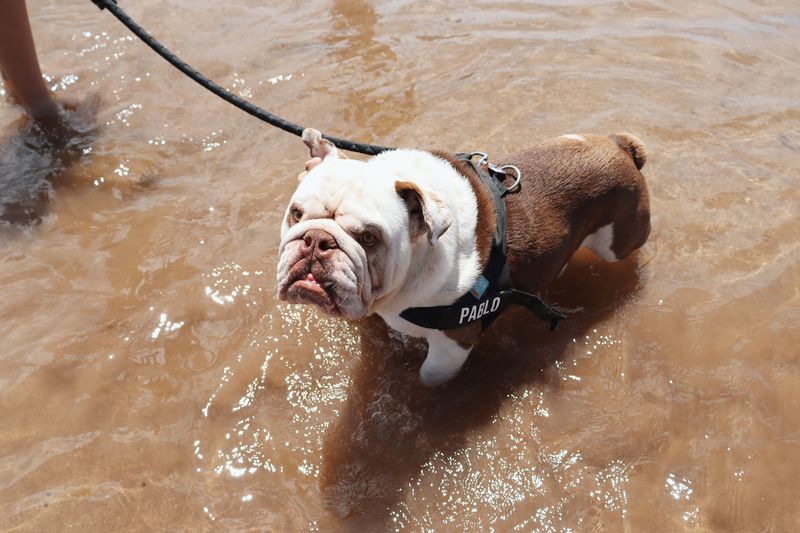
Excitement builds fast at the beach. Gulls, other dogs, and crashing waves all pull attention away from you.
A leash can help keep your dog within reach when that happens, and Michigan state parks require pets to remain on a six-foot leash, including while they are in the water. It also helps you steer clear of rough water without a wrestling match.
Many Michigan beaches require leashes anyway, so check the posted signs. Local rules vary by city, county, and park system.
Avoid Letting Dogs Swim Alone
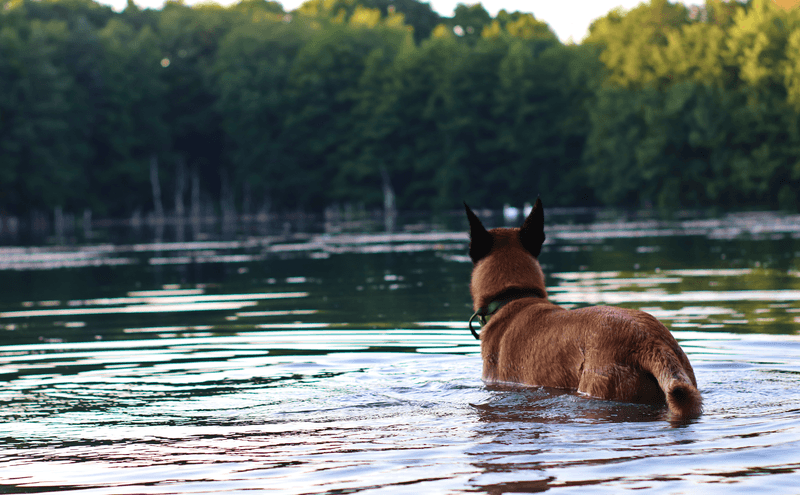
Water that looks flat near your feet can move differently thirty feet out. Depth changes, sandbars, and drop-offs are common along the Great Lakes.
Staying beside your dog means you notice fatigue right away instead of from a distance.
Where swimming is allowed, wade in and stay involved. Keep the session short enough that your dog finishes with energy to spare rather than running on empty.
Life Jackets Can Add Buoyancy
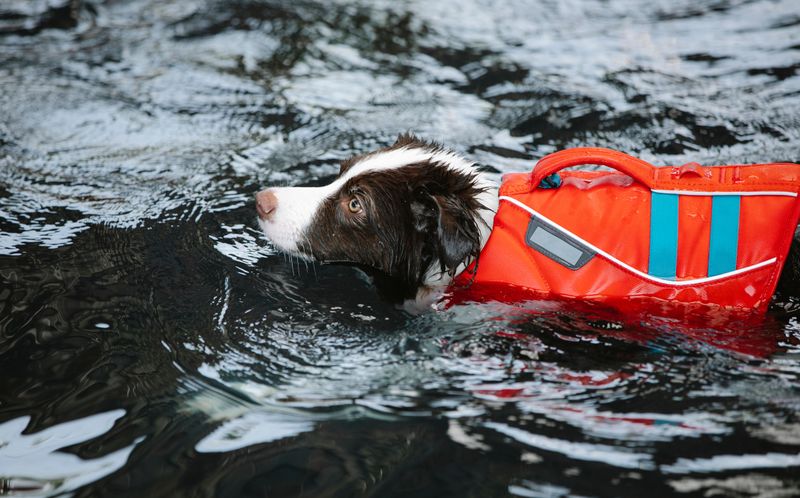
A canine life vest is one of the least glamorous and most useful things in a beach bag.
Extra flotation helps a tired dog stay level in choppy water, and bright colors make spotting them easier.
Look for snug straps plus a strong handle across the back, since that handle lets you lift and guide. Check the fit at home before your first outing of the season.
Check Beach Rules Before Arriving
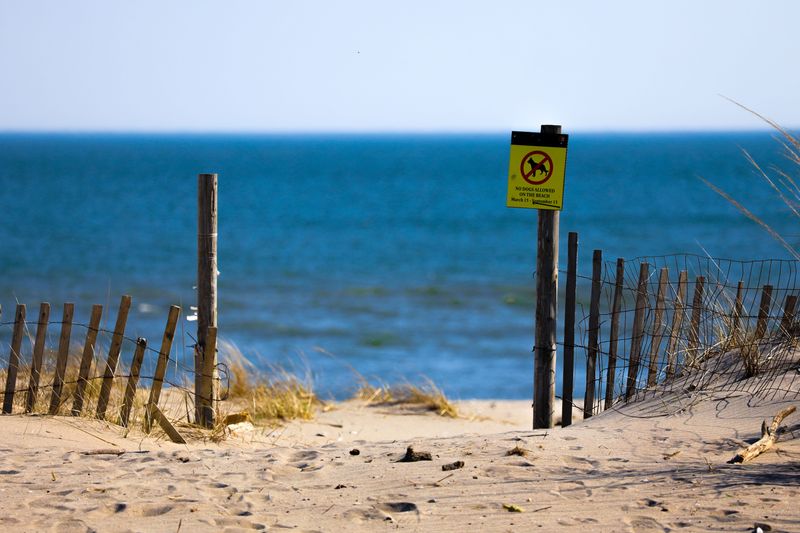
Rules differ more than most visitors realize. Some Michigan beaches welcome dogs year-round, others restrict access during summer months, and a few designate separate dog areas.
State parks, city beaches, and county parks each set their own policies.
A quick look at the park website or a call to the office saves a wasted drive. When signs and websites disagree, follow the posted sign on site.
Pay Attention to Weather Forecasts
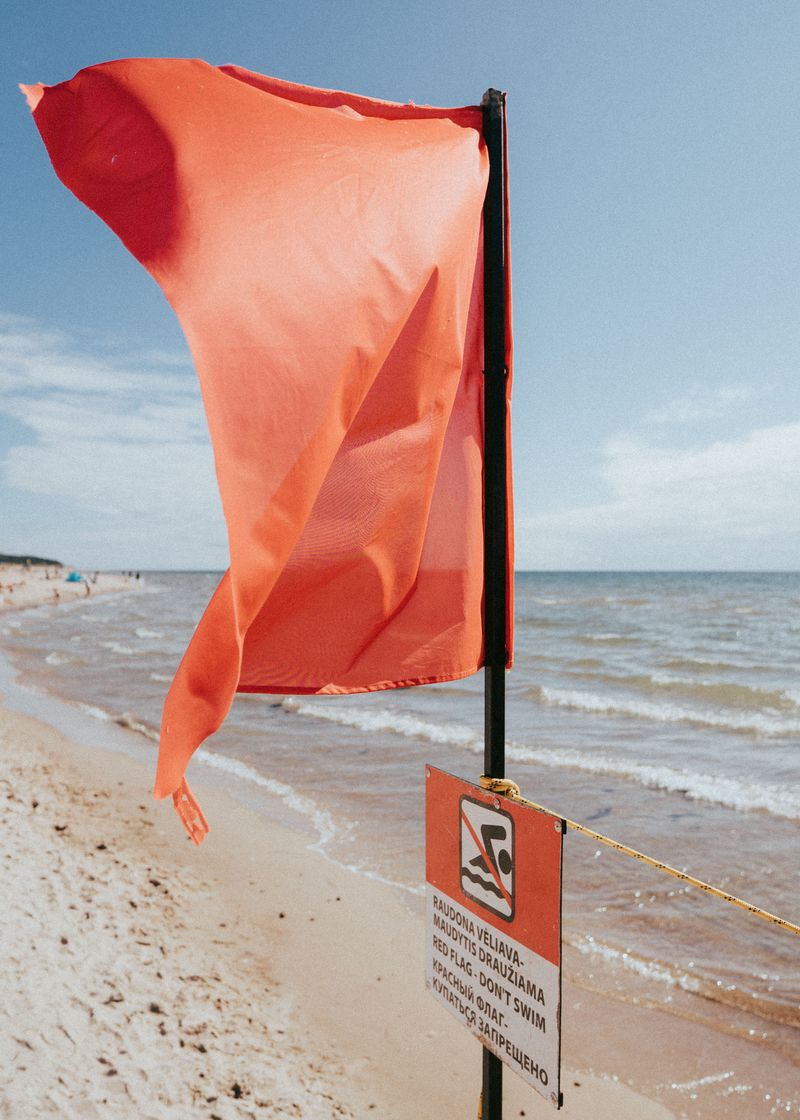
Wind speed and direction shape Great Lakes conditions more than sunshine does. Forecasts from the National Weather Service include beach hazard statements and wave height estimates.
Those details tell you plenty before you load the car.
Yellow or red beach flags, where posted, offer another quick read once you arrive. Planning a long shoreline day makes checking the afternoon outlook especially worthwhile.
Keep Dogs Away From Dangerous Water Conditions
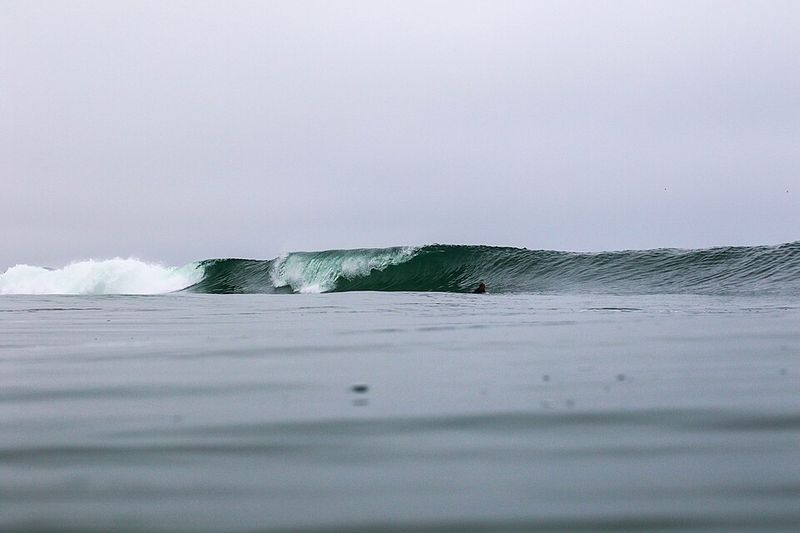
Some days the answer is simply no swimming. Heavy breakers, strong sideways pull, or water full of churned sand all point that direction.
There is no prize for finding out how your dog handles it.
Swap in something on solid ground: a sniffy walk along the dune path, a game in the parking area grass, or a nap in the shade together.
Fresh Water Should Always Be Available
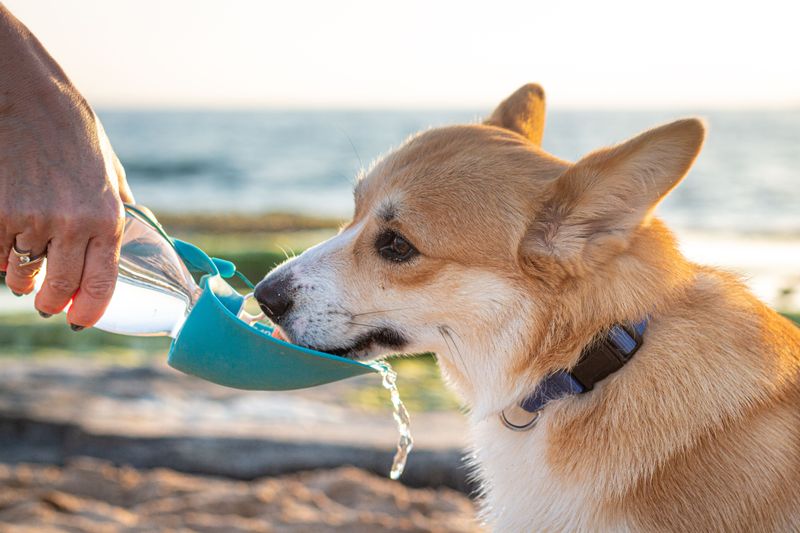
Thirsty dogs will lap up lake water without a second thought. Large amounts can upset the stomach, and shoreline water sometimes carries bacteria or algae.
Bringing your own supply is the easy fix.
Offer a drink every fifteen or twenty minutes on warm days, especially after active swimming. If your dog seems unwell after a beach trip, contact your veterinarian for guidance.
Wet Dogs Need a Safe Exit
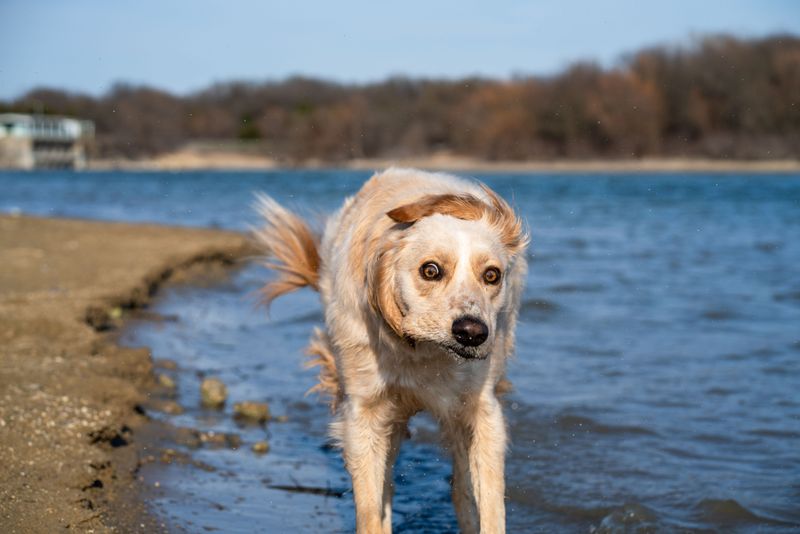
Getting out matters as much as getting in. Cool Great Lakes water saps energy, and steep sand, rocks, or breakwalls make the return trip harder.
Pick spots with a gradual, sandy slope.
Build in rest breaks on dry ground between swims, and keep a towel handy for a quick rub down. A short breather often refreshes a dog enough for one more happy lap.
Watch for Changing Conditions and Know When to Head Home
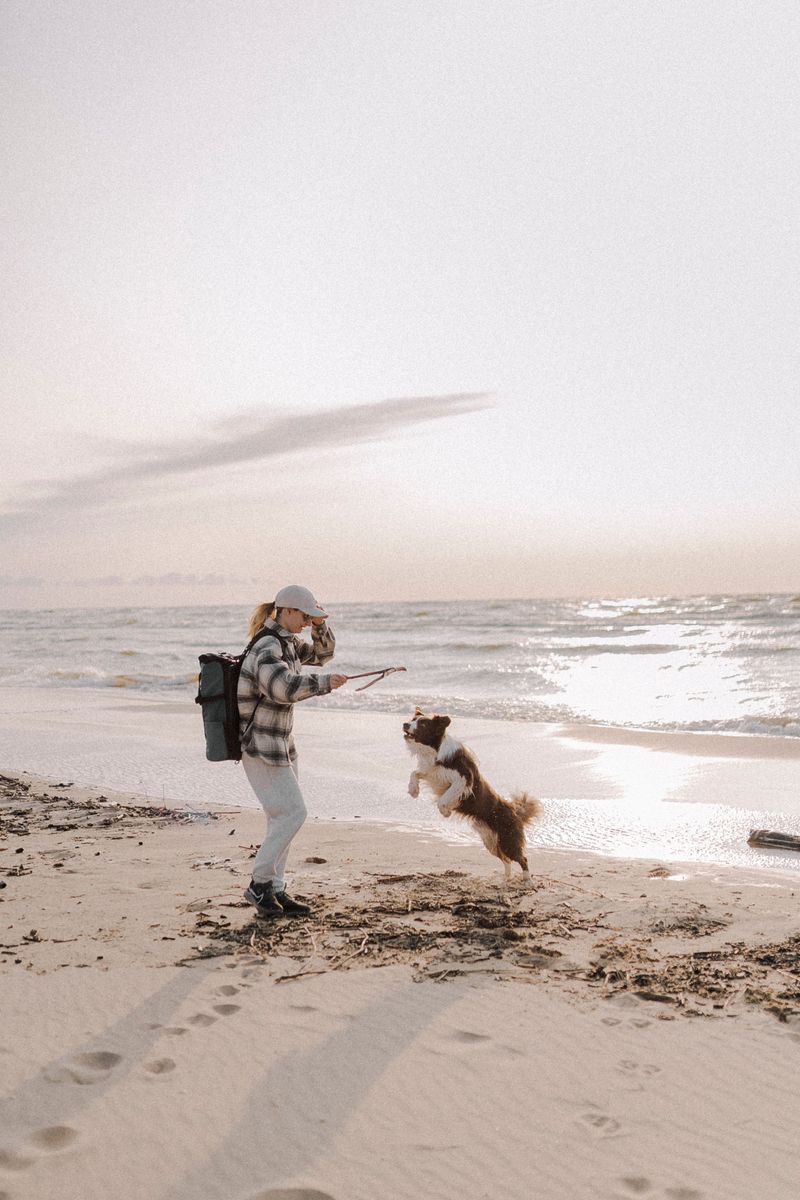
Lakes do not stay still while you relax on your towel. Keep glancing up to see whether wind and waves are building.
Your dog gives signals too: heavy panting, hesitation at the water’s edge, or shaky footing in the surf.
Honor those cues and pack up early. A beach day that ends with a calm, tired, happy dog is exactly the goal.