Why Tick Checks Matter After Minnesota Trails Once The Snow Melts
If you live in Minnesota, you know the feeling. The snow finally gives up, the trails firm out, and your dog is pulling toward the door before you find your boots.
Spring hikes here are one of the best parts of the year, and there is no reason to skip them. There is just one small habit worth adding to your routine once the ground thaws: the tick check.
Ticks wake up earlier in the season than most owners expect, often while patches of snow are still tucked into shady spots. That surprises a lot of first-time spring hikers.
The good news is that a tick check takes only a few minutes, and it works. Careful, consistent looking is one of the simplest things you can do for your dog after time outdoors.
Think of this as the rundown a neighbor with plenty of trail miles would give you at the trailhead. You will learn when ticks become active, where they tend to wait, which spots on your dog deserve the closest attention, and what to do if you find one attached.
Nothing here is meant to keep you home. It is meant to help you head out feeling prepared and calm.
Spring Warmth Flips the Switch on Tick Activity
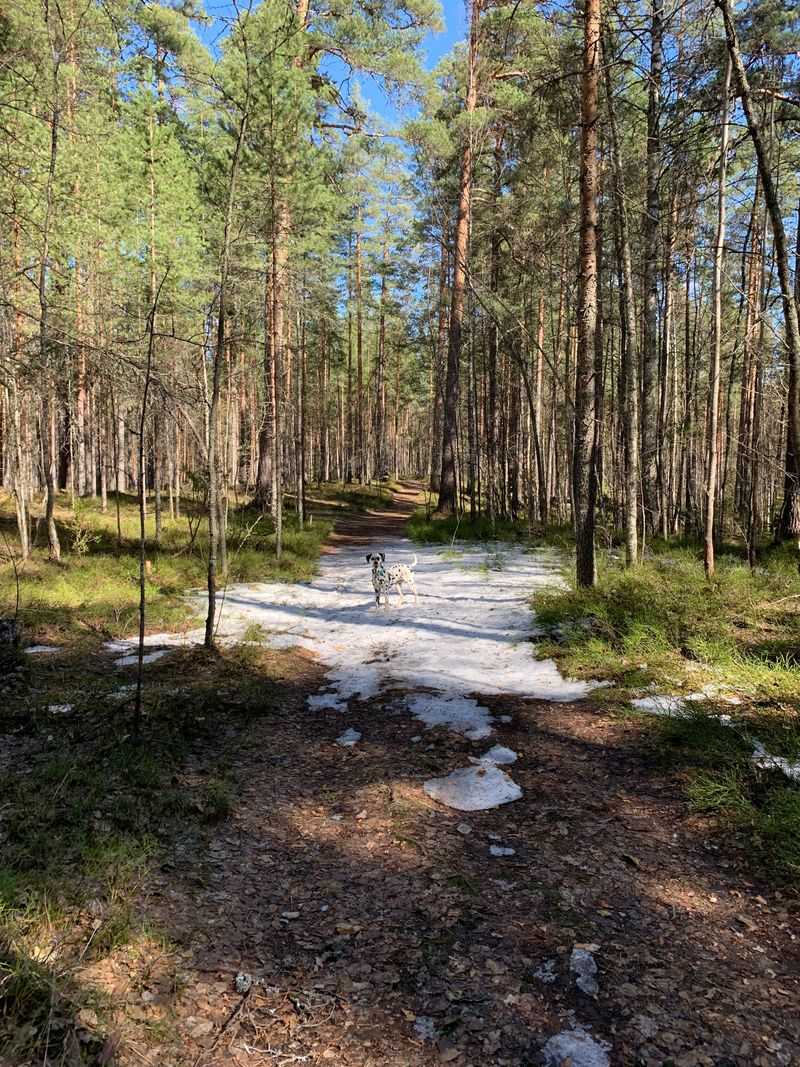
Melting snow and thawing ground do more than reopen your favorite trails. Ticks become active once temperatures climb above freezing, which happens early in a Minnesota spring.
A path can still look wintry while sheltered spots stay warm enough for ticks. Leaf litter, south-facing slopes, and grassy pockets warm up first.
So check your dog even when snow patches remain. Early season outings deserve the same attention as midsummer ones.
Grassy Shoulders and Brushy Borders Deserve a Closer Look
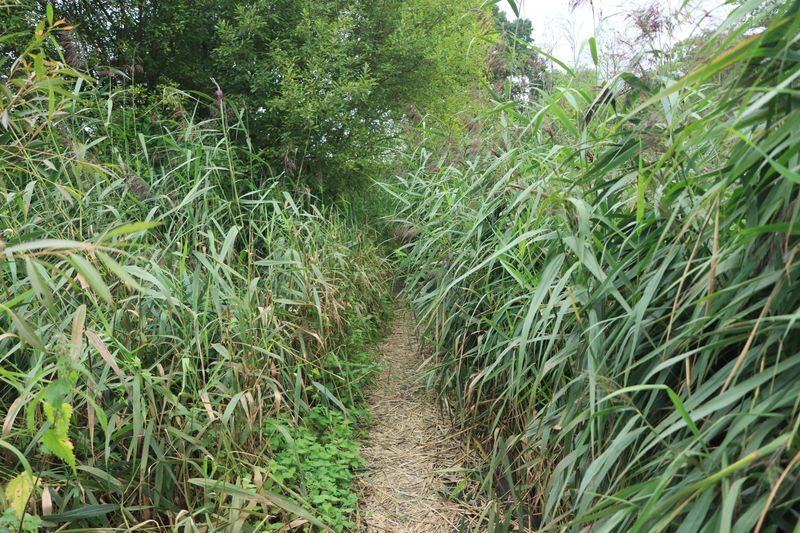
Ticks rarely drop from trees. They wait on grass blades and low shrubs, front legs extended, ready to grab a passing leg.
Trail edges are prime real estate for that waiting game. Grassy shoulders, leafy undergrowth, and narrow brushy stretches all qualify.
Keep your dog close when the route squeezes through vegetation. Walking the center of the path helps more than most people realize.
Slow Down at the Trailhead Before Loading Up
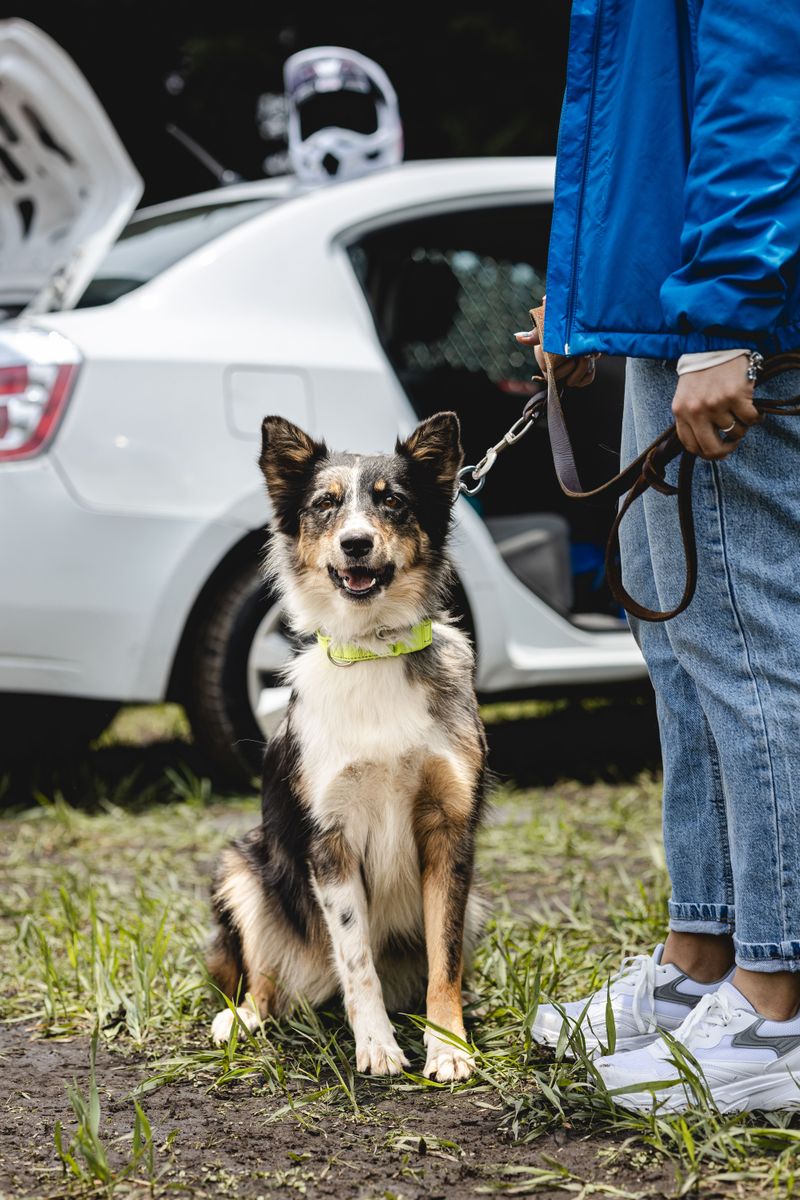
The parking lot is an underrated place to pause for a minute. A quick look before loading up catches ticks before they ride home with you.
Start with thin-fur areas: armpits, groin, chest, and skin folds. Those spots are where ticks tend to settle.
Keep a small flashlight and a tick remover in the glove box. Finding one here beats finding one on the couch.
Ears Hide More Than You Would Guess

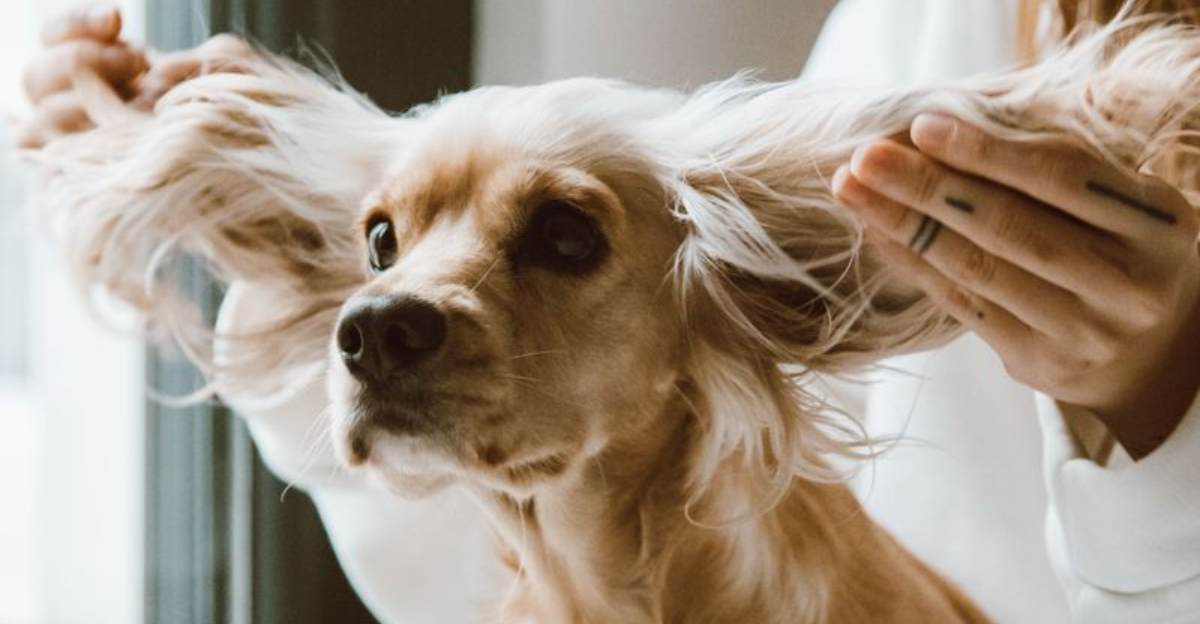
Ears conceal ticks well, and busy hands often skim right past them. Fold the outer ear back gently and look at the skin inside.
Check around the opening, the ear tips, and the fur just behind the base. Ticks favor warm, tucked-away places.
Go slowly if your dog is sensitive there. A calm voice and a small treat make the next check easier.
The Collar Area Is an Easy Spot to Skip
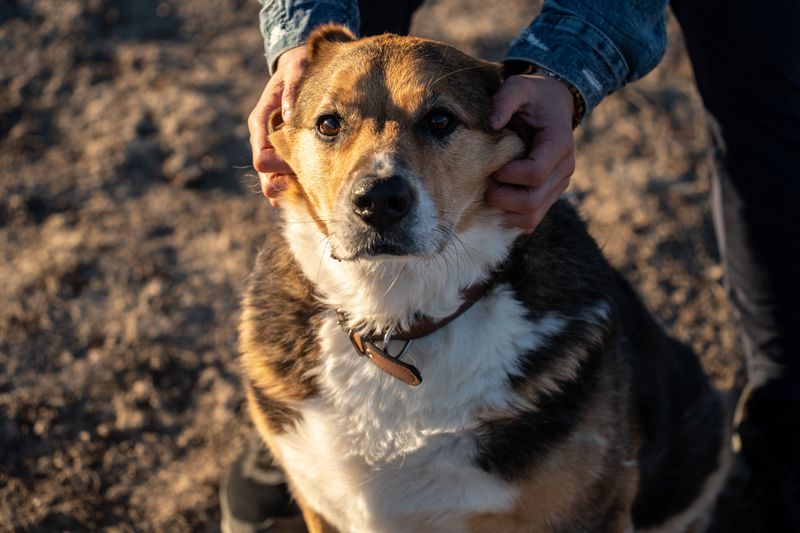
A collar creates a snug band of shelter that hands tend to work around. Unbuckle it during your check instead of feeling through it.
Run your fingers along the throat, under the jaw, and across the back of the neck. Long-coated dogs need extra patience here.
Wipe the collar itself while it is off. Nylon webbing collects debris and the occasional passenger.
Paws and Toes Take the Brunt of the Trail
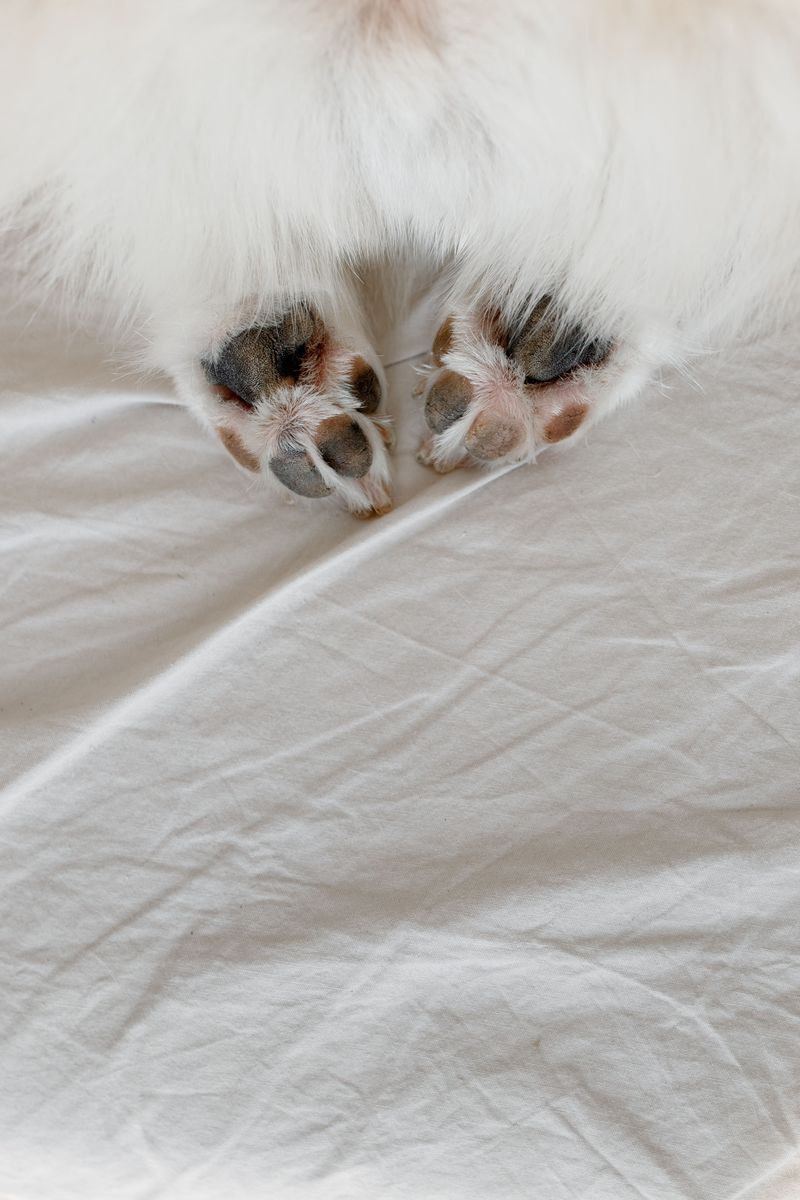
Paws take the worst of wet grass, leaves, and mud. Spread each set of toes and look at the skin between them.
Check the pads, the webbing, and the fur around the ankles. Ticks can be smaller than a sesame seed.
Most dogs tolerate this best while lying on their side. Handle paws often and the routine stops feeling strange.
Belly and Legs Sweep Through Everything
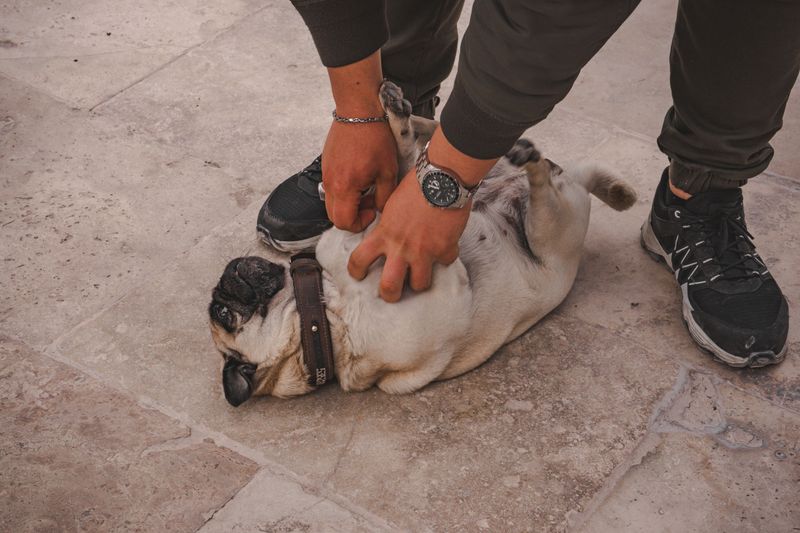
Your dog’s underside brushes through vegetation for the entire walk. That makes the belly one of the most productive places to inspect.
Look over the chest, inner thighs, and the thin-furred skin near the groin. Legs deserve a full pass too, front and back.
Rolling your dog over on the grass works fine. Turn it into a belly rub and nobody complains.
Let Your Hands Do the Searching
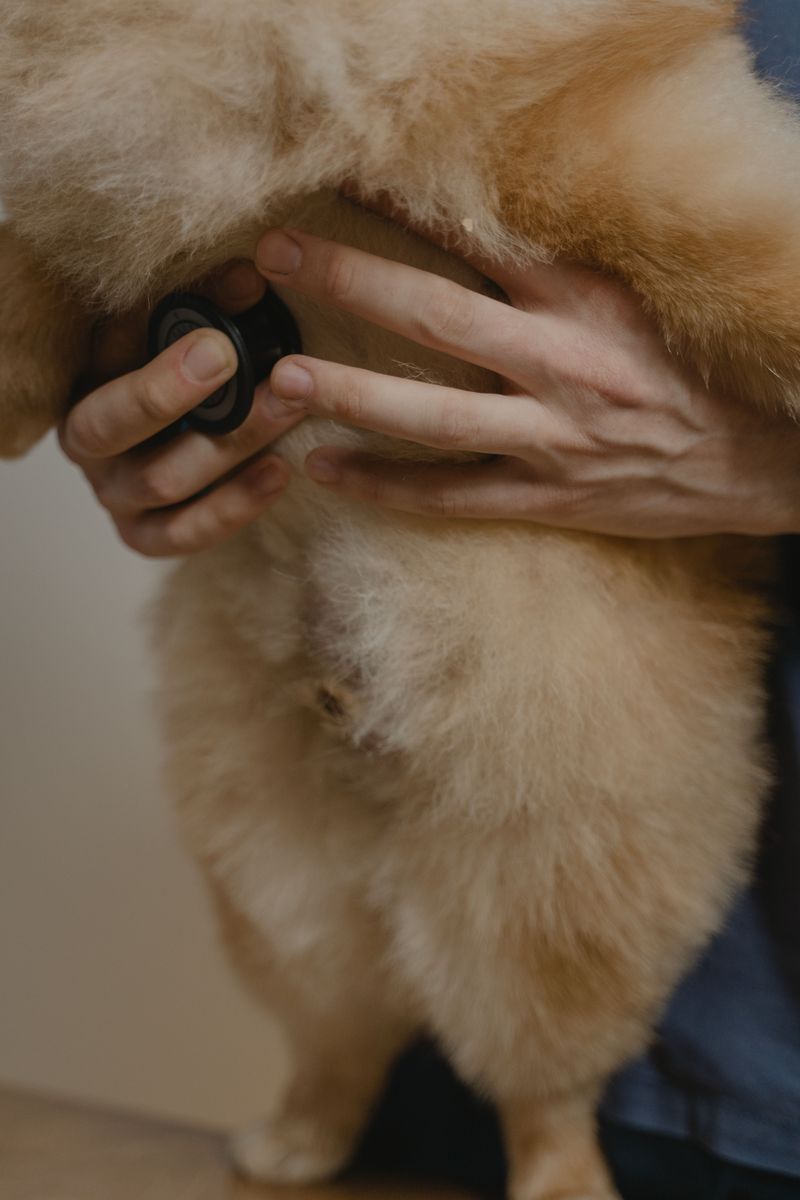
Eyes miss what fingers find, especially on dark or thick coats. Move your palms slowly over the skin, feeling for small bumps.
Work in one direction, head toward tail, so nothing gets skipped. Rushing is how ticks get overlooked.
Double coats need firmer pressure to reach skin level. A quick brushing afterward loosens debris and gives you a second look.
Your Own Clothes Need the Same Attention
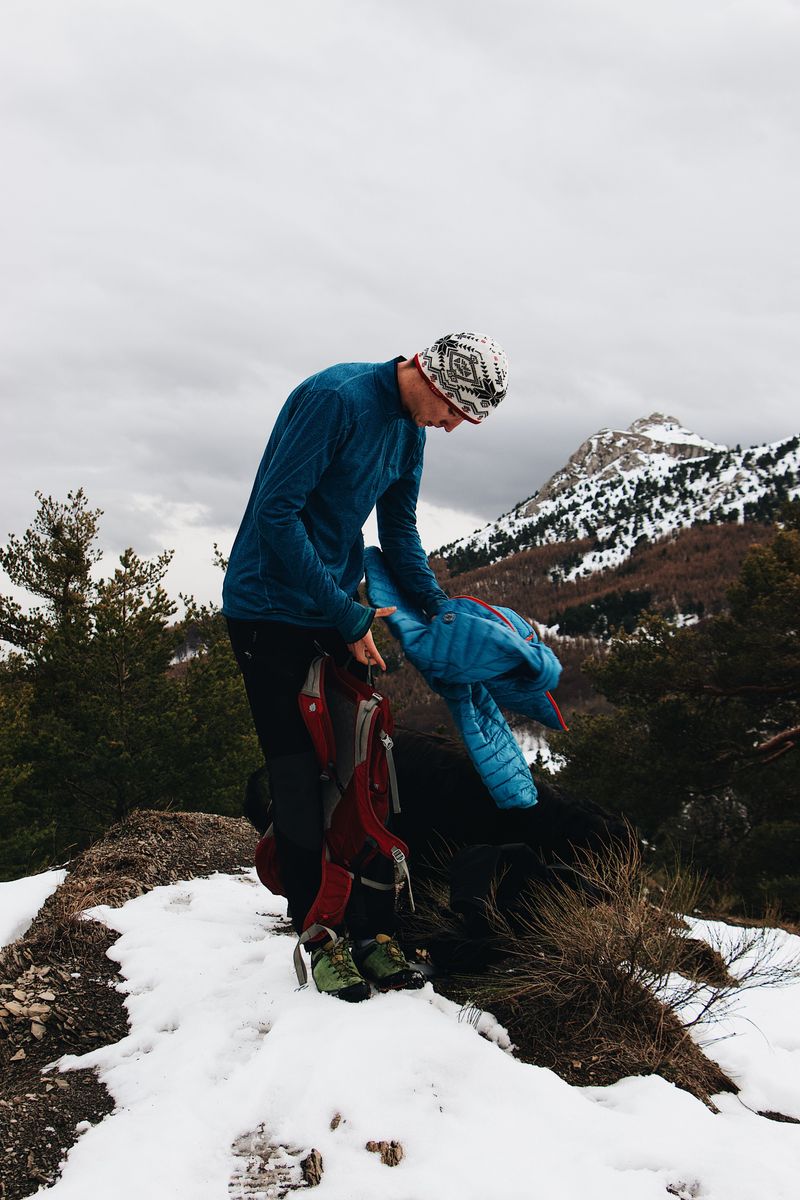
Ticks are not picky about which species gives them a ride. Socks, cuffs, and pant legs are common landing spots on people.
Scan your clothing at the trailhead and shake out outer layers outside the house. Light-colored pants make spotting them easier.
Sending hiking clothes through a hot dryer is a common recommendation. Then check yourself during a shower.
Prevention Belongs in Your Trail Prep
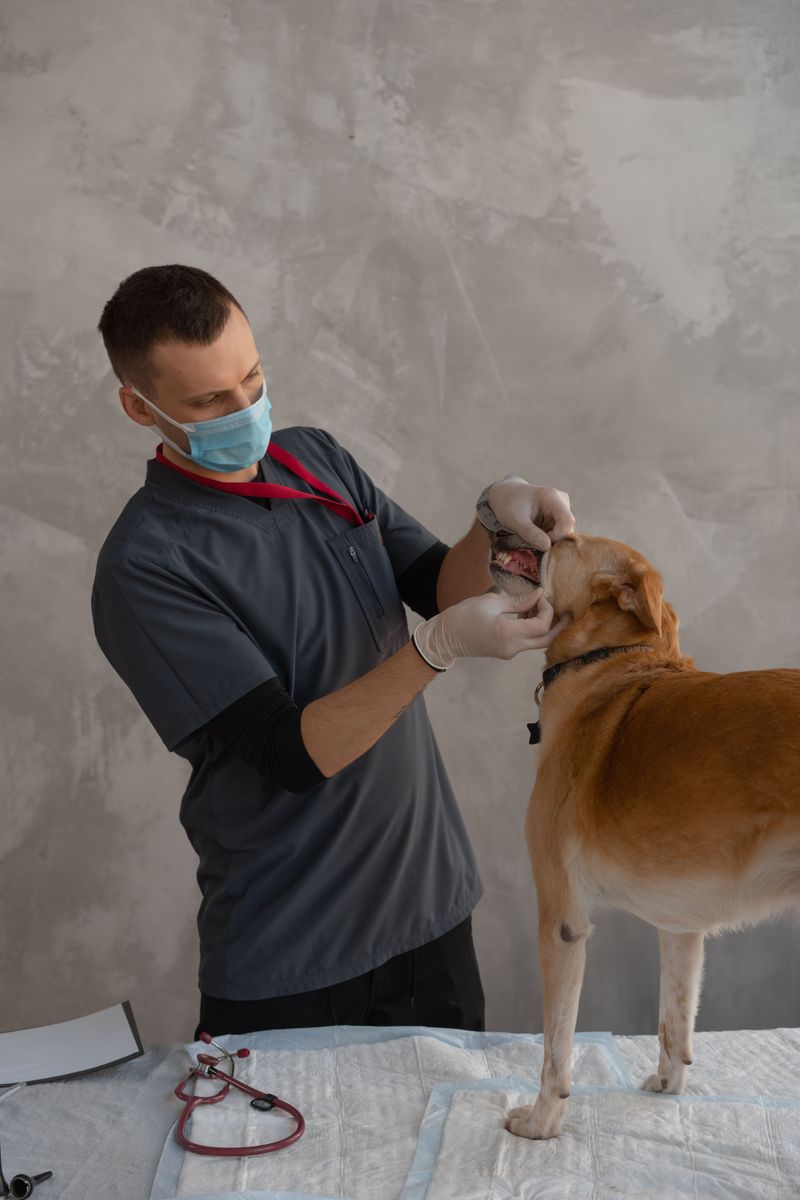
Checking is your safety net. Prevention is the first line, and your veterinarian is the right person to guide it.
Options include topicals, oral products, and certain collars. The best fit depends on your dog’s age, weight, and health history.
Keep doses on schedule through Minnesota’s long outdoor season. A phone reminder means refills never sneak up on you.
Established Paths Beat Shortcuts
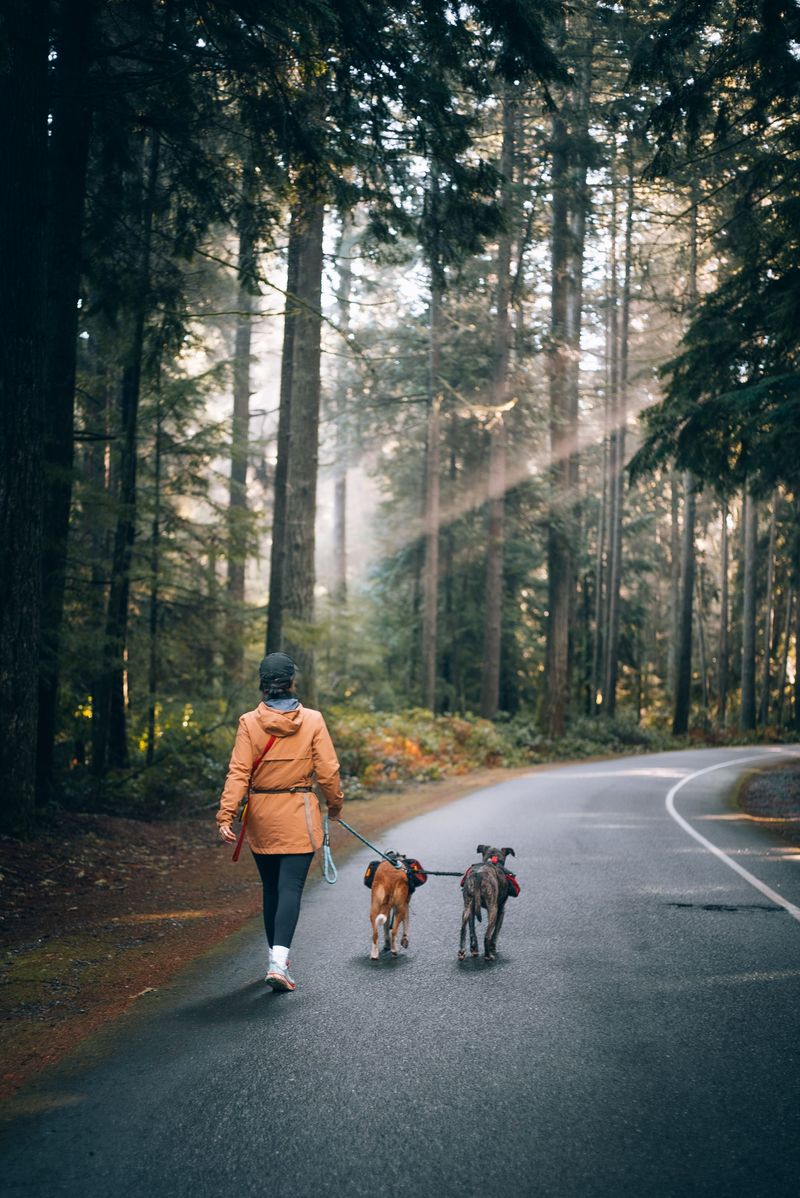
Sticking to the beaten path is simple and surprisingly effective. Established trails mean less contact with the dense growth ticks prefer.
Off-trail shortcuts sound fun, though they raise exposure for both of you. Boardwalks and gravel paths are even better.
A shorter leash through narrow sections keeps your dog out of the weeds. It also keeps them within easy sight.
A Second Look at Home Catches the Rest
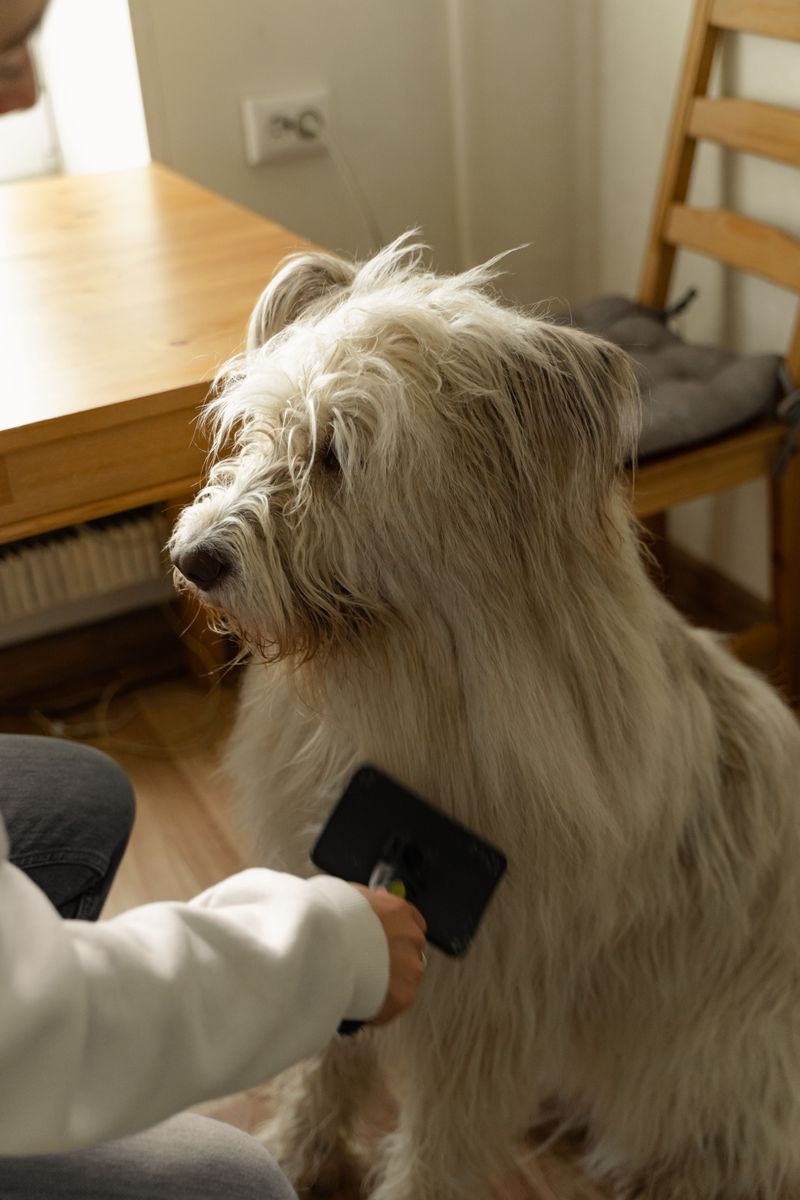
One inspection is good. Two is better, because damp fur hides things the first pass cannot reveal.
Wait until the coat dries and settles, then repeat the sweep. Good lighting makes a real difference.
Evening works well, when your dog is already relaxed. Pay extra attention to areas you moved through quickly at the trailhead.
Careful, Prompt Removal Is the Goal
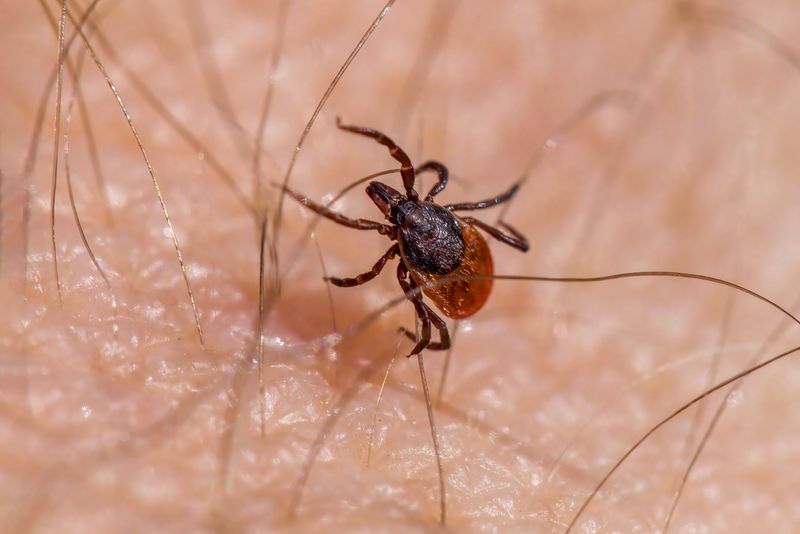
Finding one attached is not an emergency, though timing does matter. Prompt, careful removal is what you are after.
Use fine-tipped tweezers or a tick removal tool. Grasp close to the skin and pull straight out with steady pressure.
Skip twisting, squeezing, or home remedies like petroleum jelly. Clean the area afterward, and call your veterinarian if you feel unsure.
Keep an Eye on Your Dog in the Weeks After
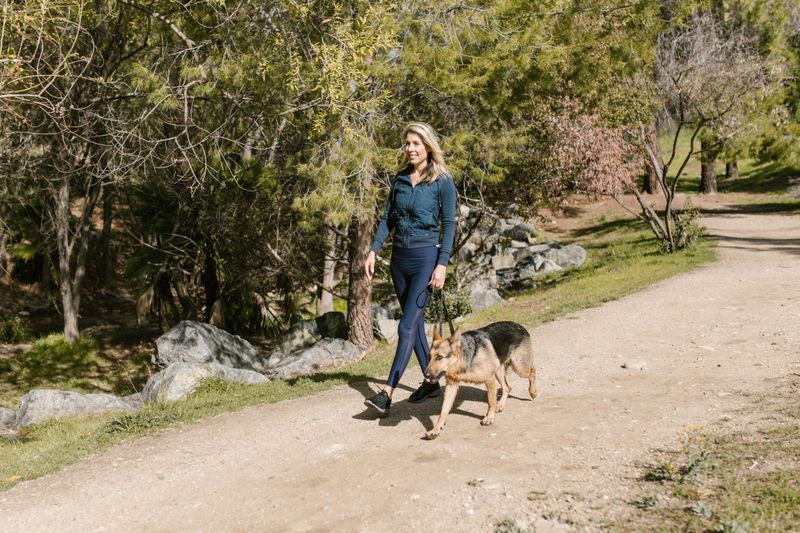
A tick check covers the moment. Watching your dog over the following weeks covers the rest.
Note changes in energy, appetite, stiffness, or willingness to walk. Limping that shifts between legs is worth mentioning.
Call your veterinarian if anything seems off, even mildly. Early conversations are easier than late ones, and clinics welcome the question.
Turn It Into a Post-Hike Ritual
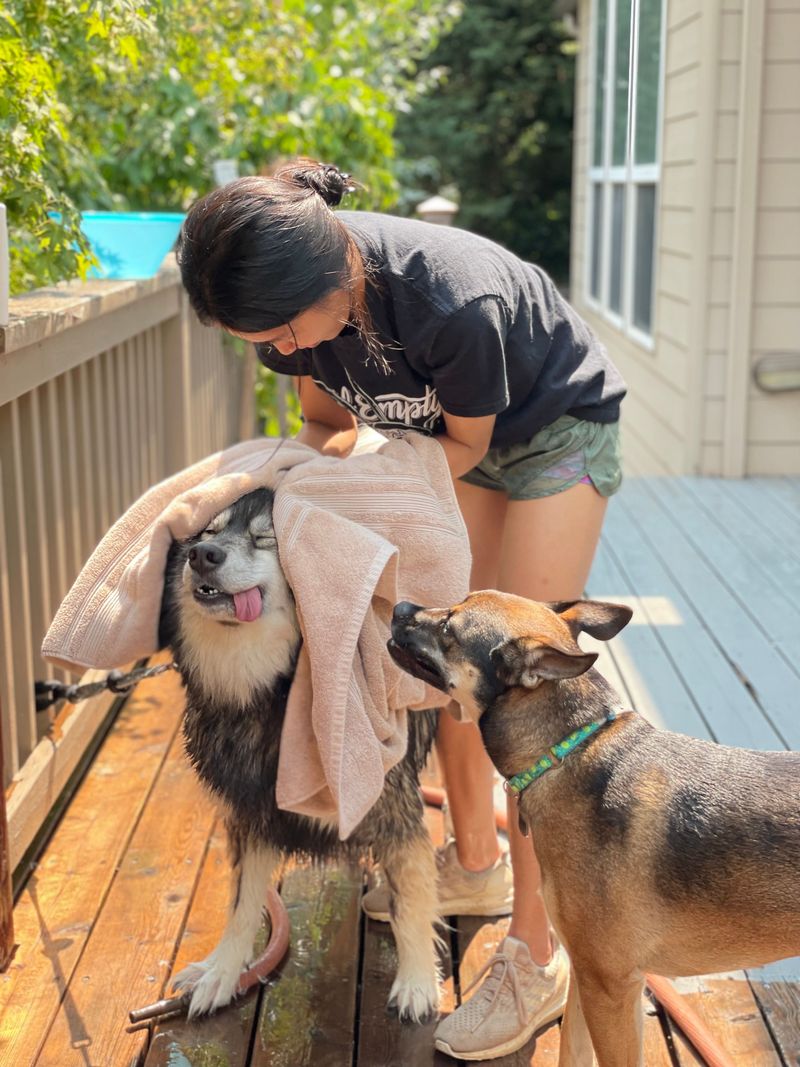
Routines beat willpower every time. Tie the tick check to something you already do, like wiping muddy paws at the door.
Keep tweezers, a towel, and a flashlight together in one small bag. Convenience is what makes a habit stick.
Five minutes after each Minnesota trail walk is a fair trade. Soon it feels automatic, and your dog barely notices.