What Virginia Law Says About Dogs Left Unattended In Parked Cars
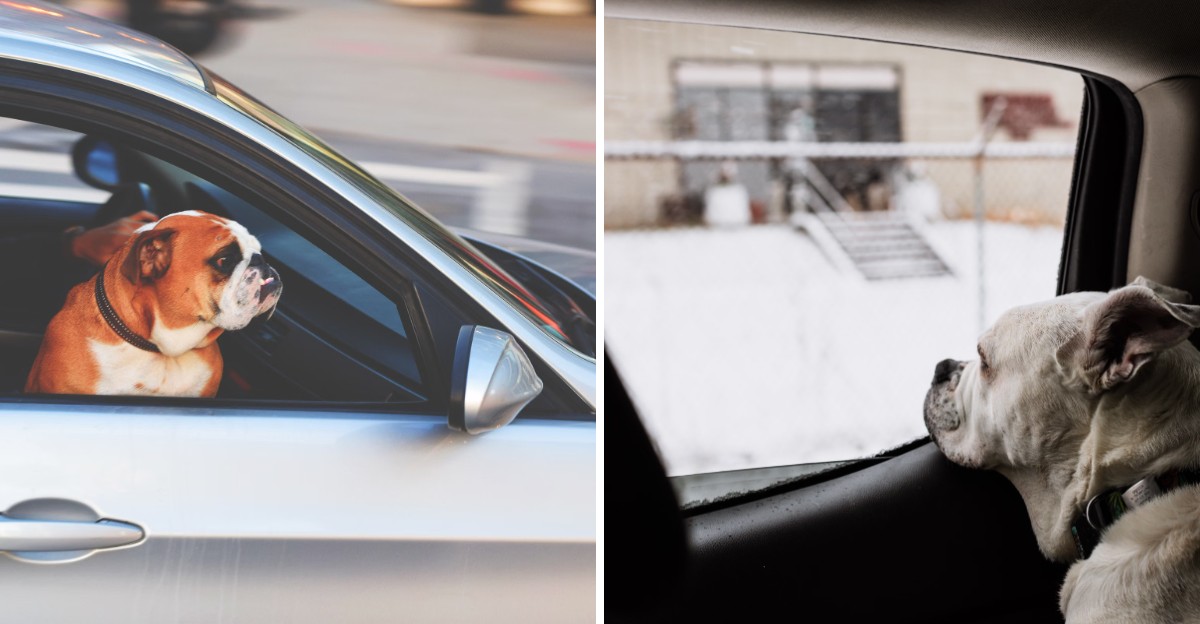
A quick stop can feel simple until your dog is waiting inside a parked car. In Virginia, the legal rules focus on proper care, unsafe conditions, and who may step in to help.
Knowing those differences helps you plan errands and respond calmly when another dog needs attention. Here is what local owners should understand, along with practical steps that put their dogs first.
1. Virginia Does Not Have a Standalone Hot-Car Ban for Dogs
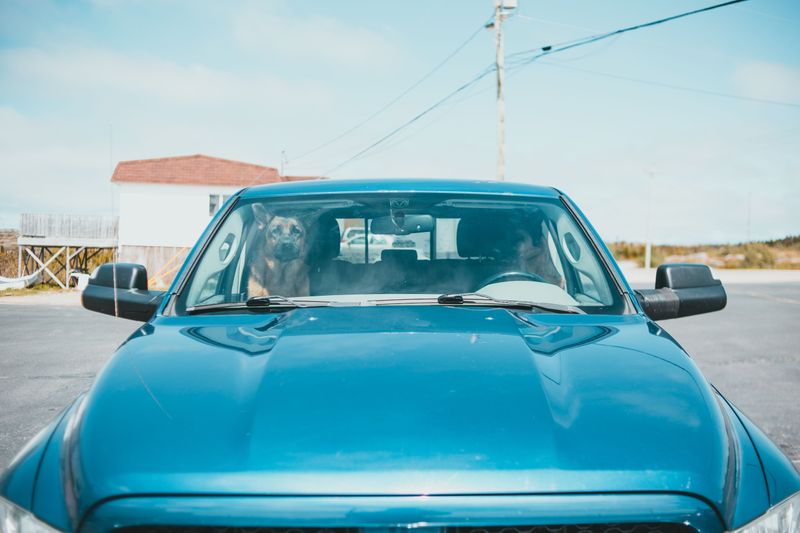
A parked dog does not automatically mean someone has broken Virginia law. The state has no standalone statewide ban covering every unattended dog in a vehicle.
Instead, animal care and cruelty laws address the conditions and risks involved. Heat, ventilation, water, and the dog’s condition can all matter during an investigation.
A short absence is not an automatic legal defense when conditions become unsafe. Ask local animal control about ordinances that may also apply in your community.
2. Owners Must Provide Proper Care for Their Dogs
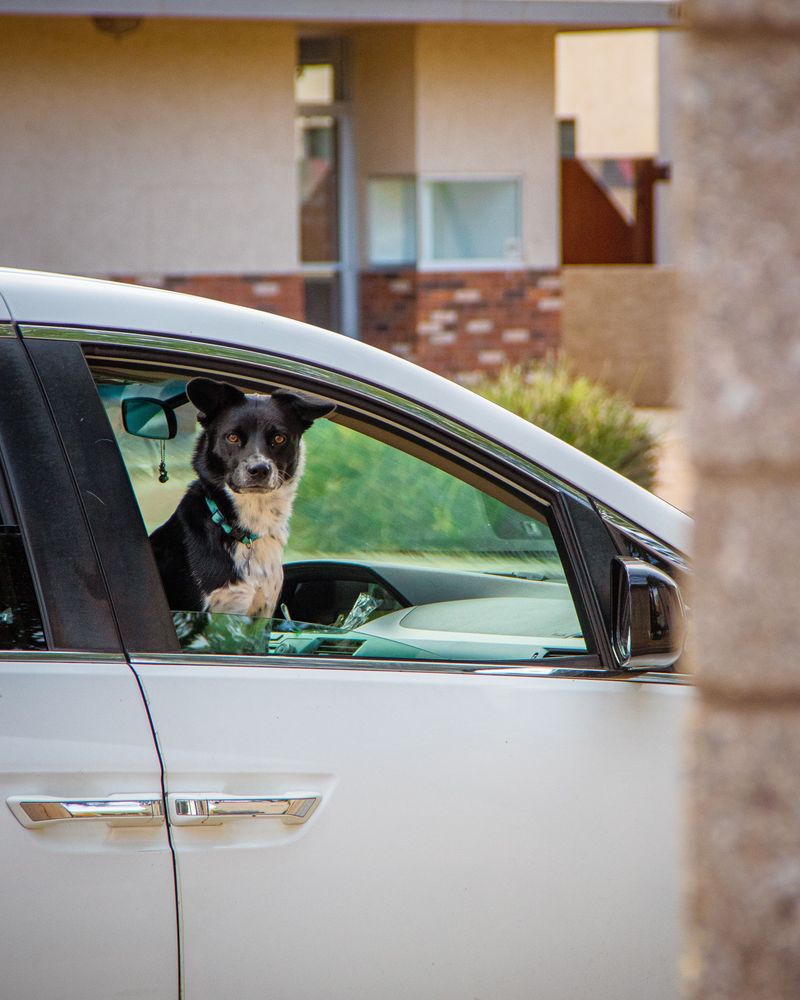
Your responsibility travels with your dog, even during a brief shopping trip. Virginia Code § 3.2-6503 requires owners to provide adequate care, including water, shelter, and necessary veterinary attention.
Those duties do not disappear when a dog enters a parked vehicle. Whether care is adequate depends on the circumstances and applicable legal standards.
Plan around your dog’s needs rather than your expected checkout time. Leaving your companion home often makes meeting those needs much easier for everyone.
3. Leaving a Dog in Dangerous Heat Can Become Animal Cruelty
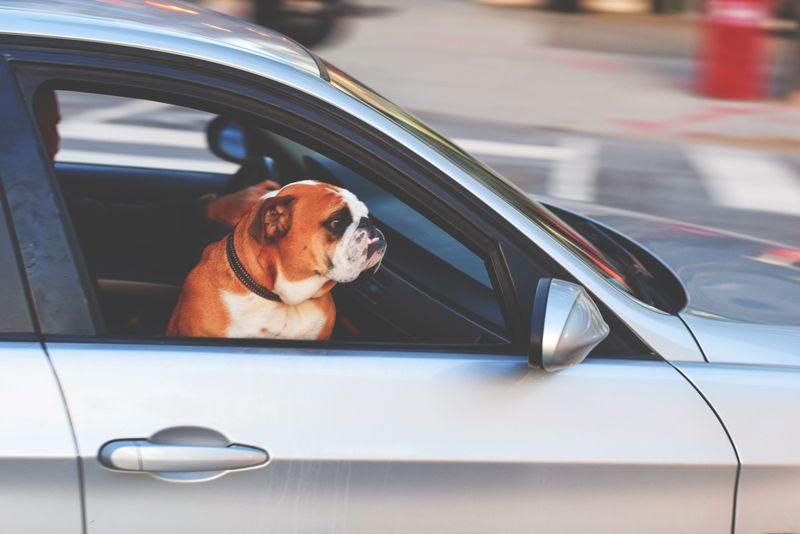
Dangerous conditions can turn an ordinary errand into an animal cruelty investigation. Virginia Code § 3.2-6570 prohibits depriving an animal of necessary food, drink, shelter, or emergency veterinary treatment.
Virginia Code § 3.2-6503 also requires owners to provide adequate care for their companion animals.
Leaving a dog exposed to unsafe heat may support charges under that law. Officials consider evidence, including the dog’s condition and what the responsible person did.
Not every parked car situation produces the same legal outcome. Prevention is simpler: avoid leaving your dog where temperatures could create a health emergency while unattended.
4. A Parked Car Can Become Dangerous Even in the Shade
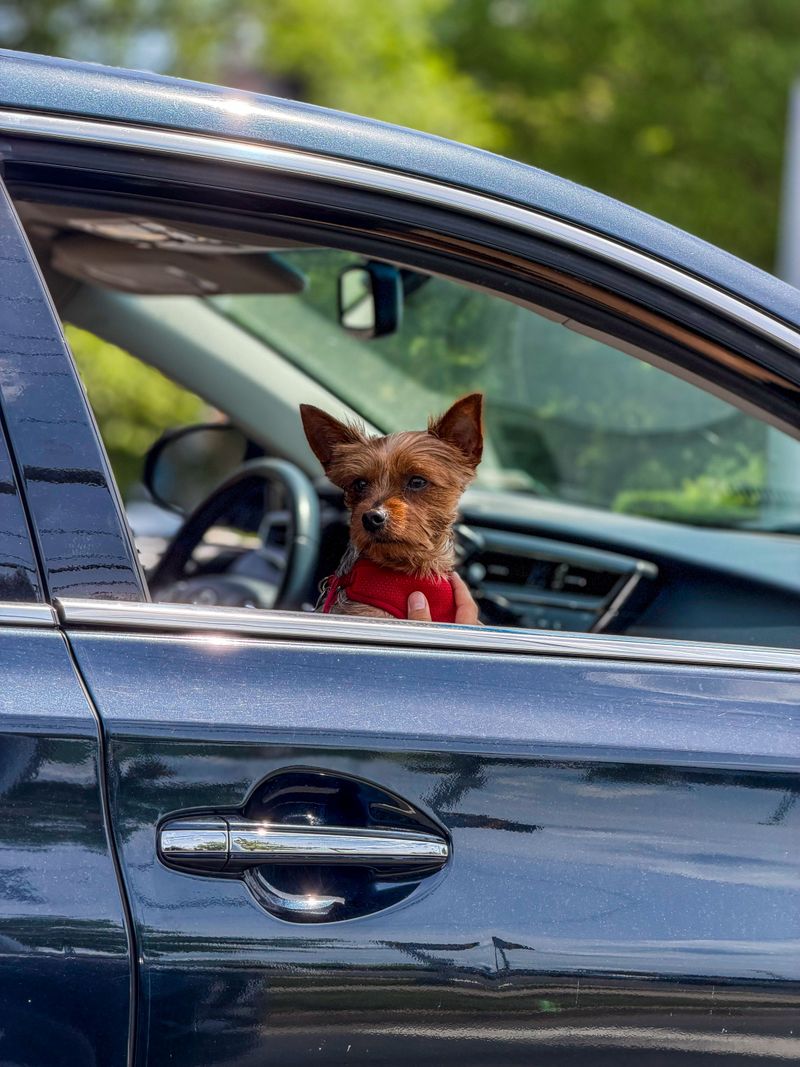
That shady parking space is not a reliable cooling system for your dog. Sunlight shifts, and vehicle interiors can warm even when outdoor conditions feel comfortable.
Virginia law does not create a shade exception to an owner’s care duties. Officers assess actual circumstances rather than accepting shade as proof of safety.
Avoid using a tree, parking garage, or cloudy sky as your safety plan. Choose errands that keep your dog with you or comfortably at home instead.
5. Leaving the Windows Cracked Does Not Make a Car Safe
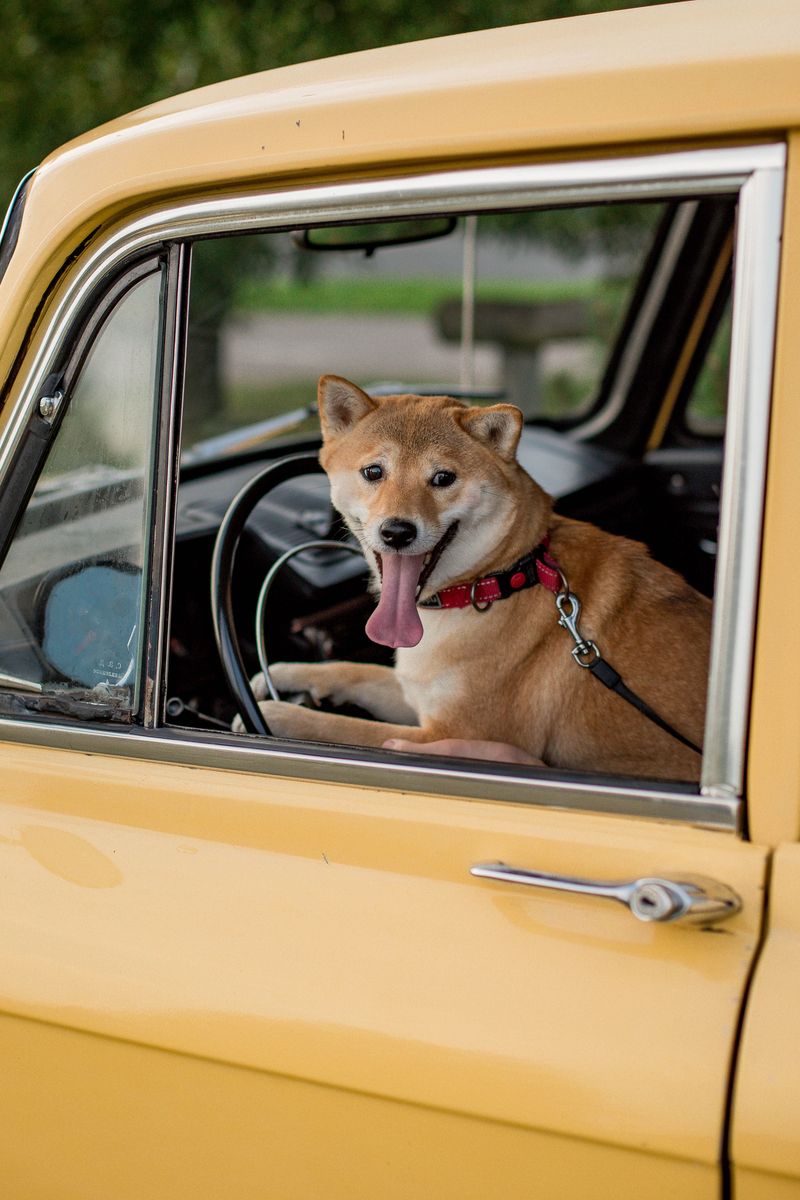
A small window gap can look reassuring without solving the temperature problem inside. Cracked windows do not reliably prevent dangerous heating in a parked car.
There is no Virginia rule declaring a vehicle safe because its windows are partly open. An owner’s duties still depend on the animal’s needs and surrounding conditions.
Skip the search for a supposedly safe window opening or waiting period. Arrange another option before leaving home, especially when your stops could take longer.
6. Virginia Law Allows Certain Officials to Enter Vehicles to Rescue Dogs
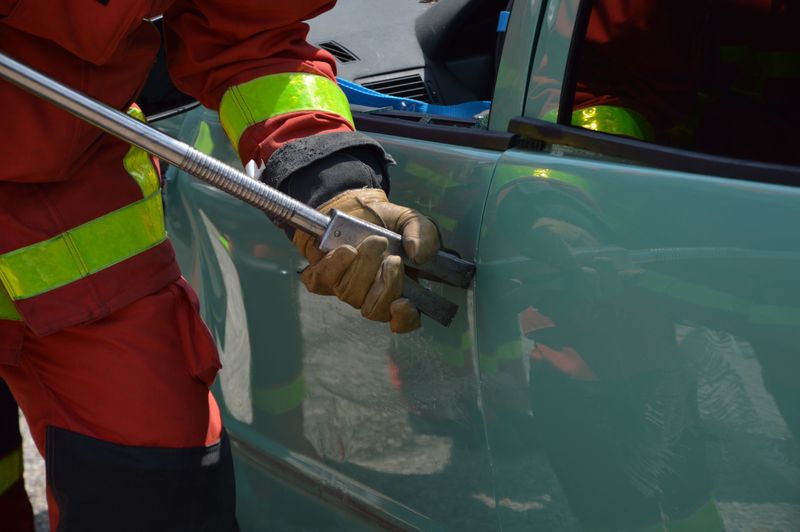
Some responders have legal protection for entering a vehicle to help an animal. Virginia Code § 3.2-6504.1 covers specified officials performing their duties.
They include law enforcement officers, firefighters, emergency medical services personnel, and animal control officers. The law addresses situations involving an unattended companion animal at risk of serious bodily injury.
Its protection depends on statutory conditions, including good faith and necessary action. Call authorities rather than assuming everyone nearby has the same legal protection when entering a locked car.
7. Police Officers Do Not Have to Wait for a Dog to Collapse
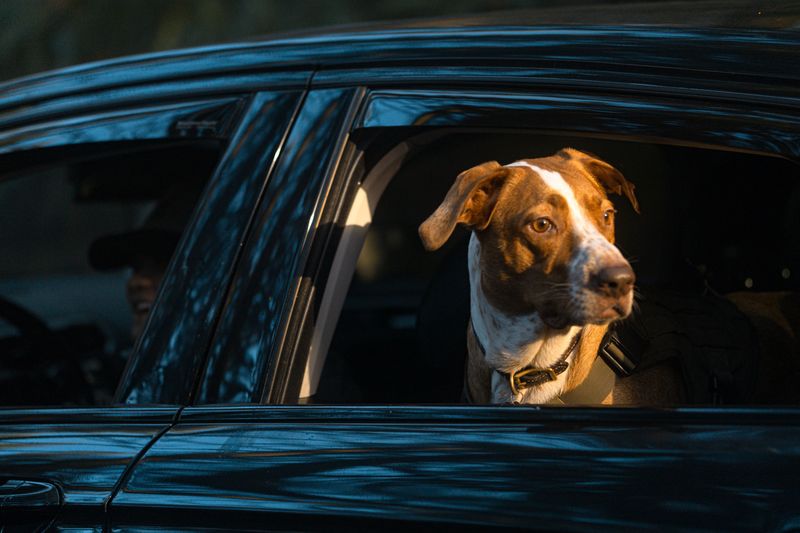
Waiting for a dog to become unresponsive is not the legal standard. The vehicle rescue statute focuses on risk, not only an injury already suffered.
The statute protects qualifying officials who, in good faith, forcibly enter a vehicle to remove an unattended companion animal at risk of serious bodily injury. Visible distress, vehicle conditions, and other observations may help an officer assess whether the situation meets that threshold.
Describe what you see without trying to prove a medical diagnosis yourself. Early, accurate reporting gives responders information they need to assess the situation and act appropriately there.
8. The Law Protects Officials Acting in Good Faith
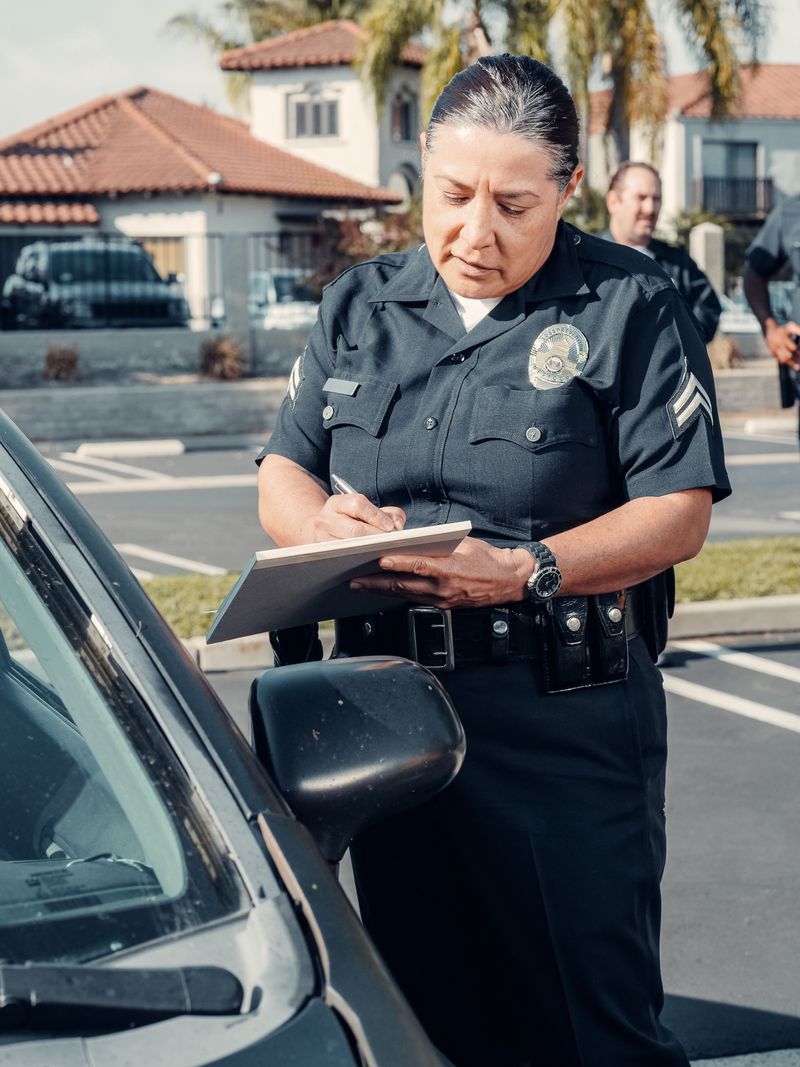
Rescue authority comes with limits, not a blank check for vehicle damage. Section 3.2-6504.1 provides qualifying officials civil protection when its requirements are met.
Good faith, reasonable belief, and necessity are central to that protection. It concerns damage resulting from qualifying entry while officials perform their public duties.
Do not confuse this protection with a general permission for anyone to break windows. Owners with questions about a particular incident should seek legal advice about the specific facts.
9. Ordinary Bystanders Should Contact Authorities Before Breaking a Window

Your first helpful move is usually a phone call, not a broken window. Virginia’s specific vehicle rescue immunity does not generally extend to ordinary bystanders.
Entering someone else’s car can create legal risks, even with kind intentions. Whether another legal defense applies depends on facts that require individual legal advice.
Contact emergency services, explain the dog’s condition, and follow the dispatcher’s directions. Stay nearby when safe, but avoid confrontation or actions that could delay trained help from arriving.
10. Call 911 When a Dog Appears to Be in Immediate Danger
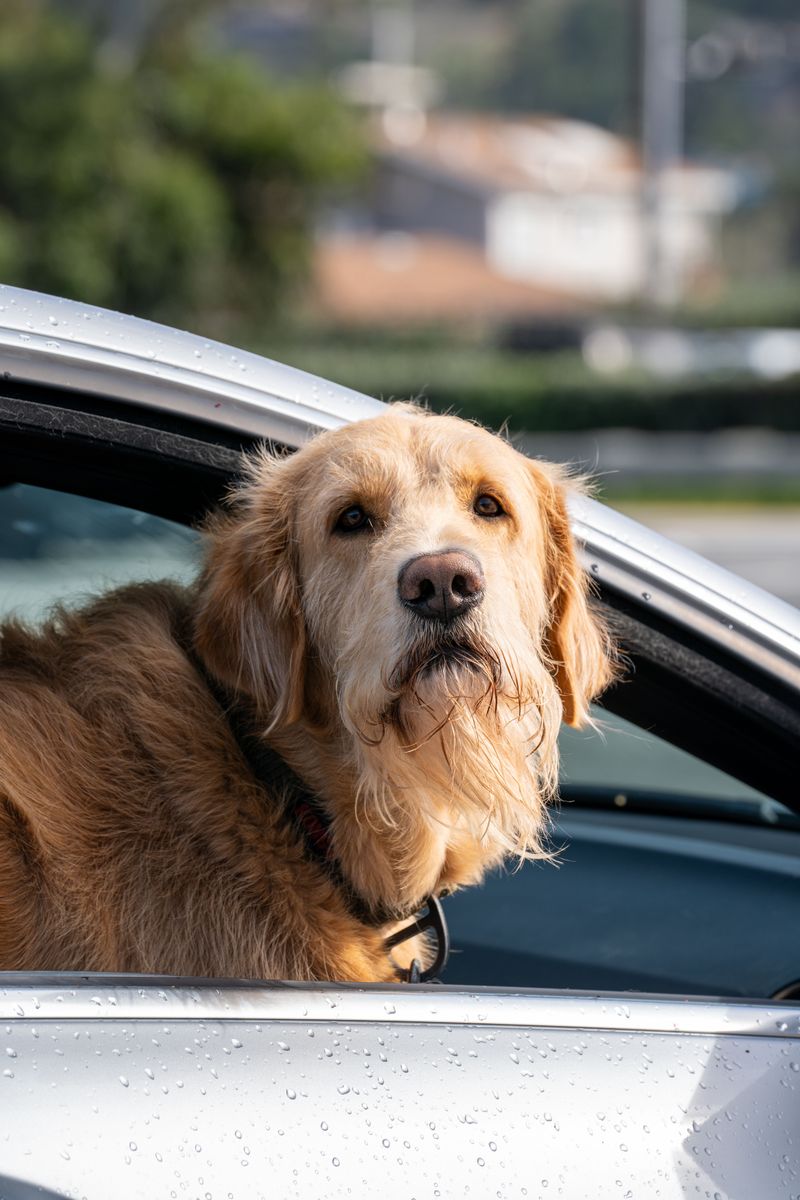
Immediate danger calls for a prompt emergency report rather than a storewide search. Call 911 if a dog appears seriously distressed inside a parked vehicle.
Give the exact location and describe the signs you can actually observe. Mention whether the dog is responsive, struggling to breathe, or unable to stand.
Let the dispatcher decide which responders and instructions fit the situation best. Searching for the owner should never delay that emergency call when urgent help appears necessary.
11. Contact Local Animal Control About a Parked Dog

For concerns without obvious immediate danger, local animal control is a useful contact. Virginia cities and counties handle animal services through different departments and schedules.
Some route calls through police dispatch, especially outside normal business hours. Save your locality’s animal control and police nonemergency numbers before you need them.
Explain the conditions without guessing how long the owner has been absent. If the dog’s condition worsens while you wait, call 911 and report the change right away.
12. Take Note of the Vehicle and Its Location

Clear details can save responders several minutes in a busy parking area. Note the vehicle’s color, make, model, license plate, and exact parking location.
Include nearby store names, row markers, or landmarks that are easy to recognize. Record when you first noticed the dog, rather than estimating its total wait.
Photographs may help if taken safely from a place you may lawfully stand. Share useful information with authorities instead of posting accusations or personal details online publicly.
13. Watch for Signs of Heatstroke and Overheating
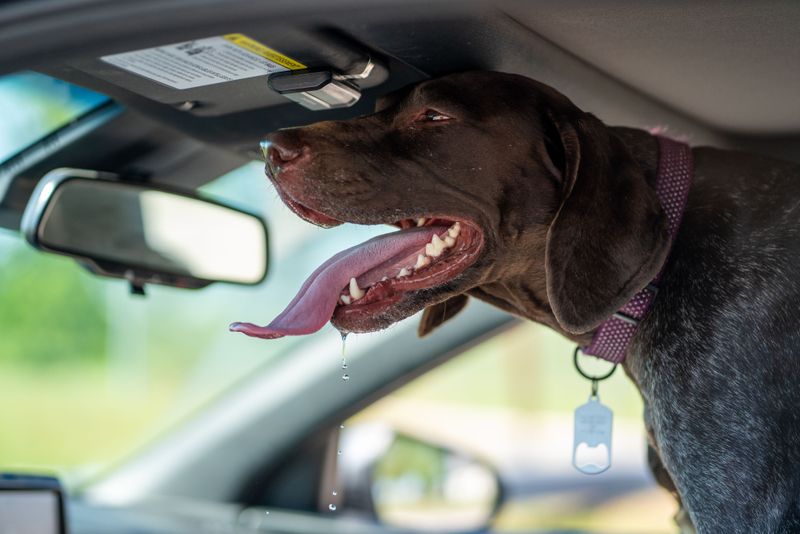
Heavy panting deserves attention, especially when paired with other unusual changes. Excessive drooling, weakness, vomiting, confusion, or trouble standing can signal a heat emergency.
A dog’s appearance alone cannot tell you its temperature or complete medical condition. Short nosed breeds, older dogs, and dogs with health problems may face greater risks.
Report specific symptoms instead of deciding whether the dog definitely has heatstroke. A veterinarian should assess suspected overheating, even if the dog seems better after cooling.
14. Cold Weather Can Also Put Dogs at Risk
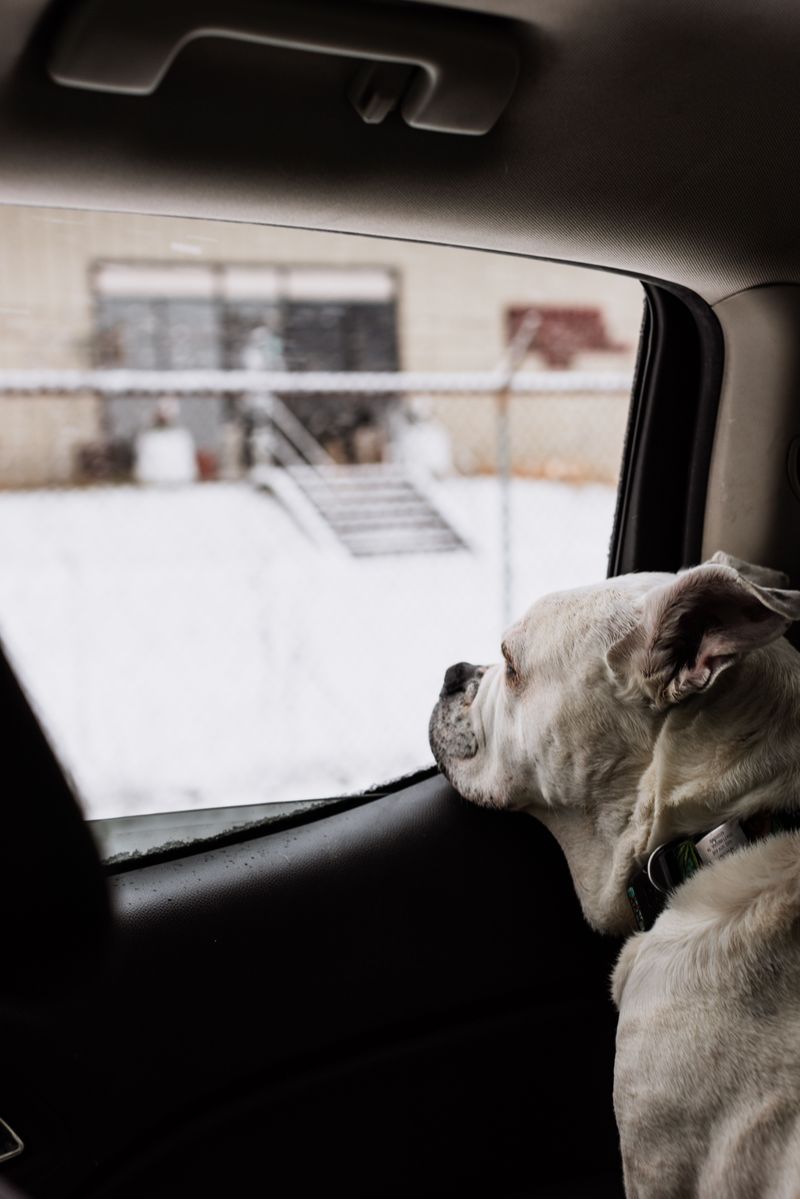
Winter changes the weather, but it does not remove an owner’s care duties. A parked vehicle can become too cold for a dog left inside.
Size, coat, age, health, and time exposed all affect an individual dog’s tolerance. Shivering, unusual tiredness, weakness, or reduced responsiveness deserve attention and veterinary guidance.
Virginia’s vehicle rescue provision is not limited to hot summer afternoons alone. Report unsafe cold conditions through the same local channels, using emergency services for immediate danger.
15. Animal Cruelty Can Carry Serious Criminal Penalties
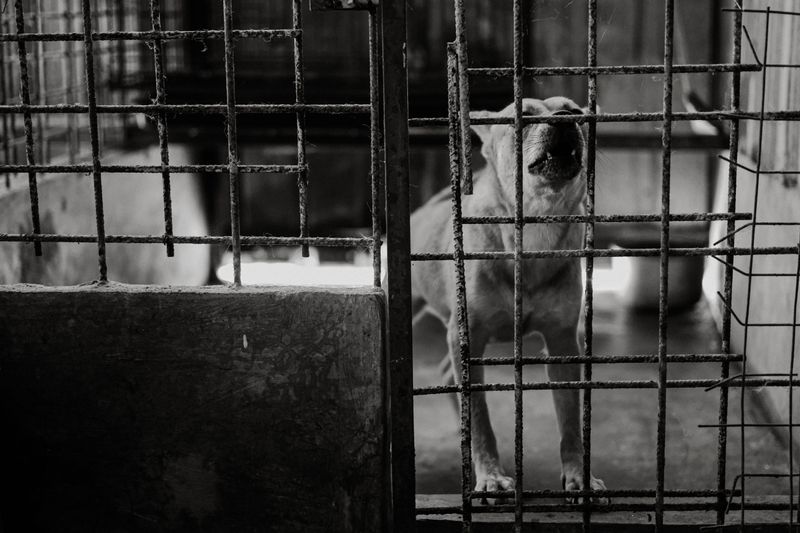
Legal consequences depend on the charge and the evidence, not a fixed parking fine. Virginia’s animal cruelty statute includes misdemeanor offenses and felony provisions for specified circumstances.
A Class 1 misdemeanor can carry jail time and a substantial fine. Courts may also address animal ownership or care when authorized by applicable law.
Avoid assuming every unattended dog case receives the same charge or sentence. A Virginia attorney can explain potential penalties based on the actual allegations involved.
16. Failing to Provide Adequate Care Can Bring Additional Penalties
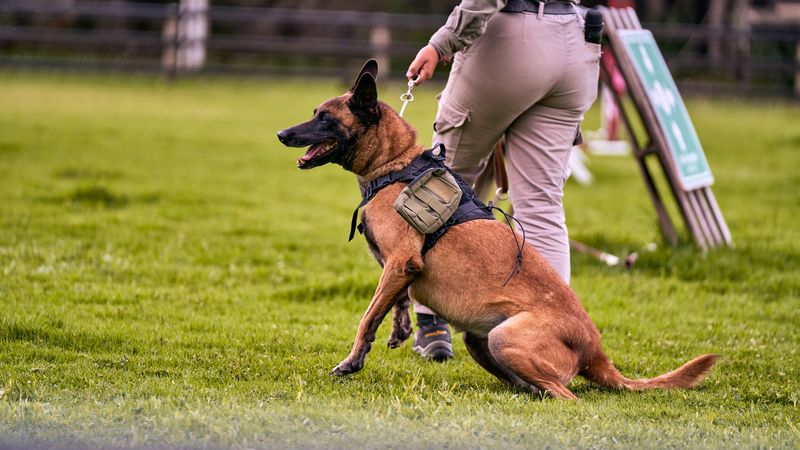
Care violations are a separate legal concern from a possible cruelty charge. Virginia Code § 3.2-6503 sets minimum duties and provides penalties for violating its requirements.
The applicable consequence depends on the specific provision and any relevant prior convictions. Authorities may consider several laws, but multiple penalties are not automatic in every case.
Ask which statute or local ordinance applies if you receive a citation. Respond promptly, keep veterinary records, and seek legal advice about your particular situation.
17. Emergency Veterinary Care Should Not Be Delayed
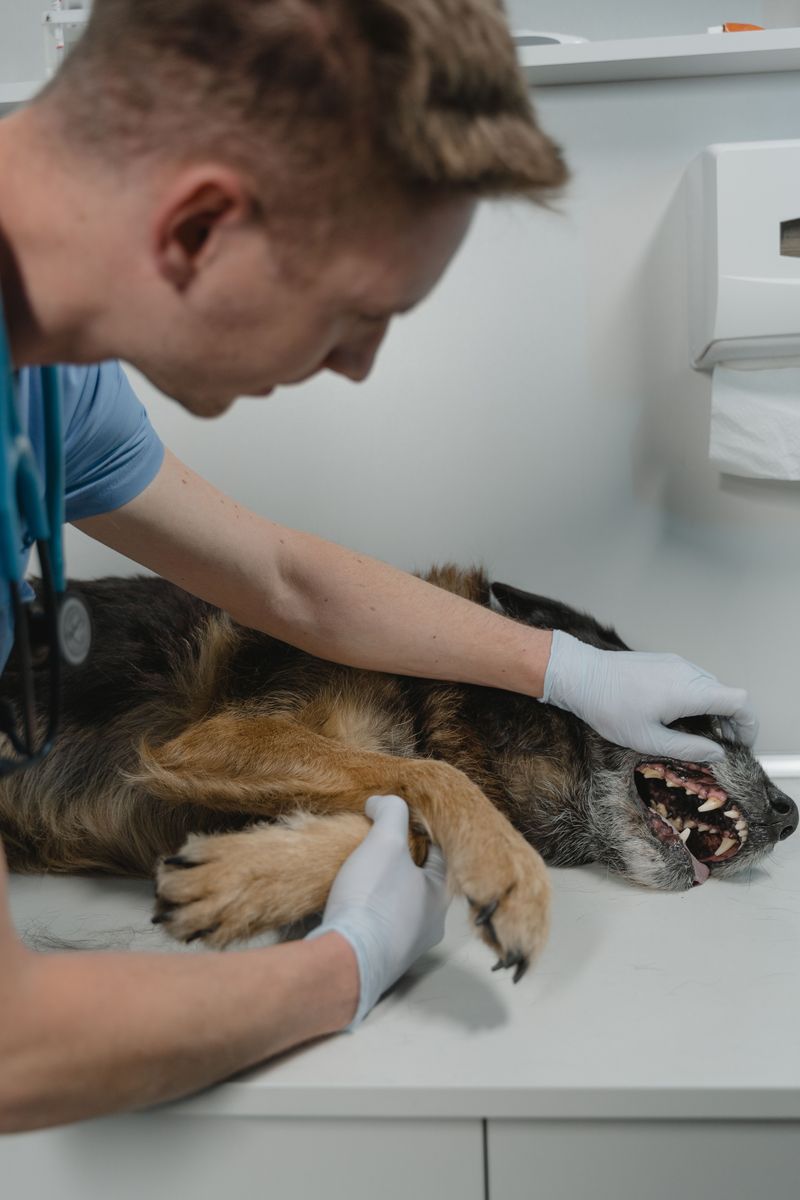
Getting a dog out of the car is only the first step. Suspected heatstroke requires urgent veterinary attention, even when the dog starts looking more comfortable.
Move the dog somewhere cooler and call a veterinarian for immediate instructions. Begin cooling with water cooler than the dog and airflow while arranging transport.
Avoid ice baths, and never force water into a dog’s mouth. Follow professional guidance without delaying travel, because internal problems may not be obvious at first.
18. Virginia DMV Advises Owners to Leave Dogs at Home
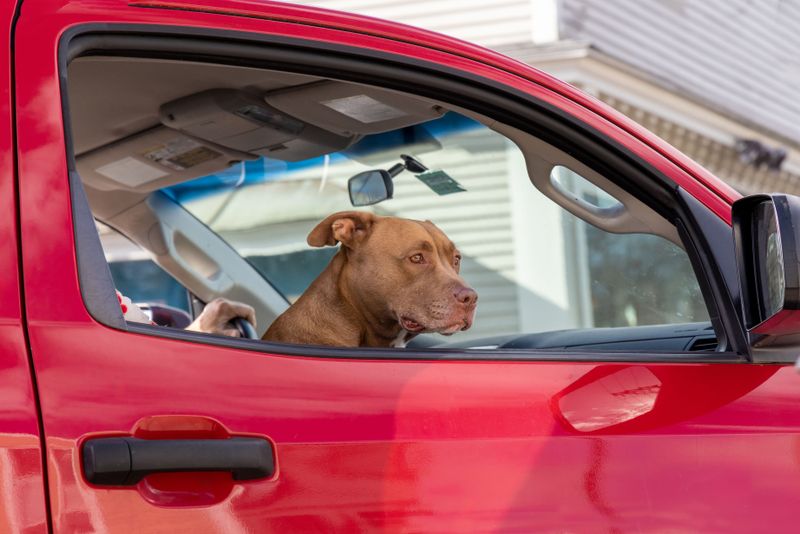
The simplest errand plan often starts with a comfortable spot at home. Virginia DMV advises against leaving pets in hot vehicles and encourages safer choices.
Treat that message as safety guidance, not a separate criminal parking statute. Arrange a sitter, choose delivery, or make trips when someone can stay with your dog.
Check current Virginia laws and local guidance whenever you need specific legal answers. Plan ahead, notice changing conditions, and call for help when something seems wrong.