What North Dakota Dog Owners Should Know About Prairie Rattlesnakes In The West
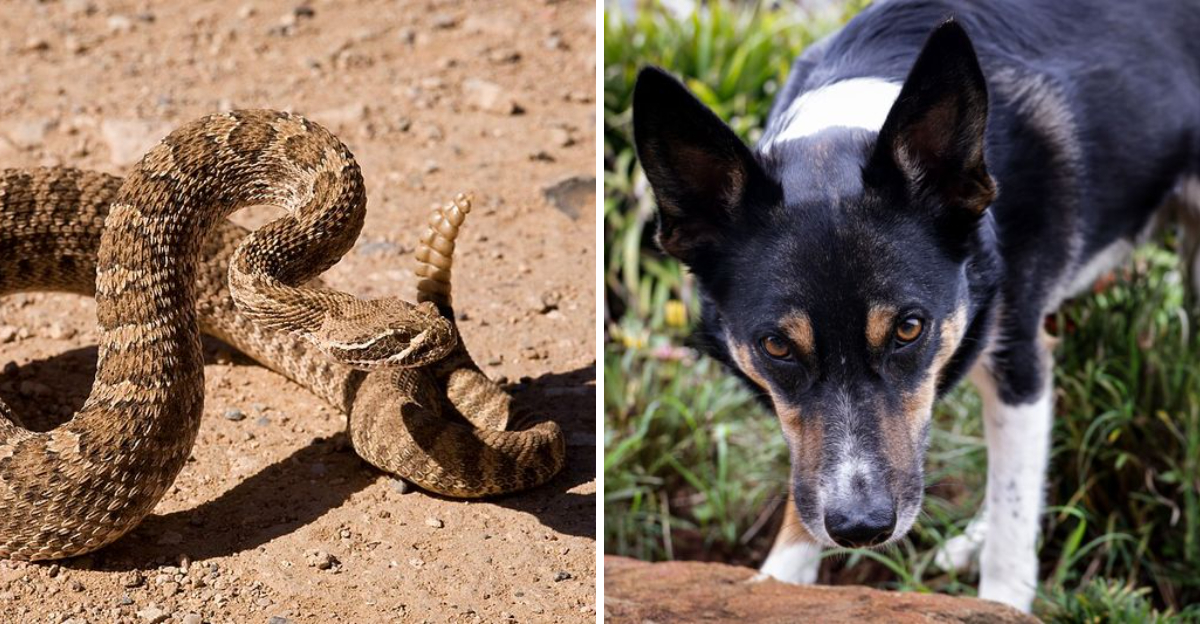
If you and your dog love the badlands, the buttes, and the wide grasslands of western North Dakota, you already know how good those trails feel. You may also have heard mention of prairie rattlesnakes, the only venomous snake native to the state.
That fact does not need to change your plans. It simply means a little local knowledge goes a long way.
Prairie rattlesnakes are shy animals that would rather avoid you and your dog entirely. Most encounters happen because a curious nose gets somewhere it should not be.
With good habits, awareness of habitat, and a plan for veterinary care, the odds stay strongly in your favor. Think of this as the conversation a longtime neighbor might have with you before your first hike out west.
We will cover where these snakes actually live, when dogs are most likely to cross paths with one, and the simple leash and recall habits that prevent trouble. We will also talk about what to do if you spot one, and why a veterinarian should always be your first call rather than a home remedy.
Read it once, keep it in mind, and enjoy the trail with confidence.
Where Prairie Rattlesnakes Are Found In North Dakota
Geography works in your favor here. Prairie rattlesnakes in North Dakota are mainly reported in the western part of the state, where rocky slopes, badlands terrain, and dry prairie provide shelter and hunting ground.
Eastern and central regions rarely factor into the conversation. Before a trip, check with the state Game and Fish Department or the park you plan to visit.
Knowing likely habitat helps you plan calmer, safer outings with your dog.
Why Western North Dakota Is Their Stronghold
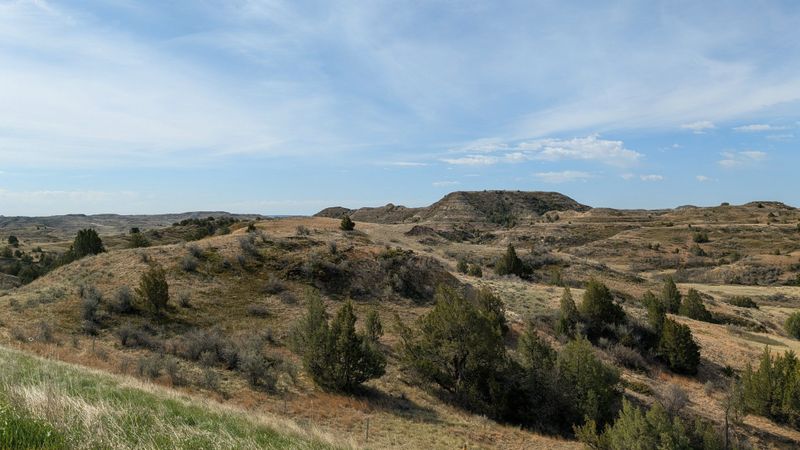
Habitat explains almost everything about snake distribution. Open grassland, south facing rocky slopes, and crumbling badlands formations give prairie rattlesnakes sun, cover, and plenty of small rodents to eat.
Those features cluster in the west, which is why the species matters more to dog owners near Medora than to those near Fargo.
Same state, very different landscape. Adjust your caution to the ground under your boots, not to a general worry.
When Dogs Are Most Likely To Encounter Them
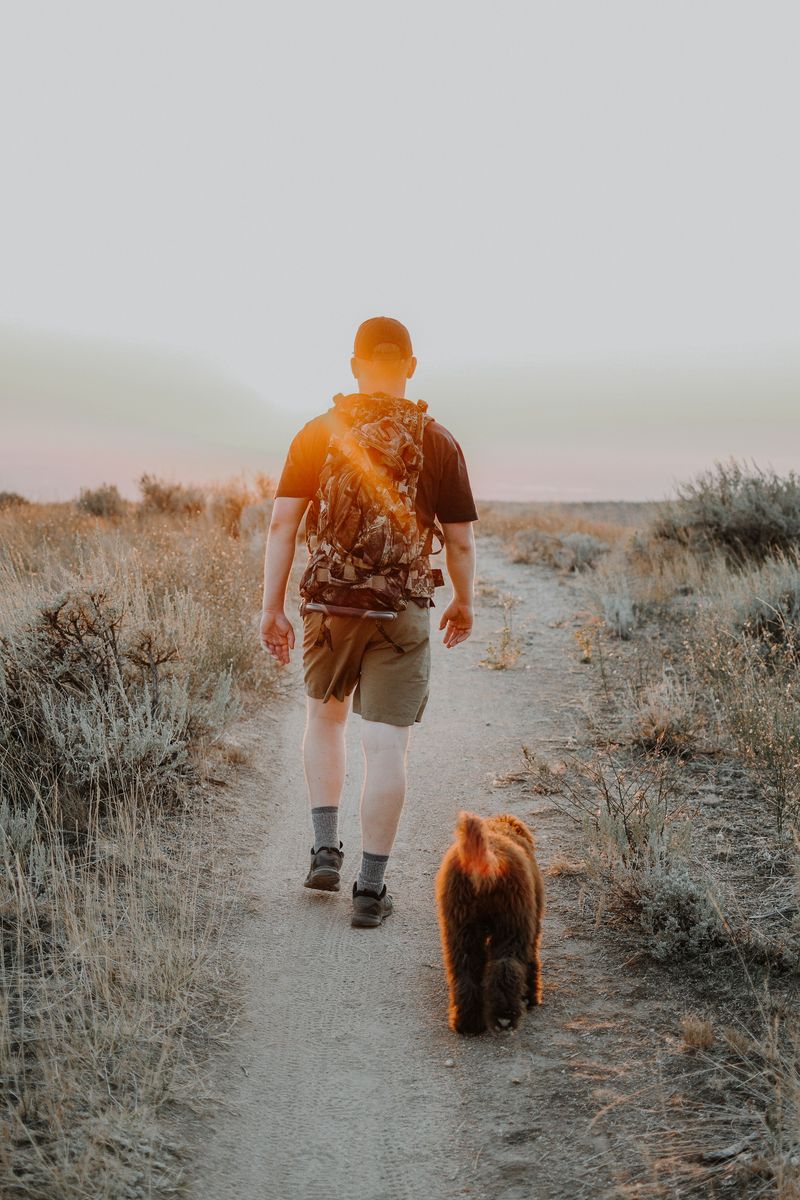
Timing matters more than most owners expect. Prairie rattlesnakes become active in warm weather, roughly spring through early fall, and spend cold months sheltered underground.
Warm mornings and evenings often bring them out, while midsummer heat pushes them toward shade and cover.
Since those are exactly the hours we walk and hike, extra awareness during warm-season outings pays off. Winter walks in the west carry far less concern.
Why Curious Dogs Can Get Too Close
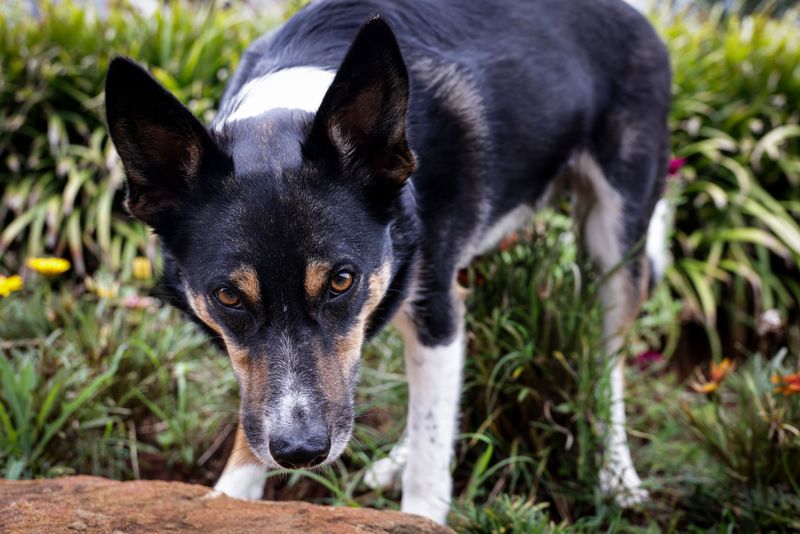
A dog’s nose is a wonderful thing, and occasionally a complicated one. Unfamiliar smells, rustling grass, and odd sounds invite investigation, and dogs lead with their face.
That natural curiosity can close the gap with a resting snake before you notice anything.
Keeping your dog within a few steps gives you time to redirect. Distance is the whole game, and you control it far better than your dog does.
Keep Dogs On Designated Trails
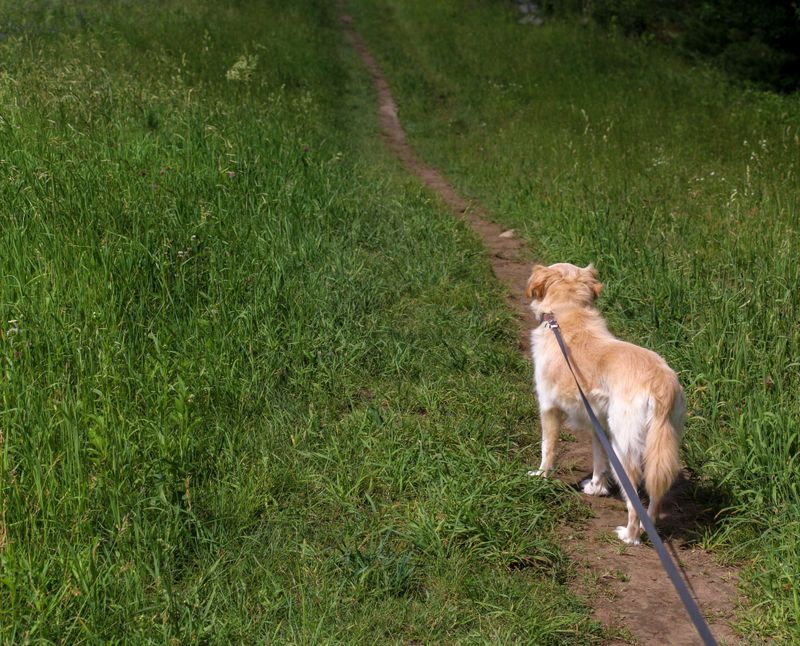
Established trails do quiet work for you. Cleared ground means better visibility ahead, fewer surprises underfoot, and an easier time tracking where your dog is.
Cutting through dense brush or scrambling over loose rock removes both of those advantages.
Park rules in places like Theodore Roosevelt National Park also set leash and trail requirements, so check posted signs. Staying on route protects fragile prairie plants too.
Give Rocky Areas Extra Attention
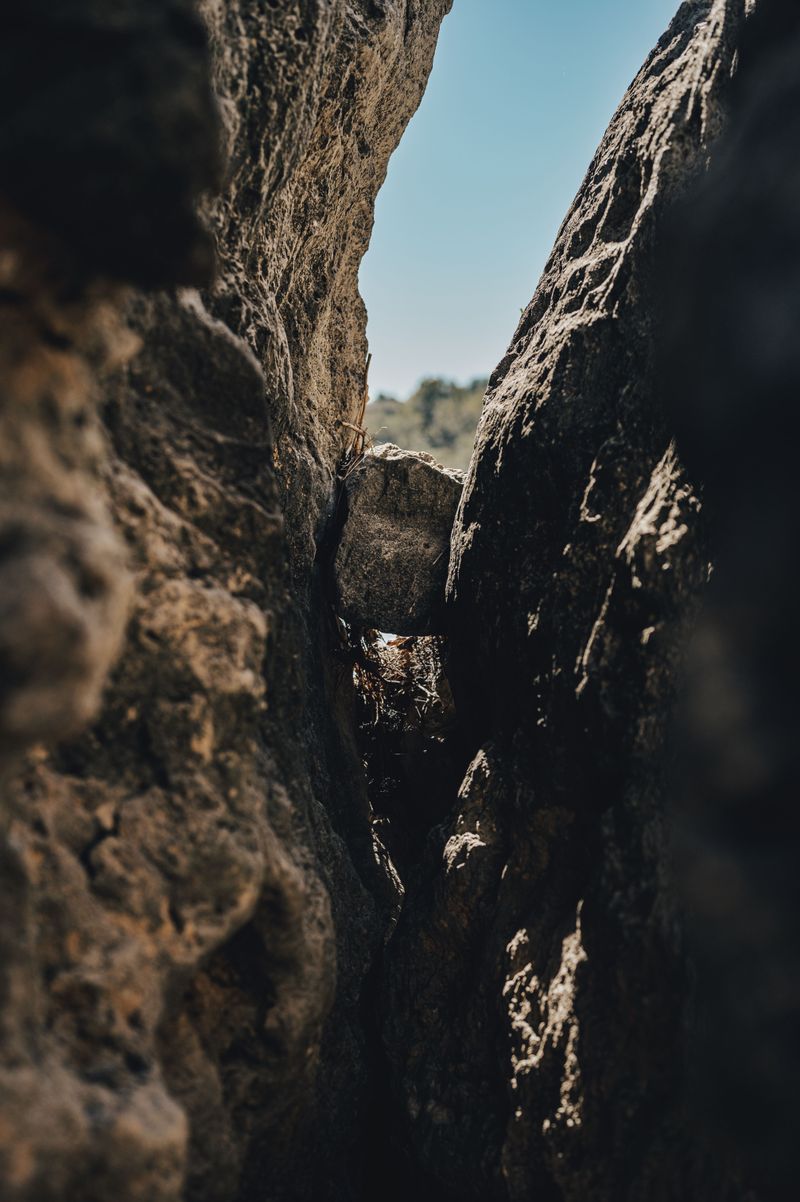
Rocks are prime real estate for a snake. Crevices, ledges, and stone piles hold warmth and offer shelter, so prairie rattlesnakes use them often.
Holes, brush piles, and hollow logs deserve the same respect.
When your dog wants to poke into a gap you cannot see into, call them off and keep moving. A short detour around a rocky outcrop costs seconds and removes most of the risk.
Watch Your Dog’s Behavior
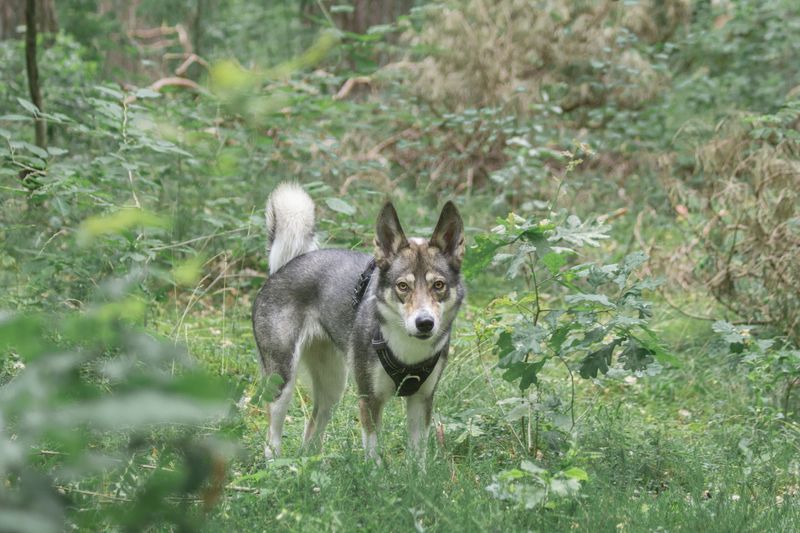
Your dog notices things before you do. A sudden freeze, hard staring at one spot, raised hackles, or unusual barking often means something has their attention.
Hesitation to walk forward counts too.
Rather than investigating yourself, calmly shorten the leash and guide your dog back the way you came. Reading those signals early turns a possible encounter into a story about a walk that stayed uneventful.
Leashes Add An Important Layer Of Control

Few tools beat a simple six foot leash. Physical connection lets you steer your dog away from wildlife in a second, without relying on perfect obedience.
In open country, an off-leash dog can drift many yards ahead and out of sight in tall vegetation.
Many North Dakota parks and public lands require leashes anyway. Retractable lines give less control, so a fixed length works better on rocky ground.
Teach A Reliable Recall
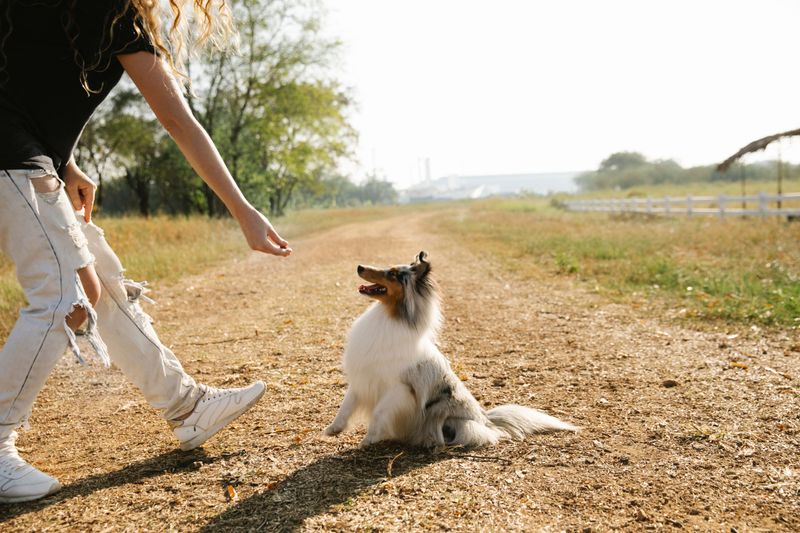
Recall training is quiet insurance. When your dog turns and returns on the first call, you can end a risky situation before it develops.
Practice in your yard, then a quiet field, then places with distractions like other dogs and wildlife scents.
Reward generously every single time. Some owners also pursue professional rattlesnake avoidance training, though availability varies, so ask a local trainer or veterinarian.
Do Not Let Dogs Investigate Snakes
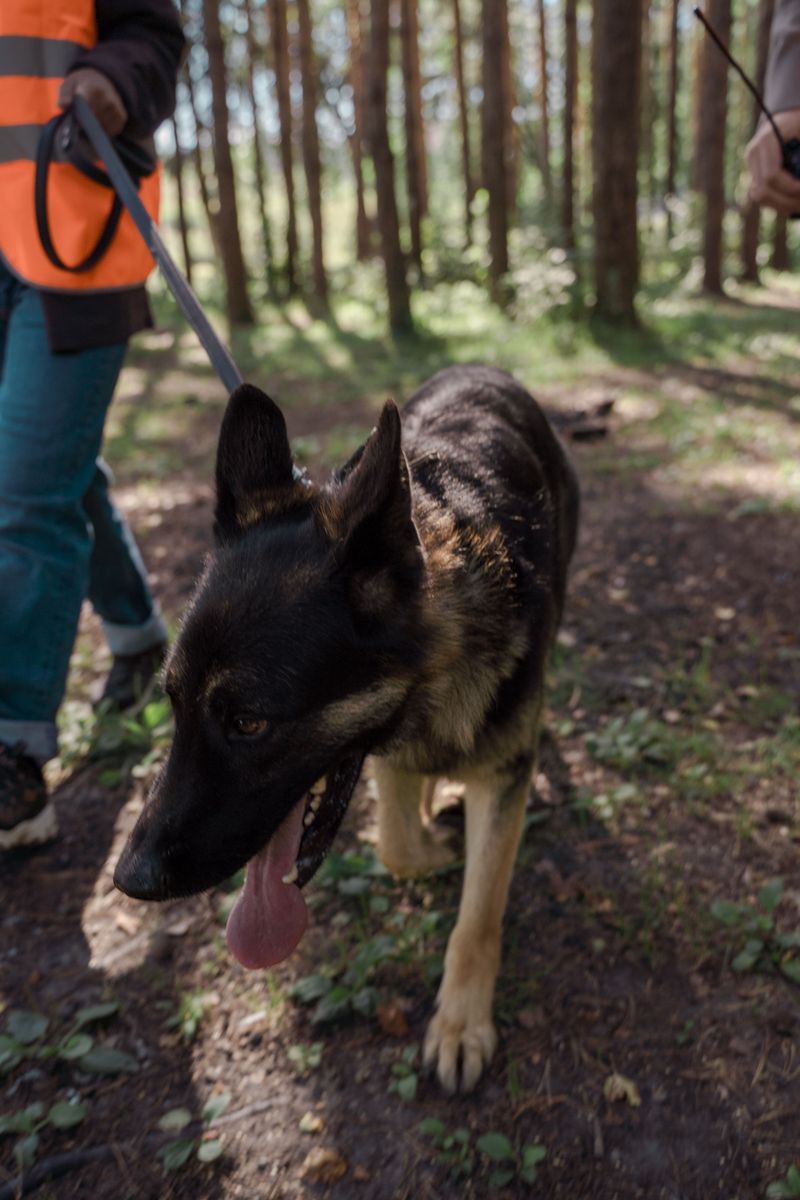
Here is the rule with no exceptions: nobody approaches the snake. Not you, not your dog, not for a photo or a closer look.
Sniffing, chasing, cornering, or pawing at a rattlesnake puts a dog directly in harm’s way.
Snakes may respond defensively when they are surprised, approached, or feel threatened. Turn around, walk away, and let the animal be.
Curiosity satisfied from thirty feet back is curiosity handled correctly.
What To Do If A Snake Is Nearby
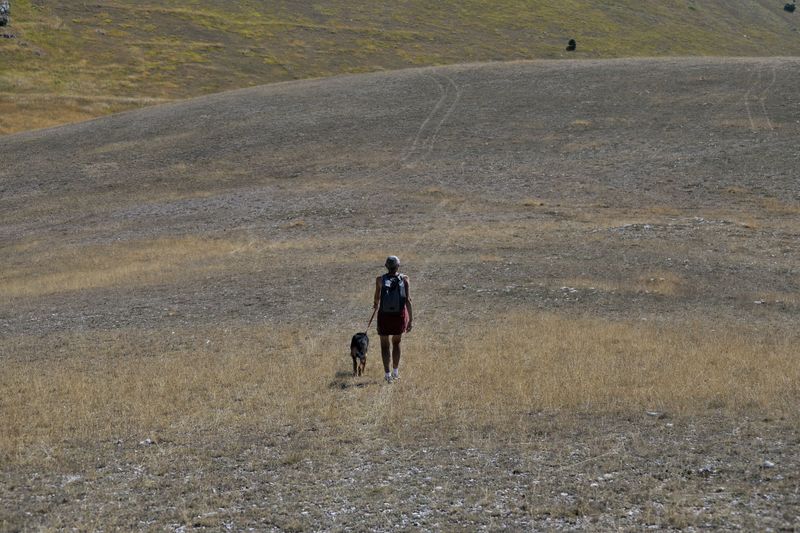
Suppose you hear that dry buzzing rattle. Stop, locate the sound, then back away slowly while keeping your dog beside you.
Sudden running or shouting is unnecessary. Give the snake plenty of space and avoid blocking its path, allowing it to move away without being disturbed.
Never try to move or handle it. If a snake sits directly on a busy trail, report it to park staff instead of dealing with it yourself.
Learn To Recognize A Prairie Rattlesnake
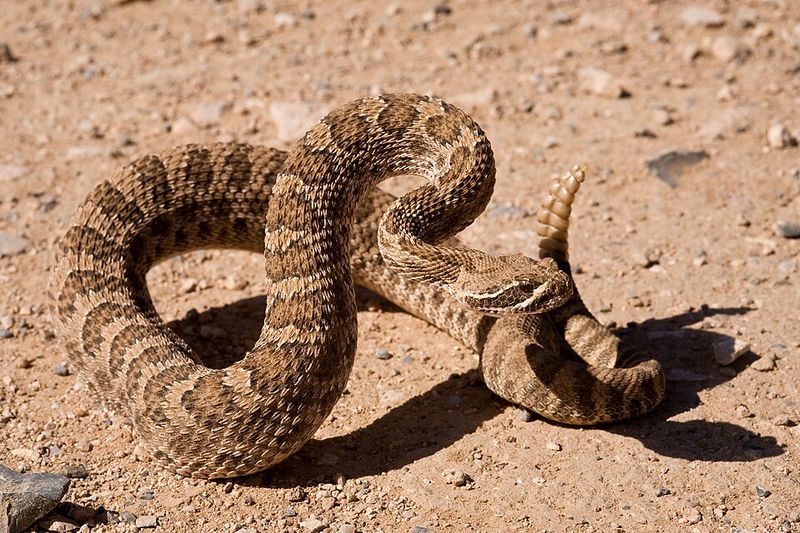
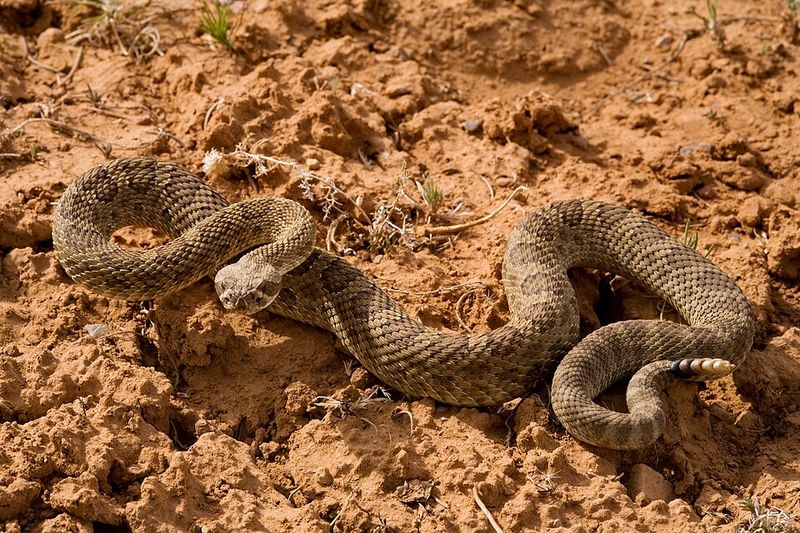
Identification helps, from a respectful distance. Prairie rattlesnakes are typically light brown, tan, or greenish gray with dark oval blotches down the back, a triangular head, and a segmented rattle.
Harmless bullsnakes look similar and even mimic the buzzing sound, which trips up plenty of people.
Since telling them apart takes practice, treat any unknown snake as one to avoid. Distance beats certainty every time.