16 Colorado Dog Laws Responsible Owners Should Know
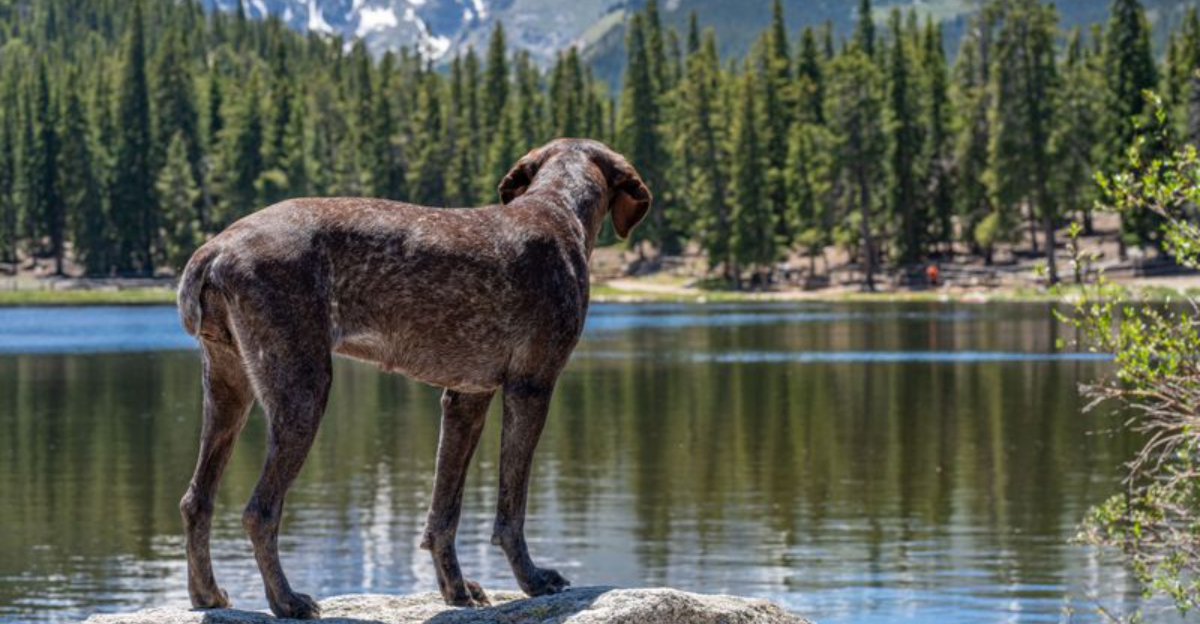
Living in Colorado with a dog means sharing trails, parks, campgrounds, and neighborhoods with a lot of other people and animals. Most of the rules here exist to keep everyone comfortable and safe, and they are easier to follow than you might expect.
Some rules come from the state, while others depend on your city or county. Here is a friendly walkthrough of the main ones, so you can enjoy Colorado with your dog and feel confident you are doing things right.
1. Rabies Shots Start at Four Months
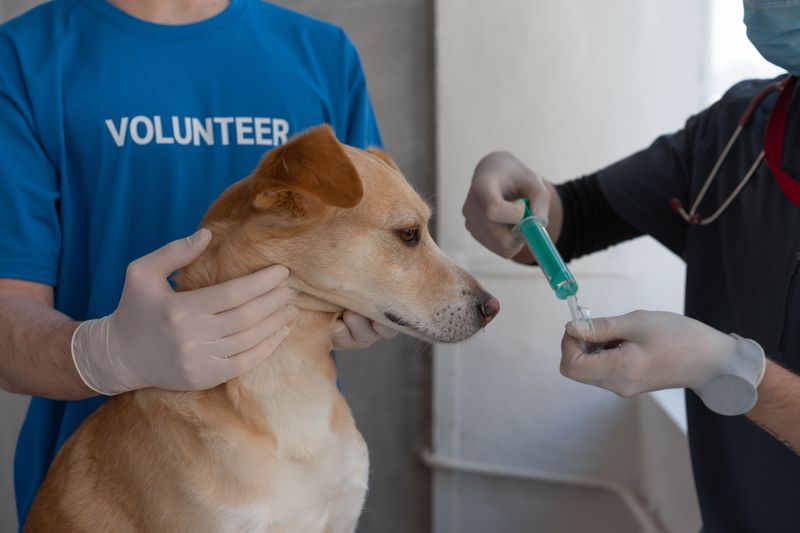
Colorado requires dogs four months of age or older to carry a current rabies vaccination. A licensed veterinarian must give the shot, so home remedies or unofficial sources will not count.
Most vets schedule the first dose around 16 weeks. Certain cities and counties set slightly different age rules, so a quick call to your local animal services office clears up any confusion.
Keep the certificate somewhere easy to find. Boarding facilities and groomers ask for it often.
2. Ninety Days to Vaccinate a Newly Adopted Dog
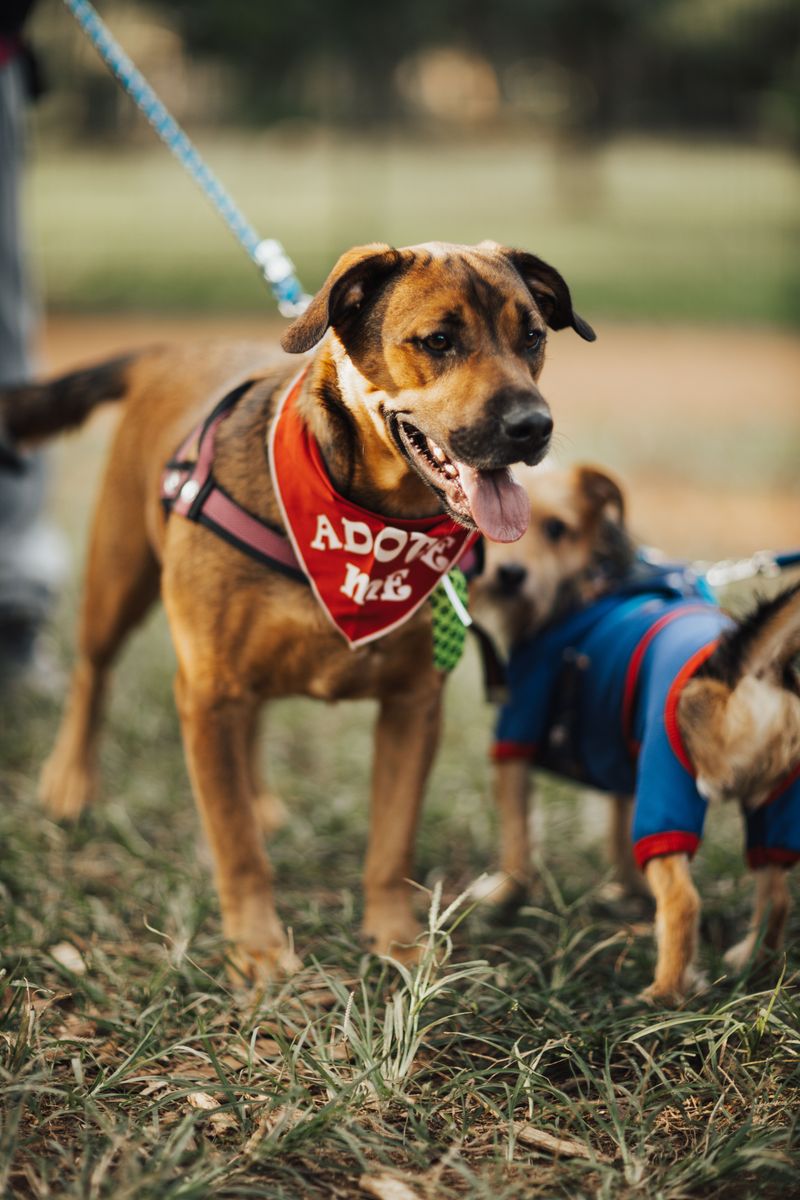
Adopting or buying a dog starts a clock. Colorado gives new owners 90 days from the date of ownership to make sure the animal has a rabies vaccination.
Shelters often handle this before pickup, but private sales and rehoming situations vary widely. Ask for written proof rather than a verbal promise.
If records are missing, your vet can advise on revaccination. Booking that first appointment early also gets your dog established with a clinic.
3. Bites Bring Reporting and Follow-Up Rules

Even a minor nip can start an official process. Colorado public health rules require reporting of animal bites, and health officials then follow rabies protocols.
That usually means a quarantine or observation period for the dog, often at home if vaccination records are current. Cooperating quickly makes everything smoother.
Have your vaccination certificate ready and answer questions honestly. Officials are trying to protect people and your dog, not punish you for an accident.
4. The Dangerous Dog Statute Carries Real Weight
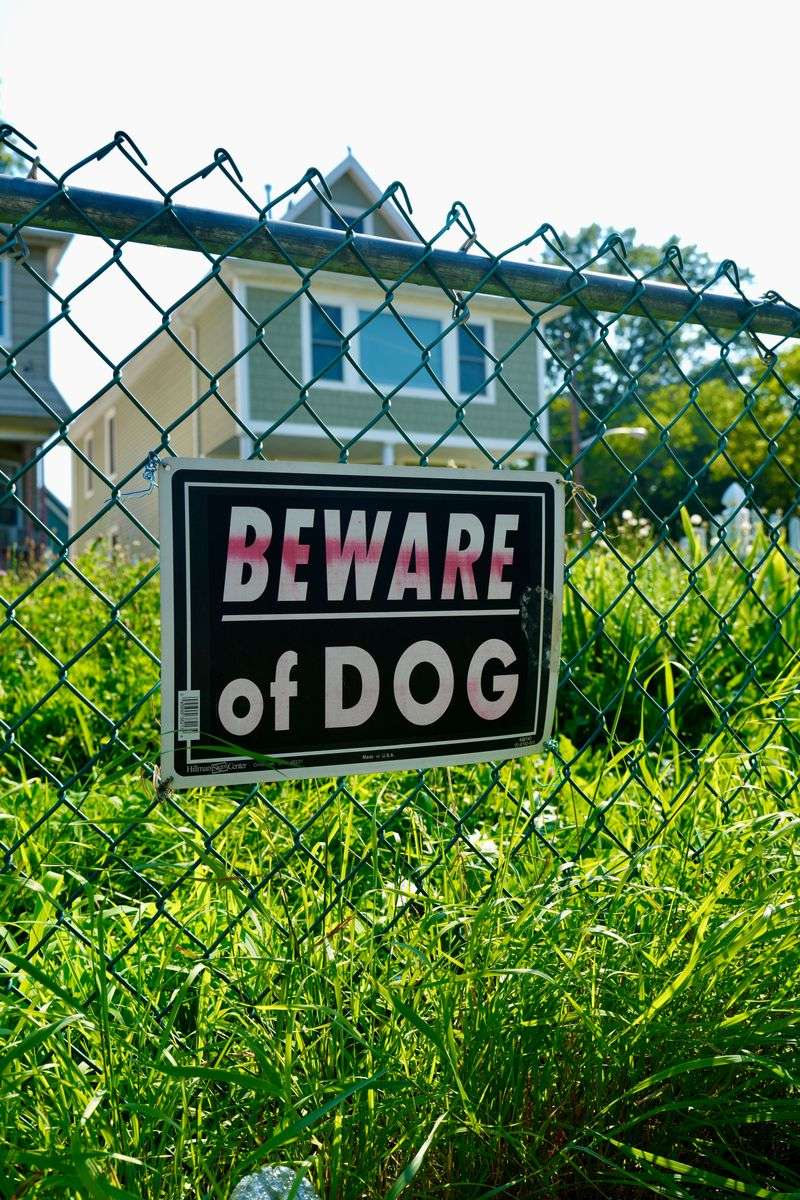
Colorado law defines a dangerous dog and attaches criminal penalties for owners whose animals cause harm. Charges can escalate with repeat incidents.
Prevention matters more than paperwork here. Secure fencing, reliable recall training, and careful introductions to strangers reduce risk enormously.
If your dog shows guarding or reactive behavior, work with a certified trainer or veterinary behaviorist early. Small management changes, like leashing near gates, prevent situations that later become legal problems.
5. Livestock Chasing Is Taken Seriously Here

Ranching runs deep in this state, and the law reflects that. Dogs that chase, harass, or injure livestock can create serious legal and financial consequences for their owners.
Owners may face liability for losses, and rural counties enforce these rules closely. Open range does not mean open access for pets.
Leash your dog near pastures, even friendly ones with no history of chasing. Instinct can override training when hooves start moving.
6. Cruelty Charges Apply Statewide

Animal cruelty is a criminal offense in Colorado, and penalties increase for repeat or aggravated cases. Courts may also order counseling or restrict future animal ownership.
The law covers intentional mistreatment as well as certain reckless behavior. Most responsible owners never come close to that line.
If you witness something concerning, contact local animal control or law enforcement rather than confronting anyone. Reporting quietly and accurately is the most helpful thing a bystander can do.
7. Neglect Counts, Not Just Harm

Failing to provide food, water, shelter, or needed veterinary care can qualify as cruelty under Colorado law. Doing nothing can be an offense on its own.
Our climate raises the stakes. Summer heat and winter cold both demand real shelter, unfrozen water, and shade.
Financial hardship happens, and help exists. Many Colorado shelters and nonprofits run low cost clinics and pet food banks, so reach out before problems grow.
8. Leaving a Dog Behind Violates State Law

Abandonment is treated as a violation in Colorado, whether a dog is left at a home, a trailhead, or a boarding facility without arrangements.
Life changes such as moves, illness, or housing loss are genuinely hard. Surrendering a dog properly to a shelter or rescue is legal and far kinder.
Call ahead, bring vaccination records, and be honest about behavior. That information helps staff place your dog in the right home faster.
9. Organized Dog Fighting Is Strictly Prohibited

Organized activities involving animal abuse are illegal in Colorado, and the rules also cover people involved in arranging them. Attending, training animals for it, or supplying equipment can bring charges too.
Federal law adds another layer of prohibition on top of state rules.
Anyone who suspects this activity should contact law enforcement instead of investigating alone. Tips can be given confidentially, and officers are trained to handle these situations safely for everyone involved.
10. Fake Service Dog Claims Are Against the Law
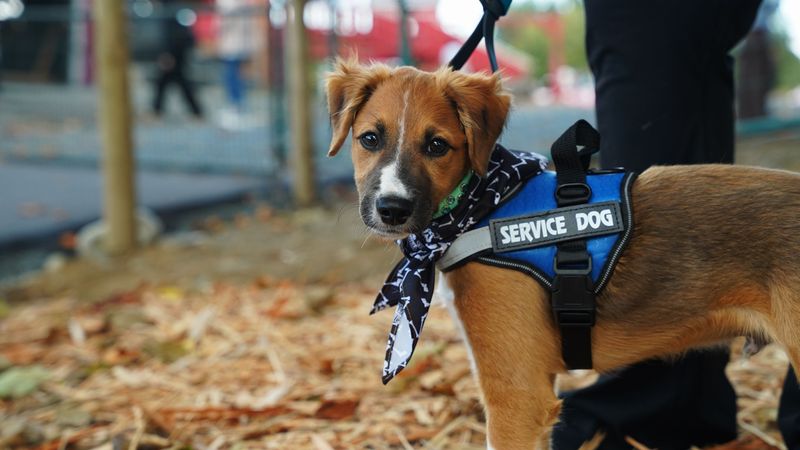
Colorado passed a law making it an offense to misrepresent a pet as a service animal. Penalties start with fines and can increase for repeat violations.
Genuine service dogs are individually trained to perform tasks for a person with a disability. Online certificates and vests do not create that status.
Bringing a beloved pet into a restaurant may seem harmless. It makes access harder for handlers who truly depend on their dogs.
11. Housing Assistance Animal Requests Must Be Honest

Assistance animals in housing follow a separate set of rules from service dogs in public places. Colorado allows penalties for knowingly making a false claim of entitlement.
Legitimate requests rely on genuine documentation from a licensed provider who knows your situation. Instant online letters raise red flags with landlords.
Talk with your healthcare provider first if you believe you qualify. Honest paperwork protects both your housing and the system others rely on.
12. No Single Statewide Leash Rule Exists
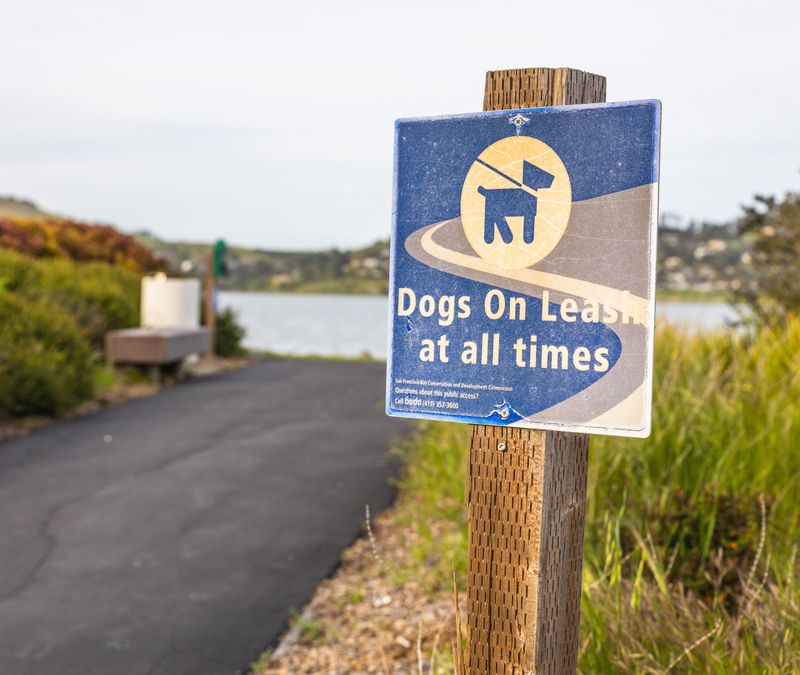
Plenty of owners assume one leash law covers all of Colorado. In practice, leash requirements come mostly from city and county ordinances, and they differ.
Denver, Boulder County, and mountain towns each set their own standards, including voice control programs in some areas.
Before walking somewhere new, check the municipal website or posted trailhead signs. Two minutes of reading prevents a ticket and an awkward conversation with a ranger.
13. Six Foot Leashes in State Park Campgrounds
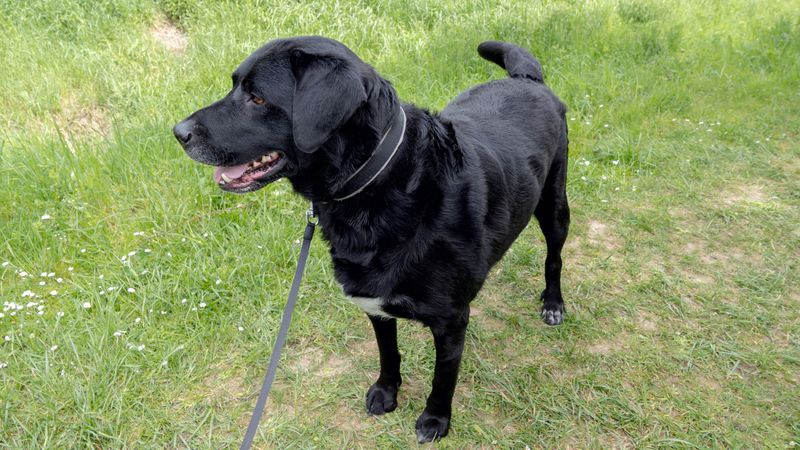
Colorado State Parks generally require dogs to stay leashed, with leashes no longer than six feet, in campgrounds and developed areas.
Retractable leads stretched out past that length can put you out of compliance, even when your dog behaves perfectly.
Pack a simple six foot lead for park trips. It also gives you better control around wildlife, unfamiliar dogs, and children racing between campsites at dusk.
14. Waste Cleanup Is Required, Not Optional
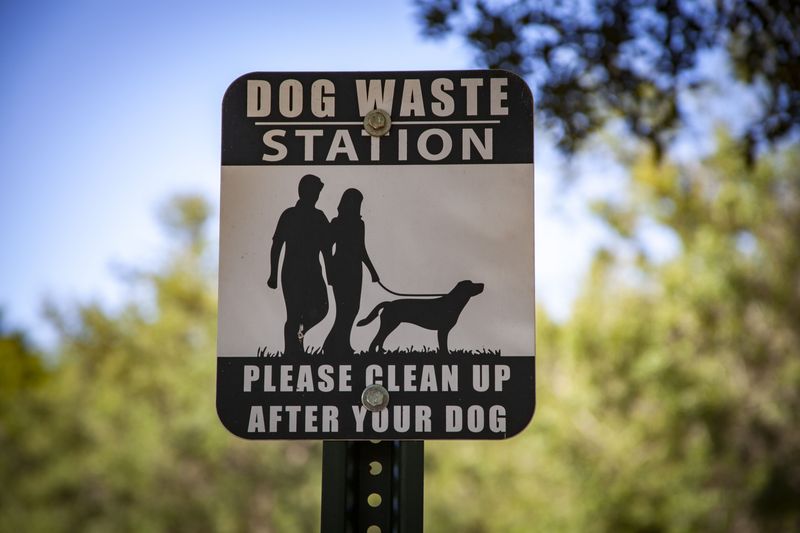
Scooping in state parks is a rule, not just good manners. Owners must pick up and properly dispose of their dogs’ waste.
There is an environmental reason behind it. Waste left near trails and shorelines washes into waterways and can spread parasites to wildlife and other pets.
Clip a bag holder to your leash so you never run out. Carrying one extra bag for a neighbor is a nice touch.
15. Off-Leash Areas May Require a Special Pass
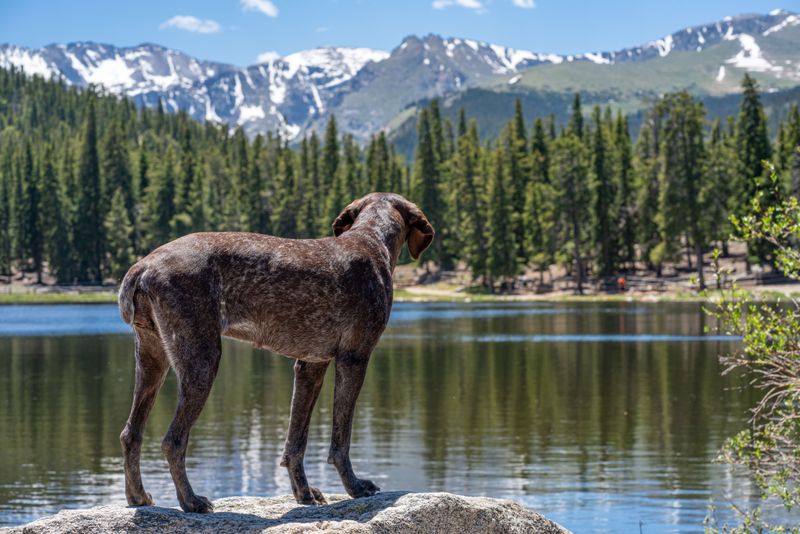
A handful of Colorado State Parks offer designated off-leash areas for dogs. Access to some of them requires a separate dog off-leash pass, purchased in addition to your park entrance fee.
Rules differ from park to park, and boundaries are marked for a reason.
Check the Colorado Parks and Wildlife website before you drive out. Buying the pass ahead of time saves a stop at a busy entrance station.
16. State Wildlife Areas Play by Different Rules
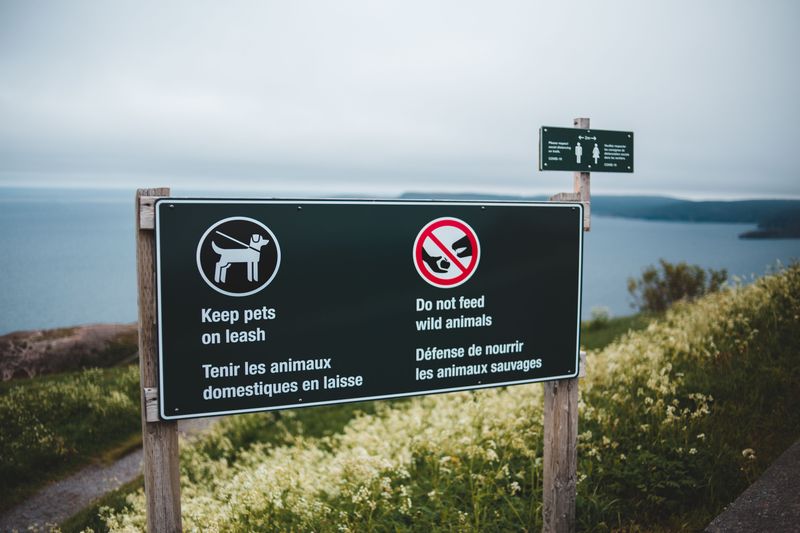
State Wildlife Areas are managed for habitat and public access, and they can set their own dog restrictions. Some require leashes year round, others limit dogs seasonally to protect nesting birds.
Property specific regulations are posted at access points and listed online by Colorado Parks and Wildlife.
When in doubt, keep your dog leashed and check the property listing first. Wildlife areas reward quiet visitors with some truly memorable mornings.
Enjoy your Colorado adventures, informed and ready.