How Elevation Changes A Nevada Dog Hike Between Las Vegas, Reno, And Tahoe
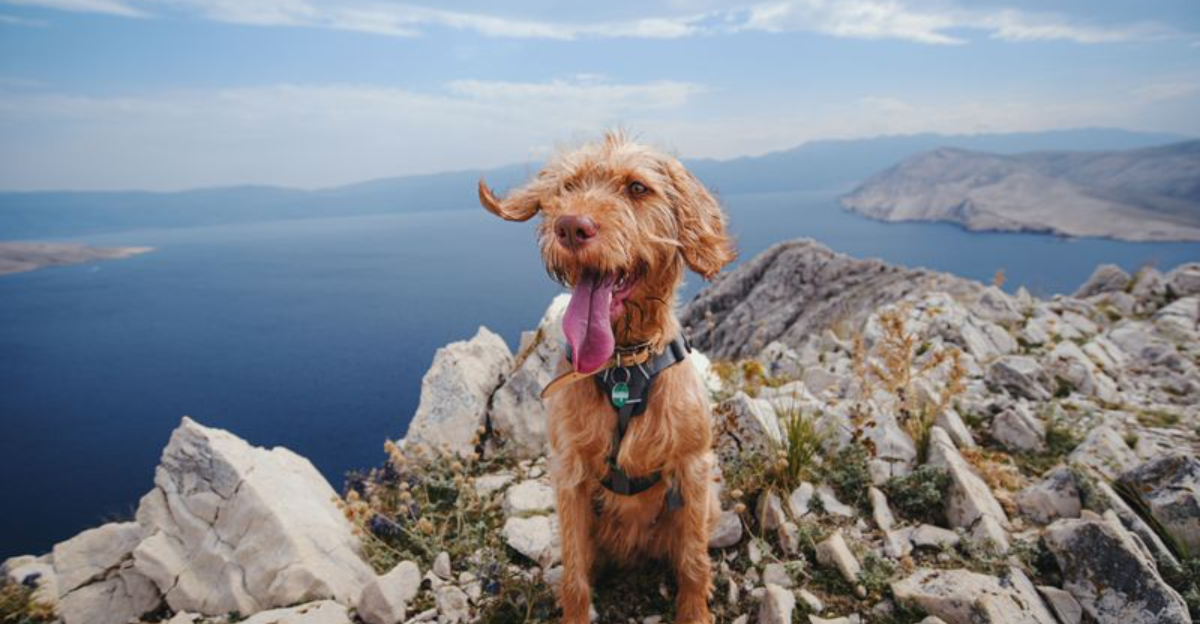
Nevada gives dog owners something unusual: three very different hiking worlds inside one state.
A morning walk in the Las Vegas valley sits around 2,000 feet. Reno starts closer to 4,500 feet.
Lake Tahoe averages about 6,220 feet, and nearby trailheads climb far past that.
Your dog notices those differences, even if you barely do. Thinner air, cooler temperatures, stronger sun, and longer snow seasons all shift with altitude.
So does the way heat behaves underfoot.
Below you will find eighteen practical points comparing Las Vegas, Reno, and Tahoe hikes. Each one is meant to help you make calm, confident choices for your dog.
Rules matter too, especially around Washoe County and Tahoe, so those are covered as well.
1. Your Trailhead Number Starts The Story
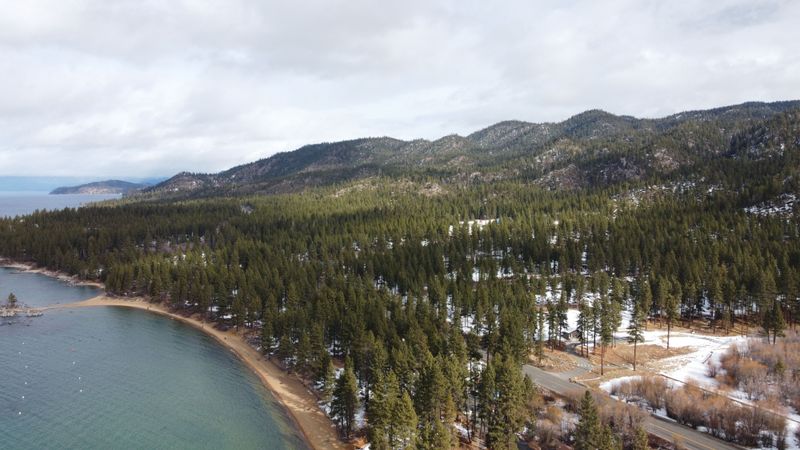
Before a single paw touches dirt, geography has already made a decision for you. Las Vegas sits near 2,000 feet.
Reno averages roughly 4,400 to 4,500 feet. Lake Tahoe hovers around 6,220 feet.
That spread of more than 4,000 feet changes air thickness, temperature, and season length. Your dog feels the difference in breathing and effort.
Check your trailhead elevation first. It quietly sets the tone for everything else.
2. Las Vegas Offers Nevada’s Biggest Same-Day Climb
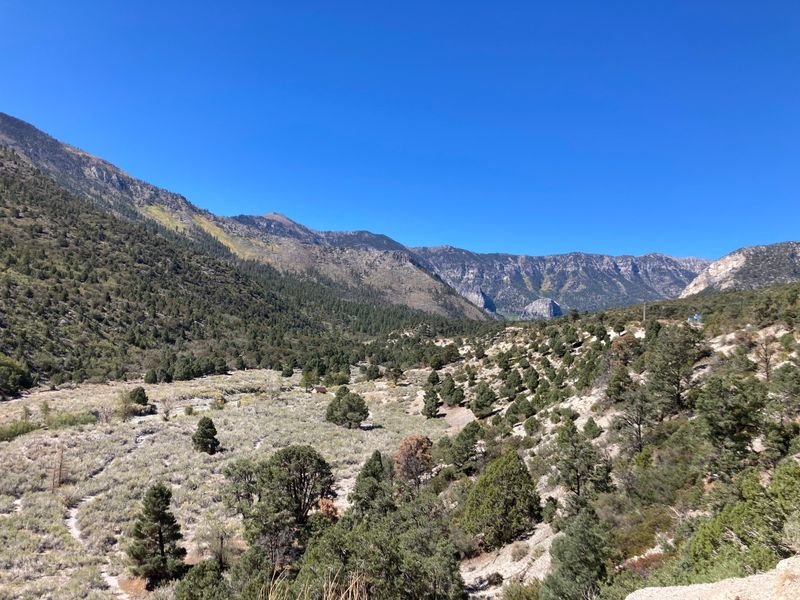
Here is a fact that surprises visitors: the desert city delivers the state’s most extreme vertical swing. You can leave a 2,000-foot valley neighborhood and reach Mount Charleston within about an hour.
Charleston Peak tops out at 11,916 feet. That is a possible gain approaching 10,000 feet in one day.
Dogs handle gradual change better than sudden jumps. Consider a shorter, lower Charleston trail before attempting anything near the summit.
3. Mount Charleston Feels Like Another State Entirely
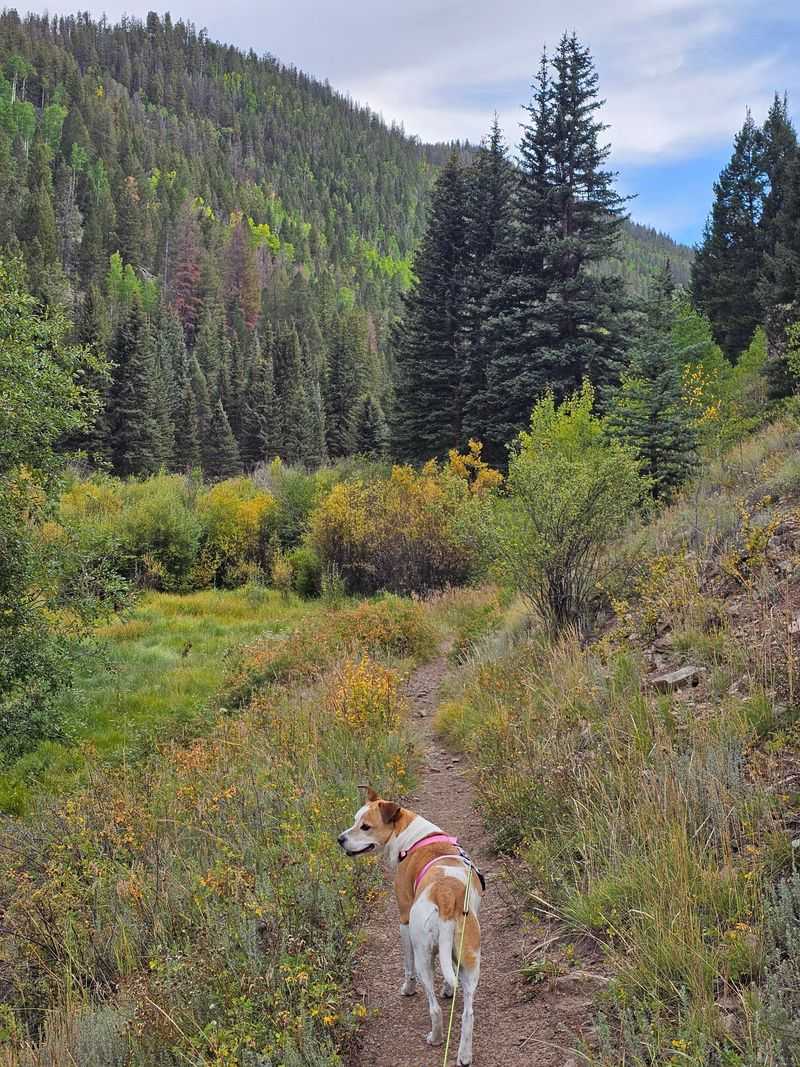
Pine shade, forest smells, and seasonal waterfalls replace creosote and open rock. Temperatures on Mount Charleston average about 20 degrees cooler than the valley below.
More than 50 miles of trails wind through elevations from roughly 4,440 feet to nearly 12,000 feet.
Compare that to Red Rock Canyon or the River Mountains Loop, where sun and dry heat dominate. Same city, completely different hike for your dog.
4. Reno Sits Comfortably In The Middle
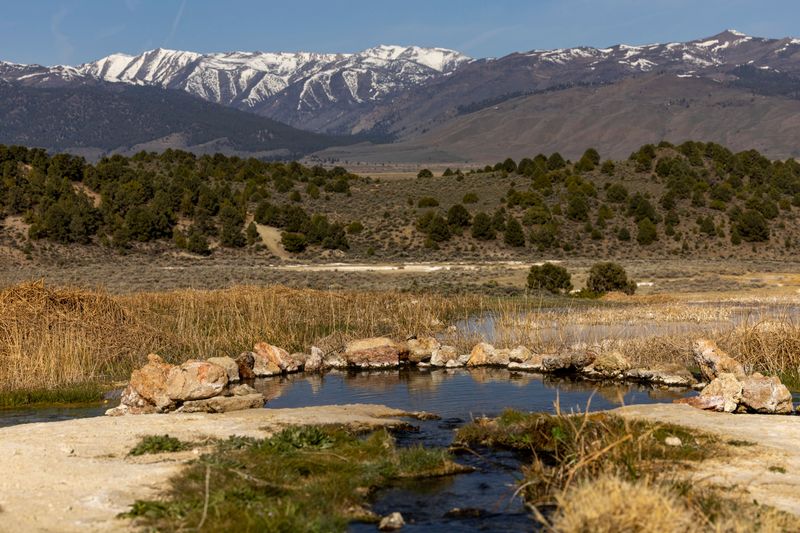
Reno gets an interesting advantage. At roughly 4,400 to 4,505 feet, it starts far above Las Vegas but well under Tahoe.
Dogs living here already breathe moderately thin air every day. That everyday baseline helps when you head toward higher trails.
Summers still get warm, though, so early starts remain smart. Think of Reno as a natural stepping stone rather than a finish line.
5. Tahoe Trailheads Begin Where Others End
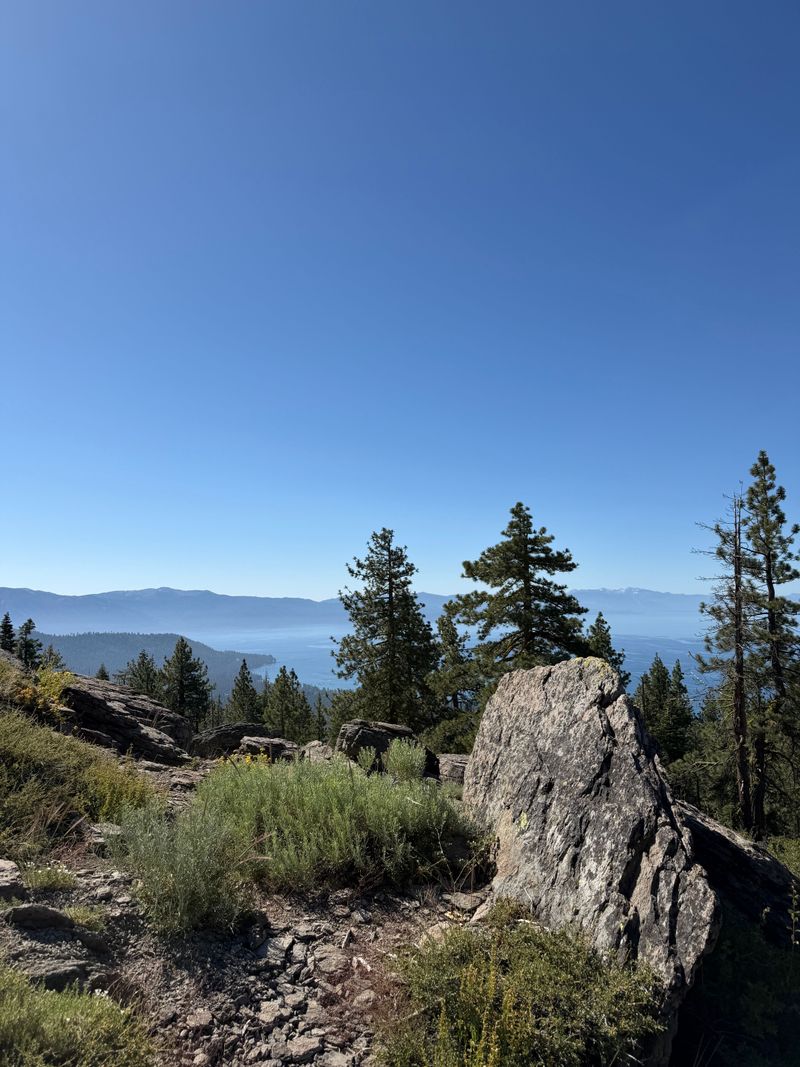
Around the lake, altitude is baked into the parking lot. Tahoe averages about 6,223 feet, and the Mount Rose Summit Trailhead begins near 8,900 feet.
So a dog can be working in thin air before the first mile ends. Tahoe Rim Trail segments hold similar heights.
Plan shorter distances than you would at sea level. Water breaks matter more here than most owners expect.
6. The Drive Up From Reno Does Real Work
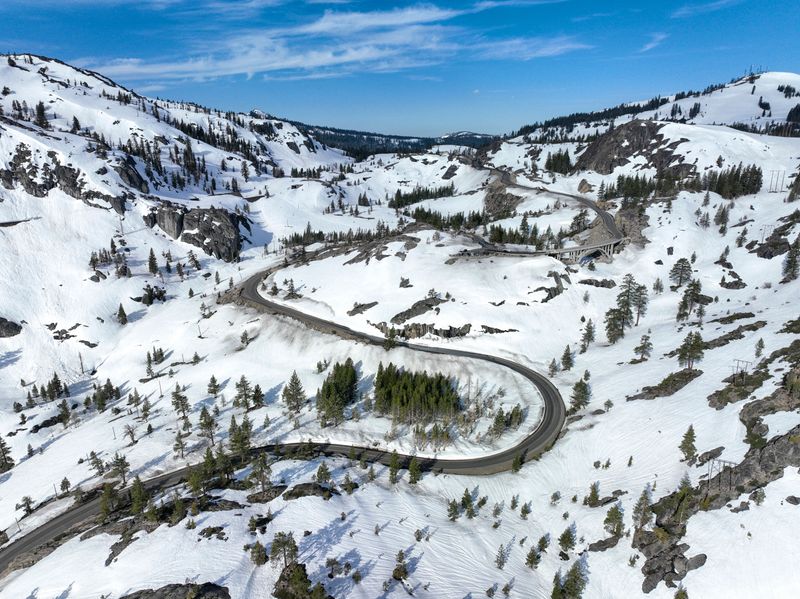
Forty minutes of driving can gain thousands of feet. Reno sits near 4,500 feet, while the surrounding High Sierra pushes past 12,000 feet.
Your dog goes from valley air to alpine air without ever stepping outside. That is a fast change for any body.
Give a calm ten or fifteen minutes at the trailhead before starting. Watch breathing, then begin at an easy pace.
7. Mt. Rose Puts The Numbers In Perspective
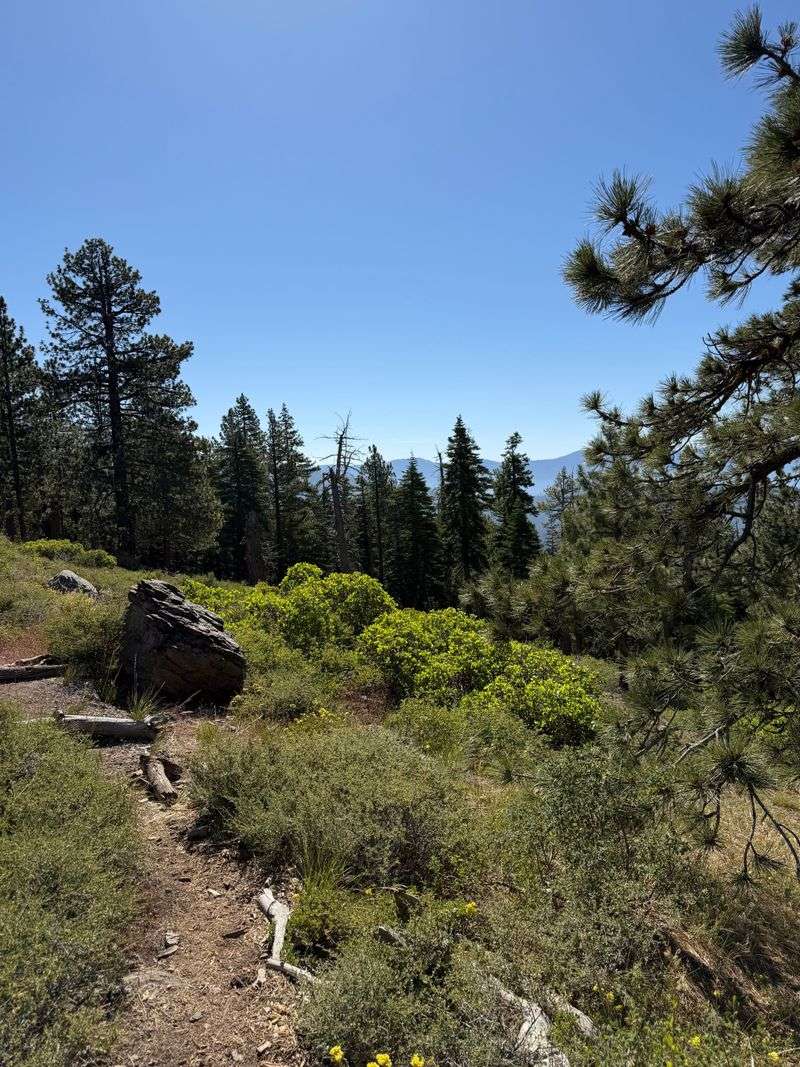
Roughly 11 to 12 miles round trip, with about 2,300 to 2,500 feet of gain, and a summit near 10,776 feet. Those figures explain the strenuous rating.
The first 2.5 miles stay fairly gentle toward a waterfall. Then the trail climbs about 1,700 feet, largely exposed.
Many fit dogs manage the lower section happily. Turning around there is a completely respectable plan.
8. Thinner Air Asks More Of Your Dog’s Lungs
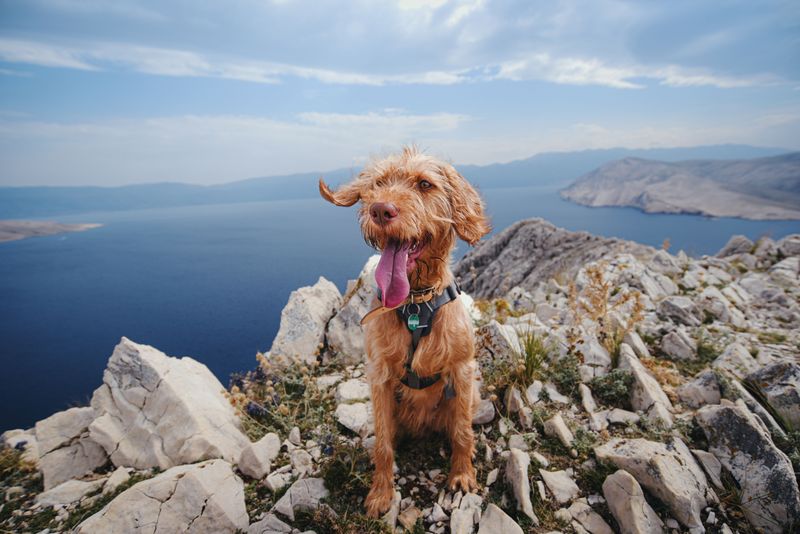
Dogs can develop altitude sickness much like people do. Signs include faster breathing, heavy panting, low energy, upset stomach, or skipping food.
Flat-faced breeds such as pugs, bulldogs, boxers, and Boston terriers often struggle more in thin air. Dogs with heart conditions deserve extra caution.
Spending a day or two at moderate altitude first helps. If symptoms appear, descend and contact your veterinarian.
9. How Fast You Climb Beats Where You Started
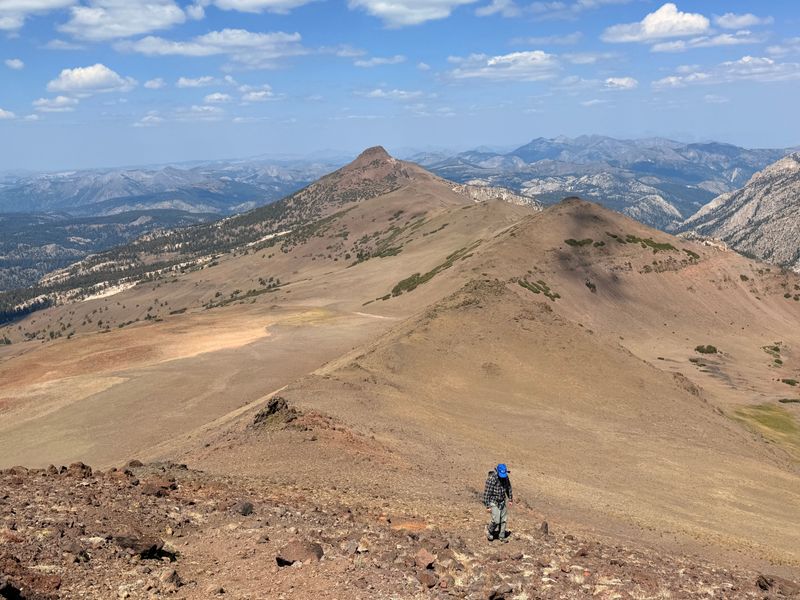
City names make tidy labels, but bodies respond to vertical feet per hour. Going from Reno’s 4,505 feet to Mount Rose’s 10,776-foot summit is demanding no matter your address.
A slower climb gives lungs and muscles time to adjust. Sudden pushes create the most trouble.
Spending one or two nights at moderate elevation before big trails is a sensible, low-effort safety habit.
10. Down Low In Vegas, Heat Runs The Schedule
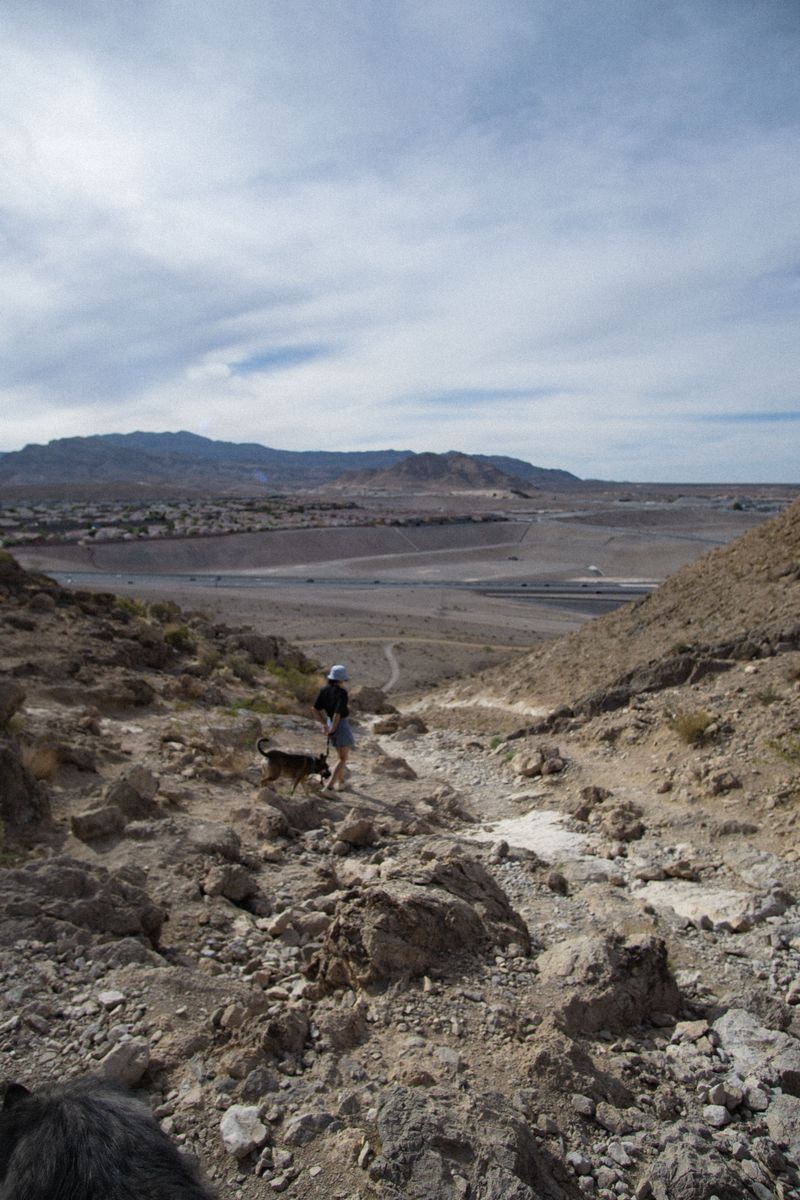
Southern Nevada’s subtropical desert climate brings long, intense summers. Valley temperatures often pass 110 degrees, which rules out meaningful activity for dogs.
Pavement and rock hold that heat well past sunset. Early morning is usually the only comfortable window.
Western neighborhoods like Summerlin sit slightly higher and feel a bit milder. Even so, check surface temperature with your hand before setting out.
11. Escaping Heat Introduces A Different Challenge
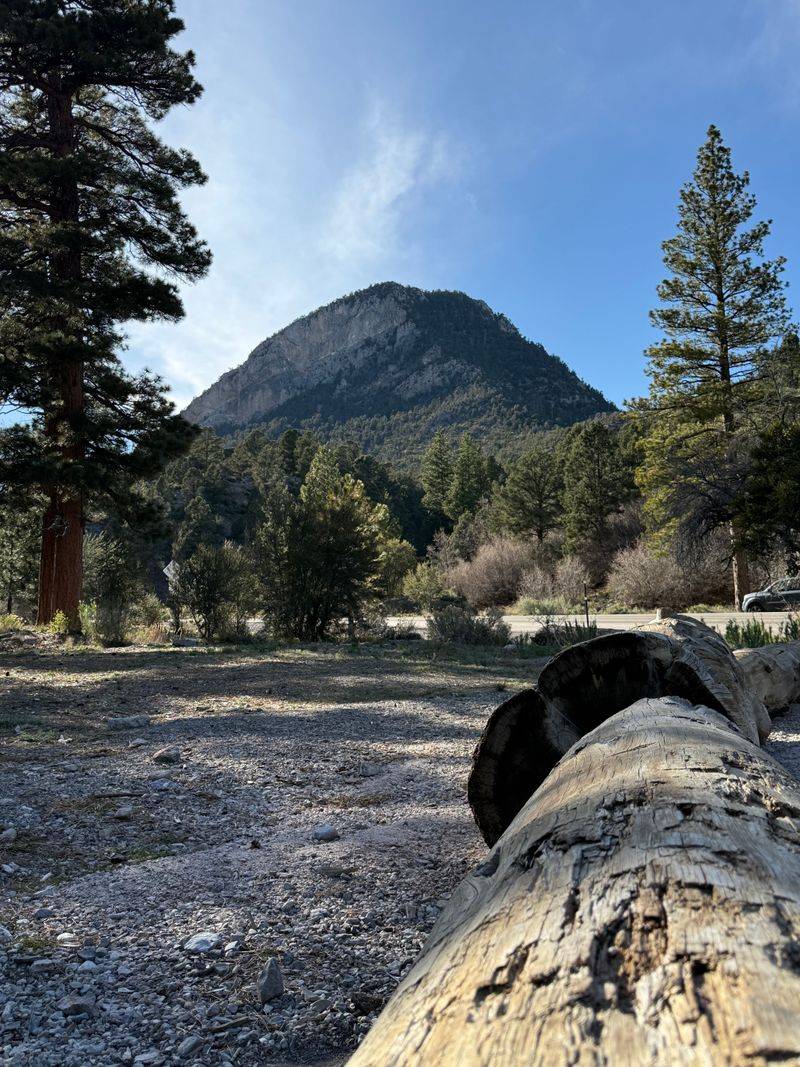
Trading a scorching valley for cool pines feels like a clever move, and often it is. Mount Charleston averages about 20 degrees cooler than the city.
Altitude brings its own demands, though, since oxygen thins as you rise. Temperature swings between afternoon and evening also grow sharper.
Pack a light layer for short-coated dogs. Cooler air still deserves regular water stops.
12. Seasons Shift Dramatically With Every Thousand Feet
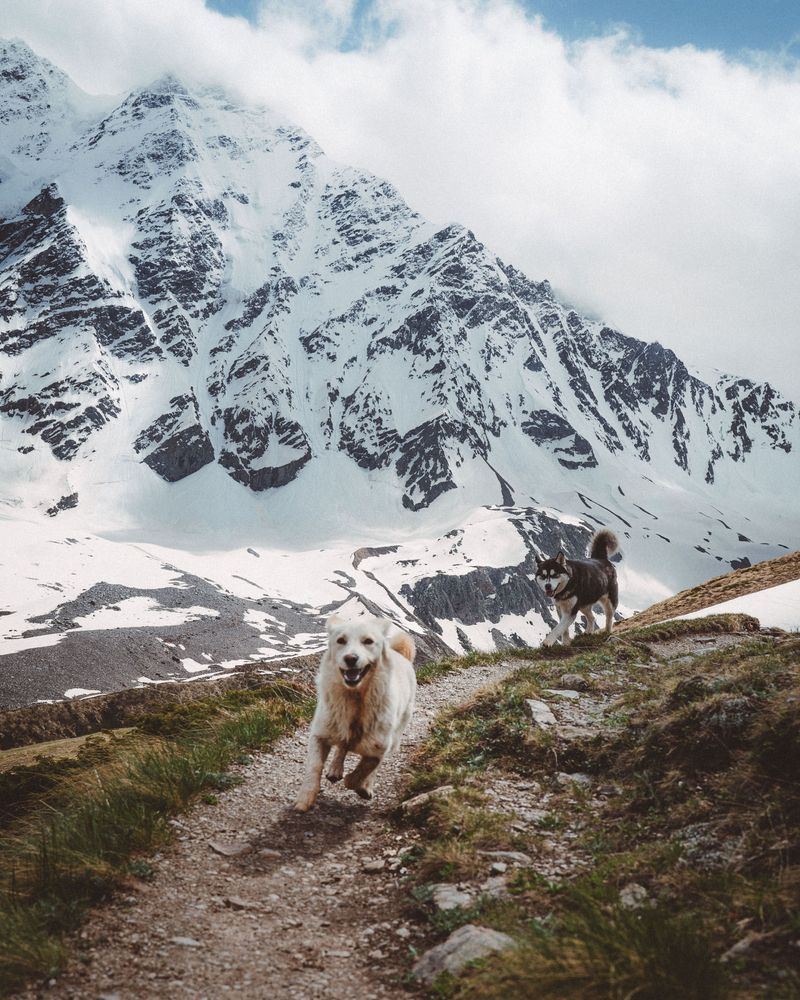
Charleston Peak wears snow for more than half the year. Trails like Bristlecone see winter conditions while the valley stays mild and dry.
Around Tahoe, snow can linger into late spring or early summer, and April storms still arrive.
Meanwhile, fall through early spring is prime hiking season at desert elevations. Nevada essentially offers year-round options if you follow the altitude.
13. Paws Face Different Problems At Each Height
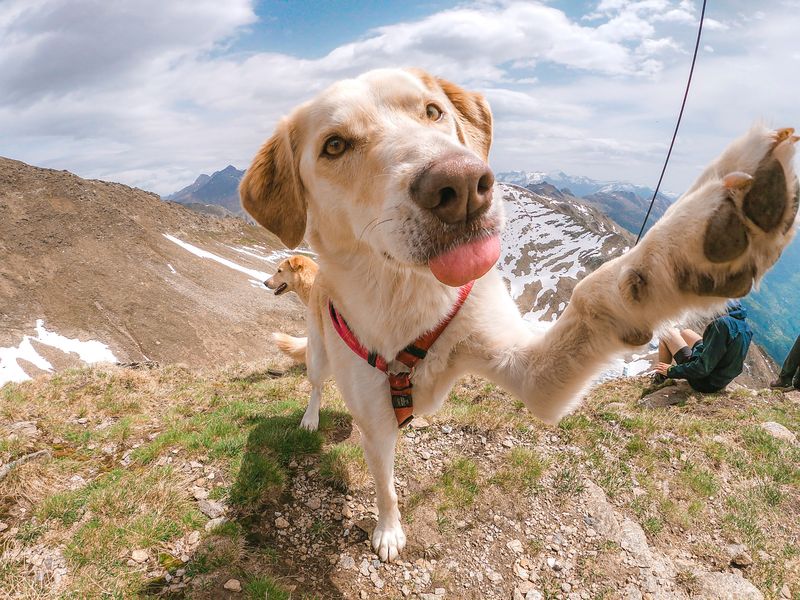
Desert trails near Las Vegas serve up baking surfaces, coarse gravel, and sharp volcanic rock. Boots or a protective balm help there.
Higher routes such as Mount Rose mix hard-packed sand with rocky stretches near the top. Winter adds snow, ice, and packed crust.
Some paths, including the Railroad Tunnel Trail near Boulder City, stay notably easy on pads. Inspect paws after every hike.
14. Cooler Air Is Not The Same As Safe Air
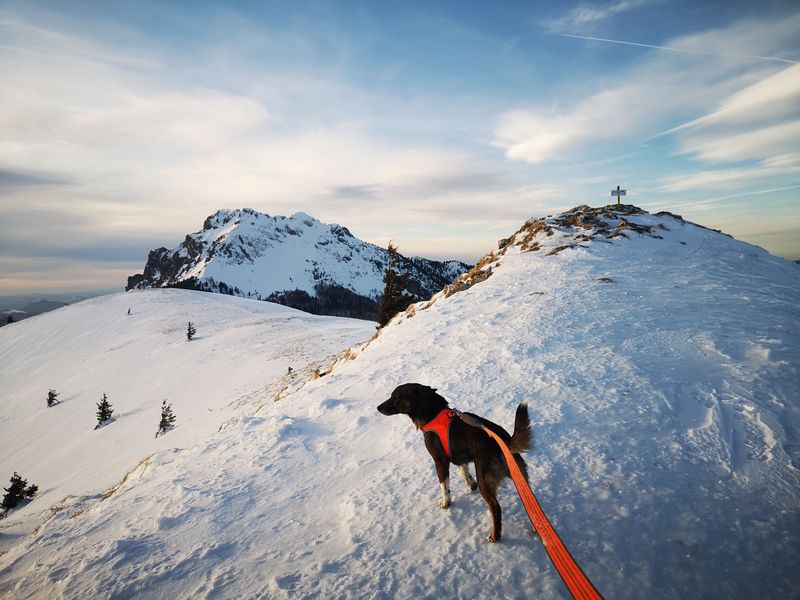
Comfortable temperatures can mask other stressors. Ultraviolet radiation strengthens with altitude, increasing roughly 7 percent per 1,000 feet gained.
Dogs sunburn on thinly furred spots like noses, ear tips, and bellies. Sunburn is uncomfortable and, in strong cases, can cause fever.
Intense high-elevation sun may also aggravate certain eye conditions, including pannus. Shade breaks belong in every mountain hike plan.
15. Sun Protection Belongs In Your Mountain Pack
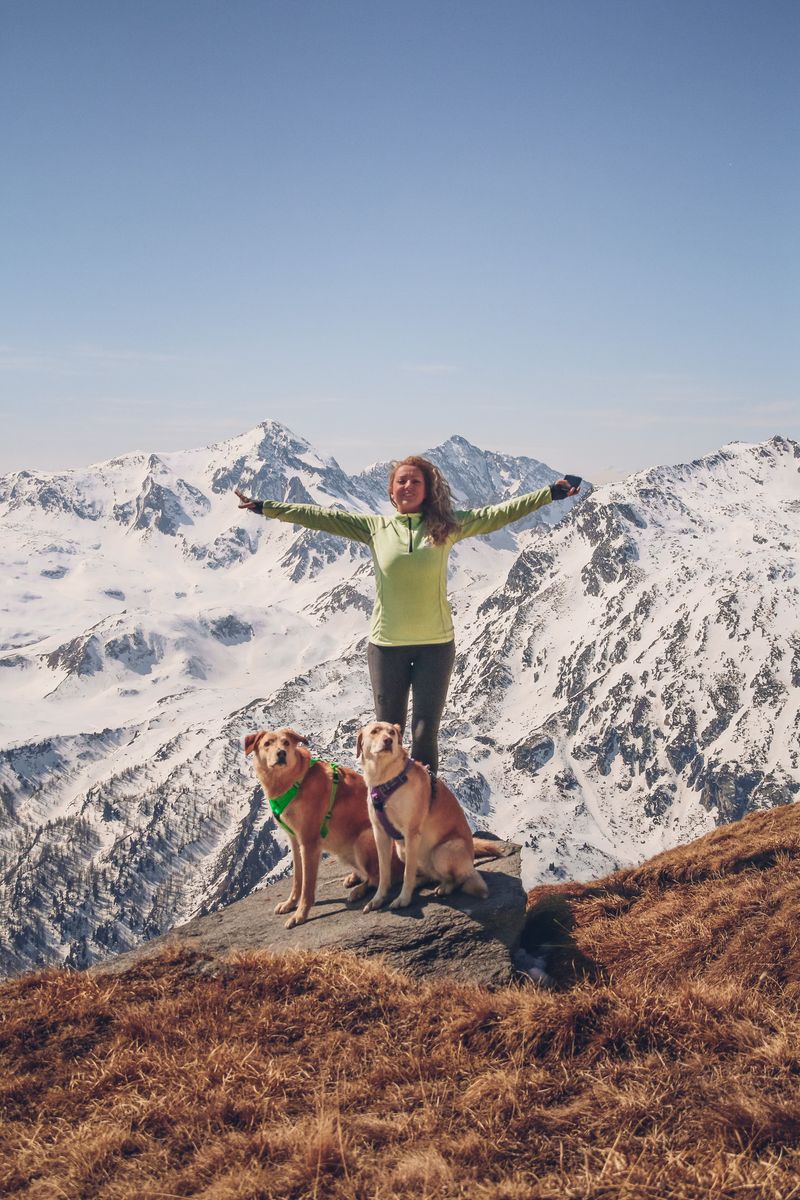
Snow, granite, and water all bounce sunlight back upward. That reflected glare reaches bellies and muzzles you might never think about.
Light-coated and thin-furred dogs face the highest risk of skin irritation. Sunscreen made specifically for dogs helps, as does steady shade access.
Limiting activity between about 11 a.m. and 4 p.m. remains one of the simplest protections available.
16. Read Gain And Distance As One Package
A summit number alone hides the real workload. Mount Rose combines an 11 to 12-mile round trip with 2,300 to 2,500 feet of climbing.
Trail profiles matter too, since gentle miles can end at a sudden steep push. That final 1,700-foot section proves the point.
Washoe County offers everything from flat strolls to serious climbs. Match the profile to your dog’s fitness.
17. Altitude Is One Clue, Not The Whole Answer
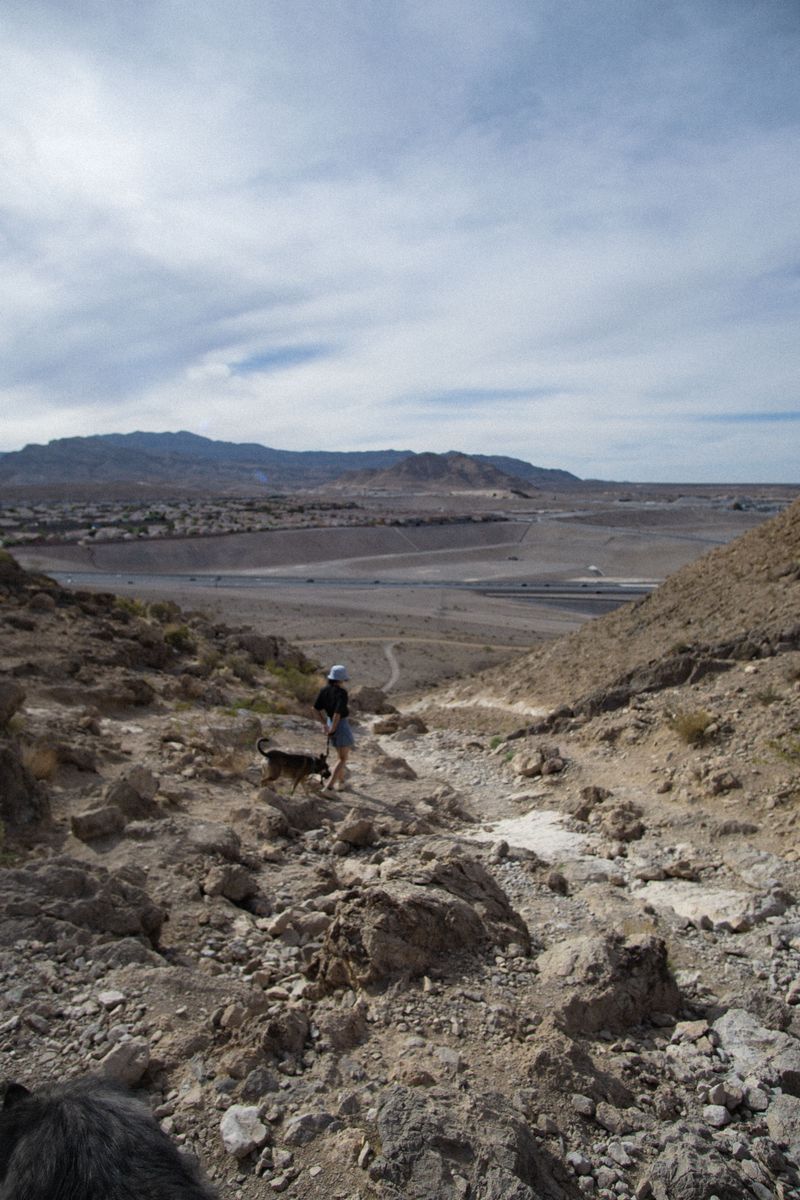
Two trails at identical elevation can suit dogs very differently. Surface texture, total length, available shade, and water access all weigh in.
Some routes include rock scrambles where you would need to lift your dog. Wildlife encounters deserve thought as well.
Breed tolerance for heat and thin air varies widely. Research each trail specifically instead of judging by height alone.
18. Leash Rules Shape Your Reno And Tahoe Options
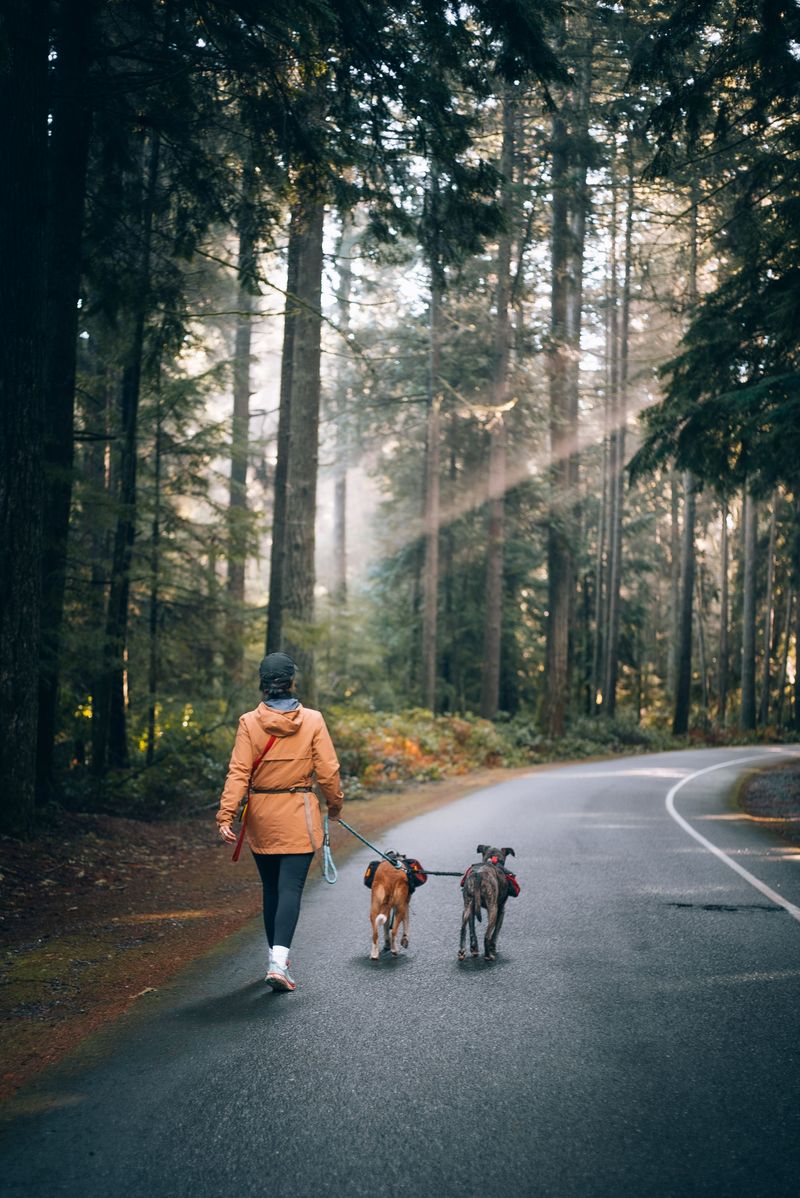
Washoe County requires leashes no longer than six feet, with dogs under immediate control in county parks and on trails.
Dogs are not allowed at Bowers Mansion Regional Park or the arboretum at Rancho San Rafael. Designated off-leash areas exist, with limits on ill dogs, dogs in heat, and puppies under four months.
Carry waste bags always. Confirm current rules locally before you drive.