What To Plan Before Taking Your Dog On A Massachusetts Island Ferry
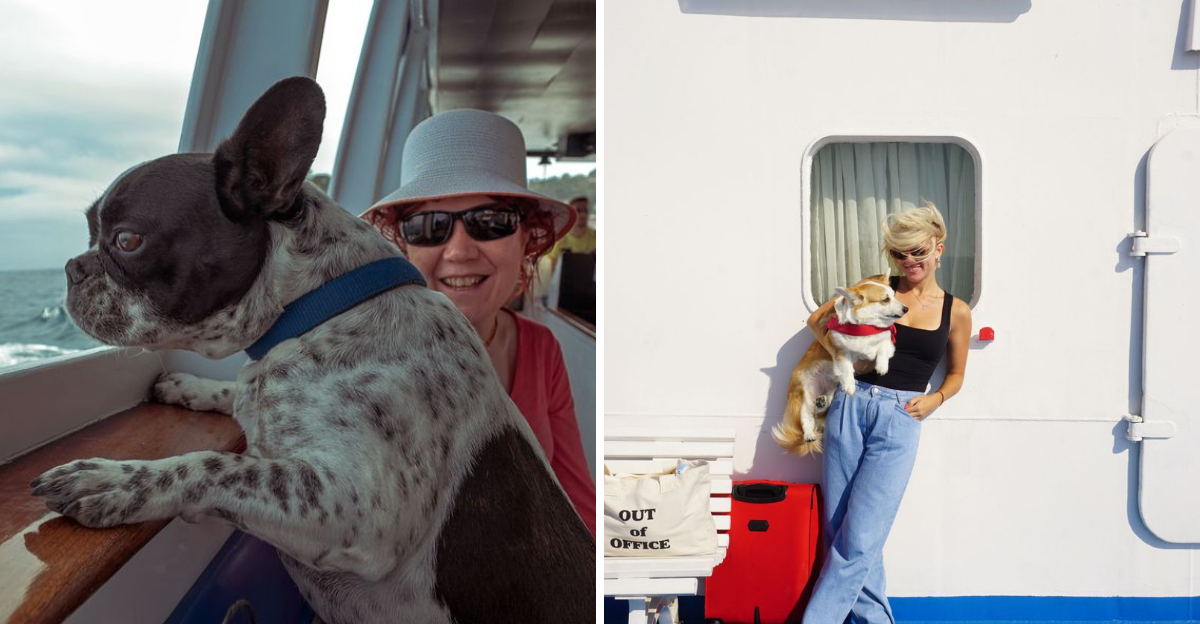
Taking your dog on a Massachusetts island ferry can be easy when you plan the small details first. Rules change by ferry line, island, season, and even by beach or bus stop.
A little prep helps your dog stay comfortable and helps your trip start calmly. Here is the practical guidance many local owners wish they had before heading to the terminal.
1. Read the Ferry Pet Policy First
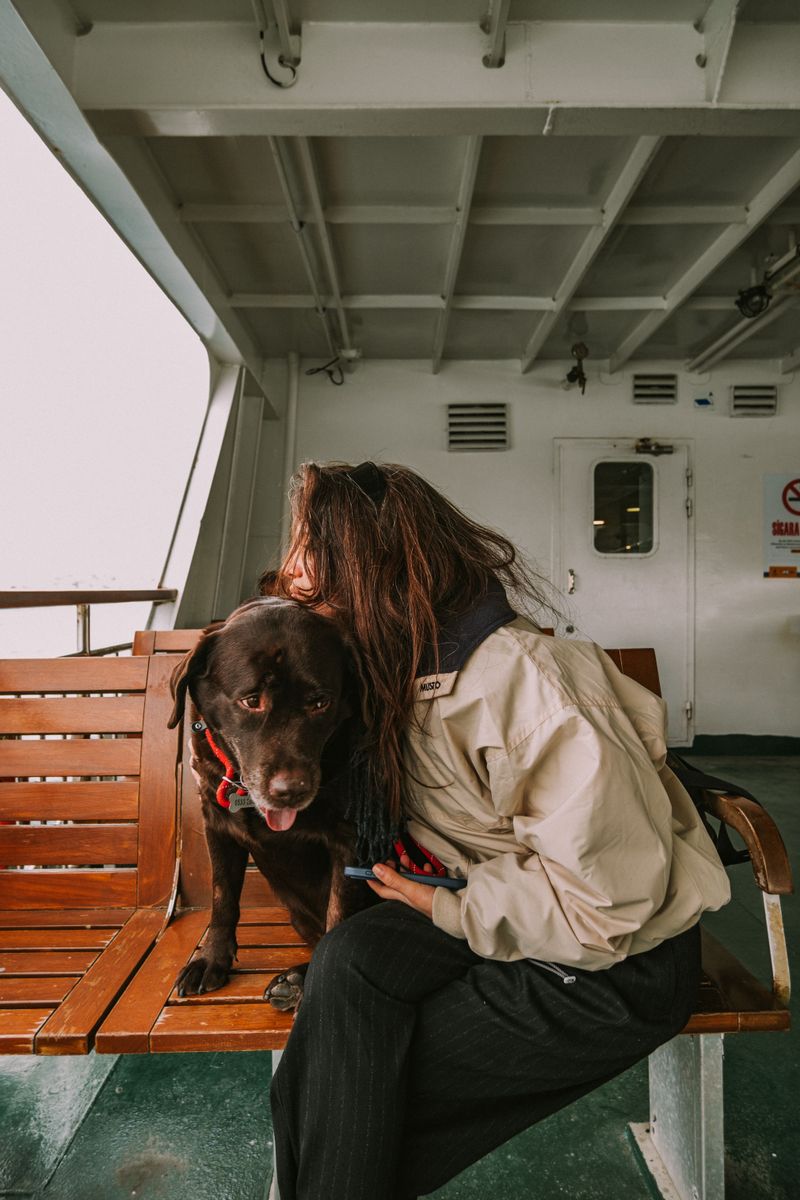
Ferry pet rules are never exactly the same, even on nearby routes. One company may welcome leashed dogs everywhere outdoors, while another limits access sharply.
Checking first prevents stress at the dock.
Look for leash rules, carrier rules, seating rules, and service area limits. Boston Harbor Islands ferries usually allow only service animals, so confirm before you book.
Confirm details again before leaving home that busy morning.
2. Choose the Right Leash or Carrier
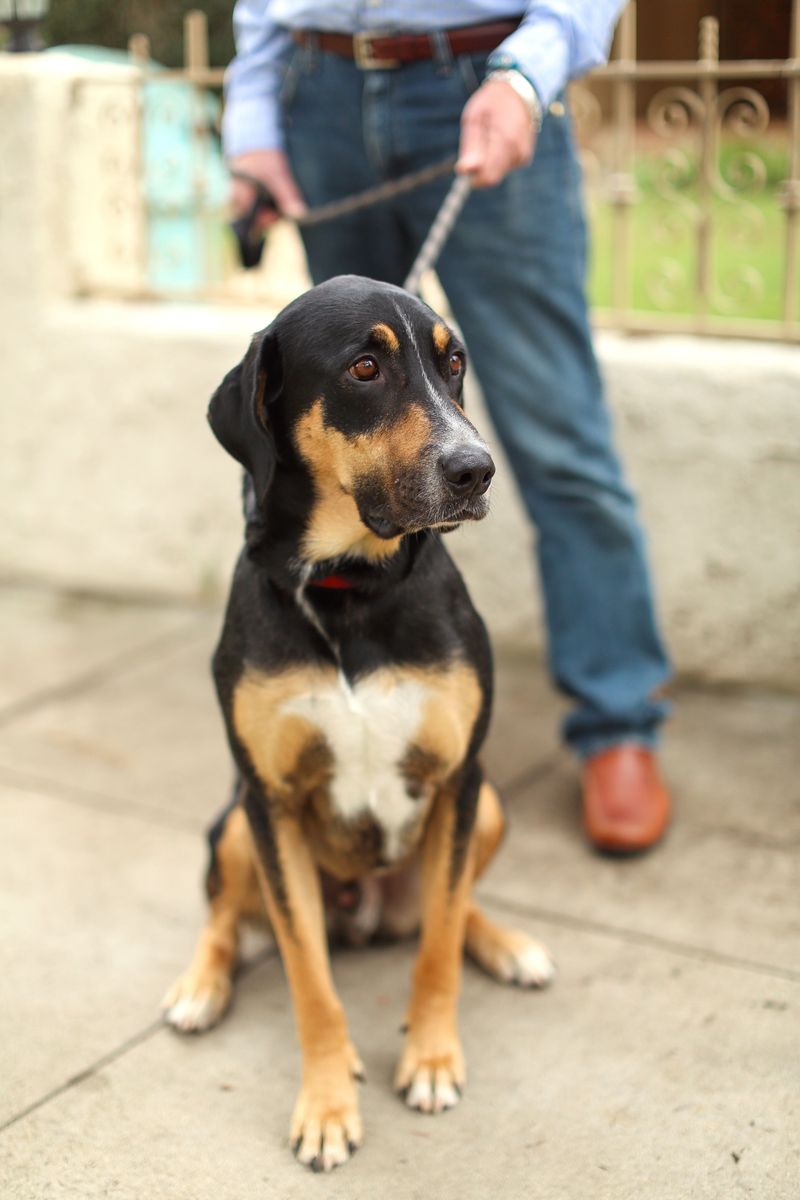
A sturdy leash or secure carrier can make boarding much smoother. Ferry crews expect dogs to be restrained, and island buses usually do too.
Retractable leashes are harder to manage in tight lines.
Choose gear your dog already knows and accepts calmly. Check clips, buckles, and carrier zippers before travel day.
A backup leash tucked in your bag can save the trip if something snaps in line at the terminal entrance on busy summer mornings.
3. Stay in Control the Whole Time
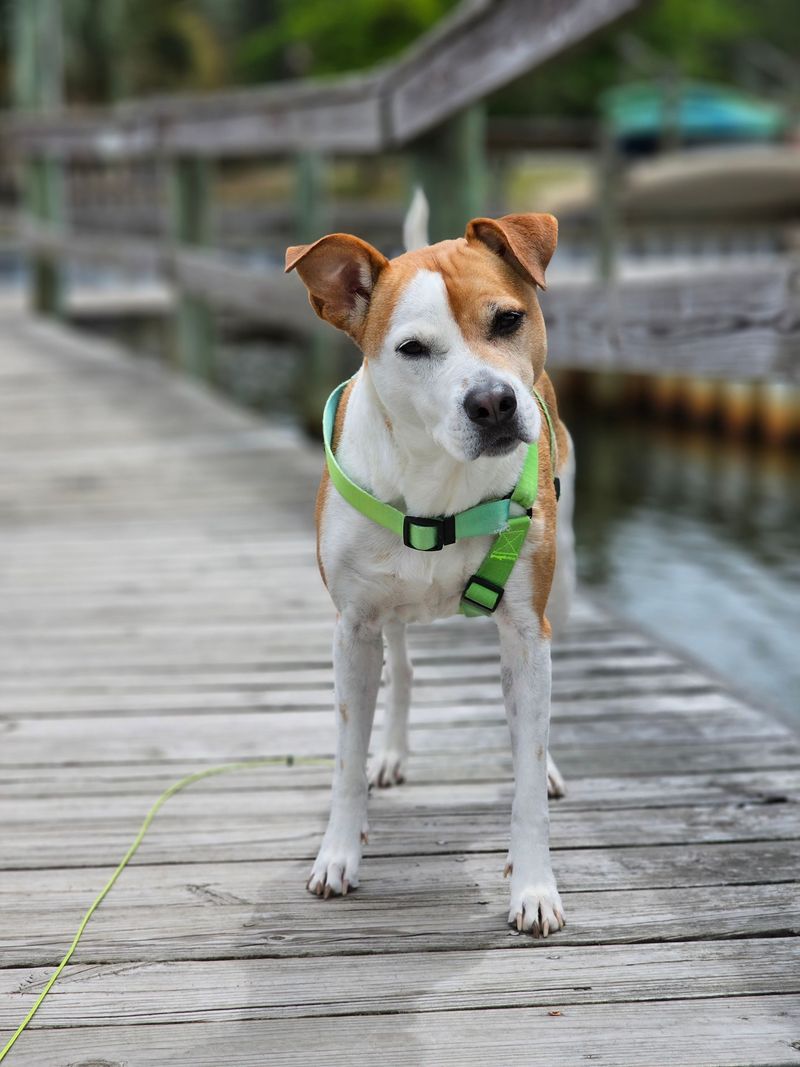
Even a friendly dog needs steady handling on a ferry. Moving lines, rolling decks, and excited passengers can change behavior fast.
Your job is to keep the crossing calm for everyone nearby.
Hold the leash short without pulling, and stay aware of space around you. If your dog becomes noisy or unsettled, move to a quieter spot.
Crews may intervene when pets are not controlled and owners can be asked to step away for safety.
4. Keep Paws Off the Seats
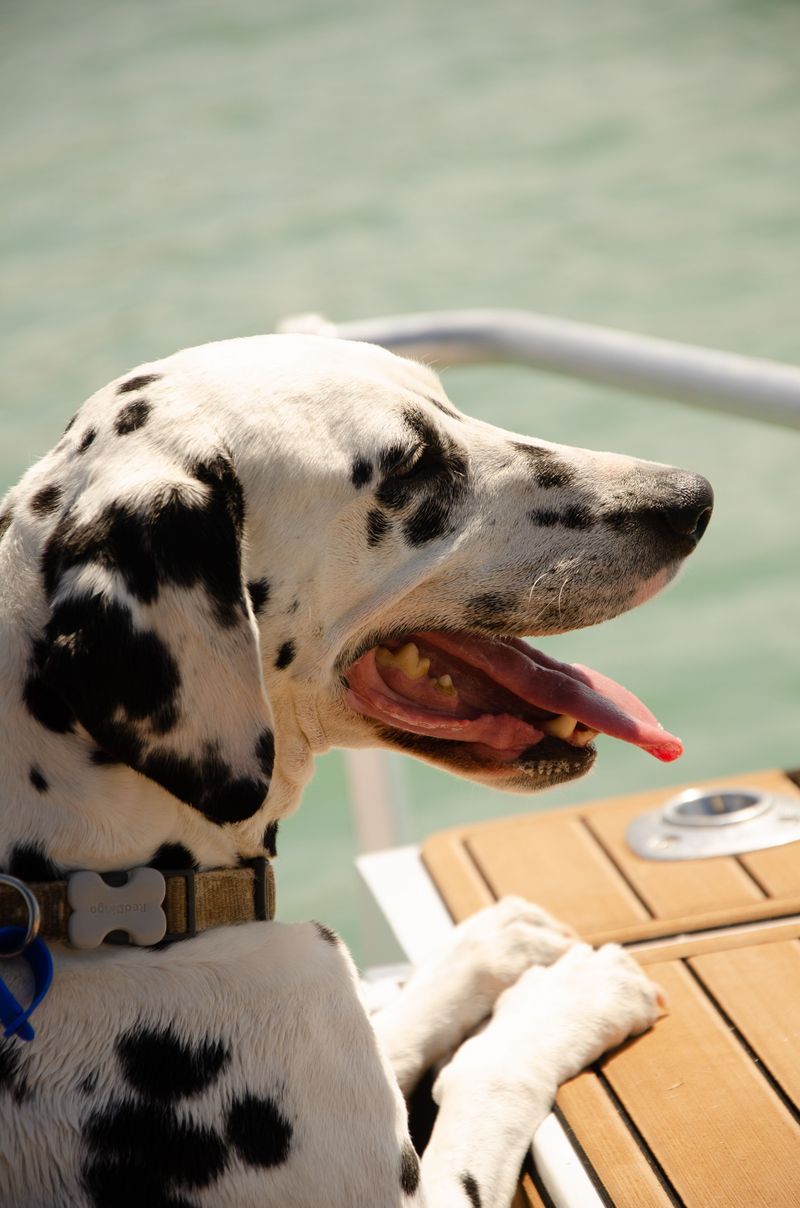
Seats fill quickly in summer, and tired dogs may try to hop up. Ferry rules usually say no pets on passenger seats or furniture.
Knowing that ahead helps you redirect gently.
Bring a mat or towel so your dog has a clear place to settle. Floor space near you is the safer choice.
It also shows respect for other travelers sharing the ride and keeps fur, sand, and damp paws off common surfaces during crossings.
5. Know Where Dogs Cannot Go
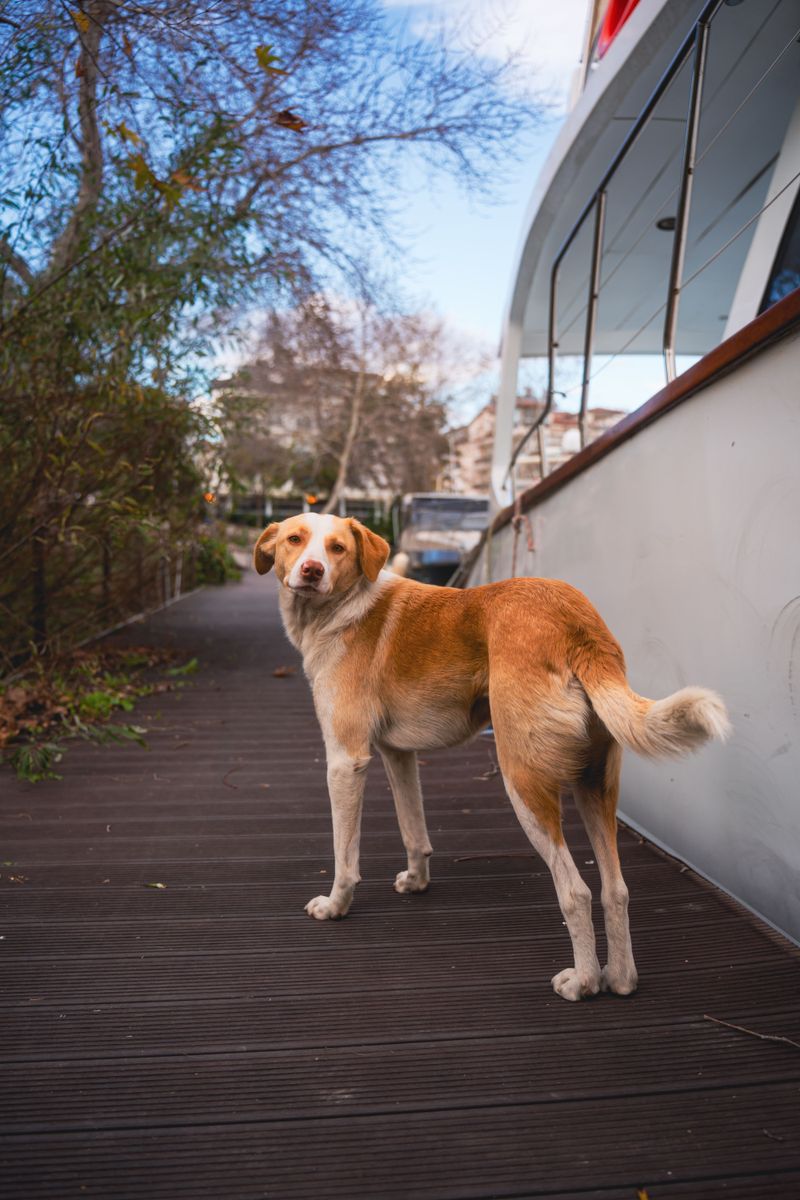
Not every part of a boat is open to dogs, and that surprises many first timers. Food service areas are often off-limits.
Some ferries also restrict premium lounges, cabins, or indoor salons.
Read the posted map or ask crew members where pets may stay. Outdoor decks are often easiest.
If you bring a car, your dog may remain inside only when the operator allows it for that route, weather, and staffing on departure day too.
6. Ask if Your Dog Needs a Ticket
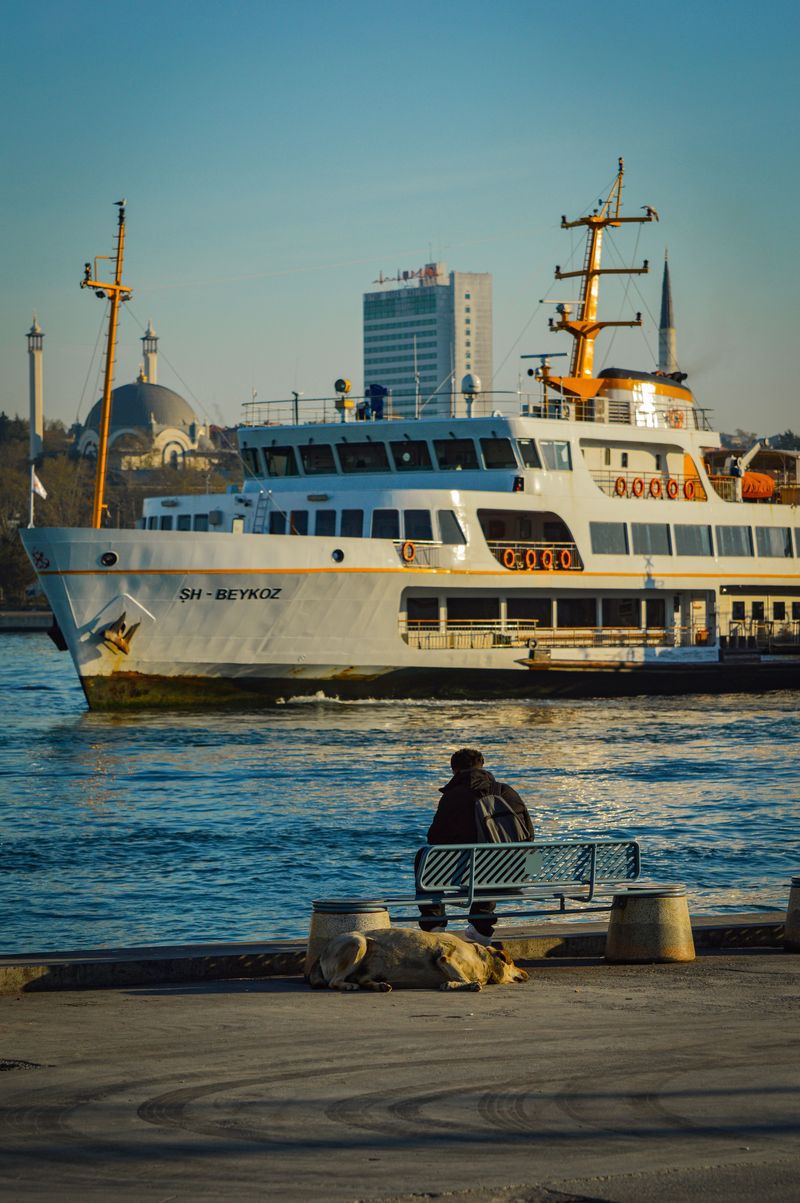
Most dogs ride free on major Massachusetts island ferries, but never assume. Policies can change by route or operator.
A quick check helps you avoid confusion at the ticket window.
Ask whether pets need a reservation note, boarding pass, or simple verbal declaration. Free does not always mean unlisted.
When you know the rule, you can line up faster and focus on your dog instead of sorting fees, paperwork, or surprised questions there that morning.
7. Build in Extra Arrival Time
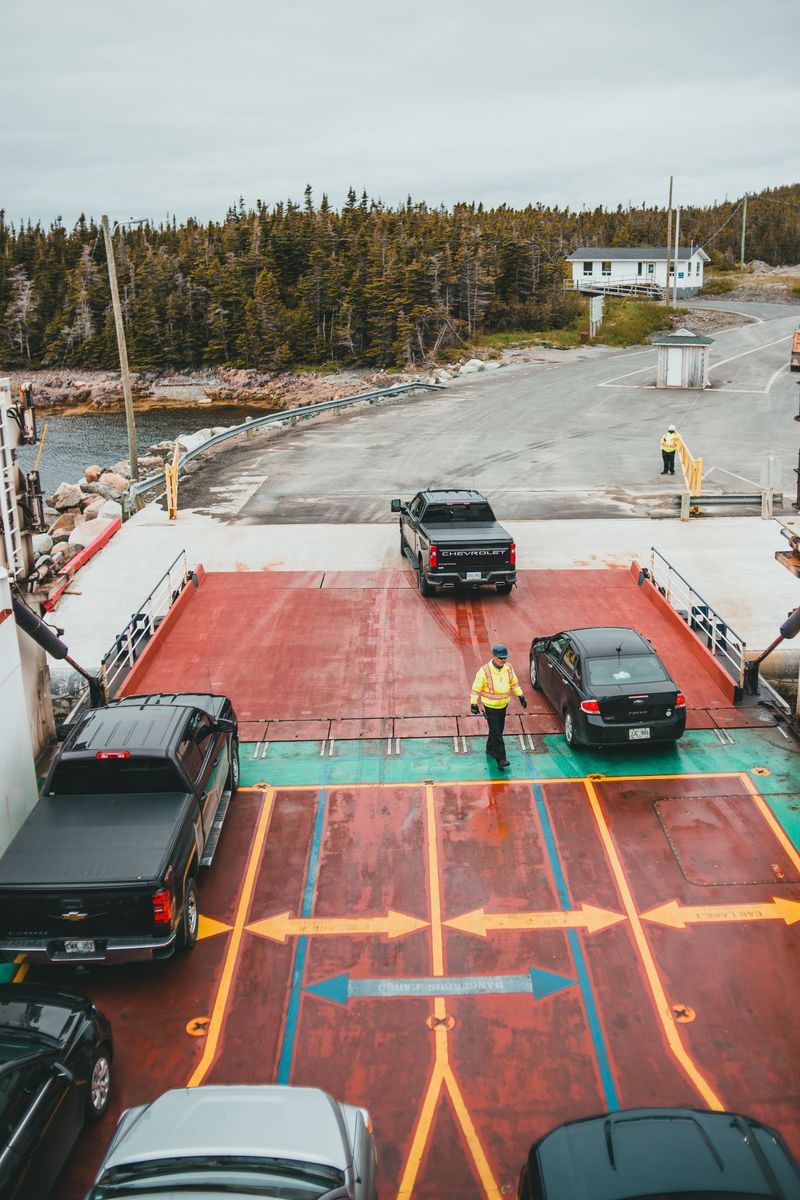
A little extra time can turn a rushed morning into a smooth start. Cape terminals get busy, especially in summer.
Early arrival leaves room for parking, ticket pickup, and any screening steps.
Some operators suggest arriving about forty five minutes before departure, and pickup deadlines may be earlier. Unclaimed tickets can be released close to sailing time.
With a dog beside you, that cushion matters even more on busy weekends and unpredictable weather days alike.
8. Match Your Plan to Crossing Length
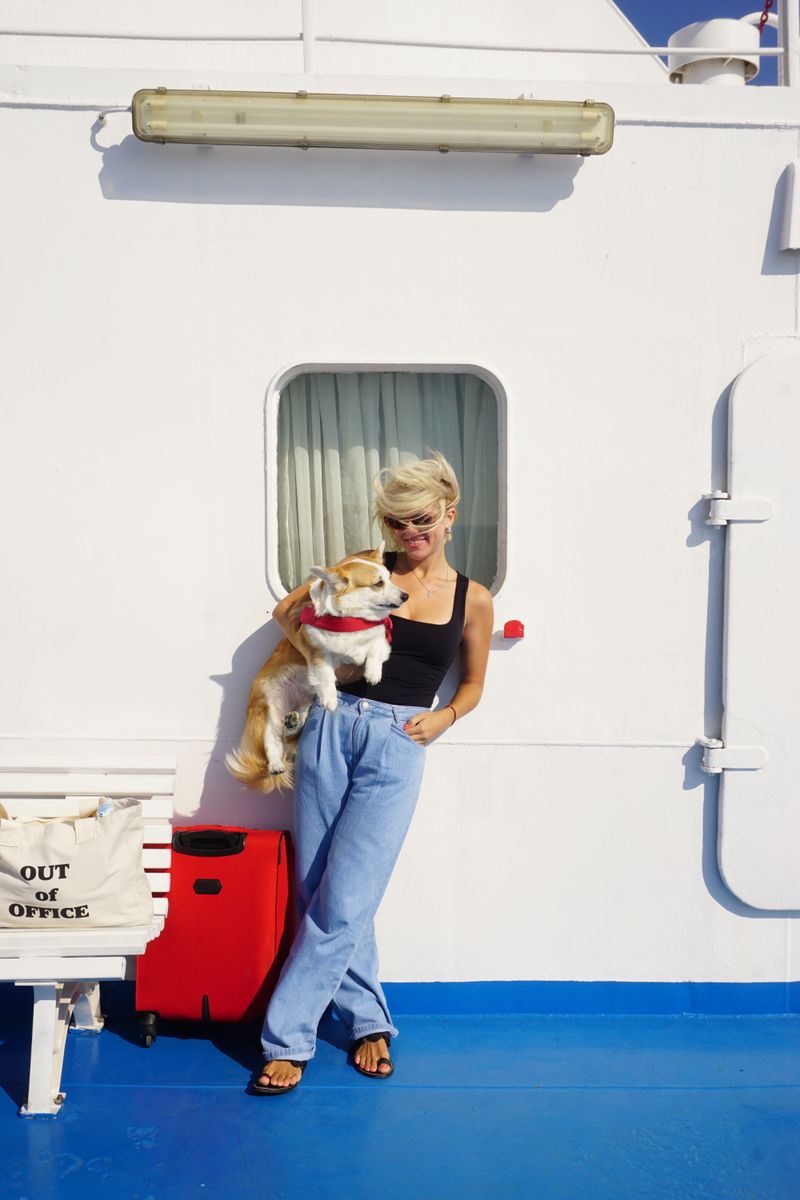
Crossing time shapes almost everything about your dog’s comfort. A short hop may feel easy, while a two-hour ride needs more planning.
Bathroom timing, water, shade, and patience all depend on duration.
Woods Hole to Martha’s Vineyard is roughly forty five minutes on the Steamship Authority. Hyannis to Nantucket can be about one hour or closer to two.
Match your plan to the route, not just the destination when packing supplies for the trip ahead.
9. Reserve Ahead When Space Is Tight
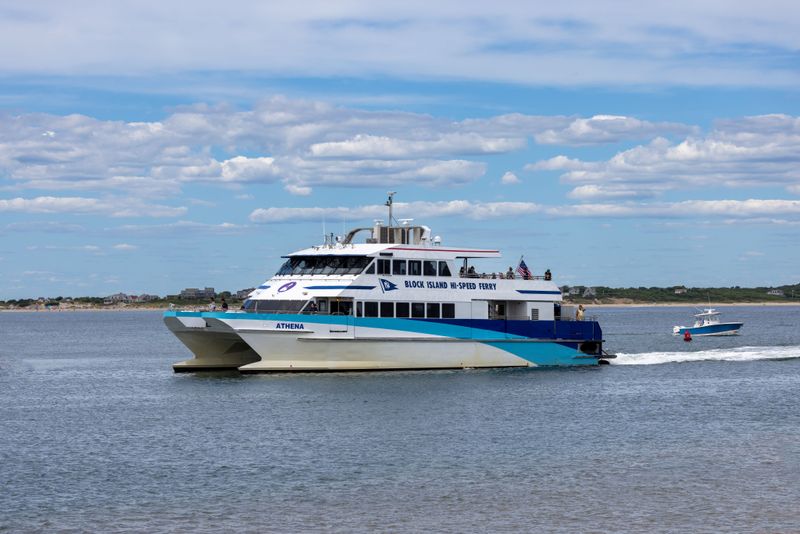
Reservation rules can feel dull, until a full boat changes your whole day. Vehicle space often books far ahead, especially in summer.
Fast ferries and popular sailings may also need advance booking.
Walk-on travel is sometimes easier, but popular times still fill quickly. Booking early gives you better choices and less pressure.
If plans shift, review change and cancellation terms before travel, because policies differ by company and refund timing can be strict onboard changes.
10. Sort Out Parking and Shuttle Options

Parking plans can save more stress than people expect. A dog, luggage, traffic, and terminal timing become harder when you are improvising.
Knowing where to park or catch a shuttle keeps the morning steady.
Some terminals offer on-site lots, while others use remote parking with shuttle service. A few lots allow advance reservations.
Check walking distance, shuttle pet rules, and payment methods before you leave home so arrival feels organized instead of rushed that day.
11. Review Island Transit Pet Rules
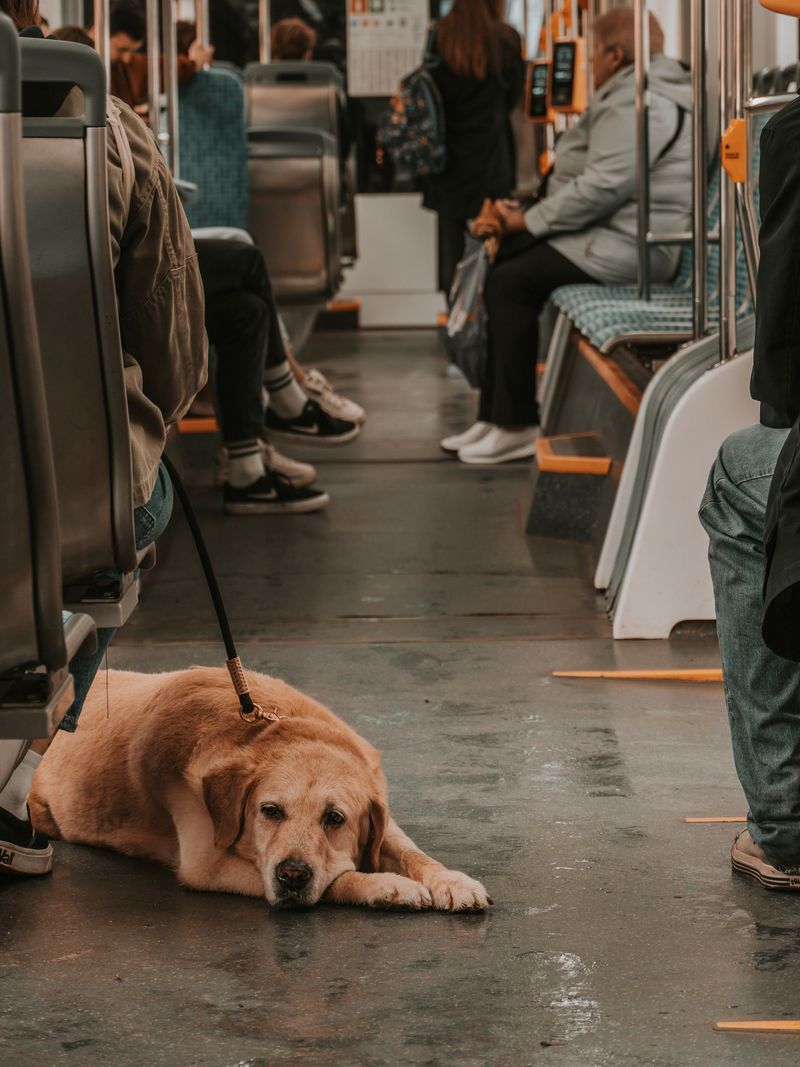
Getting off the ferry is only part of the trip. If you plan to use buses or taxis, check pet rules before arrival.
Island systems often welcome dogs, but conditions can vary.
Martha’s Vineyard transit generally allows dogs, yet another rider’s allergy or discomfort can affect boarding. A driver may ask you to wait for the next bus.
Knowing that possibility helps you build a kinder, more flexible schedule for afternoons and sudden weather changes.
12. Double Check The Wave on Nantucket

Nantucket’s Wave buses are pet friendly, but there are clear limits. Dogs must be leashed or in a carrier, and they cannot sit on seats.
Drivers may refuse animals that create a problem.
Size matters too if a dog blocks safe passenger movement or takes too much room. If another rider has allergies, you may need the next bus.
Checking those rules early prevents tense surprises after landing with bags, beach gear, and a dog.
13. Check for Delays Before You Leave
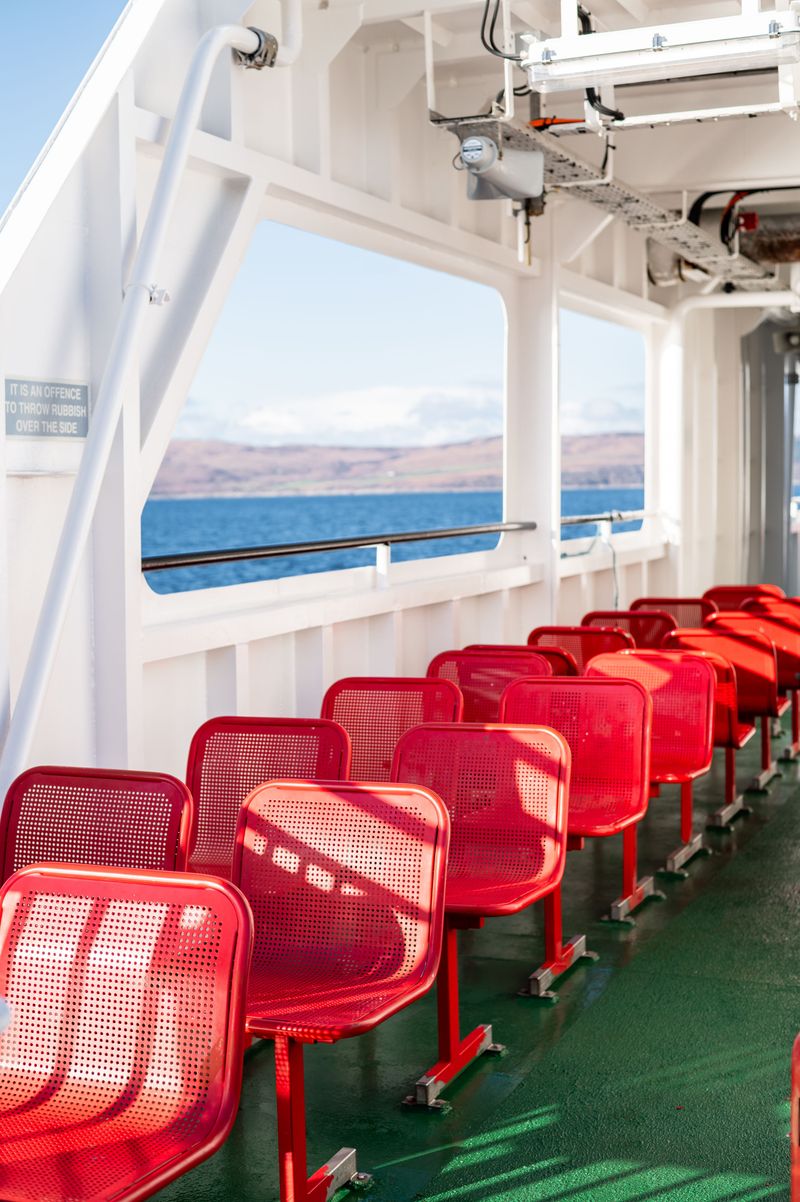
Weather does not cancel every ferry, but conditions can still change plans. Rough seas, mechanical issues, or other operating problems may delay or stop service.
A quick check before leaving is always wise.
Look for alerts on the ferry company’s website, text updates, or terminal phone messages. Also check the return trip if you are making a day visit.
Fresh information helps you avoid long waits with an uneasy dog at the terminal entrance outside.
14. Schedule a Bathroom Break Before Boarding
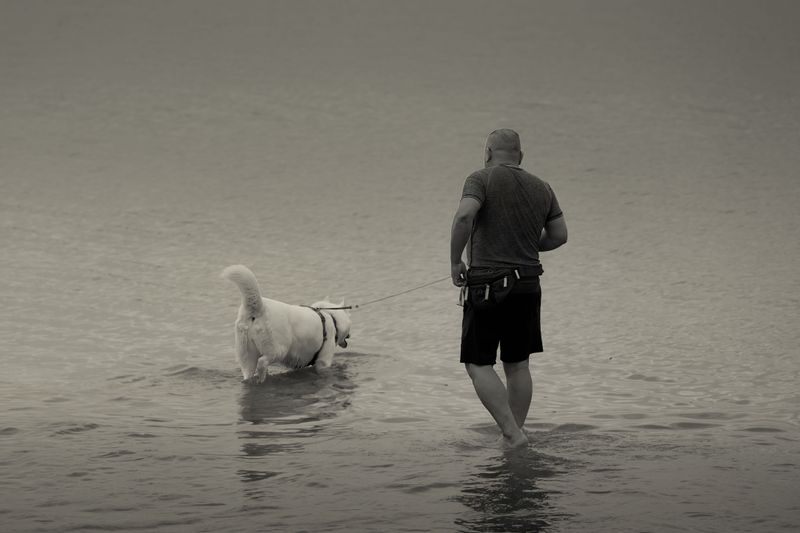
One simple stop before boarding can make the whole ride easier. Most ferries do not offer dedicated pet relief areas on board.
Giving your dog time outside lowers the chance of mid-trip discomfort.
Leave home early enough for a calm walk, not a rushed sidewalk pause. Encourage drinking only after that break if your dog is sensitive.
A few extra minutes on land can buy much more comfort at sea during longer crossings or delays.
15. Pack More Cleanup Bags Than You Expect

Cleanup bags are tiny, but forgetting them creates big hassle fast. Ferry operators expect owners to pick up after their dogs.
Town rules on the islands do too, and some places enforce fines.
Pack more bags than you think you will need, then keep them within easy reach. Tuck extras in your jacket, day bag, and car.
That small habit makes dock lines, sidewalks, and beach paths easier for everyone during busy summer travel days.
16. Carry Water and a Portable Bowl
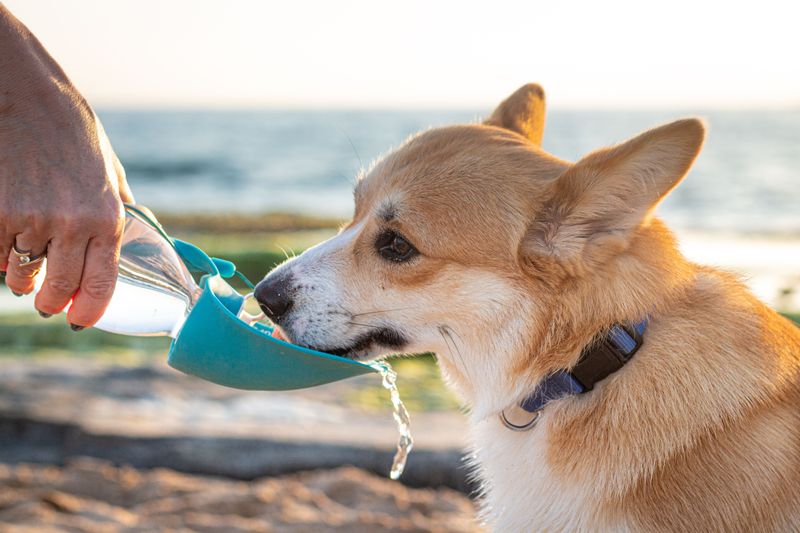
A water bottle for your dog is worth the bag space. Salt air, warm decks, and waiting in line can dry dogs out faster than expected.
A portable bowl makes quick drink breaks much easier.
Offer small amounts during the trip instead of one huge gulp. That approach feels gentler for many dogs.
Some terminals have water bowls, but bringing your own is safer and more reliable when schedules change or fountains are nowhere nearby.
17. Think Honestly About Your Dog’s Temperament
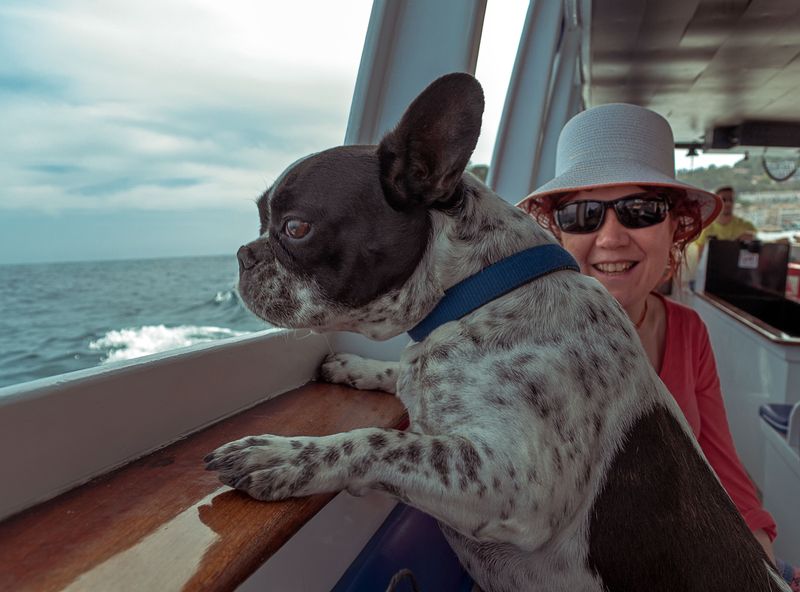
Some dogs treat boats like an adventure, while others need extra support. Before booking, picture your dog in crowds, noise, motion, and close quarters.
Honest planning beats hopeful guessing every time.
If your dog startles easily, practice with busy places and short outings first. Ask your veterinarian for guidance when motion sickness is a concern.
A comfortable dog makes the ferry ride easier for everyone around you, including crew, families, and other waiting passengers nearby.
18. Research Rules at Your Island Destination
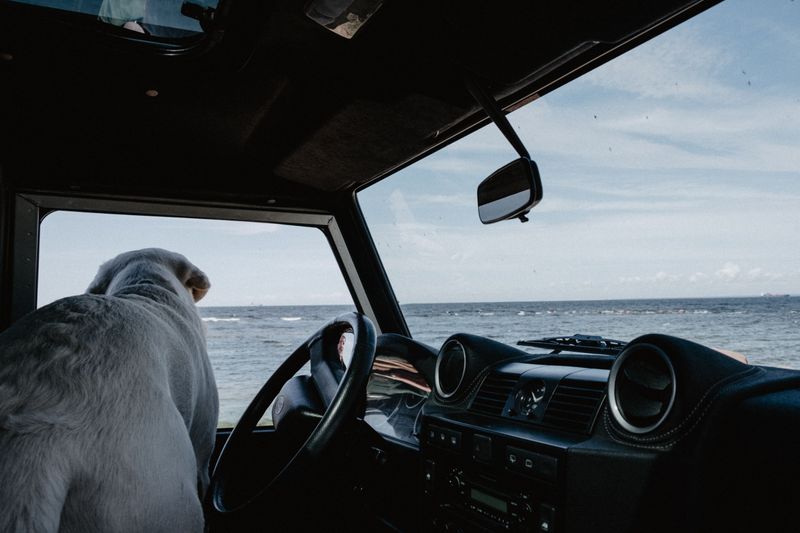
Island dog rules can change from town to town, beach to beach, and season to season. A place that welcomes dogs in October may restrict them in July.
Research saves disappointment after you arrive.
Nantucket and Martha’s Vineyard both have beaches with time-based rules, leash expectations, and protected wildlife zones. Some conservation lands welcome leashed dogs year-round.
Always read local signs because posted restrictions control access on the spot for visitors on that day there.
19. Bring License Details and Recheck Beach Signs
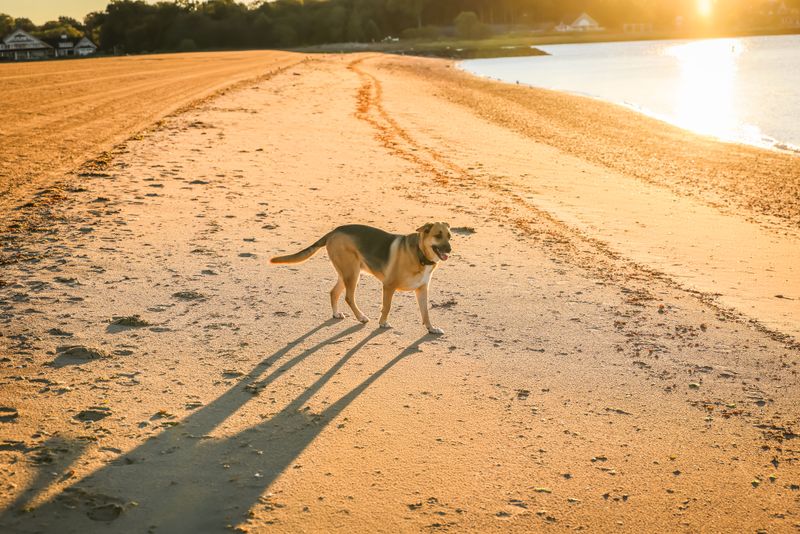
Paperwork rarely feels exciting, yet it can smooth an unfamiliar trip. Massachusetts requires dogs over six months old to be licensed in their home municipality.
Current rabies proof supports that license and is smart to carry.
Bring a photo of the license tag, vaccination records, and contact details on your dog’s collar. Then check beach rules again on arrival.
Seasonal signs, nesting bird protections, and town policies can change where dogs are allowed that day.