What to Do If a Bobcat Appears Near Your Colorado Dog
Colorado’s mix of foothills, open spaces, quiet neighborhoods, and mountain towns means dogs sometimes share the landscape with bobcats. Most sightings are brief.
A bobcat crosses a trail, glances your way, and slips into the brush before you finish reaching for the leash. Still, that first moment can catch you off guard, especially when your dog notices before you do.
Knowing how to respond calmly makes all the difference. The goal is simple: give wildlife plenty of room while keeping your dog close and under control.
Bobcats are generally shy animals that avoid people. They are not looking for conflict, and they usually want the same thing you want, which is distance.
Trouble tends to start when a dog rushes forward or a person moves closer for a photo. Think of this as a friendly walkthrough from someone who has hiked plenty of Front Range trails.
You will learn what to do in the moment, how to prevent surprise encounters, and when to call local wildlife officials. None of it is complicated.
A little preparation turns a startling sighting into a memorable one, and sends you home with a good story instead of a scare.
Bring Your Dog Close
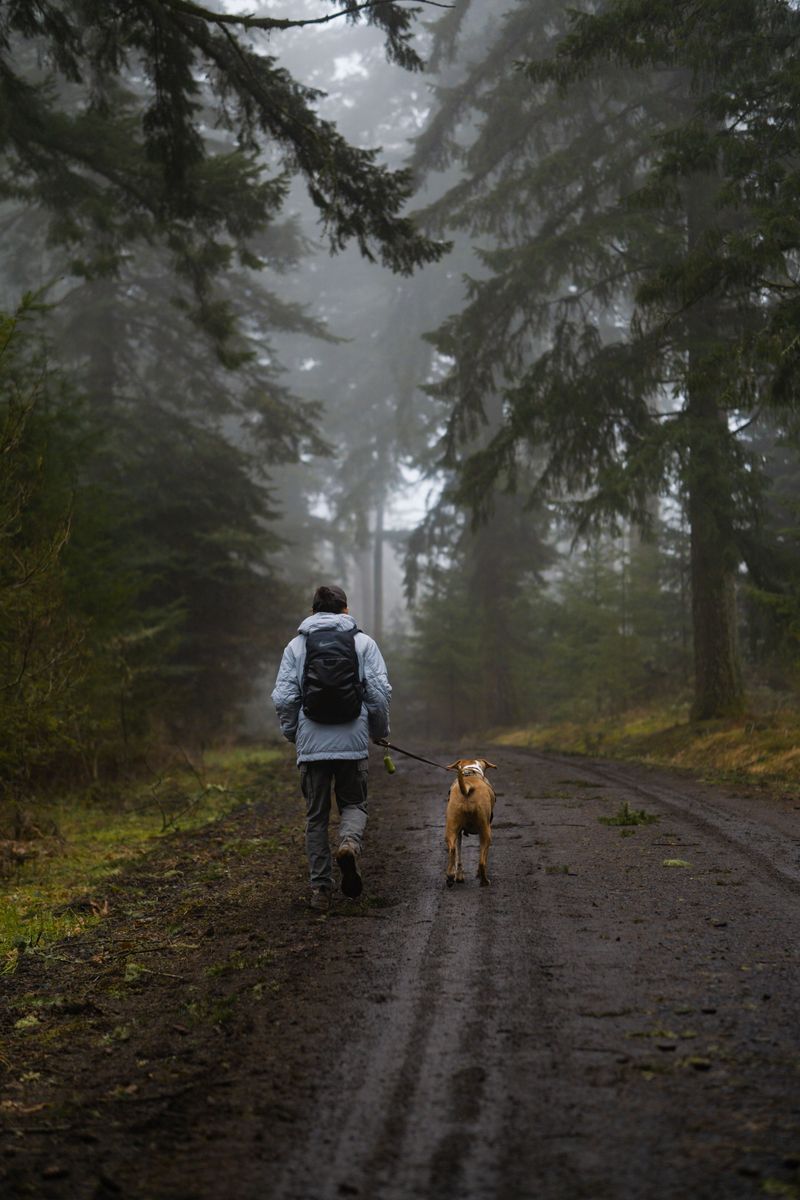
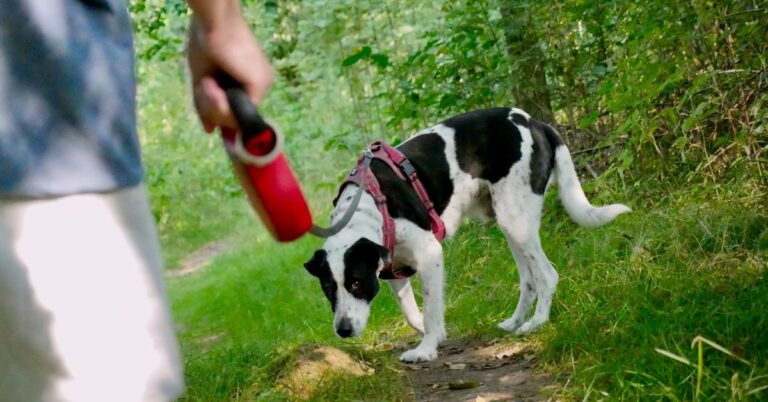
The first move matters more than anything else you do. Shorten the leash and bring your dog right beside your leg.
Distance is your best tool, and a tight leash gives you that instantly. Do not let your dog drift toward the animal, even if the bobcat looks calm or curious.
Curiosity from a wild cat is not an invitation. Hold the leash close to your body and keep your dog anchored at your side.
Stay Calm and Steady
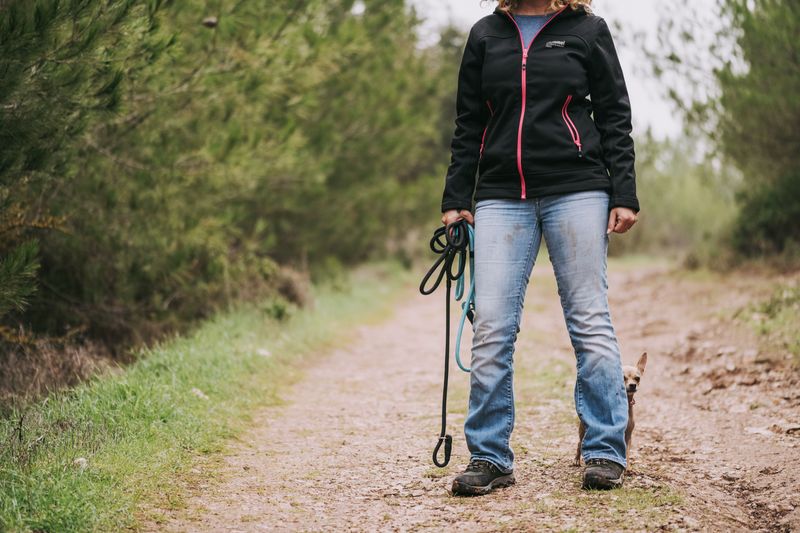
Dogs read us better than we realize. Your energy travels straight down the leash.
If you shout or jerk suddenly, your dog assumes something big is happening. Keep your voice low and even, and move without sharp gestures.
Focus on creating space rather than turning the sighting into a dramatic scene. Steady breathing helps too, oddly enough.
A composed handler usually ends up with a composed dog, and that keeps everyone safer.
Never Encourage an Approach
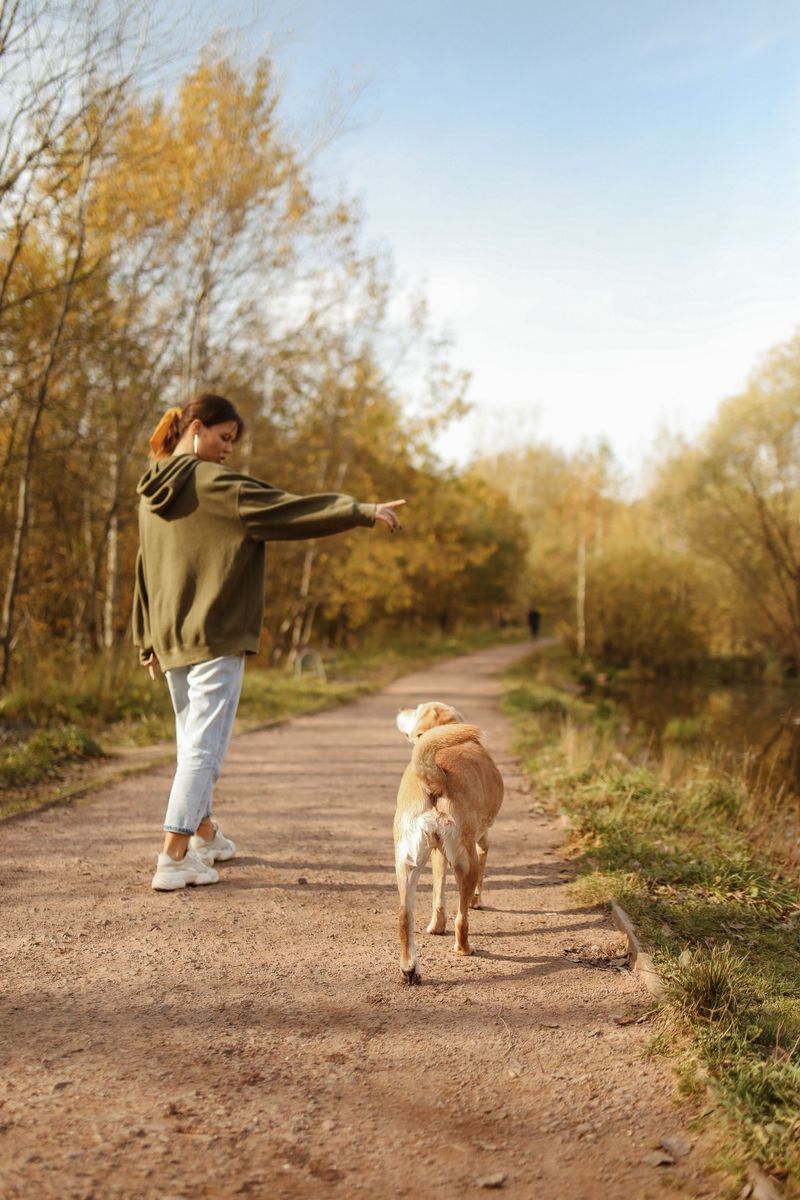
Some owners let a dog sniff toward wildlife out of pure curiosity. Skip that entirely.
Your dog should not investigate, chase, or bark at a bobcat. Even the friendliest dog can make a wild animal feel cornered when it closes the gap.
Cornered animals defend themselves, and nobody wins that exchange. Turn your dog’s head away with a treat or a gentle body block instead of allowing forward movement.
Give the Bobcat an Escape Route
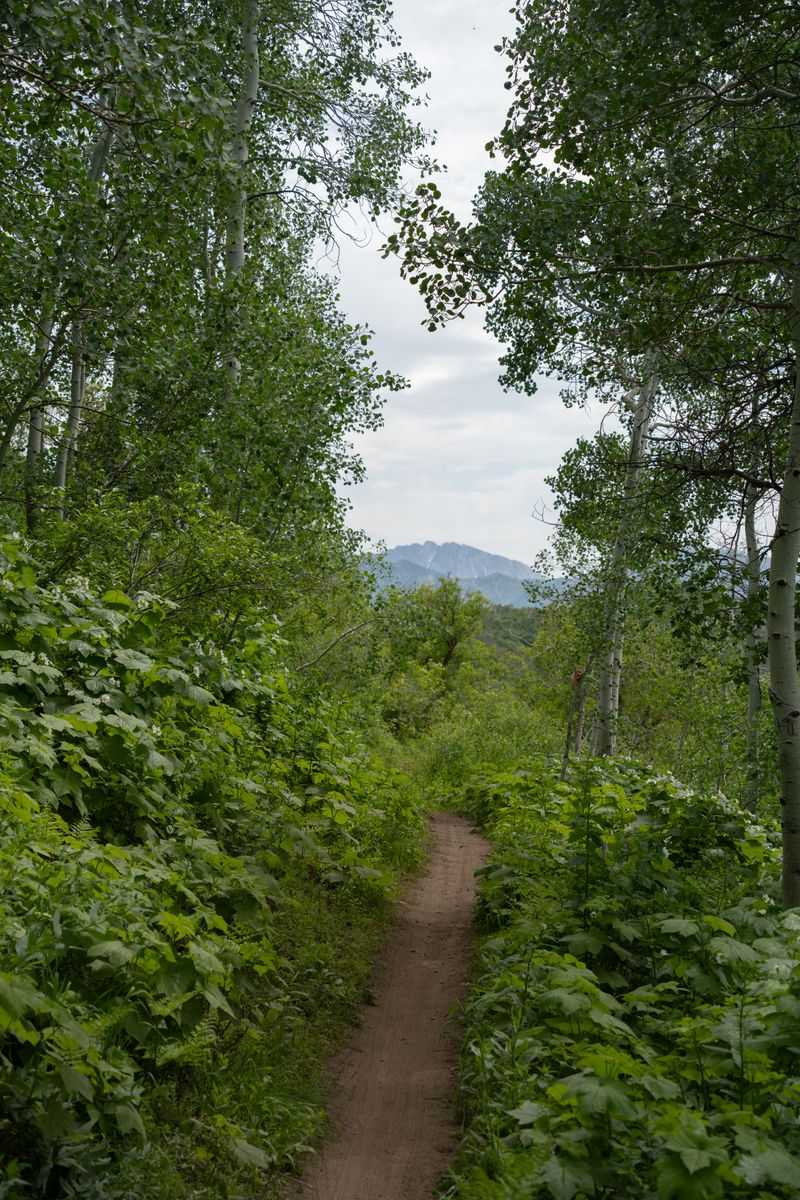
Wild cats want an exit. Nine times out of ten, a bobcat would rather leave than deal with you.
Problems arise when the animal feels blocked between a fence, a cliff, or a group of hikers. Step to one side of the trail and leave an open path.
Avoid surrounding the animal or crowding a narrow section. Give it room, and it will usually take the room and disappear.
Back Away Slowly
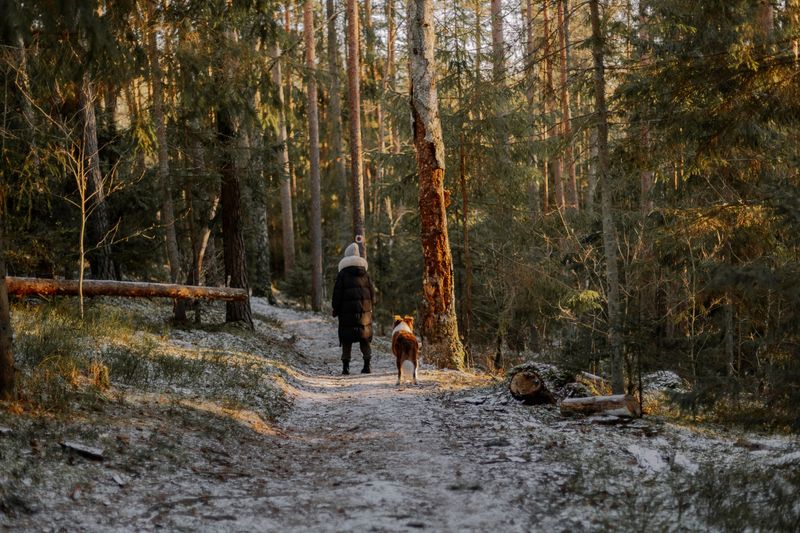
Retreating is not defeat. It is the smartest option available.
Move in the opposite direction at a walking pace, keeping your dog tucked beside you. Do not turn and run.
Running excites dogs, makes leashes harder to manage, and can trigger a chase response in your own pet. Keep your eyes generally toward the animal without staring hard, and put steady distance between you.
Slow and boring is exactly what you want here.
Avoid Getting Between Your Dog and the Bobcat
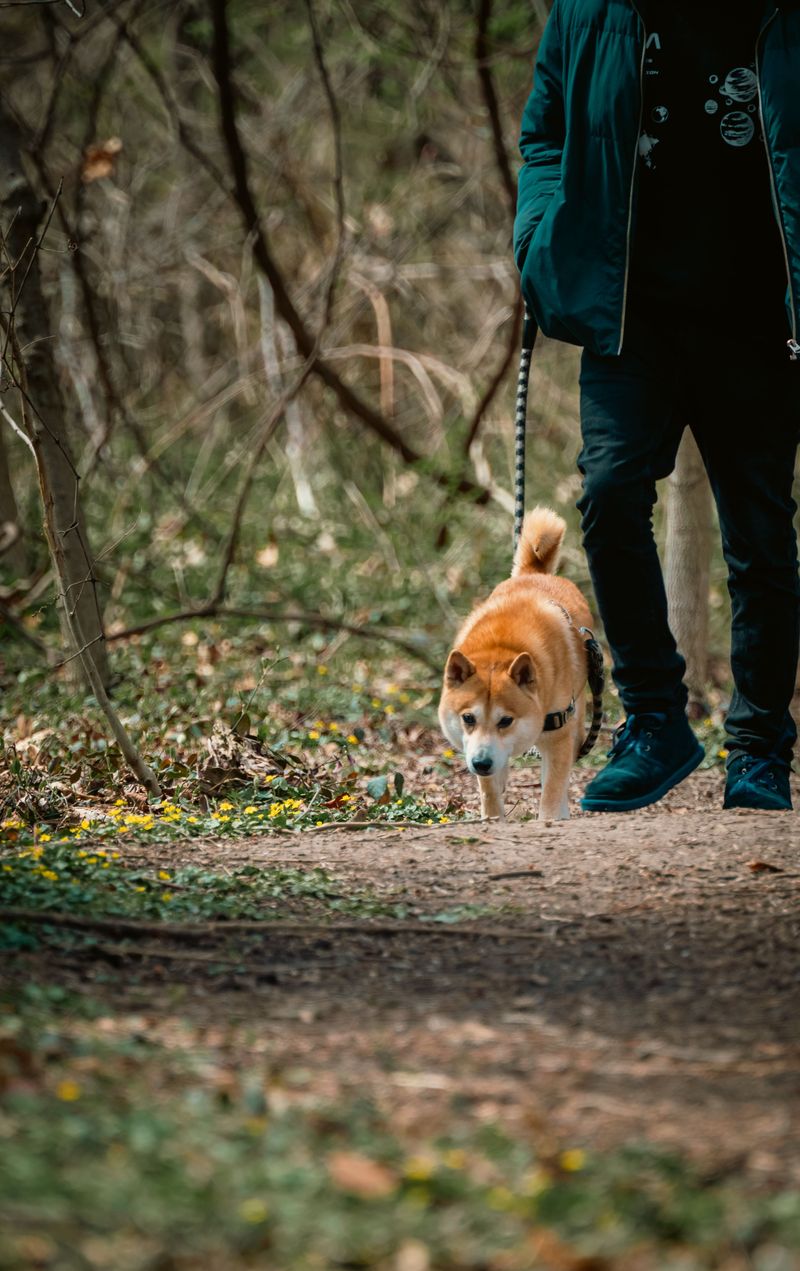
Trail dogs love leading the parade. During a sighting, that habit works against you.
Keep your dog beside you rather than out front where the leash stretches long. Managing the situation from a distance is far easier than untangling a close encounter.
Wedging yourself between two animals also puts you in a tight spot. Position, not heroics, keeps things calm.
Shorten up early, before the gap ever closes.
Do Not Let Your Dog Chase
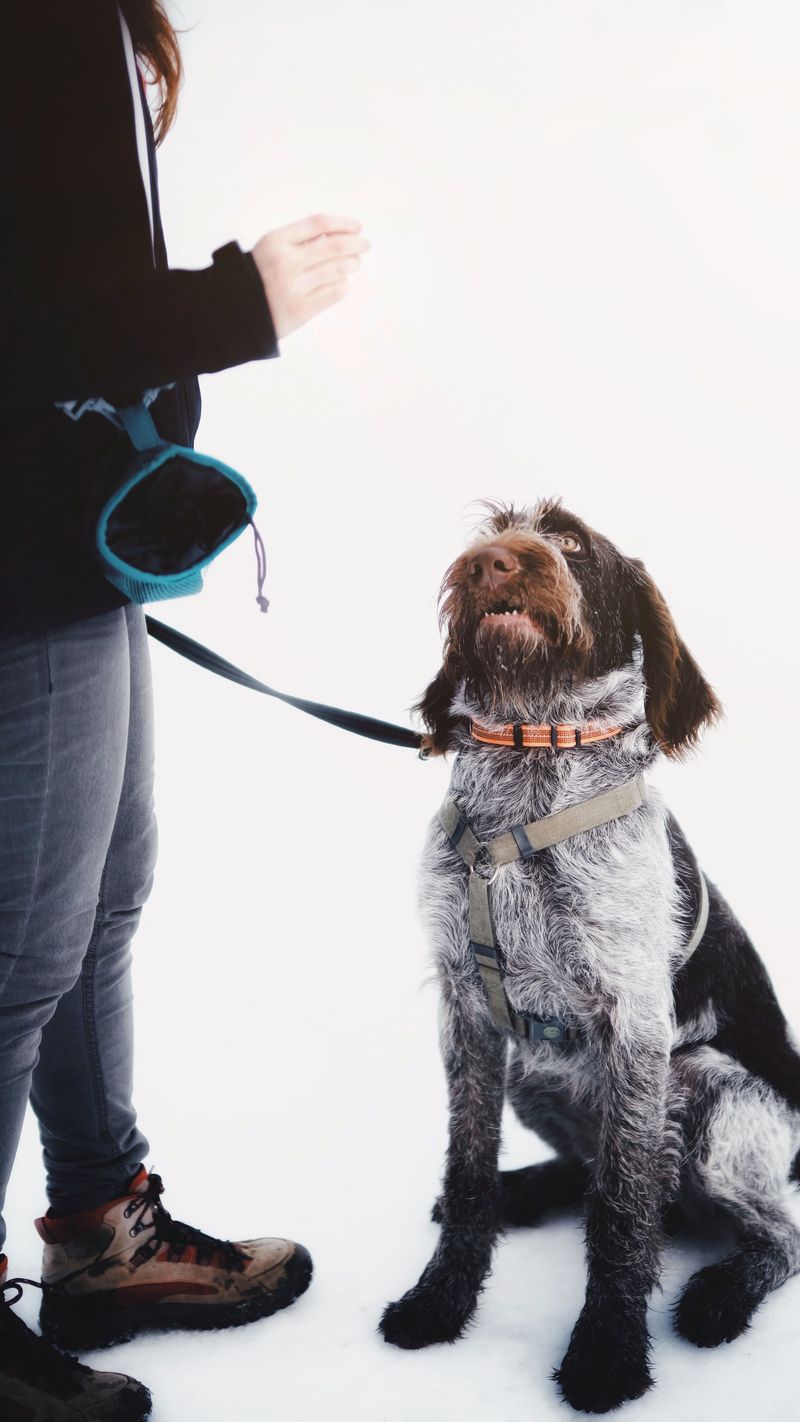
One quick lunge can turn a peaceful sighting into a stressful mess. Chasing can quickly bring your dog within close range of the bobcat and increase the chance of a defensive encounter.
Grip the leash securely near the clip and redirect with a familiar command. A high value treat works wonders in that moment.
Practice this at home when nothing exciting is happening, so the cue holds up outdoors. Trained redirection beats brute strength every single time.
Skip the Close-Up Photos

Bobcats photograph beautifully, and that is exactly the temptation. Resist stepping closer for a better frame.
No picture is worth trading away safe distance for you or your dog. Use zoom, stay put, or simply enjoy the view with your own eyes.
Honestly, the memory usually beats the blurry photo anyway. Watch from where you stand and let the cat continue on its way.
Keep Your Dog on the Leash
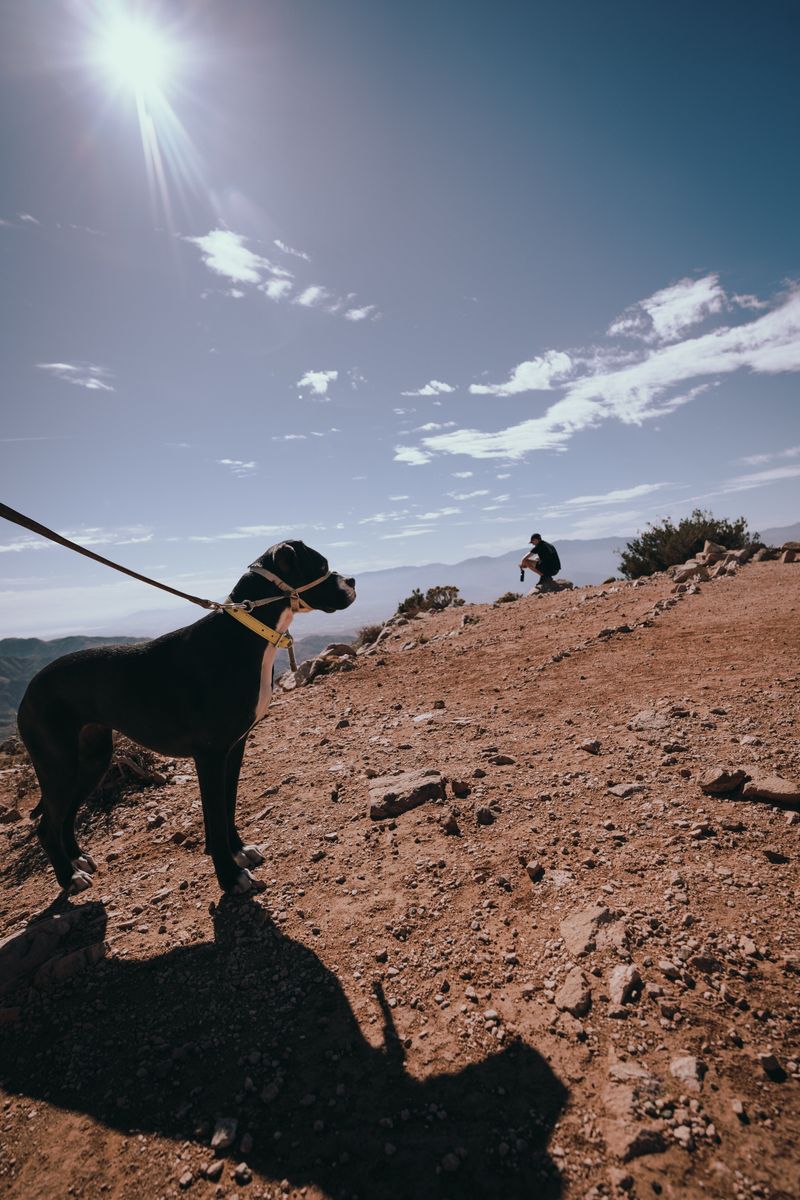
Leash rules exist on many Colorado trails and open spaces for good reason. Requirements vary by city, county, and land manager, so check posted signs before you go.
Beyond the rules, a leash gives you instant control when your dog spots something first. Dogs notice movement long before people do.
A sturdy leash and well fitted harness turn a surprise into a manageable moment rather than a sprint.
Use Your Recall Command
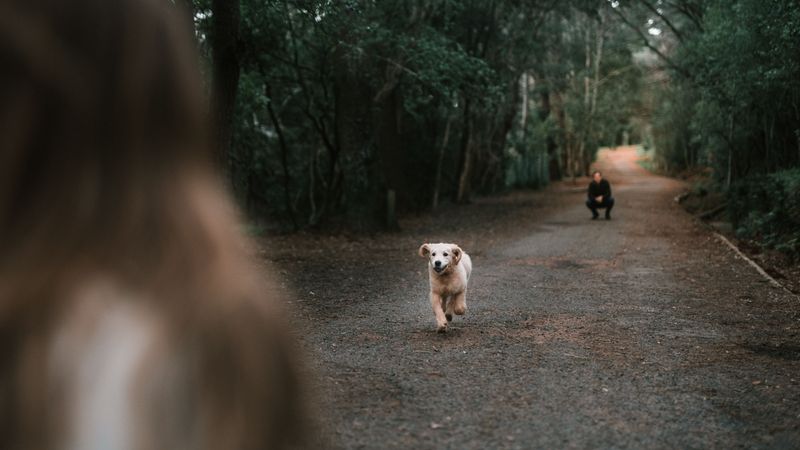
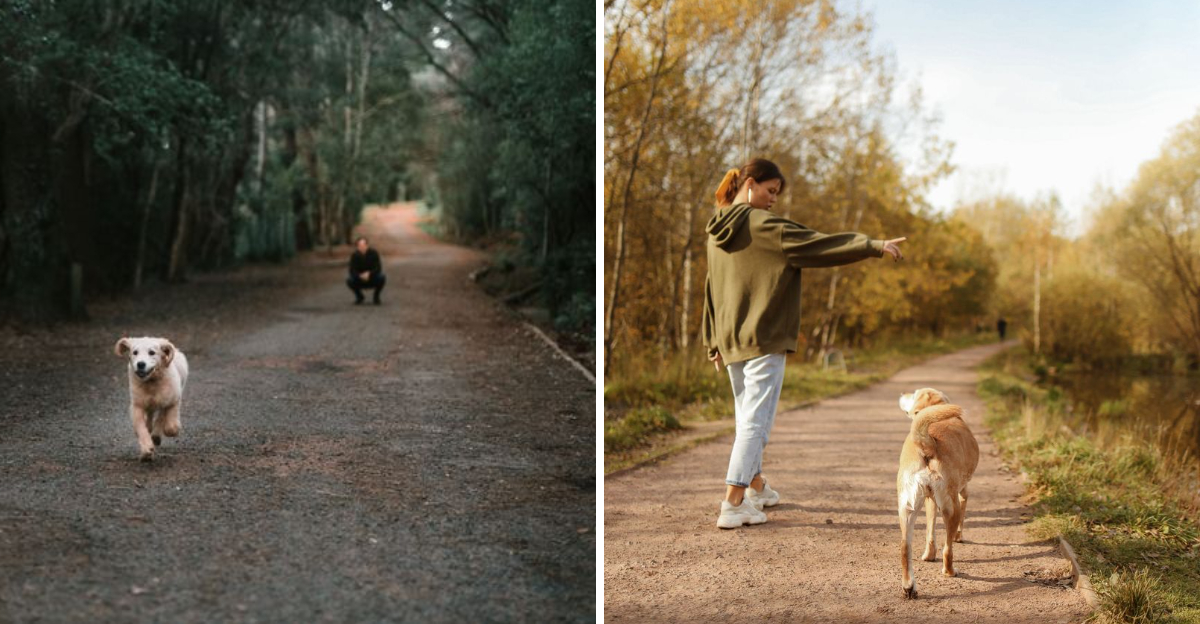
Off leash freedom depends entirely on a recall that actually works. If you spot a bobcat, call your dog back right away.
Use the word your dog knows best and keep your tone upbeat rather than panicked. Reward generously the second your dog arrives.
Clip the leash on before you take another step. Recall practiced in quiet places builds the reliability you need in exciting ones.
Watch Your Surroundings
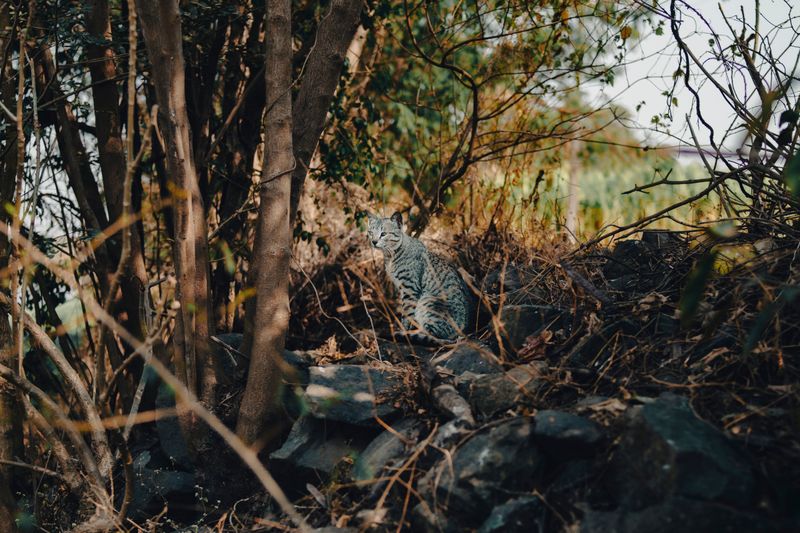
Camouflage is a bobcat specialty. Spotted coats vanish against rocky slopes, dry grass, and shadowed brush.
Scan the trail ahead and the ground around your dog instead of staring at your phone the whole walk. Glance at ledges and boulder piles too, since cats often rest above eye level.
Awareness costs nothing and buys you extra seconds. Those seconds are usually all you need.
Be More Alert Around Dawn and Dusk
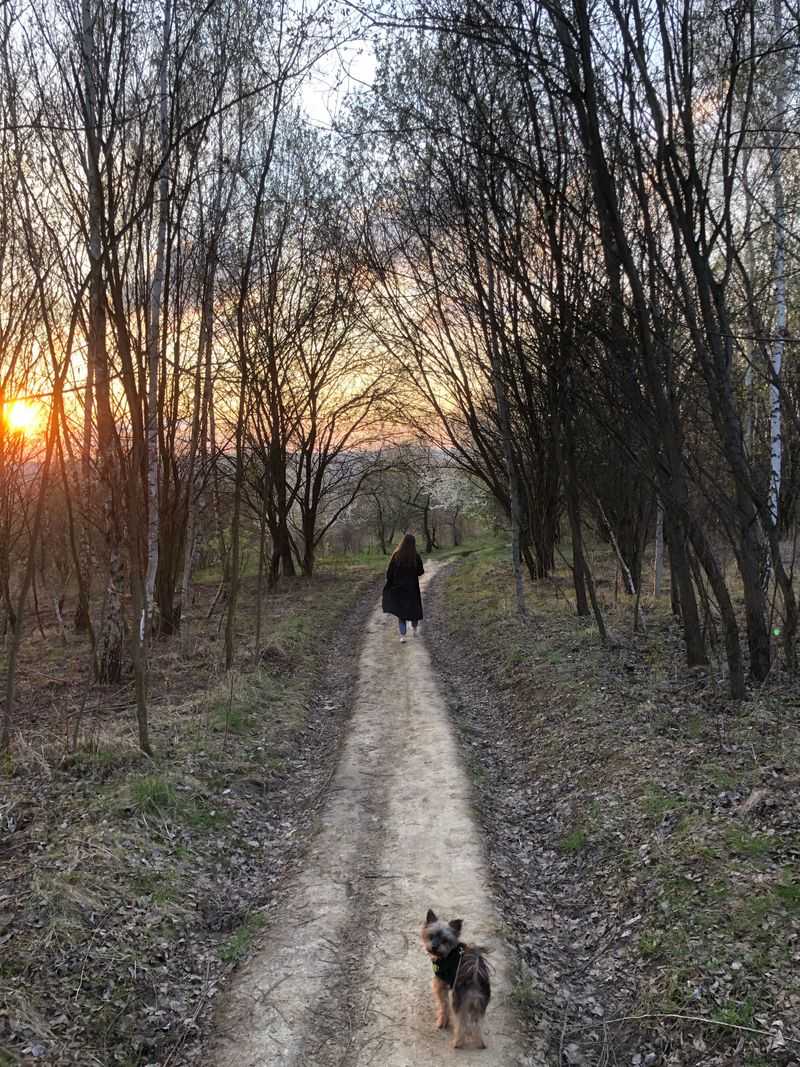
Early morning and evening walks have a special quiet to them. They also deserve extra attention.
Bobcats can be active at various times, though dawn and dusk are worth treating as heads up hours. Low light makes spotting a still animal harder.
Keep your dog close and steer clear of thick vegetation along the trail edge. A headlamp and a short leash make those walks noticeably easier.
Secure Food Around Home
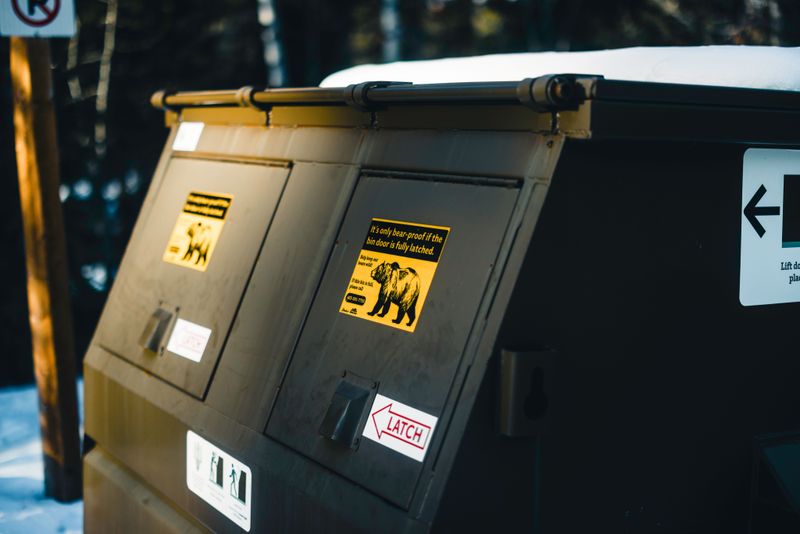
Repeated bobcat visits near your house usually trace back to something edible. Bobcats often follow prey animals drawn by easy food.
Store pet food indoors, use secured trash containers, and clear up fallen birdseed. Never leave bowls outside overnight.
Some Colorado communities have specific ordinances about wildlife resistant containers, so check with your city or county. Removing attractants quietly solves more problems than anything else you can do.
Protect Small Pets at Home
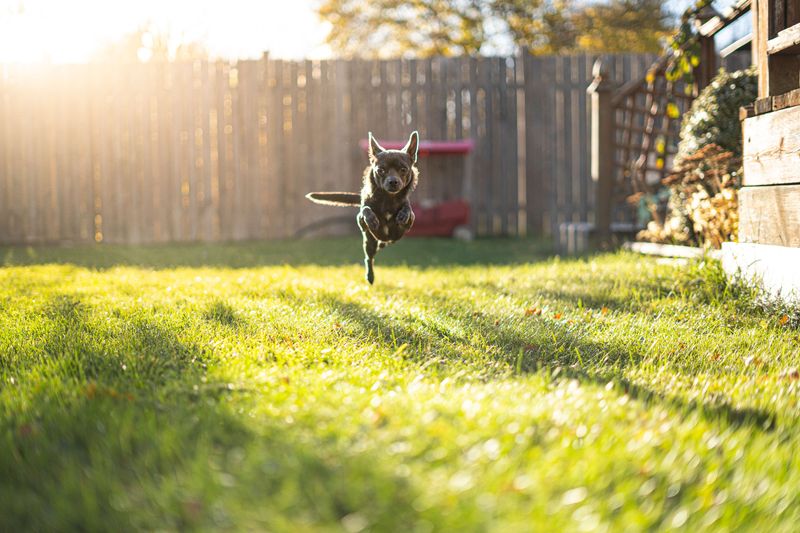
Backyards feel safe, though they are not sealed off from the outside world. Dogs should not be left alone in yards where bobcats travel regularly.
Solid fencing, closed gates, and outdoor lighting help. Supervision helps even more, especially with small breeds and puppies.
Step outside with them at night rather than opening the door and waiting inside. A few minutes of company removes most of the risk.
Know When to Leave the Area
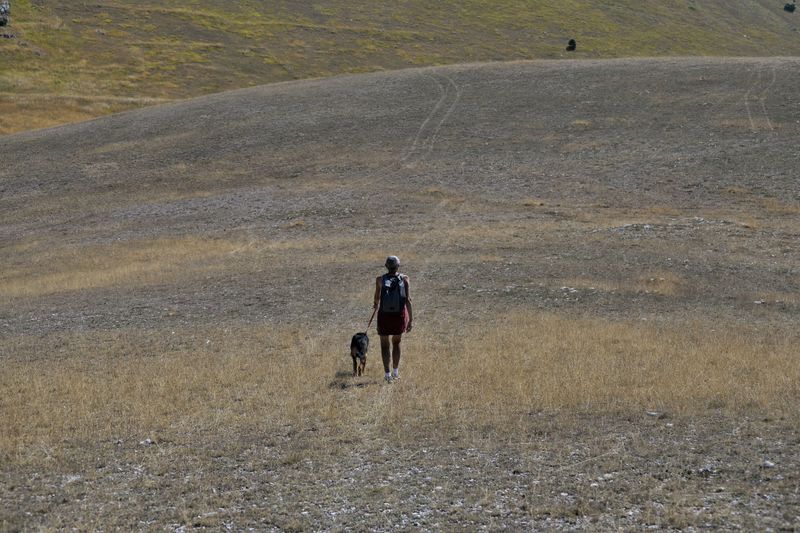
Waiting around for a bobcat to move along is not required. You have permission to change plans.
If the animal lingers near the trail, calmly turn back and pick a different route. Plenty of Colorado paths connect to alternatives within a short walk.
Leaving early is not overreacting, it is good judgment. Your dog will be just as happy with a different loop.
Report Concerning Behavior
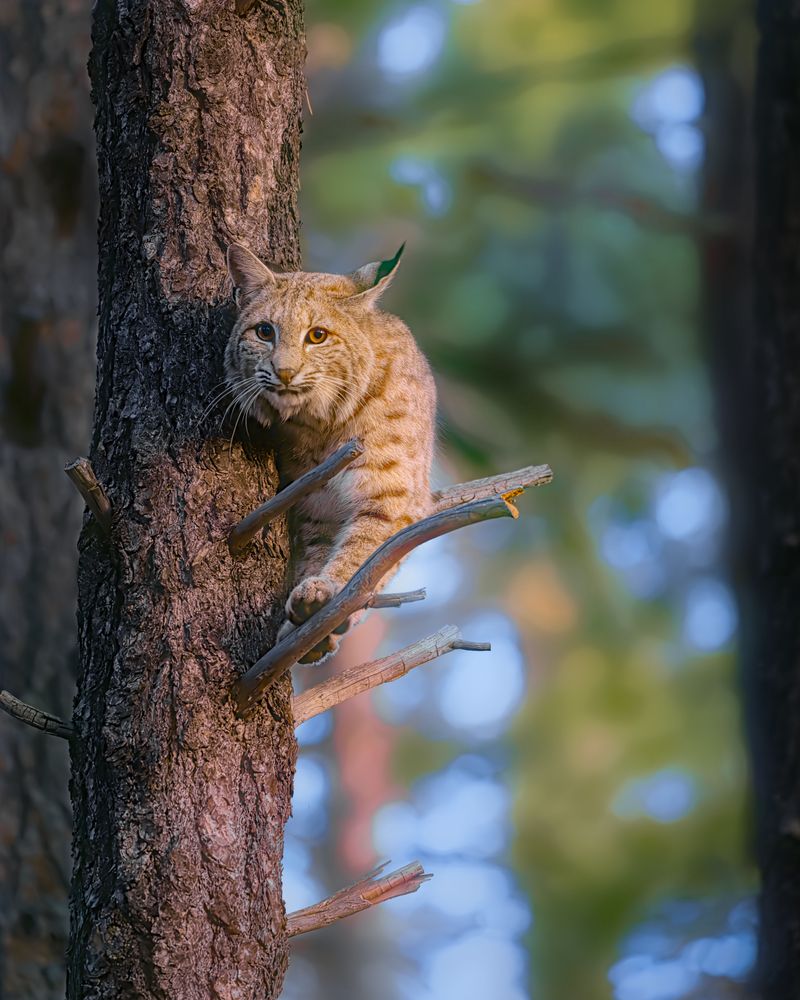
A bobcat passing through a neighborhood does not necessarily require a report, particularly if it is simply moving through the area.
Reach out when a bobcat repeatedly approaches people or pets, shows no fear, or behaves oddly. Colorado Parks and Wildlife handles wildlife concerns, and local animal control can help too.
Contact information varies by region, so look up your area office. Reporting early gives officials better information and keeps neighbors informed.