17 Ohio Dog Laws That Are Easier To Miss Than You Think

If you share your Ohio home with a dog, a few rules probably slipped past you. Most owners know about licenses and leashes, but the details live in county offices and local ordinances.
Nothing here is meant to worry you. Think of it as a friendly walkthrough from someone who has read the fine print, so you can keep your dog safe, your neighbors happy, and your paperwork tidy.
Let’s go point by point.
1. Registration Starts At Three Months Old

Puppies grow fast, and so does the paperwork clock. Once a dog reaches three months of age in Ohio, it generally must be registered with the county auditor.
Newly adopted dogs usually need a license within 30 days of coming home. Registration is handled county by county, so fees and renewal windows differ.
Check your county auditor’s website first. A quick online form often takes less time than a walk around the block.
2. Control Is Required Even In Your Own Yard

Plenty of owners assume home turf means anything goes. Ohio Revised Code Section 955.22 says dogs must stay confined to the owner’s property or remain under reasonable control at all times.
Reasonable control covers leashes, tethers, pens, secure fencing, or being indoors with supervision.
Local cities and villages may layer on extra rules. If your dog drifts toward the sidewalk unsupervised, that is worth tightening up.
3. Fences Are Not The Only Legal Option

Renters and rural owners often worry that no fence means no compliance. Good news: Ohio recognizes several containment methods.
A tethering device, a dog pen, keeping your dog inside the house or garage, or attentive supervision can all satisfy the law.
Modern GPS containment systems may work too, though local ordinances sometimes have opinions. Confirm with your city or township before you rely on technology alone.
4. Late Licensing Adds A Matching Penalty

Here is the detail that surprises people most. Miss the registration deadline, and counties generally add a penalty equal to the annual license fee.
The usual cutoff is January 31, or within 30 days of getting a new dog or a puppy turning three months old.
That penalty typically applies once per transaction, not yearly for multi-year tags. Setting a phone reminder in early January solves it completely.
5. Hunting Dogs Get A Narrow Exemption
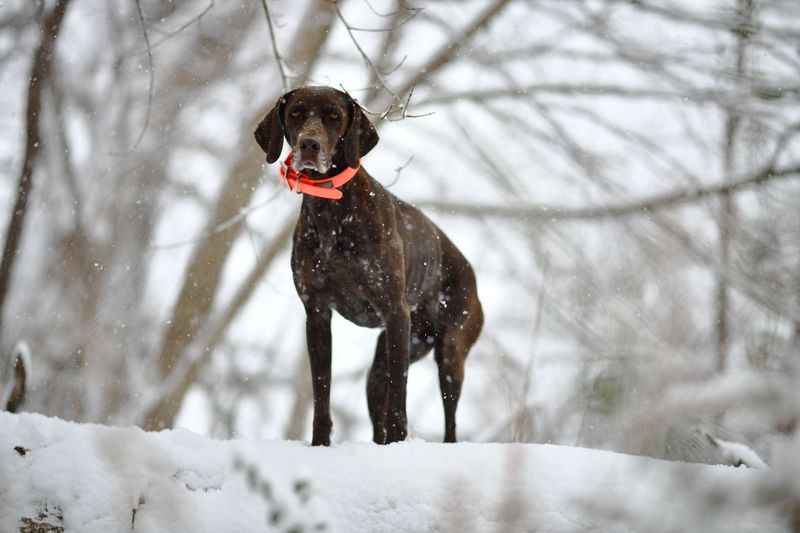
Field dogs live by slightly different rules. Dogs lawfully engaged in hunting, or training for hunting, are exempt from the general restraint requirements.
The exemption applies while the dog is accompanied by a licensed hunter. Outside that activity, ordinary confinement rules return immediately.
Field trials and permitted training grounds fall under the same idea. If you run sporting dogs, keep your hunting license current and accessible.
6. Loose Dogs Can Be Seized And Impounded

A gate left open can turn into a trip to the shelter. Dog wardens may seize dogs found running at large, especially without a collar or valid license tag.
Unlicensed dogs held by a warden can be placed for adoption as strays after three days.
Tags matter enormously here. A license tag plus a microchip makes reuniting quick and paperwork simple.
7. Rehoming Requires A Transfer Certificate

Handing off a dog involves more than a handshake. Ohio sellers must give the new owner a signed transfer of ownership certificate.
It should list the dog’s registration number and a short description, and a small fee usually applies to record it with the county auditor.
If the dog carries a dangerous designation, written notice must also go to the buyer, the board of health, and the dog warden.
8. A Biting Dog Stays In The County

Travel plans have to wait after a bite incident. During the required observation period, the dog generally cannot be moved from its address or county without permission.
Approval comes from the local health department, which oversees the quarantine.
The purpose is straightforward: uninterrupted observation in one jurisdiction. Call your health department right away, and they will explain the steps clearly.
9. Ten Days Of Observation After A Bite

Ten days is the number to remember. Ohio requires a minimum ten-day quarantine for any dog that has bitten a person.
Local boards of health can extend the period if additional rabies observation seems wise.
Home quarantine is often allowed when conditions are met. Cooperating early tends to keep the process calm, short, and much less stressful for everyone involved.
10. Rabies Rules Depend On Where You Live
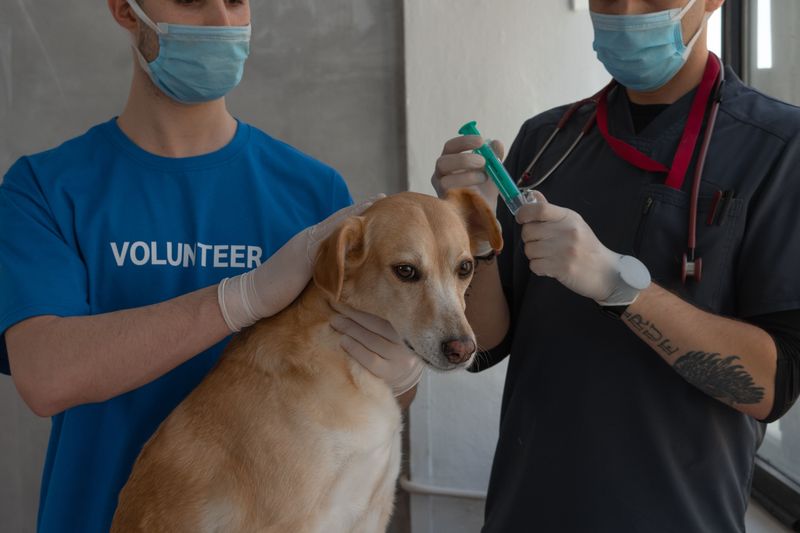
Surprising but true: Ohio has no single blanket statewide rabies vaccination mandate covering every pet dog in every situation.
Local governments may set their own requirements, and many do. Counties including Cuyahoga, Franklin, Summit, Stark, Lake, Geauga, and Union require vaccination for dogs and cats.
Cuyahoga County, for example, applies it at four months and older. Ask your veterinarian what your county requires.
11. Moving A Dog Into Ohio Needs Paperwork

Relocating with a dog adds one document to the checklist. Dogs imported into Ohio must travel with a Certificate of Veterinary Inspection signed by an accredited veterinarian.
That certificate confirms the dog appears free of disease and must be issued within 30 days before entry.
Current rabies vaccination following national guidelines is also expected. Schedule the vet visit before moving week gets hectic.
12. Outdoor Dogs Need Real Shelter

Ohio winters test every setup. Dogs kept outside, including tethered dogs, must have access to shelter that protects them from harmful weather.
A sturdy, dry, wind-blocking structure with clean bedding does the job. Summer matters too, since shade and airflow prevent overheating.
Neighbors do report bare yards, and wardens do follow up. Building a decent shelter is cheaper than sorting out a complaint.
13. Food And Clean Water Are Not Optional

Basics carry legal weight. Dogs confined outdoors, including those on tethers, are entitled to sufficient wholesome food and clean water.
Frozen bowls in January count as no water at all, so heated bowls help. Tipped or empty containers are among the most common issues wardens notice.
Check twice daily, morning and evening. Simple habits like that keep your dog comfortable and your record clean.
14. Dangerous Designations Bring Stricter Confinement

Once a court labels a dog dangerous or vicious, containment standards tighten sharply. Confinement generally means a locked pen with a top, a locked fenced yard, or another locked escape-proof enclosure.
Off the property, a chain-link leash no longer than six feet and a capable handler are required.
Muzzling may also apply. Owners of vicious dogs must carry at least $100,000 in liability coverage.
Courts may order similar insurance for dangerous dogs.
15. Special Reporting Duties Follow The Owner

Designated dogs come with annual homework. Owners must register the dog as dangerous or vicious with local authorities each year, and the dog wears a special tag.
Selling or transferring that dog requires detailed written notice, including its history, to the new owner, the dog warden, and the receiving board of health.
Microchipping plus spaying or neutering is also required under Ohio law.
16. Local Ordinances Can Go Further Than State Law

State law sets the floor, not the ceiling. Cities, villages, and townships across Ohio may add leash rules, cleanup requirements, noise limits, or dog-per-household caps.
Two neighbors on opposite sides of a boundary line can follow different rules entirely.
Before assuming, search your municipal code or phone the clerk’s office. Five minutes of checking prevents a citation you never saw coming.
17. Keep Records Where You Can Reach Them

Paperwork rarely feels urgent until it does. Keep your license number, rabies certificate, microchip details, and vet contact in one folder, plus photos on your phone.
That small kit helps at boarding facilities, during moves, and after any unexpected incident.
Rules shift by county, so confirm details with your auditor, health department, or veterinarian. Prepared owners handle surprises calmly, and their dogs feel the difference.