15 Dog Breeds That Match Colorado’s Active, Trail-Heavy Lifestyle
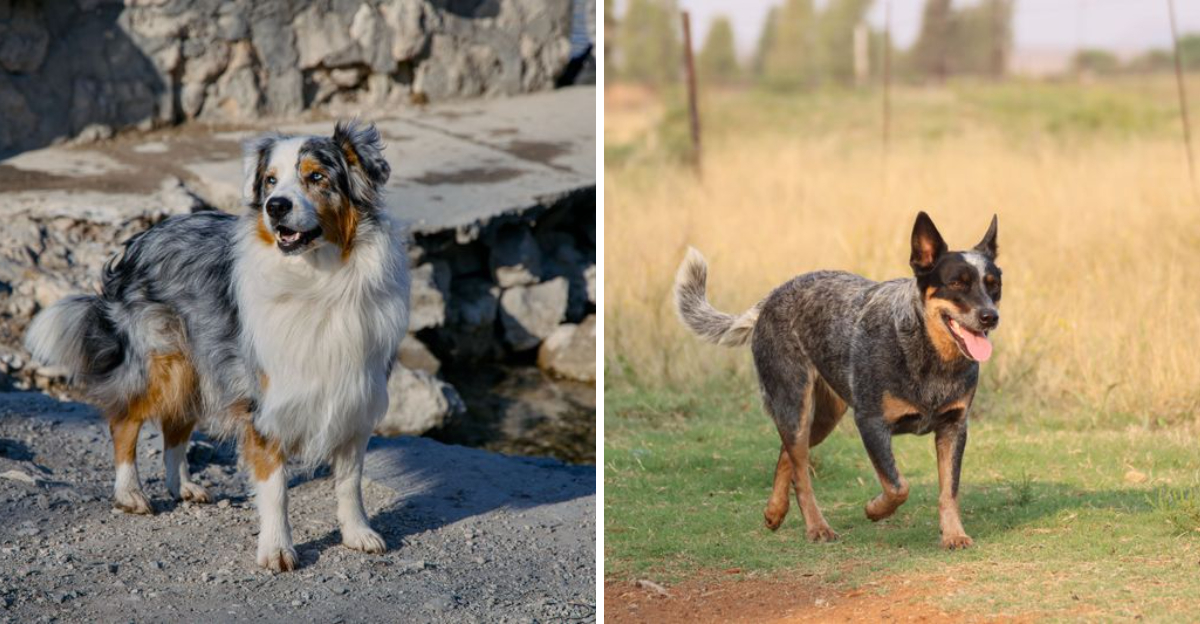
Colorado has thin mountain air, switchbacks that climb for miles, snow in June, and sunny stretches that bake the rocks by noon. Some dogs wilt at mile three.
Others glance back at you, grinning, wondering why you stopped. The difference usually comes down to breeding, stamina, and coat.
Here are fifteen breeds built for high-country miles, plus the honest quirks that come with each one.
1. Border Collie
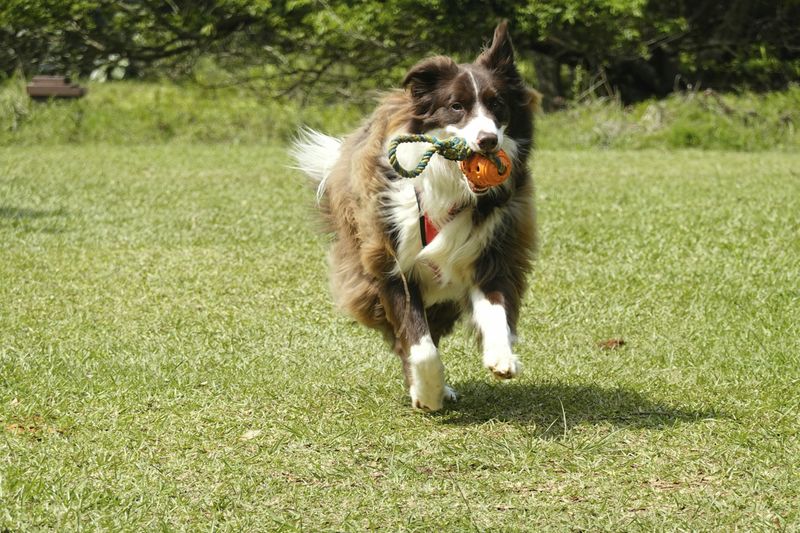
Ask any trail runner about stamina and the Border Collie enters the chat. Bred to work dawn to dusk, this dog treats a ten-mile day as a warm-up.
Nimble build, sharp turns, endless drive. Often ranked the smartest breed going, they learn trail manners quickly and love having a job.
Skip the mental work, though, and that brilliance turns into redecorating your living room. Training time is non-negotiable.
2. Labrador Retriever
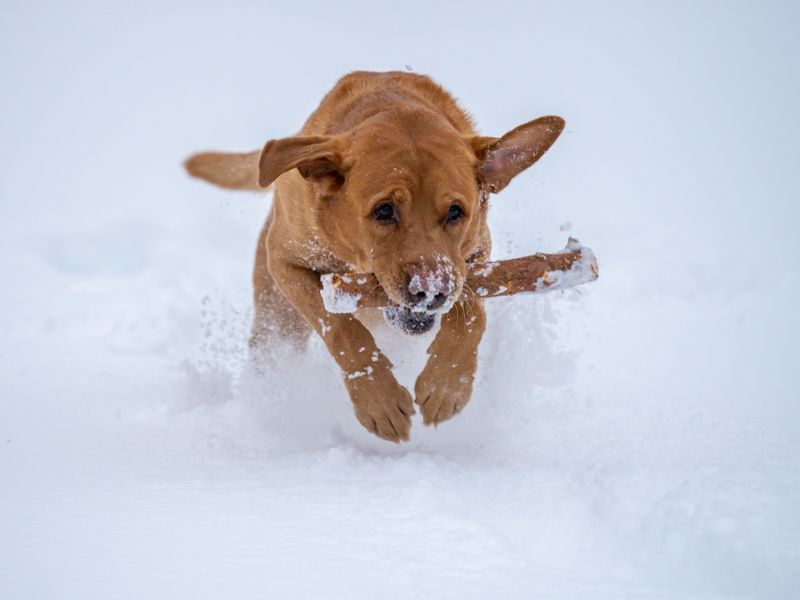
Colorado has roughly a zillion alpine lakes, and Labs consider every single one a personal invitation. Water is their happy place.
Give an adult Lab one to two hours of daily movement and you get a cheerful, muscular trail partner who never sulks about elevation.
Fun fact: despite the name, the breed traces back to Newfoundland. Consider a dog pack for longer routes, since Labs happily carry their own snacks.
3. Golden Retriever
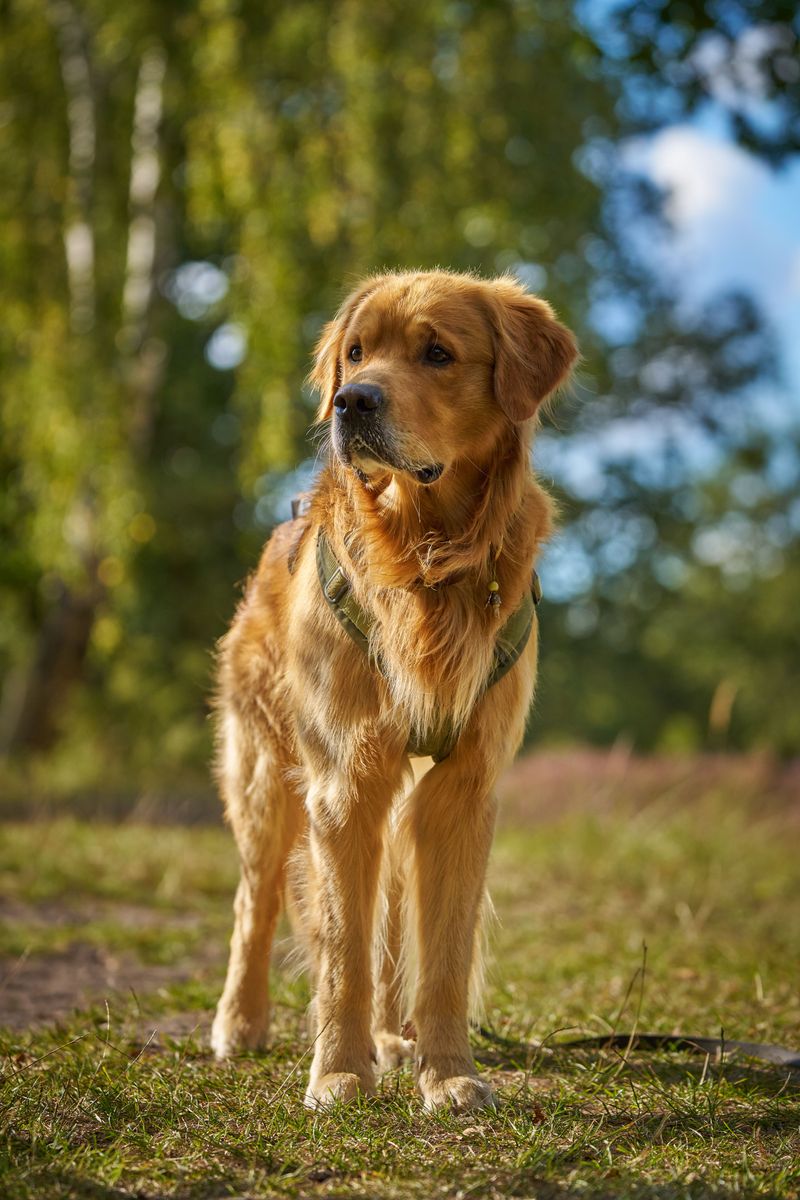
Ten trail miles barely dents a conditioned Golden. Some have logged eighteen-mile days and two-day, twenty-five-mile trips without complaint.
Bred for long hunts across rough country, they carry small packs well and greet every passing hiker like an old friend.
One caution: loyalty can override common sense. A Golden will push past tired to stay with you, so watch for heavy panting and start summer hikes early.
4. German Shorthaired Pointer
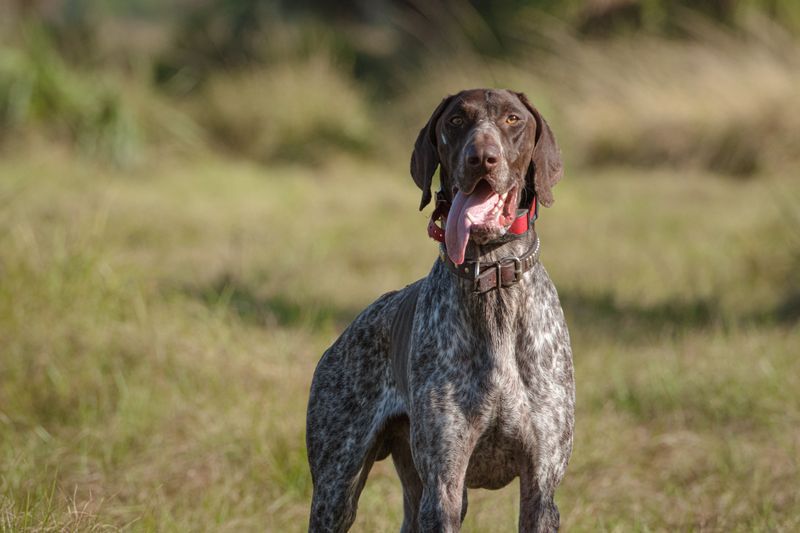
Good luck out-hiking a GSP. Seriously.
Marathon distances feel routine to this lean, spring-loaded athlete.
One to two hours of hard daily exercise keeps them balanced, and their speed plus stamina makes them stellar trail-running company. Short coats hose off easily after muddy creek crossings.
Cold, wet Colorado weather is the weak spot. Pack a jacket and consider boots when temperatures drop and wind picks up above treeline.
5. Vizsla
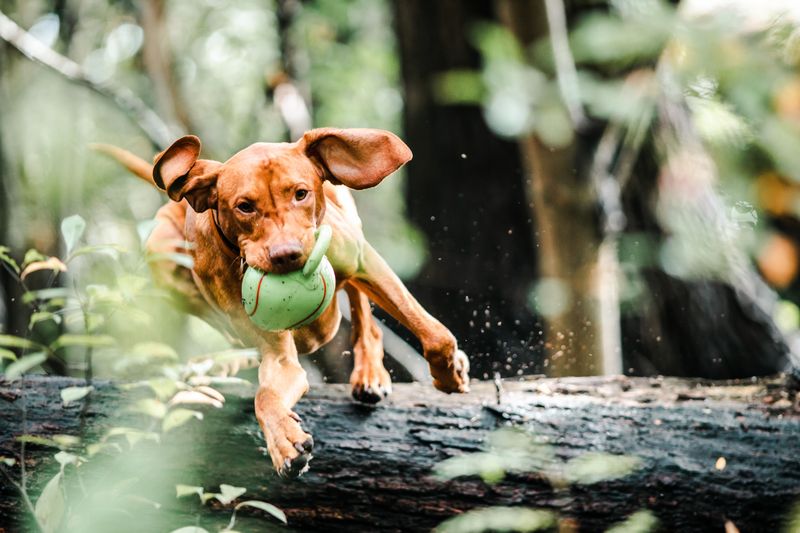
Nicknamed Velcro dogs for good reason, Vizslas want to be within arm’s reach of their person always.
Plan on ninety minutes to two hours of vigorous movement daily. They cruise four to five miles happily in mild weather and make sharp running buddies for shorter efforts.
That copper coat offers little insulation. Below freezing, a warm jacket keeps this Hungarian charmer comfortable on winter singletrack.
6. Australian Shepherd
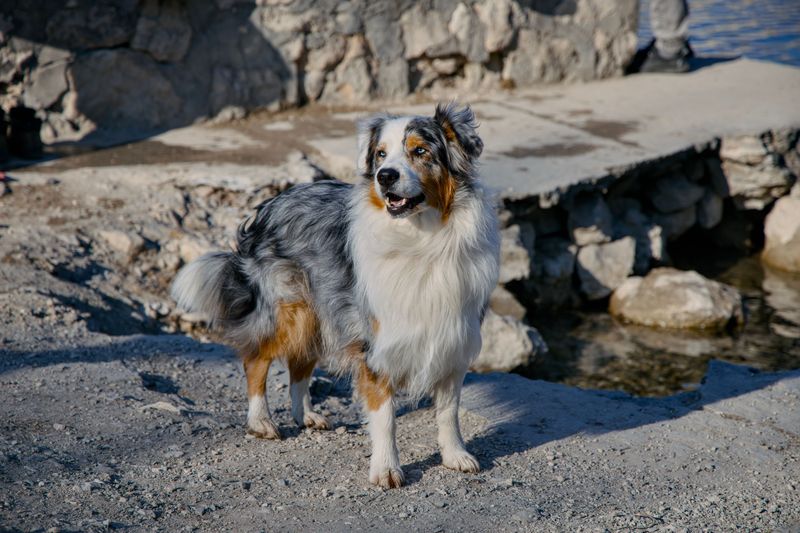
Watch an Aussie take a switchback and you will see pure mountain-goat confidence. Quick feet, quick brain, zero interest in sitting still.
Their athletic frame handles steep climbs and sudden direction changes without fuss. Herding instincts keep them glued to your side, so hikes feel like teamwork rather than tug-of-war.
Early socialization matters, though. That chase drive can lock onto marmots, bikes, or trail runners fast, so build recall before you unclip.
7. Siberian Husky
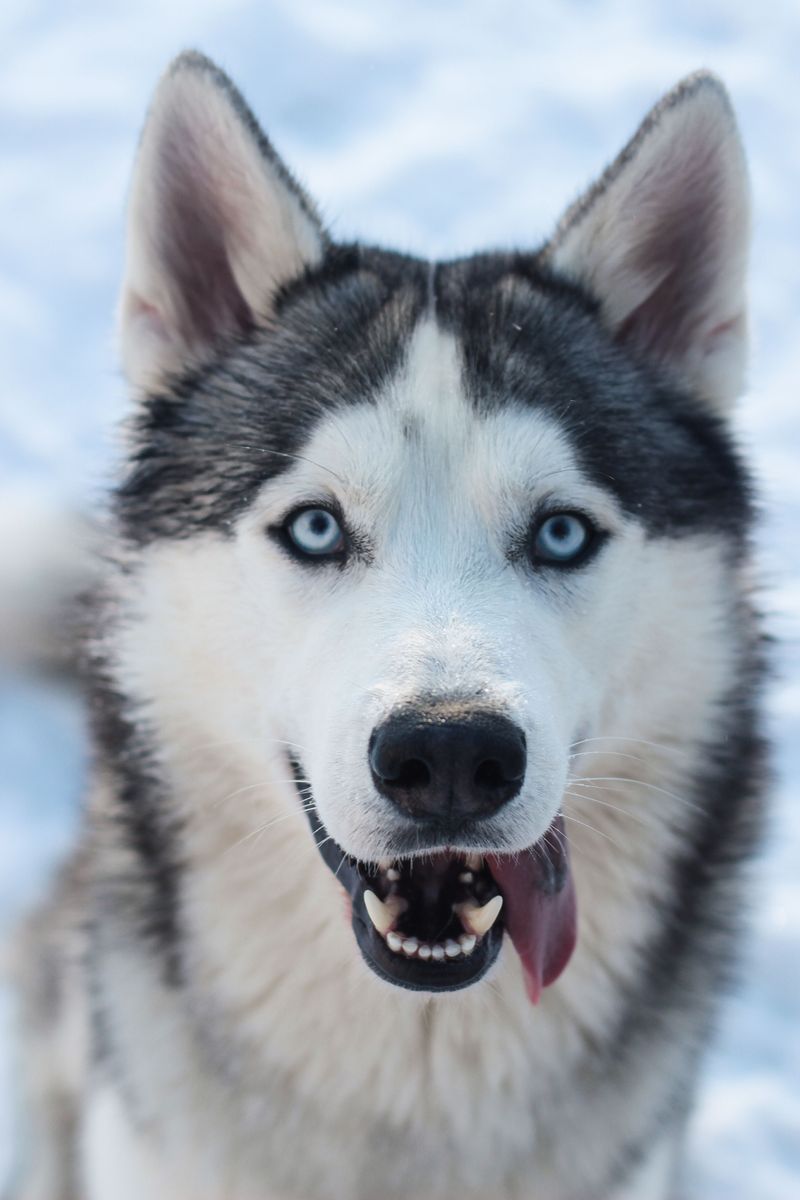
Sled racing Huskies cover over one hundred miles in a day, holding ten to fifteen miles per hour for hours. Colorado winters suit them perfectly.
Conditioned Huskies routinely double their owner’s mileage and gladly haul a pack, since pulling is written into their genes.
Summer is the tricky season. Thick double coats trap heat, so hike early, carry extra water, and keep the leash clipped around wildlife.
8. Alaskan Malamute
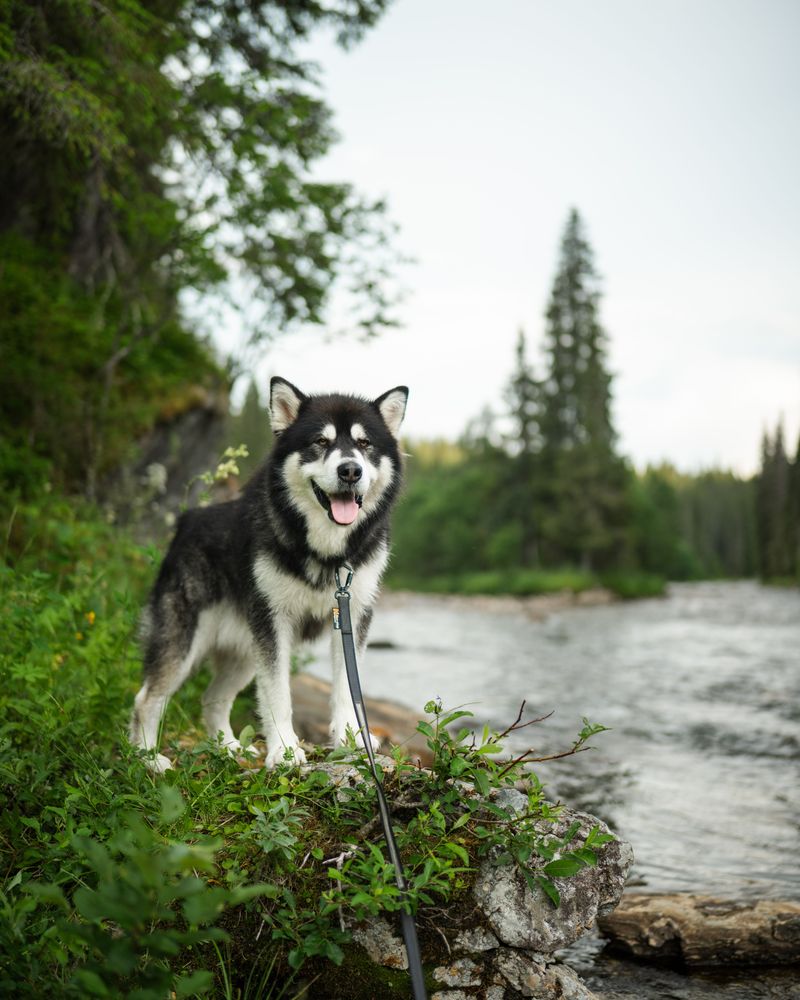
Freighting dogs of the Arctic, Malamutes were built to haul heavy loads through deep snow for miles.
Power and endurance define them. Cool-weather treks, snowshoe outings, and winter camping trips play right into their strengths.
Their size means bigger appetites and more water, so pack accordingly. Warm, humid afternoons are off the table, making dawn starts your smartest move from June through September.
9. Bernese Mountain Dog
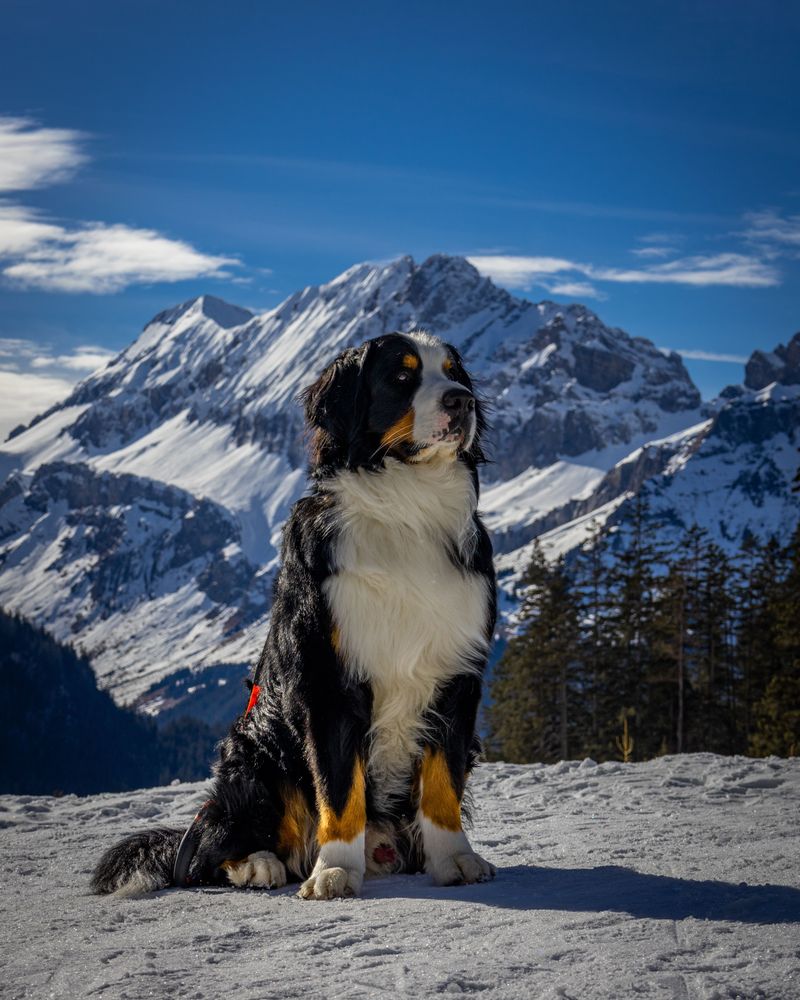
Swiss farm roots show the moment a Berner hits a rocky, cool-weather trail. Sure-footed, steady, unbothered by loose scree.
Moderate energy suits them better than nonstop mileage. Roughly an hour or ninety minutes daily, split into sessions, keeps joints and spirits happy.
In crisp conditions they can manage close to ten miles. Summer heat, however, is their nemesis, and puppies should wait until age two for big climbs.
10. Rhodesian Ridgeback
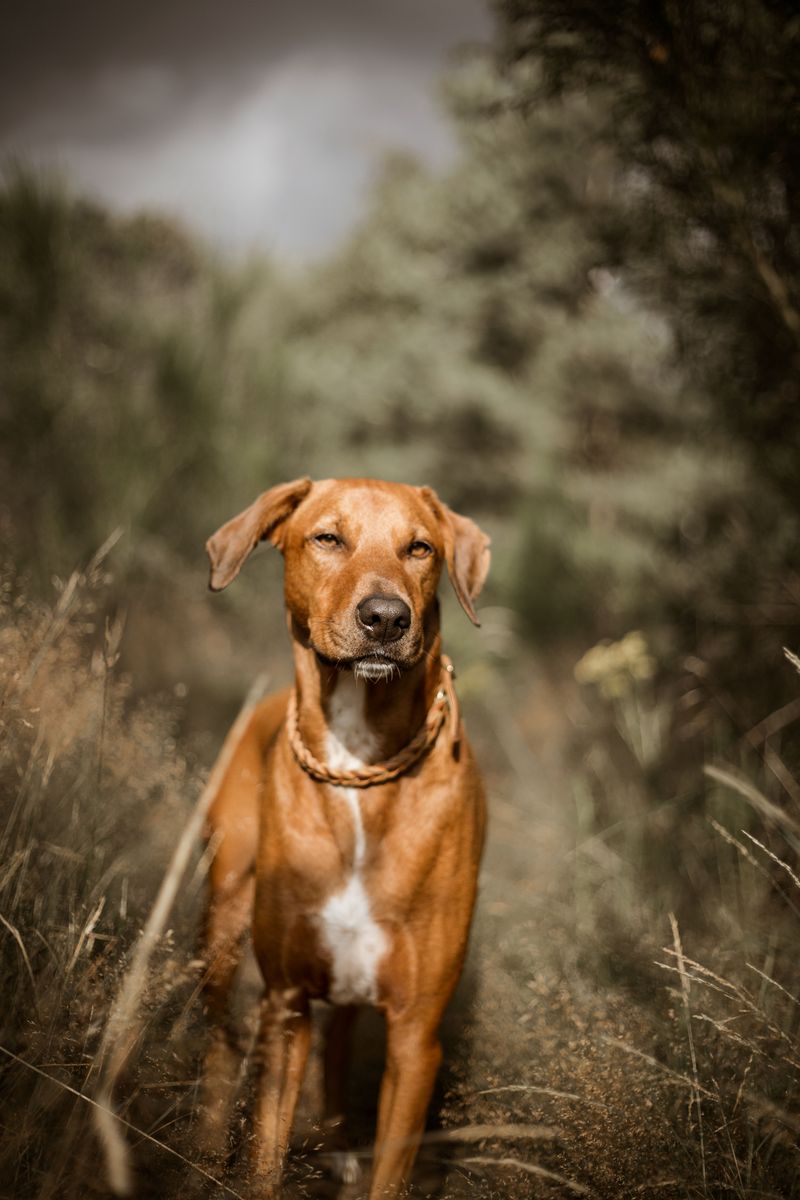
Ten miles in, a Ridgeback often looks like the day is only getting interesting. Endurance is their signature.
These hounds once kept pace with running horses for six to eight miles. Agile and sure-footed, they handle rugged terrain and warm afternoons better than most thanks to short coats.
High prey drive means leashes stay on. Indoors, though, a well-exercised Ridgeback melts into the couch like a giant beige blanket.
11. Weimaraner
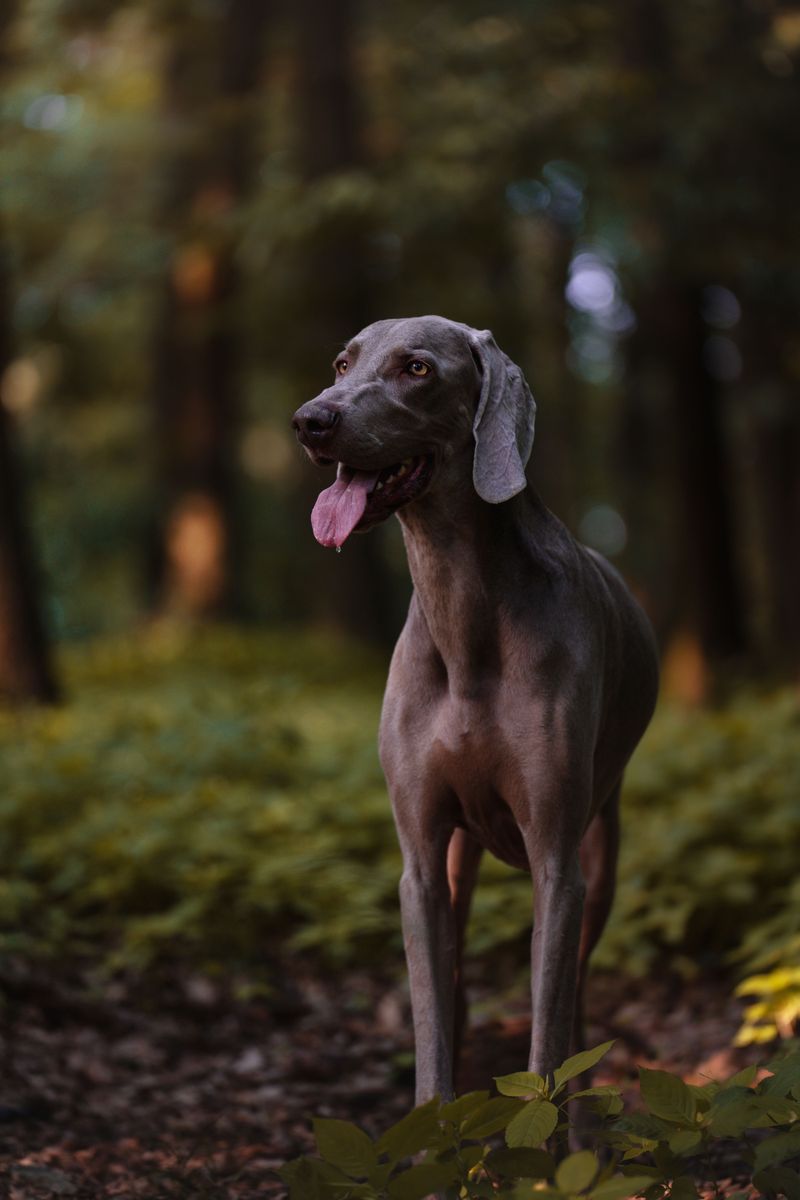
Owners describe the Weimaraner’s energy in one word: endless. Strenuous eight to twelve mile hikes often end with the dog asking for more.
Conditioned adults handle ten-mile runs, and some have tagged along on twenty-mile hiking days. Bred for long hunts, they simply do not quit.
Boredom is the real risk. Without mental puzzles and daily mileage, that silver ghost gets creative with your furniture.
12. Standard Poodle
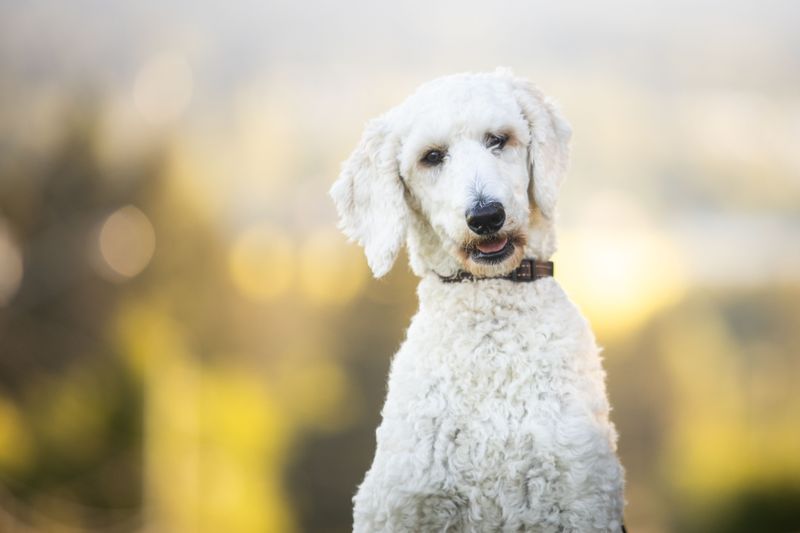
Underestimate the Poodle at your peril. A Standard Poodle team once ran the Iditarod, which tells you plenty.
Their endurance trot is a rhythmic, energy-saving gait made for distance. After age one, ten-mile trail days are well within reach.
Water-repellent coats dry fast, shedding is minimal, and that famous brain makes trail obedience easy. Bikejoring and skijoring are fair game too.
13. Belgian Malinois
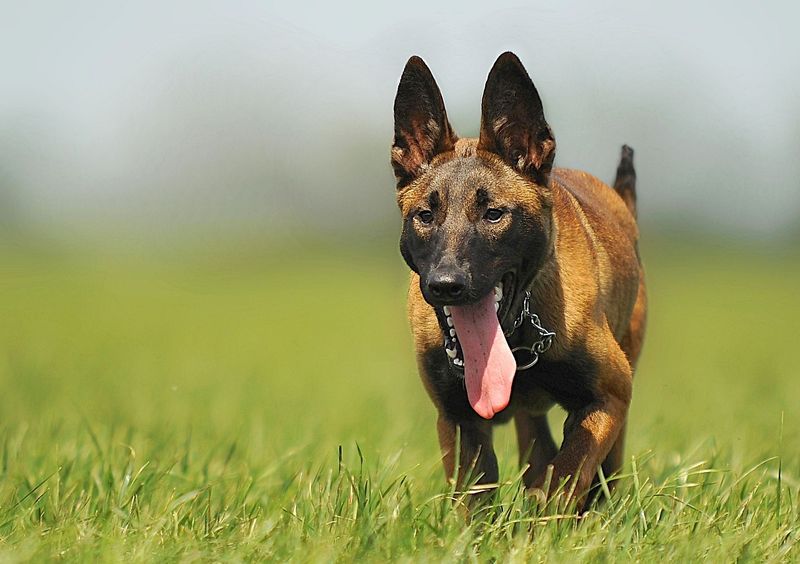
Tireless is the word working handlers use, and it fits. Malinois need ninety minutes to two hours of hard activity every single day.
Well-muscled and driven, they shine on long runs, steep ascents, and technical terrain where focus counts.
Fiercely bonded to their people, they can be reserved with strangers on busy trails. Consistent training plus mental work keeps that intensity pointed in useful directions.
14. Australian Cattle Dog
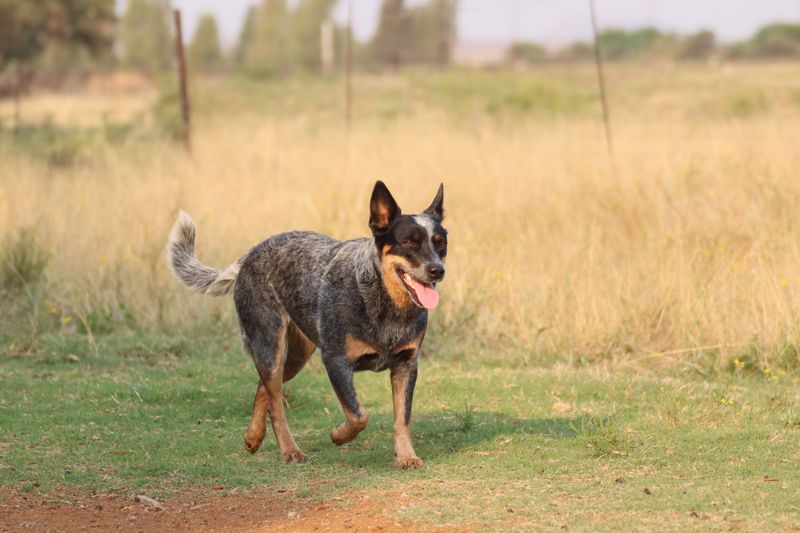
Bred to move cattle across brutal Australian distances, the Heeler brings toughness that borders on absurd.
Adults want more than two hours of vigorous exercise daily, and many hold that drive into their eighth or ninth year. Half-day hikes are easy, full days work fine with rest stops.
Independent thinkers need clear boundaries. Give this dog a purpose and you gain a trail partner for life.
15. Brittany
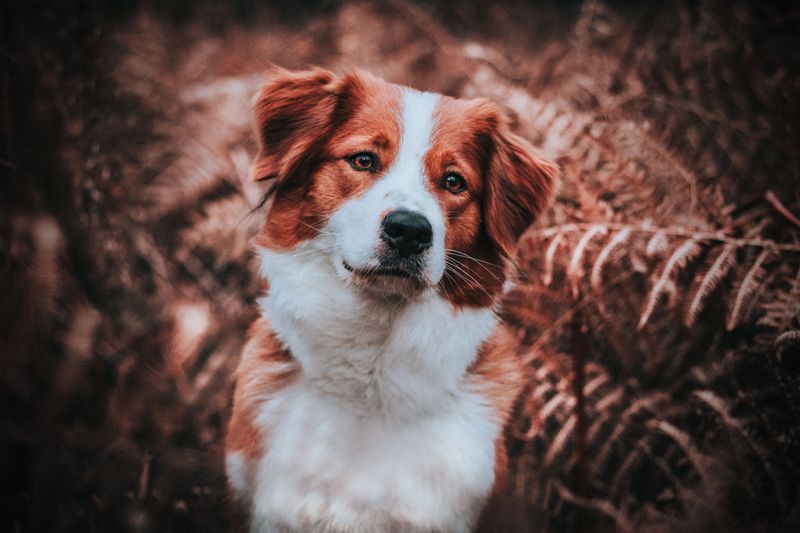
Compact, cheerful, and wired for the field, the Brittany packs enormous engine into a medium frame.
Sixty to ninety minutes of hard exercise is the baseline, and two hours suits them better. Flat coats resist cold and water, handy for chilly creek crossings.
Scenting instincts run deep, so recall takes patience. Keep them included in family outings, because isolation genuinely dampens their sunny outlook.
Grab the leash. Colorado is waiting.