What Texas Dog Owners Should Know About Sandburs And Grass Awns
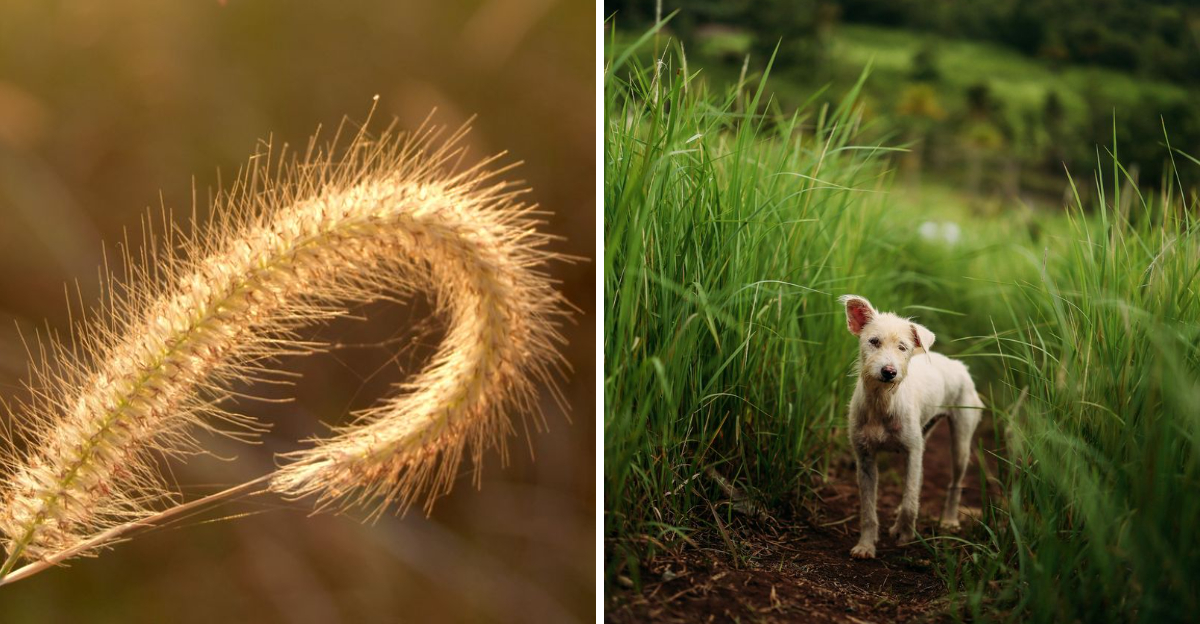
If your dog loves Texas trails, pastures, or the grassy strip behind the mailbox, you have probably picked a sticker or two off a paw. Sandburs and grass awns are common here, and most of the time they are a minor nuisance.
Knowing where they hide, what to watch for, and when to call your vet makes all the difference. Here is a friendly walkthrough of everything worth knowing before your next outing together.
1. What Are Sandburs and Grass Awns?
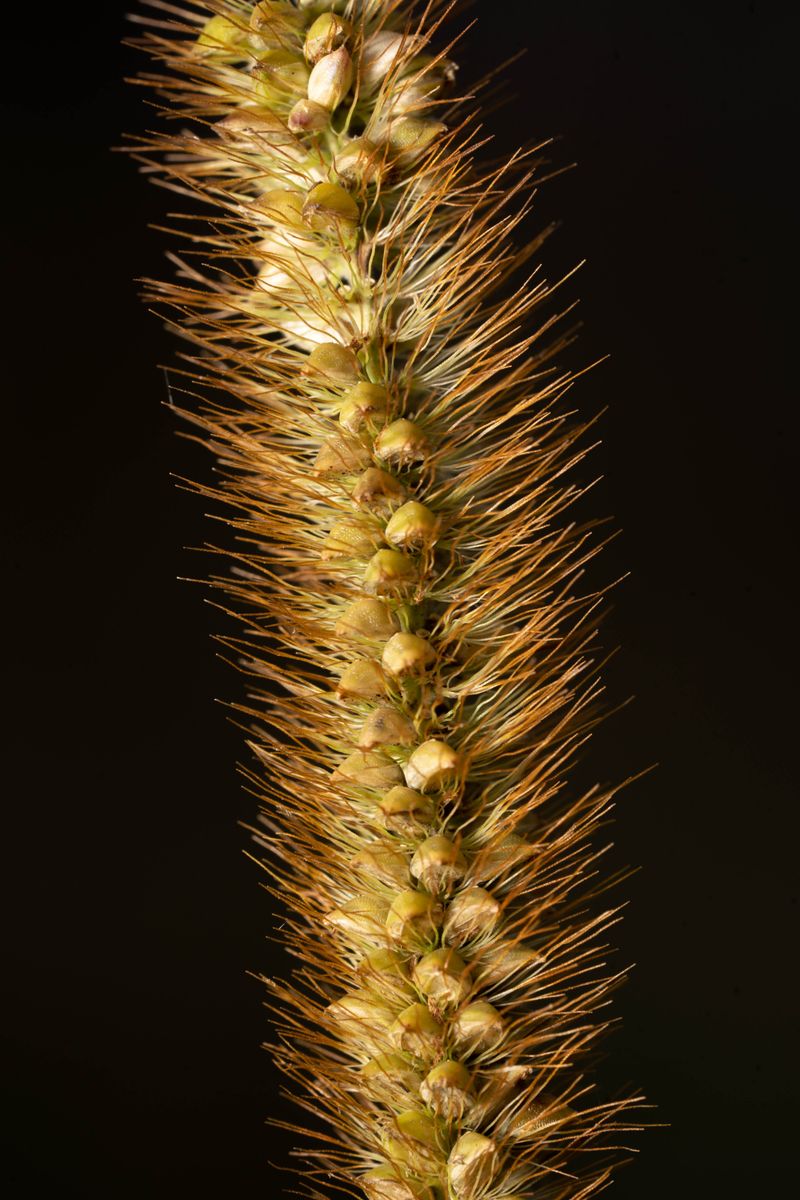
Two different troublemakers share one habit: hitching a ride on your dog. Sandburs are prickly grass seeds with sharp burs that can grab coats, paws, and skin.
Grass awns are slim, bristled parts of grass seed heads. Both can attach to passing animals.
They are not known for being poisonous, but the physical injury they cause can lead to irritation, inflammation, and, when material becomes embedded, infection.
2. Why Texas Dogs Encounter Them So Often
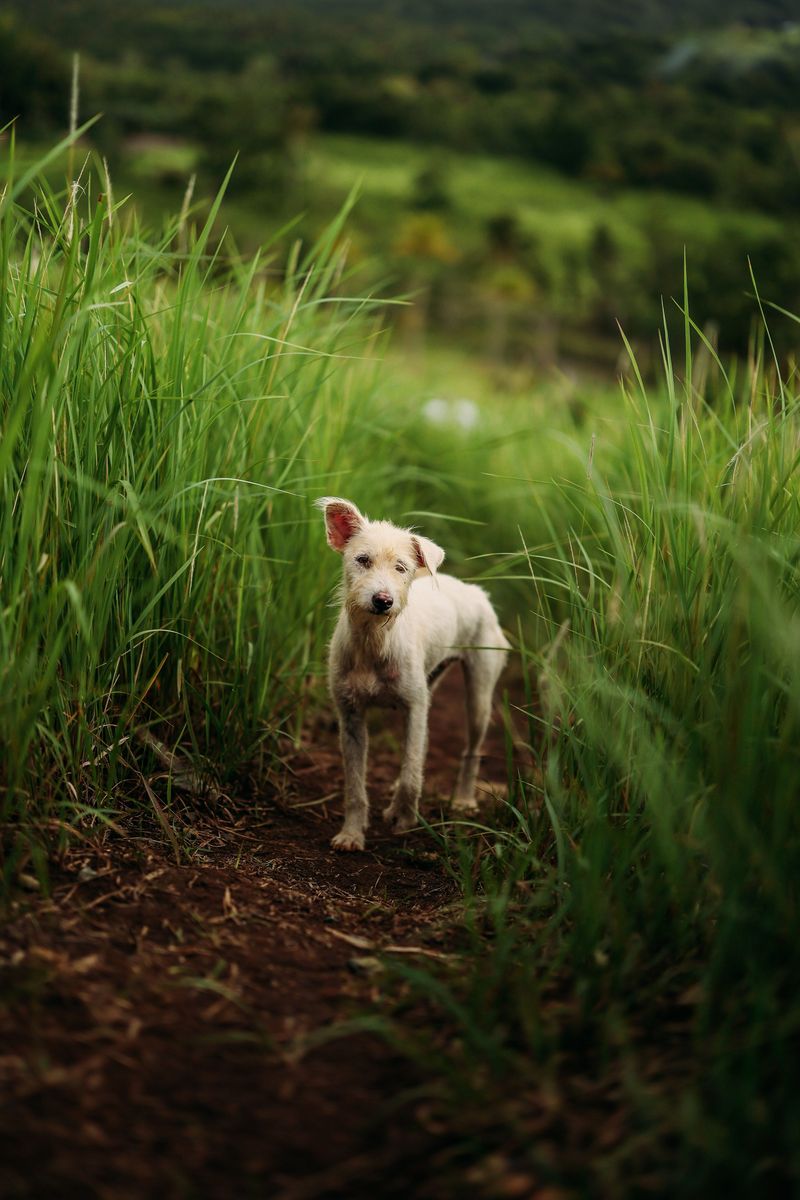
Wide pastures, greenbelt trails, ranch roads, and unmowed lots give these seeds plenty of room to grow across Texas.
Warm weather stretches the growing season, so dry seed heads can linger for months. Dogs that sniff, roll, and explore collect them easily.
Even a short potty break near a fence line can be enough. Frequency is exactly why a simple after-walk habit pays off so well.
3. How Sandburs Get Caught in Your Dog’s Fur
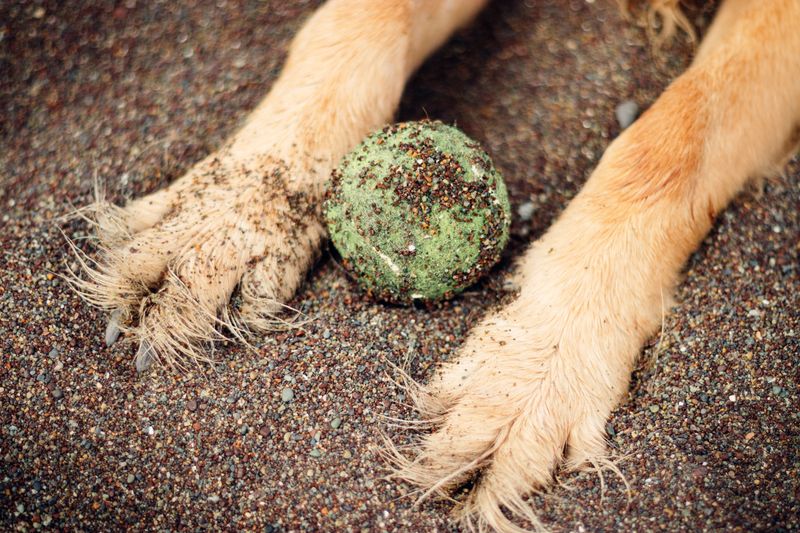
Nature designed these burs like tiny hooks. Spines and barbs catch on anything soft that brushes past, and dog fur is ideal.
Legs, belly, tail feathering, and ear fringes collect the most. Longer coats trap them fastest.
Once caught, a bur can roll deeper as your dog moves. Removing it early, while it still sits on the surface, keeps the job simple and painless.
4. Why Grass Awns Can Be More Dangerous
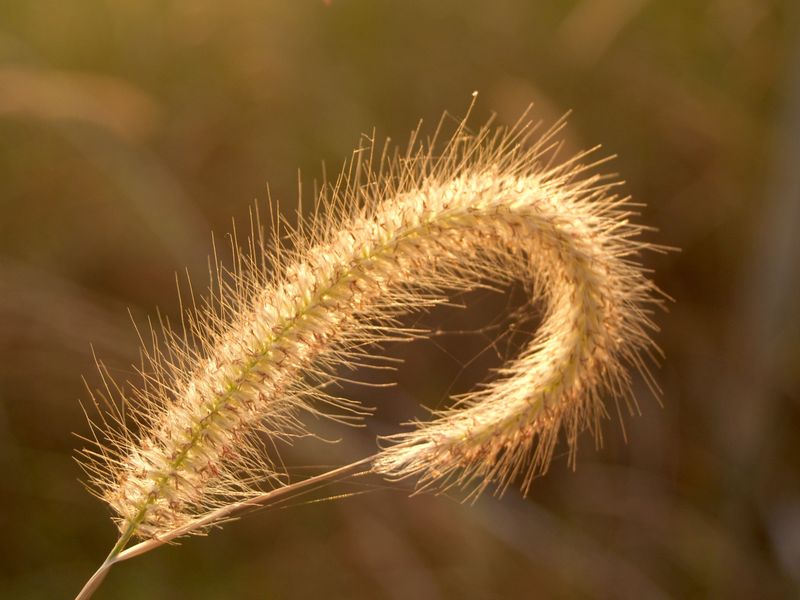
Here is the key difference. A loose bur sits on the coat, but certain awns are shaped to move in one direction only.
That design lets them press into skin and travel further into tissue over time. Swelling, soreness, and infection can follow.
Because they rarely back out on their own, awns deserve more respect than ordinary stickers. Early removal is always the easier path.
5. Check Your Dog’s Paws After Walks
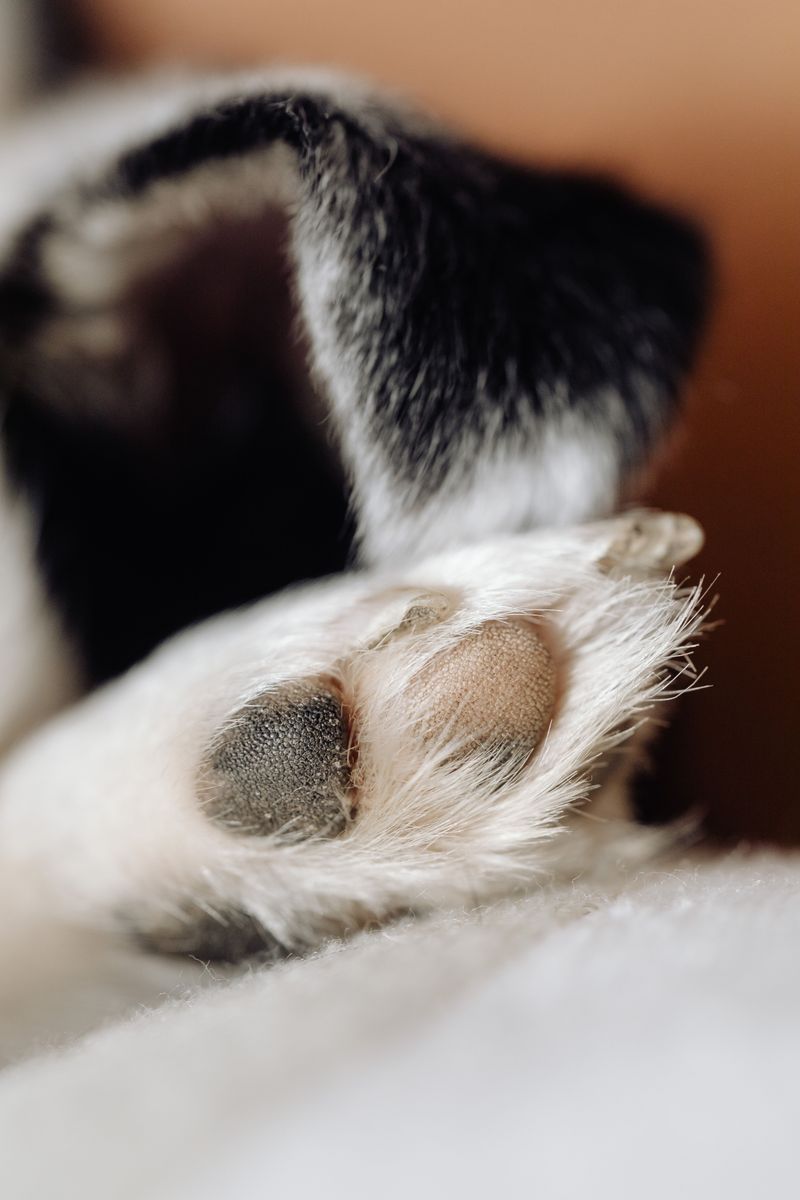
Paws take the hardest hit, so start there. Spread each set of toes and look between them, then along the pads and around the nails.
Small burs tuck into those webbed spaces and stay hidden.
Limping, sudden licking, or a dog that keeps lifting one foot often points straight to a sticker. A quick look takes under a minute per paw.
6. Pay Attention to the Ears
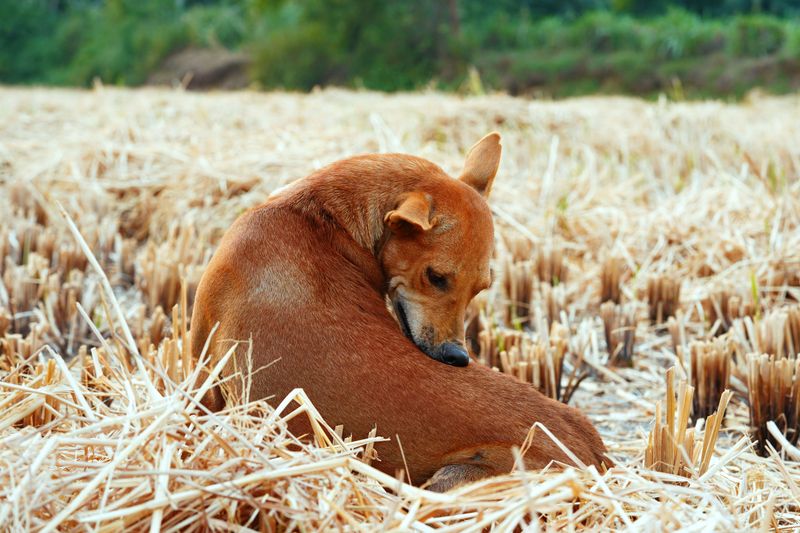
Ears are a favorite hiding spot, especially on floppy-eared breeds. An awn can slip near or into the ear canal without you seeing it.
Watch for head shaking, tilting, pawing at one side, or flinching when you touch the head.
Look at the outer ear only. Anything deeper belongs to your veterinarian, who has proper lighting and tools for a safe look.
7. Check the Eyes and Face Carefully
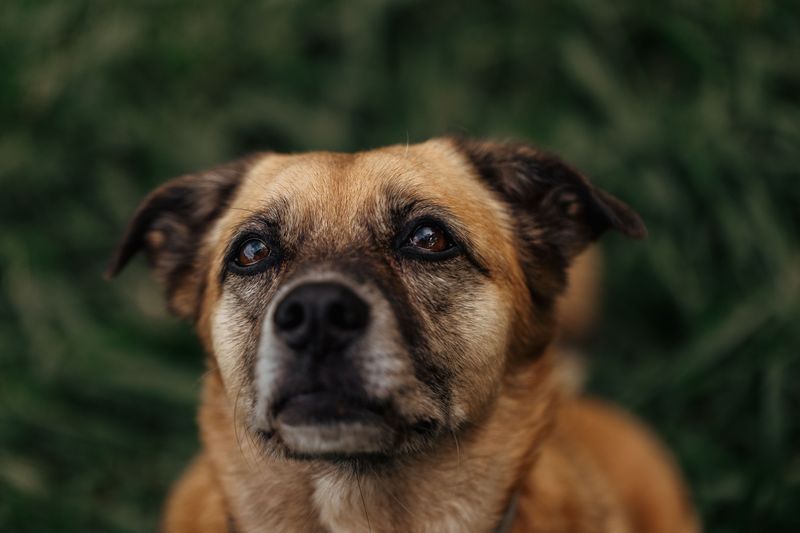
Faces lead the way through brush, so they meet seed heads first. Squinting, redness, tearing, or a paw rubbing at one eye are worth noticing.
Muzzle sneezing right after a walk can also signal something inhaled.
Resist the urge to probe near the eye. Eyes are delicate, and a vet can numb, examine, and remove material far more safely than fingers can.
8. Long Fur Can Hide Problem Seeds
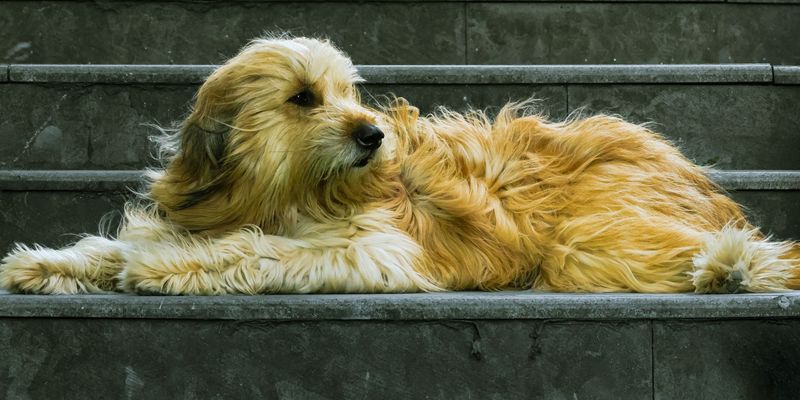
Thick coats act like a net. A dog can carry several burs home while looking perfectly clean from three feet away.
Run your hands along the belly, armpits, and tail feathering where fur is longest.
Fingers usually find trouble before eyes do. Owners of collies, spaniels, and doodle mixes often make this a habit after every outing, and it saves plenty of grooming headaches.
9. Signs a Burr May Be Embedded
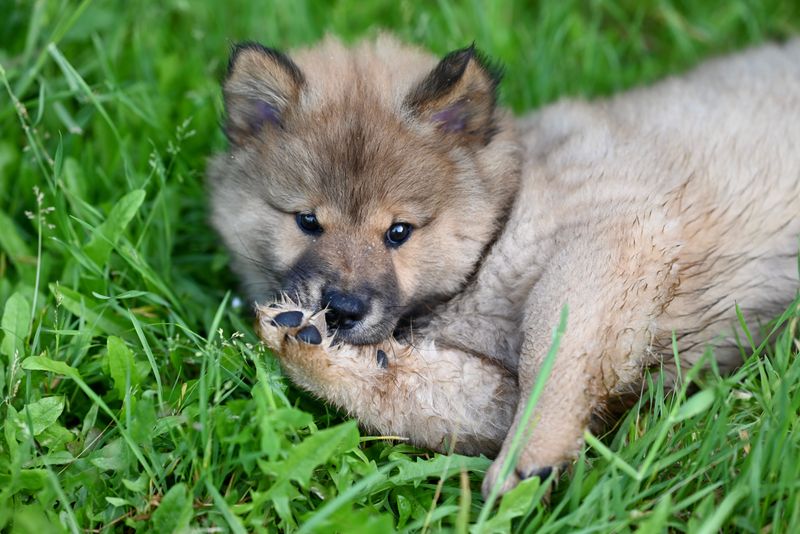
Dogs tell you in their own way. Repeated licking or chewing at one spot is the most common clue.
Add swelling, warmth, tenderness, a small bump, or limping, and the picture gets clearer.
Timing matters too. When these signs show up a day or two after a romp through tall grass, an embedded seed is a reasonable suspicion worth checking.
10. When to Call Your Veterinarian
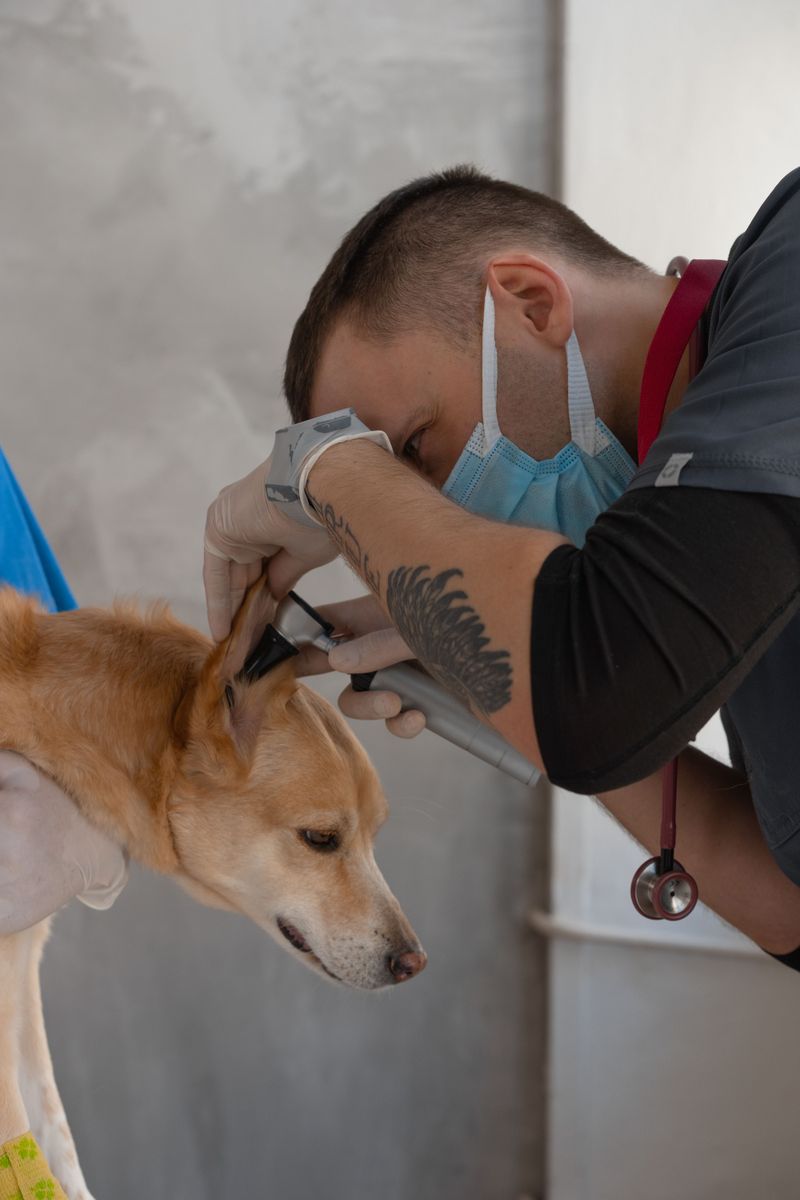
Some situations simply need professional hands. Call if you suspect an awn entered the skin, ear, eye, nose, or private areas.
Also call for swelling, drainage, a lasting limp, or ongoing head shaking.
Clinics can sedate, use magnification, and remove material completely. Bringing your dog in early usually means a simpler visit and a faster, more comfortable recovery.
11. Do Not Force Deeply Embedded Awns Out
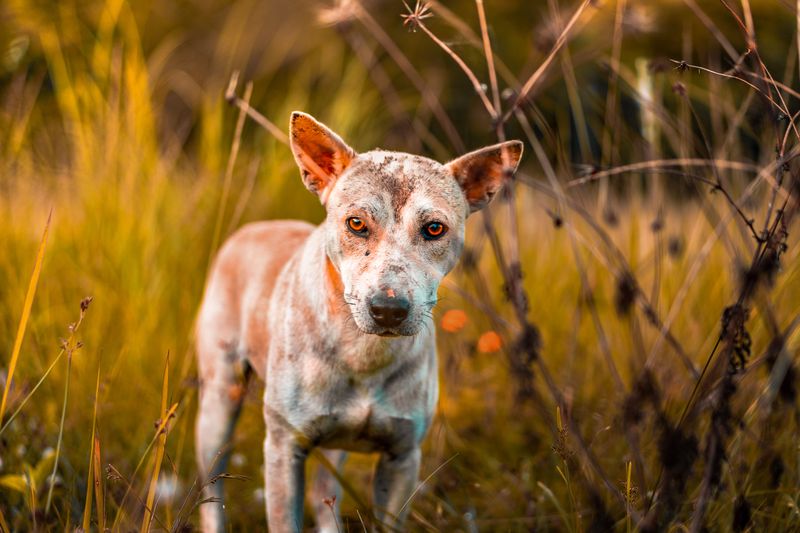
Tugging feels helpful, but it often backfires. Barbed awns can snap, leaving fragments behind that keep causing irritation.
Digging also pushes material further and hurts your dog.
A good rule: if it resists gentle finger pressure or sits below the skin surface, stop. Mark the spot mentally, keep your dog calm, and let a veterinary team handle removal properly.
12. How to Remove Loose Sandburs Safely
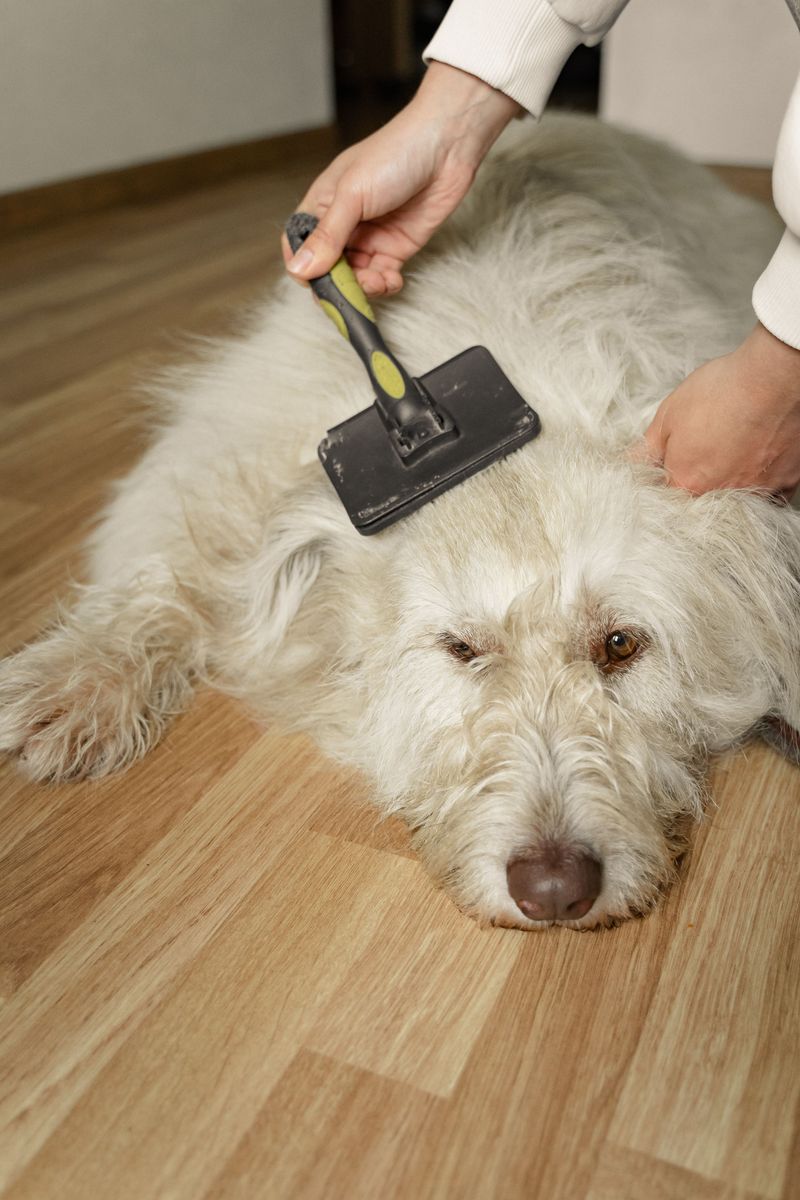
Surface burs are usually an easy fix. Work slowly, holding the fur near the skin so pulling does not sting.
Fingers, a comb, or a slicker brush all work. Some owners use a little detangling spray to loosen stubborn ones.
Stop immediately if your dog pulls away, yelps, or if the bur seems anchored to skin rather than fur.
13. Inspect Your Dog After Tall-Grass Adventures
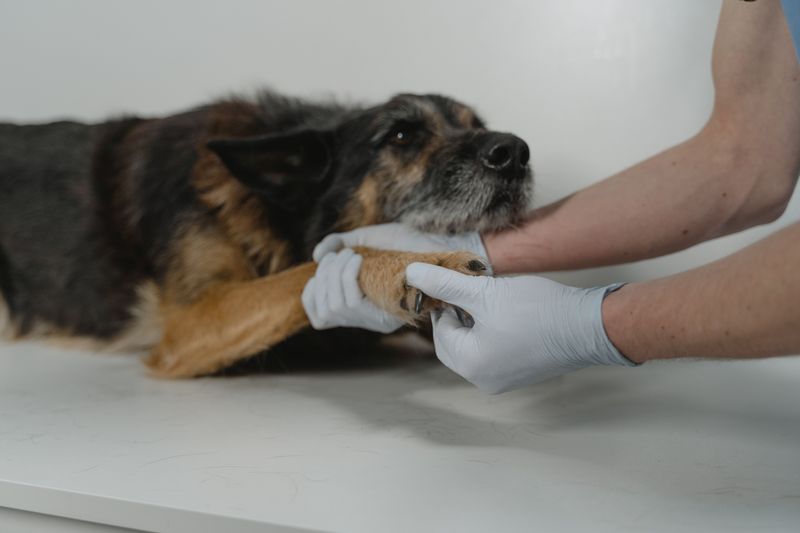
Build the check into your routine, right at the door. Start at the nose and work backward: face, ears, chest, legs, belly, tail, then each paw.
Ninety seconds covers most dogs.
Fields, roadside ditches, and overgrown lots deserve extra attention. Making it part of the post-walk treat ritual helps dogs sit patiently and turns inspection into something they enjoy.
14. Keep Grass and Weeds Trimmed at Home
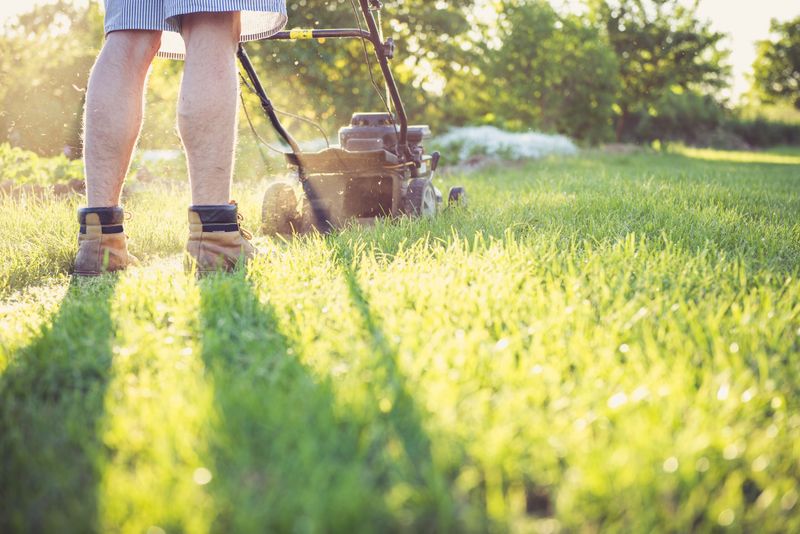
Your own yard is the easiest place to lower the odds. Regular mowing keeps grasses from maturing into seed heads.
Fence lines, alley edges, and dry corners tend to get skipped, and that is exactly where sandburs thrive.
Pulling weeds before they set seed helps too. A tidy play area means fewer stickers tracked indoors and fewer paw checks that turn up surprises.
15. Consider Protective Gear for High-Risk Walks
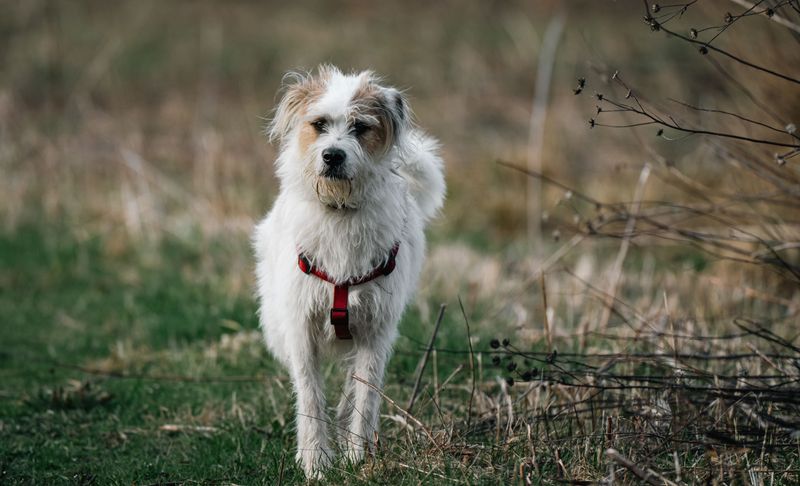
Gear is not for every dog, but it helps on rough ground. Boots shield paws and toe webbing where burs love to lodge.
Lightweight vests or leg coverings reduce contact with brush.
Fit matters most. Anything too tight rubs, and anything loose slides off mid-hike.
Let your dog practice wearing gear indoors first, with treats, before heading out into the pasture.
16. Grooming Can Help Prevent Problems
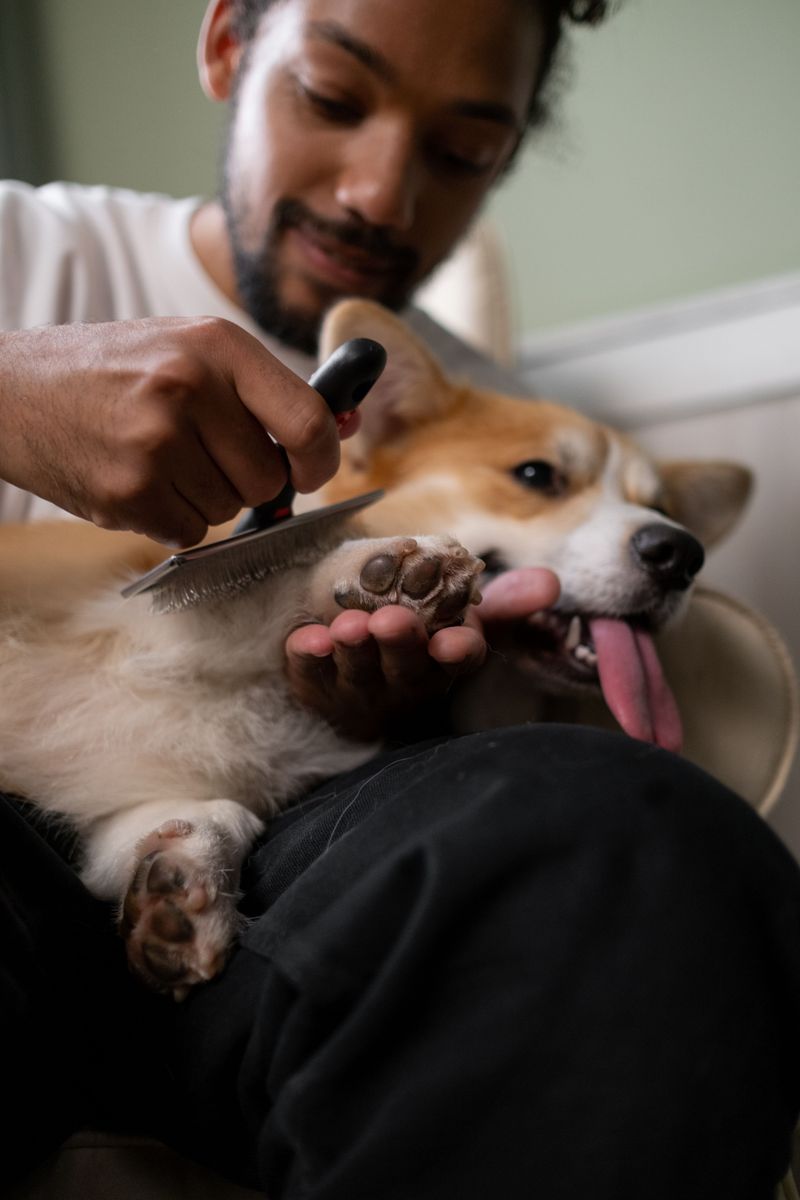
Brushing does double duty. It lifts loose seeds out before they tangle, and it helps you feel bumps you might otherwise miss.
Trimming the fur between toes and around ear edges gives burs less to grab.
During peak grass-seed months, bump up your routine. Many Texas owners brush daily in late summer and fall, then relax the schedule once the seed heads fade.
17. Know When Outdoor Conditions Are Riskier
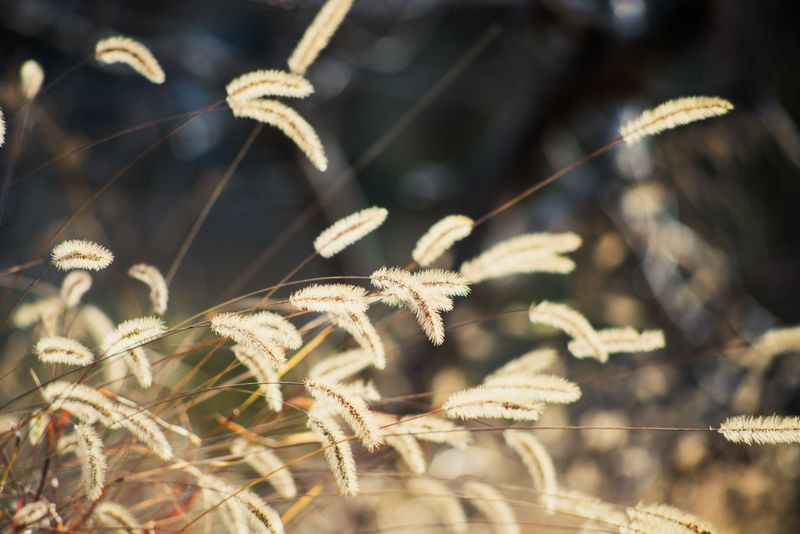
Timing tells you a lot. Once grasses dry and turn tan, seed heads loosen and detach at the slightest brush.
Late summer through fall is usually the busiest stretch in much of Texas, though conditions vary by region and rainfall.
Scan before you let your dog off leash. Visible seed clusters swaying at knee height are your cue to choose another route.