What To Do If An Alligator Is Near Your Dog In Mississippi
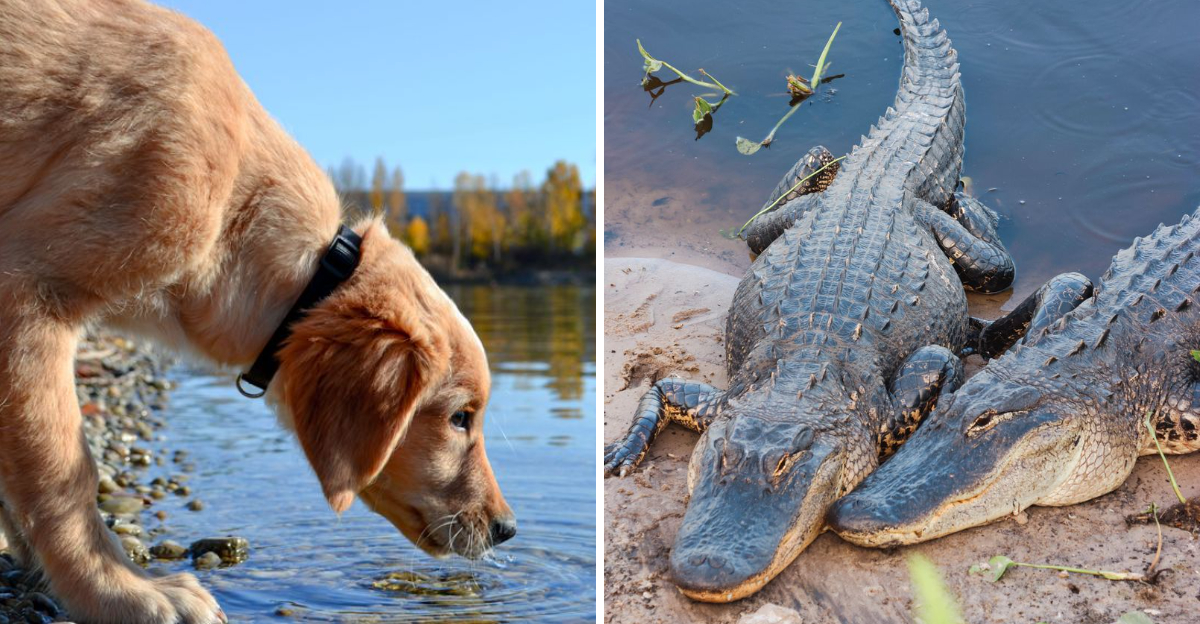
Mississippi has plenty of bayous, ponds, and slow rivers, and alligators call many of them home. If you walk a dog anywhere near fresh or brackish water, a surprise sighting is possible.
The good news is that calm, informed owners handle these moments well almost every time. Think of this as a neighbor walking you through the steps before you ever need them.
A little know-how goes a long way toward keeping your walks pleasant and your dog safe.
1. Put Your Dog on a Short Leash Immediately
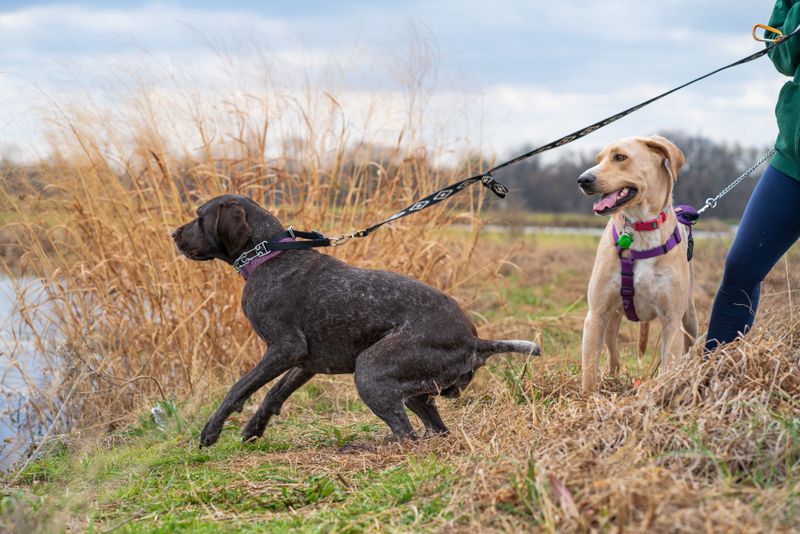
The first second matters most. Shorten that leash and gather the slack in your hand right away.
Control is everything here, because a curious dog will head straight toward movement in the water. Splashing paws and quick motion draw attention from wildlife.
A retractable line gives far too much freedom in this moment. Lock it short or switch to a fixed lead before you continue.
Your dog stays beside you, and you decide where you both go next.
2. Move Away from the Water’s Edge
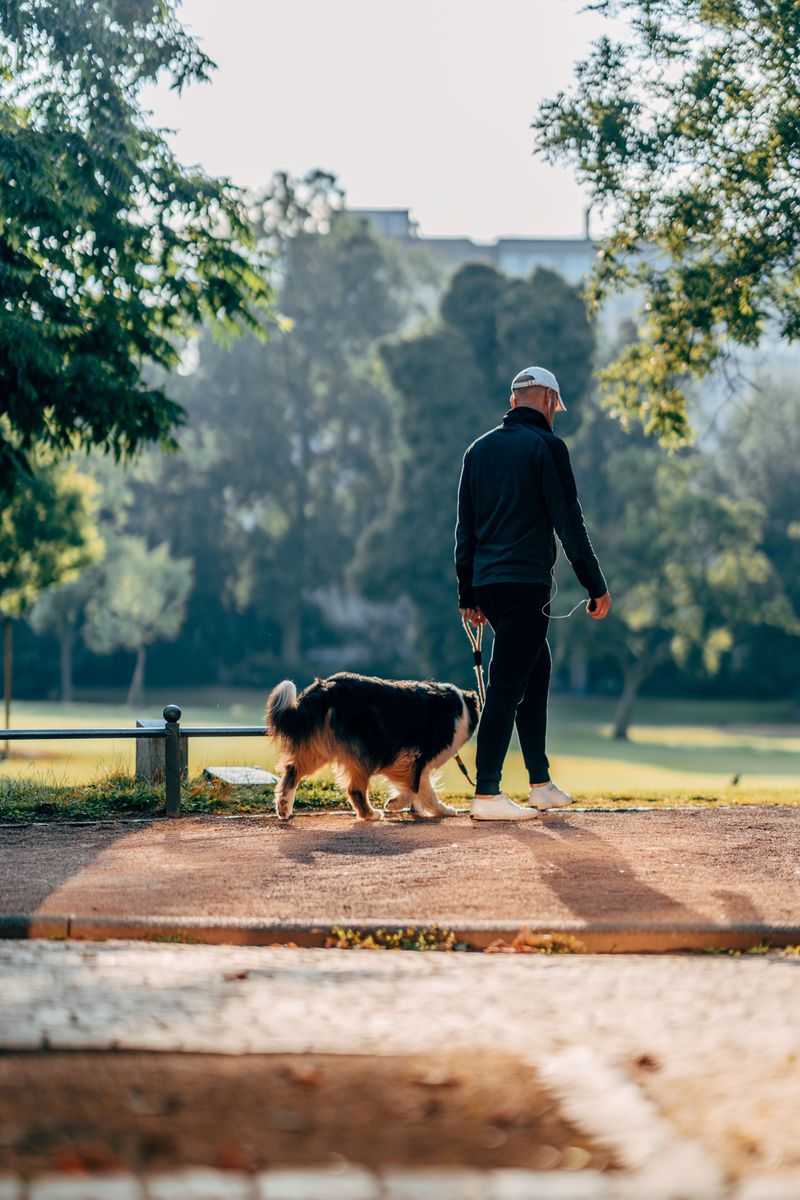
Shorelines are where alligators do most of their waiting. They are ambush hunters, and the bank is their hunting ground.
Step inland and put solid ground between you and the water. Even ten or fifteen extra steps changes the picture completely.
Pick a path that keeps grass or pavement underfoot instead of muddy edges. Reeds and tall vegetation hide more than you might expect.
Distance from the edge is the single easiest safety win available.
3. Back Away Slowly if the Alligator Is Close
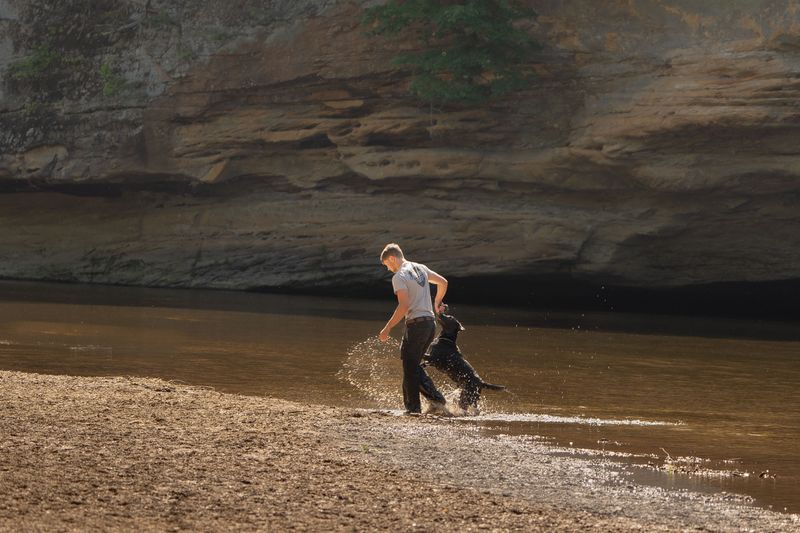
Sudden sprints and loud yelling can startle a resting animal. Slow and steady works better for everyone involved.
Face the alligator, keep your dog tucked beside your leg, and walk backward in measured steps. No shouting, no running, no fast turns.
Alligators usually want nothing to do with people. Trouble tends to start when a dog wanders close to the bank.
Once you have real space, turn and head out normally.
4. Keep at Least 20 to 30 Feet Away
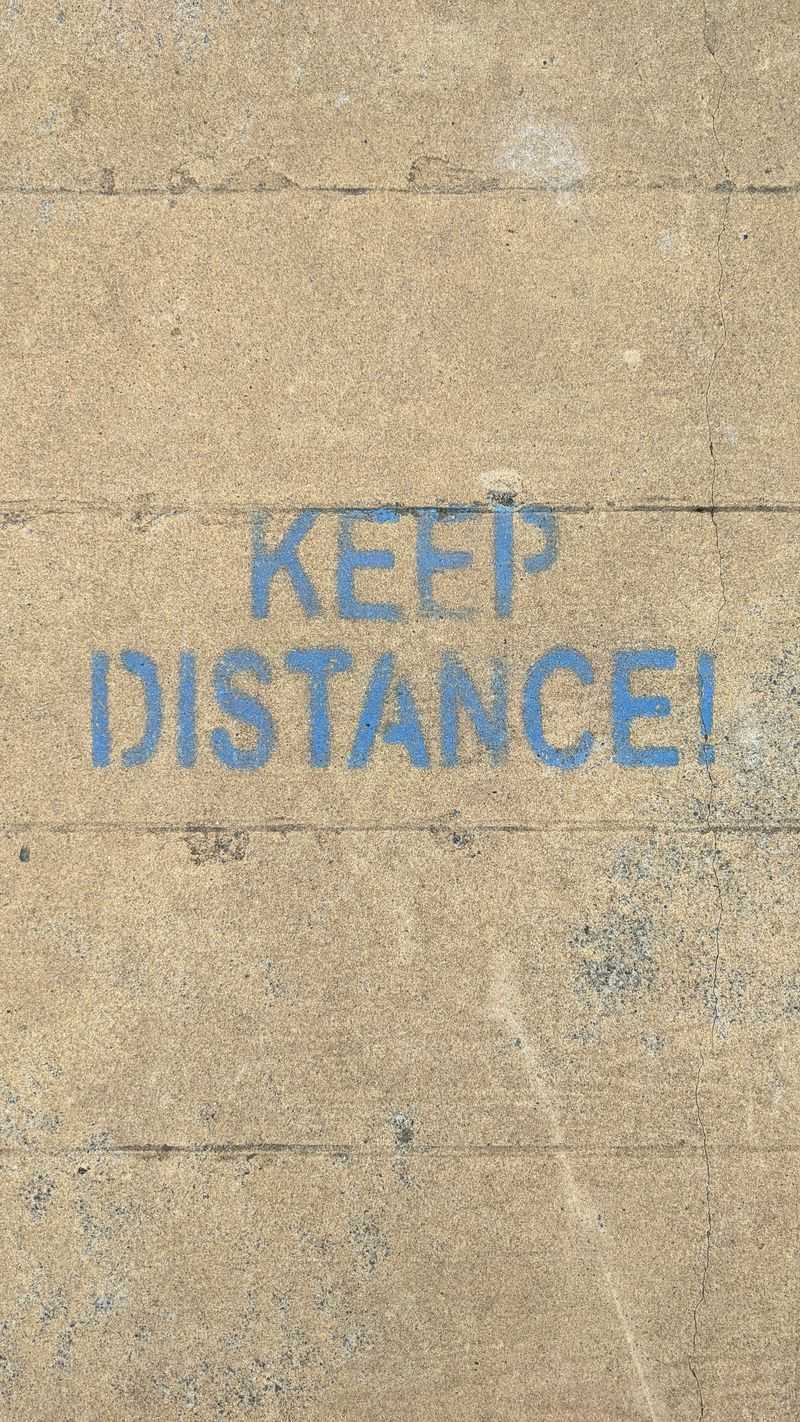
Wildlife experts commonly suggest a buffer of at least twenty to thirty feet. Sixty feet is even better when the ground allows it.
That sunbathing posture fools people constantly. A resting alligator can cover short ground faster than it looks capable of.
Measure the gap in car lengths if that helps you picture it. Two full cars is a reasonable minimum.
Generous space costs you nothing and removes almost all the risk.
5. Leave Immediately if the Alligator Hisses
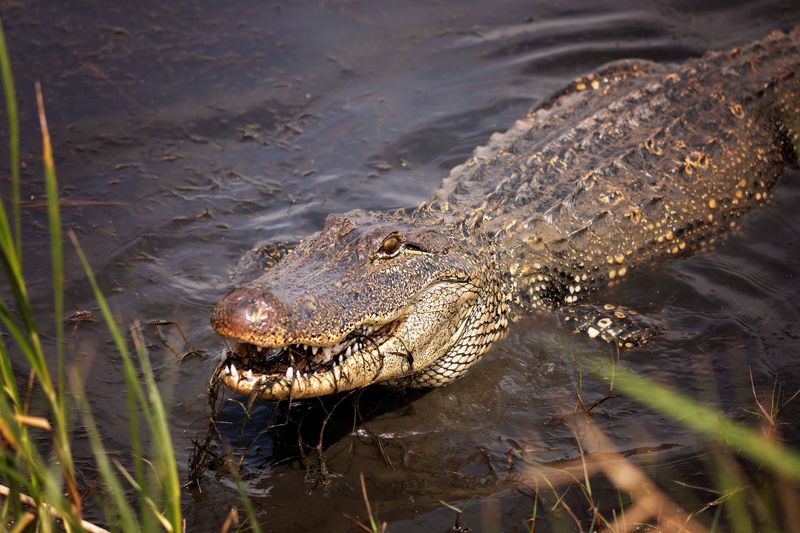
A hiss is not background noise. It is a direct message that you have crossed a line.
Lunging, mouth gaping, or a low hiss all mean the same thing: you are too close. Take it seriously the first time.
Gather your dog and exit the area without hesitating or looking for a better angle.
Owners who respect that warning almost never have a second problem. Wildlife tends to give notice before anything else happens.
6. Do Not Let Your Dog Investigate the Alligator
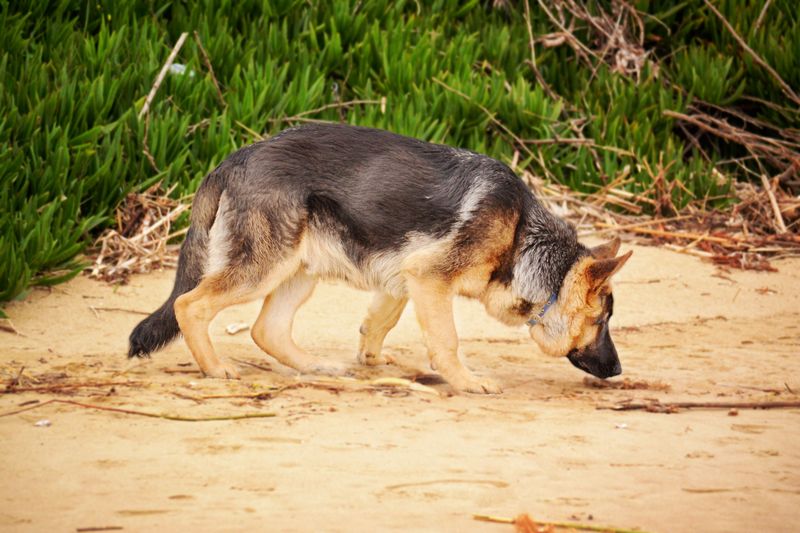
Curiosity is adorable in a backyard and risky at a bayou. Sniffing noses and wagging tails do not read danger signs.
To an alligator, a dog looks similar to the small animals it naturally hunts. There is no distinction between pet and prey.
Dogs also sit low to the ground, which puts them right at eye level with trouble.
Redirect with a treat, a cue, or a quick turn and keep moving.
7. Never Let Your Dog Enter the Water
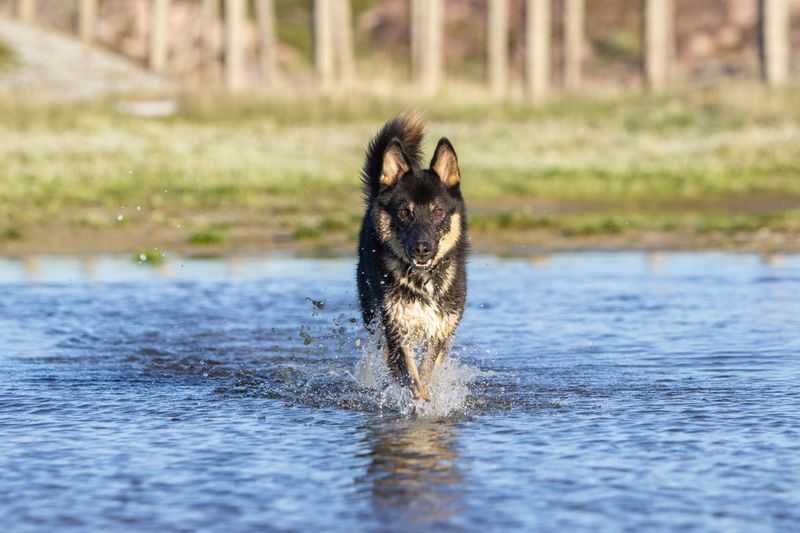
Plenty of Mississippi water looks perfectly inviting on a hot day. Looks are not a safety check.
Alligators rest just below the surface with only nostrils showing, and they hide beautifully among logs and lily pads. You may see nothing at all.
Water gives the alligator every advantage and takes yours away. Swimming is simply not worth the gamble in gator country.
Offer a kiddie pool, a hose, or a sprinkler at home instead.
8. Keep Your Dog from Drinking at the Shoreline
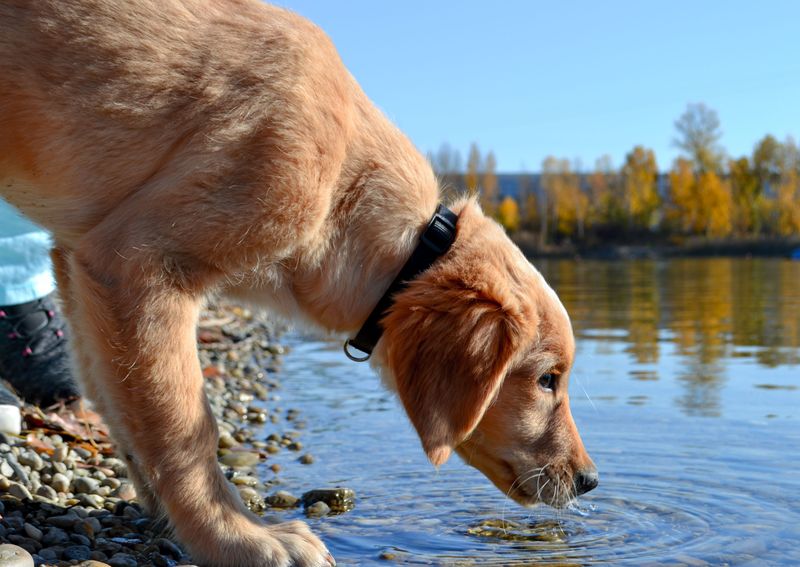
Thirsty dogs head straight for the nearest water. That instinct puts them exactly where you do not want them.
Alligators often wait in shallows for animals coming down for a drink. Any splash reads as an opportunity.
Carry a collapsible bowl and fresh water on every walk near ponds or bayous. Offer it before your dog even asks.
One small piece of gear removes a whole category of risk.
9. Keep Small Dogs Especially Close

Little dogs face extra risk, and size is the reason. Their movement and splashing resemble raccoons or possums.
Use a very short lead near water, or pick your dog up when you pass a tricky stretch of bank.
Toy breeds also dart quickly and unpredictably. A harness with a snug fit prevents any slip-out surprises.
Owners of small dogs tell me the carrying trick becomes second nature fast.
10. Resist the Urge to Scare or Chase It Off
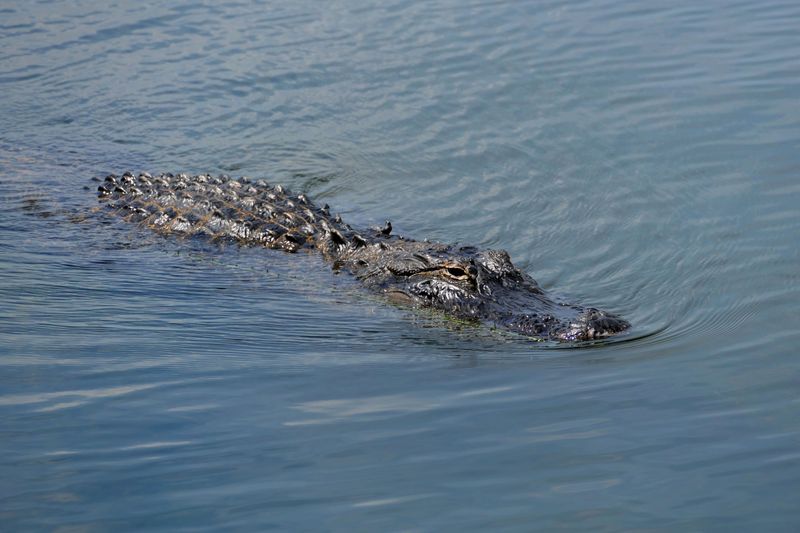
Some folks think a shout or a thrown stick solves the problem. It usually makes things worse.
Taunting, teasing, or chasing counts as harassing wildlife, and it can strip an animal of its natural wariness toward people.
Objects tossed at an alligator may provoke a reaction rather than send it away. Nobody benefits from that outcome.
Quiet retreat is the strategy that works. Let the animal keep its healthy caution about humans.
11. Never Try to Move or Handle an Alligator
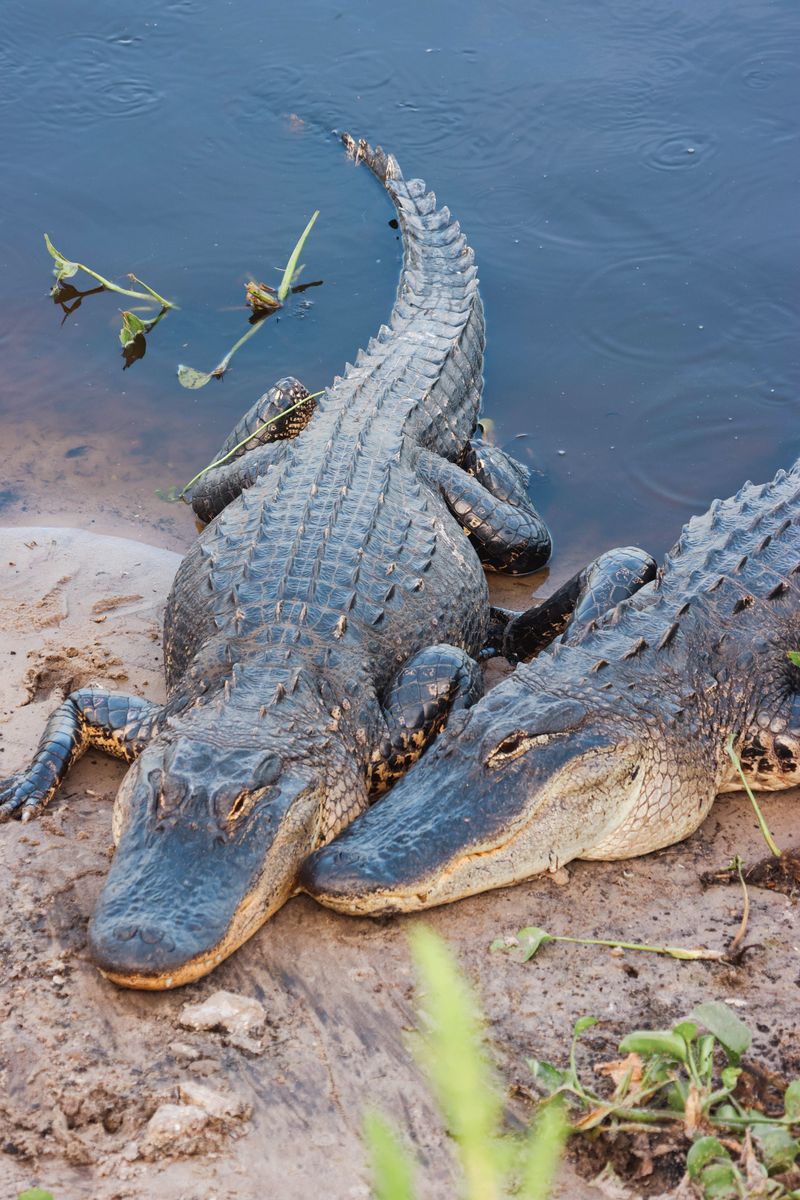
Videos make it look manageable. Real life is a different story entirely.
Alligators are powerful wild animals, and untrained handling can lead to significant harm. Even a small one is stronger than it appears.
Mississippi handles this through professionals. The Department of Wildlife, Fisheries, and Parks authorizes designated agent trappers for nuisance animals.
Your job is distance and a phone call. Leave the rest to people with training and permits.
12. Give Extra Room Near a Nest or Hatchlings
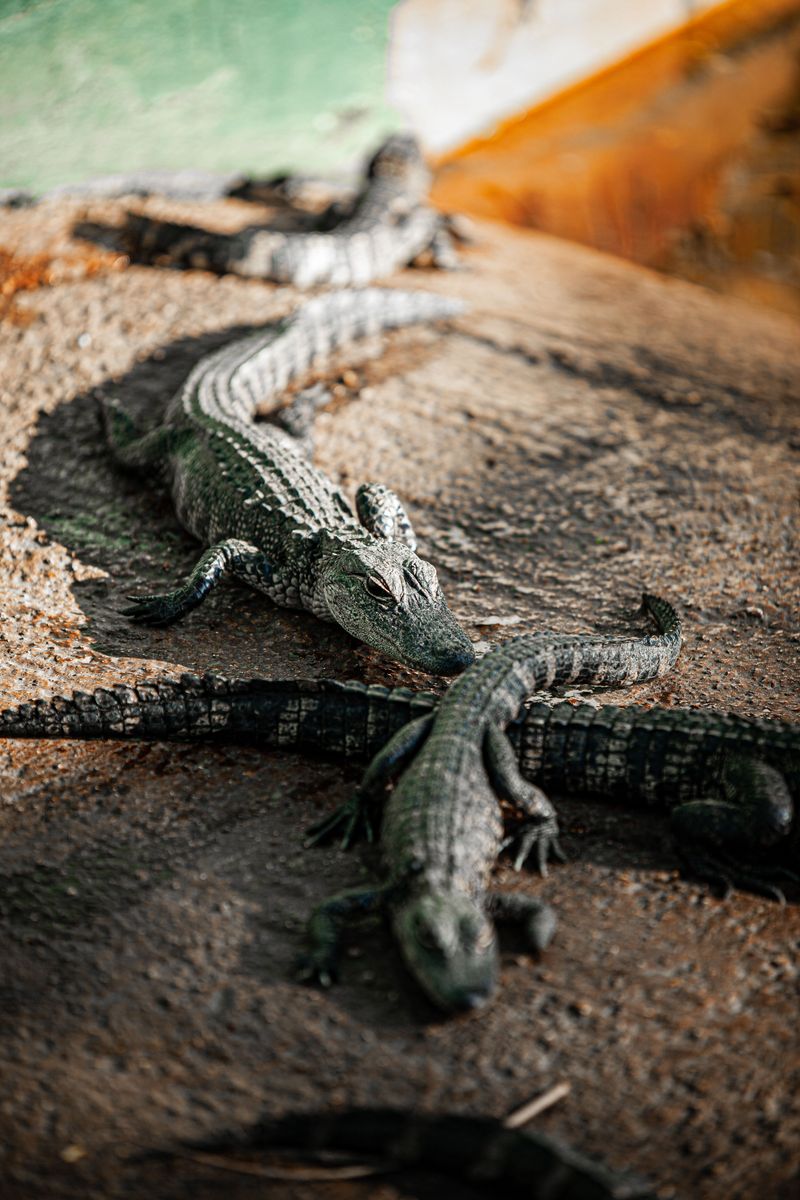
Summer changes the rules a bit. Mother alligators guard nests and young with real determination.
Nesting generally runs from early June into mid-July, with hatching around late August into early September. Defensiveness peaks during those weeks.
Small chirping sounds near the bank may mean hatchlings are close, and a protective female is likely nearby.
Hearing that, back off widely and pick a different route without pausing to look.
13. Turn Around When the Path Gets Too Tight
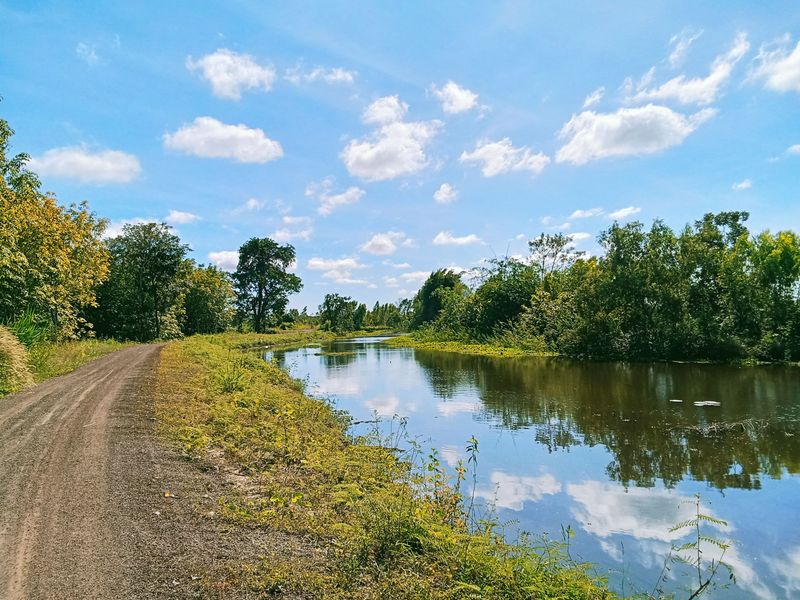
Narrow levee paths and boardwalks sometimes leave no comfortable margin. That is your cue to change plans.
If passing means coming within a few strides of an alligator, the walk ends there. Turn around and head back the way you came.
No trail is worth squeezing past a wild animal. Retracing your steps costs a few minutes at most.
Save the loop for another day and pick a drier route.
14. Skip the Photo Opportunity
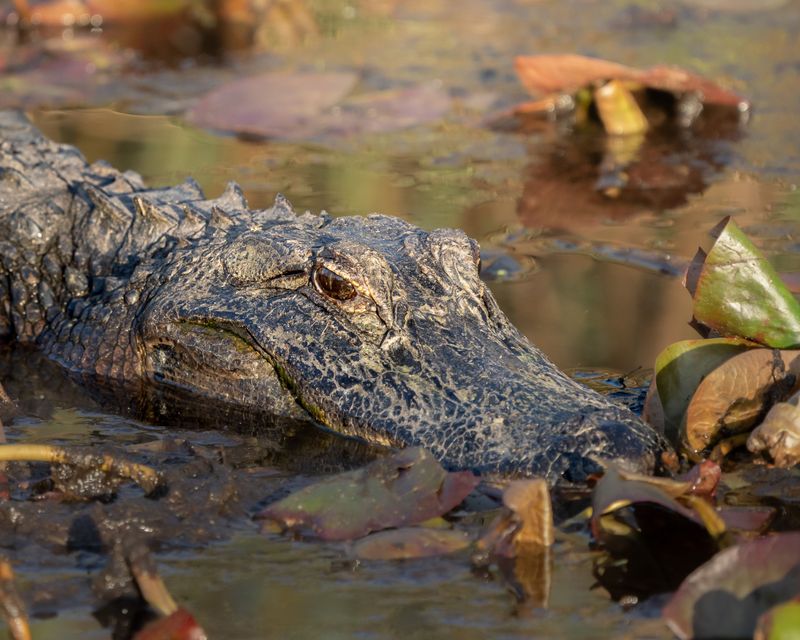
That perfect shot tempts almost everyone. Step closer for it and the risk climbs fast.
Use zoom instead of your feet. Modern phone cameras and a little cropping do plenty from a safe spot.
Lingering also keeps your dog in a place it should be leaving. Attention spans slip when people focus on screens.
Alligators need space, not selfies. Watch briefly from far away, then carry on with the walk.
15. Keep Food and Fish Scraps Away from the Bank

Picnic leftovers and fish cleanings do real damage over time. They teach alligators that people mean food.
An animal that links human activity with an easy meal starts hanging around docks and shorelines. That is how conflicts begin.
Pack out scraps in a sealed container and rinse cleaning stations if the site allows it. Keep dog treats bagged too.
Clean banks stay boring to wildlife, and boring is exactly what you want.
16. Never Feed an Alligator
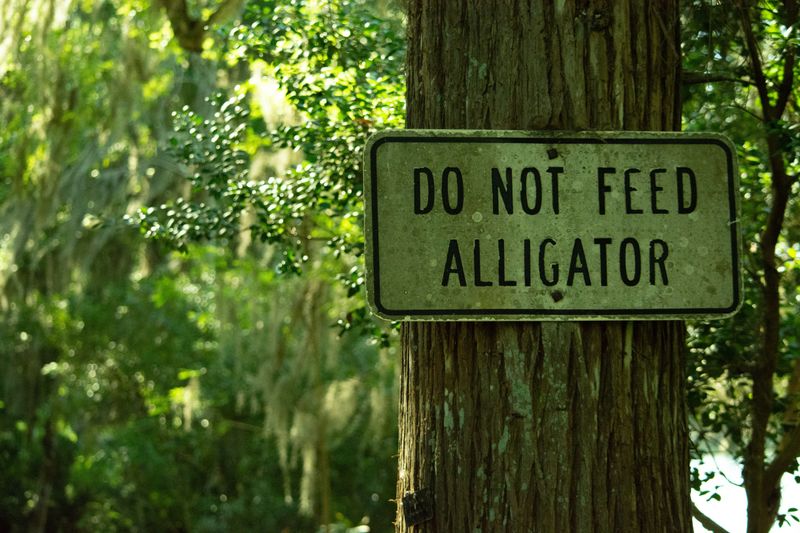
Feeding wildlife feels generous. With alligators it is illegal in Mississippi and genuinely harmful.
Fines of up to one hundred dollars are associated with the offense. Confirm current details with state wildlife officials if you need specifics.
Fed alligators lose their natural caution and begin approaching people and pets. That change is difficult to reverse.
Tossing a single sandwich crust counts. Keep every bite for yourself and your dog.
17. Be Extra Careful at Dusk and Dawn

Low light shifts the odds. Alligators are most active around dusk and dawn.
Dim conditions also make it harder for an animal to tell a pet from ordinary prey. Shapes blur near the waterline.
Shift those walks to sidewalks, streets, or open fields well away from ponds. Save shoreline strolls for bright midday.
Add a clip-on light to your dog’s collar so you can always see where those paws are heading.
18. Treat an Approaching Alligator as a Red Flag
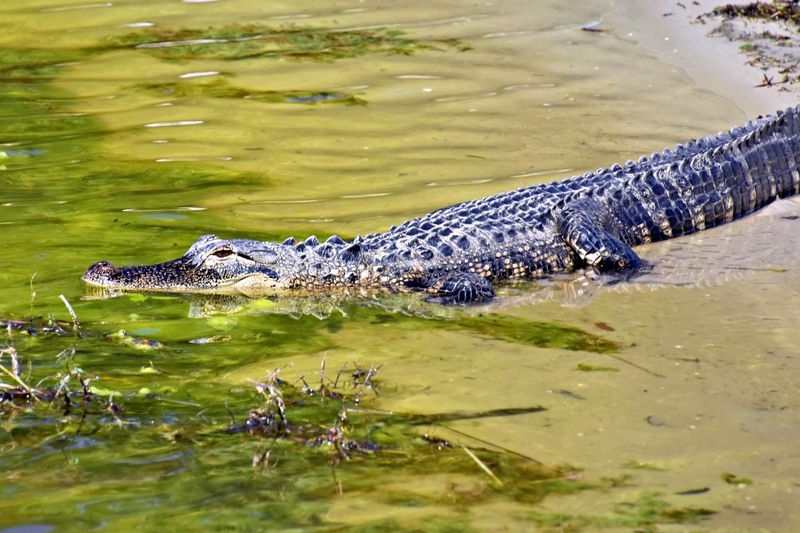
Normal alligators keep to themselves. One that comes toward people is telling you something important.
That boldness usually means it has been fed at some point and no longer fears humans. Such an animal deserves serious caution.
Do not stand still to see what happens. Gather your dog, retreat steadily, and get well clear of the area.
Then make a report so neighbors and their pets know what to expect.
19. Report an Alligator That Poses an Ongoing Threat
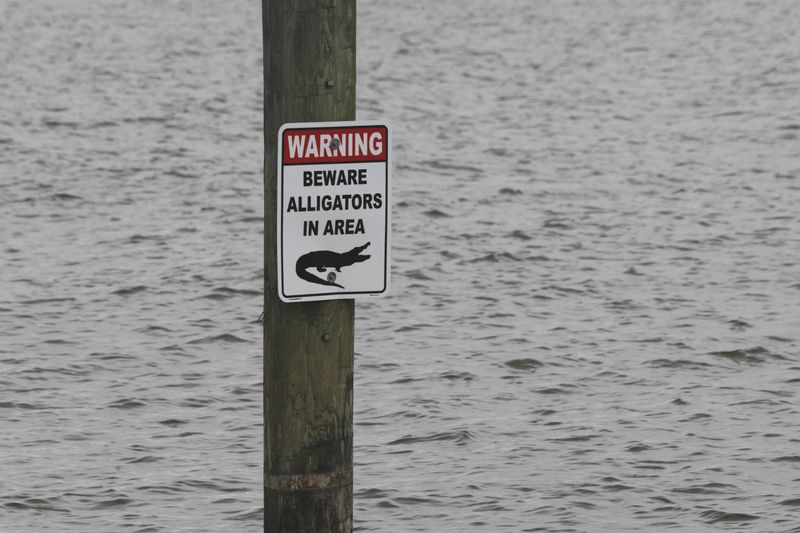
Some situations need official help. An animal lingering near homes, blocking a walking path, or approaching people may qualify as a nuisance alligator.
In Mississippi, contact your local MDWFP district office or call 1-800-BE-SMART. Designated agent trappers handle these cases.
Note the location, size, and behavior before you call. Details help responders act quickly.
Local rules can vary by city or county, so ask animal control if you are unsure.
20. Get Urgent Veterinary Care After Any Contact
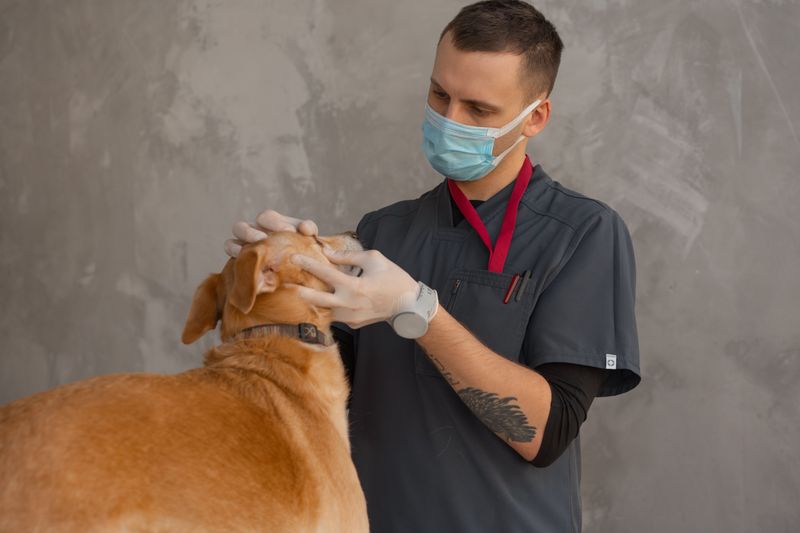
Any physical contact is an emergency, even a scrape that looks minor. Call ahead and drive straight to a vet or emergency clinic.
Move your dog somewhere safe first. Apply gentle pressure to any injured area with a clean cloth and keep your dog still and calm.
Skip home remedies and never give human pain medicine. More serious injuries need professional cleaning and veterinary treatment.
Keep an emergency clinic number saved in your phone before you ever need it.