What To Do If A Copperhead Appears Near Your Dog In North Carolina
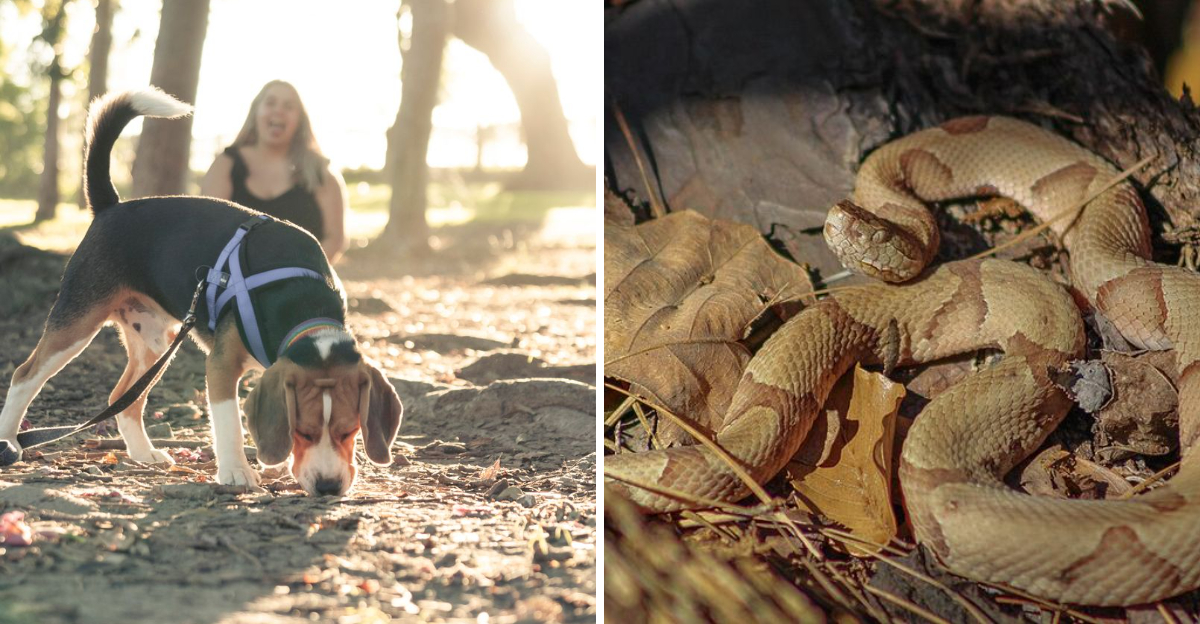
Copperheads are common across North Carolina, from Charlotte backyards to mountain trails near Asheville. Most dog owners meet one eventually, usually during an ordinary evening walk or a quick trip outside.
The good news is that a calm, informed response makes a real difference. Knowing what to do, and what to skip, keeps both you and your dog safer.
Here is a practical, friendly guide every local owner should keep in mind before warm weather arrives.
Stay Calm and Keep Your Dog Close
Your first instinct might be to shout or yank the leash. Slow, quiet movement works far better.
Copperheads react to vibration and sudden motion, not to calm humans walking away.
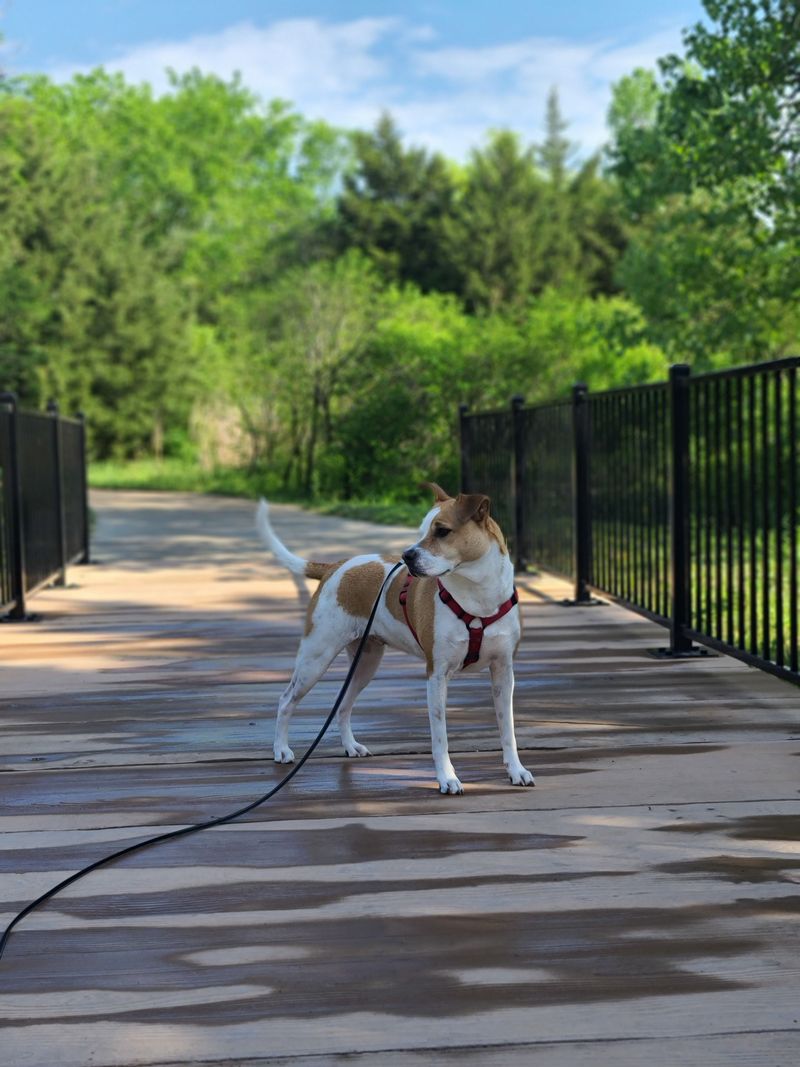
Shorten the leash, speak softly, and step backward together. Give the snake as much room as your yard or trail allows.
Dogs read our energy quickly. A steady handler often keeps a curious pup from lunging toward trouble.
Do Not Let Your Dog Investigate the Snake
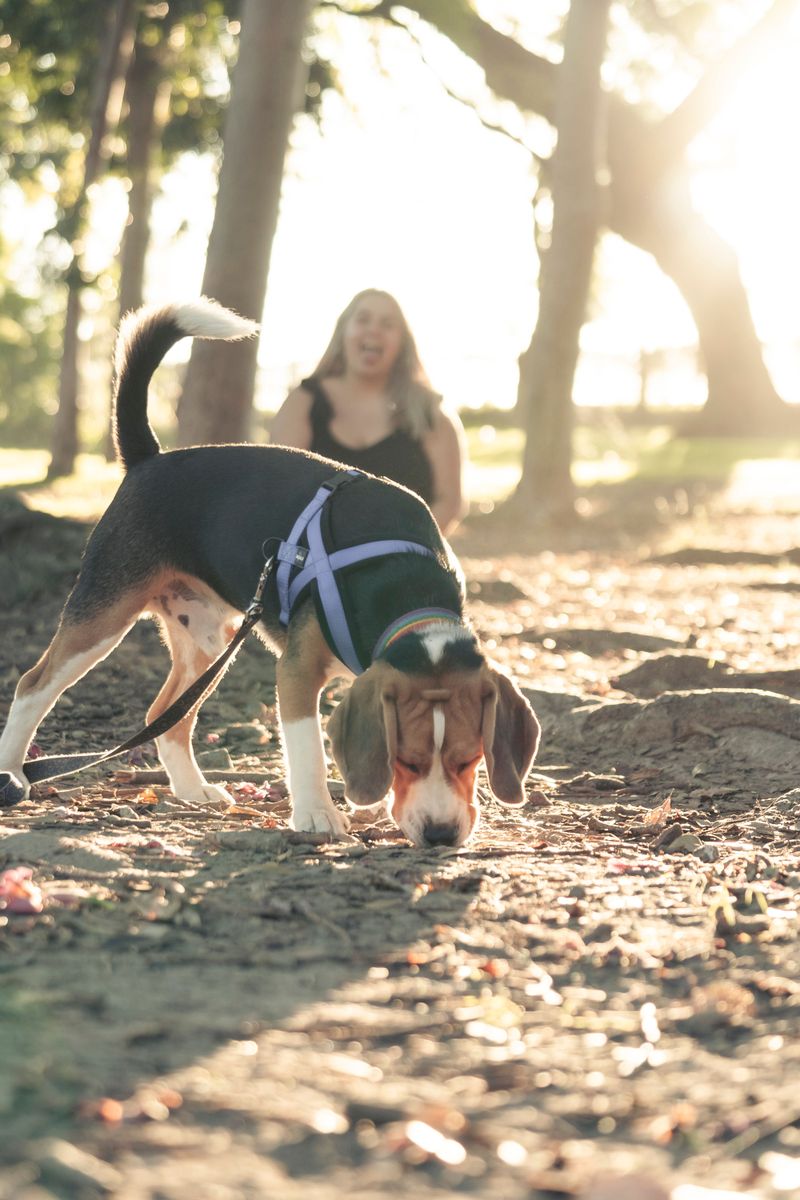
Noses lead dogs into most snake encounters. Sniffing, pawing, and barking all read as threats to a resting copperhead.
Keep the leash short and turn your dog physically away from the area. A treat or favorite toy can redirect attention faster than commands alone.
Off-leash dogs face the highest risk here. In snake season, a leash is simply the smarter choice on wooded North Carolina paths.
Give the Copperhead an Escape Route
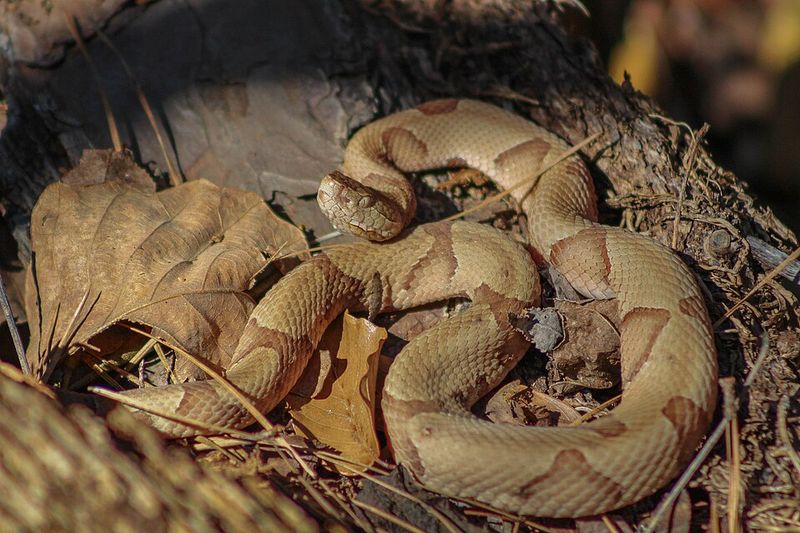
Snakes want distance as much as you do. Blocking a copperhead with a rake, hose, or your body only raises tension.
Back off and let it slide toward cover on its own. Most move along within minutes when nobody crowds them.
Watch from a window if you can. Knowing which direction it traveled helps you decide when the yard is comfortable again.
Keep Children and Other Pets Away
A crowd around a snake makes everything harder. Call kids inside first, then secure any other pets in the house or a closed room.
Explain calmly why everyone is going indoors. Panic spreads fast among children and animals alike.
Cats and small dogs are especially quick to slip past open doors. Latch gates and check the deck steps before anyone returns outside.
Do Not Try to Kill or Handle the Snake
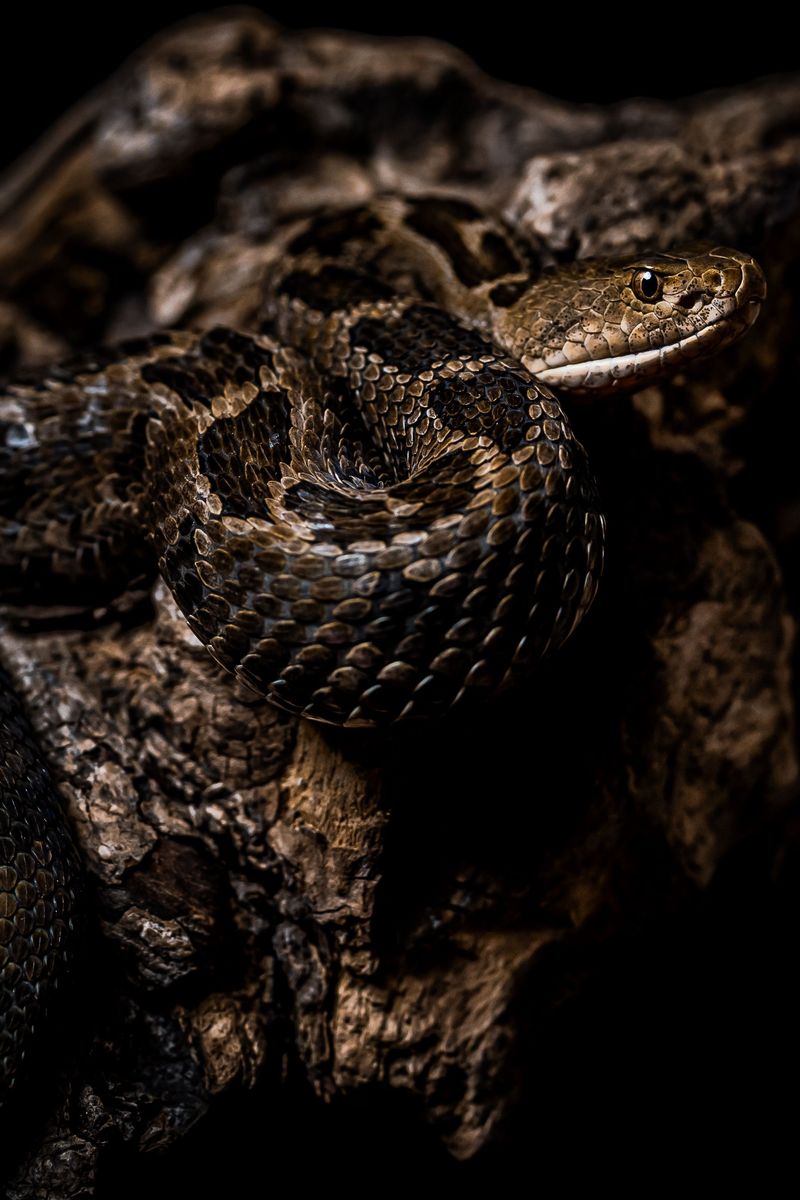
Many bites happen when people try to remove a snake themselves. Shovels, sticks, and grabbing attempts put your hands close to a defensive animal.
Step back instead and call for help. Local animal control, county services, or a licensed wildlife removal company can advise you.
North Carolina protects most native snakes under state wildlife rules. Confirm specifics with the state wildlife agency or your county animal services office.
Know Where Copperheads Hide Around Homes
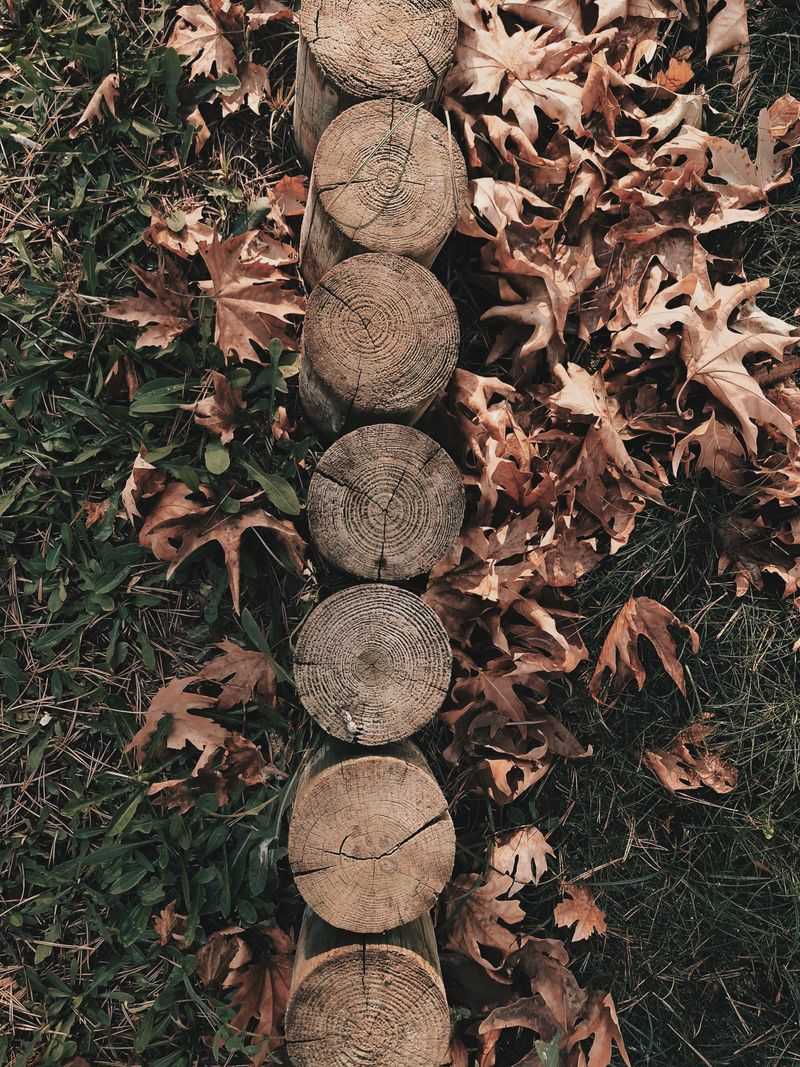
Copperheads favor cover, warmth, and easy hunting. Woodpiles, flat rocks, ivy beds, deck skirting, and damp leaf piles all fit the description.
Learn your property’s shady corners so you can steer your dog elsewhere. Fun fact: their coppery hourglass pattern blends beautifully with fallen oak leaves.
Before evening potty breaks, flip on the porch light. Visibility does more for safety than almost anything else.
Watch Your Dog Closely After the Encounter
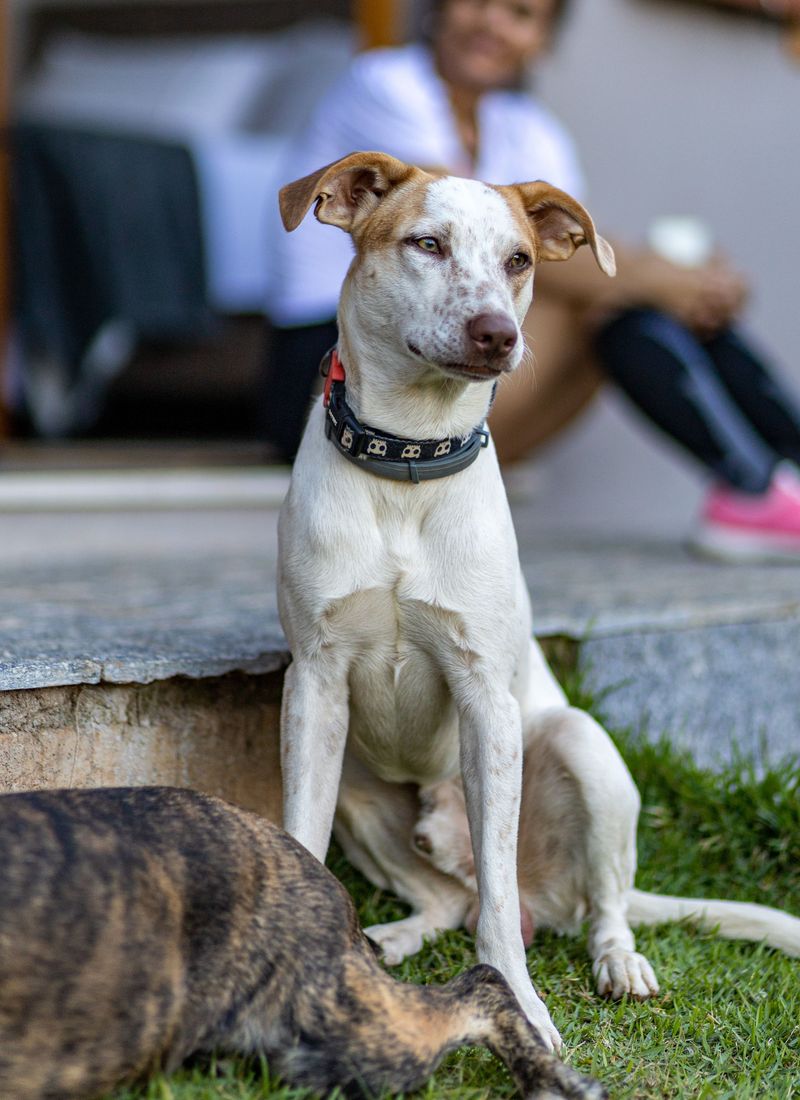
Some contact happens in a blink, hidden by fur and tall grass. Even if you saw nothing, stay observant for several hours.
Check the muzzle, lips, and front legs under good light. Look for swelling, dampness, or a spot your dog keeps licking.
Behavior tells you plenty too. Sudden quietness, restlessness, or refusing dinner deserves a call to your veterinarian.
Learn the Signs of a Possible Snakebite
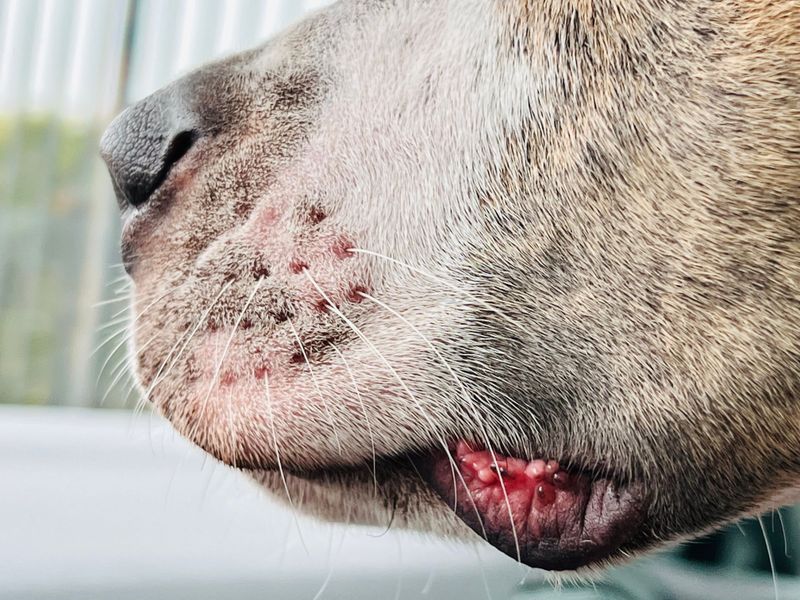
Swelling is usually the earliest clue, often around the nose or a front leg. You might also spot small puncture marks, bruising, or light bleeding.
Other signs include limping, drooling, trembling, weakness, or unusual stillness.
Facial puffiness stands out quickly because dogs investigate with their faces. Snap a quick photo, since swelling can change fast and helps your veterinary team.
Treat a Suspected Bite as an Emergency
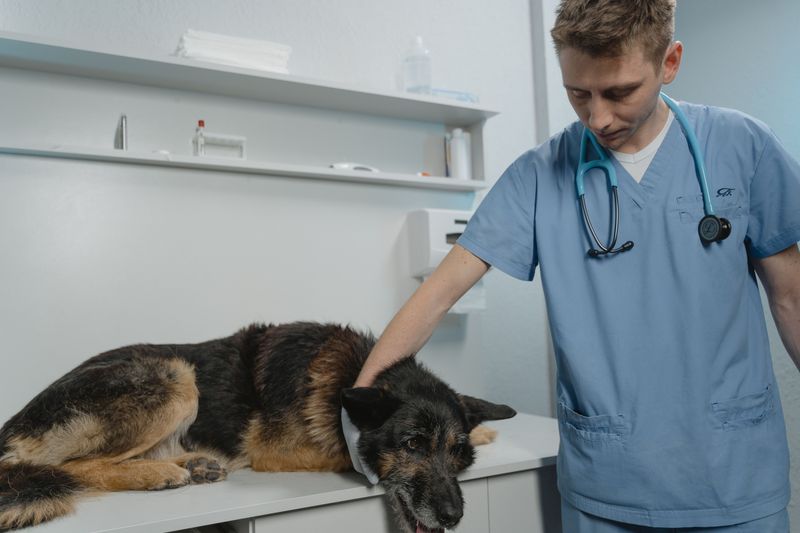
Time matters more than certainty. If a bite seems possible, contact a veterinarian right away rather than waiting to see what develops.
Symptoms can worsen over hours, and early care gives your veterinary team more options.
Know your nearest 24 hour emergency hospital before you ever need it. Many North Carolina towns have one, though rural areas may require a longer drive worth planning ahead.
Keep Your Dog as Calm as Possible
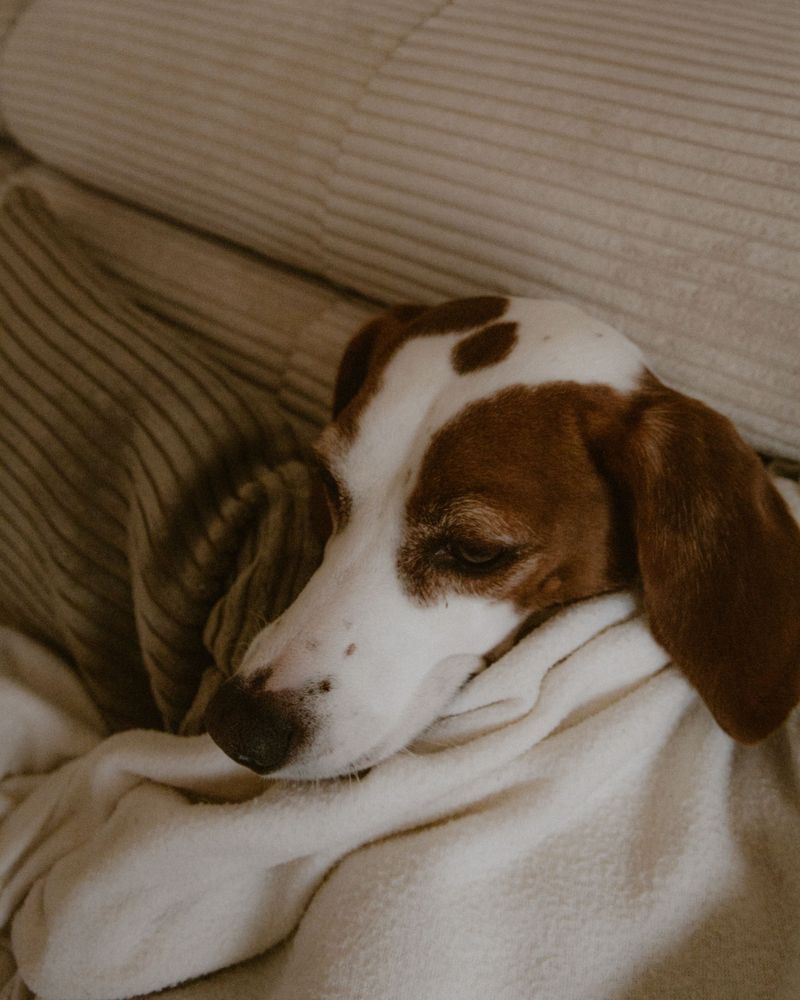
Excitement raises heart rate, and a racing heart moves venom through the body faster. Quiet is genuinely part of the treatment.
Set your dog on a blanket, lower your voice, and skip the frantic hugging. Discourage walking, jumping, or stair climbing.
Carry smaller dogs when you can. For large breeds, use a flat board, sturdy blanket, or a second person to help.
Do Not Cut the Bite or Try to Suck Out Venom
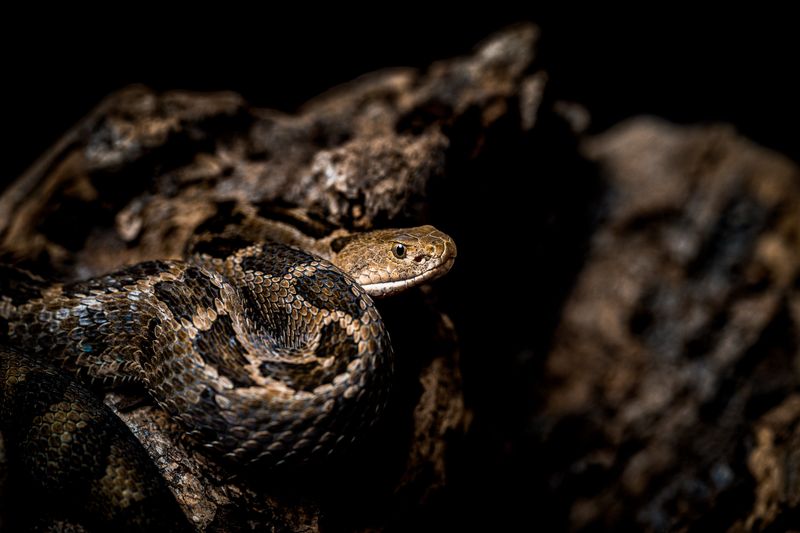
Old movie tricks cause real problems. Cutting the wound, suctioning, applying ice, or tying a tourniquet can damage tissue and delay proper treatment.
Skip alcohol wipes, human medications, and internet remedies too. Pain relievers meant for people are unsafe for dogs.
What actually helps is simple: keep the wound clean, keep your dog still, and get professional care moving as quickly as possible.
Call Your Veterinarian Before Heading Out

One short phone call saves precious minutes. The clinic can pull supplies, ready a treatment room, and meet you at the door.
Describe what you saw, when it happened, and how your dog is acting. Staff may guide you on positioning during the ride.
Follow their instructions exactly. Advice from a professional who knows your dog beats anything found in an online forum.
Transport Your Dog Safely
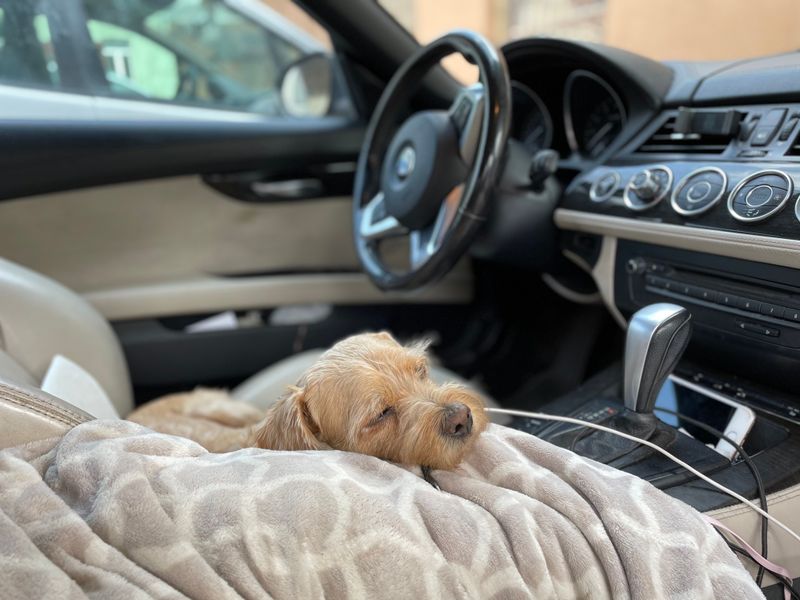
Let your dog do as little work as possible. Lift, carry, or slide rather than encouraging walking to the car.
Support the body evenly and try to keep the affected limb lower than the heart if that is comfortable.
Drive steadily, keep music low, and have someone sit alongside to offer quiet reassurance. A settled ride makes arrival easier for everyone.
Do Not Try to Identify the Snake Up Close
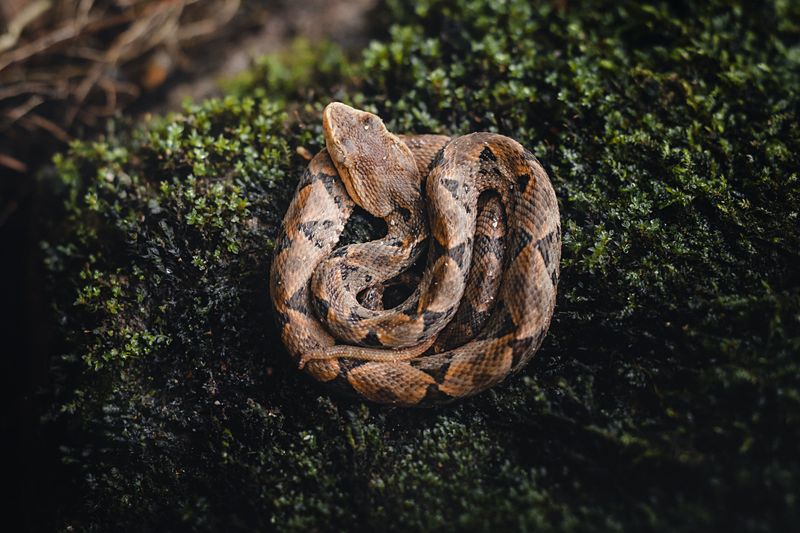
Veterinarians in North Carolina treat pit viper bites without needing the snake in hand. Approaching for a better look adds risk for no real gain.
If you noticed a coppery head, hourglass bands, or a stout body, mention it later.
A zoomed phone photo from well back is plenty. Never bring a snake, alive or otherwise, to the clinic.
Check Your Yard for Snake-Friendly Hiding Spots
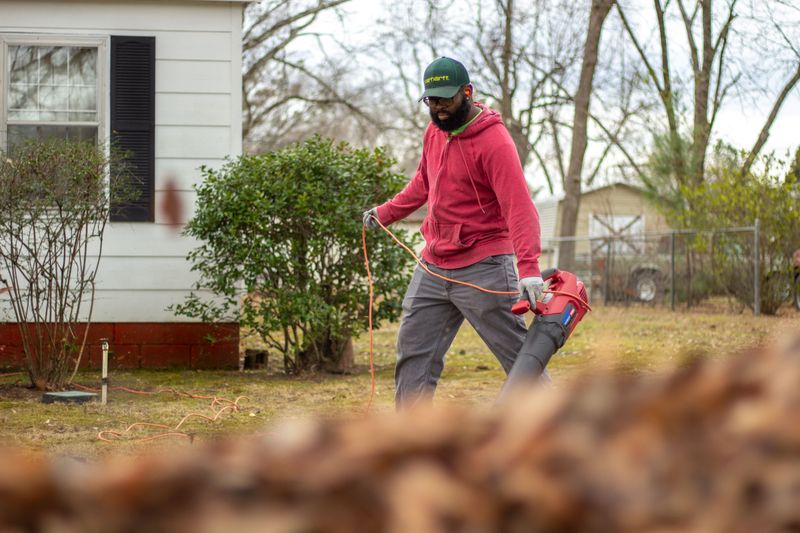
Once things settle, walk your property with fresh eyes. Copperheads stay where food and shelter overlap, so tidying changes the invitation.
Trim grass short, clear leaf piles, stack firewood off the ground, and close gaps under decks or sheds.
Controlling rodents matters just as much, since mice draw snakes in. Repeat the walkthrough each spring, and warm weather outings will feel far more relaxed.