15 Working Dog Breeds Suited To Florida Horse Country And Rural Acreage
A good farm dog needs more than room to run when horses, summer storms, and Florida heat share the pasture. The right match depends on your chores, fences, and time for training, not just a handsome face beside the barn.
Some breeds love moving livestock, while others prefer watching over their home ground. Finding that fit makes rural life safer, smoother, and a whole lot more fun.
1. Australian Cattle Dog: A Compact Chore Partner
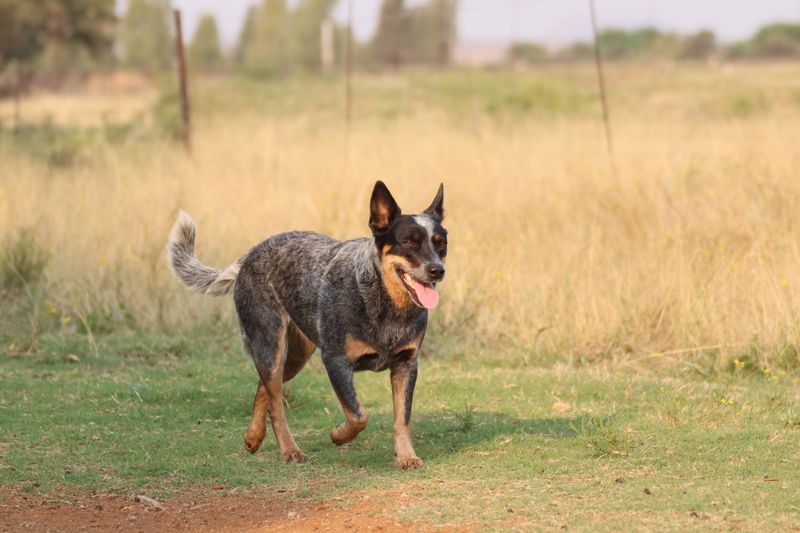
Morning chores rarely bore a dog bred to move cattle across rough Australian ground. Compact and sturdy, this breed enjoys learning useful tasks and staying close to its person.
Teach a reliable recall before allowing access near horses, since heel nipping can create trouble. Offer puzzle games alongside controlled exercise during cooler hours.
A short coat can simplify grooming, but it does not eliminate the need for shade, water, and rest. Secure fencing helps keep that busy dog safely at home.
2. Australian Shepherd: Brains Beside the Barn
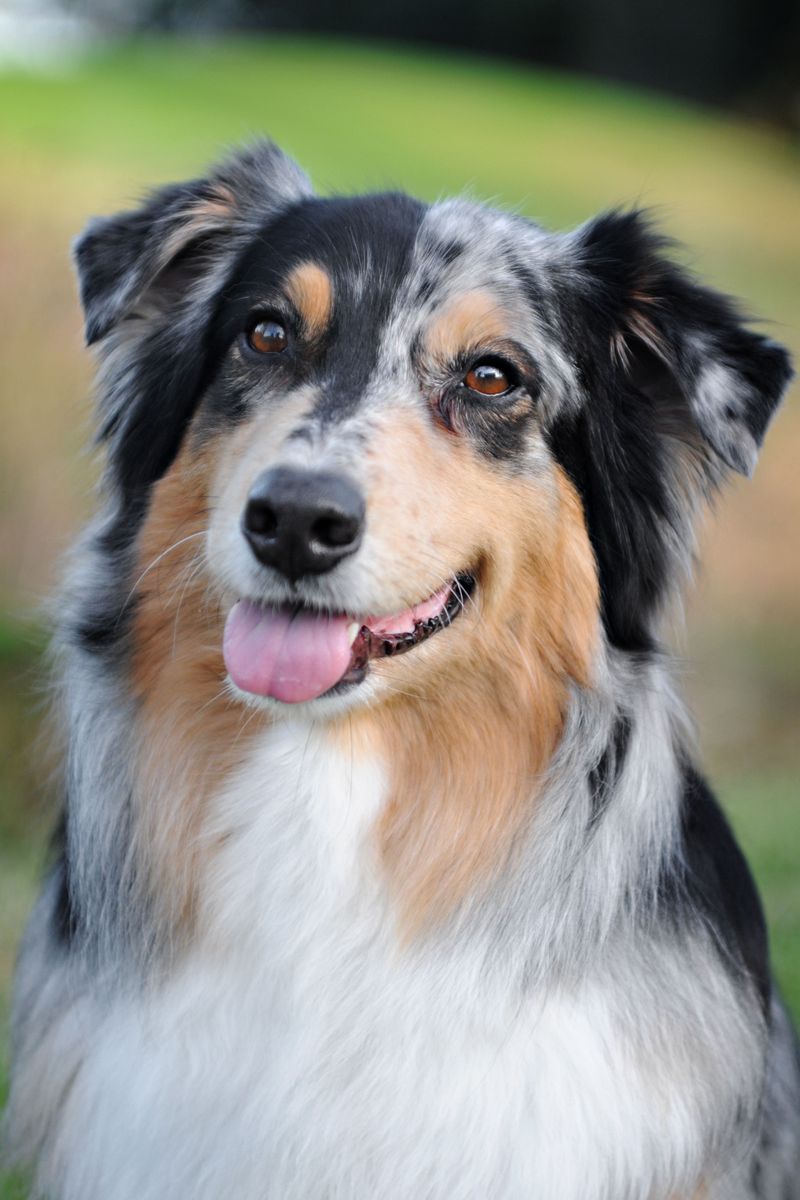
A busy barn offers plenty to notice, and an Aussie usually notices everything. Despite its name, this ranch favorite developed mainly in the western United States.
Its herding background suits owners who enjoy training, games, and clearly assigned jobs. Practice settling quietly while horses pass behind a safe barrier.
Brush the double coat regularly, especially during shedding seasons. Florida afternoons call for indoor breaks, not endless fetch.
Choose temperament carefully; acreage alone will not satisfy it.
3. Border Collie: The Pasture Problem Solver
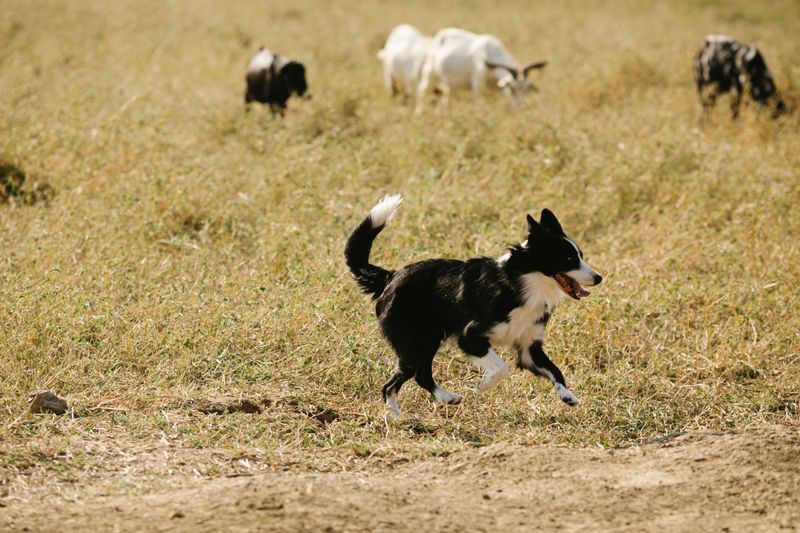
Watching movement is practically a full time hobby for this sharp herding specialist. Sheep work shaped its famous focus, quick responses, and strong desire for direction.
On horse properties, teach calm observation rather than allowing chasing along fence lines. Short training sessions and scent games can provide healthier outlets.
Choose this breed when you genuinely enjoy daily mental work. Plenty of land cannot replace interaction, and sensitive individuals often need help relaxing around bustling barn routines.
4. Catahoula Leopard Dog: Southern Roots, Serious Drive
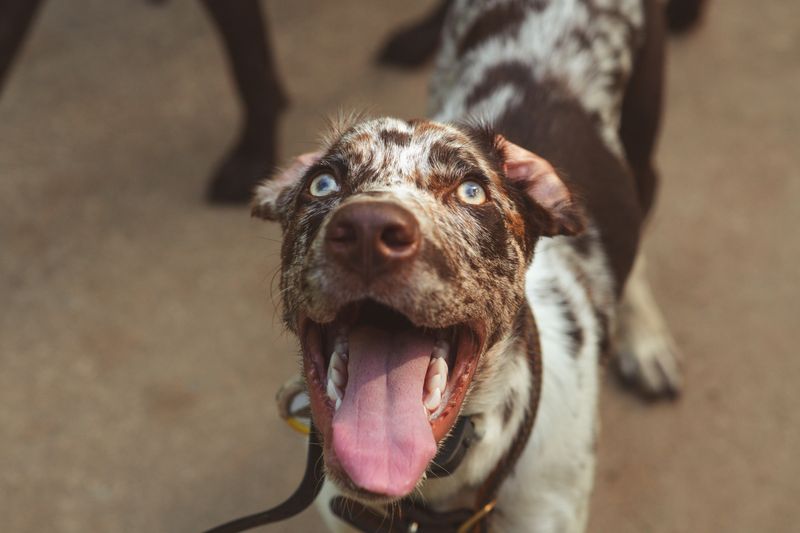
Louisiana roots give this athletic worker a fitting connection to the warm, rural South. Traditionally used for livestock work and hunting, Catahoulas often bring independence and impressive stamina.
That combination needs experienced handling, secure boundaries, and thoughtful introductions to other animals. Never assume a dog will understand horses without patient teaching.
The short coat is practical, though humid weather still demands cooling breaks. Reward calm choices early, and give this capable partner structured jobs instead of roaming.
5. Black Mouth Cur: A Versatile Country Helper
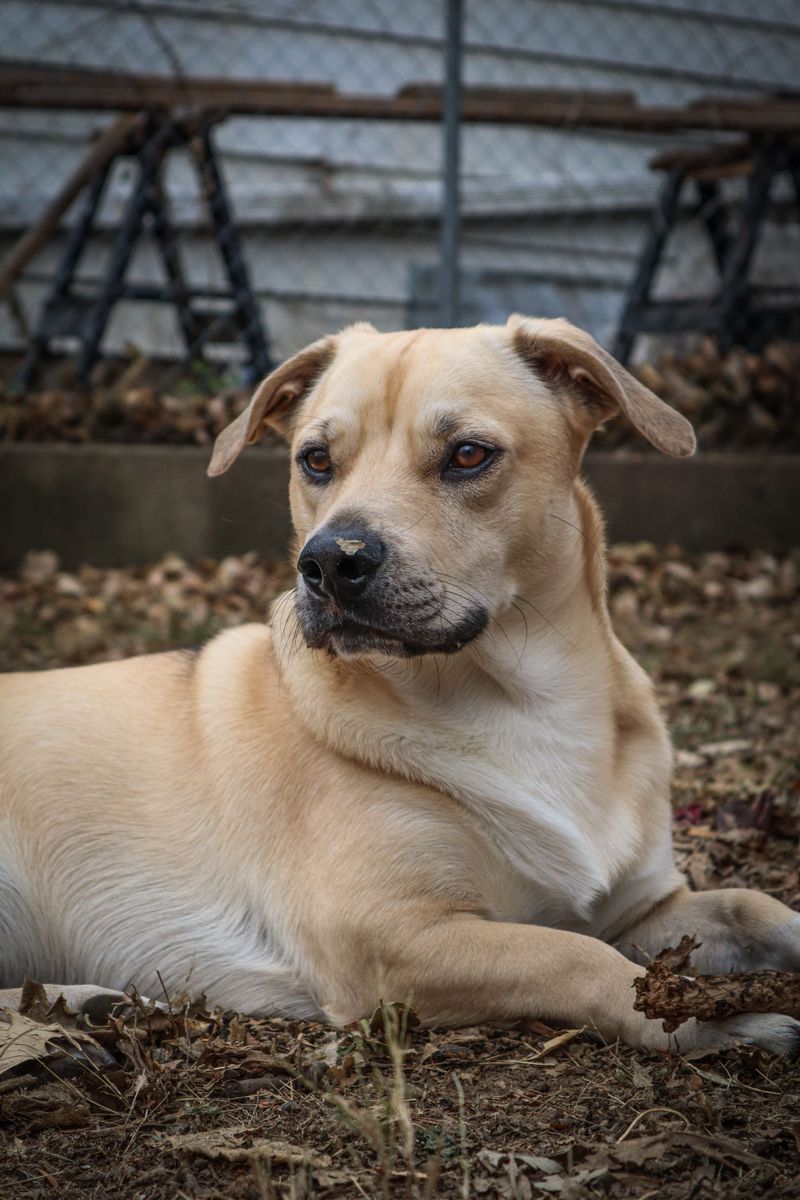
Country practicality comes wrapped in a short coat and that familiar dark muzzle. Black Mouth Curs have Southern working roots, with lines developed for hunting, livestock work, and farm duties.
Temperament varies, so ask breeders about the parents and their actual jobs. Early introductions matter when horses, poultry, or visiting dogs share your property.
Provide consistent training and safe outlets for scent following. A fenced yard beats unsupervised wandering, even when your acreage seems wonderfully spacious.
6. Australian Kelpie: Built for Busy Days
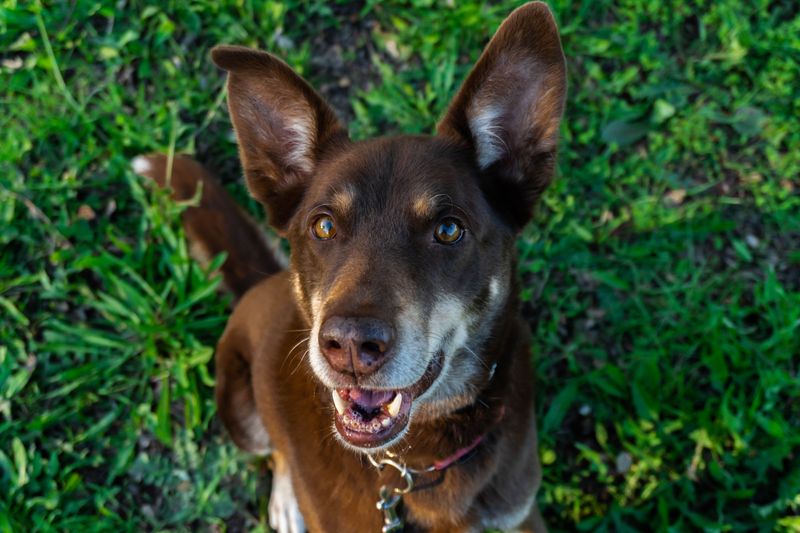
Quick feet and a bright expression hint at this Australian stock dog’s remarkable energy. Kelpies were developed for demanding livestock work, not leisurely afternoons with nothing to do.
Active owners can channel that drive through obedience, herding lessons, and supervised farm routines. Horses should remain separate until calm behavior is dependable.
A manageable coat makes cleanup easy after dusty chores. Still, schedule exercise around Florida heat and humidity.
Think working teammate, not an automatic acreage exercise plan.
7. German Shepherd: A Trainable Farm Companion
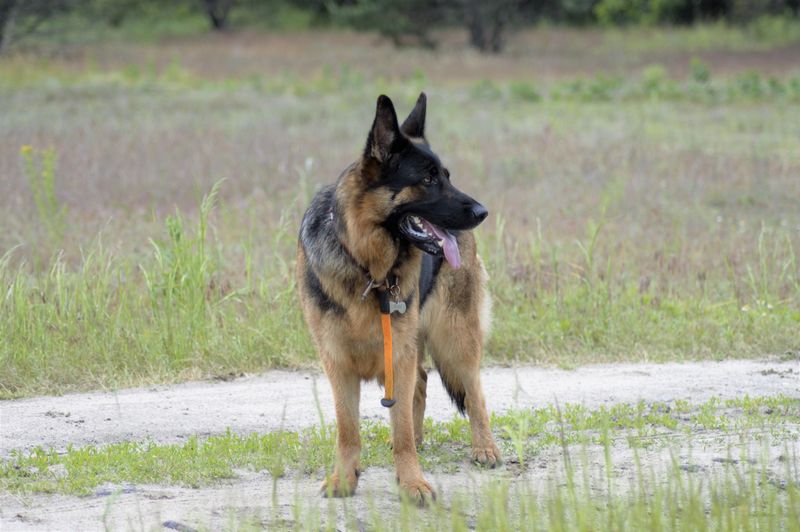
A steady walking partner can make checking gates feel like a shared assignment. German Shepherds often enjoy obedience, tracking, and close teamwork with their people.
Select sound structure and a stable temperament rather than choosing for looks alone. Discuss hip and elbow screening with breeders, and introduce barn activity gradually.
Regular brushing manages shedding, while shaded rest helps during muggy weather. Reward quiet behavior around horses and visitors.
Clear routines make this versatile breed easier to live with.
8. Belgian Malinois: For Dedicated Working Homes
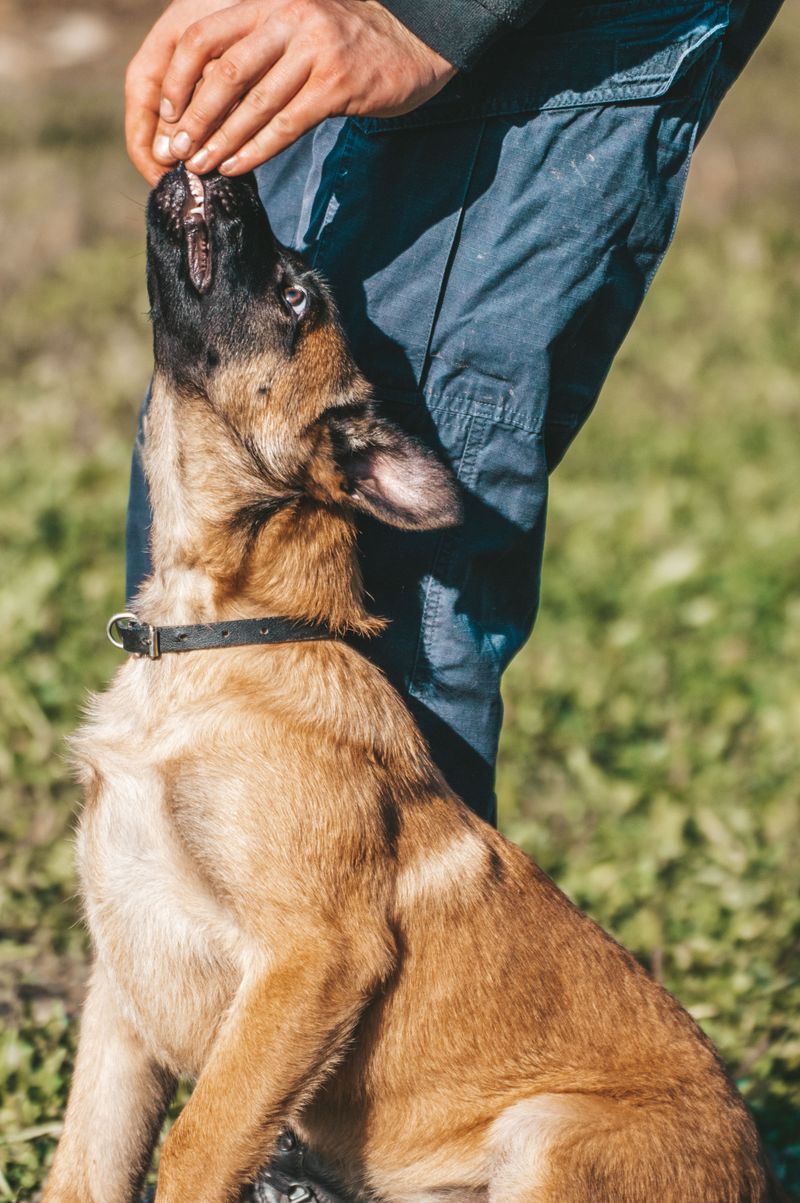
Energy arrives early with this intensely focused Belgian herding breed. A Malinois usually needs skilled training and meaningful work far beyond casual walks around the pasture.
Choose one only if demanding daily practice truly fits your lifestyle. Fast movement from horses can excite chasing, so barriers and controlled introductions are essential.
Its short coat does not prevent overheating during vigorous exercise. Build rest into every routine.
For most relaxed acreage households, a less intense breed makes more sense.
9. Rottweiler: Strength With a Thoughtful Pace
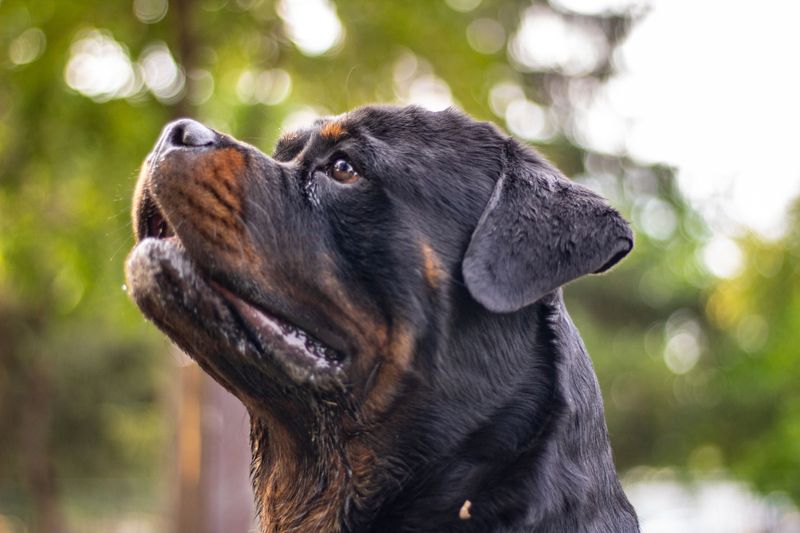
Solid shoulders tell only part of this old cattle driving breed’s story. Rottweilers can enjoy steady teamwork, obedience, and being included in everyday property routines.
Start polite leash manners early, before adult size makes pulling difficult to manage. Friendly exposure to visitors helps support calm behavior around busy barns.
Florida heat deserves special care during exercise, particularly for heavier dogs. Keep them lean and discuss joint health with your veterinarian.
Patient training matters more than physical strength.
10. Great Pyrenees: A Watchful Pasture Presence
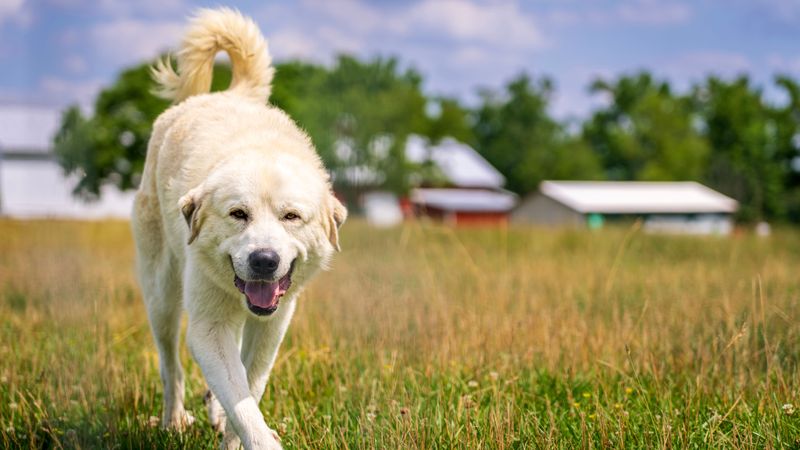
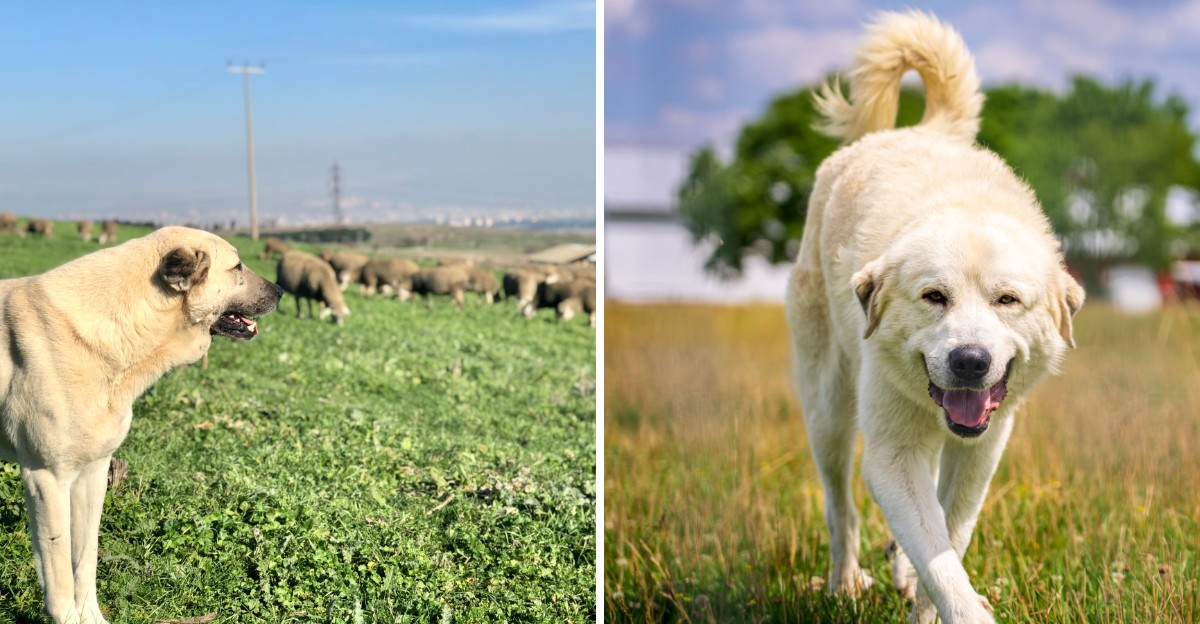
A white coat beside the pasture often signals a livestock guardian, not a herding dog. Great Pyrenees traditionally watch over flocks and make many decisions independently.
Expect barking, especially at night, and discuss nearby neighbors before bringing one home. Reliable fencing is essential because roaming can appeal to these dogs.
The heavy double coat can make heat management especially important in Florida. Provide access to shade, fresh water, and a cool shelter, and ask your veterinarian about appropriate summer care.
Horses alone do not guarantee a suitable guardian job or successful placement.
11. Anatolian Shepherd: An Independent Acreage Watcher
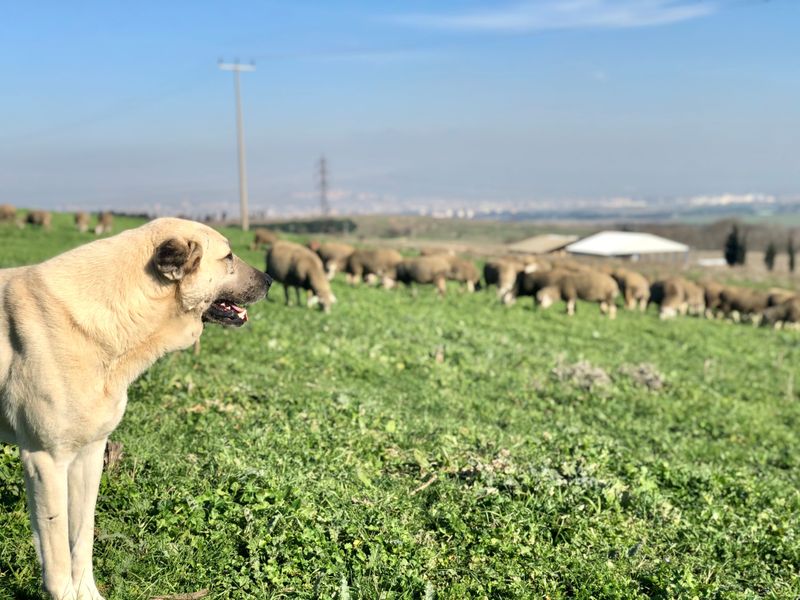
Livestock guardian work shaped the Anatolian Shepherd in Turkey. These large, independent dogs need owners who are comfortable with thoughtful management.
Strong fencing and careful visitor introductions belong on the checklist from day one. Guardian instincts do not automatically translate into safe behavior around every animal.
Arrange supervised livestock introductions and seek guidance from experienced working breeders. Florida humidity still requires shade and cooling options.
This is responsibility, not simply pasture decoration.
12. Dutch Shepherd: A Flexible Training Teammate
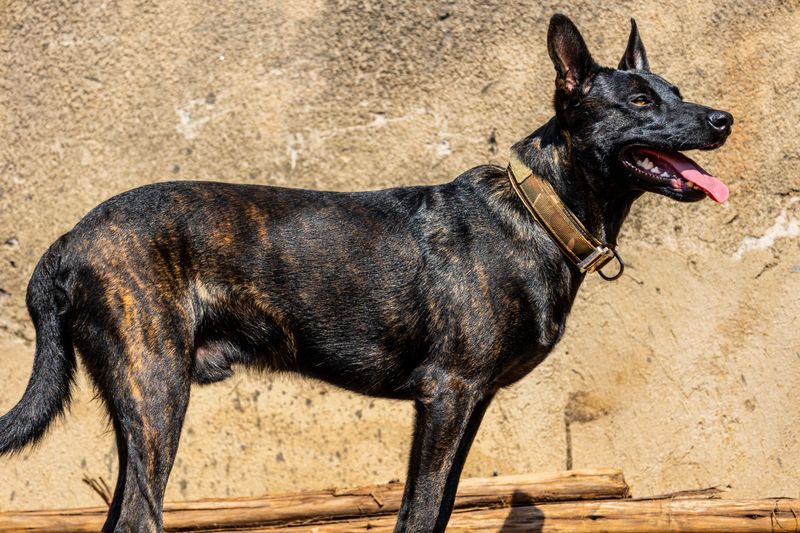
Brindle stripes add flair, but the real attraction is a willing working mind. Dutch Shepherds began as versatile farm dogs in the Netherlands, handling varied rural tasks.
Modern lines differ in drive, so ask about energy levels and household suitability. Practice recalls, gate manners, and quiet waiting before adding distracting barn activity.
Coats come in several types, each with different grooming needs. Keep training upbeat and sessions manageable in humid weather.
A planned routine helps prevent homemade mischief.
13. Beauceron: French Farm Heritage
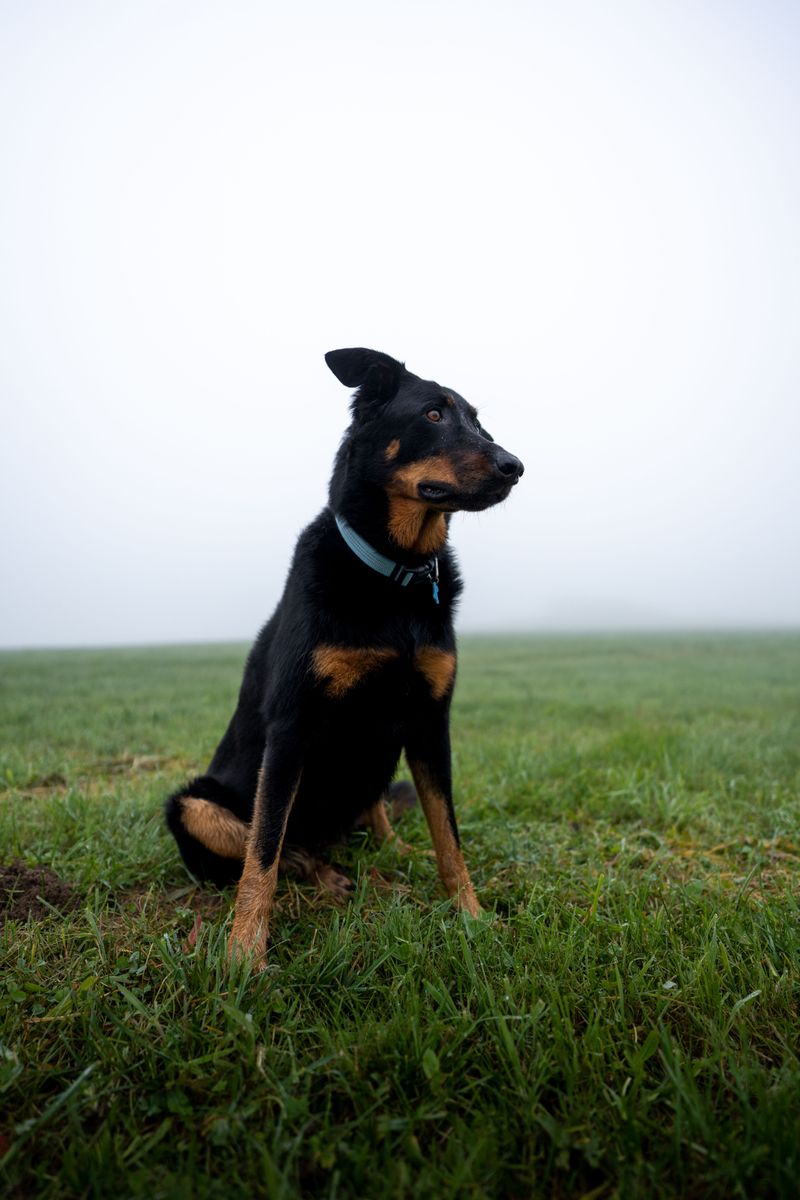
French farm history meets a bold, athletic frame in this distinctive herding breed. Beaucerons traditionally worked with livestock and still tend to appreciate clear direction and purposeful activity.
Start social lessons early, keeping horse introductions calm and carefully controlled. Their size and energy call for owners who enjoy consistent training.
Ask breeders about health testing and the breed’s characteristic double rear dewclaws. Maintain nail care, provide cooling breaks, and reward patient waiting.
Good manners are useful farm equipment.
14. Belgian Tervuren: Elegance With Plenty of Homework
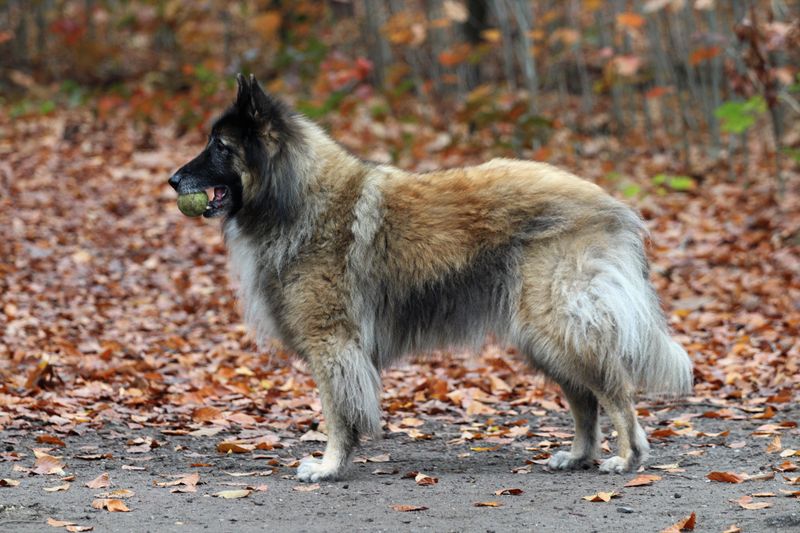
That flowing coat belongs to an alert herding dog, not a decorative barn accessory. Belgian Tervurens often thrive on close teamwork, learning games, and an owner who reads their sensitivity.
Introduce noisy equipment gradually, rewarding relaxed responses instead of rushing exposure. Prevent fence running when horses move nearby.
Regular brushing helps maintain the double coat, but avoid shaving it as a cooling shortcut. Use cool indoor breaks during Florida summers.
Mental exercises can keep warm afternoons pleasantly productive.
15. Giant Schnauzer: A Big Partner for Structured Days
A whiskered face brings personality to a breed with cattle driving roots in Germany. Giant Schnauzers are strong, energetic dogs that benefit from purposeful training and regular grooming.
Teach comfortable handling, polite greetings, and calm behavior around horses from the beginning. Their beard may collect water and barn dust, so keep cleanup supplies handy.
Arrange shaded exercise and cool rest periods throughout Florida’s warmer months. Match the dog to your daily life, then grab the leash with confidence.