19 Michigan Dog Laws That Deserve More Attention
If you share your home with a dog in Michigan, a few rules are worth knowing before they ever matter. Most of them are simple, and following them protects your dog as much as your wallet.
Some come from state law, while others shift from one county or city to the next. Think of this as a friendly walkthrough from someone who has read the fine print, so you can enjoy your walks with confidence.
1. Rabies Vaccination Backs Up Every License
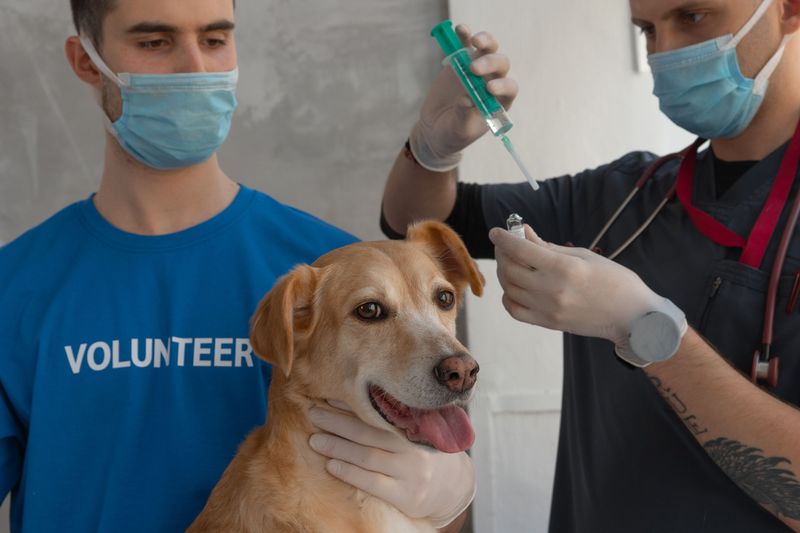
No rabies record, no license. Michigan counties require proof of a current rabies vaccination before issuing or renewing a dog license.
The vaccine also has to stay valid through the licensing period. Many offices will decline a license if the shot expires within 31 days.
Keep the veterinary certificate somewhere easy to find, like a photo on your phone. Booster timing varies by vaccine type, so ask your vet directly.
2. Tags Belong on the Collar
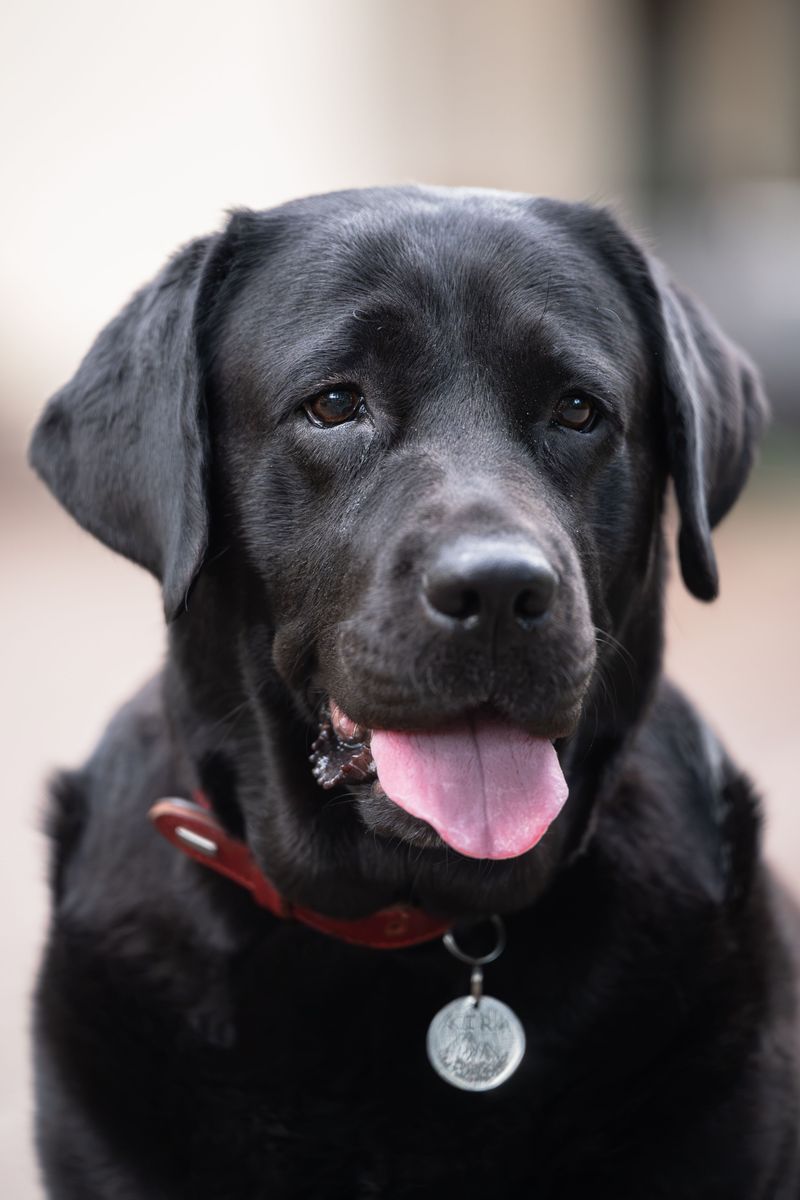
That little metal tag does real work. Michigan law directs that dogs six months and older wear a collar with an approved license tag.
One narrow exception exists: a dog lawfully hunting while accompanied by its owner or handler.
Tags help a wandering dog get home quickly, often before animal control gets involved. Pair the tag with a microchip and updated contact details for the strongest safety net.
3. Licensing Starts at Four Months Old

Puppies grow fast, and so does the licensing clock. Michigan requires a license once a dog reaches four months of age.
Newly adopted or purchased dogs generally need a license within 30 days of joining your family. Applications usually go through your county treasurer or an approved local office.
Fees are modest, and many counties charge less for spayed or neutered dogs. Setting a calendar reminder makes renewal season painless.
4. Be Ready to Prove Your Dog Is Licensed
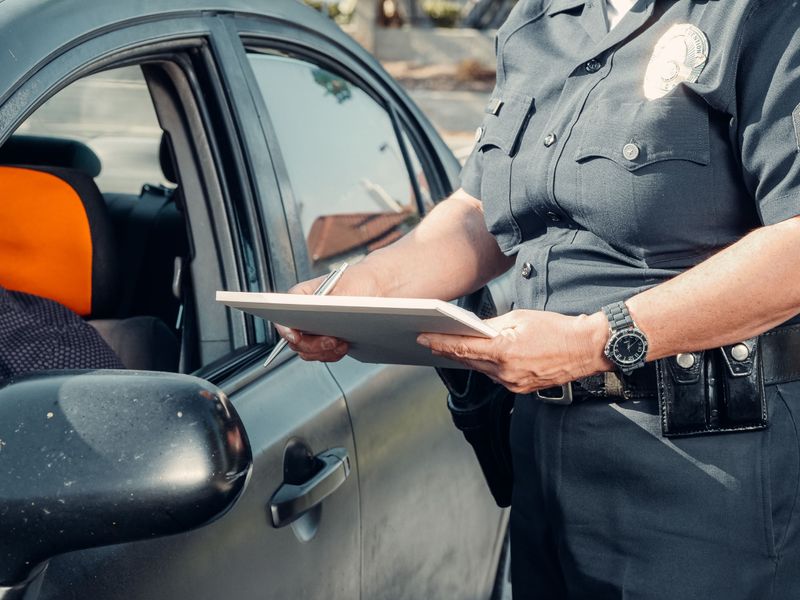
Officers can and do check. Because licensing and tag display are legal requirements, animal control or law enforcement may verify compliance.
Owning an unlicensed dog can bring fines that vary by county.
A quick fix: snap a photo of the license receipt and rabies certificate, then keep both in a folder on your phone. Showing proof on the spot usually turns a stressful moment into a short, friendly conversation.
5. Females in Heat Must Stay Home or Leashed
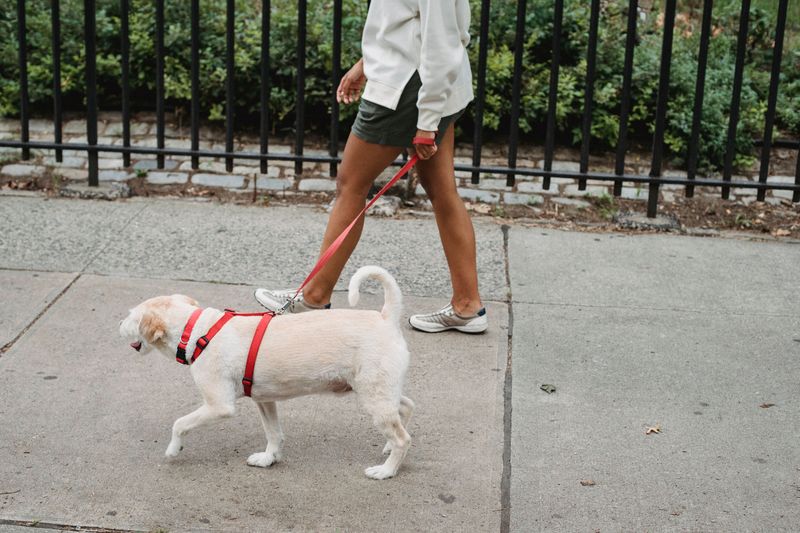
Seasonal cycles come with a legal rule attached. Michigan makes it unlawful to let a female dog in heat leave the owner’s property unless she is properly held on a leash.
The goal is preventing unplanned litters and roaming visitors in the neighborhood.
Practical tip: shorten outings, choose quiet routes, and supervise every yard break. Even a securely fenced yard can attract determined male dogs during those weeks.
6. Letting a Dog Roam Is Not Allowed
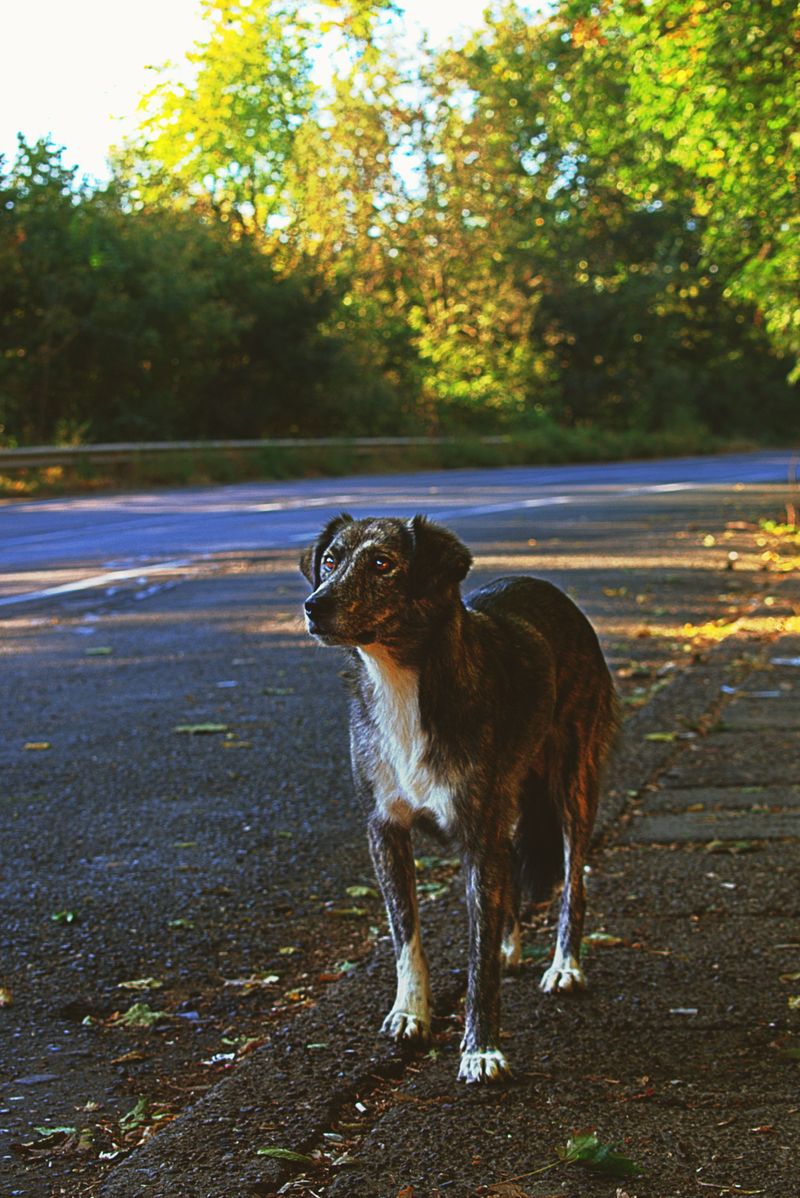
Free-roaming dogs create risk for everyone, including themselves. State law says owners generally cannot allow a dog to stray unless it is properly leashed, with limited exceptions for certain working dogs.
Found a stray? Michigan expects a report to law enforcement or animal control within 48 hours.
Skipping that step can be treated as a misdemeanor. Checking gate latches weekly prevents most escapes before they happen.
7. Licenses Follow the Dog, Not the Household Pet Slot

Here is a detail that surprises people. A Michigan dog license is tied to one specific dog and cannot be moved to a different dog.
If ownership changes, the license may transfer with that same animal, though procedures differ.
Some counties handle transfers or service dog updates in person only. Call your county treasurer before assuming anything, especially if you are moving between counties with the same dog.
8. Adequate Care Is a Legal Duty

Food, water, shelter, and basic veterinary attention are not optional extras. Michigan’s animal cruelty statutes prohibit negligently allowing an animal to suffer unnecessary neglect or pain.
Small oversights can add up, like a frozen water bowl or a tether that is far too short.
Officers usually look at the whole picture: body condition, shelter quality, and access to water. Steady daily routines keep you comfortably on the right side of the line.
9. Cold-Weather Shelter Rules Often Come From Your City
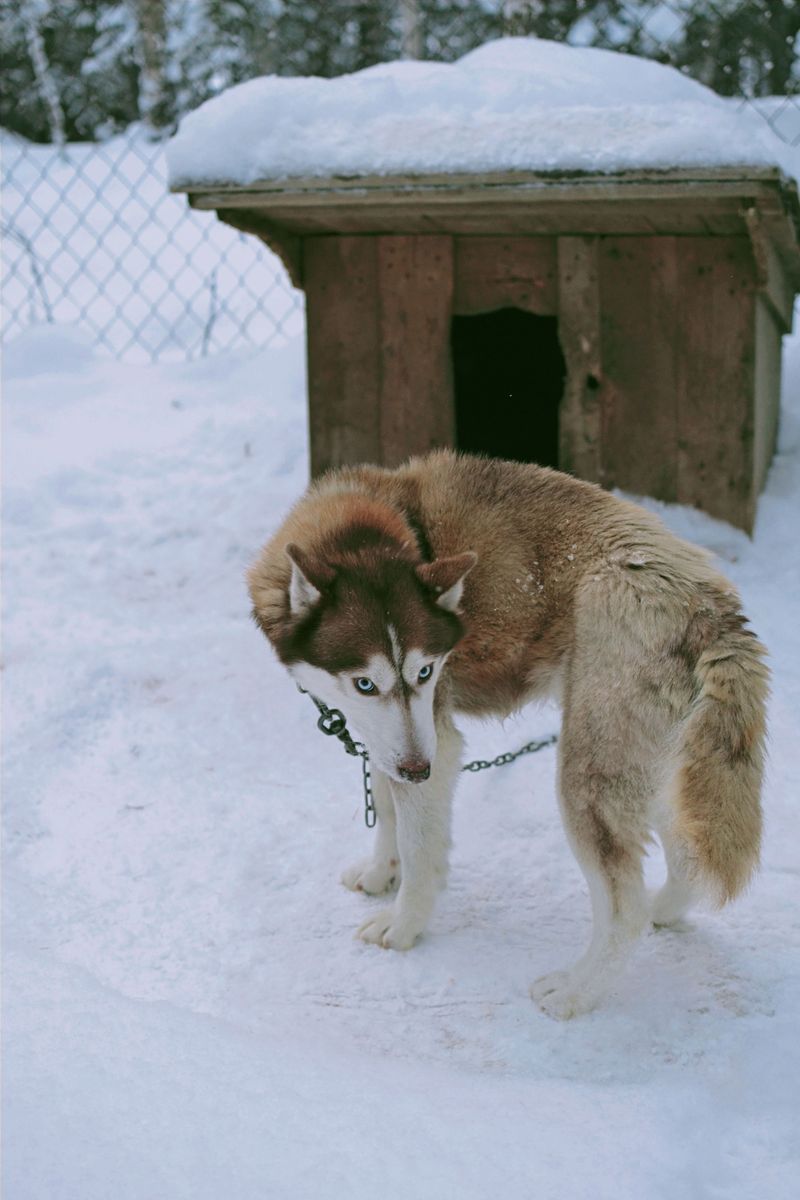
Michigan winters demand real shelter, not a thin plastic box. Statewide rules are broad, but many local ordinances add specifics.
Some communities require insulated, weather-protected shelter for tethered dogs once temperatures drop below 40 degrees Fahrenheit.
Dry bedding, a wind block, and a raised floor make a big difference. Check your township or city ordinance, since requirements genuinely vary.
When in doubt, bring the dog indoors during hard freezes.
10. Tethering Has Measurable Standards
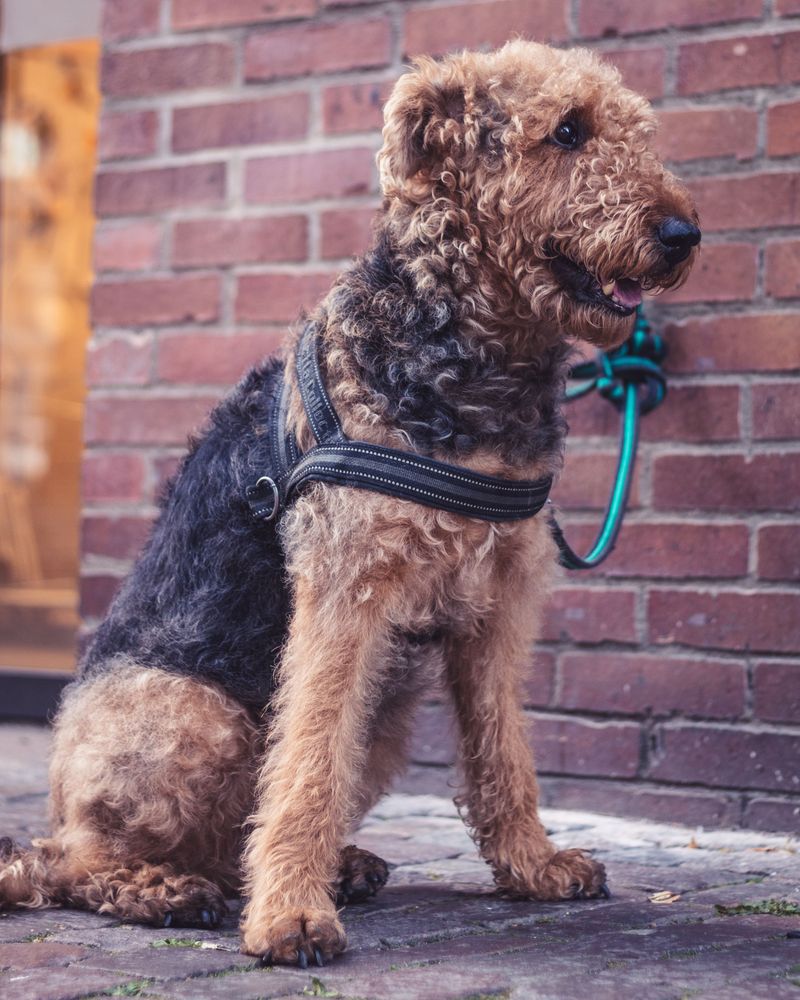
Length matters more than most owners realize. Michigan requires a tether at least three times the dog’s length, measured nose tip to tail base.
Attachment must be to a harness or a non-choke collar made for tethering.
Exceptions cover grooming, training, transport, hunting, and events needing a shorter line for safety. Local governments may add stricter limits, including maximum hours, so read your community’s ordinance too.
11. Car Travel Requires Secure, Roomy Space
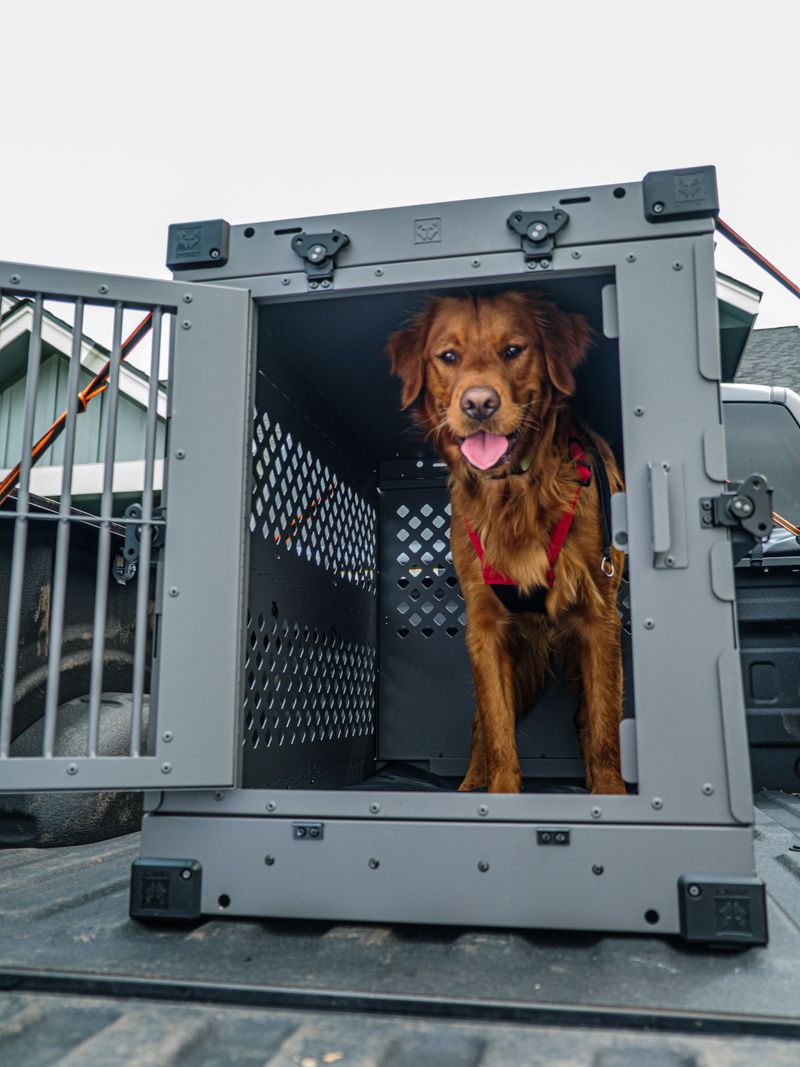
Road trips go better when the setup is right. Michigan prohibits transporting animals unrestrained in ways that risk injury.
Statutes call for secure space in a rack, crate, cage, or vehicle area where a dog can stand, turn around, and lie down.
The phrase secure space is not tightly defined, so interpretations differ. Lap riding is not specifically banned, but it can invite a distracted driving citation.
12. Bite Liability Applies Even Without a Prior Incident
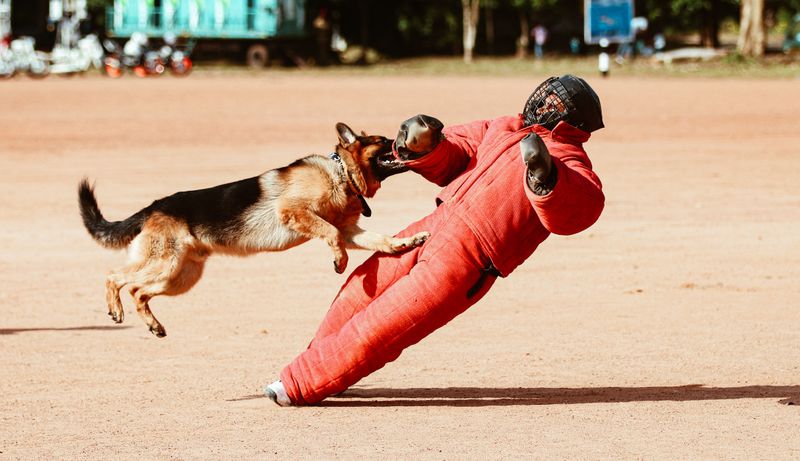
The old idea of one free bite does not apply here. Michigan follows a strict liability approach for dog bites.
Owners can be responsible whether or not the dog ever showed aggression before, and victims need not prove negligence.
Recognized exceptions include trespassing and provocation. Good management helps: leash control, secure fencing, and a calm plan for greeting strangers.
Homeowners or renters insurance may also cover incidents, so confirm your policy details.
13. Serious Attacks on Another Dog Count Too
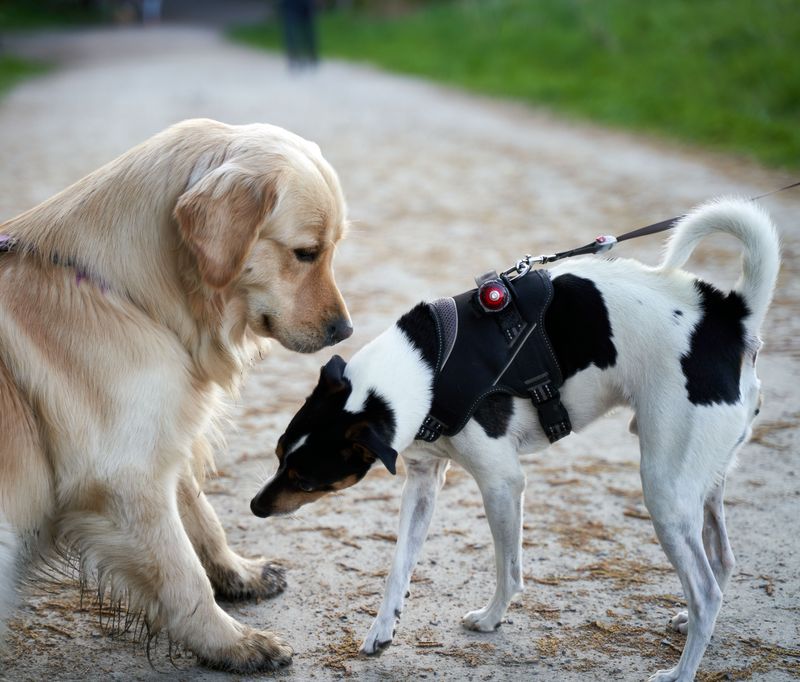
Dangerous animal definitions reach beyond people. Michigan includes a dog that bites or attacks and causes serious injury to another dog.
That protection applies when the other dog is on its owner’s property or under its owner’s control.
Leash reactivity is common, and it is manageable with training and distance. Working with a qualified trainer early keeps a minor squabble from becoming a courtroom matter later.
14. Courts Hold Real Power Over Dangerous Dog Cases

A sworn complaint can start the process. If someone alleges an animal is dangerous and caused serious injury, a court may summon the owner to a hearing.
Judges can order conditions on the owner, and in the most serious situations, far more severe outcomes.
Owners may also be ordered to pay animal control’s costs for holding the dog. Legal guidance matters greatly if you ever receive such a notice.
15. Running at Large After an Adjudication Is a Crime

Once a court labels an animal dangerous, containment becomes non-negotiable. Permitting that animal to run at large is a misdemeanor in Michigan.
Penalties can include up to 90 days of jail, fines between 250 and 500 dollars, or at least 240 hours of community service.
Courts may also order payment of prosecution costs. Double gates, locked latches, and supervised outings are the practical answer.
16. Livestock Chasing Carries Heavy Consequences

Farm country has firm rules. Michigan allows a person, including an officer, to stop a dog observed pursuing, worrying, or wounding livestock or poultry, without liability.
A dog entering a livestock field outside a city without its owner counts as trespass, and the owner is liable for damages.
Complaints go to local officials, who can order remedies and costs. Leash up near pastures, always.
17. Wolf-Dog Crosses Face Strict Limits

Curiosity about hybrids runs high, but the law is narrow. Michigan prohibits acquiring or possessing wolf-dog crosses.
A grandfather clause covers animals legally owned before the act took effect, subject to strict permit rules.
Those animals must be sterilized, microchipped, vaccinated for rabies, never tethered outdoors, and never allowed to run at large. Bringing a hybrid into the state is generally illegal, so verify status before any adoption.
18. State Parks Cap Leashes at Six Feet
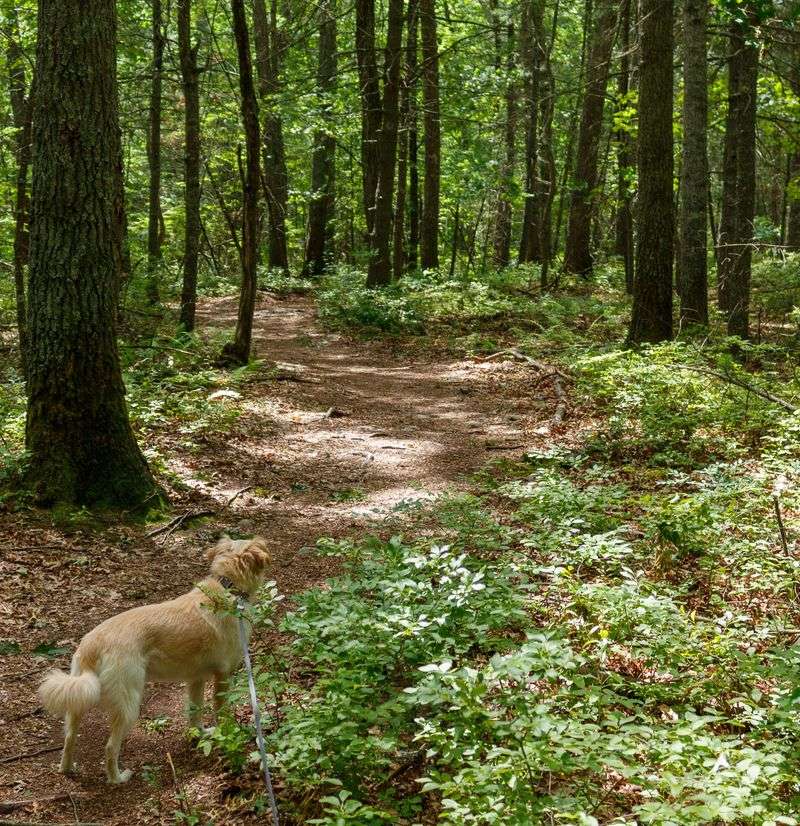
Trail days come with a tape measure rule. Pets are welcome in Michigan state parks, campgrounds, and rustic forest campgrounds, but leashes cannot exceed six feet.
Retractable leads extended beyond that length do not meet the standard.
Short leashes protect wildlife, other visitors, and your dog near water or steep ground. A sturdy four to six foot lead with a comfortable handle is the easiest choice.
19. No Leaving Dogs Alone at Campsites
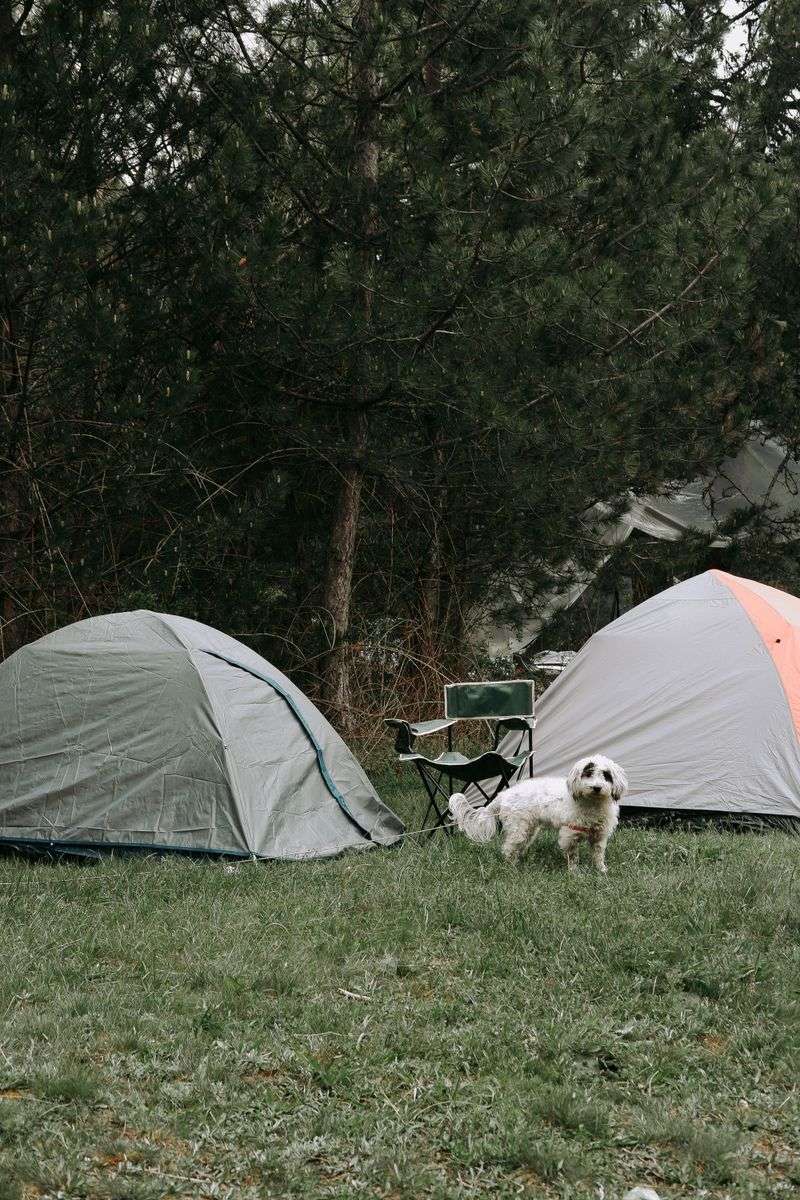
Campground quiet hours apply to pets too. Michigan state parks do not permit dogs to be left unattended, whether tied outside or closed in a camper.
The rule reduces barking, stress, and disturbances for neighboring campers.
Plan meals and hikes around pet-friendly options, or take turns staying at the site. Bringing a familiar bed and a chew helps a dog settle quickly in an unfamiliar spot.
Know the rules, and every outing gets easier.