15 North Carolina Dog Laws That Often Fly Under The Radar
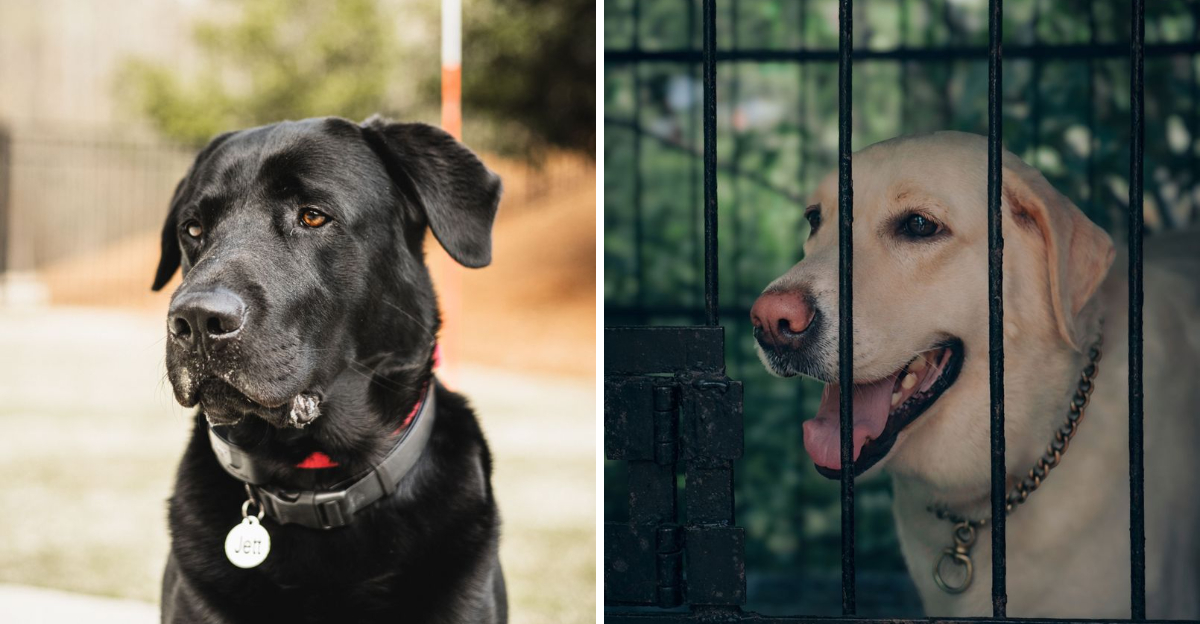
Most dog owners in North Carolina already know the basics. Keep your dog safe, keep the yard secure, and get to the vet once a year.
What surprises many people is how much of that everyday routine is actually written into state law. Rabies tags, bite reporting, nighttime roaming, even boarding a neighbor’s dog for pay: each one has rules attached, and plenty of good owners have never heard of them.
None of this is meant to worry you. Here are fifteen rules worth tucking away.
Rabies Shots Start at Four Months Old
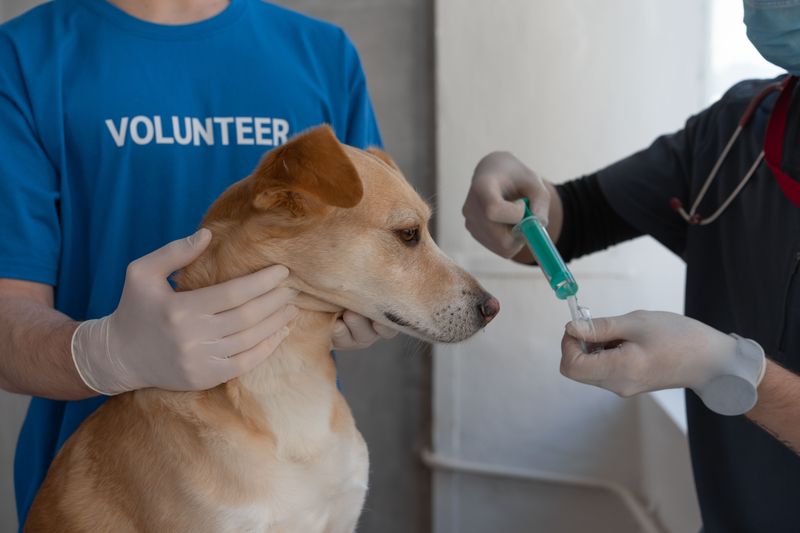
State law is clear on this one: every dog, cat, and ferret four months and older must carry a current rabies vaccination.
Puppies can get their first shot as early as twelve weeks. Full protection kicks in about 28 days later.
Boosters usually follow one year after the first dose, then every one or three years depending on the vaccine your vet uses.
Mark the due date on your calendar so it never slips.
That Little Metal Tag Belongs on the Collar
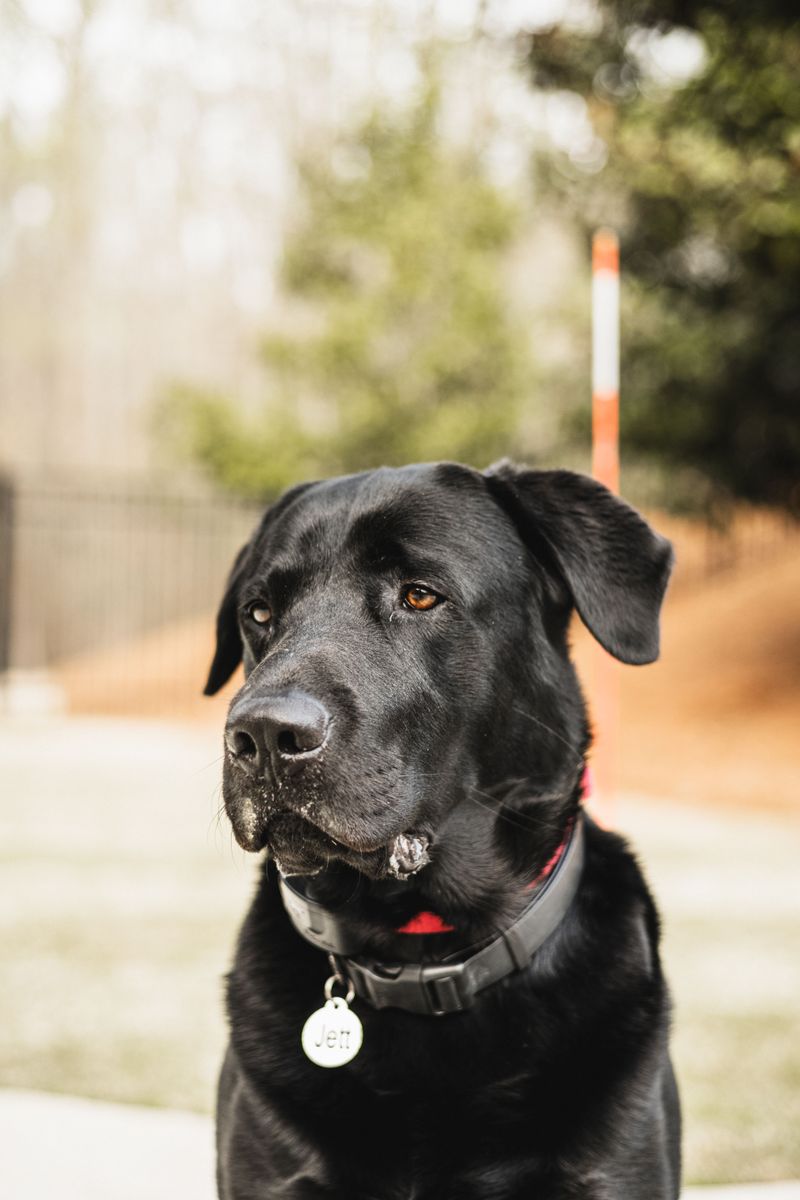
Owners often toss the rabies tag in a drawer with the paperwork. North Carolina expects dogs to wear it.
The tag shows the year issued, a vaccination number, the words North Carolina or N.C., and rabies vaccine.
Exceptions exist for dogs confined on the owner’s property and for shows, obedience trials, field trials, training classes, and supervised hunts.
A spare tag on the backup collar saves headaches later.
No Tag, Loose Dog: Impoundment Becomes Possible

Picture a gate left ajar and a curious dog trotting down the street. If there is no rabies tag, animal control can impound.
When an ID tag exists or the owner is known, written notice usually goes out with a three day window to vaccinate and show the certificate.
Counties set minimum holding periods, commonly 72 hours. Officers scan for microchips when reasonably available.
Microchip registration matters.
After a Bite, Two People Must Make the Call
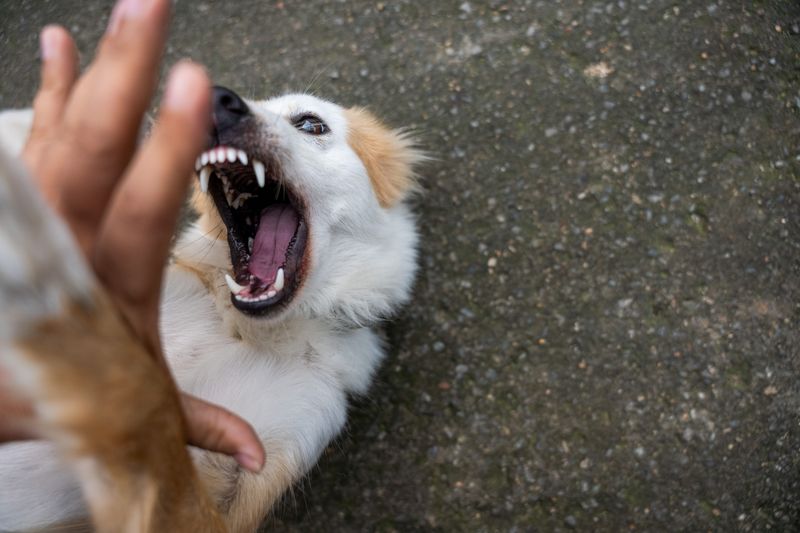
Reporting duty does not fall on one side alone. The bitten person, or a parent or guardian, must notify the local health director right away.
The dog’s owner or handler carries the same obligation.
Physicians treating a bite from a potential rabies carrier report it within 24 hours.
Handling the call promptly keeps the process simple and shows you acted responsibly, which matters if questions come up later.
Ten Days of Confinement Follows a Bite
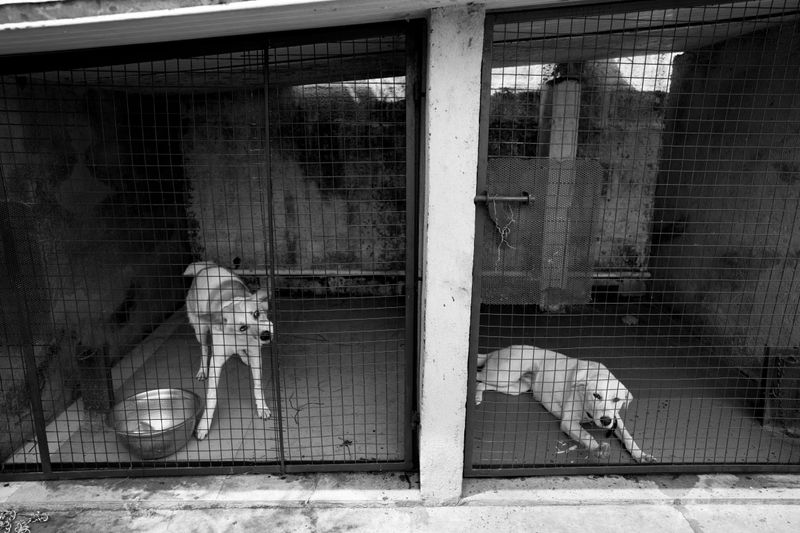
Vaccination status does not change this step. Any dog that bites a person faces an immediate ten day confinement.
The local health director decides where the dog stays and under what conditions.
Home confinement is sometimes allowed for a healthy, currently vaccinated dog when the bite was provoked and there is no bite history.
Vets generally advise skipping new vaccines or medications during those days, so symptoms stay easy to interpret.
Rabies Worries Get Reported Even Without a Bite

A scuffle with a raccoon in the yard counts as a possible exposure, even if your dog’s skin was never broken.
Call animal control. The health director decides whether exposure likely happened.
Currently vaccinated pets typically need a booster within 96 hours and skip quarantine.
Unvaccinated pets face stricter outcomes, including a lengthy quarantine decided by the health director.
Staying current on shots keeps your options far more comfortable.
Moving Here With an Unvaccinated Dog? Read This First
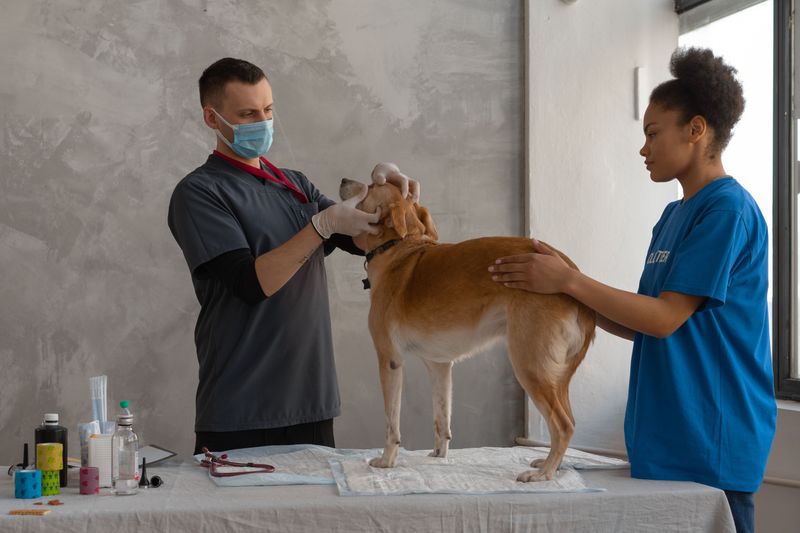
Relocation checklists rarely mention this. Dogs arriving in North Carolina without rabies vaccination must be confined immediately.
Vaccination is required within one week of entry, followed by two more weeks of confinement.
Animals brought purely for exhibition are treated differently when kept confined.
Dogs imported from other countries need proof of vaccination given at least 30 days before entry.
Federal entry rules for young dogs changed in 2024, so verify current requirements.
Health Officials Can Order a Dog to Stay Home

Beyond the familiar dangerous dog process, a local health director holds authority over animals considered vicious.
A dog under that determination must stay confined to the owner’s property.
Off the property, leash plus a responsible adult handler becomes mandatory.
Ignoring those limits is treated as a Class 1 misdemeanor.
Rules and terminology vary somewhat by county, so ask your local health department how the process works where you live.
A Declared Dangerous Dog Cannot Be Left Loose Outside
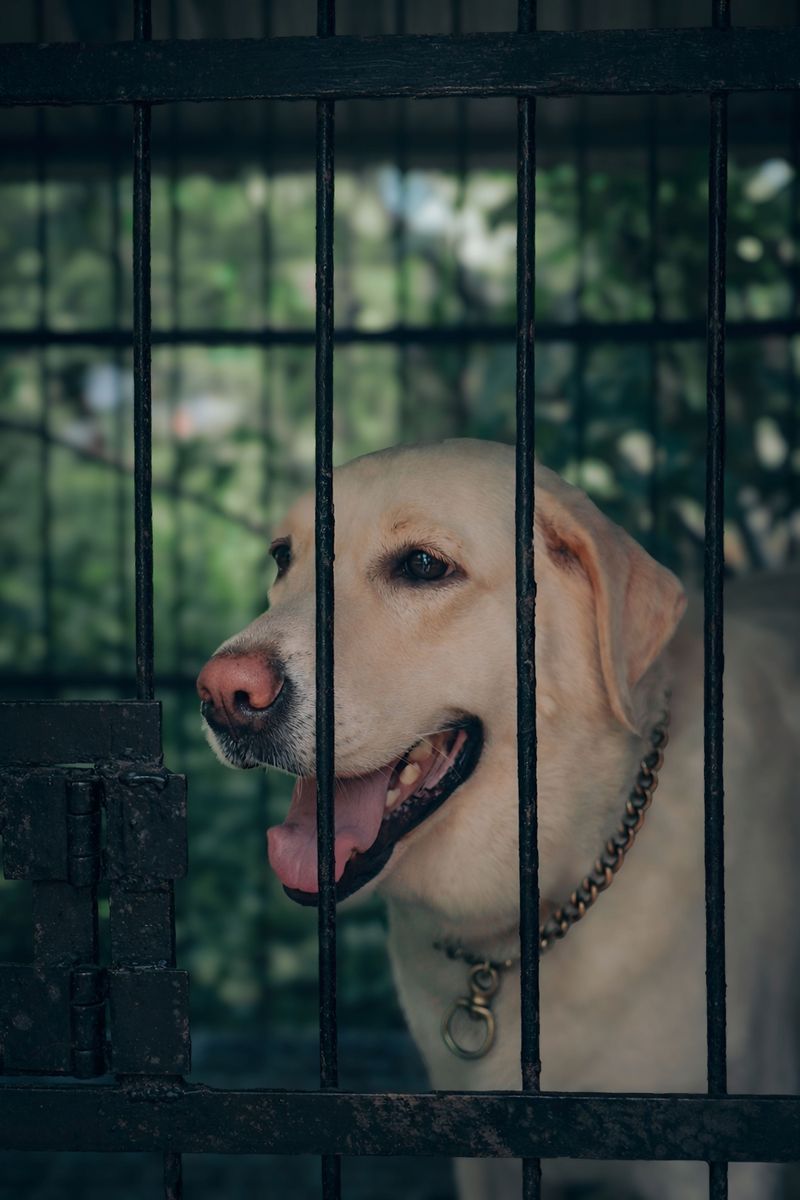
Fenced yards do not satisfy the standard once a dog has been officially declared dangerous.
Owners cannot leave such a dog unattended unless it is indoors, inside a securely enclosed and locked pen, or in another structure built to restrain it.
Falling short can bring a Class 3 misdemeanor.
The practical takeaway is simple: containment must be deliberate, locked, and reliable, not just a gate that usually stays shut.
Leash and Muzzle Travel Together Off Property
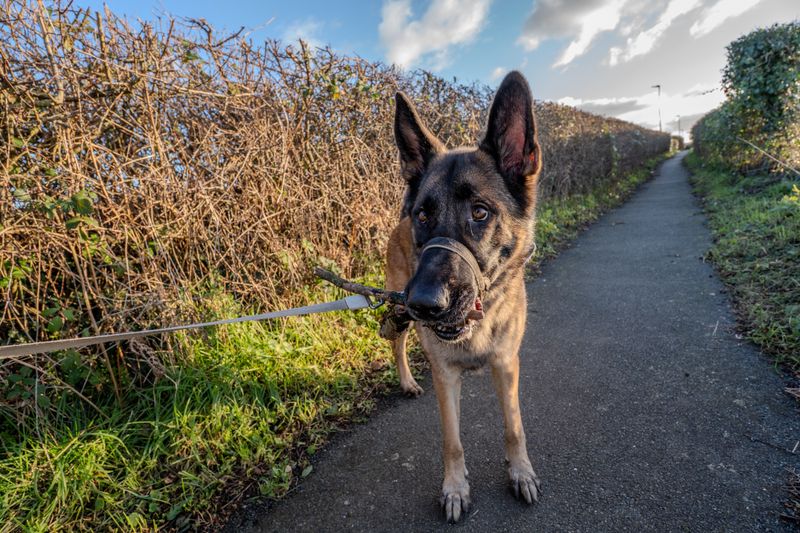
Walks look different for a declared dangerous dog. State law requires the animal to be leashed and muzzled, or otherwise securely restrained and muzzled, whenever it leaves the owner’s property.
Skipping either piece can result in a Class 3 misdemeanor.
Basket muzzles allow panting and drinking, which makes longer walks far kinder.
Introduce the muzzle slowly at home with treats so it feels ordinary rather than stressful.
Rehoming a Dangerous Dog Means Paperwork

Handing over the leash is not the end of an owner’s responsibility.
When a dangerous dog changes hands, the original owner must give written notice to the authority that made the dangerous determination, including the new owner’s name and address.
The new owner must also receive written notice describing the dog’s behavior and the official finding.
Keeping copies of everything protects both people if questions arise down the road.
Strict Liability Attaches Once the Label Applies

Legal standards shift after a dangerous dog declaration. Owners become strictly liable in civil damages for injuries or property damage the dog causes.
Proving carelessness is no longer necessary for a claim to move forward.
Criminal charges may also apply, including a Class 1 misdemeanor when injuries require more than $100 in medical treatment.
North Carolina still recognizes contributory negligence, which can affect recovery. Discuss specifics with a licensed attorney.
Nighttime Roaming Is Off the Table
Here is one that trips up rural owners who let dogs out after dark.
State law prohibits letting a dog over six months old run at large at night without the owner, a family member, or another authorized person along.
Violations count as a Class 3 misdemeanor, plus civil liability for resulting damage.
Many towns go further with full time leash ordinances, so check your local rules.
Walking Away From a Dog Carries Criminal Consequences
Life circumstances change, and sometimes keeping a dog stops being possible.
North Carolina treats willful abandonment without justifiable excuse as a Class 2 misdemeanor for anyone who owns or has custody of an animal.
Certain local ordinances add fines on top, sometimes up to $500.
Shelters, rescue groups, and surrender programs exist for exactly these moments. Reaching out early gives the dog a real landing spot.
Home Boarding for Pay Comes With Licensing Questions
Side income from watching dogs sounds simple enough, and often it is.
Pet sitting and dog walking generally need no state license. Boarding kennels do, through the state Department of Agriculture and Consumer Services, currently around $75 yearly with a pre-licensing inspection.
Boarding three or fewer dogs or cats in your residence is exempt from that state kennel license.
Local zoning and animal control rules still apply, so call before advertising.