What Michigan Law Says About Dogs Running At Large
If you own a dog in Michigan, you have probably wondered how much freedom your pup is legally allowed.
Maybe your neighbor lets their dog wander the yard without a leash. Maybe your own dog slipped out the door once and gave you a scare.
Michigan has clear rules about dogs running at large, and most of them are easier to follow than you might expect. By the end of this article, you will know what the law expects, what your options are, and when to call your local animal control office for details specific to your area.
Straying Dogs and the Basic Leash Rule
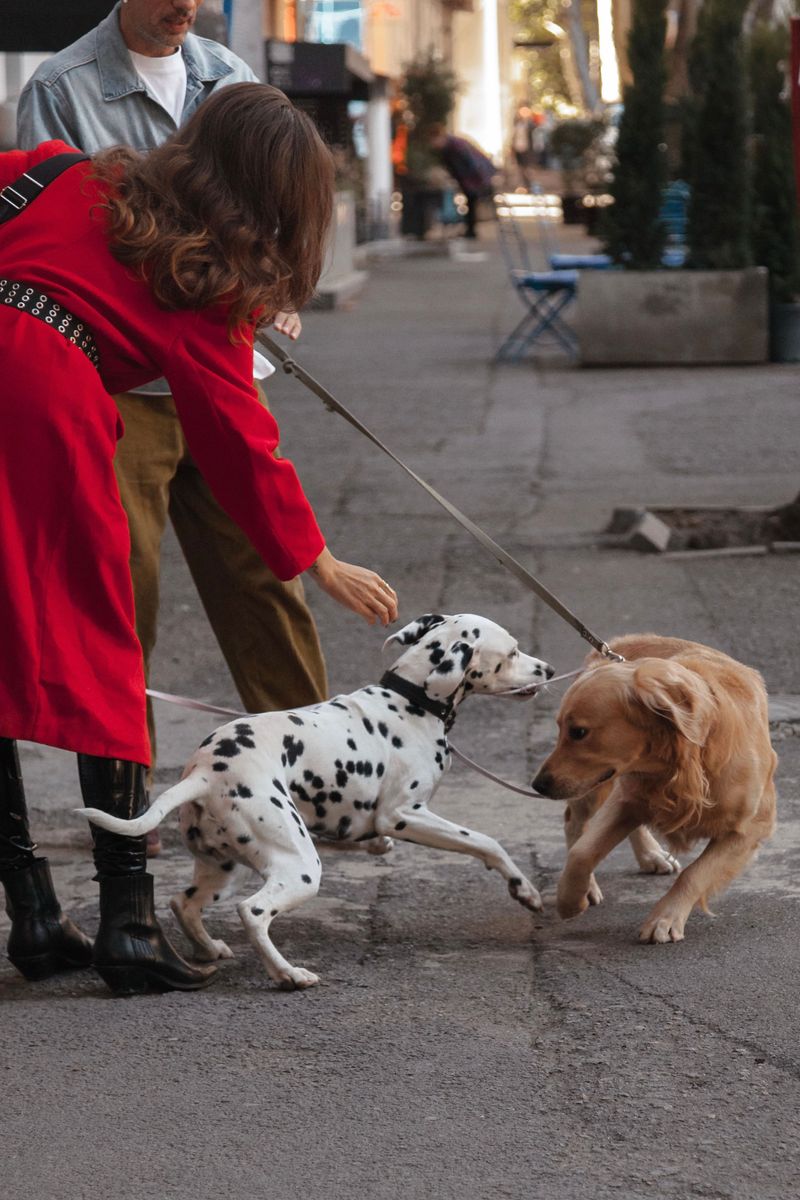
Michigan keeps the core rule simple. Under MCL 287.262, an owner may not allow a dog to stray beyond their property unless the dog is held properly in leash.
An unleashed dog off your premises is treated as running at large. Many local areas also cap leash length at six feet.
Practical takeaway: leash up before you open the door. A clipped leash prevents most problems before they ever start.
Working Dogs Get a Narrow Exemption
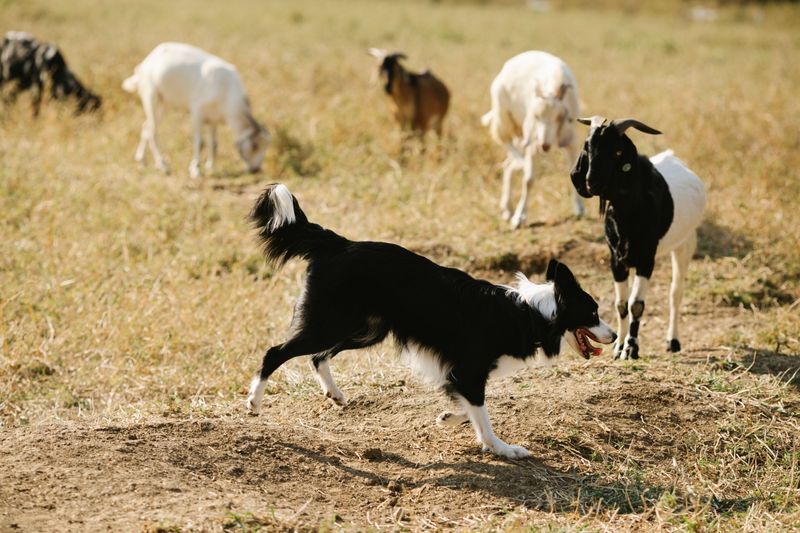
Not every dog off leash is breaking the law. The statute carves out room for dogs actively engaged in the work they were trained to do.
Assistance animals and hunting dogs fall into that group while performing their duties.
The exemption is narrow, though. A dog lounging in the yard is not actively working.
Owners should not assume a training background alone excuses an unleashed dog in public spaces.
Which Dogs Count as Working Dogs
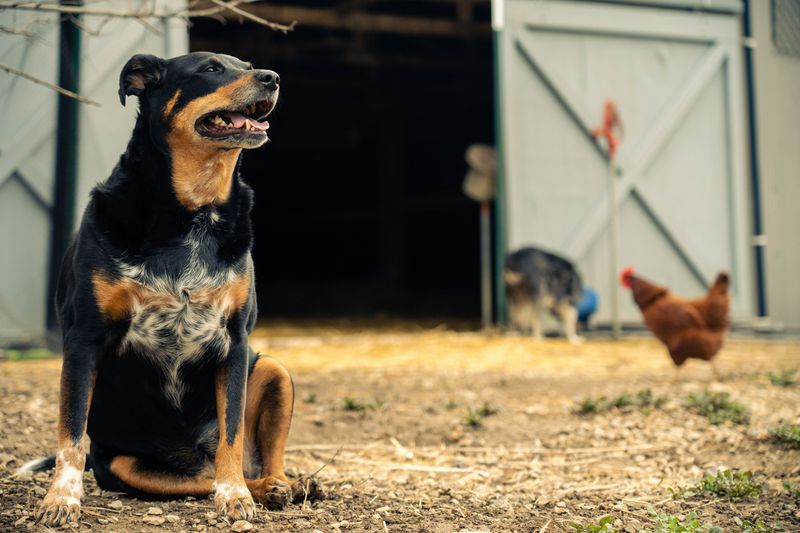
Curious who qualifies? MCL 287.262 names leader dogs, guard dogs, farm dogs, hunting dogs, and other such dogs.
Guide dogs serving blind handlers are specifically recognized as service animals with exemptions.
The list is broad enough to cover real working roles, but it is not a loophole for family pets. If your dog genuinely works, keep documentation handy and know exactly when the exemption applies.
Supervision Still Required for Exempt Dogs
Freedom from the leash does not mean freedom from supervision. The law requires working dogs to be accompanied by their owner or an authorized agent.
Someone responsible must be present while the dog performs its trained task.
Sending a farm dog out alone across the road does not fit the exemption. Stay with your dog, stay aware, and the exemption holds up the way it was intended.
Female Dogs in Heat Have Extra Limits
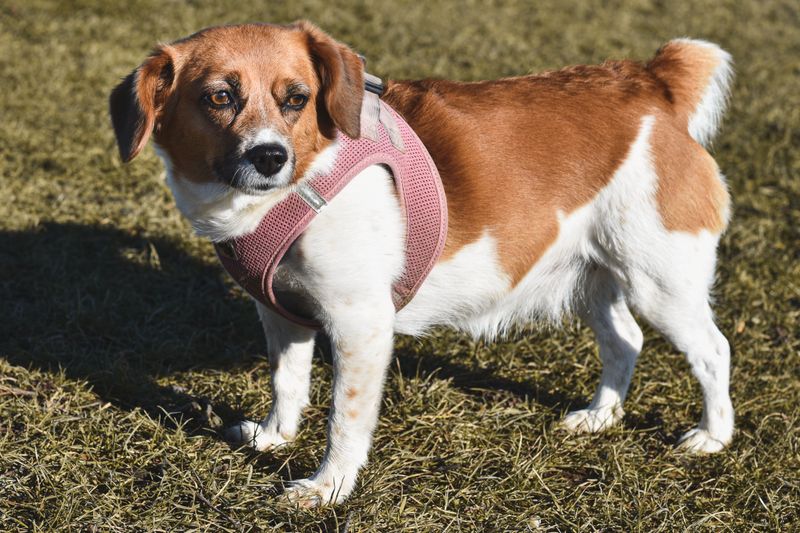
Here is a rule many owners never hear about. Michigan law prohibits allowing a female dog in heat to go beyond the owner’s premises unless she is held properly in leash.
The goal is preventing unplanned litters and roaming male dogs gathering nearby.
During those weeks, keep outings short and controlled. A secure leash and a quiet route make the whole season far less stressful for everyone.
Licensing Kicks In Early
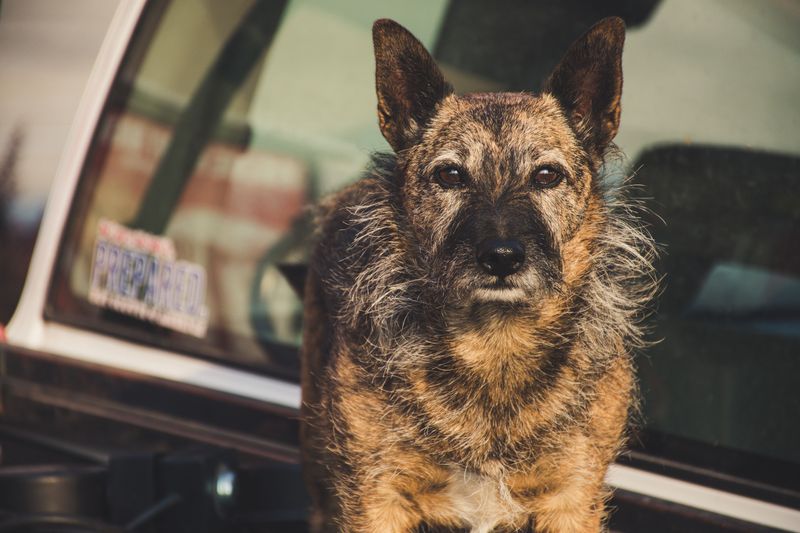
Paperwork matters more than people expect. State statute references dogs six months old or over needing a license.
Many county animal control offices go further and require licensing at four months. Owners typically get thirty days after acquiring a dog or reaching that age.
A current rabies vaccination certificate is generally required. Check your county treasurer’s office, since the exact age threshold varies locally.
Collar and Tag Should Stay On
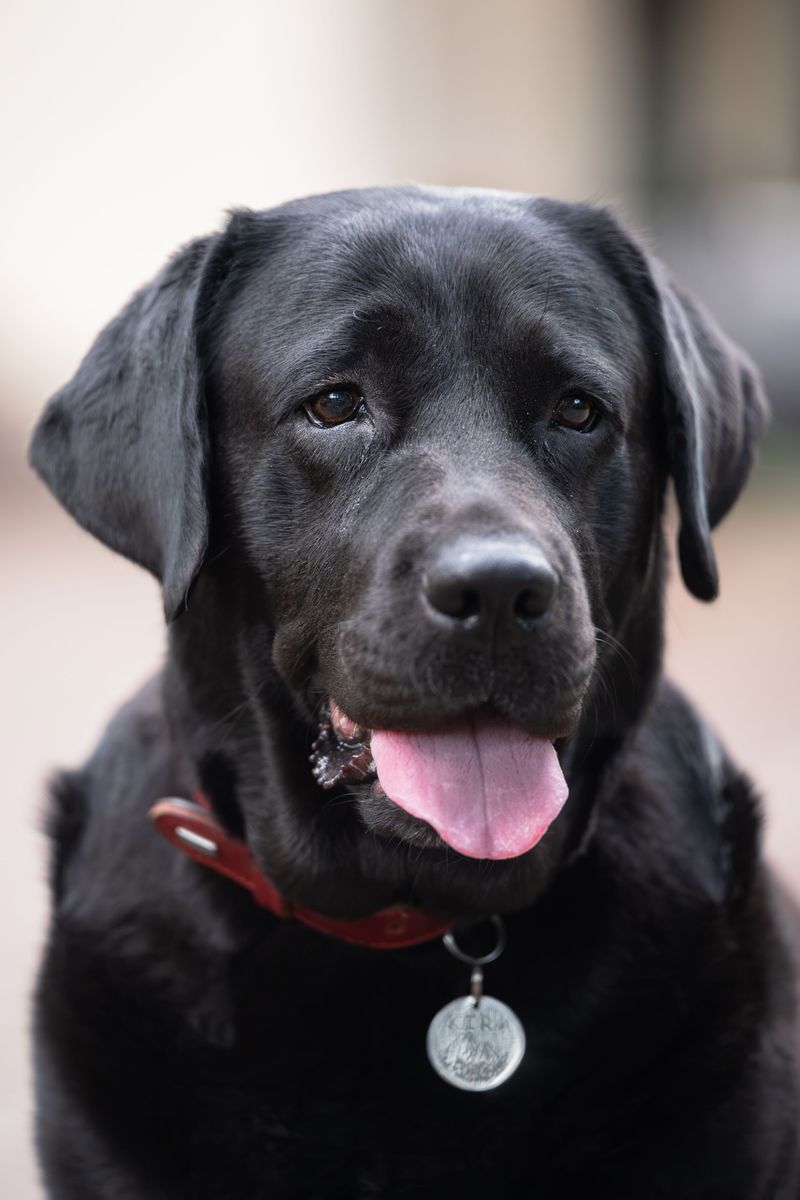
That little metal tag does real work. Michigan requires licensed dogs to wear a collar with an approved tag at all times.
The county treasurer issues the tag, and it must be fixed to a substantial collar.
One exception exists for dogs actively engaged in lawful hunting with their owner or custodian present. Otherwise, a visible tag is the fastest way a lost dog gets home safely.
A License Is Not a Roaming Pass
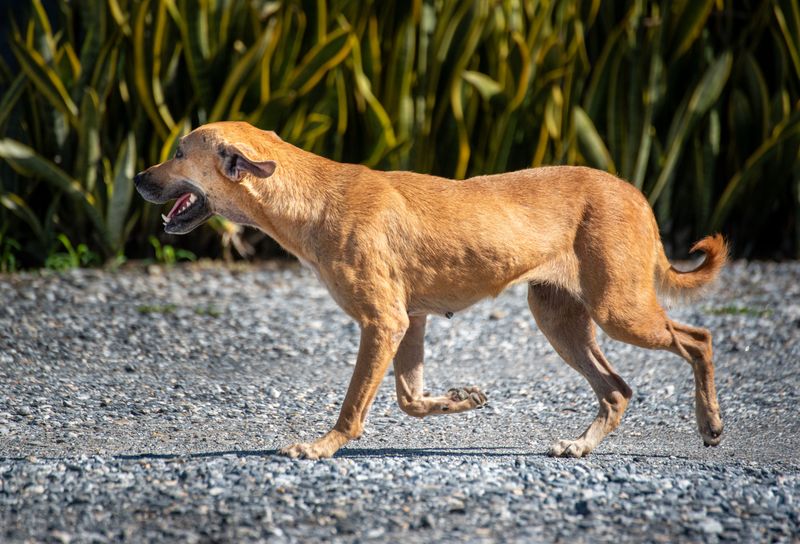
Some owners assume a paid license buys extra freedom. It does not.
Michigan law makes clear that even a duly licensed dog wearing its tag can face a summons if it has run at large contrary to the act.
Licensing proves vaccination and ownership. Containment is a separate duty entirely.
Both matter, and one never substitutes for the other in the eyes of the law.
Unlicensed Roaming Invites Complaints

Two violations at once draw attention fast. A sworn complaint may be issued when a dog over six months old is found running at large without a license tag.
Violating the prohibition against animals running at large is treated as a misdemeanor in Michigan.
The fix is inexpensive compared to the hassle. Renew the license, secure the fence, and the issue rarely resurfaces.
Hunting Dogs and Reasonable Control
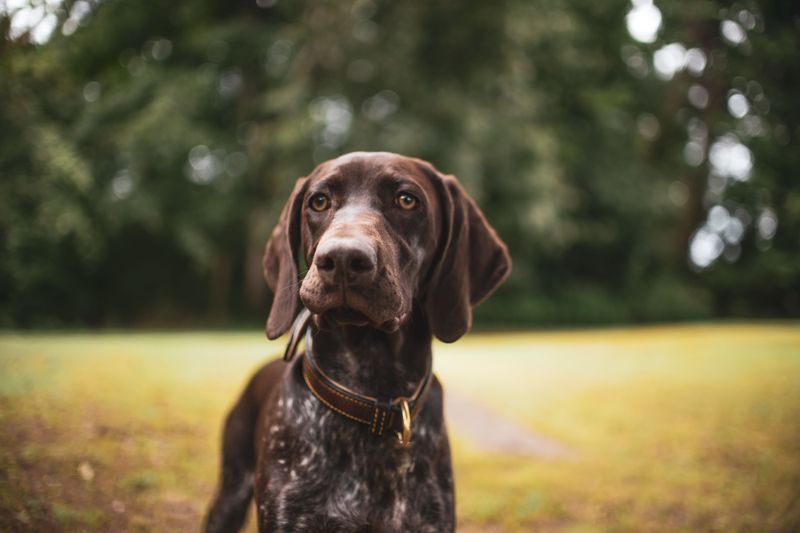
Off leash does not mean out of mind in the field. Hunting dogs must stay under the reasonable control of their owner.
State guidance defines hunting as allowing a dog to range freely within sight or sound of its owner while pursuing legal game.
Tracking a wounded deer or elk is permitted while the dog is leashed and the weapon is unloaded.
How a Sworn Complaint Becomes a Summons
Complaints do not vanish into a filing cabinet. When someone files a sworn complaint about a dog running at large, a district court magistrate or the court shall issue a summons.
The owner must appear and show cause regarding the dog.
Showing up prepared helps enormously. Bring license records, vaccination proof, and evidence of containment improvements you have already made at home.
Courts Can Order Confinement
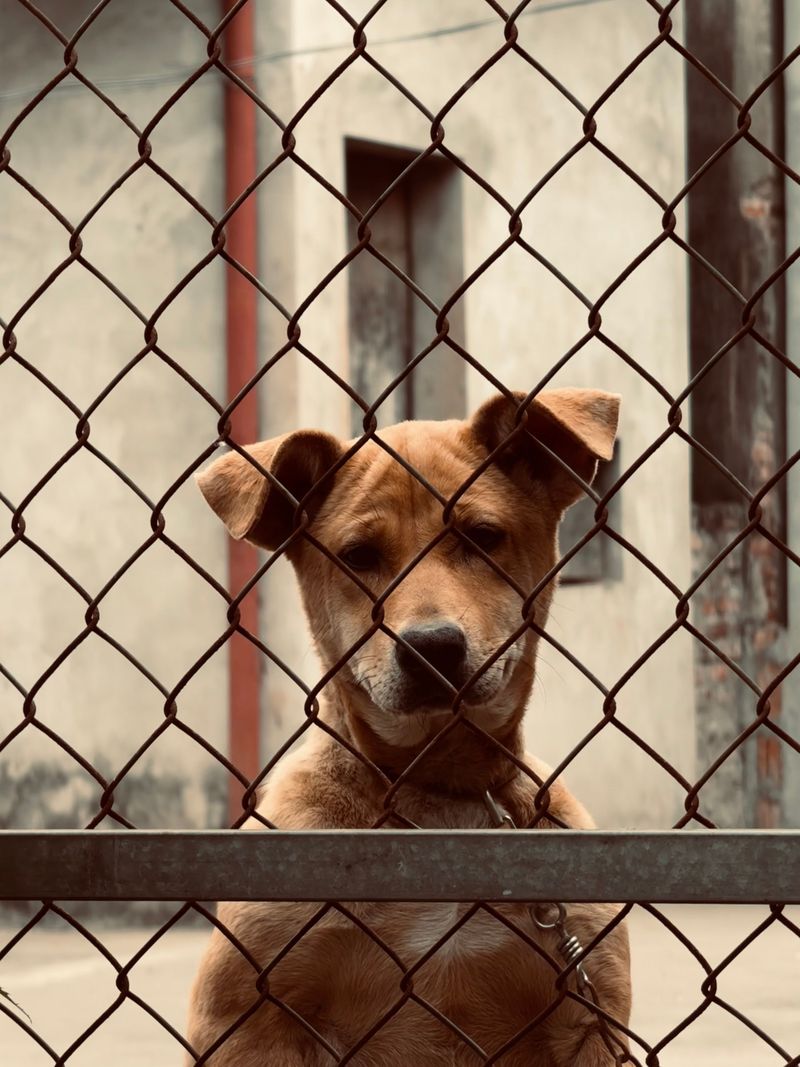
Judges have real authority after a hearing. A Michigan court may order a dog confined to the owner’s premises, and in serious cases the statute allows harsher outcomes.
Dogs classified as dangerous carry specific containment responsibilities for their owners.
Ignoring a confinement order is its own problem. Disobeying can bring misdemeanor charges, fines, and possible jail time, so compliance should never be optional.
Repeat Trespassing and Property Damage
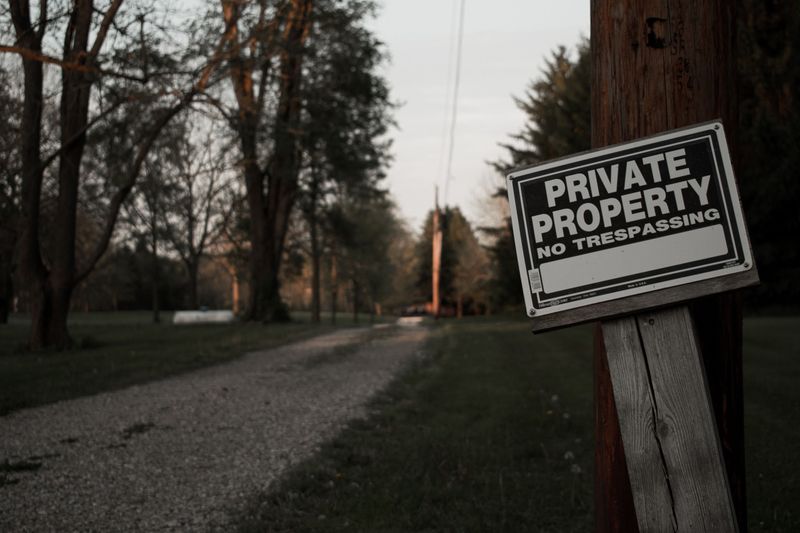
Neighborly patience has legal limits. A sworn complaint can be filed if a dog has destroyed property or habitually causes damage by trespassing on someone else’s land.
The owner may be liable for the damages caused.
Repeated visits build a record. Fixing the gap in your fence after the first incident is far cheaper than defending a pattern in front of a judge.
Bites Bring Strict Liability
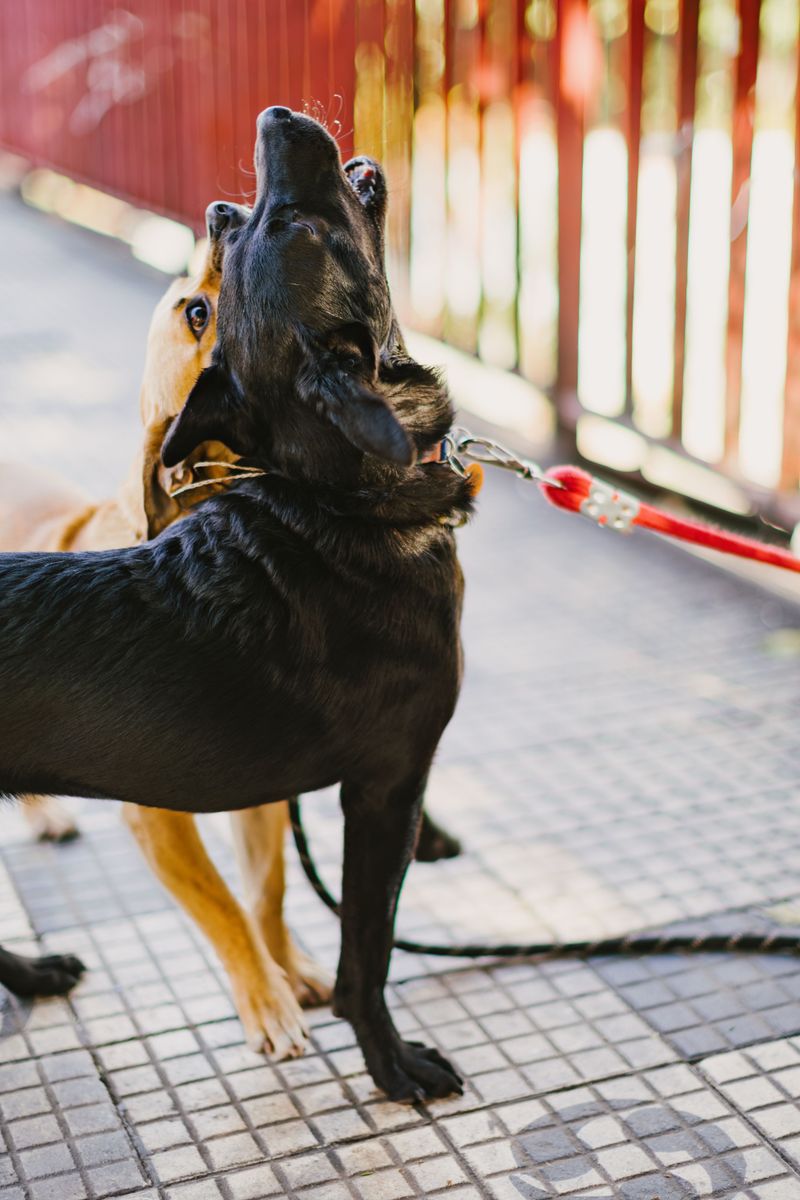
Michigan’s dog bite statute, MCL 287.351, is unusually direct. Owners face strict liability for bite injuries occurring without provocation when the person is lawfully present.
A sworn complaint may be issued when a dog has attacked or bitten someone.
Depending on injury severity, charges against owners of dangerous dogs range from misdemeanors to felonies. Prevention through training and secure containment remains the wisest investment.
Entering Livestock Enclosures Creates Liability

Farm country has its own layer of protection. Under MCL 287.279, a dog entering a field or enclosure owned or leased by a livestock or poultry producer outside a city, unaccompanied by its owner, constitutes a trespass.
The owner becomes liable in damages.
Livestock includes cattle, swine, sheep, goats, and poultry. Rural walks deserve a leash, even on roads that feel completely empty.
Serious Consequences Near Livestock and People
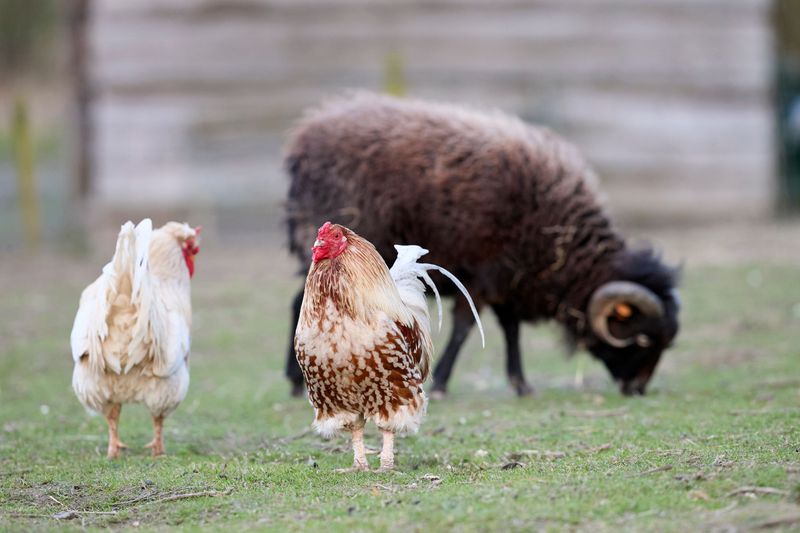
The stakes climb sharply here. MCL 287.279 allows certain actions against a dog seen pursuing, worrying, or injuring livestock or poultry, or attacking persons, under specific legal circumstances.
Complaints over livestock losses go to a township supervisor and may lead to a summons and damages.
Serious injury to a person can bring felony charges. Containment near farms protects your dog most of all.
Straying Can Be a Misdemeanor
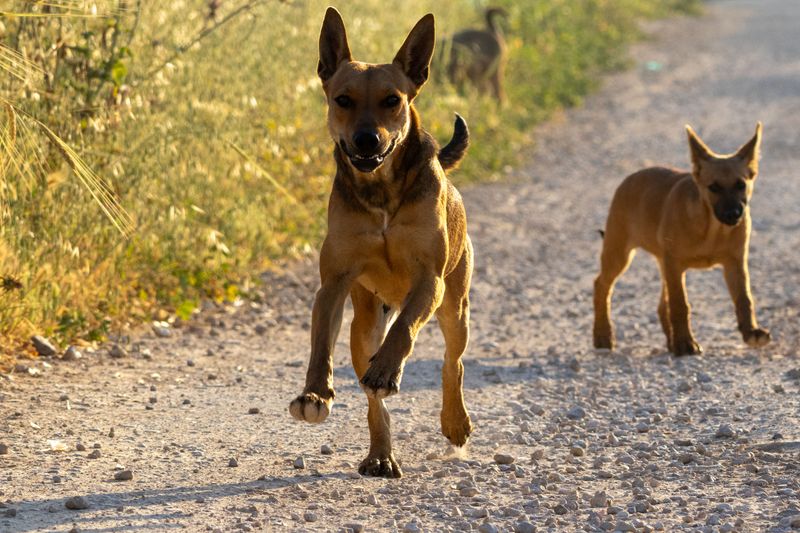
Let us be plain about the penalty side. Permitting a dog to run at large in violation of state law can be charged as a misdemeanor.
Consequences vary with circumstances and any prior findings about the animal.
Most owners never reach this point. Consistent leashing, a solid fence, and quick response when a dog escapes keep the situation firmly in everyday territory.
Dangerous Animal Findings Carry Their Own Penalties
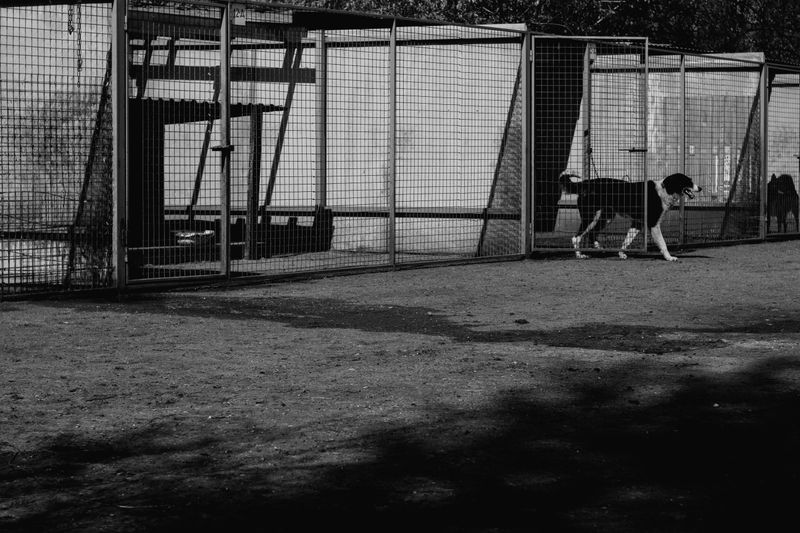
Once a court has adjudicated an animal as dangerous, the rules tighten permanently. Allowing that animal to run at large makes the owner guilty of a misdemeanor.
Penalties may include up to ninety days imprisonment, a fine between $250 and $500, or at least 240 hours of community service.
Courts may also order payment of prosecution costs. Combination penalties are possible, so containment becomes absolutely non-negotiable.
Kennel Licenses Mean Tighter Boundaries
Kennel operators live by stricter standards. MCL 287.271 states that no dog bearing a kennel tag may stray or be taken anywhere outside the kennel limits.
Limited exceptions exist for leashed outings and specific purposes.
Those purposes include hunting, breeding, field trials, and shows. Anyone running a licensed kennel should keep transport and leash procedures written down and consistently followed by every staff member.
Your City or Village May Add Rules
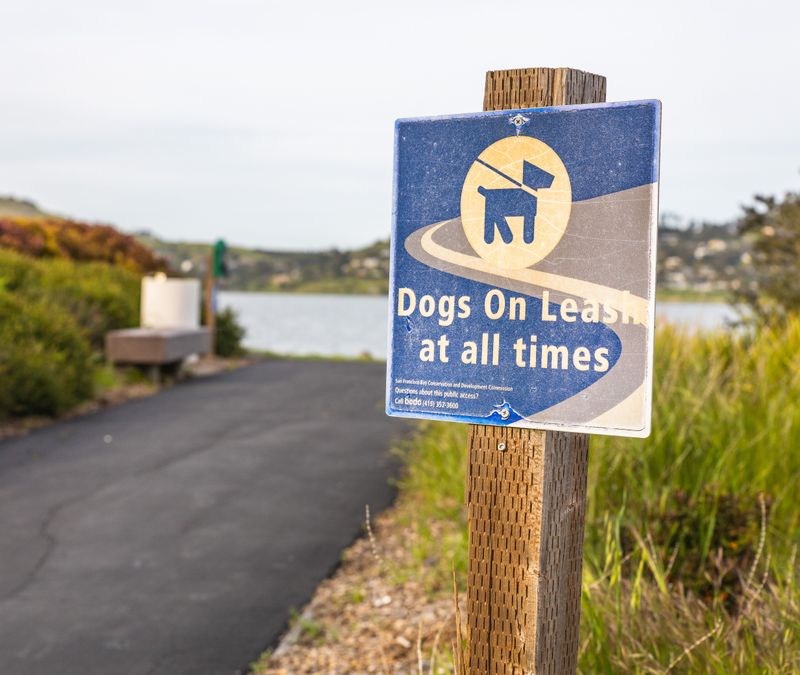
State law sets the floor, not the ceiling. Michigan cities and villages may adopt their own animal control ordinances.
Local rules can address leash length, licensing details, and additional restrictions on dogs running at large.
Before assuming anything, call your city clerk or animal control office. Five minutes on the phone gives you accurate answers, steady confidence, and a dog who stays safely on the right side of every rule.