What to Do If Your Minnesota Dog Meets a Porcupine
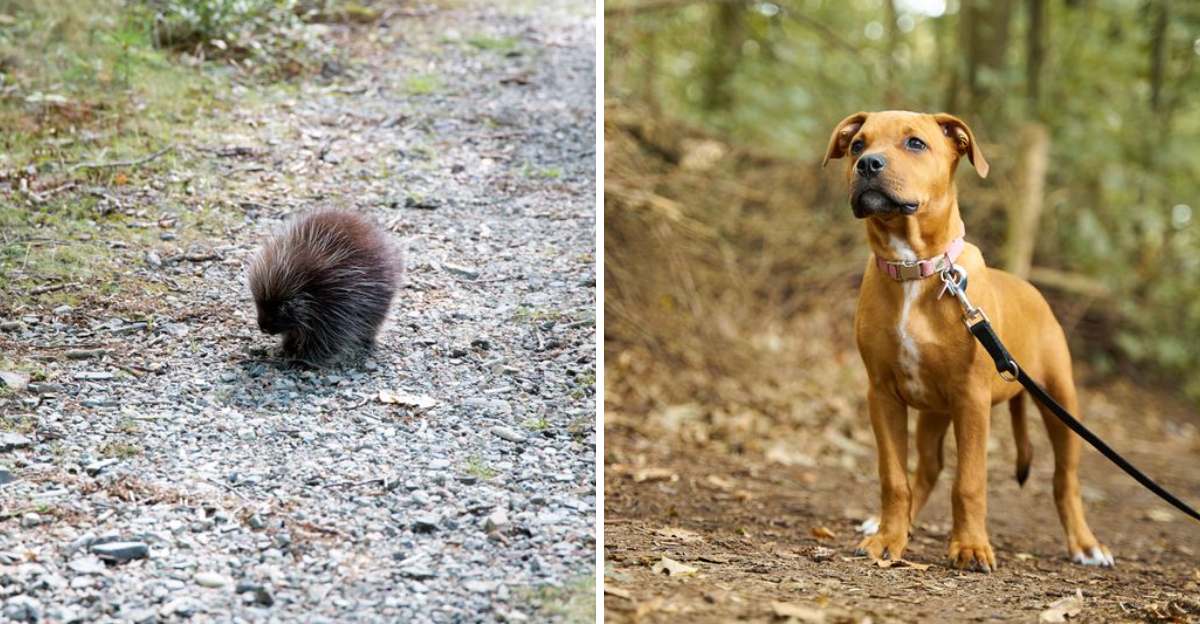
Minnesota trails, cabin lots, and brushy backroads are full of wildlife, and porcupines are part of that mix. Most dogs never meet one.
Still, the ones who do usually meet it nose first, because curiosity moves faster than caution. Your job is to keep your dog calm, prevent extra damage, and get to professional care quickly.
You will learn what to do right away, what to avoid completely, and how to reduce the odds of it happening again.
Call your dog back immediately
Speed matters more than volume here. The instant you spot a porcupine, use your dog’s recall cue in a bright, upbeat tone rather than a panicked shout.
Dogs often turn away from an angry voice, which wastes precious seconds. A single second of hesitation can mean dozens of quills instead of a clean escape.
Practicing recall at home, in the yard, and on quiet trails pays off exactly in moments like this one.
Move your dog away from the porcupine
Distance is your best tool right now. Walk your dog steadily away, aiming for open ground where you can see clearly and think straight.
Avoid dragging or scolding. Firm, calm guidance works better than force, especially when your dog is already sore.
Twenty or thirty feet is usually plenty. Once you are clear, stop, breathe, and shift your attention fully to your dog’s condition.
Put your dog on a leash
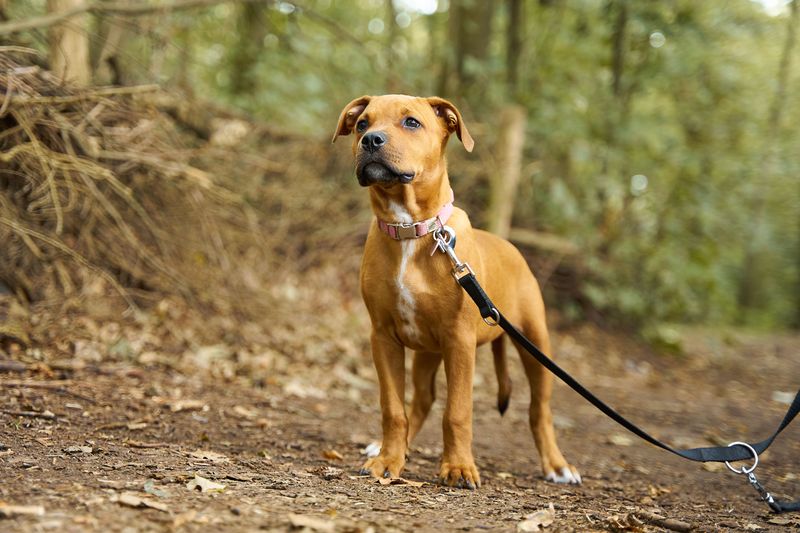
Once your dog reaches you, clip that leash on before anything else. Even a dog with quills may bolt back toward the porcupine out of frustration or instinct.
A leash also stops your dog from disappearing into thick brush while hurting and frightened.
Keep the leash short but not tight. Steady contact gives you control without adding pressure to a dog that already feels unsettled.
Give the porcupine room to leave
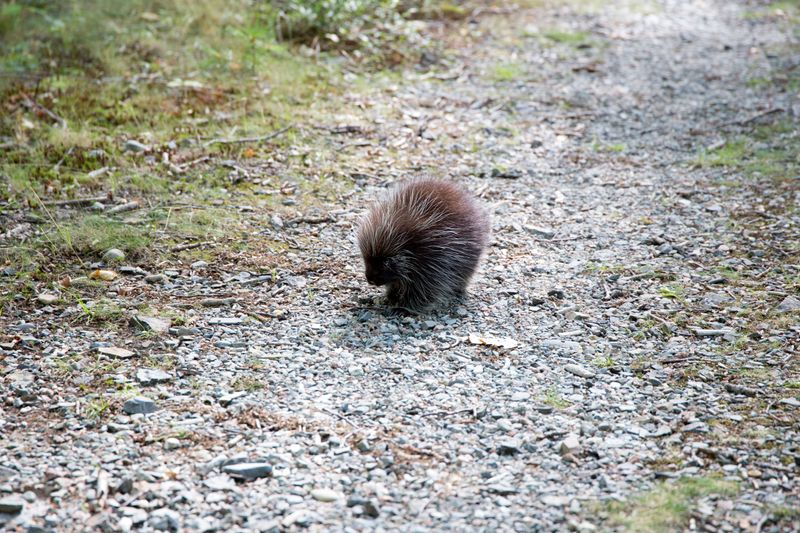
Porcupines do not chase, and they cannot throw quills. That myth has stuck around for generations, but it simply is not true.
What they do is turn their back, raise their quills, and wait for the threat to leave. Give the animal a clear path and it will amble off on its own.
Never try to move, strike, or corner it. A cornered porcupine stays defensive far longer.
Check your dog carefully for quills
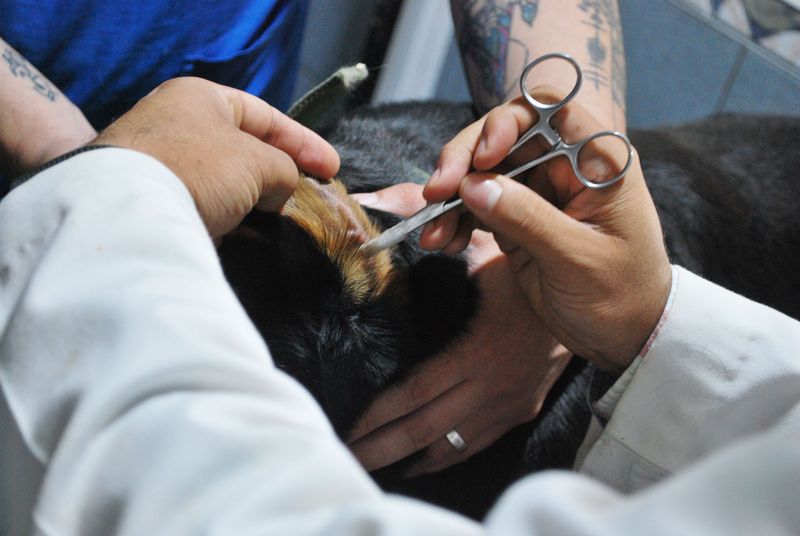
Faces take the worst of it, since dogs investigate with their noses. Look at the muzzle, lips, chin, and the area around the eyes first.
Then scan the chest, front legs, paws, and shoulders. Quills hide easily in thick coats.
If your dog will allow it safely, glance inside the mouth and under the tongue. Note what you see, because your veterinary team will want that information.
Keep a quilled dog calm and still
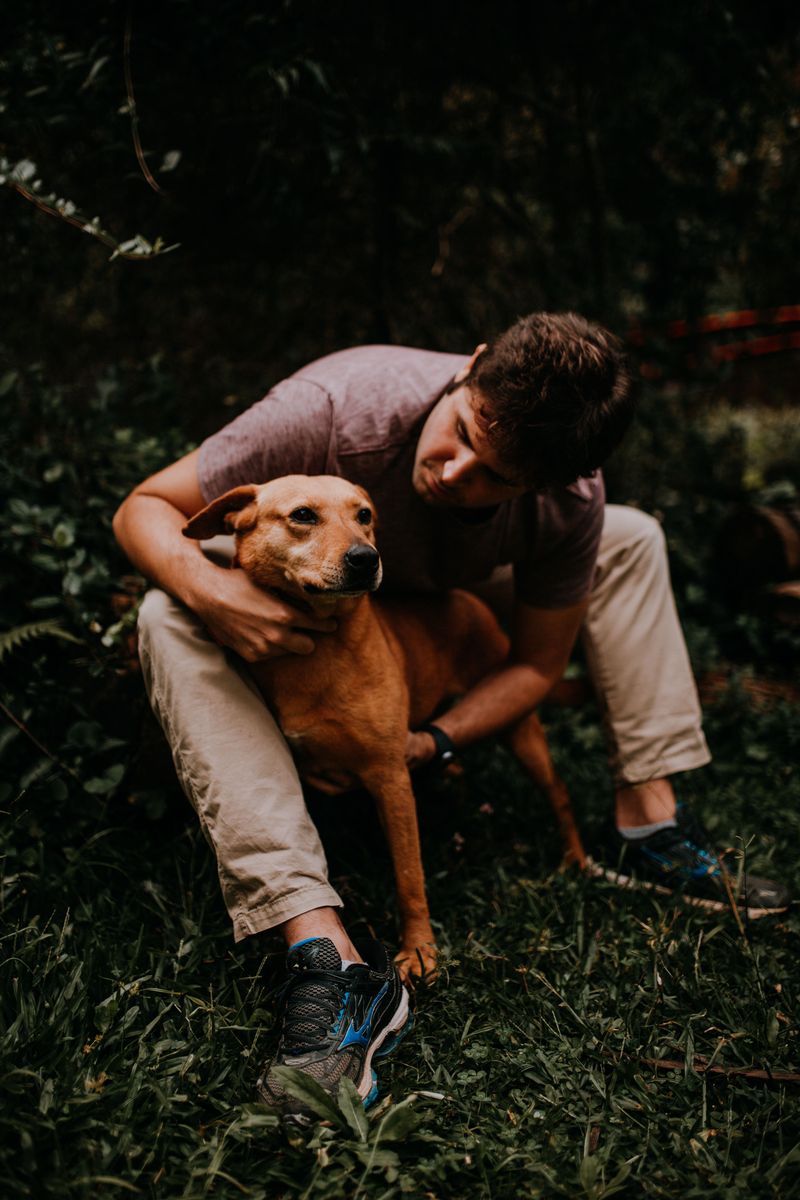
Your energy sets the tone. Sit down, lower your voice, and let your dog settle against you rather than pacing in circles.
Movement drives quills deeper into muscle and tissue, so stillness genuinely protects your dog.
Slow strokes along the back or shoulders, away from any quills, help many dogs relax. Skip the frantic apologies.
Quiet reassurance does more good than a flurry of worried words.
Stop your dog from rubbing or pawing at its face
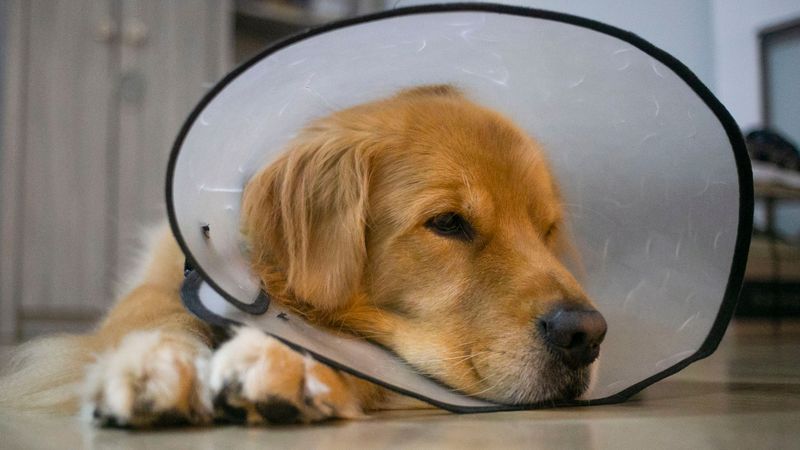
Instinct tells a dog to swipe at whatever hurts, and that instinct works against them here. Pawing snaps quills off and buries the pieces deeper.
Hold the front legs gently or slip on an Elizabethan collar if one is in the vehicle.
Rubbing against grass, seats, or your leg causes the same problem. Redirect calmly, hold your dog close, and keep that face away from any surface.
Do not pull the quills out yourself
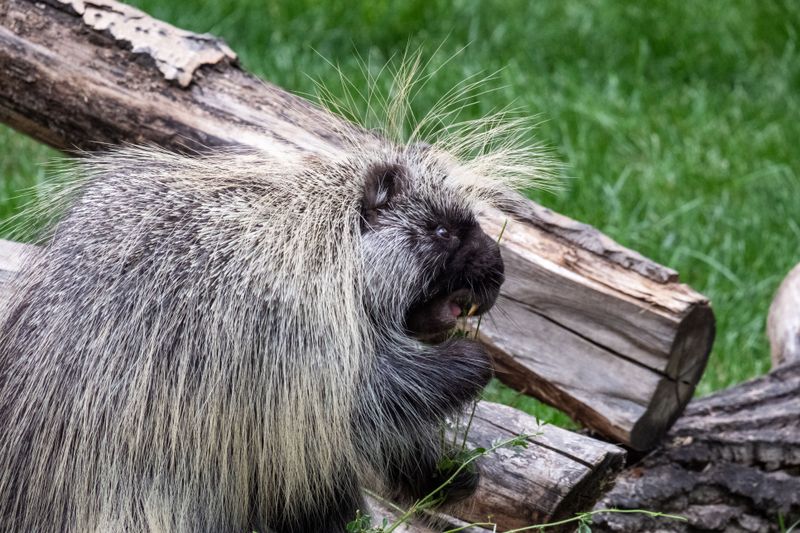
Every quill carries microscopic barbs that angle backward, gripping tissue like tiny fishhooks. Pulling tears skin and hurts intensely.
Home removal also breaks quills below the surface, leaving fragments a veterinarian must then hunt for.
There is one practical exception worth knowing: some veterinarians advise removing a single loose quill from an eyelid area only under their phone guidance. Otherwise, hands off and head to the clinic.
Do not cut the quills
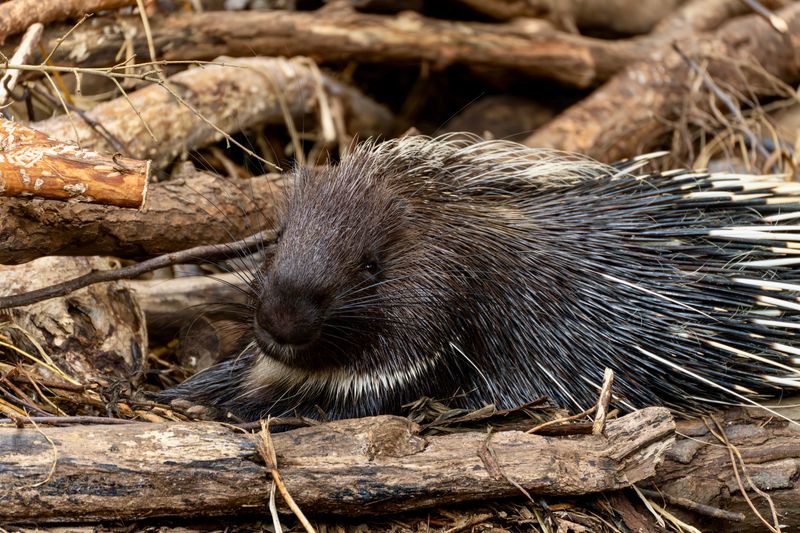
Somewhere along the line, people started saying that snipping quills lets the air out so they slide free. That advice is simply wrong.
Quills are not balloons. Cutting them makes the shaft splinter and shorten, which gives your veterinarian far less to grip.
Shortened quills also slip beneath the skin more easily. Leave them full length, exactly as they are, until a professional takes over.
Do not snap or break embedded quills
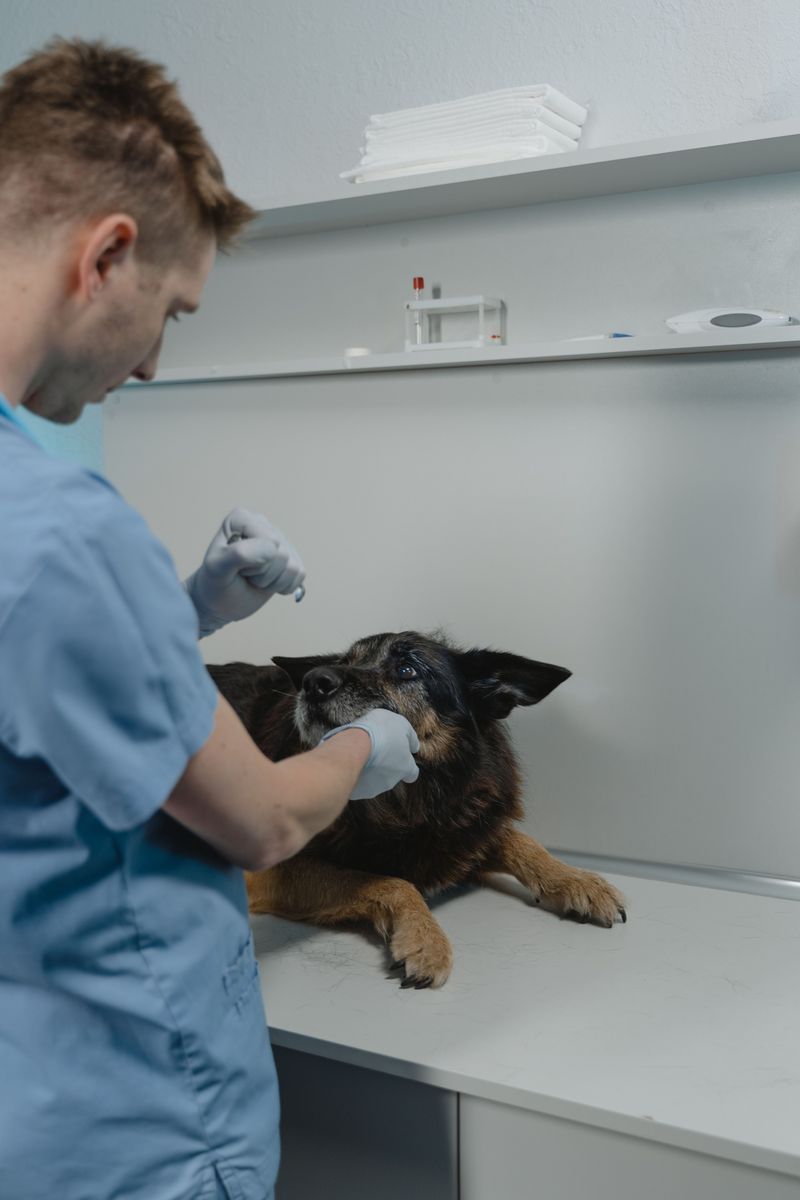
Broken pieces are the real troublemakers. A fragment left under the skin can travel through muscle over days or weeks.
Migrating quills lead to abscesses, swelling, and occasionally damage to deeper structures. Vets sometimes find pieces long after the original encounter.
Handle your dog in a way that avoids bumping the quills against door frames, seats, or your own arms. Intact quills make the whole job easier.
Do not wait for the quills to come out on their own
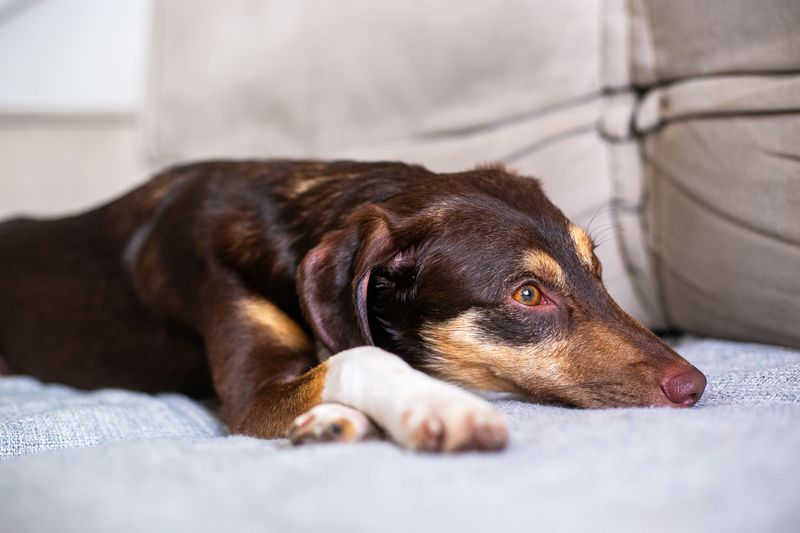
Waiting feels tempting when a dog seems oddly calm afterward. Some dogs really do act almost normal for a while.
Quills, however, never back out. The barbs let them slide inward with every muscle movement your dog makes.
Each passing hour raises the risk of infection and makes removal harder. Same day care is the standard advice from veterinary sources, even for a handful of quills.
Contact a veterinarian promptly
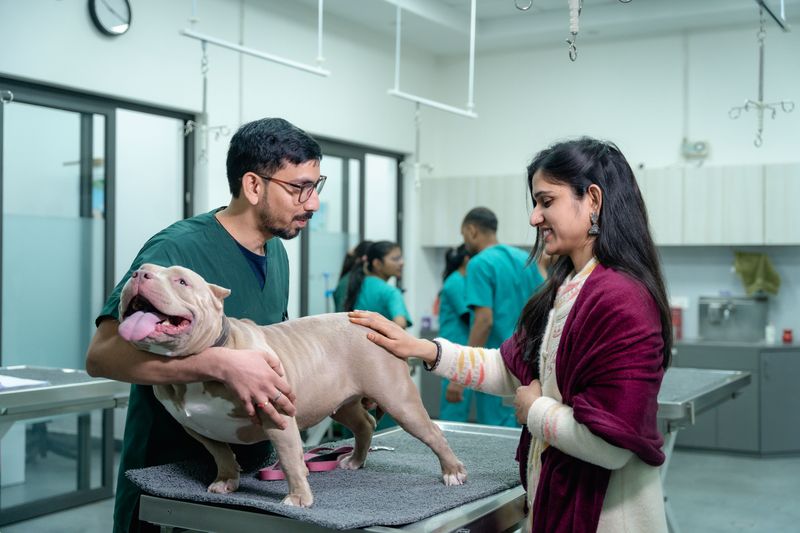
Call while someone else drives, if you can. A quick heads-up lets the clinic prepare a room and sedation before you arrive.
Regular clinics handle many quilling cases, but evenings and weekends often mean an emergency hospital instead.
Save two numbers in your phone now: your usual veterinarian and the nearest emergency animal hospital. Cabin country can be a long drive, so knowing your route ahead of time helps.
Tell the veterinarian where the quills are located
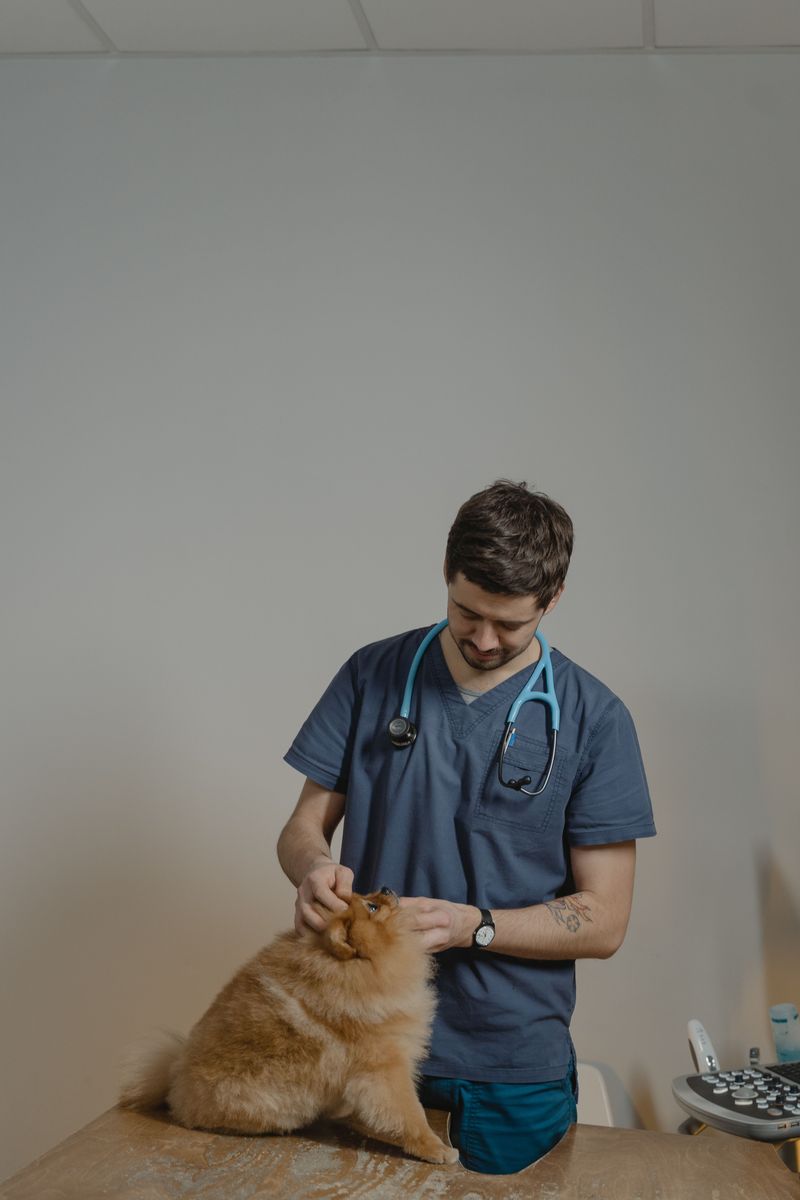
Details help the team triage. Mention the areas involved, roughly how many quills you see, and whether any are inside the mouth.
Say if your dog swallowed anything or is drooling heavily. Note the time of the encounter too.
A photo from a safe distance can be useful, if your dog tolerates it calmly. Clear information means faster treatment once you walk through the door.
Treat breathing problems as urgent

Quills near the throat, neck, or chest deserve immediate attention. Labored breathing, choking sounds, or blue-tinged gums mean go now.
Quills can penetrate deeply and reach structures under the skin, including the chest cavity in rare cases.
Do not wait for a callback in that situation. Drive straight to the nearest emergency hospital and phone from the road.
Minutes count more than paperwork or appointment schedules ever will.
Handle your dog cautiously during transport
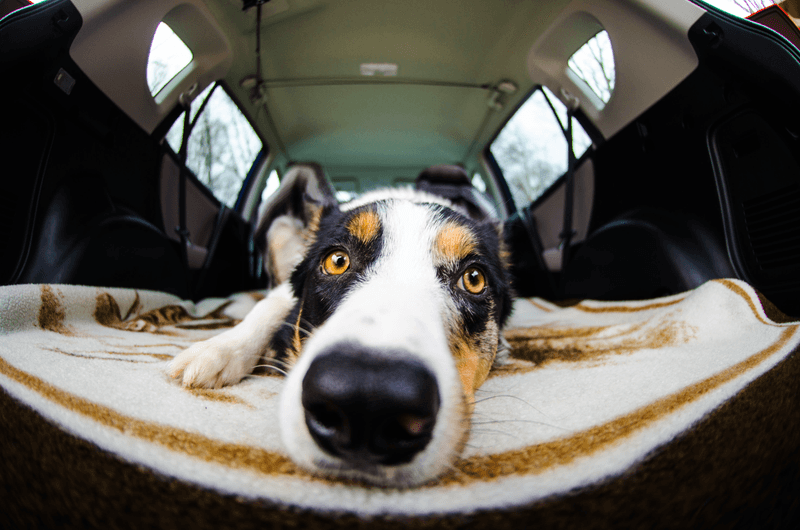
Think of the ride as part of the treatment. Lay down a blanket, support your dog’s body, and lift without pressing on quilled areas.
Large dogs may need two people and a sturdy blanket used as a stretcher.
Have a passenger sit nearby to prevent shaking, scratching, or sudden standing. Drive smoothly.
Sharp turns and hard stops jostle quills more than most owners realize.
Do not give human pain medication

Watching your dog hurt makes the medicine cabinet look appealing. Resist it completely.
Ibuprofen, acetaminophen, naproxen, and aspirin can damage a dog’s kidneys, liver, stomach lining, or red blood cells. Doses that seem tiny still cause harm.
Human medications may also interfere with the pain control and sedation your veterinarian plans to use. Ask the clinic before giving anything at all, including leftover prescriptions from a previous injury.
Follow the veterinary clinic’s feeding instructions before treatment
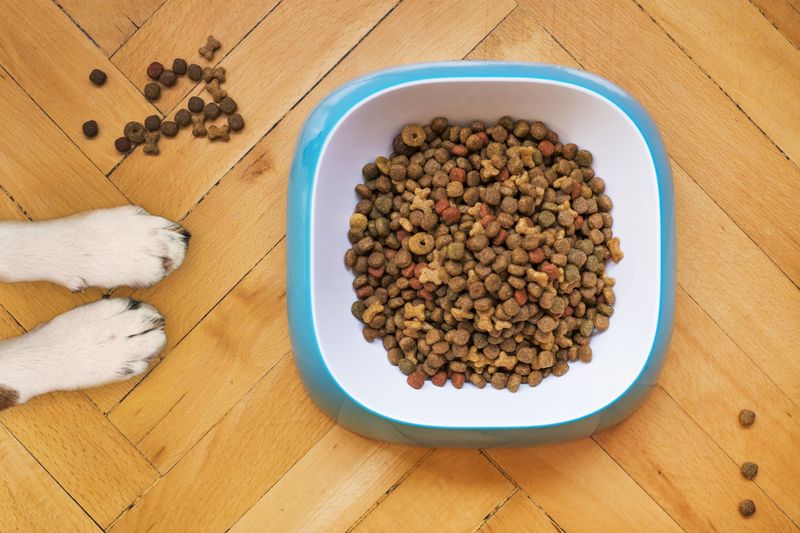
Safe quill removal almost always requires sedation or general anesthesia. Because of that, the clinic may ask you to withhold food and sometimes water.
A full stomach raises the risk of vomiting under sedation, which can be dangerous.
Mention anything your dog already ate, including treats grabbed on the trail. Honesty helps the team choose the safest protocol.
Follow their timing exactly, even if your dog protests loudly.
Watch your dog closely after quill removal
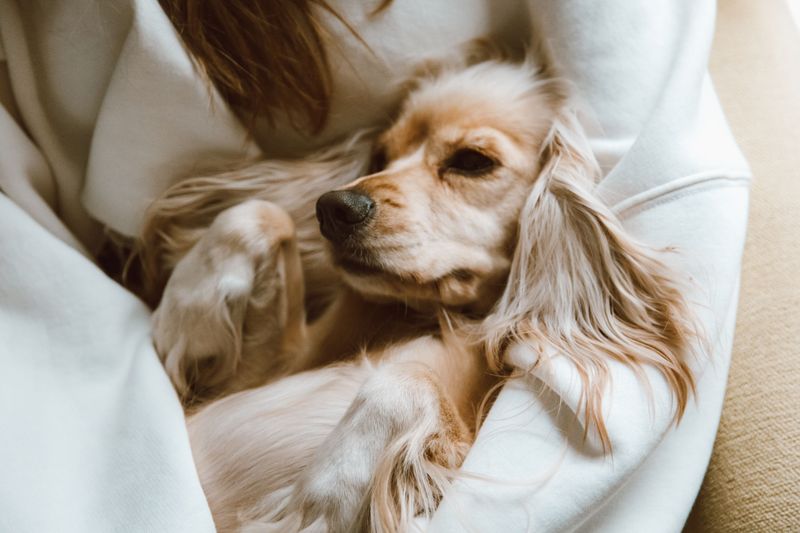
Recovery usually goes smoothly, but the next couple of weeks deserve attention. Check the treated areas daily for swelling, heat, redness, or discharge.
Flag any limping, reluctance to eat, low energy, or pawing at the mouth. Those signs can point to a missed fragment or infection.
Give prescribed medications exactly as directed. Call the clinic with questions rather than waiting for your next scheduled visit.
Keep your dog close or leashed in areas where porcupines are common
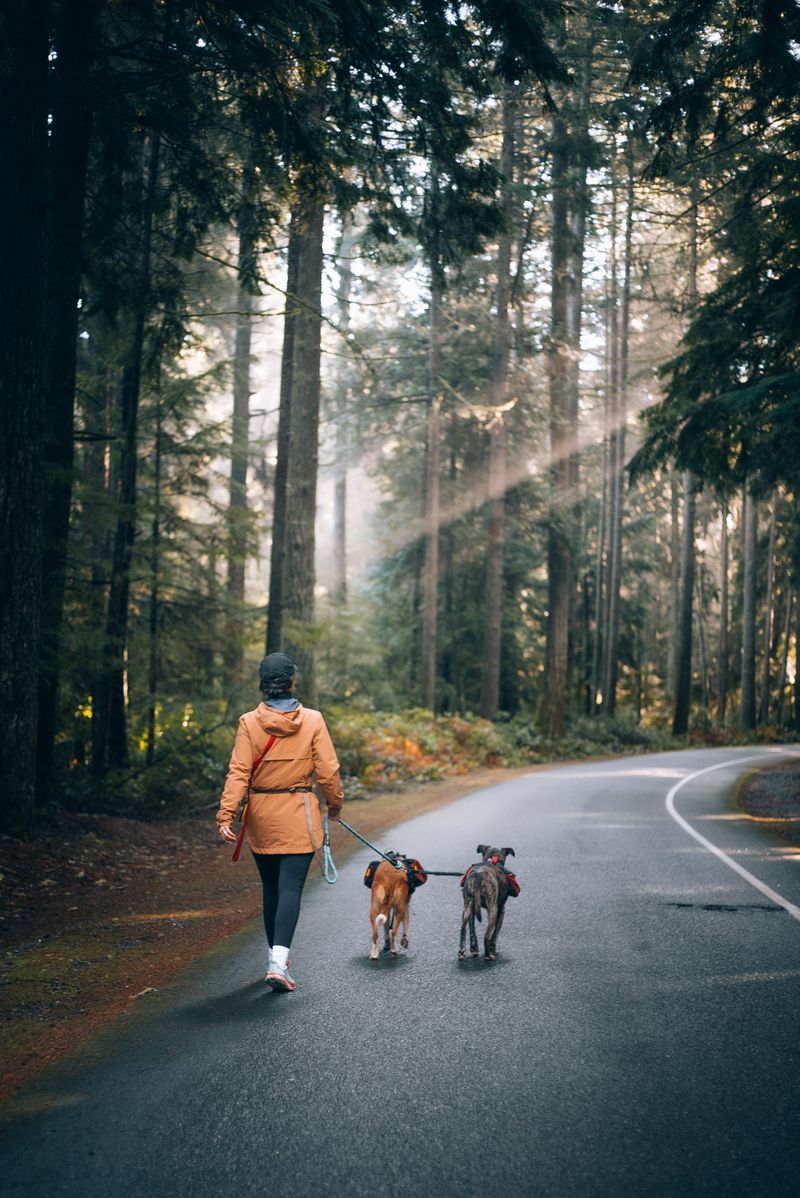
Prevention beats every step above. Porcupines favor wooded and rural stretches across Minnesota, especially the northern half of the state.
They move most at dusk, night, and early morning, so leash up during those windows and near dense brush or hollow logs.
Cabin owners can clear brush piles and secure sheds. Some dogs, particularly repeat offenders, benefit from professional avoidance training with a qualified trainer.