15 Best Dog Breeds For Seniors In Arizona
Here is something most breed lists skip: in Arizona, the right dog is chosen by the thermometer as much as by temperament.
From June through September, triple-digit afternoons mean walks happen at sunrise, and pavement gets hot enough to hurt paws. That changes everything about which companions truly thrive beside a retiree in Tucson, Mesa, or Sun City.
The good news? Plenty of small, sweet, low-fuss breeds handle desert life beautifully with a little planning.
Here are fifteen worth meeting.
Havanese
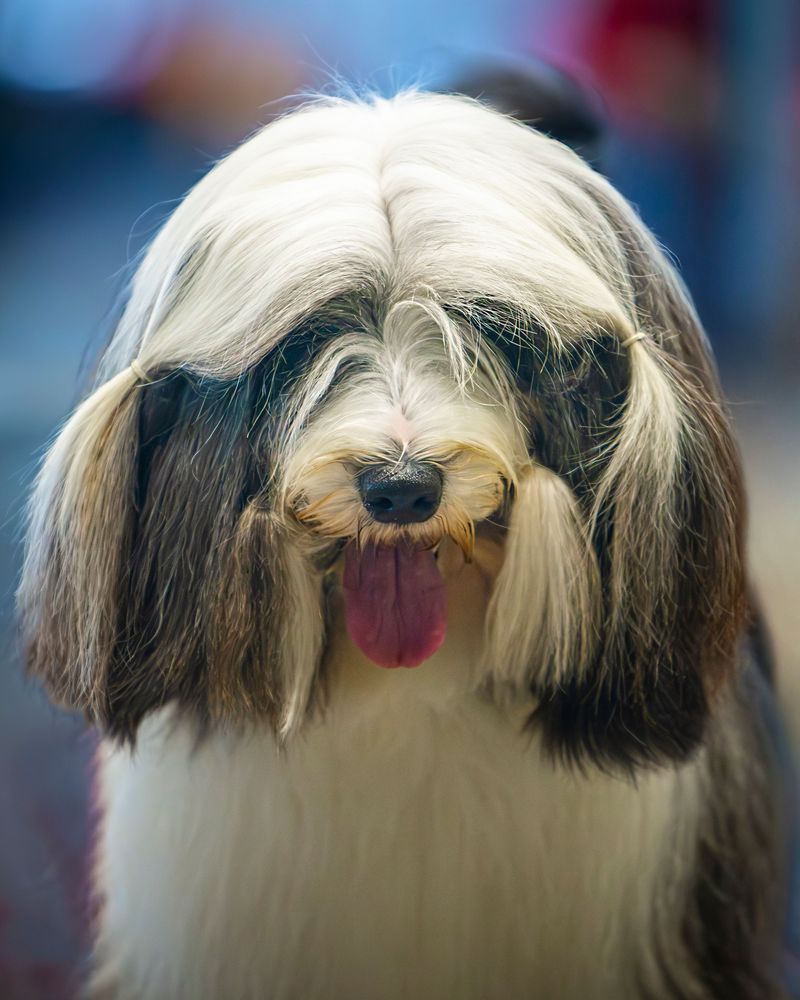
Cuba’s only native breed turned out to be a natural retiree roommate. Havanese soak up company, follow you room to room, and rarely demand more than 30 to 60 minutes of movement daily.
Split that into two easy 15-minute strolls before the sun climbs. Indoor fetch and puzzle toys handle the rest.
That long silky coat needs regular brushing, though many desert owners keep it trimmed shorter for comfort and simpler upkeep.
Maltese
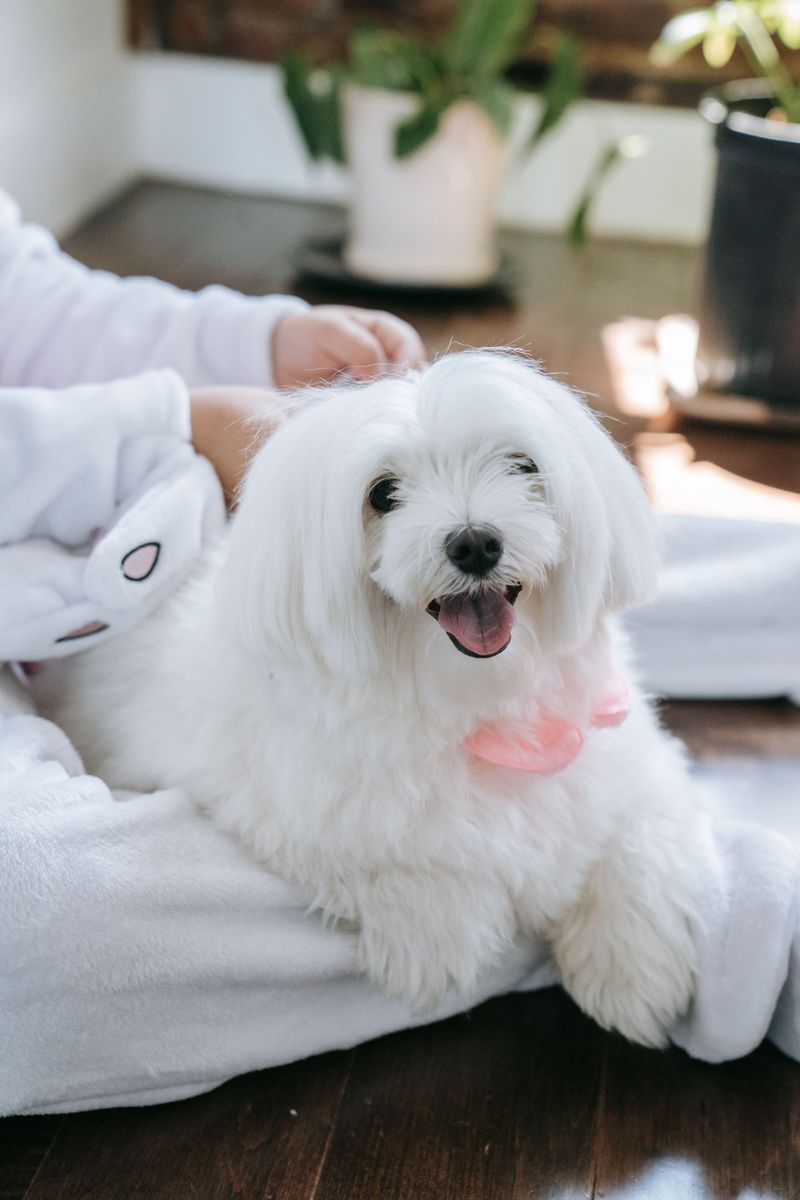
Under seven pounds of white floof, the Maltese has been charming laps since ancient Mediterranean times. Lightweight is the selling point here: easy to lift, easy to carry, easy on aging joints.
Short potty breaks and gentle indoor play satisfy most days.
Ask a groomer for a puppy cut. It slashes brushing time and keeps your little companion cooler through those long Phoenix summers.
Bichon Frise
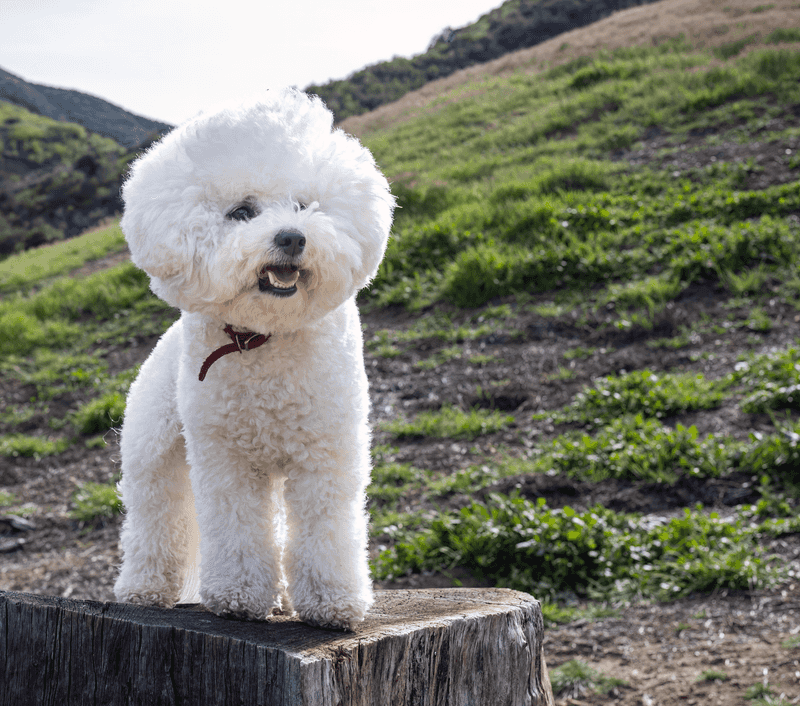
Cheerful barely covers it. The Bichon Frise arrives with a bouncy, friendly, affectionate streak that makes it a superb all-around pet for quiet households.
Twenty to forty minutes of daily exercise keeps one content, so early-morning grass walks fit perfectly.
The curly non-shedding double coat does demand frequent bathing and trimming. Budget for a groomer, then enjoy a dog that leaves almost no hair on the sofa.
Toy or Miniature Poodle
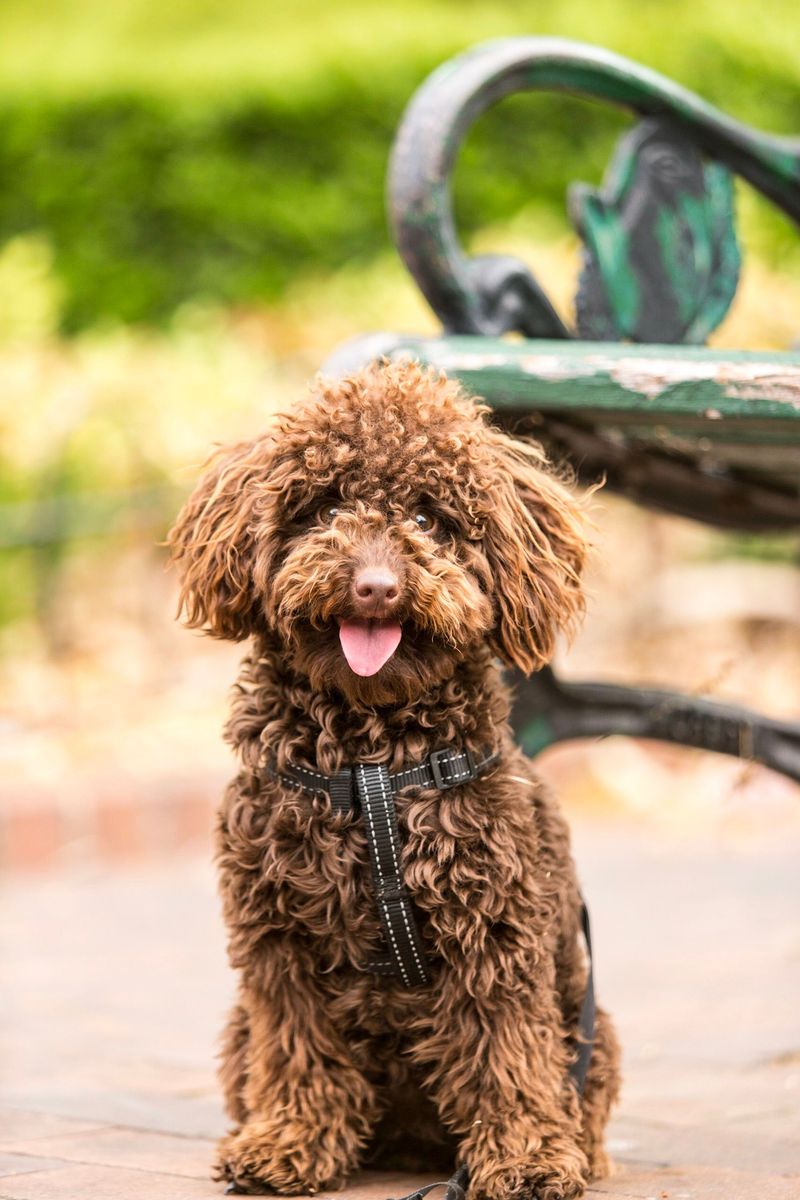
Smart, affectionate, and eager to learn tricks, Poodles turn training sessions into entertainment for both of you.
Minis adapt remarkably well to warm weather when walks land in cool morning or evening hours. Skip strolls above 85 degrees, since pavement can burn paws.
Grooming runs every six to eight weeks. A shorter summer trim improves airflow and shields skin from harsh desert sun.
Coton de Tulear
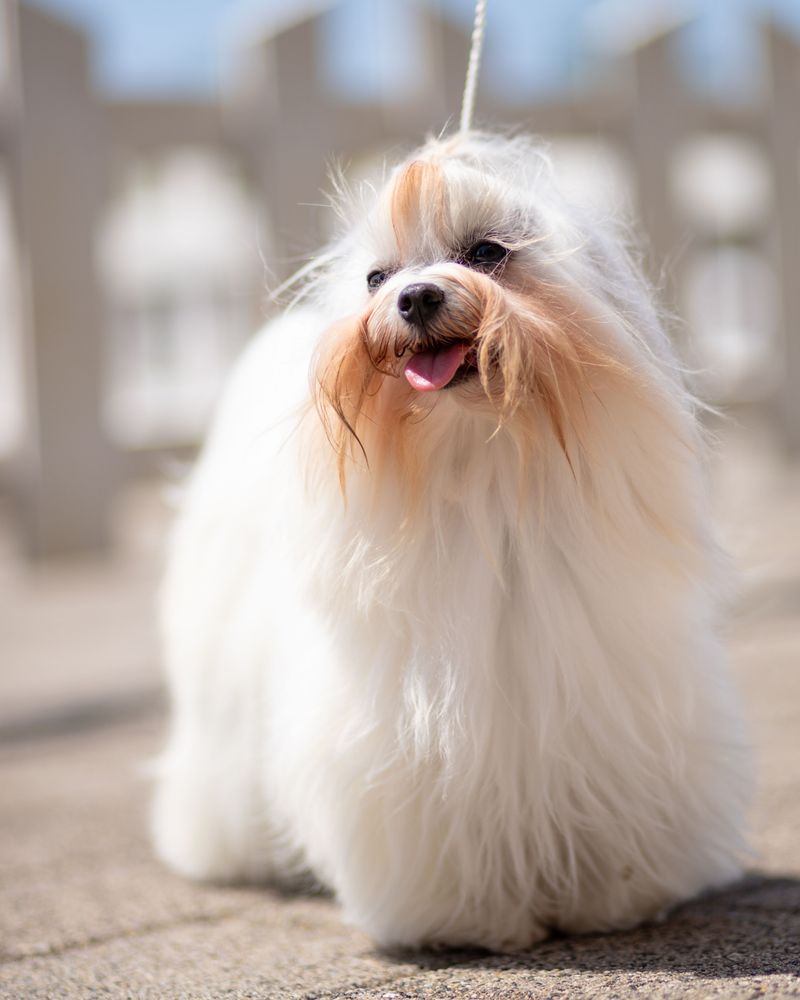
Nicknamed the royal dog of Madagascar, the Coton earned its name from a coat that feels like spun cotton.
Clownish, devoted, and famously happy to shadow one favorite person, this breed treats retirement as a shared hobby.
Daily combing prevents mats, and short cuts help in July heat.
Energy stays modest, so a morning amble plus indoor games covers the whole checklist nicely.
Papillon
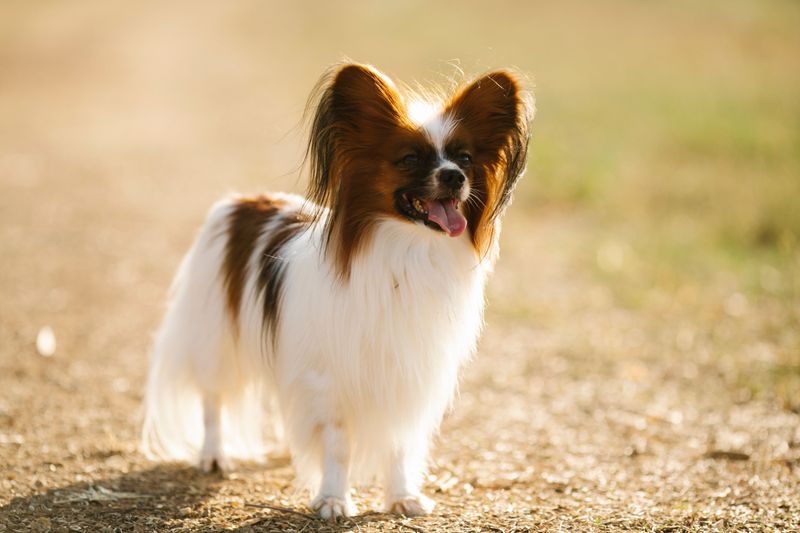
Those enormous fringed ears earned the name Papillon, French for butterfly. Behind them sits a bright, eager-to-please mind that loves learning.
Thirty to forty-five minutes of activity daily suits most, split between walks and interactive games.
Here is the bonus: no undercoat means grooming roughly once a month, plus brushing behind ears and thighs.
Light coat, light upkeep, big personality.
Yorkshire Terrier
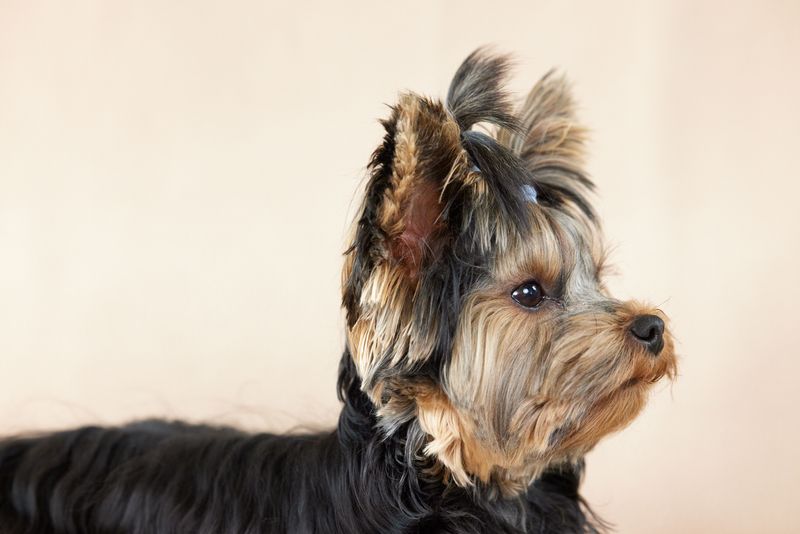
Two to three kilograms of pure confidence, the Yorkie bonds to its person with impressive loyalty.
That silky hair grows continuously and tangles fast, so brushing happens nearly daily on long coats. Professional grooming every four to six weeks keeps things manageable.
Never brush a dirty or wet coat.
Most Arizona owners choose a short pet trim, then focus on shade, water, and cool surfaces.
Miniature Schnauzer
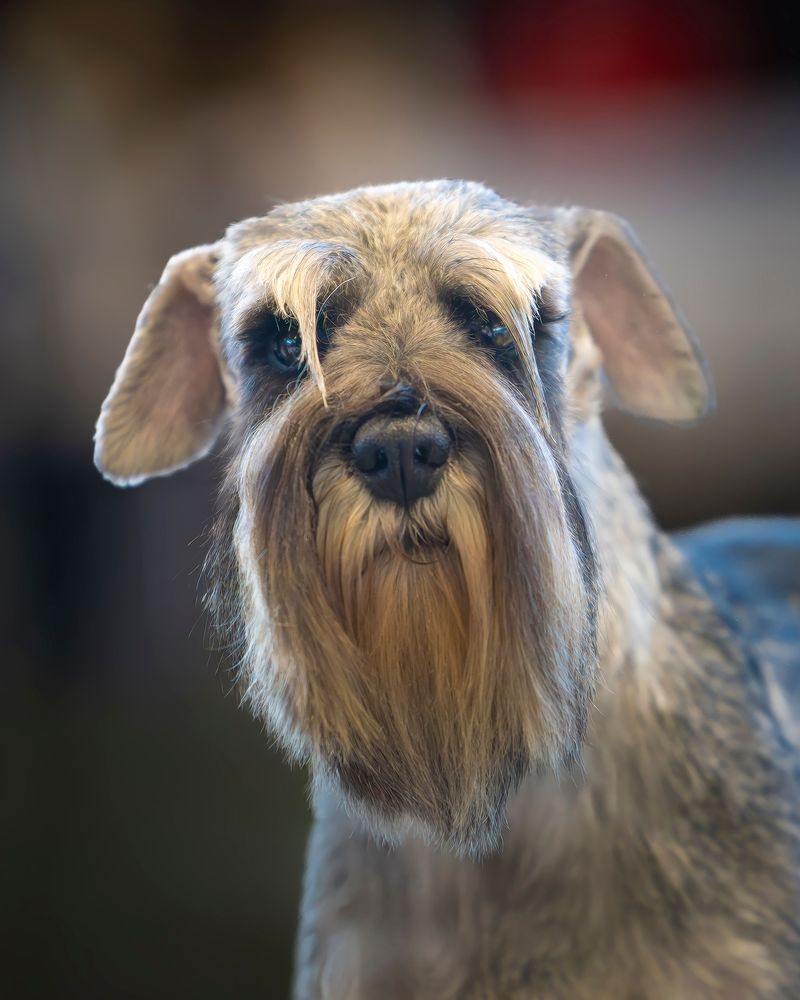
Bushy eyebrows, a proper beard, and an opinion about everything: the Mini Schnauzer brings comedy to quiet mornings.
Farm roots gave the breed alertness, which makes for a tidy little doorbell without much barking excess.
Wiry coats shed minimally, though clipping every couple of months keeps them neat.
Walks on dirt trails or grass protect paws, and a sturdy build handles gentle daily activity well.
Chihuahua
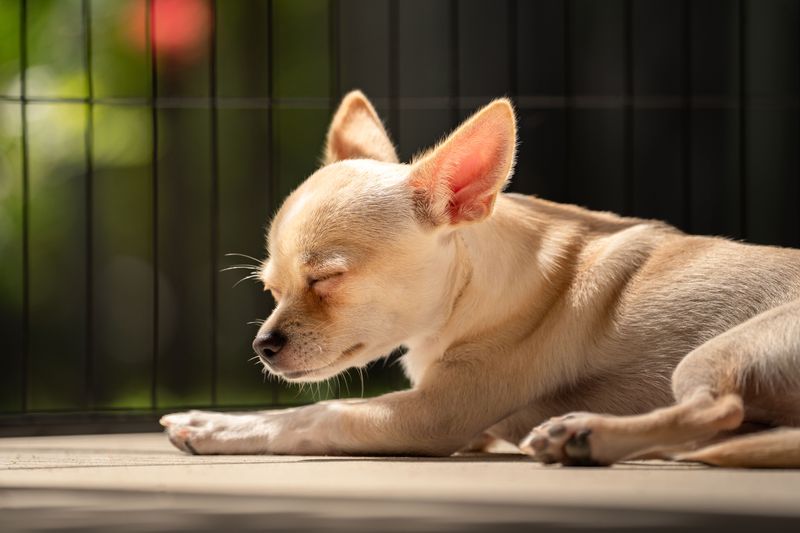
Mexico’s tiniest export knows how to sunbathe, and honestly, that suits the Southwest.
Smooth coats mean grooming is nearly effortless: a quick weekly brush and occasional bath.
Exercise needs stay tiny too, satisfied by a short walk and hallway play sessions.
Small bodies overheat quickly, so stick to dawn outings and air-conditioned afternoons. Many Arizona shelters have Chihuahua mixes waiting, which makes adoption wonderfully easy.
Italian Greyhound
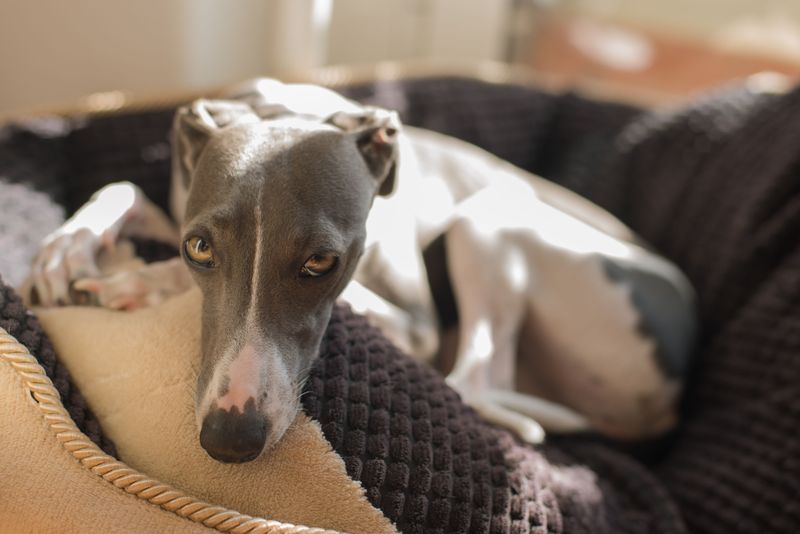
Picture a greyhound shrunk to lap size, then add a talent for napping. The Italian Greyhound is the smallest sighthound and delightfully low-maintenance.
The ultra-short single coat needs no brushing, just a weekly wipe with a damp cloth.
Aim for 30 to 60 minutes of movement, skipping peak heat and offering water.
Nails grow fast, so trim one to three times weekly.
Dachshund
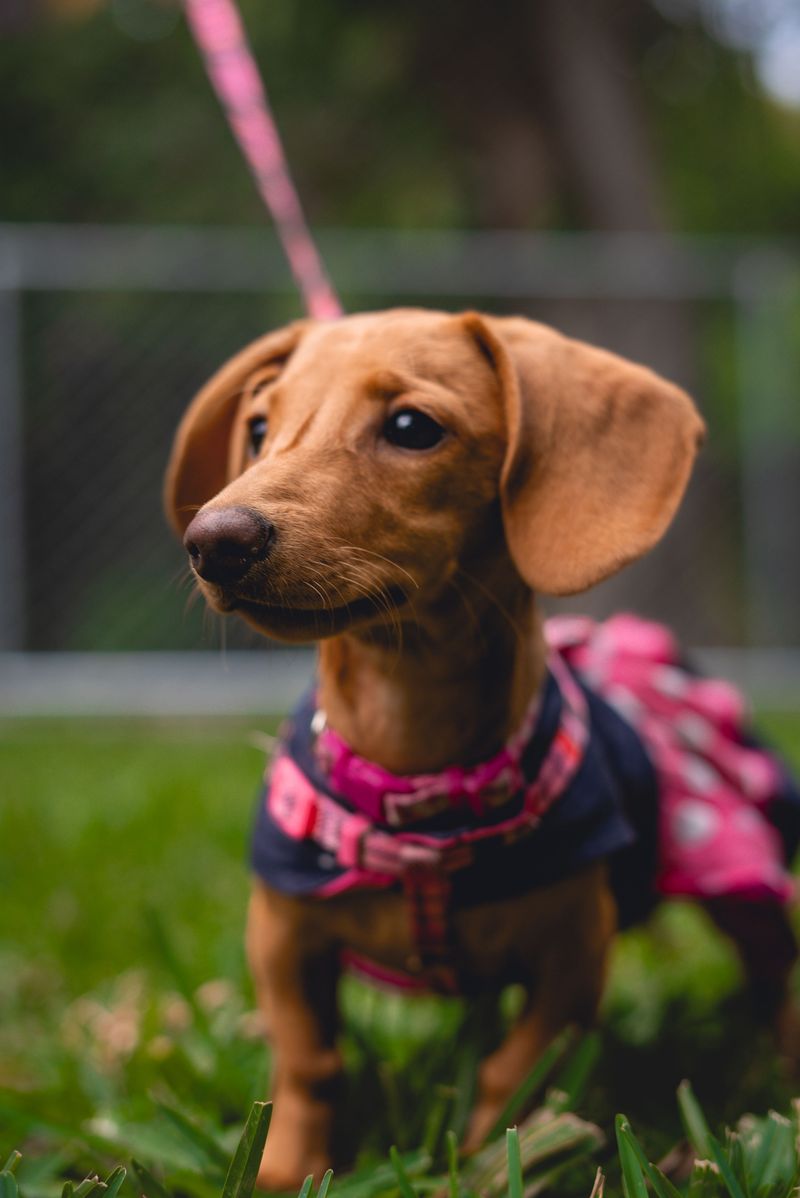
Long body, short legs, endless opinions. Dachshunds were bred to burrow after badgers, which explains the enthusiasm for blankets and sunny corners.
Short strolls suit those little legs, and smooth coats need only light brushing.
Protect that famous back: use ramps instead of jumps off furniture, and keep weight in check.
Low to the ground means hot pavement radiates upward, so choose grass every time.
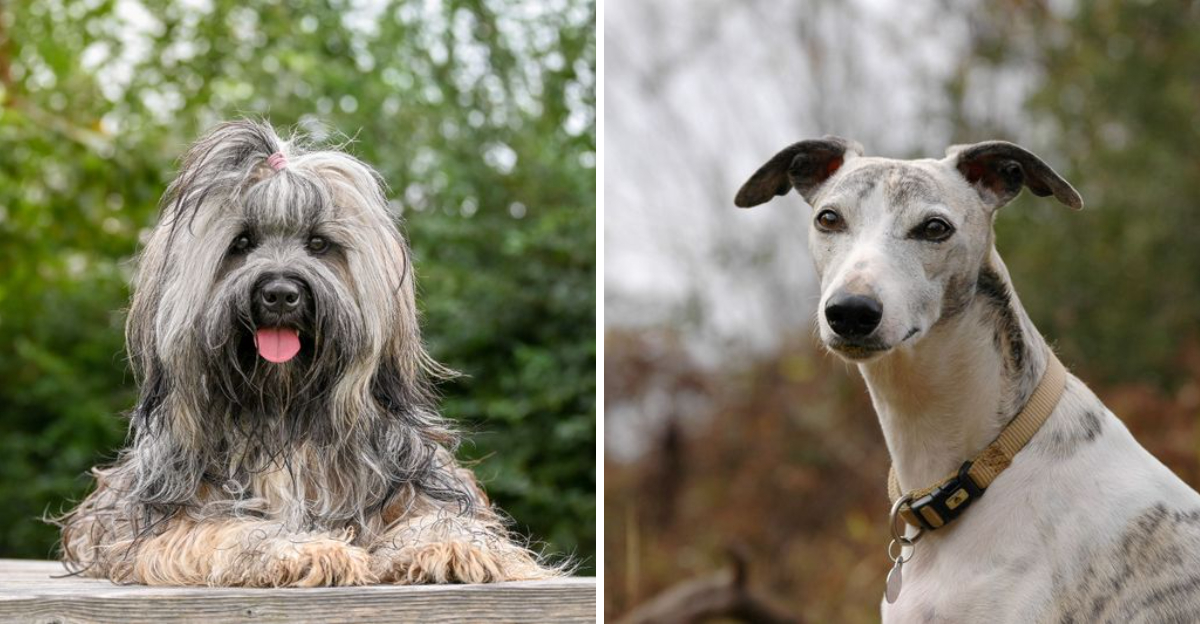
Whippet
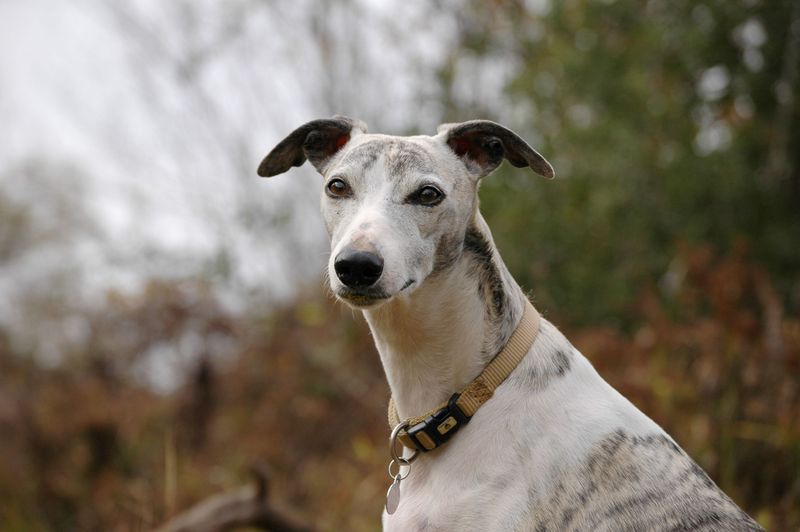
Sprinter outside, couch potato inside. Whippets are calm, docile, and genuinely welcoming, happiest snuggled beside you after a good run.
Plan about an hour daily, ideally two walks plus safe off-leash time in a fenced yard.
Thin coats shed little and need only occasional baths.
Low body fat means temperature sensitivity, so bring water and avoid the hottest hours completely.
English Cocker Spaniel
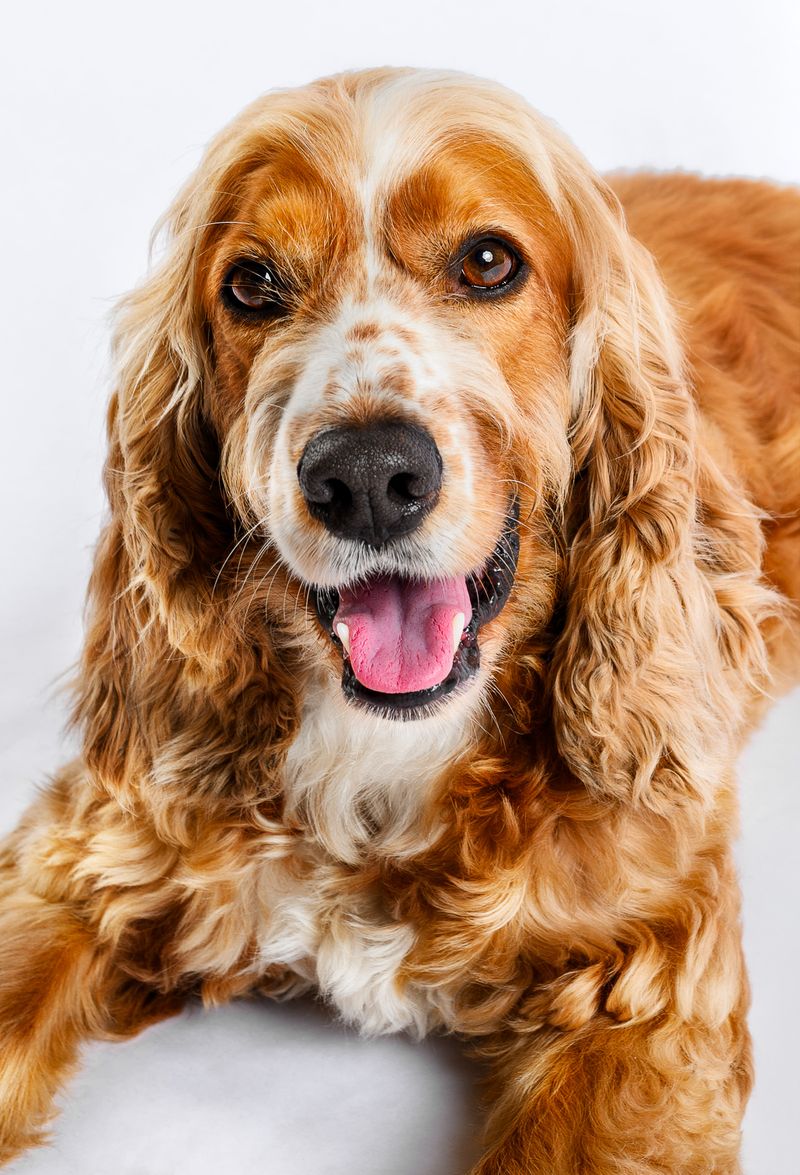
Those long velvety ears sweep the ground like curtains, and the tail rarely stops moving.
English Cockers are merry, people-focused sporting dogs who settle nicely once exercised. A steady morning walk plus fetch usually does it.
Ears need weekly checks, since moisture and debris collect under all that feathering.
Slightly bigger than the toys here, this one suits seniors wanting a mid-size buddy.
Bolognese
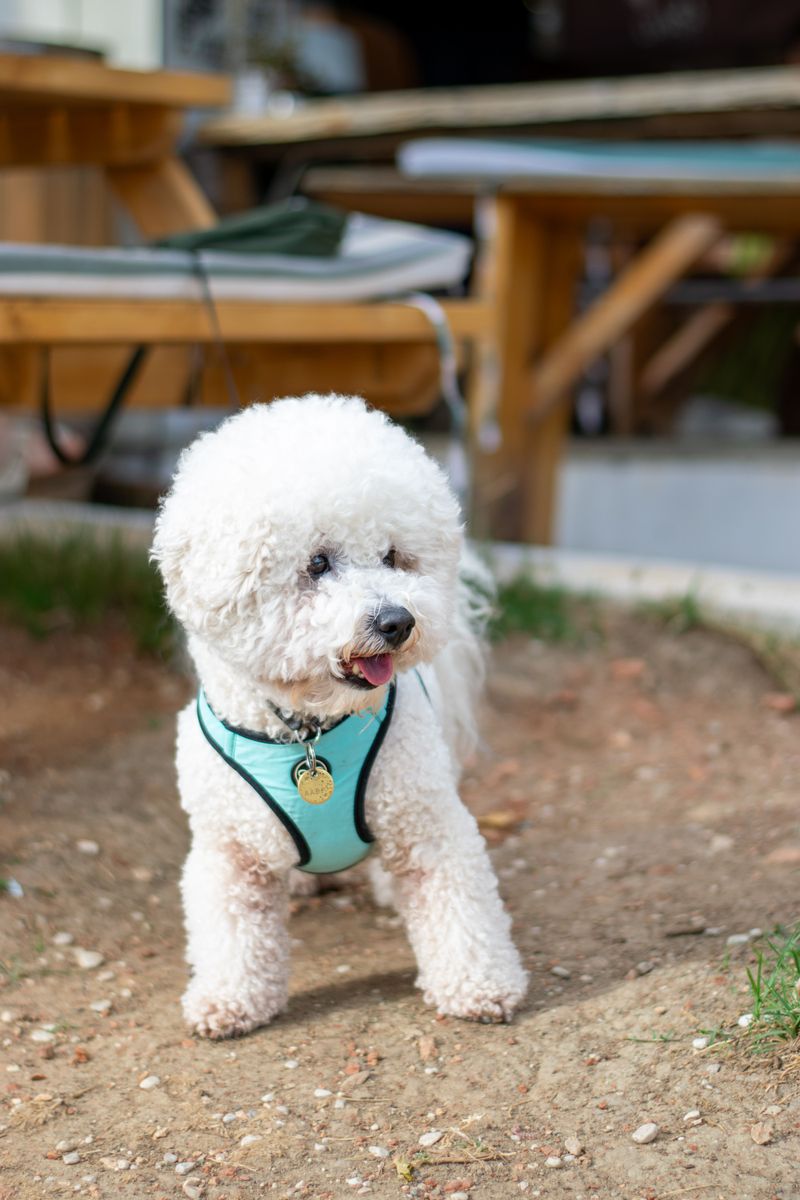
Rare, serene, and covered in cotton-soft white fluff, the Bolognese hails from northern Italy’s aristocratic parlors.
Calm company is the specialty, making one a quiet fit for apartments in Scottsdale or Green Valley.
That non-shedding coat mats easily, so daily brushing plus grooming every four to six weeks matters. Baths every two to six weeks.
A puppy cut reduces overheating risk considerably.
Löwchen
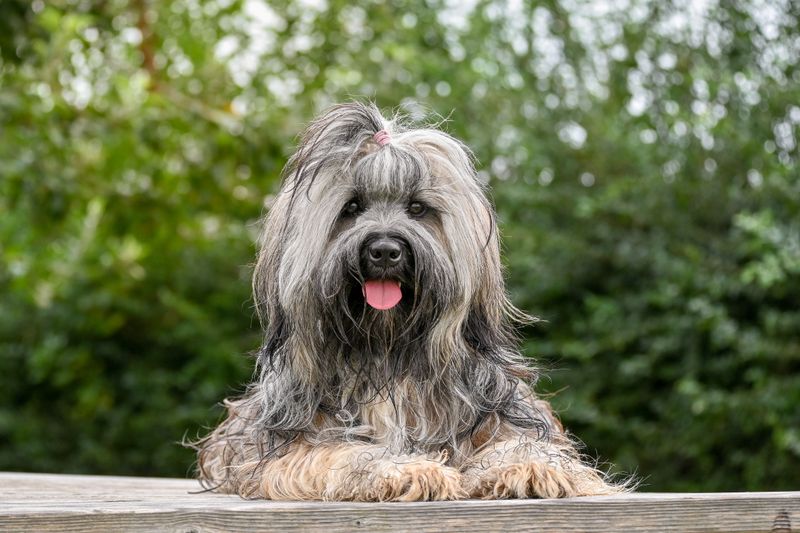
Little lion is the literal translation, and the traditional lion cut delivers the look: long mane, closely clipped hindquarters.
Standing 12 to 14 inches and around 15 pounds, the Löwchen is lively yet never hyperactive, content relaxing with family.
Two short walks daily keep one healthy; long hikes are unnecessary.
Brush once or twice weekly, with professional trims every six to eight weeks.