What Arkansas Dog Owners Should Check Before Letting A Dog Swim In A Warm Lake
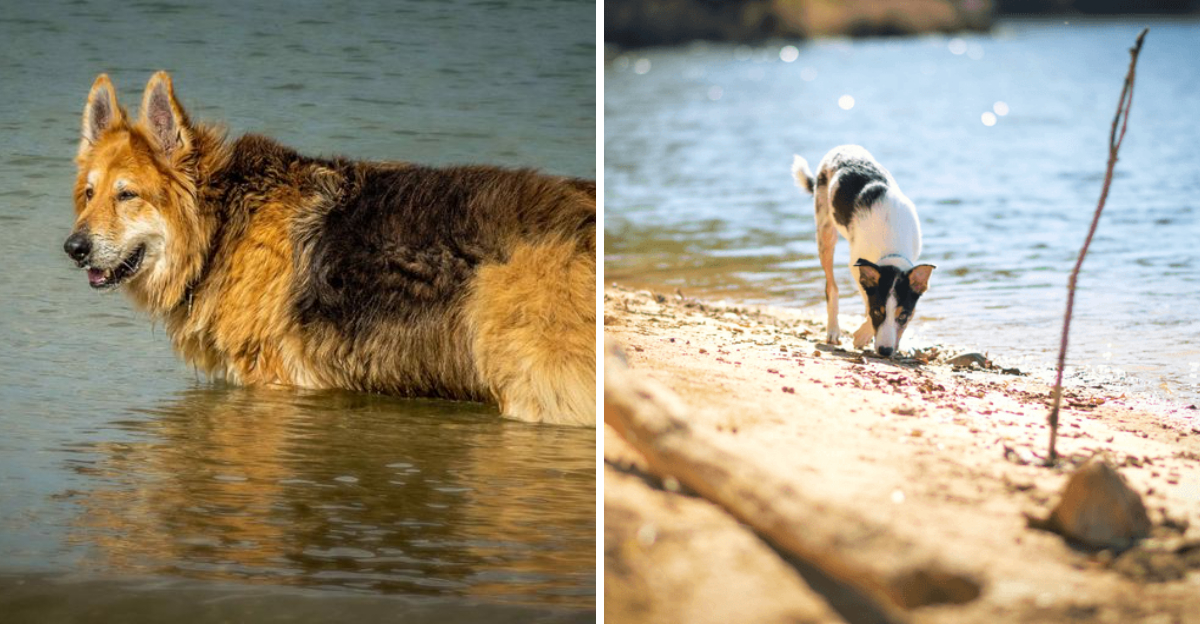
Warm lakes can look perfect for a happy dog day, especially during an Arkansas summer. Still, a little checking before your dog jumps in can prevent a lot of trouble later.
Water conditions, heat, wildlife, and your dog’s own limits all matter more than many owners realize. Here is a calm, practical guide to help you feel ready before paws hit the water.
Check The Lake Water Temperature
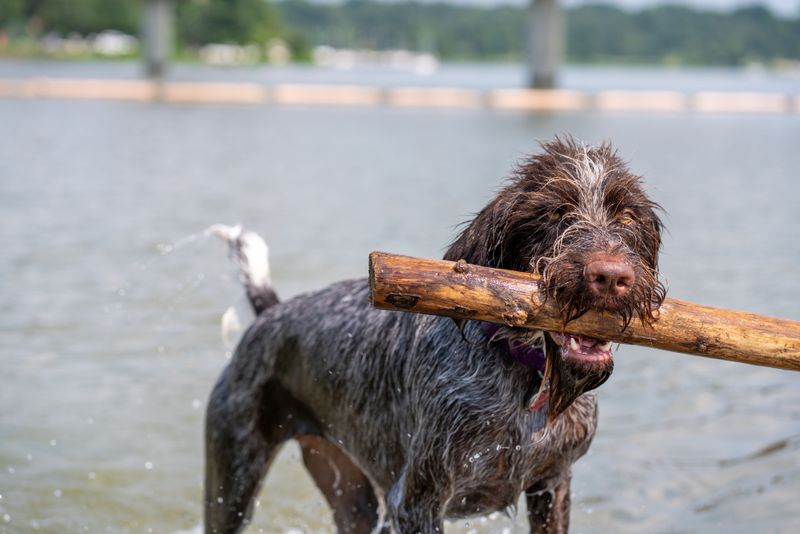
Warm water can wear a dog out faster than owners expect. Arkansas lakes often heat up quickly during long summer afternoons.
Check the water and weather conditions before swimming rather than relying on how the water feels to your hand. If the water seems unusually warm or your dog is already showing signs of overheating, choose a shorter outing or skip the swim.
Hot water can add stress, especially for flat-faced, older, or thick-coated dogs. Cooler morning hours are often a better choice.
When weather has stayed hot for days, use extra care before any lake visit. Your dog will thank you later.
Look For Harmful Algae Blooms
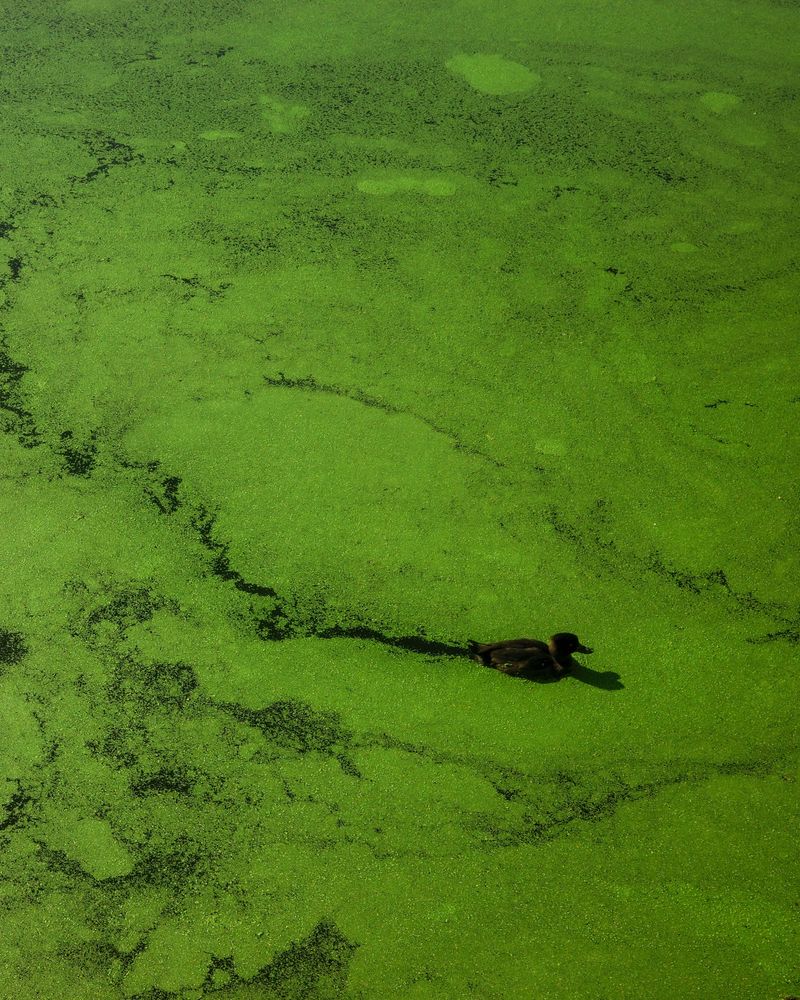
Some lake water problems are easy to miss until you look closely. Harmful algae can appear as green paint-like scum, thick mats, or floating streaks.
Do not let your dog swim, drink, or lick water with suspicious growth. Toxins from certain blooms can make pets sick quickly.
Arkansas officials sometimes post notices, but not every problem is marked right away. If the water looks oddly bright, soupy, or streaked, choose another spot.
A pretty lake is not always a safe one.
Avoid Water With A Bad Odor
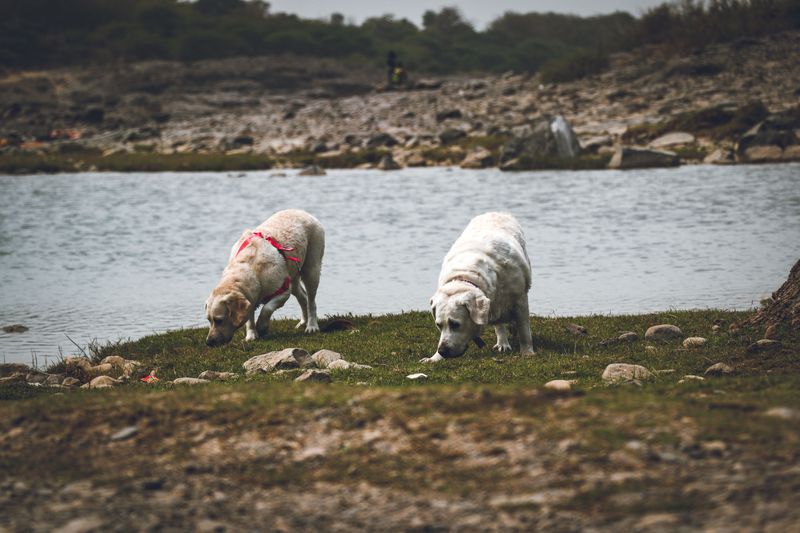
Your nose can give a useful warning before your dog gets wet. Water that smells rotten, sour, or strongly chemical should raise concern.
Bad odors may point to pollution, algae, waste, or poor water movement. Dogs often ignore smells that humans dislike, so the choice is yours.
Move on if the air near the lake seems off. Fresh lakeside air should not smell harsh or foul.
A quick sniff test is simple, free, and surprisingly helpful before every swim outing.
Watch For Dead Fish Or Wildlife
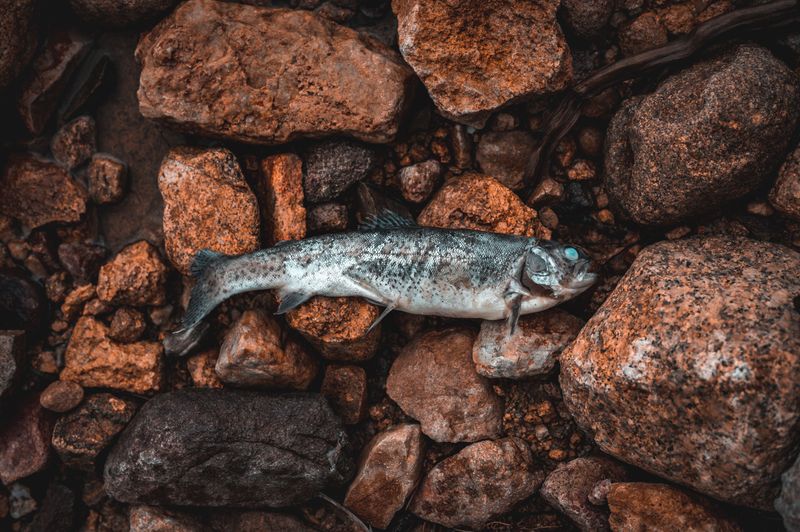
Few sights end a lake plan faster than fish along the shore. Dead fish or wildlife can signal poor water quality or another problem.
Keep your dog away from the area right away. Curious dogs may sniff, mouth, or roll near carcasses, which adds health risks.
Sometimes fish loss follows heat, low oxygen, pollution, or algae. You may not know the cause on the spot, and that is okay.
If you notice several dead animals, choose a different lake and report concerns locally.
Check For Current Water Advisories

Before leaving home, spend one minute checking current lake updates. Advisories can change after storms, heat waves, spills, or bacteria testing.
Arkansas guidance may come from park staff, local health officials, or other agencies, depending on location. Rules and notices can vary by county, city, or recreation area.
Search the lake name with terms like advisory or closure. If details seem unclear, call the park office.
A quick check online can save you a wasted trip and help protect your dog.
Inspect The Shoreline For Sharp Objects
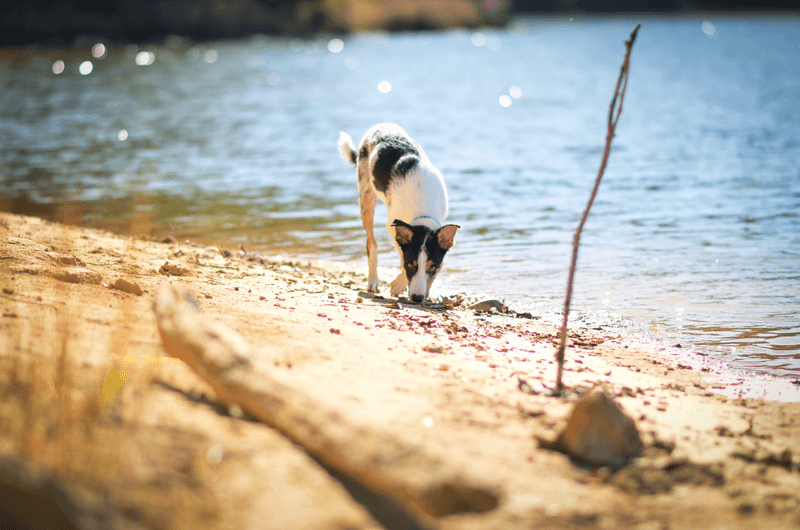
Lakeshores collect all kinds of rough surprises after busy weekends. Broken glass, metal cans, hooks, and jagged shells can hide in mud.
Walk the entry area before your dog charges ahead. Pay attention to places with driftwood, rocks, or trash washed in by wind.
Paw pads can cut easily, especially when dogs sprint in excitement. Choosing a cleaner patch of shore takes little effort.
That small habit can prevent a painful limp and make the whole outing feel much more relaxed for everyone.
Watch For Snakes Near The Water
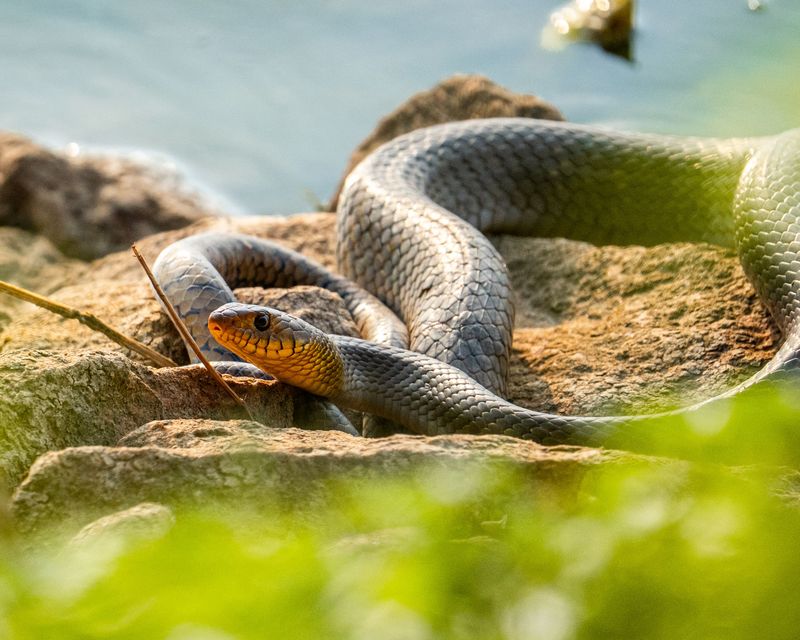
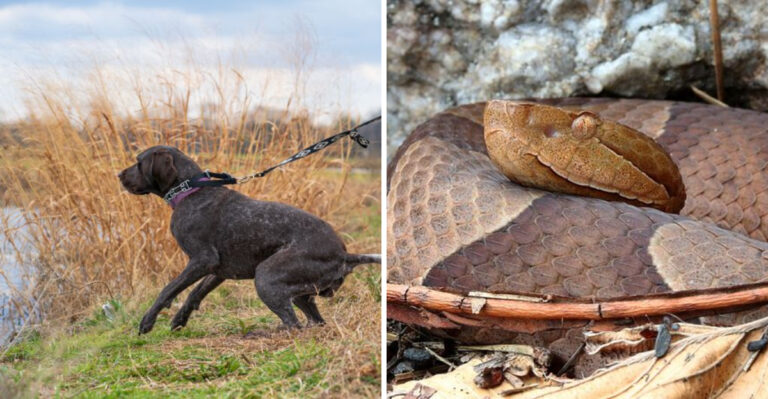
Warm lake edges can attract more than swimmers on hot days. Snakes may rest near rocks, brush, logs, or tall grass.
Most snakes want space, not trouble, but curious dogs can get too close fast. Keep your dog leashed while scouting the bank.
Stay out of thick shoreline plants where visibility is poor. If you spot a snake, calmly leave the area and give it room.
Local wildlife patterns differ, so ask park staff what is commonly seen around that particular lake.
Be Careful Around Fishing Areas
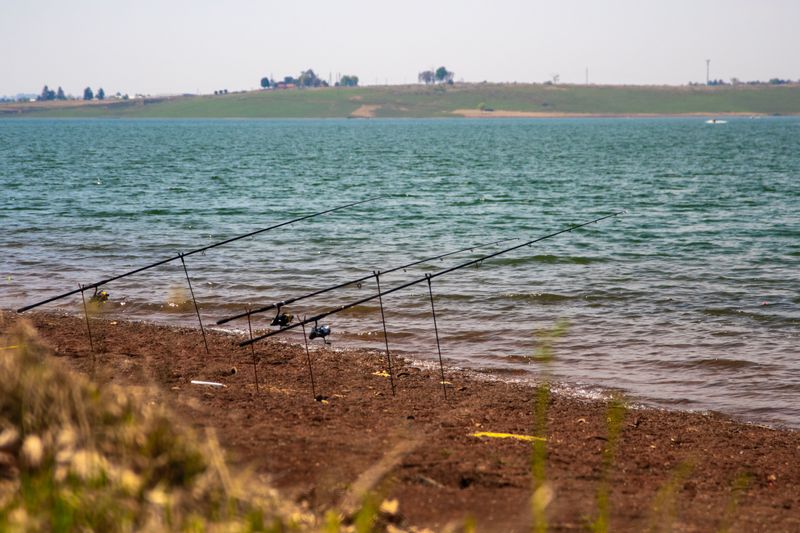
A peaceful fishing spot may not be the best dog swimming zone. Hooks, lines, sinkers, and bait can create trouble quickly.
Give anglers plenty of room and scan the ground for dropped tackle. A dangling line in the water can also tangle a swimming dog.
Some lakes have separate swimming, boating, and fishing areas, which makes decisions easier. If signs are posted, follow them closely.
Picking a quieter section of shoreline usually keeps both your dog and nearby people more comfortable.
Make Sure Your Dog Can Handle The Heat
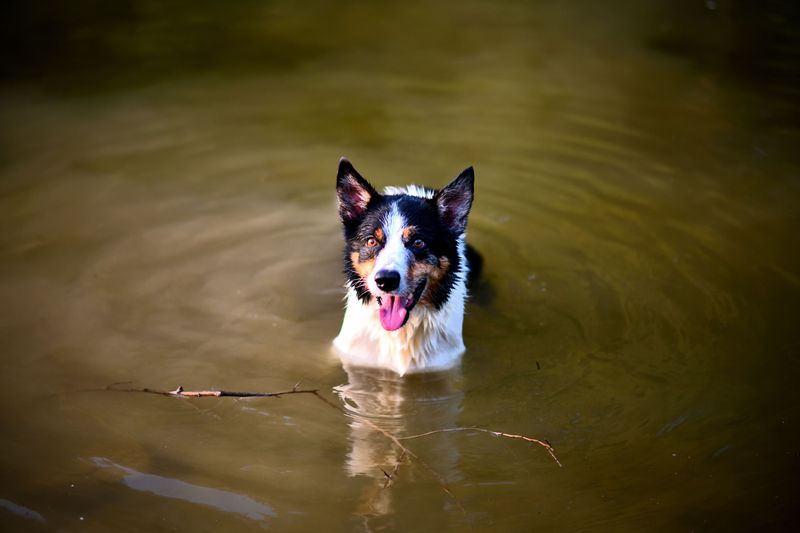
Even water play cannot cancel out a hot Arkansas day. Dogs still face heat strain before, during, and after a swim.
Notice heavy panting, slowing down, glassy eyes, or reluctance to move. Brachycephalic dogs, seniors, puppies, and overweight dogs need extra caution.
Build in shade breaks and avoid the hottest hours. If your dog already seems tired in the parking area, rethink the plan.
A shorter visit during cooler hours is smarter than pushing through the heat just because you arrived.
Consider Your Dog’s Swimming Ability
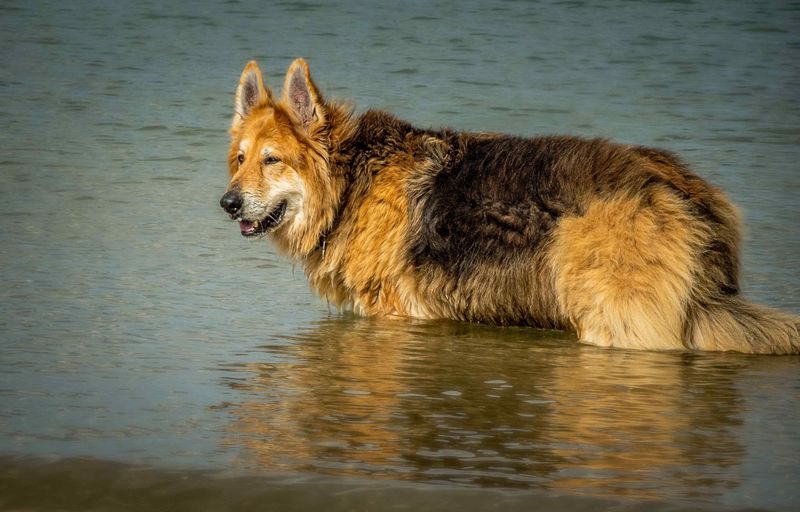
Not every dog is a natural swimmer, even if water looks inviting. Breed, body shape, age, and confidence all play a part.
Start in shallow water and watch how your dog moves. Short legs, heavy chests, arthritis, or fear can make swimming harder.
Never assume previous pool fun means lake skills. Waves, mud, and uneven bottoms change the challenge.
A dog who only splashes at the edge may be telling you enough. Listening to that hesitation is a smart form of care.
Use A Dog Life Jacket
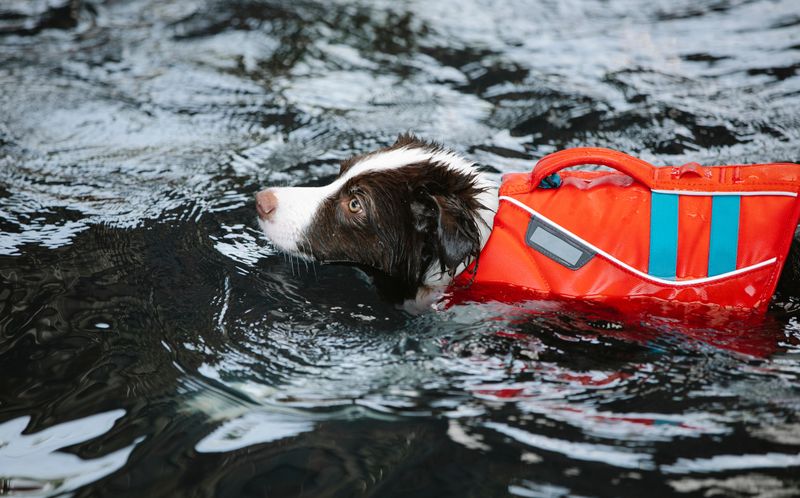
Some safety gear gives owners peace of mind right away. A well-fitted dog life jacket adds support, visibility, and an easy grab handle.
It helps weak swimmers, nervous dogs, seniors, and dogs riding on boats or paddleboards. Bright colors also make spotting your dog easier on busy water.
Check that the jacket fits snugly without rubbing. Let your dog walk in it before swimming.
Good gear does not replace supervision, but it can make a warm lake outing much safer and calmer.
Choose A Safe Entry And Exit
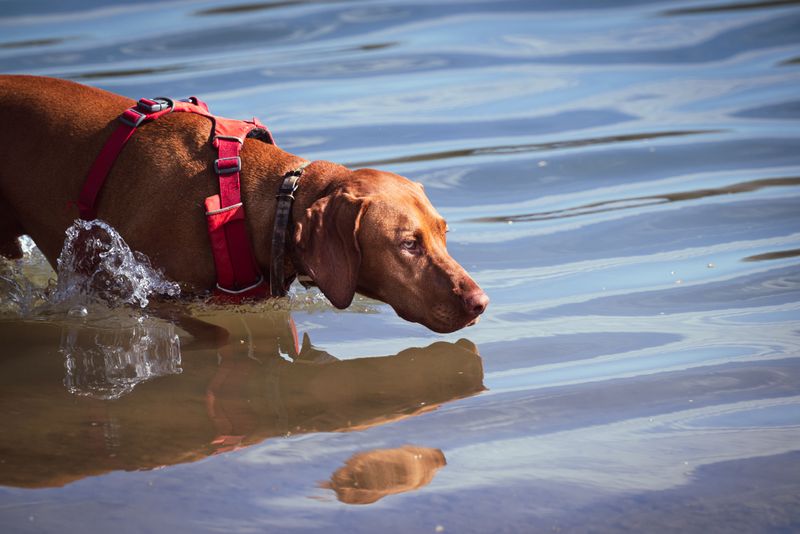
The best swimming spot is not always the nearest one. Dogs need a gentle, clear path both into the lake and back out.
Look for gradual slopes instead of steep mud, slick rocks, or tangled roots. Strong swimmers can still panic if they struggle to climb out.
Check for deep drop-offs hidden near the bank. Test the footing with your own shoes first.
A safe entry and exit route helps your dog stay confident and prevents the kind of frantic scramble that ruins a fun afternoon.
Keep Swimming Sessions Short
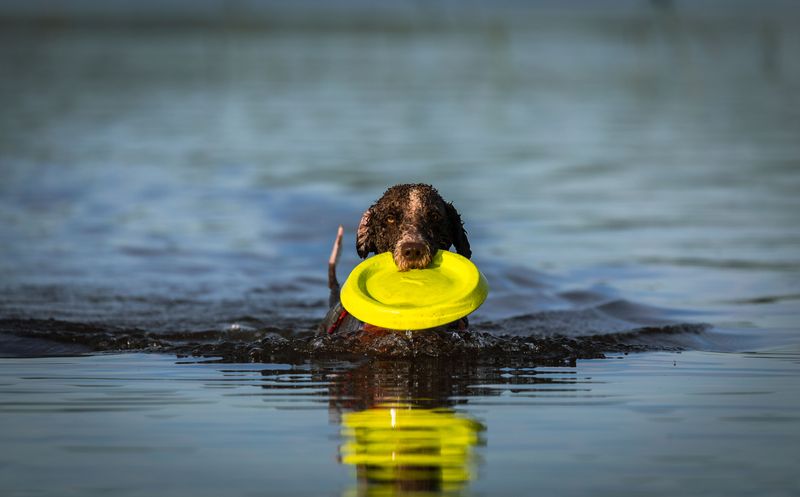
Excited dogs often keep going long after they should rest. Short swim sessions lower the chance of fatigue, overheating, and sore muscles.
Try a few minutes in the water, then pause in shade. Watch your dog’s energy instead of the clock alone.
Repeated bursts with breaks are usually better than one long session. This matters even more in warm water.
Finishing while your dog still feels good makes the trip easier to repeat and helps keep lake days positive for everybody.
Bring Plenty Of Fresh Drinking Water
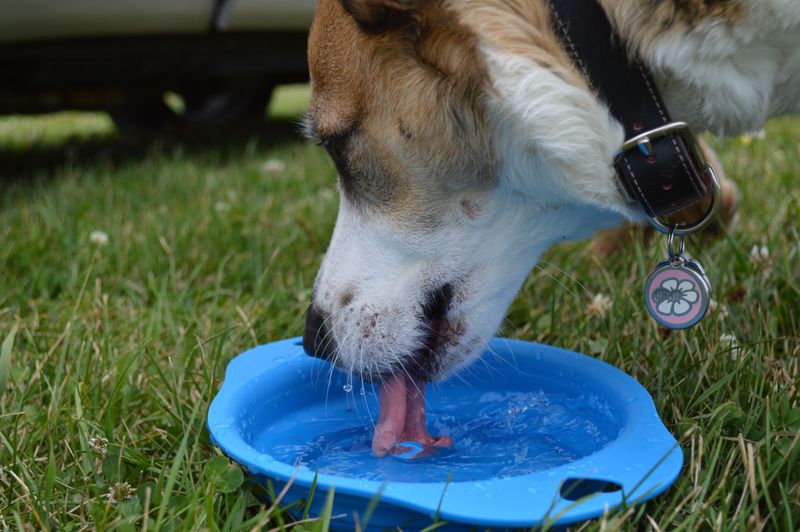
Dogs playing near water often forget to drink the right kind. Fresh drinking water helps stop them from gulping lake water instead.
Pack more than you think your dog will need. Offer small drinks before swimming, during breaks, and again before heading home.
Warm Arkansas weather can increase the risk of dehydration and overheating, even when the day is cloudy. Bring plenty of fresh drinking water and offer it regularly during breaks.
If your dog keeps trying to drink from the lake, step in quickly and redirect to clean water every time.
Rinse Your Dog After Swimming
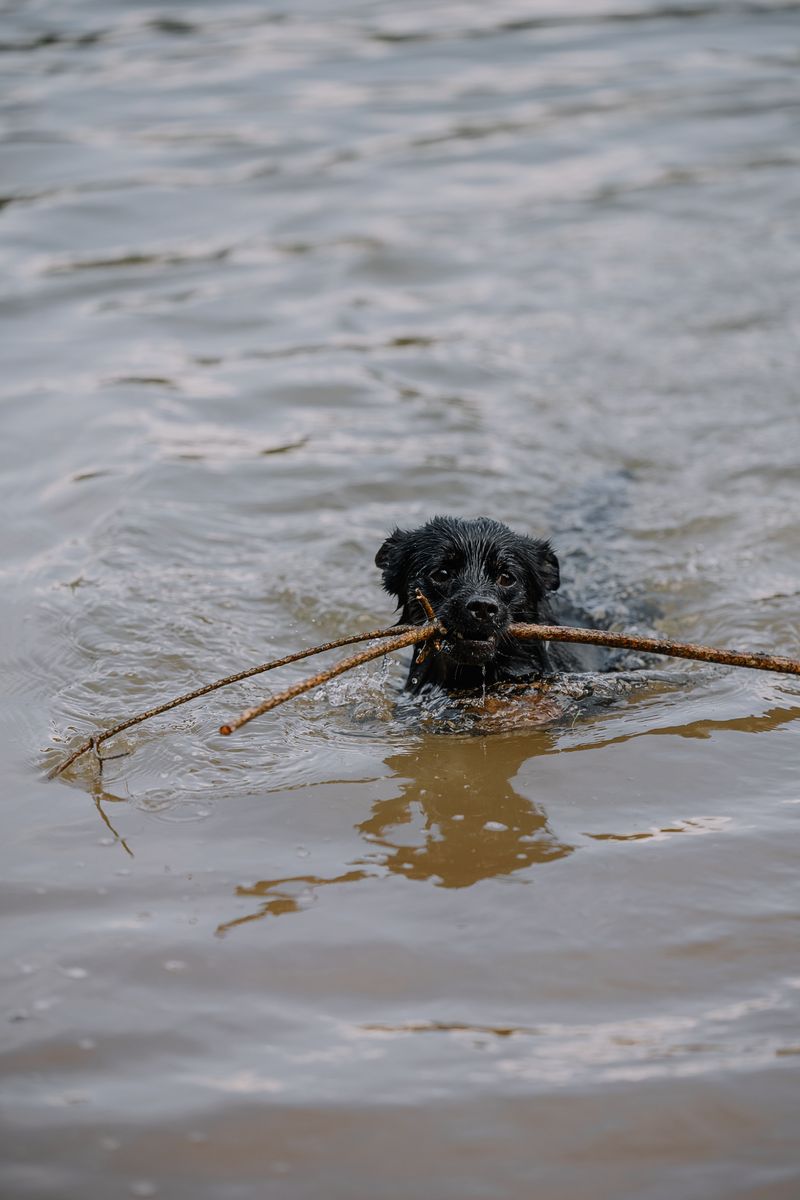
Lake fun does not really end when your dog leaves the water. A good rinse helps remove algae, mud, sand, and other residue.
Use clean fresh water over the coat, paws, belly, and tail area. This is especially useful if your dog has long fur or sensitive skin.
Dry the ears well, since trapped moisture can cause irritation later. Bringing a jug of water and a towel is enough for many outings.
The cleanup takes minutes and can prevent itchy surprises at home.
Check Your Dog For Ticks
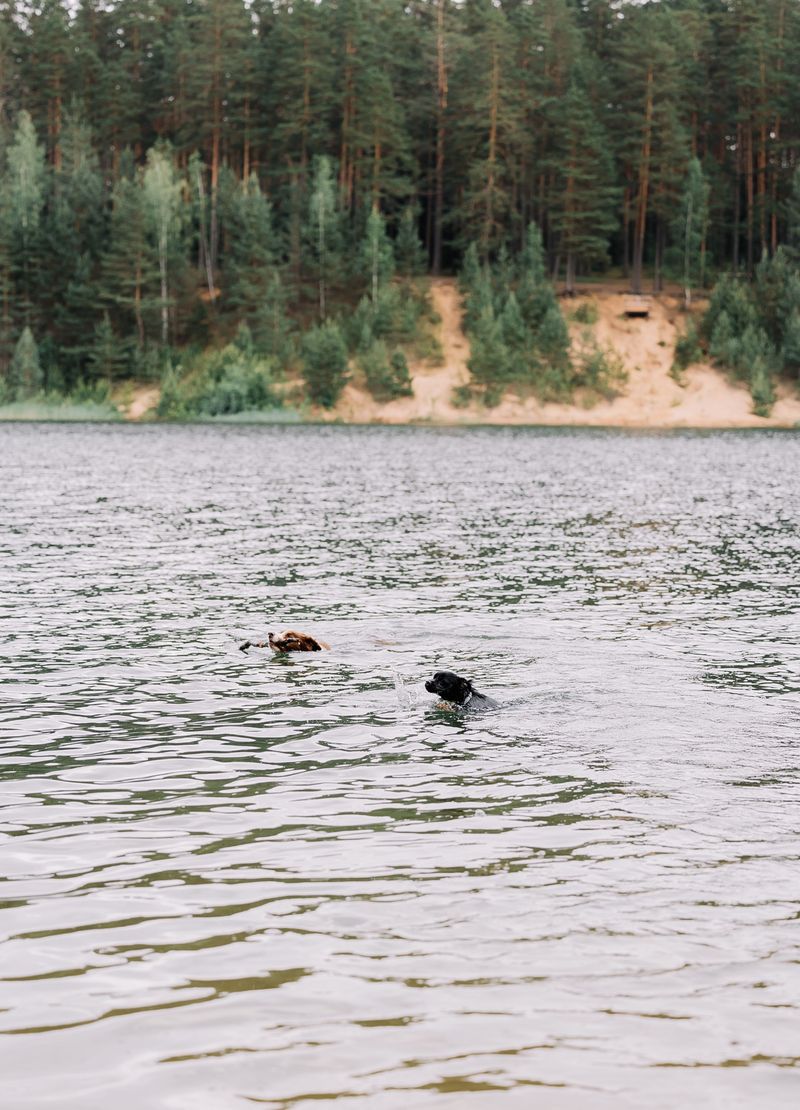
Lakeside grass and brush can bring home extra hitchhikers. Ticks are a real concern in Arkansas, especially around wooded shorelines.
After the swim, check ears, neck, toes, belly, and under the collar. Slow your hands down and feel through the coat carefully.
Ask your veterinarian which tick prevention works best for your dog. Quick checks matter even with preventive products.
Making this a routine after every lake trip turns a small job into an easy habit that protects both comfort and health.
Watch Your Dog After Leaving The Lake
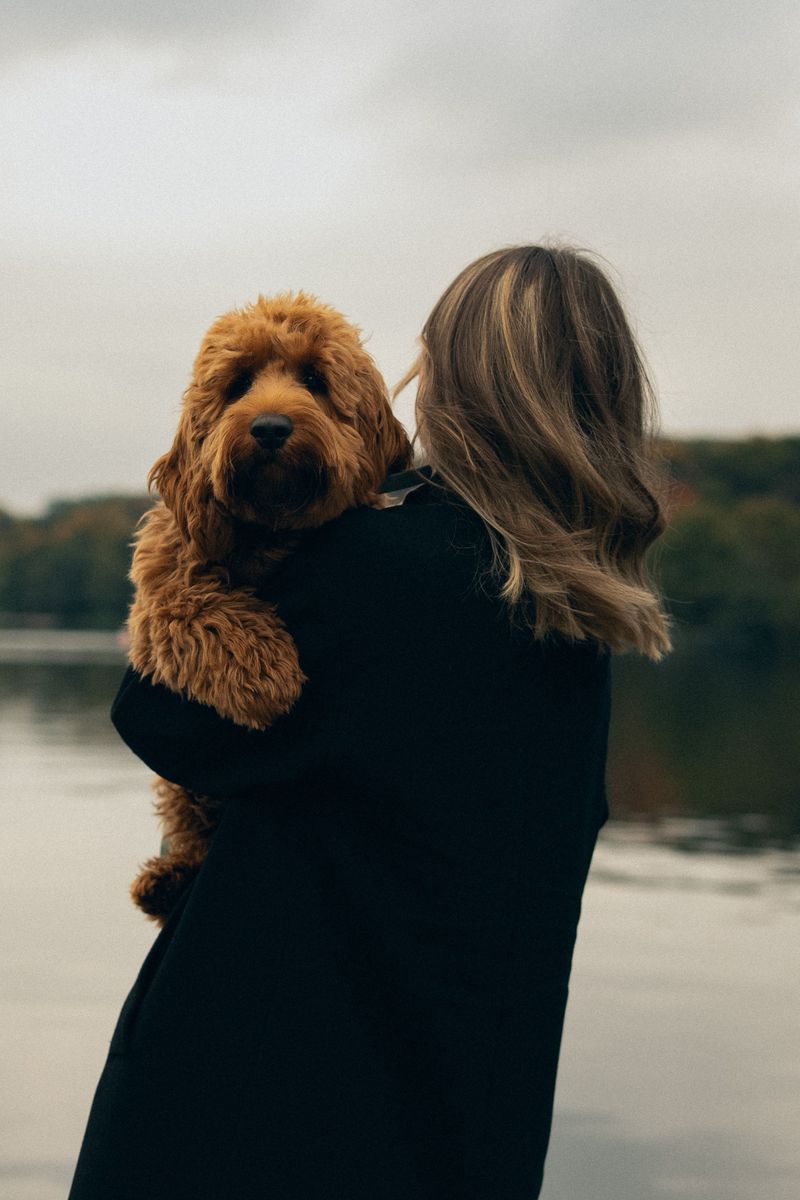
Sometimes the best safety check happens after the drive home begins. Pay attention to how your dog acts for several hours afterward.
Notice vomiting, diarrhea, unusual tiredness, trouble walking, scratching, coughing, or repeated ear shaking. Those signs do not always mean a major problem, but they deserve attention.
If something seems off, contact your veterinarian promptly. Bring details about the lake and what your dog did there.
Careful observation after the outing is one of the easiest ways to catch trouble early.
Know When To Skip The Lake
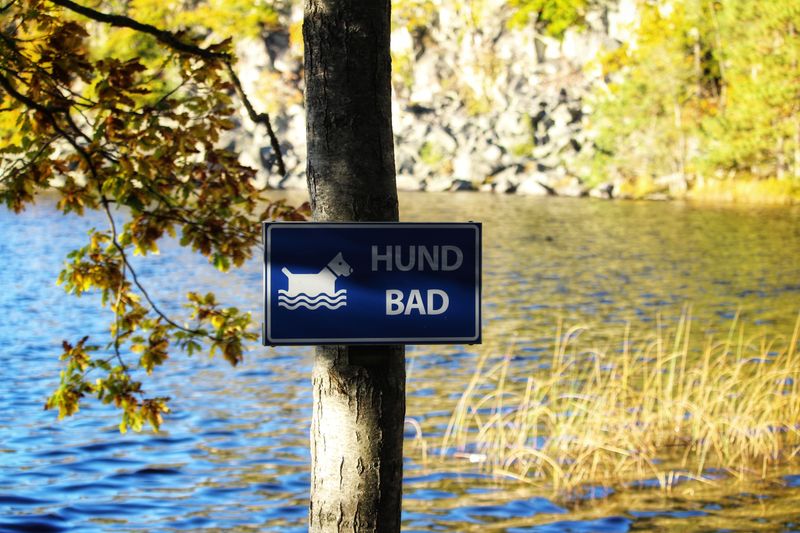
Some days, the smartest lake choice is no lake at all. Heat, dirty water, posted warnings, storms, or your dog’s mood can change everything.
Trust the signs in front of you, not the plan you made earlier. If the water looks questionable or your dog seems stressed, leave without guilt.
There will be other mornings, other beaches, and better conditions. Confident owners know skipping one swim can be the reason many future outings stay easy, healthy, and fun.
Good judgment is part of great lake memories.