What North Carolina Dog Owners Should Know About Snakes On Trails And Around The Yard
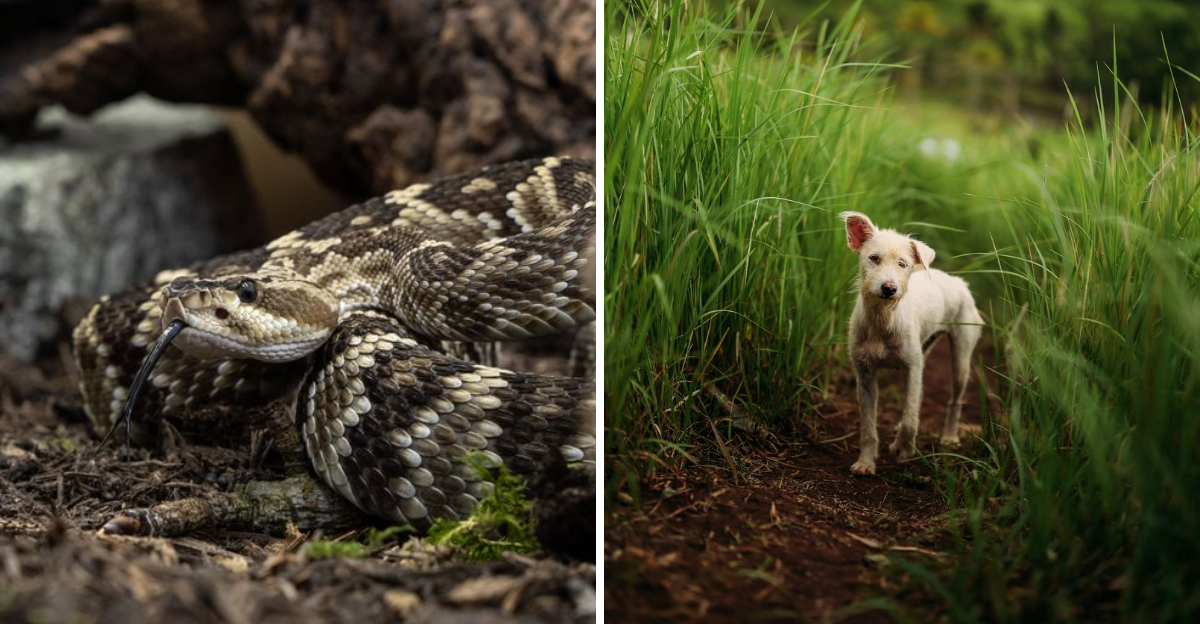
If you walk your dog anywhere in North Carolina, you share the trail with snakes. That sounds unnerving, but the reality is far calmer than most people expect.
Nearly every snake you meet wants nothing to do with you or your dog, and a few simple habits keep encounters uneventful. Here is what local owners should understand about identifying snakes, walking safely, tidying the yard, and knowing exactly what to do if something goes wrong.
Know Which Snakes Your Dog May Encounter
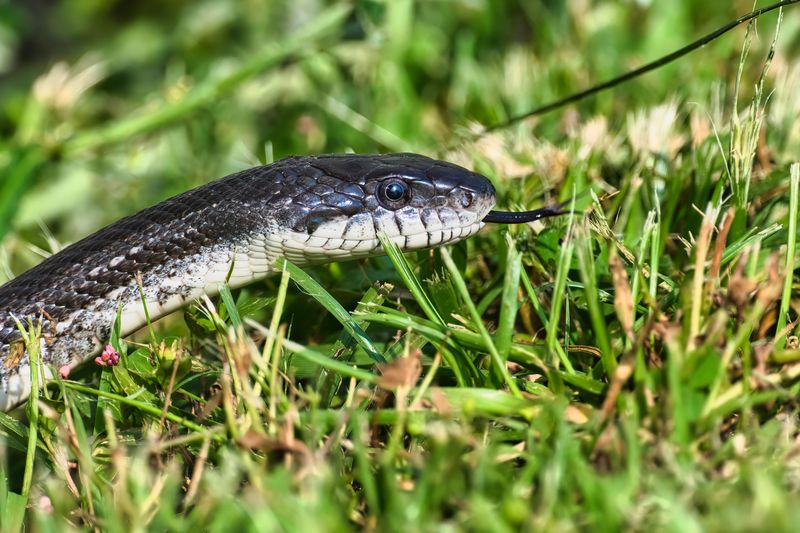
Roughly three dozen snake species live across North Carolina, and only six of them are venomous.
Your dog is far more likely to meet a black racer, rat snake, or garter snake. Those neighbors quietly hunt rodents and slip away when people approach.
Knowing the odds helps you stay level headed on the greenway. Leave every snake alone, but skip the panic.
Calm owners make better decisions than startled ones, and dogs read our body language quickly.
Learn To Recognize North Carolina’s Venomous Snakes
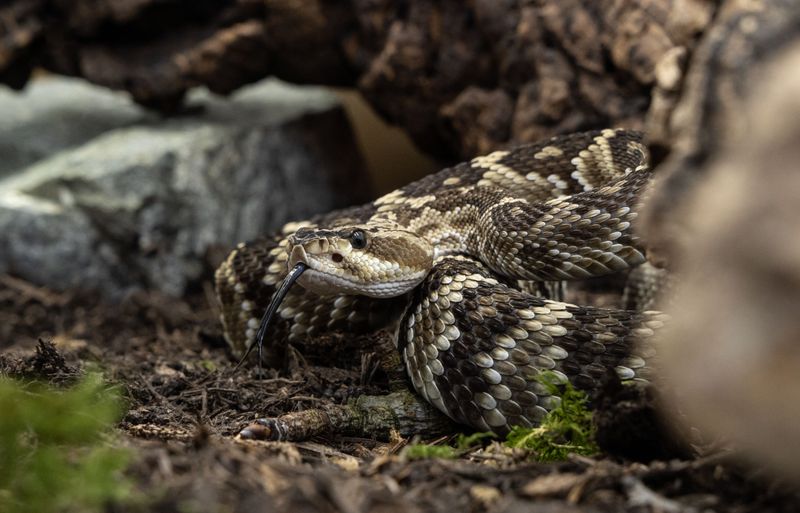
Six venomous species live here: the copperhead, timber rattlesnake, cottonmouth, pigmy rattlesnake, eastern diamondback rattlesnake, and eastern coral snake.
Copperheads are the ones most owners actually see, and they turn up statewide, including suburban yards. The others are far more limited by region and habitat.
Skip the old head shape myths, since they mislead people constantly. Use identification guides from the NC Wildlife Resources Commission instead.
Some species are legally protected, so never handle or disturb one.
Keep Dogs Close On Narrow Trails
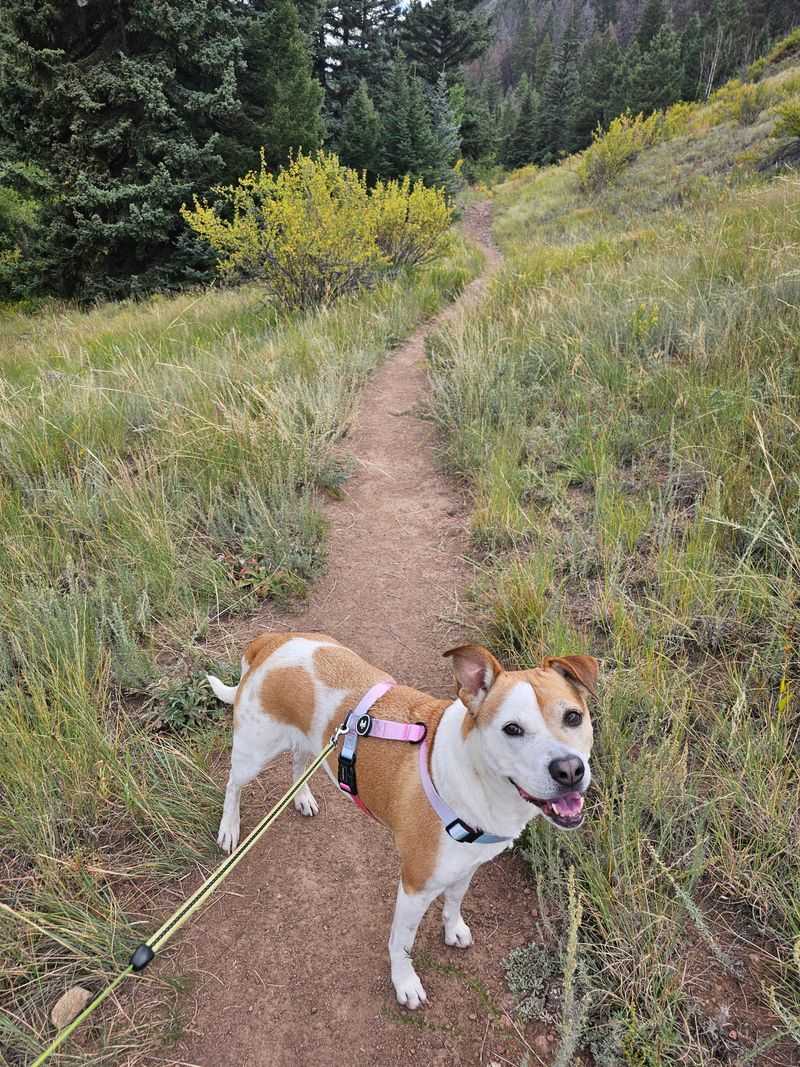
A six foot leash beats a retractable one on any singletrack path.
When your dog ranges fifteen feet ahead, you lose the chance to steer them around something resting in the leaf litter. Short leads let you redirect in a second.
Walking the center of the trail also matters more than people realize. Snakes usually rest along the edges, near cover.
Keeping your dog on packed dirt puts helpful distance between them and hidden spots.
Watch Warm, Sunny Trail Edges
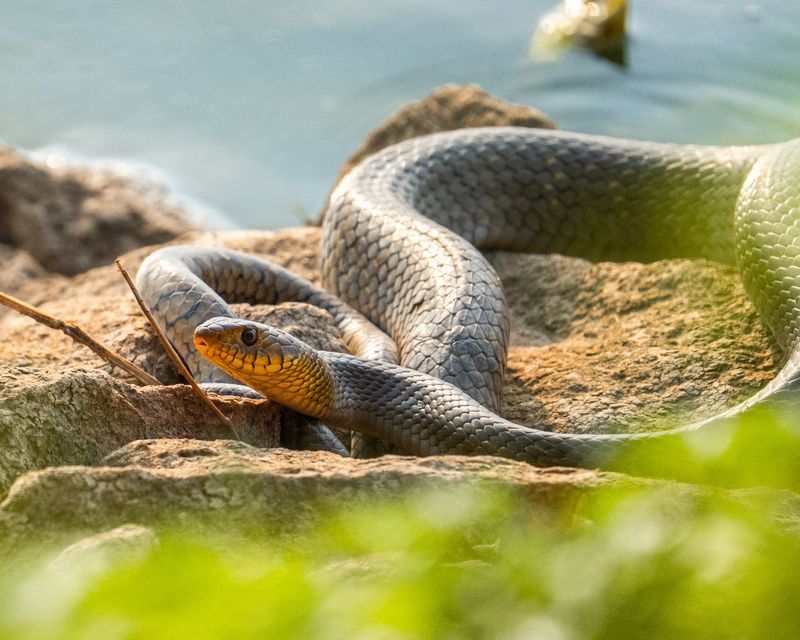
Snakes cannot warm themselves from the inside, so they borrow heat from the sun.
That means flat rocks, gravel patches, wooden boardwalks, and sunny gaps in the canopy attract them on cool mornings. Late afternoon has the same appeal.
Scan those bright spots a few steps ahead as you walk. It becomes automatic quickly, like checking for tree roots.
Spotting a basking snake early gives you time to shorten the leash and stroll past.
Stay Out Of Tall Grass And Thick Brush
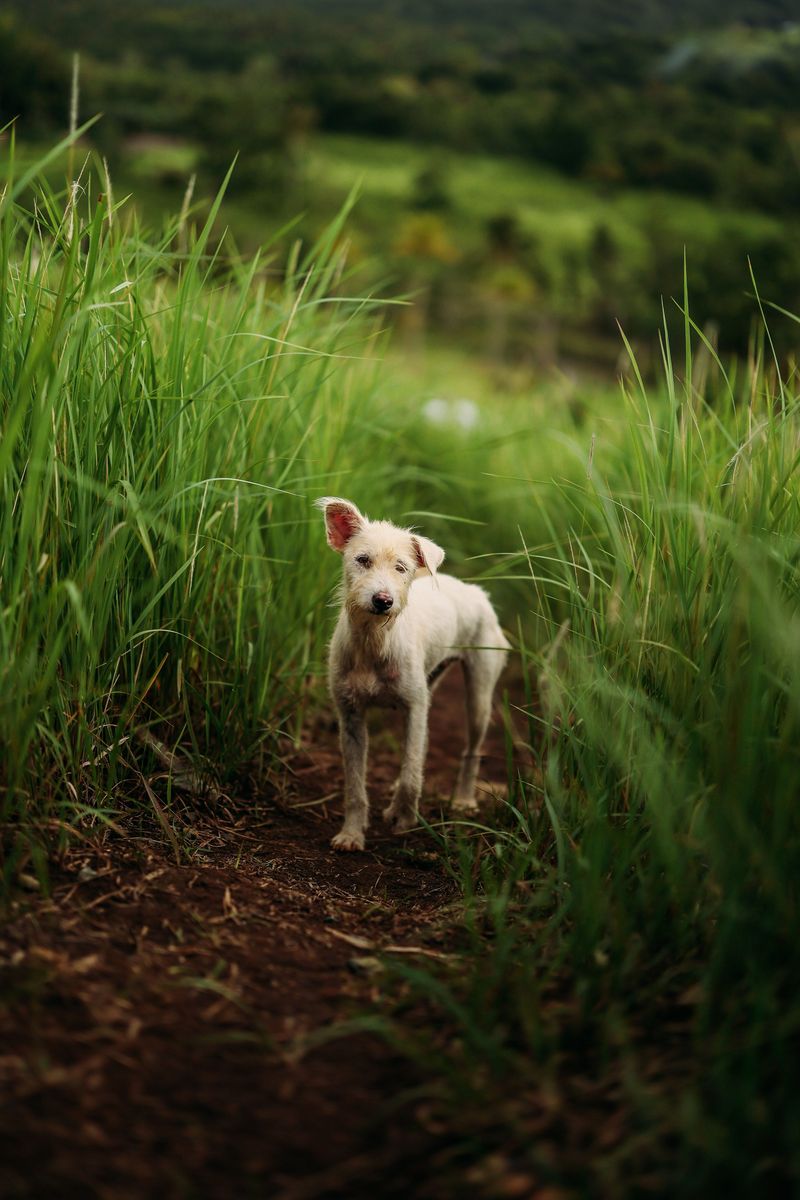
Dense cover is where a curious nose gets your dog into trouble.
Tall grass, bramble thickets, and overgrown field edges hide small mammals, and snakes follow that food supply. Neither you nor your dog can see much in there.
Pavement and packed dirt offer clear sightlines, so use them. If your pup loves sniffing, let them explore open shoulders instead.
A quick cue and a treat usually redirect them without any drama at all.
Teach Your Dog Not To Chase Wildlife
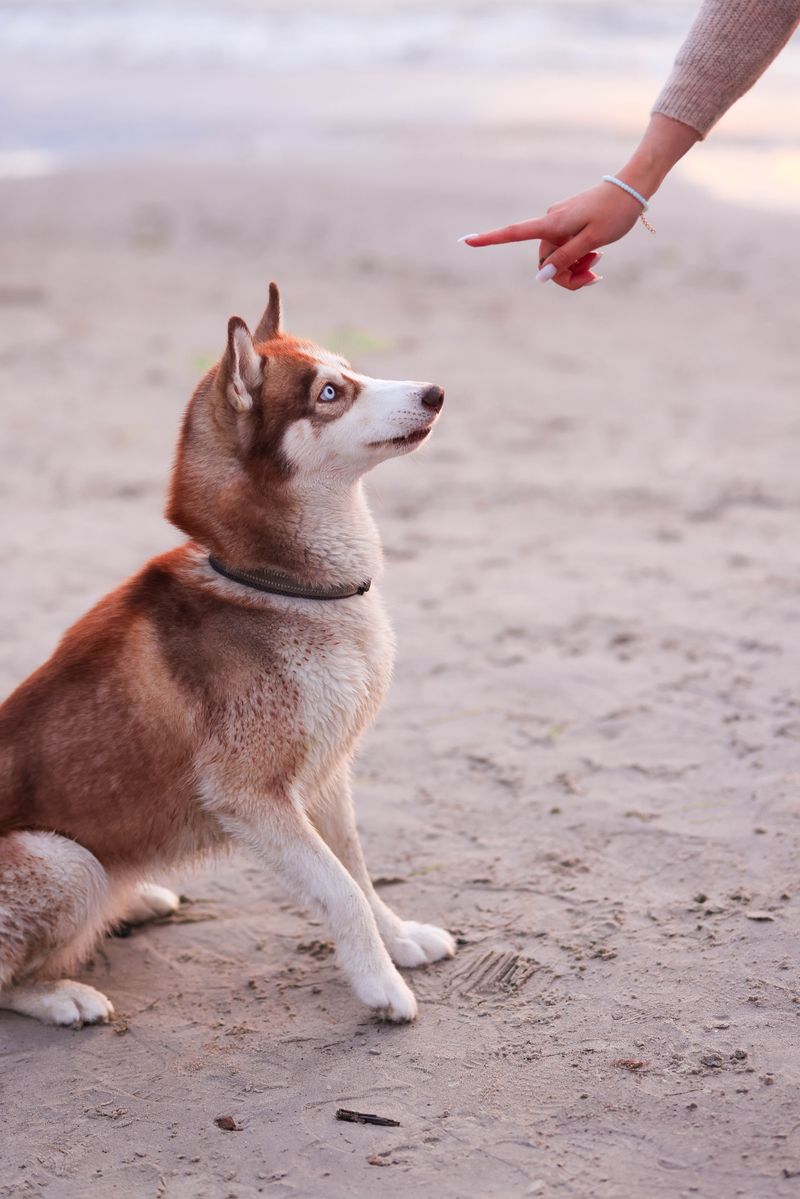
Recall and a solid leave it cue are safety tools, not just party tricks.
Most trouble starts when a dog decides a moving snake looks like a toy. A dog who turns away on request avoids that whole situation.
Practice at home first, then in the yard, then on quiet paths. Reward generously every time.
Some trainers offer reward based avoidance classes, so ask your veterinarian for local recommendations before signing up anywhere.
Check Around Logs And Rock Piles
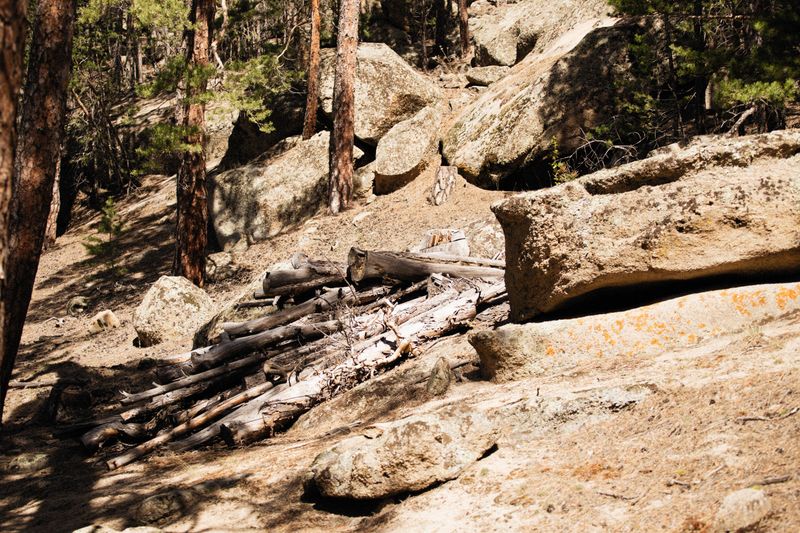
Fallen logs, stone walls, and old brush piles are prime snake real estate.
They hold steady temperatures, hide entrances, and attract mice. On trails, dogs love sticking their heads straight into those gaps.
Guide your dog around such features rather than over them. Stepping onto a log instead of across it is a simple habit worth building.
In your own yard, break down unused piles or move them well away from play areas.
Give Snakes Plenty Of Space
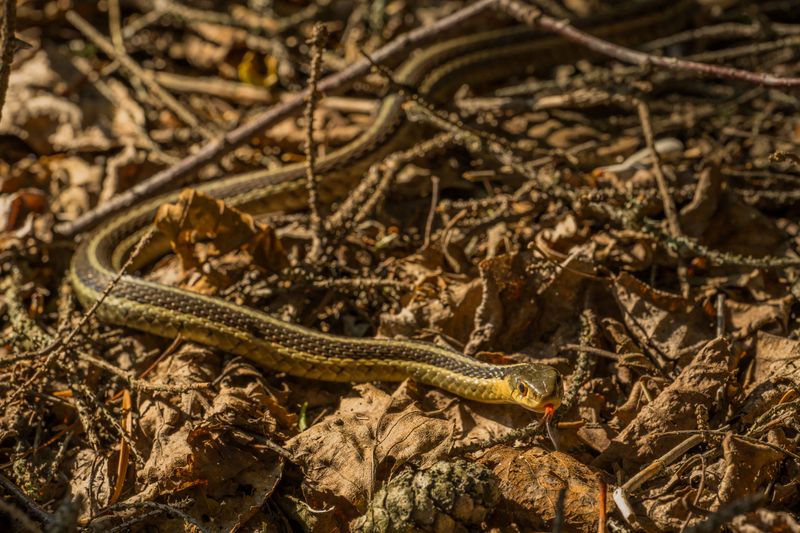
Almost every unpleasant encounter traces back to someone crowding a snake.
Left alone, they retreat. Cornered or stepped on, they defend themselves.
That is the entire story.
If you spot one, stop, shorten the leash, and back away several steps. Wait for it to move, or take a wide detour around it.
Never throw sticks, poke, or attempt removal yourself. Photographs from a comfortable distance are fine and often help with identification later.
Make Your Yard Less Appealing To Snakes
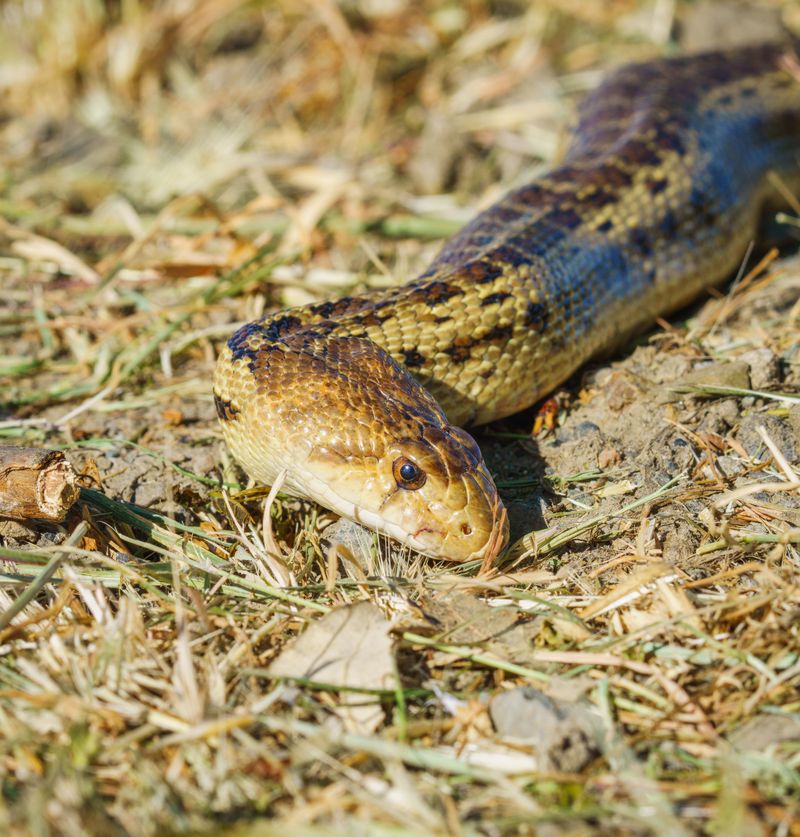
Yard maintenance does more for snake prevention than any gadget on the shelf.
Mow regularly, trim overgrown vegetation, and clear leaf piles and other clutter from areas where your dog plays. Reduce potential entry points around sheds and decks, while keeping any required ventilation openings properly maintained.
Snake repellent powders and sprays have little proven effect, so save your money. Habitat changes work because they remove shelter and food.
A tidy, open yard simply gives visiting snakes no reason to linger.
Keep Firewood And Yard Materials Organized
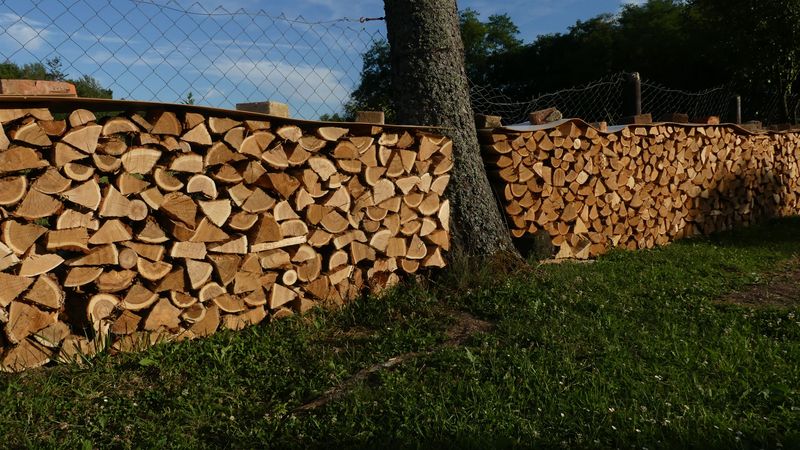
A sagging woodpile against the house is basically a welcome mat.
Stack firewood on a raised rack, several feet from walls and away from where your dog naps or plays. Elevation keeps it drier and less inviting to rodents.
Do the same with mulch bags, flowerpots, hoses, and loose tarps. Grouping supplies in a shed or bin removes dozens of hiding pockets.
Weekend tidying pays off all season long.
Control Rodents And Tidy Outdoor Food Areas
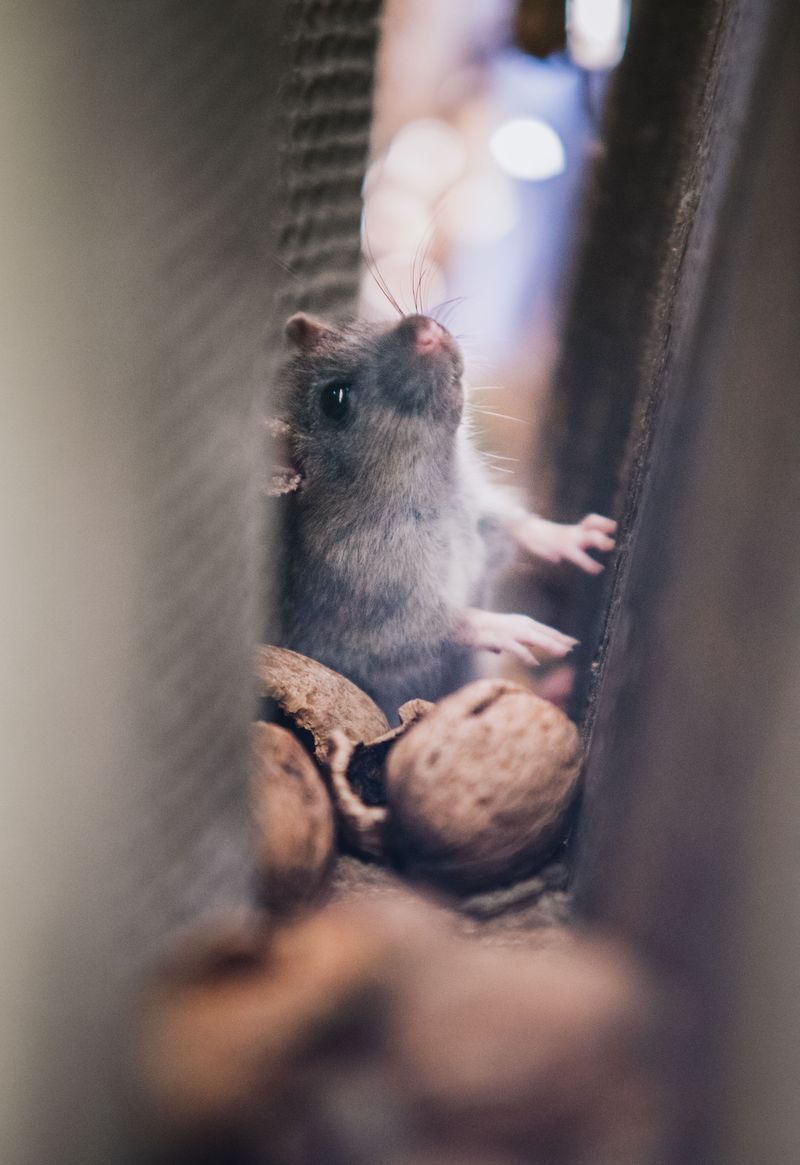
Snakes follow their dinner, and dinner is usually mice.
Spilled birdseed, uncovered trash, fallen fruit, and grill drippings all feed rodents. So do dog bowls left outside overnight.
Bring feeding dishes indoors, use bins with locking lids, and sweep under feeders weekly. Store kibble in sealed containers, never open bags in the garage.
Remove the rodent buffet and the snakes generally move along on their own, without any confrontation.
Be Extra Careful Near Water
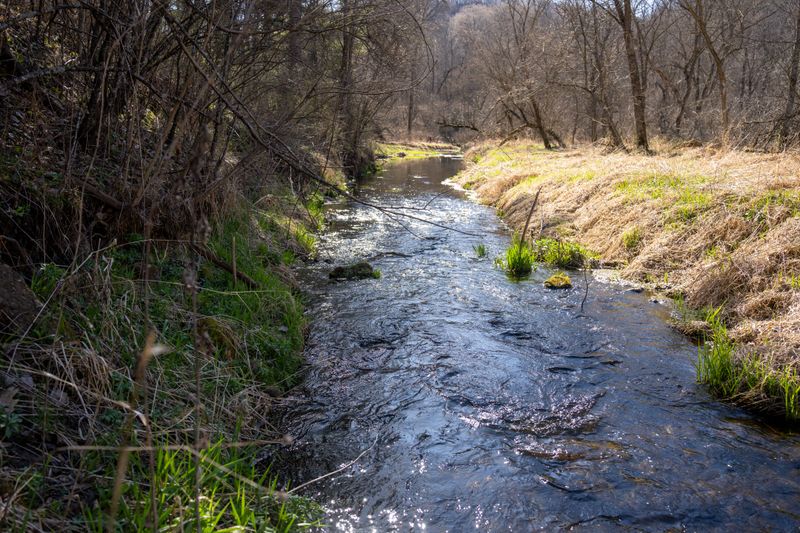
Creek banks, ponds, marshy areas, and other waterside habitats can provide suitable cover for snakes, so keep your dog close and watch carefully around vegetation, logs, and banks.
Harmless watersnakes are common statewide and often mistaken for cottonmouths, which mainly inhabit the eastern coastal plain. Both prefer avoiding dogs entirely.
Keep your pup leashed near reeds, logs, and undercut banks. Choose open sandbars or docks for swimming instead.
If your dog loves water, a quick scan of the shoreline first is time well spent.
Know What A Snake Bite May Look Like
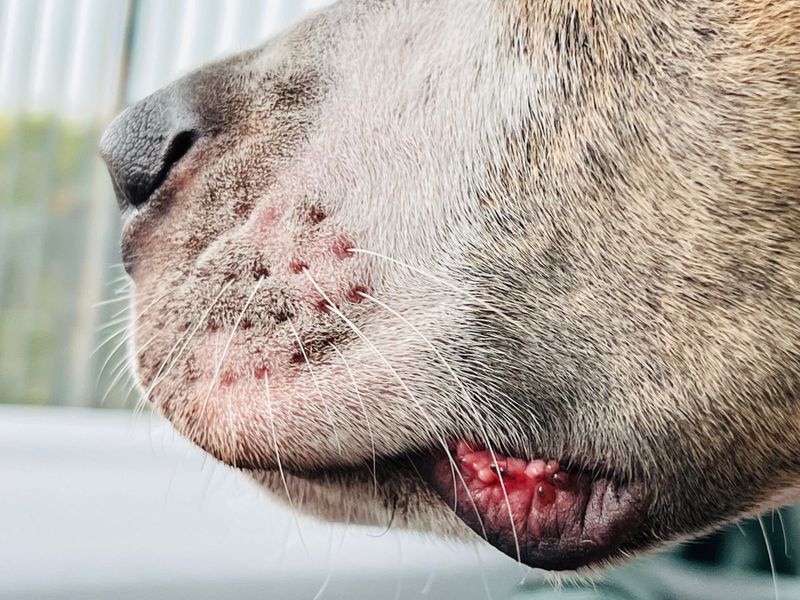
Signs usually appear fast, and swelling is the biggest clue.
Dogs often get bitten on the muzzle or front leg while investigating. You may notice a sudden yelp, puffiness, two small punctures, bruising, drooling, or wobbly legs.
Some copperhead bites deliver little venom, but you cannot judge that yourself. Treat any suspected bite as urgent, keep your dog quiet, and head straight to a veterinarian for evaluation.
Do Not Try To Treat A Suspected Bite Yourself

Skip everything you have seen in old movies.
Tourniquets, ice packs, cutting the wound, and suction devices all cause harm without helping. Never give human medications, including antihistamines, unless your veterinarian tells you to.
Instead, keep your dog calm and carry them if you can. Movement speeds circulation.
Call the clinic while traveling so staff can prepare. Professional care, which may include antivenom, is the treatment that genuinely matters.
Take Extra Precautions During Warm Weather

Snake activity climbs from roughly April through October across the state.
During heat waves, many species shift toward dawn, dusk, and nighttime movement. That overlaps neatly with when most of us walk our dogs.
Carry a flashlight after sunset and point it a few steps ahead. Stick to lit sidewalks when possible.
Cool spring mornings and mild autumn afternoons also bring baskers out, so stay observant year round.
Inspect The Yard Before Letting Your Dog Loose
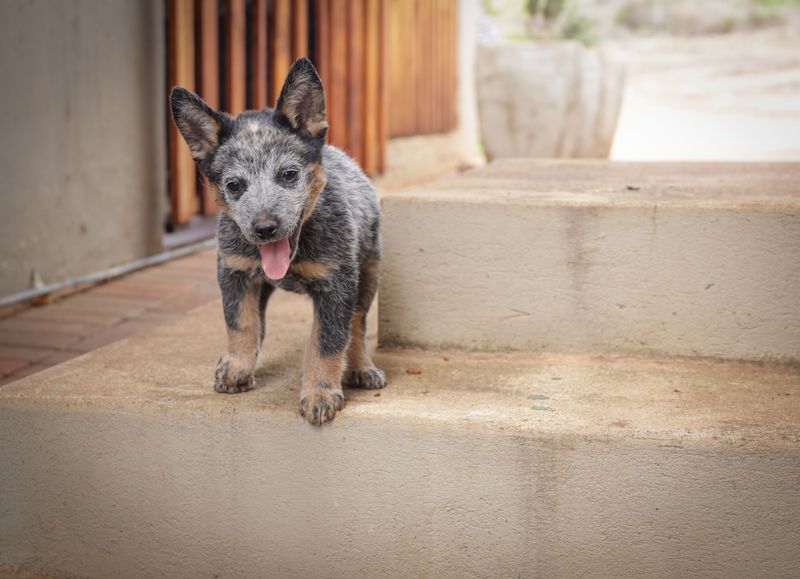
Thirty seconds at the back door prevents most backyard surprises.
Flip on the porch light, glance across the patio, and check the steps, planters, and the shady strip beside the fence. Snakes often rest against warm concrete.
Give the door a knock or stomp lightly before stepping out. Vibrations encourage anything nearby to move along.
Make it part of your routine and it stops feeling like an extra chore.
Have A Plan Before A Snake Encounter Happens
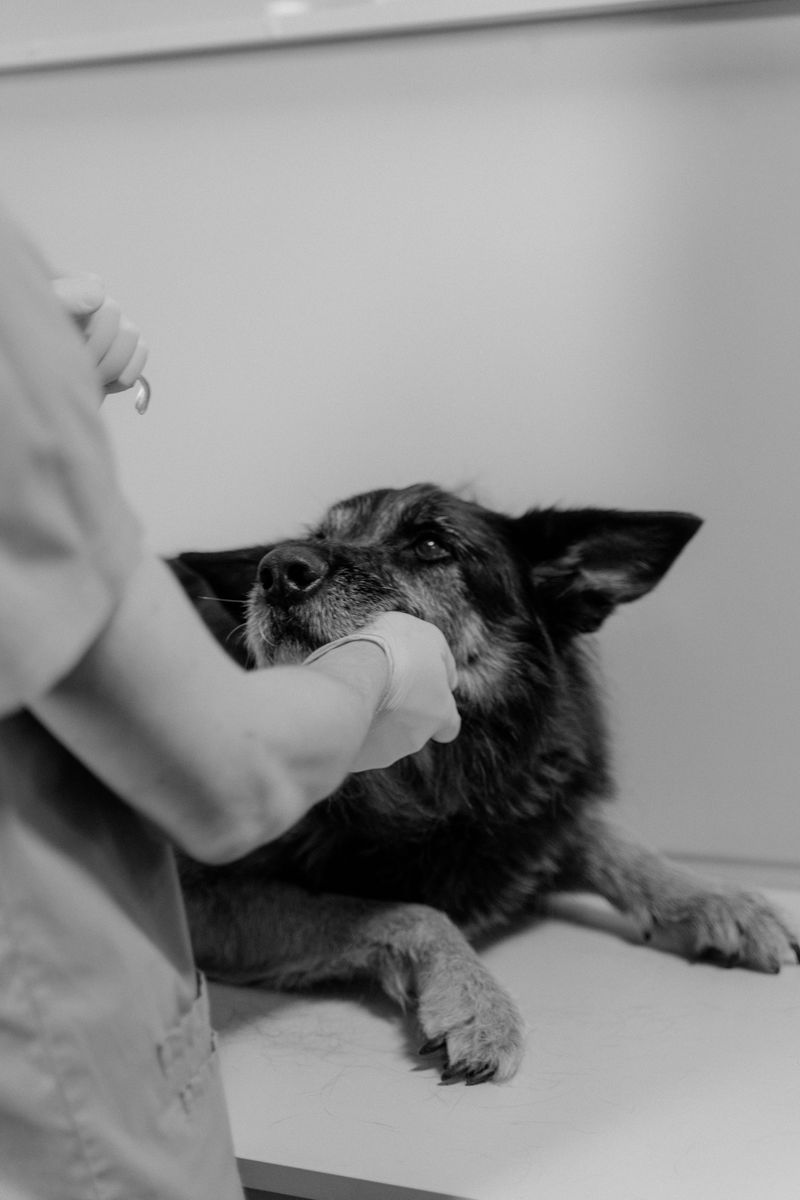
Preparation turns a scary moment into a manageable one.
Save your regular veterinarian and the nearest twenty four hour emergency hospital in your phone today. Call ahead sometime to ask whether they stock antivenom, since availability varies by clinic.
Discuss the rattlesnake vaccine with your vet, understanding it does not cover copperhead bites. Know your route and how you would carry your dog out.
Confident owners keep calm dogs, and that helps enormously.