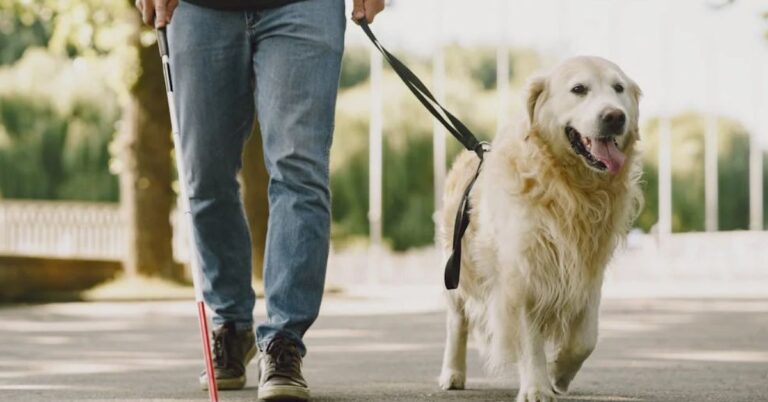
What Pennsylvania Dog Owners Should Know Before Taking Their Dog Into The Woods During Tick Season
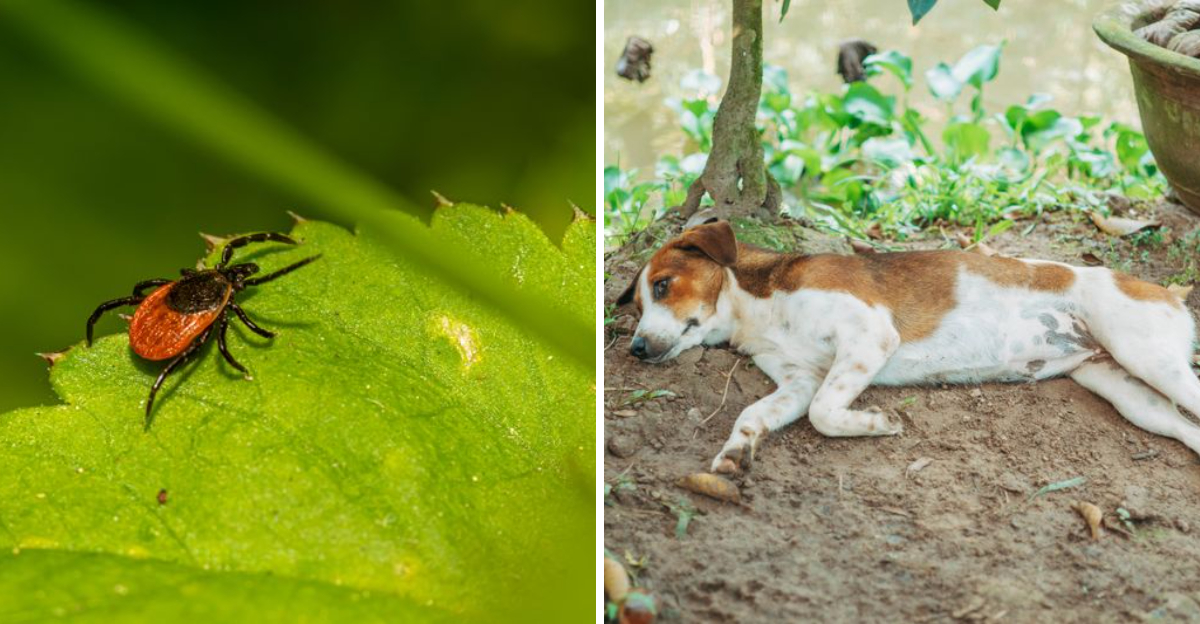
Pennsylvania trails are hard to beat once the weather warms up, and most dogs would happily walk them all day. Ticks come with that territory, though, and our state sees plenty of them each year.
The good news is that a few simple habits go a long way toward keeping your dog comfortable and healthy. Think of the tips below as friendly advice from a neighbor who has pulled a few ticks off a happy, muddy retriever.
Know When Tick Season Is Most Active
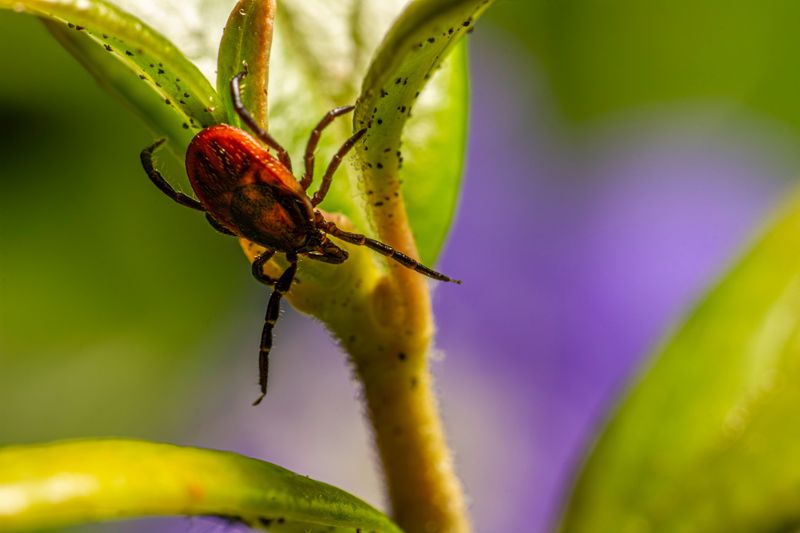
Ticks in Pennsylvania stay busy far longer than most people expect. Spring through fall brings the heaviest activity, with peaks often in late spring and again in autumn.
Mild winter days can wake them up too, since many species stay active above freezing. That means year-round awareness beats seasonal guessing.
Plan your prevention around the whole calendar, not just July. Your veterinarian can tell you what local patterns look like in your county.
Expect Ticks In More Than Just Deep Woods
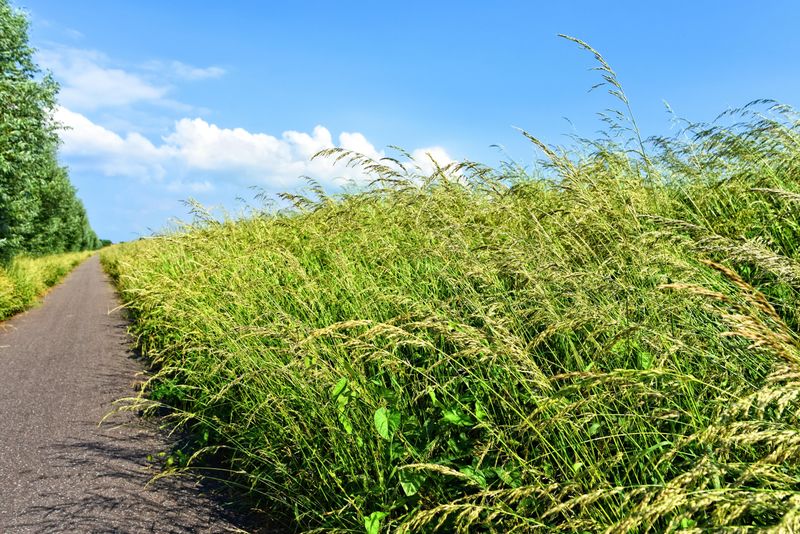
Plenty of owners assume ticks only live deep in state forests. In reality, they thrive along yard edges, ballfields, park paths, and overgrown fence lines.
Shady, humid spots with leaves or tall grass suit them best. A short stroll behind a shopping center can expose your dog just as easily as a mountain hike.
Treat every green space as possible tick habitat. That mindset keeps your checks consistent instead of occasional.
Keep Your Dog On The Trail
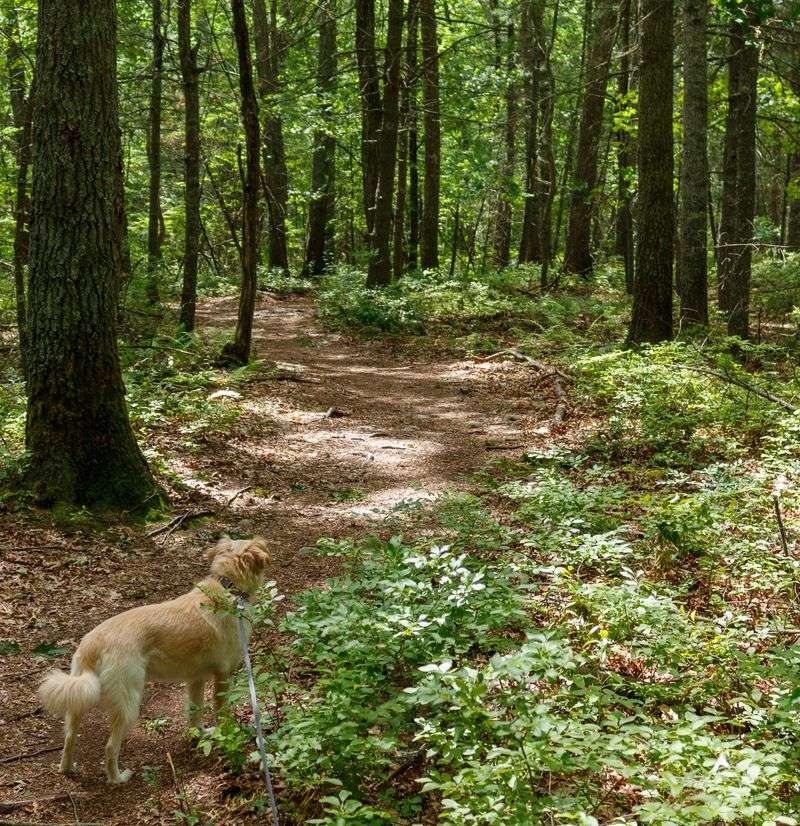
Trail centers are usually the cleanest path through tick country. Ticks wait on grass tips and low branches, so brushing past vegetation is how dogs pick them up.
A leash helps here more than obedience alone. Six feet of control keeps a curious nose out of the thickest cover.
Many Pennsylvania parks require leashes anyway, though rules differ by park and county. Check posted signs before you set out.
Use A Tick Preventive Before Hiking
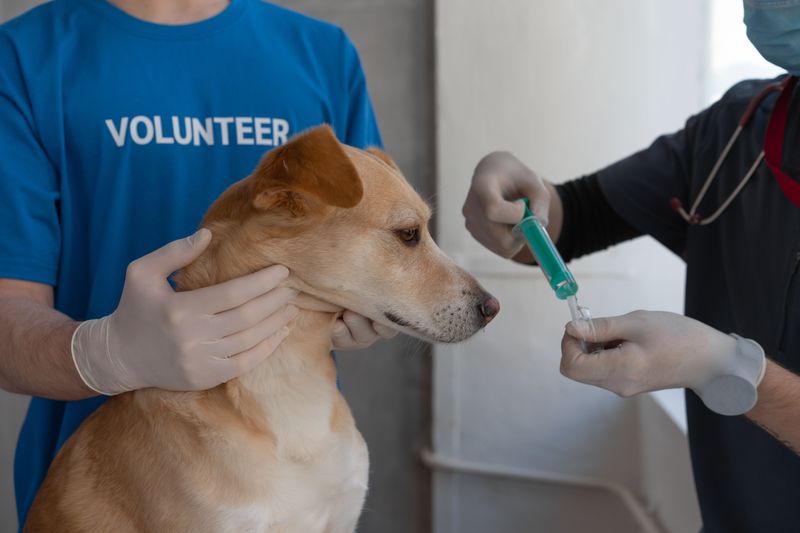
Prevention products are the strongest tool in your kit. Options include monthly chewables, topical liquids, and collars, each with different strengths.
Never assume one size fits all. Dosing depends on weight, age, and health history, so your veterinarian should make the call.
Apply or dose ahead of your trip rather than the morning of, since some products need time to work. Consistency matters more than brand loyalty.
Check Your Dog After Every Woodland Trip
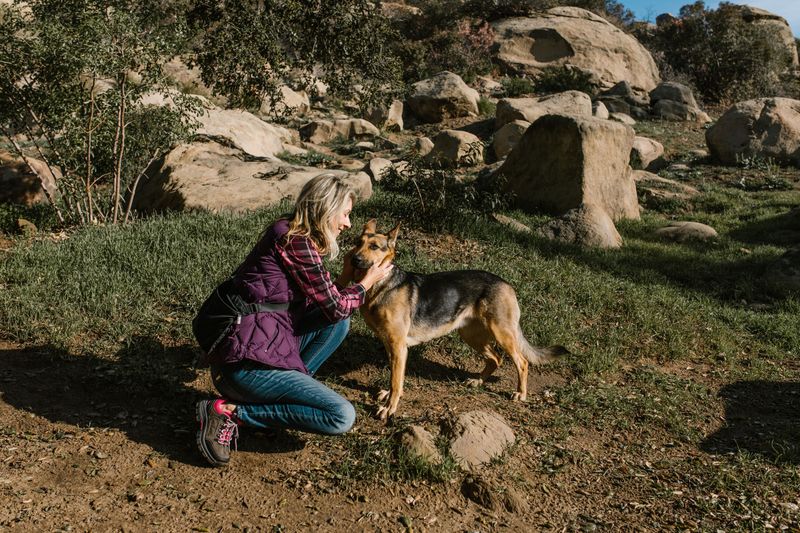
A post-hike once-over should feel as routine as unclipping the leash. Run your fingers slowly through the coat, pressing lightly to feel for small bumps.
Work from nose to tail so nothing gets skipped. Good light helps, and so does a calm dog with a chew toy.
Finding a tick early reduces the chance of illness spreading. Most dogs learn to enjoy the attention within a week or two.
Do Not Forget The Face And Head
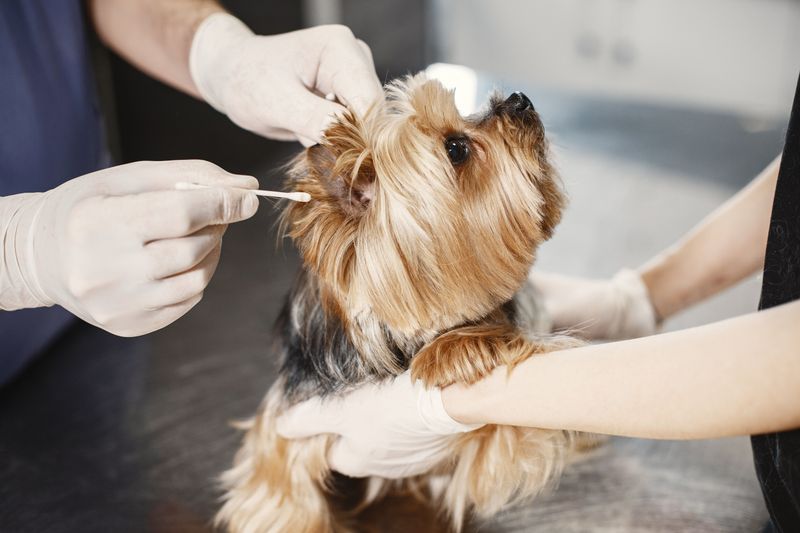
Ears, eyelids, and lips rank among the most common attachment spots. Ticks favor thin skin and warm, hidden folds.
Lift each ear flap and look inside the rim. Check under the chin, around the collar line, and near the muzzle too.
Floppy-eared breeds need extra attention here, since coverage hides small guests well. A soft touch and a treat make the process painless for both of you.
Look Between The Toes
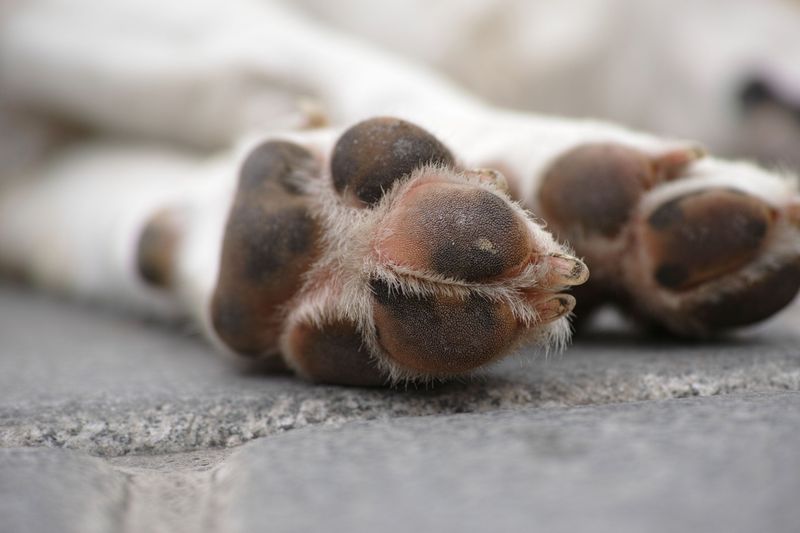
Paws take the brunt of trail contact, yet they get skipped constantly. Spread each set of toes and look between the pads.
Ticks tuck into those crevices because they stay warm and sheltered. Grass seeds and burrs hide there too, so you may solve two problems at once.
Handle paws gently, especially with dogs who dislike foot touching. Regular practice at home turns it into a familiar routine.
Check Yourself And Your Gear Too
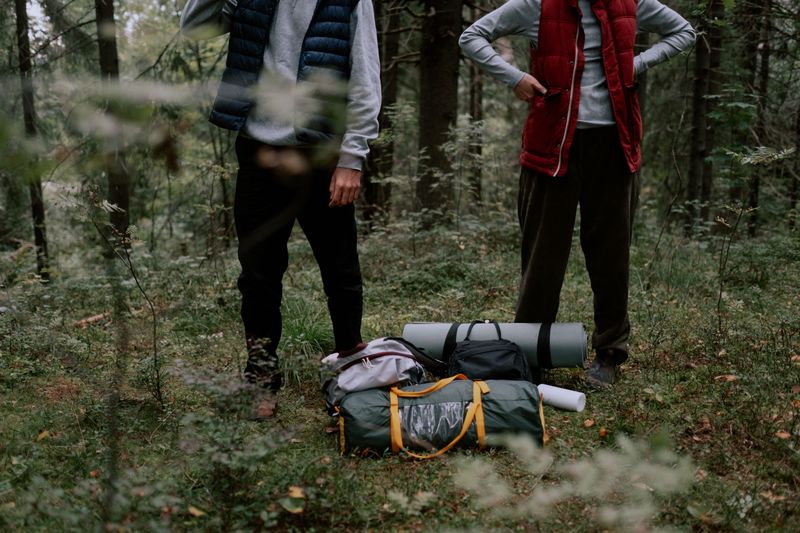
Ticks do not stop at the dog. They ride in on socks, pant cuffs, backpacks, and leashes without any fuss.
Change clothes soon after you get home and put them straight in the dryer, since heat handles them well. Give your own hairline, waist, and ankles a look.
Light-colored clothing makes spotting easier. Tucking pants into socks looks silly and works surprisingly well.
Learn How To Remove A Tick Safely
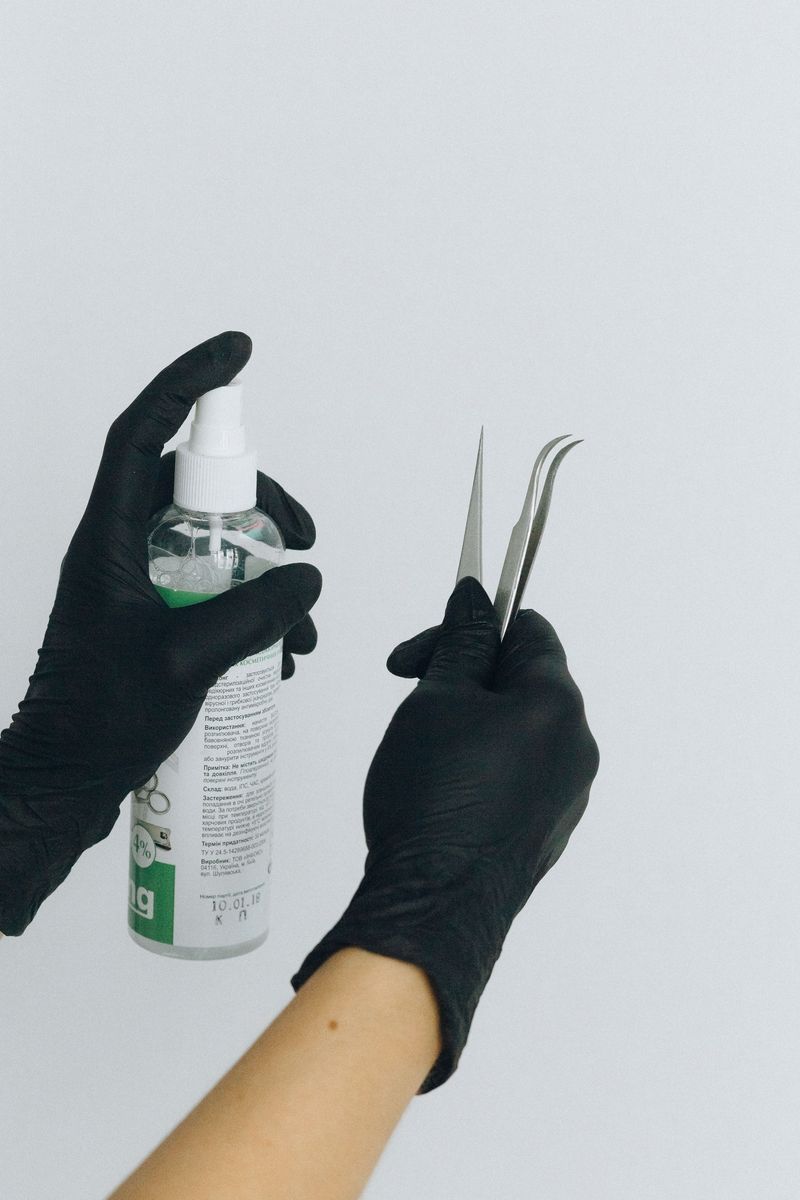
Removal is simpler than folklore suggests. Use fine-tipped tweezers or a tick removal tool, grip as close to the skin as possible, and pull straight up with steady pressure.
Skip the matches, petroleum jelly, and twisting motions. Those old tricks can irritate the tick and the skin.
Clean the area afterward and wash your hands. Save the tick in a sealed container in case your veterinarian wants to see it.
Watch For Changes After A Tick Bite
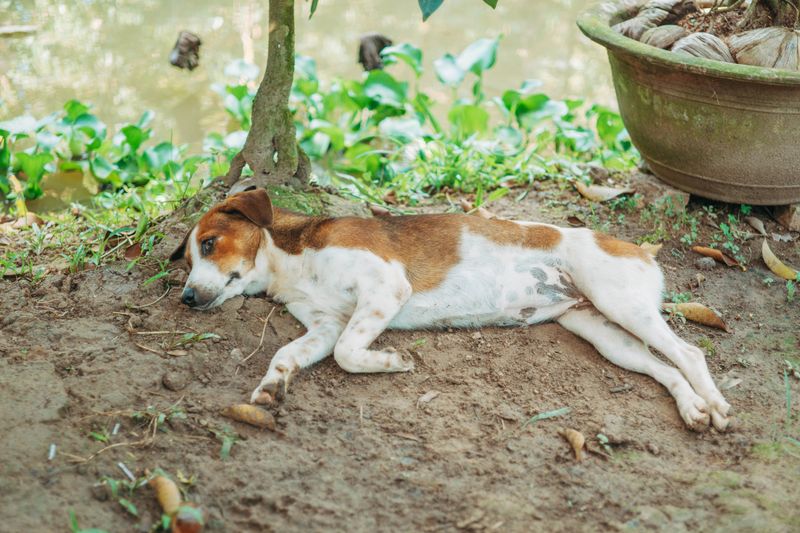
Symptoms rarely appear right away. Weeks can pass before anything seems off, which is why notes on the calendar help.
Keep an eye out for limping that shifts between legs, low energy, reduced appetite, or swollen joints. Fever and stiffness sometimes show up as well.
Call your veterinarian if something feels different about your dog. Early conversations usually mean simpler treatment plans.
Lyme Disease Is A Major Concern In Pennsylvania
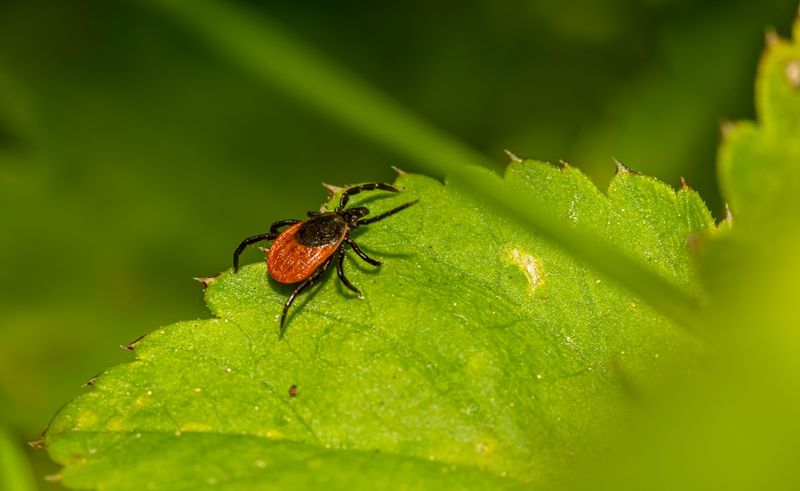
Pennsylvania consistently reports some of the highest Lyme disease numbers in the country. The blacklegged tick, often called the deer tick, is the carrier here.
Dogs can develop joint pain, fever, and fatigue from it. Treatment usually involves antibiotics prescribed by a veterinarian.
Annual screening tests are common during wellness visits. Ask whether your dog’s lifestyle calls for testing more often than once a year.
Other Tick-Borne Illnesses Matter Too
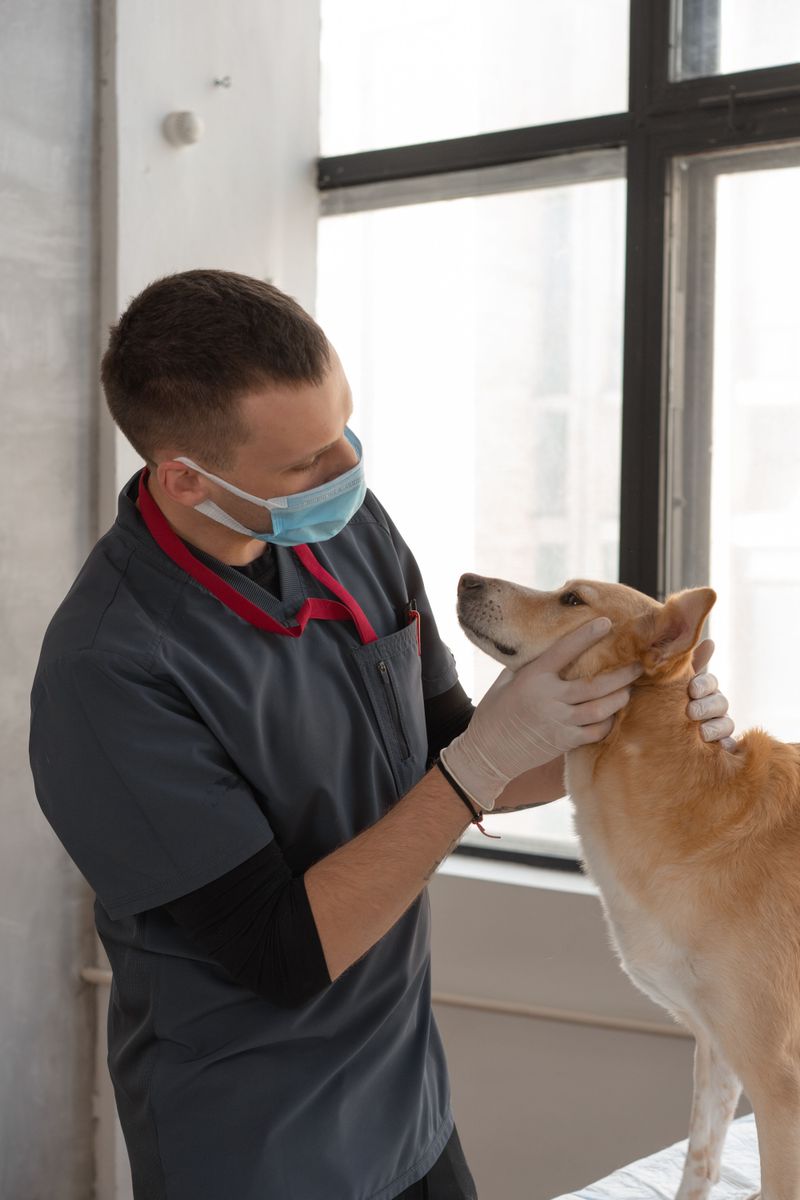
Lyme gets the headlines, but it has company. Anaplasmosis, ehrlichiosis, and Rocky Mountain spotted fever all appear in our region.
Signs overlap quite a bit: tiredness, fever, joint discomfort, and poor appetite. Bloodwork helps sort out which one is involved.
Since multiple diseases share the same carriers, one bite can matter. That is another reason prevention beats reaction every time.
Do Not Rely On A Quick Visual Check
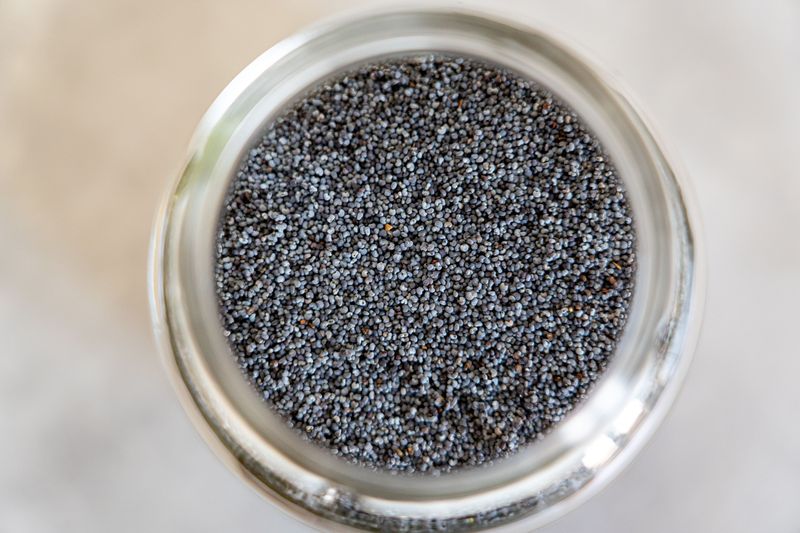
Nymph ticks are roughly the size of a poppy seed. Spotting one by eye alone, especially in a thick coat, is genuinely difficult.
Fingers work better than eyes here. Slow, deliberate touch finds bumps that a glance misses entirely.
A flea comb helps on longer coats, and so does a bright flashlight. Give the whole process five unhurried minutes rather than thirty seconds.
Be Extra Careful Around Leaf Litter And Brush
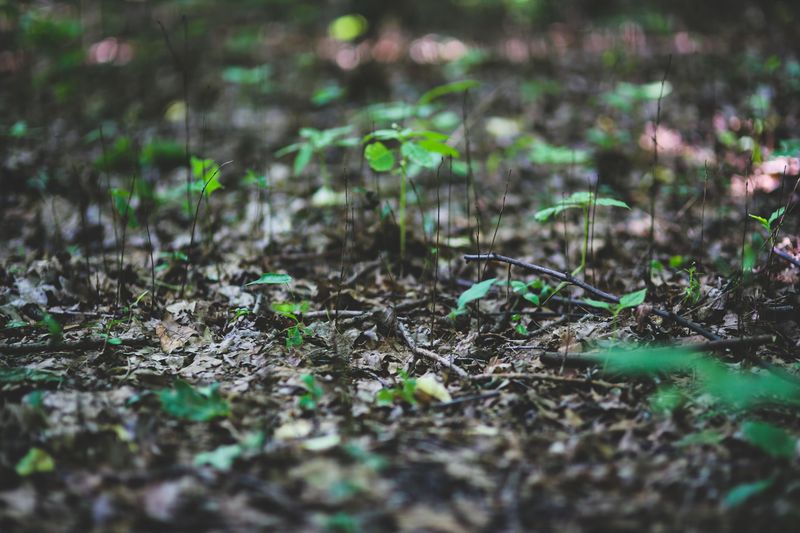
Damp leaf litter is prime real estate for ticks. Fallen leaves hold moisture, and moisture keeps ticks comfortable for months.
Stone walls, log piles, and brushy edges deserve the same caution. Dogs love those spots precisely because critters live there.
Redirect sniffing sessions toward open, sunny ground when you can. Autumn hikes call for this awareness most, since leaves pile up fast.
Keep Tick Prevention Consistent At Home
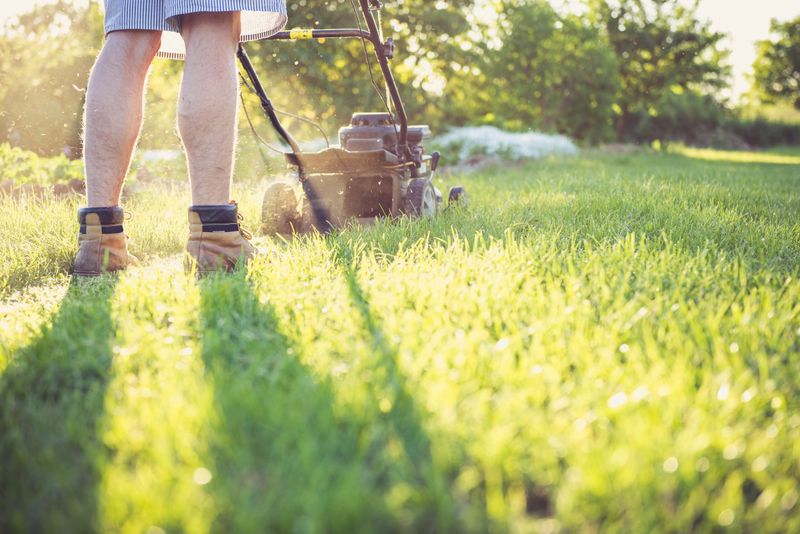
Your yard deserves the same thinking as the trail. Mow regularly, clear leaf piles, and trim back brush along the property edge.
Wood chip or gravel borders between lawn and woods reduce tick movement into play areas. Keeping woodpiles tidy discourages the rodents that carry ticks close.
Stay on schedule with monthly preventives all year, gaps invite trouble. Set a phone reminder if the date slips your mind.
Ask Your Veterinarian About Lyme Vaccination
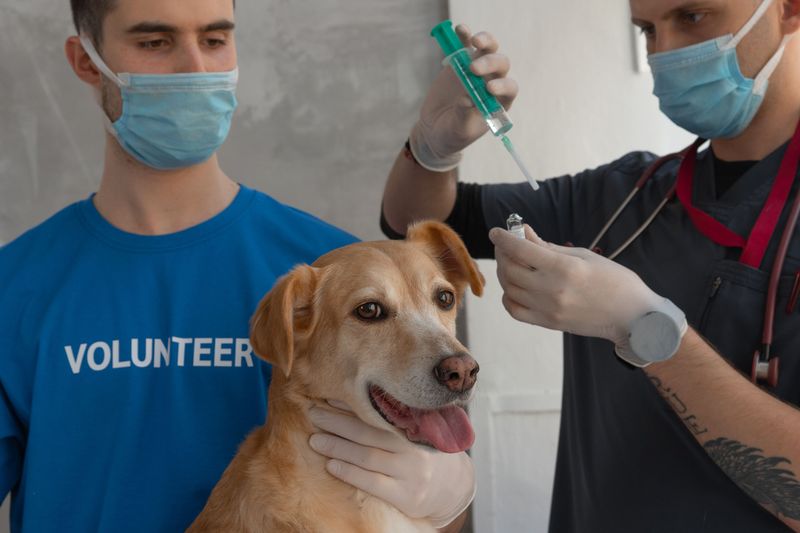
A Lyme vaccine exists for dogs, and it is worth discussing. Many Pennsylvania veterinarians recommend it for dogs who hike, hunt, or camp often.
Vaccination does not replace preventives or tick checks. Think of it as one layer among several.
Your veterinarian will weigh your dog’s age, health, and exposure before advising. Bring details about where and how often you hit the woods.
Take Extra Precautions With Dogs That Love To Explore
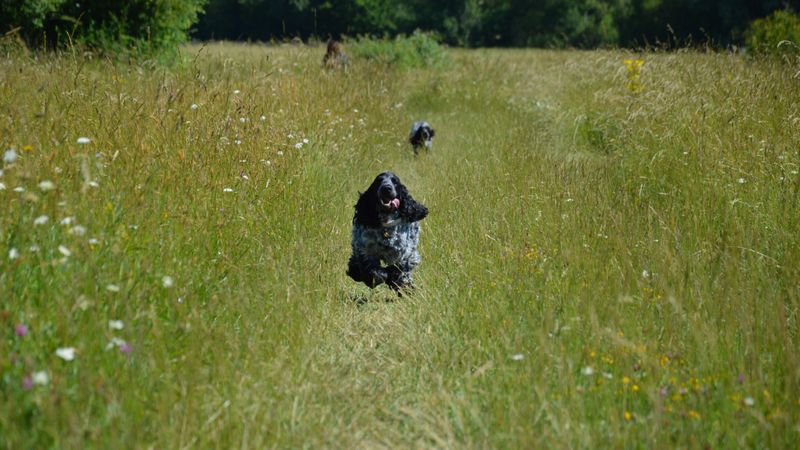
Some dogs stay politely on the path. Others treat every fern patch as a personal invitation.
Hunting breeds, scent hounds, and enthusiastic diggers pick up far more ticks per outing. Longer coats add hiding places on top of that.
For these adventurers, double up: preventives, a trail-focused leash, and a thorough check every single time. A quick brush before entering the house helps as well.
Woods walks stay wonderful when checking becomes second nature.