What Ohio Dog Owners Should Know About Keeping Dogs Comfortable Through Four Very Different Seasons
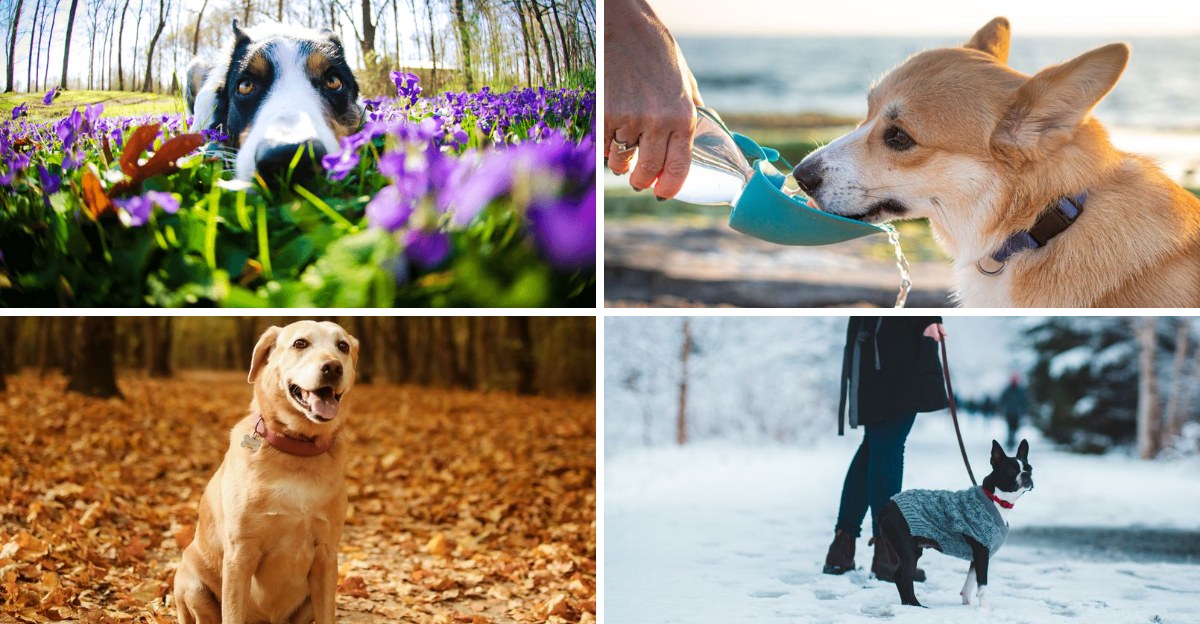
Ohio hands dog owners a little of everything: icy mornings, muggy afternoons, damp leaf-covered trails, and springs that cannot decide what to wear. Your dog feels every one of those shifts, often more than you do.
The good news is that comfortable, healthy care through all four seasons comes down to a handful of simple habits you can build into normal routines. Here is what local owners find most useful, season by season, from thaw to first snow.
1. Temperature Swings Are Part of the Deal
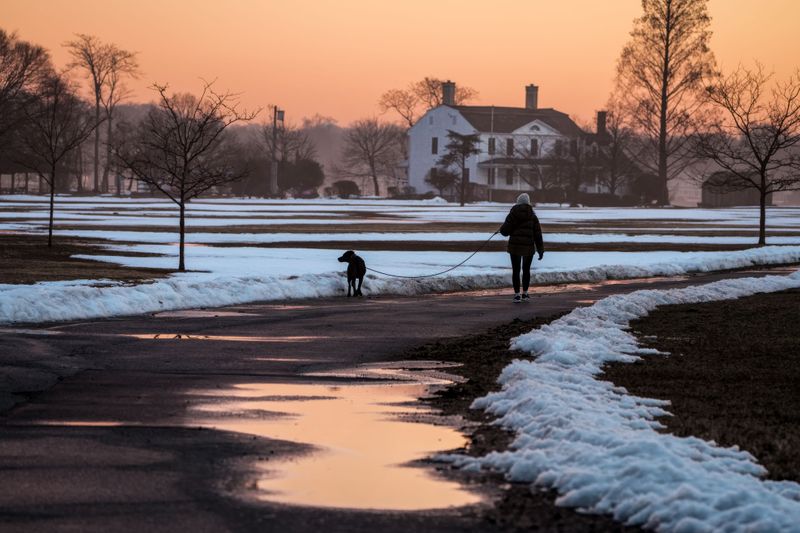
Forty degrees at breakfast, seventy by dinner. Ohio springs and falls love that trick, and dogs feel the whiplash too.
Check the forecast before you head out, not just the current reading. A coat that felt right at 8 a.m. may be too much by noon.
Keep a light jacket and a towel near the door. Layering your plan, not just your dog, makes those swinging days far easier to handle.
2. Rebuild Walking Stamina Slowly After Winter
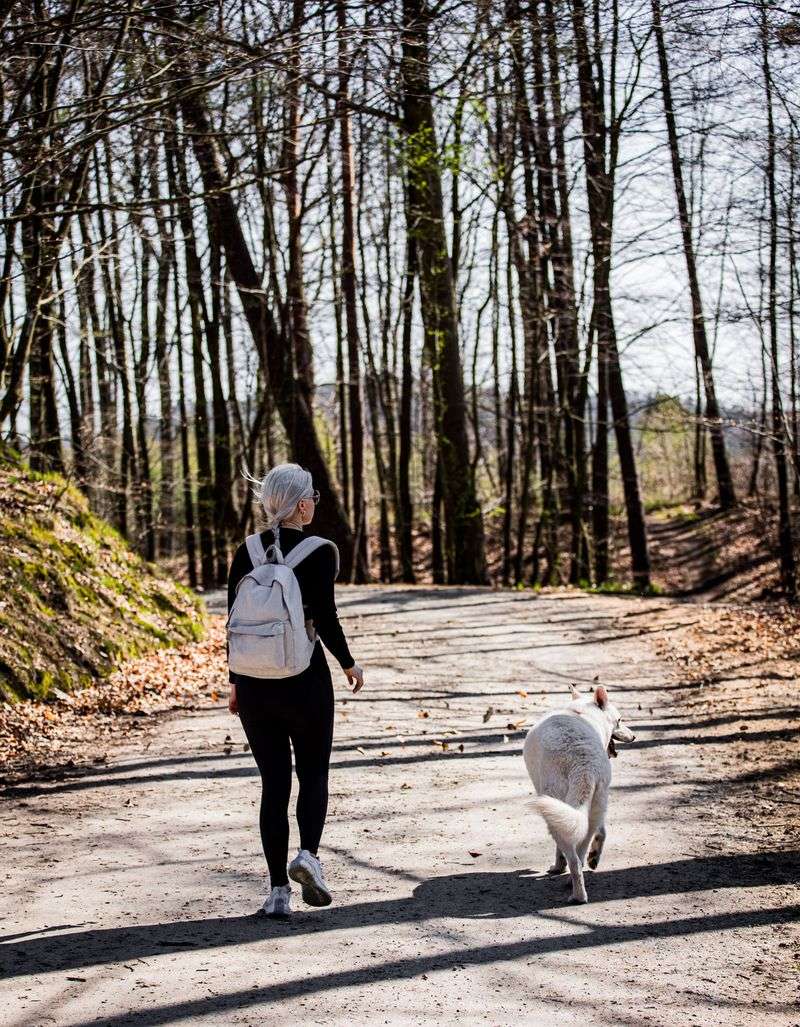
Winter tends to shrink everyone’s step count, dogs included. Jumping straight into hour-long spring hikes invites sore muscles.
Add five to ten minutes to daily walks every few days instead. Steady, moderate movement builds strength better than one ambitious weekend.
Watch for lagging, heavy panting, or a dog who plops down halfway home. Those are polite requests for a shorter route.
Older dogs and recovering dogs deserve a vet’s input on pacing.
3. Towel Off After Chilly Spring Rain
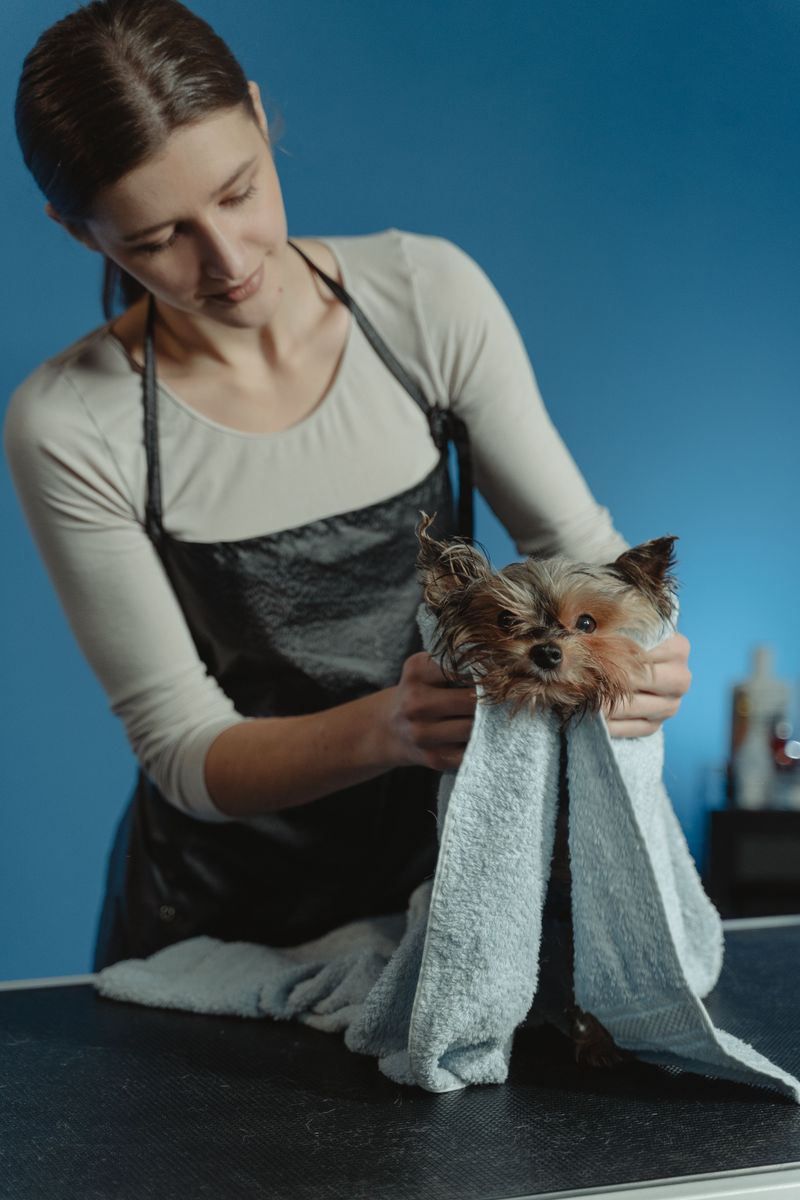
Spring rain in Ohio has a cold bite to it, and a damp coat holds that chill long after you get inside.
Pat, do not rub, with an absorbent microfiber towel. Rubbing tangles longer coats into mats.
Give attention to the belly, underarms, and spaces between toes, where moisture likes to linger and irritate skin.
Hang wet dog jackets somewhere airy to dry. Skip high heat directly against your dog’s skin.
4. Tick Protection Belongs on the Calendar Year-Round
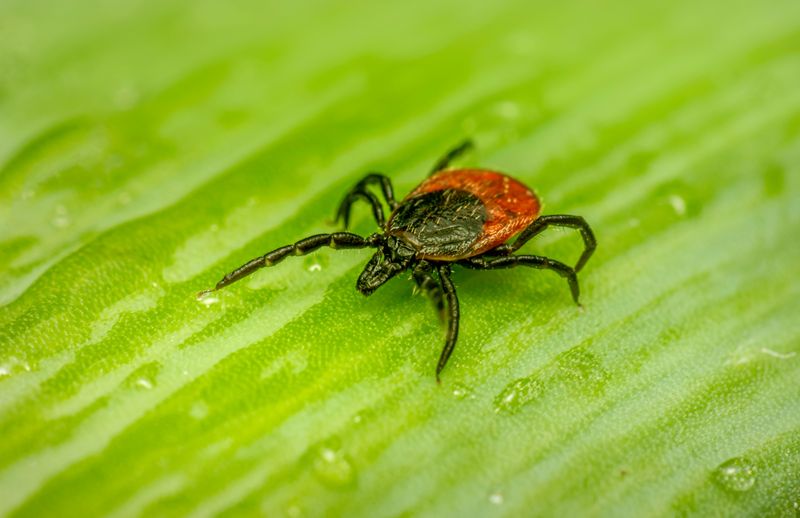
Ohio ticks do not take a proper winter break. Blacklegged ticks can be active any time temperatures rise above freezing.
Adults move around in spring, fall, and mild winter stretches, while nymphs show up in spring and summer.
Because of that overlap, year-round prevention is the simplest approach for most households.
Ask your veterinarian which product fits your dog’s age, weight, and lifestyle. Consistency matters more than the specific brand you pick.
5. Run a Tick Check After Every Outdoor Adventure
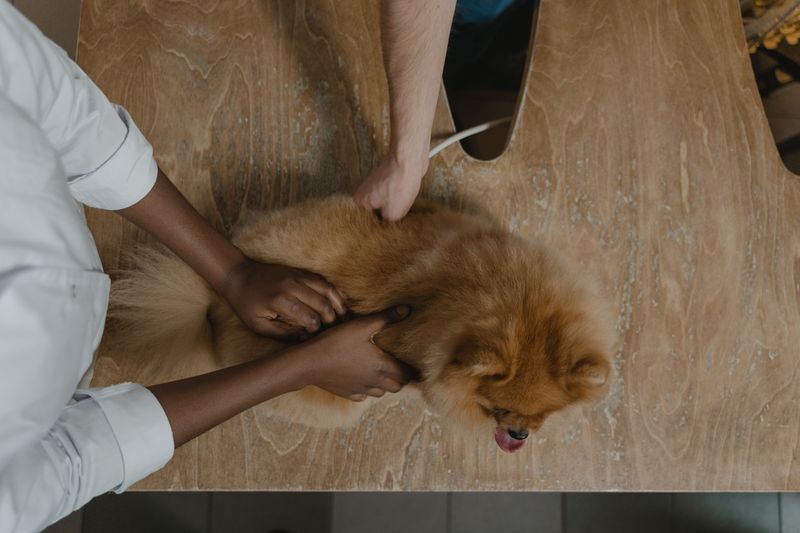
Woods, tall grass, and leaf litter are prime tick real estate across Ohio. A two-minute check after outings catches most hitchhikers.
Run your hands slowly over your dog, feeling for tiny bumps, then part the fur to look closer.
Favorite hiding spots include ear flaps, between toes, under the tail, around eyelids, beneath collars, armpits, and the groin.
Found one? Grasp close to the skin with fine-tipped tweezers and pull steadily upward.
6. Pollen Season Often Shows Up on the Skin
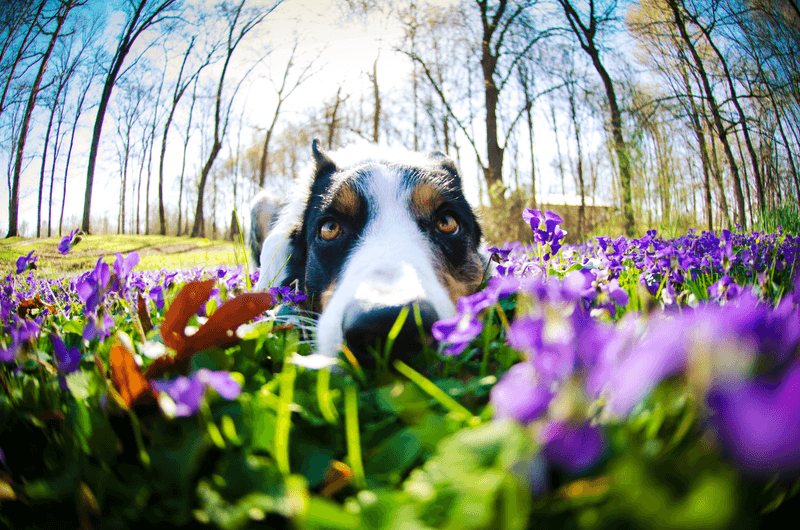
People sneeze. Dogs scratch.
Seasonal allergies in dogs usually appear as itchy skin rather than a runny nose.
Common signs include constant licking of paws, rubbing the face on carpet, red patches, and restless nighttime scratching.
Wiping paws and bellies after yard time removes some pollen before it settles in.
If the itching sticks around or the skin looks angry, your veterinarian can sort out allergies from infections and suggest relief.
7. Humidity Deserves as Much Respect as the Thermometer
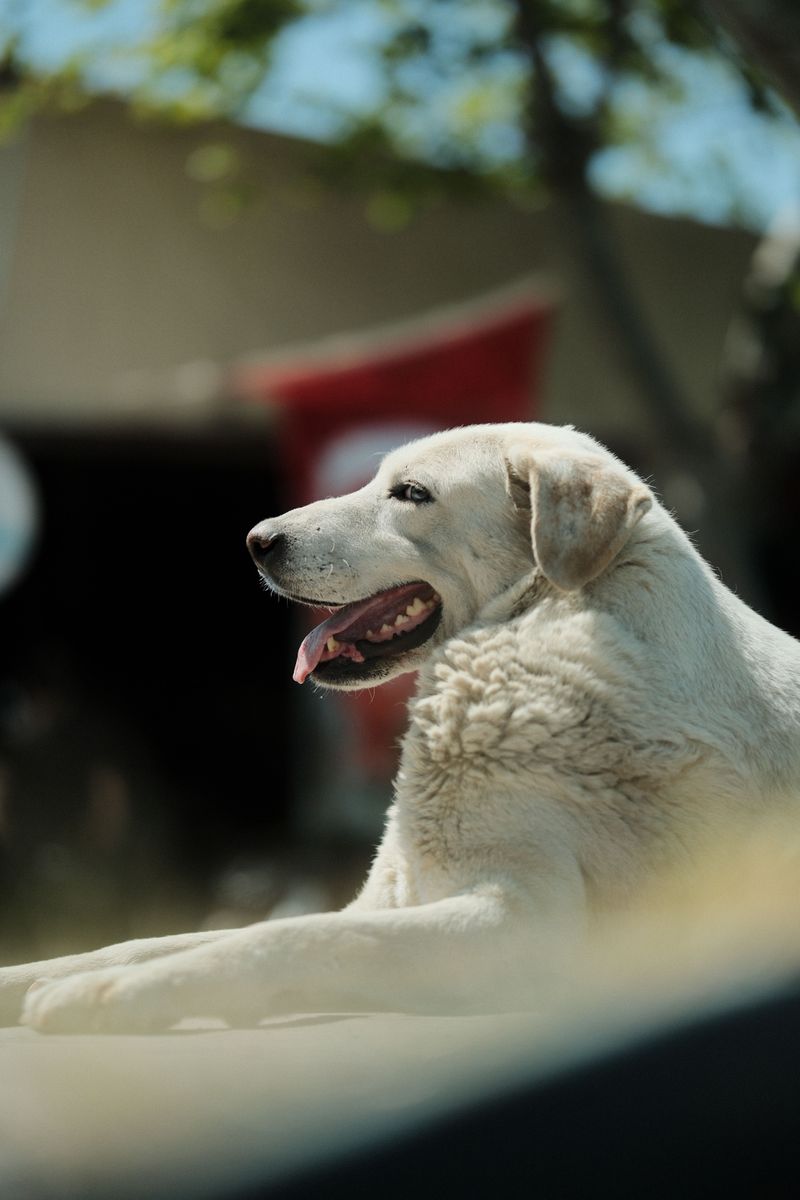
An 82-degree Ohio afternoon can feel far heavier than the number suggests. Moisture in the air is the reason.
Dogs cool themselves mainly by panting, which relies on evaporation. When humidity climbs, that cooling system loses efficiency.
So a muggy, overcast day can stress a dog more than a dry, sunny one.
Glance at the humidity along with the temperature, then shorten activity and add shade breaks when both run high.
8. Shift Summer Walks to the Edges of the Day
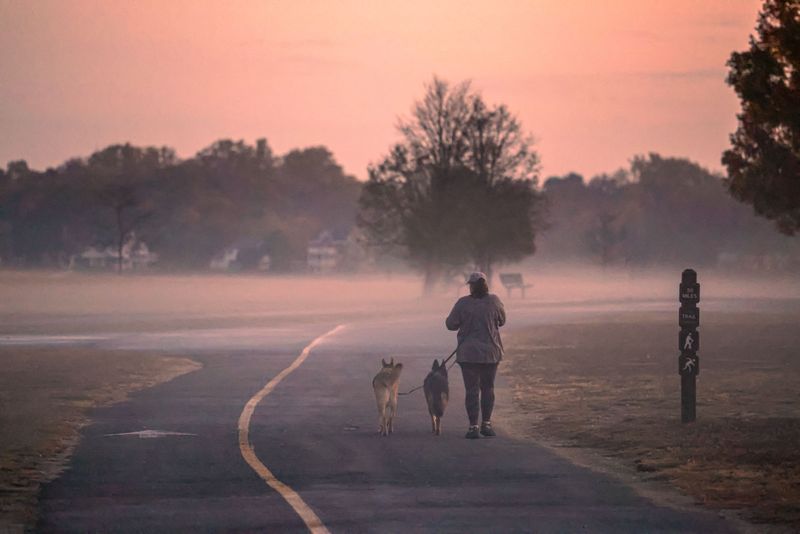
Early mornings and later evenings are the sweet spots once July settles in. Air temperature and pavement heat both drop.
Guidance from veterinary groups generally suggests avoiding strenuous outings between roughly 10 a.m. and 4 p.m.
Midday potty breaks can be short, shaded, and unhurried instead.
Overheating develops faster than most owners expect, so trimming the route on hot days is a small trade for a comfortable dog.
9. Test the Pavement With Your Own Hand
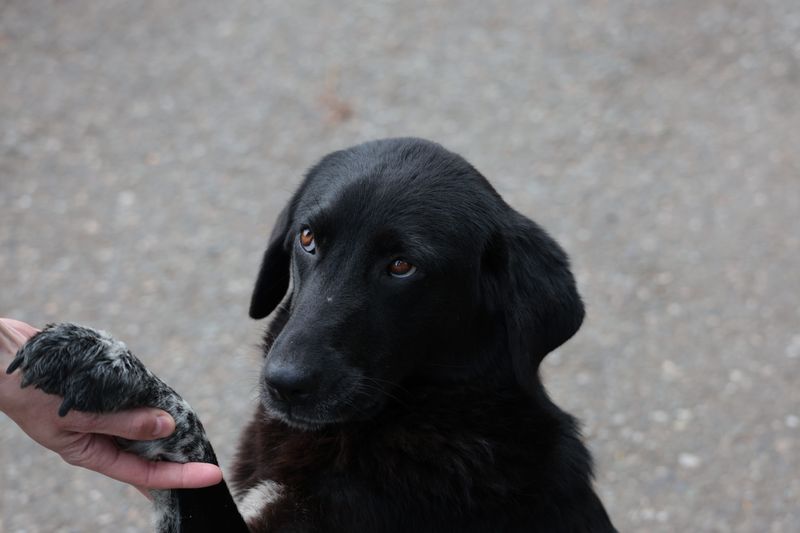
Asphalt soaks up sun like a sponge. At 77 degrees air temperature, pavement can reach around 125 degrees.
Press the back of your hand to the surface for five to ten seconds. Uncomfortable for you means unsafe for paw pads.
Grass, dirt trails, and shaded sidewalks stay noticeably cooler.
Booties help some dogs, though many need practice indoors first. Walking on the shady side of the street also works surprisingly well.
10. Water Bowls Everywhere, Refilled Often
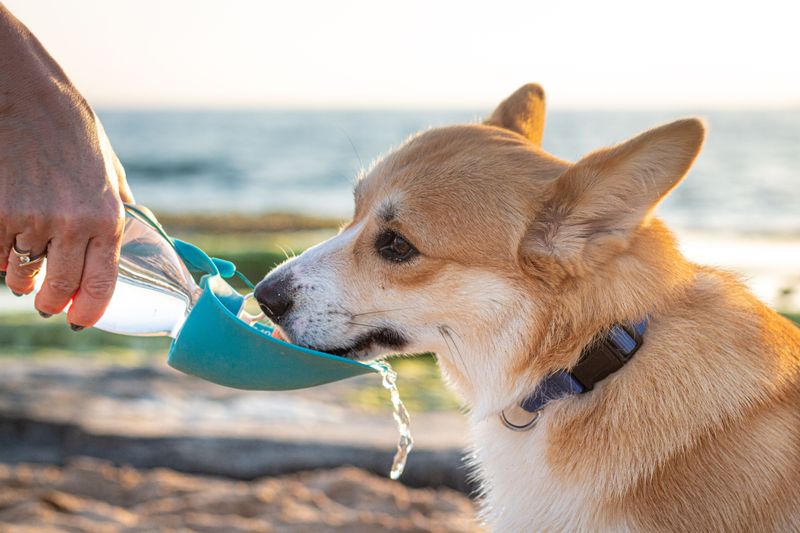
A rough guide: about one ounce of water per pound of body weight daily, more when it is hot or active.
Set out several bowls indoors and outside, and refresh them so the water stays cool and appealing.
Wide bowls and pet fountains encourage bigger drinks from picky sippers.
Toss a collapsible bowl in your bag for outings, offering small amounts often. Frozen broth cubes make hydration feel like a treat.
11. Parked Cars Are Never a Waiting Room
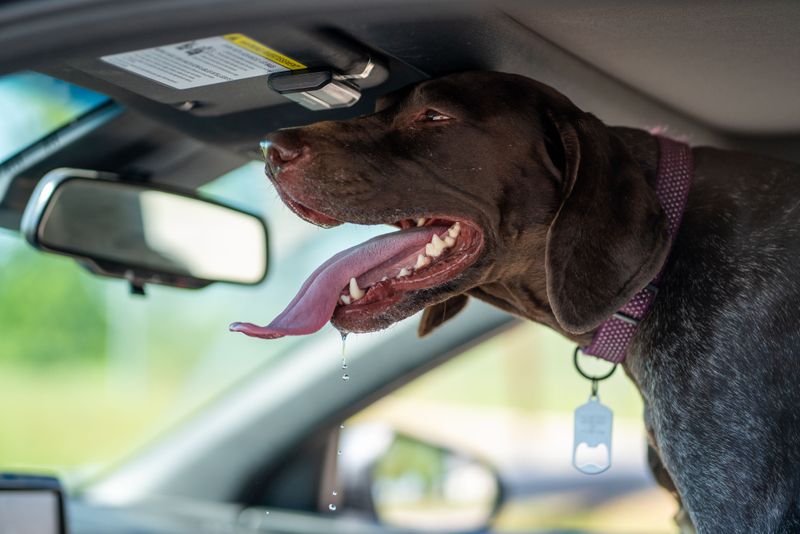
Cracked windows do very little. On a 75-degree day, an interior can pass 100 degrees within about twenty minutes.
Ohio law does allow certain people to help animals in distress in vehicles under specific conditions, and details vary, so check current state guidance.
The simpler answer is to leave your dog home when errands involve stops.
If you spot a dog struggling in a car, contact local police or animal control.
12. Some Dogs Need Extra Summer Care
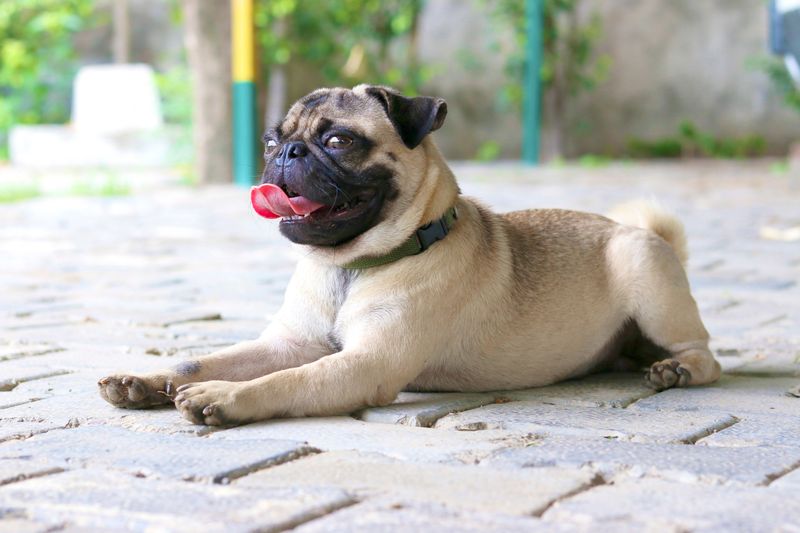
Flat-faced breeds such as Pugs, Bulldogs, Boxers, and Shih Tzus work with narrower airways. Panting simply moves less heat for them.
Senior dogs, young puppies, overweight dogs, and those with heart or breathing conditions also tire faster in warmth.
For these companions, plan indoor play, air conditioning, and very short outdoor trips during peak heat.
Ask your veterinarian what warning signs to watch for with your specific dog.
13. Autumn Brings a Second Tick Surge
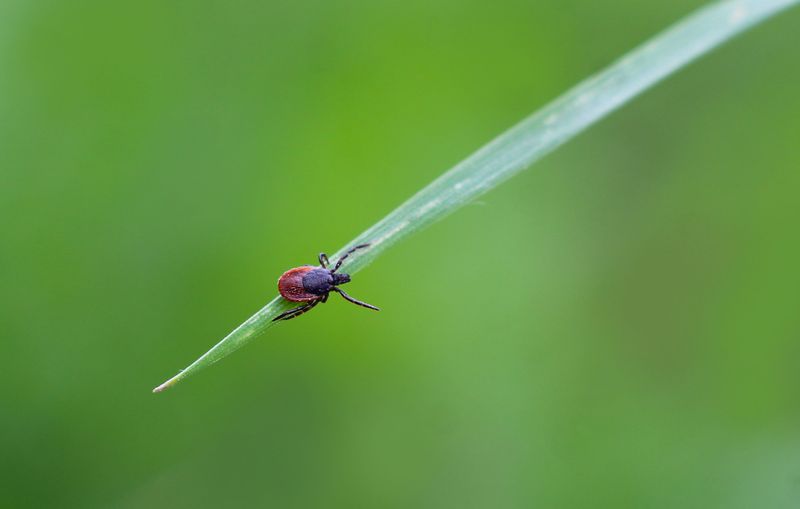
Many owners relax about ticks once school starts. Ohio’s calendar says otherwise.
Adult blacklegged ticks become notably active in October and November, searching for hosts before the cold sets in.
As long as the ground stays unfrozen and temperatures hover above freezing, they keep moving.
Keep preventives going through the fall and continue those post-walk checks. Crisp weather feels safe, but the habit is worth maintaining right into winter.
14. Leaf Piles Look Fun and Hide Pests
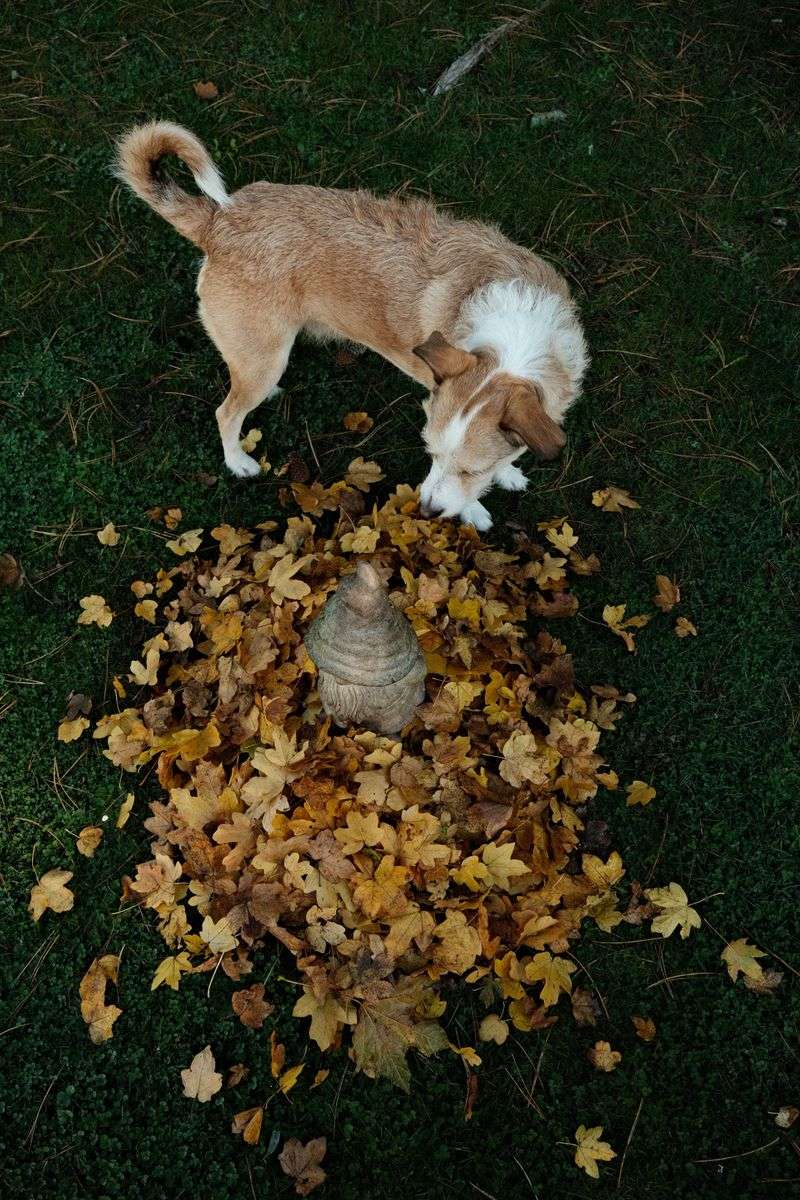
Few things thrill a dog more than crashing through leaves. Ticks feel the same way about those damp, sheltered piles.
Rake regularly, keep grass trimmed near fence lines, and clear brush along paths your dog uses.
On trails, walking down the center keeps everyone away from overhanging grass and brushy edges.
Damp piles can also hide mold and sharp debris, so a quick yard scan pays off.
15. Not Every Dog Is Built for Ohio Cold
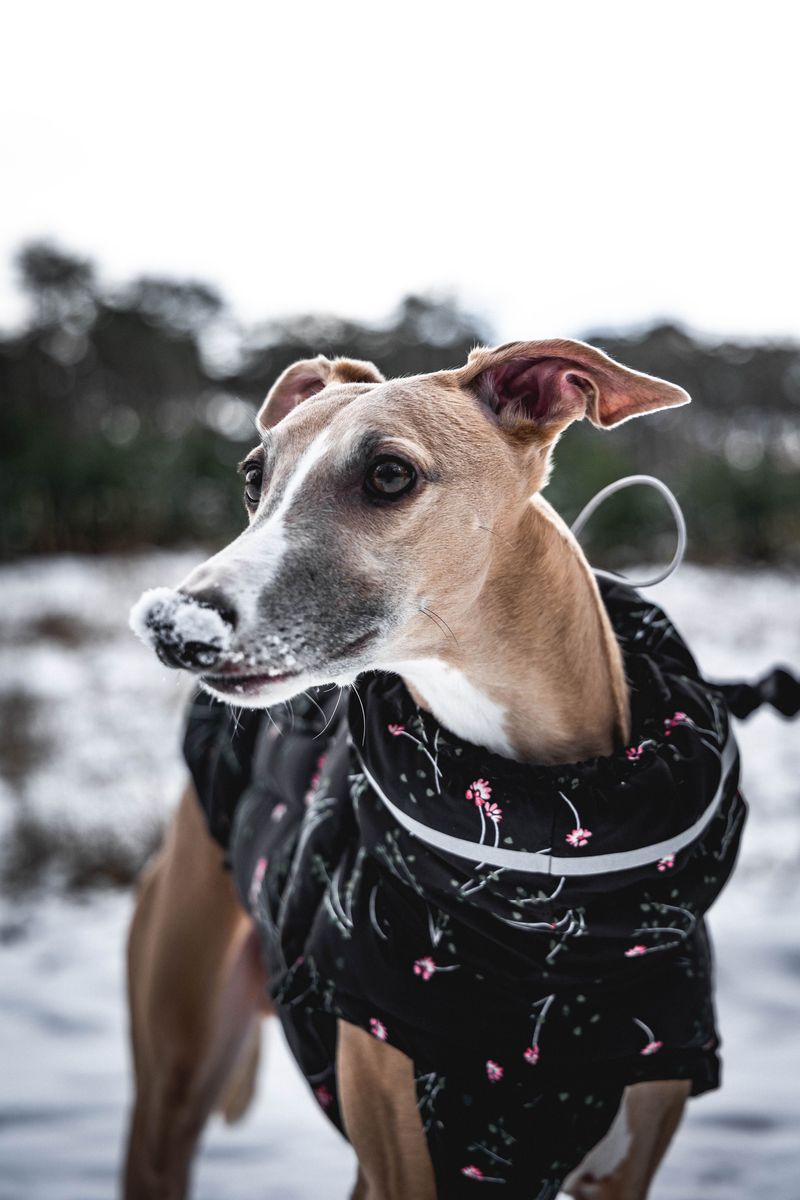
A husky may lounge happily in flurries while a whippet shivers at the door. Coat type, body size, and age all matter.
Short-haired breeds, small dogs, puppies, and seniors often appreciate a well-fitted sweater or insulated coat.
Look for full chest and belly coverage without rubbing at the armpits.
Indoors, offer a soft bed placed away from drafty doors and cold floors. Comfort begins before the walk starts.
16. Keep Frigid-Day Outings Brief
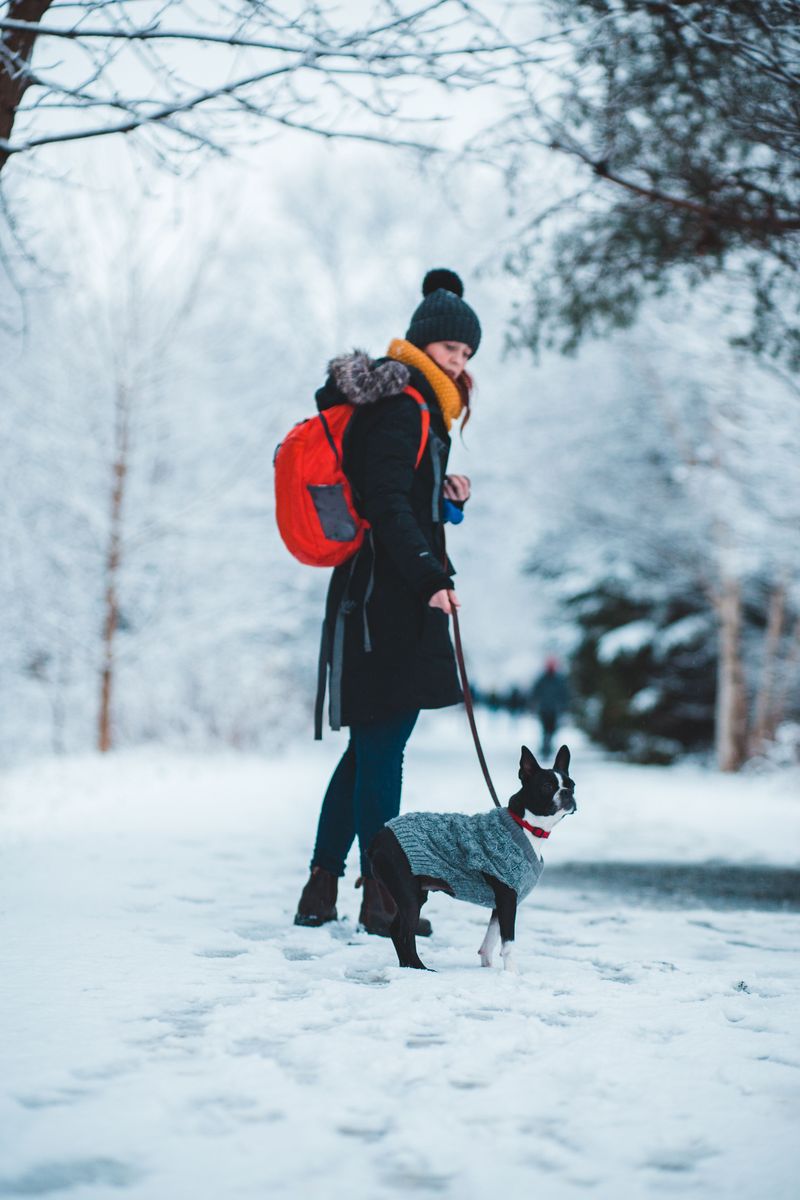
When wind chill drops low, quick trips beat long treks. Tolerance varies by dog, so watch the individual in front of you.
Lifted paws, shivering, whining, or turning toward home all mean it is time to head in.
Trade distance for enrichment: puzzle feeders, hide-and-seek, stair games, and short training sessions burn plenty of energy.
Dogs with arthritis or health conditions may need a customized plan from your vet.
17. Give Paws a Post-Walk Inspection
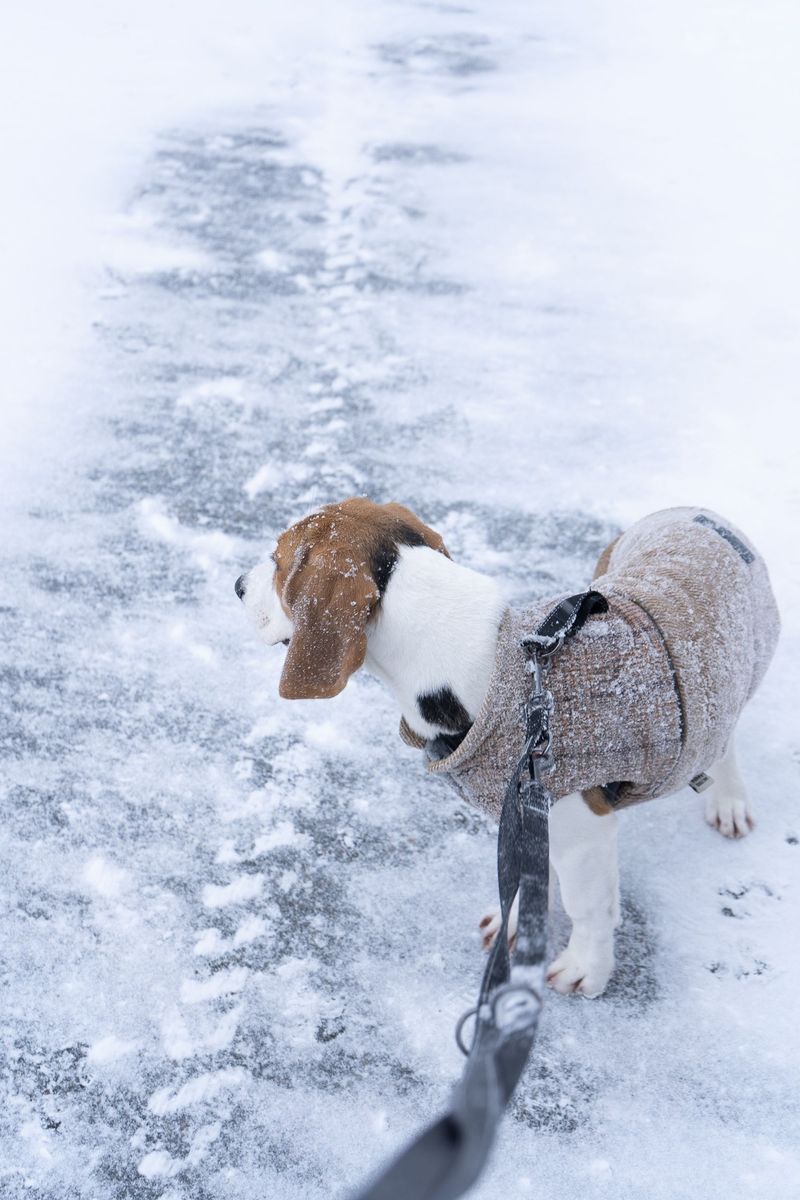
Snow loves to compact into hard little balls between the toes, and those pinch with every step.
After walks, spread the toes gently and clear any packed ice. Look for redness, cracks, or small cuts on the pads.
Pet-safe paw balm keeps pads flexible through dry winter air.
Trimming the fur between toes reduces clumping dramatically. Groomers can do it if the clippers make your dog nervous.
18. Rinse Away Road Salt Before It Bothers Skin
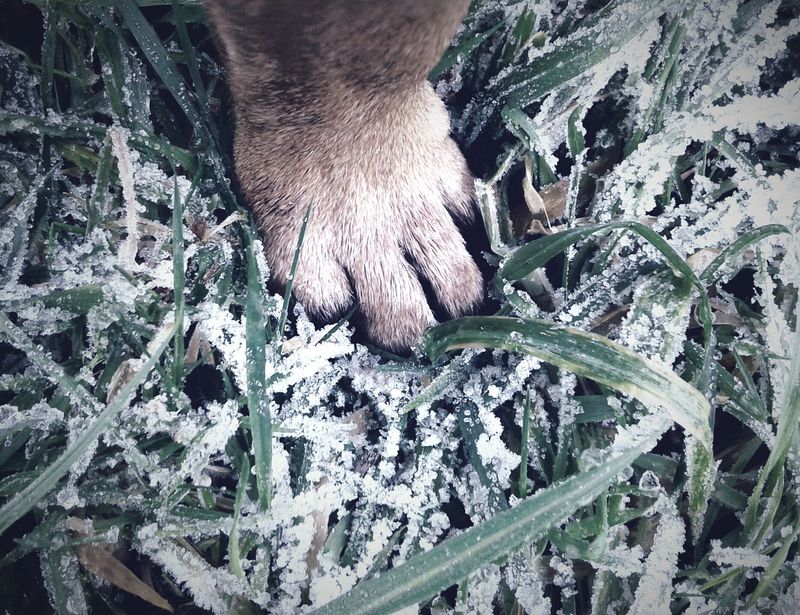
Sidewalk salt and deicing products do their job well, though they can leave paw skin dry and sore.
Keep a warm damp cloth or a shallow bowl of lukewarm water by the door. A quick wipe or dip removes residue.
Rinsing also stops your dog from licking those chemicals off their feet.
Pet-friendlier deicers exist for your own walkway, and neighbors often appreciate the recommendation.
19. Dryness Equals Warmth in Cold Months
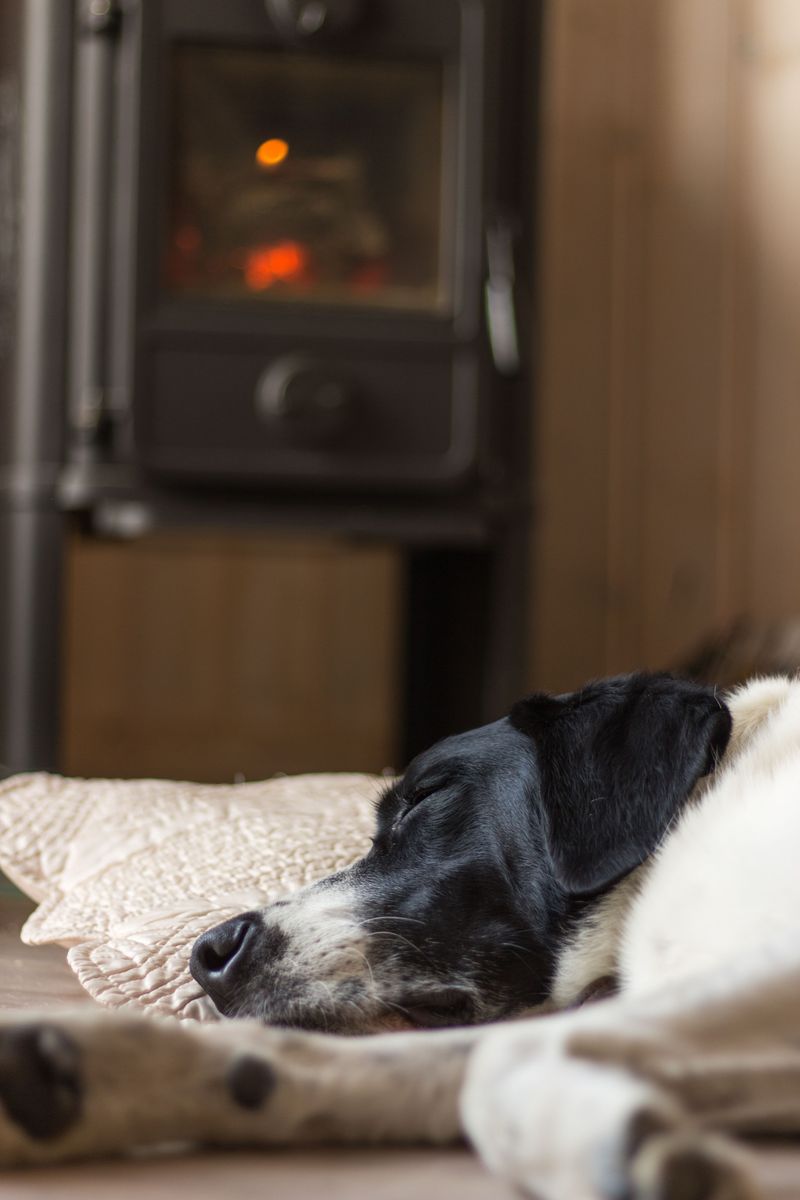
A damp coat drains warmth fast once your dog stops moving and stops generating heat.
Dry thoroughly after snowy walks, paying attention to the chest, legs, and undercarriage where slush collects.
Trapped moisture in thick fur can also irritate skin over time.
Wash and dry bedding regularly, and keep a spare dog coat in rotation so a wet one never goes back on. Small step, big comfort.
20. Let the Season Set the Routine
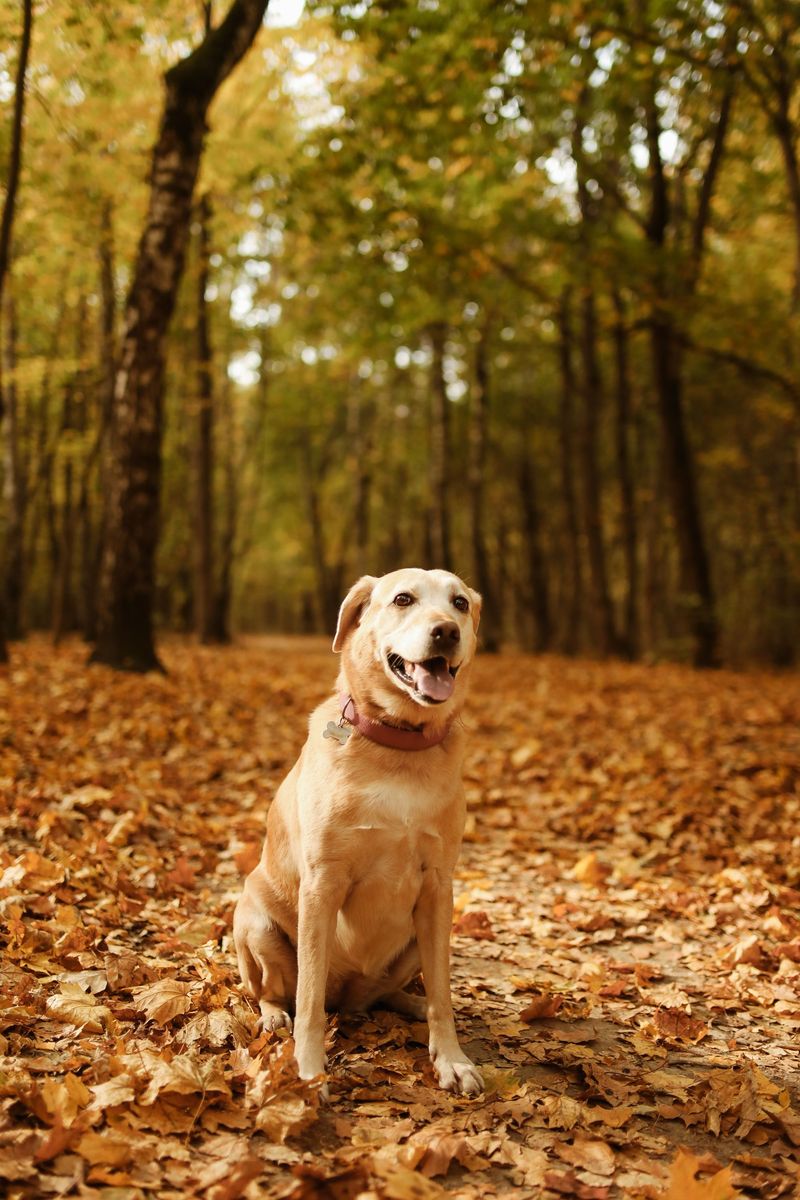
The owners who handle Ohio best are the flexible ones. Gear, timing, and distance shift as the calendar turns.
Spring means gradual rebuilding, summer means early hours and water, fall means tick vigilance, winter means warmth and dry paws.
Keep towels, a coat, booties, and a travel bowl in one spot by the door.
Adjust as your dog ages, and you will move through every season together comfortably.