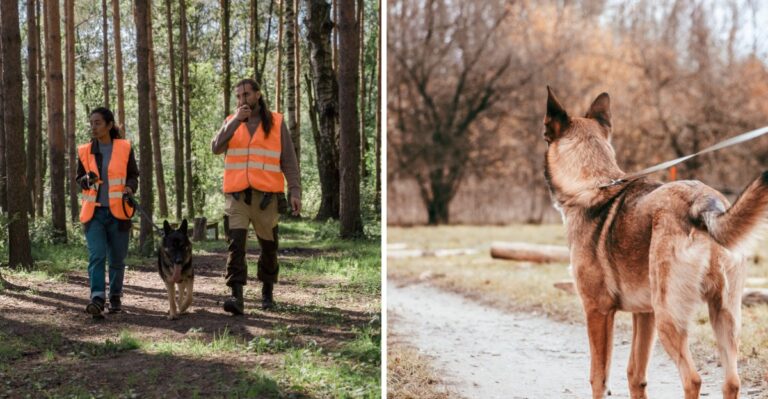
Why Tick Checks Matter After West Virginia Forest Hikes With Your Dog
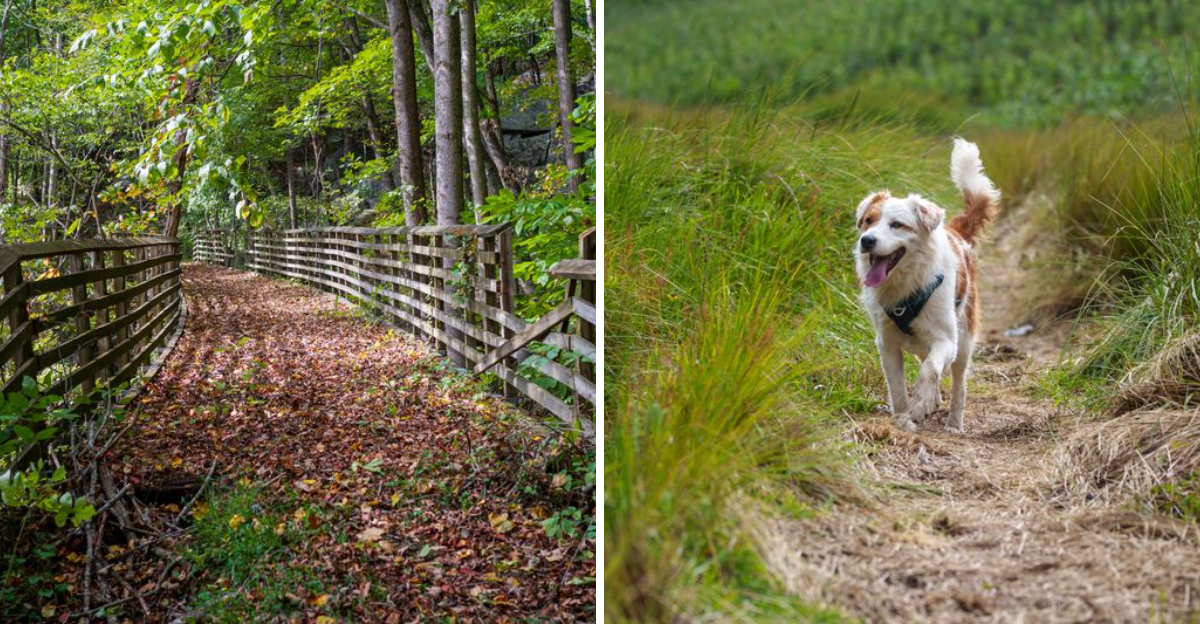
West Virginia trails are hard to beat, and dogs love every muddy, leafy mile of them. The catch is that ticks love those same shady edges, tall grass, and piles of leaves.
A few quiet minutes of checking your dog after a hike can catch a tick before it settles in. Here is a friendly, practical walkthrough of what to look for, where to look, and why this small habit protects your whole household.
1. Fur Hides Ticks Longer Than You Think
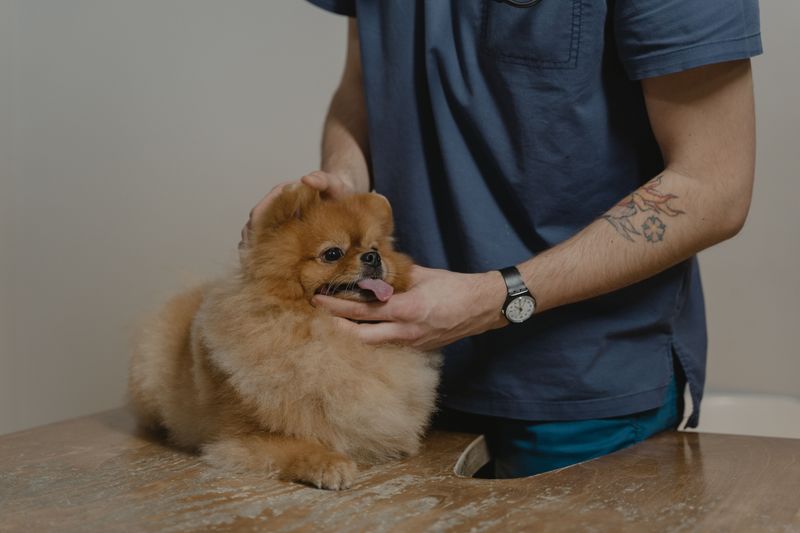
A tick can ride home unnoticed for hours. Fur works like camouflage, and a small dark tick blends into a dark coat with ease.
Sight alone often misses them. Running your fingertips slowly over the skin helps you feel small bumps that your eyes skip right past.
Do the check in good light. A sunny porch or a bright kitchen beats a dim hallway every time.
2. Nymphs Are Barely Bigger Than a Poppy Seed

Adult ticks get noticed. Immature ones, called nymphs, are the sneaky ones, roughly the size of a poppy seed.
Their size is exactly why they matter. Something that tiny can stay attached without anyone spotting it for a while.
Slow down during your check and look for specks that were not there this morning. If a dot does not brush away, take a closer look.
3. Speed Reduces the Odds of Trouble
Timing genuinely matters here. Many tick-borne germs need a tick to stay attached for roughly a day or two before transmission becomes likely.
Checking at the trailhead or the moment you get home shrinks that window considerably.
Think of it as the same instinct behind rinsing a scrape quickly. Acting early is simple, low effort, and gives your dog a real advantage.
4. The Full Map of Hiding Spots
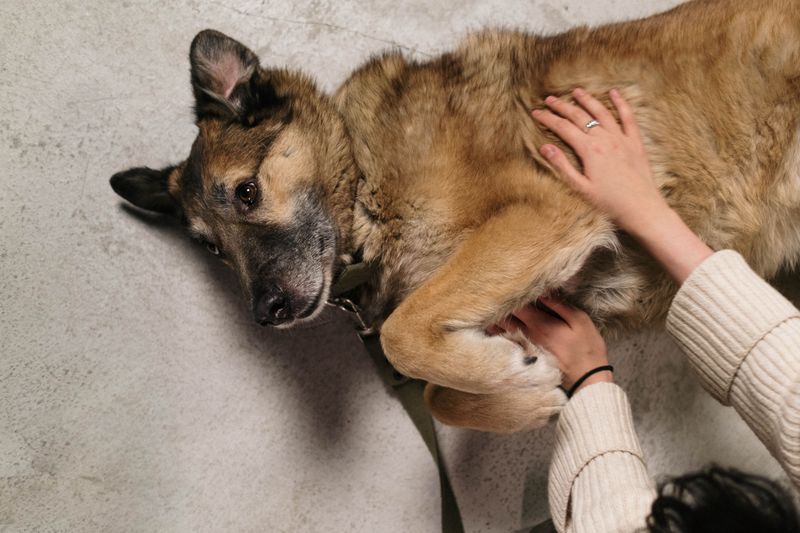
Ticks favor warm, tucked-away places. Work through the same route each time so nothing gets skipped.
Check inside and behind the ears, along the eyelids, around the neck and collar line, then under the front legs. Continue to the groin, belly, between every toe, and under the tail near its base.
Ending with the paws works well, since dogs tolerate that better after they have relaxed.
5. Forest Trails Are Prime Tick Territory
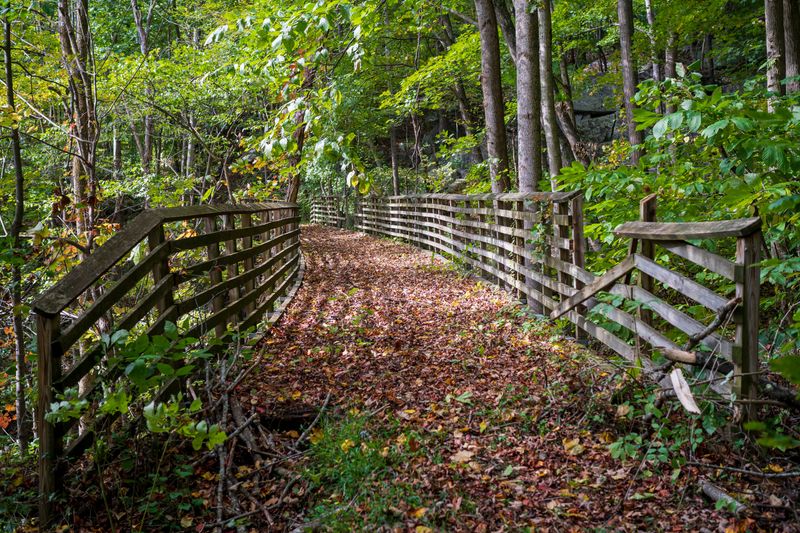
Almost every popular trail in the state runs through mixed hardwood forest. Ticks thrive in exactly that setting: shaded grass, thick brush, damp leaf litter, and the brushy edges where woods meet open ground.
Your dog walks straight through all of it. That is not a reason to skip the hike.
It simply means a check afterward belongs in your routine, right alongside water and a towel.
6. Thick Coats Call for Extra Patience
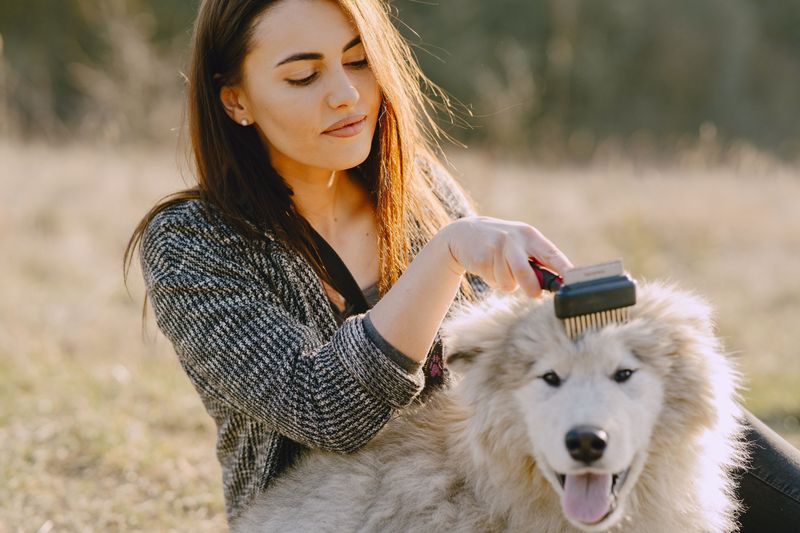
Owners of shepherds, collies, and fluffy mixed breeds know the struggle. A tick can vanish completely in a double coat.
Parting the hair in sections, all the way down to the skin, is the only reliable approach. A fine-toothed comb speeds things up nicely.
Pair the check with a treat or two. Most long-haired dogs settle in happily once they realize grooming is on the menu.
7. Lyme Disease Tops the List Here
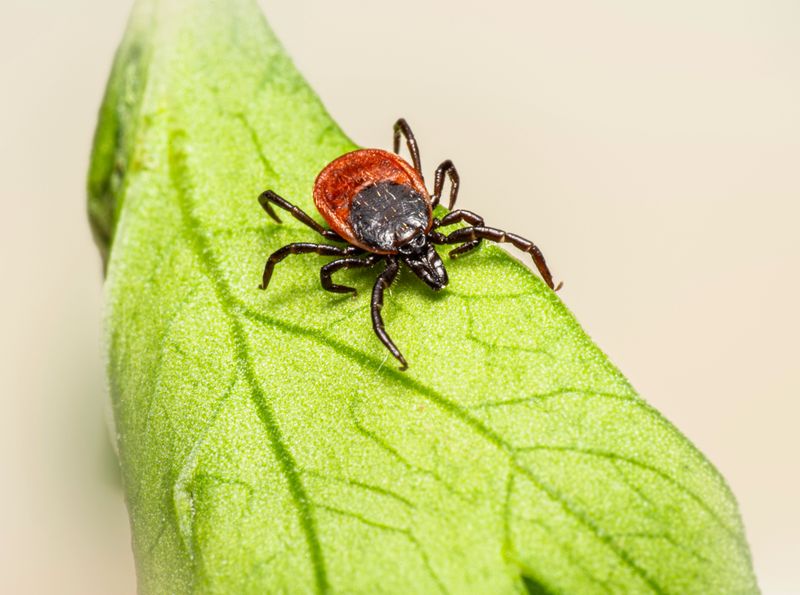
Among tick-borne illnesses reported in West Virginia dogs, Lyme disease leads the pack. The state has recorded some of the higher canine positivity rates nationally.
Blacklegged ticks, often called deer ticks, are the carriers involved.
Knowing this is not cause for worry. It is simply useful context that explains why local veterinarians talk about testing, prevention, and vaccination options during regular visits.
8. Low Brush Is Where Dogs Collect Hitchhikers
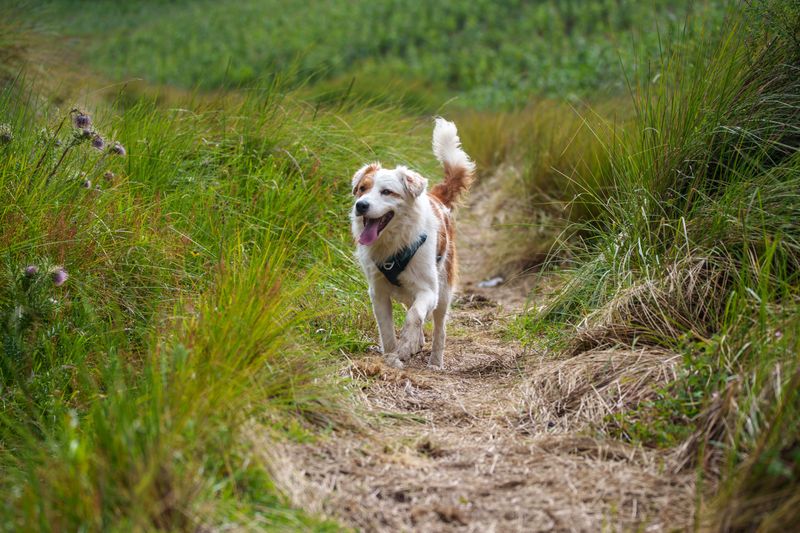
Ticks do something called questing. They climb grass tips or low shrubs, stretch out their front legs, and wait for something warm to brush past.
Dogs are the ideal passing host. They cut corners, sniff under bushes, and plow through weeds that people step around.
Keeping your dog closer to the center of the trail helps. It will not eliminate contact, but it does cut down the number of hitchhikers.
9. Other Illnesses Share the Same Trails
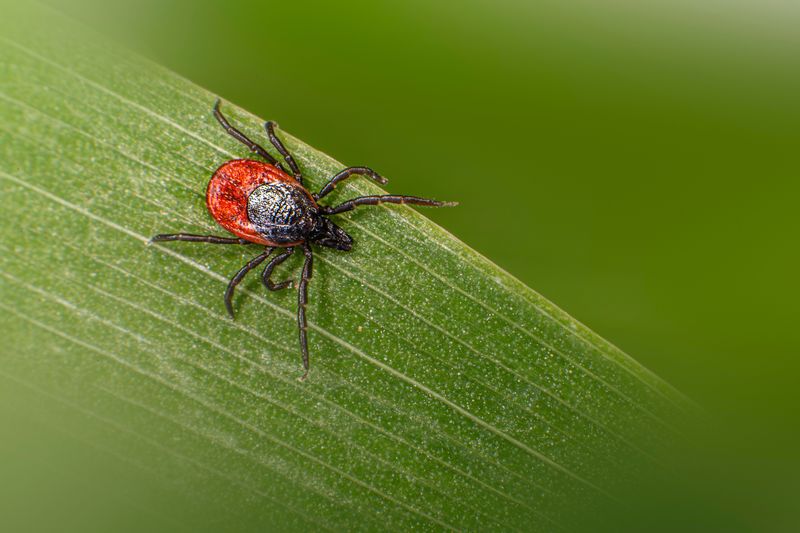
Lyme gets the headlines, but it is not alone. Anaplasmosis, ehrlichiosis, Rocky Mountain spotted fever, and babesiosis all appear in this region.
Different ticks carry different germs. American dog ticks are linked to spotted fever, while lone star ticks are associated with ehrlichiosis.
You do not need to identify species on the spot. Saving the tick in a sealed bag gives your veterinarian something useful to look at.
10. Prevention Products Work Better With Backup
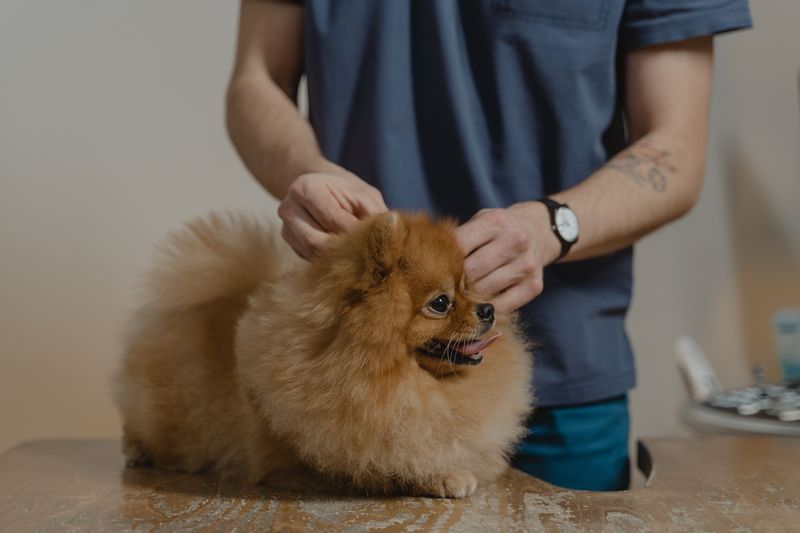
Monthly preventives are genuinely valuable, and most veterinarians recommend them for hiking dogs. Still, many products act after a tick attaches rather than before.
Manual checks fill that gap. You remove crawlers before they ever settle, which is the cleanest outcome available.
Talk with your veterinarian about which option fits your dog’s age, weight, and health. Then treat checks as the partner to that product, not a replacement.
11. A Found Tick Narrows Down the Timeline
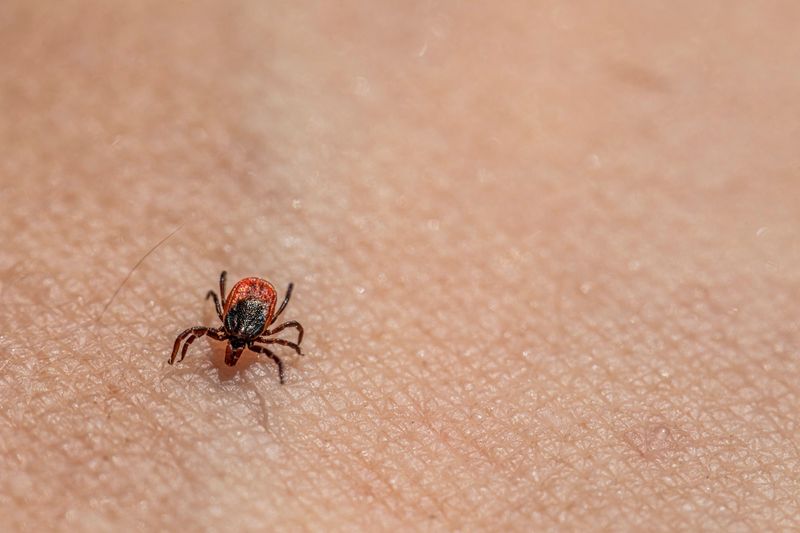
Here is an underrated benefit. When you find a tick right after a hike, you know roughly when exposure happened.
That detail helps later. If symptoms show up weeks down the road, your veterinarian has a starting point instead of a guess.
Without a check, the timeline disappears entirely. A tick could have attached anywhere across several weeks of walks.
12. Write Down the Trail and the Date
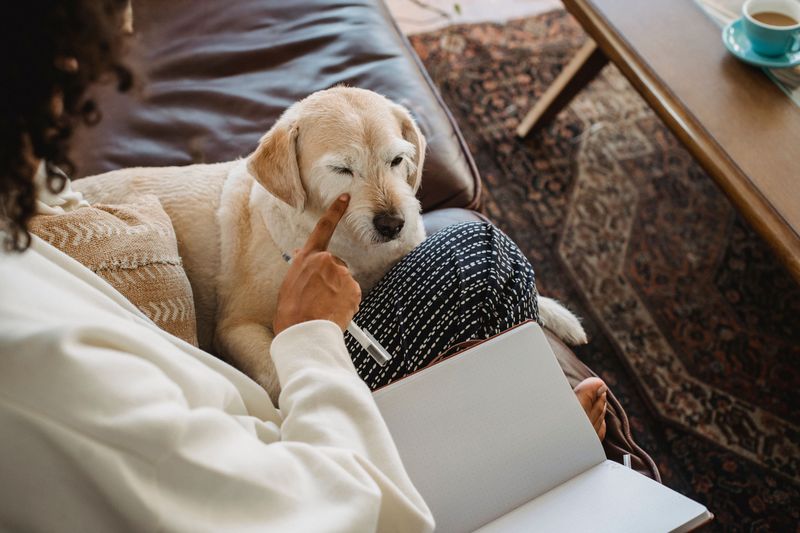
A quick note in your phone takes about ten seconds. Record the trail name, the county, and the date you found a tick.
Veterinarians appreciate that kind of specificity. Regional patterns differ, and location can shape which tests make sense.
One owner I know keeps a running note titled Hikes and Ticks. Simple, slightly nerdy, and surprisingly handy at appointment time.
13. Your Dog Can Be the Front Door
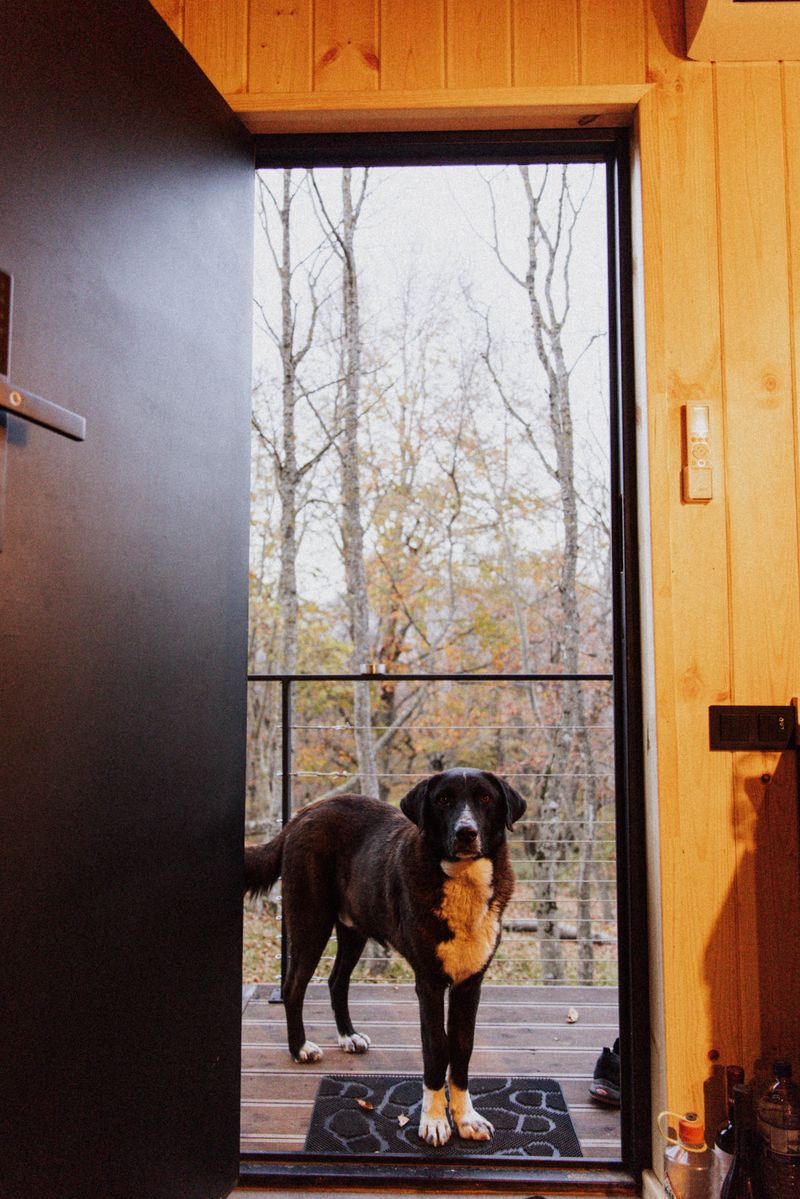
Ticks do not always attach right away. Some wander the coat for hours before settling anywhere.
That means your dog can carry unattached ticks straight into the living room. They step off onto rugs, couches, and blankets.
Doing the check outdoors or in a mudroom keeps that from happening. Shake out gear on the porch too, since ticks ride on backpacks as easily as fur.
14. Household Members Share the Exposure

A tick that comes off your dog indoors is still looking for a host. Kids, adults, cats, and other dogs all qualify.
That is why the post-hike check protects more than one family member.
Tossing hiking clothes into a hot dryer for a cycle is a helpful companion habit. Heat handles ticks that hitched a ride on fabric rather than fur.
15. Dogs Do Not Pass Lyme to People Directly
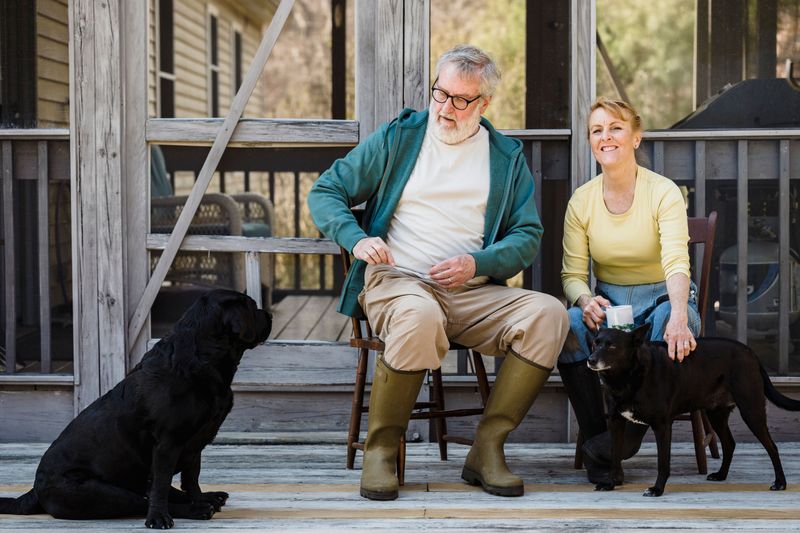
Worth clearing up: you cannot catch Lyme disease from petting or snuggling your dog. The illness does not transfer that way.
The real concern is transportation. Your dog can bring an infected tick indoors, and that tick may later find a person.
So the check is a shared benefit. You are looking after your dog and quietly protecting everyone else under the roof.
16. Look Beneath the Harness and Collar
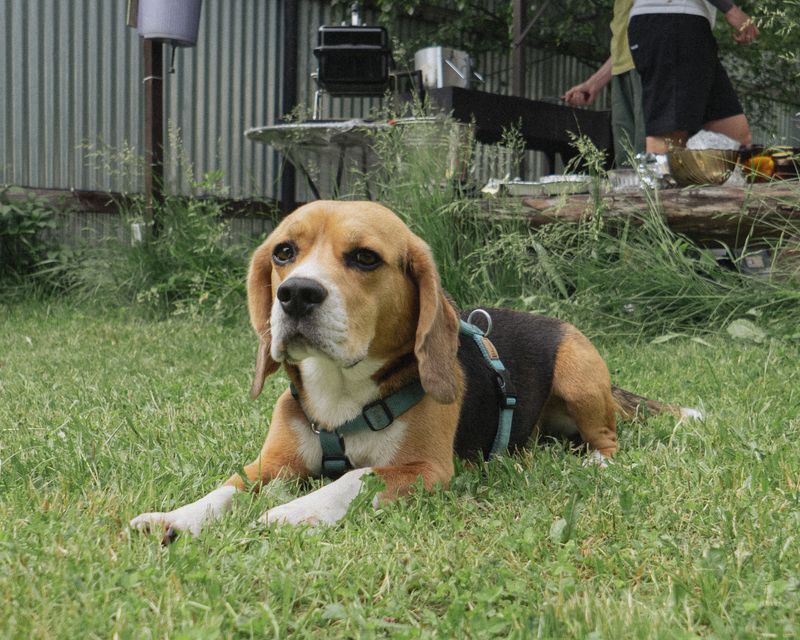
Gear creates perfect cover. Straps press fur flat, trap warmth, and hide anything tucked underneath.
Take the harness and collar off completely before you check. A quick peek around the edges misses the spots that matter most.
Give the gear itself a look too. Webbing and buckles occasionally hold a tick that has not moved on yet.
Then let your dog enjoy a few collar-free minutes.
17. Careful Removal Keeps the Skin Comfortable
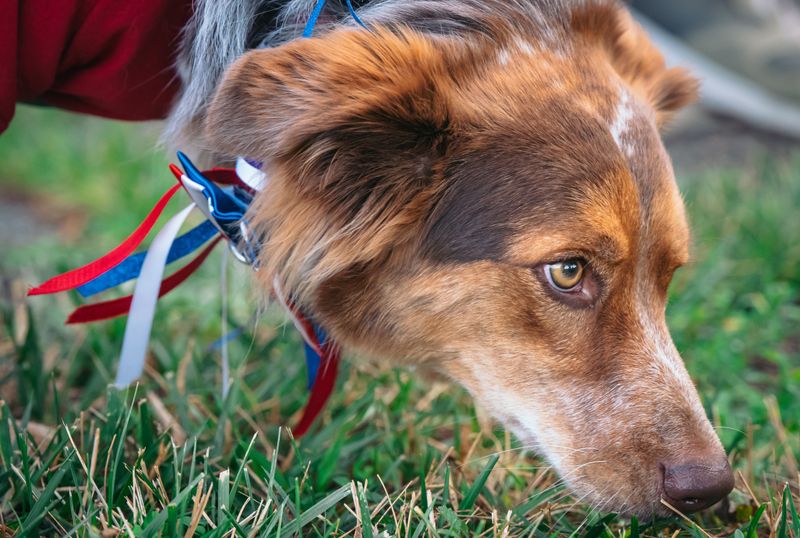
Technique makes a difference. Use fine-tipped tweezers or a tick removal tool, grip as close to the skin as possible, and pull straight up with steady pressure.
Skip the twisting, and skip old folk remedies involving heat or petroleum jelly. Those add irritation without helping.
Clean the area afterward and watch it for a few days. Any lasting redness or swelling deserves a call to your veterinarian.
18. Hands-On Time Reveals Early Changes
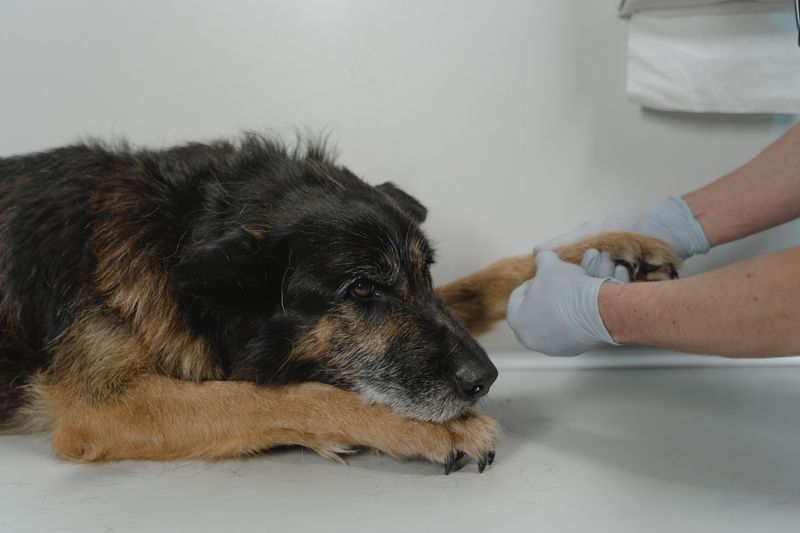
Running your hands over your dog weekly does more than find ticks. You notice things.
Watch for unusual tiredness, less interest in food, warmth suggesting fever, stiffness, swollen joints, or limping that comes and goes.
Any of those signs, especially weeks after a hike, is worth a veterinary call. Early conversations lead to easier answers, and most tick-borne illnesses respond well to prompt treatment.
19. Late Spring Through Early Fall Demands the Most Attention
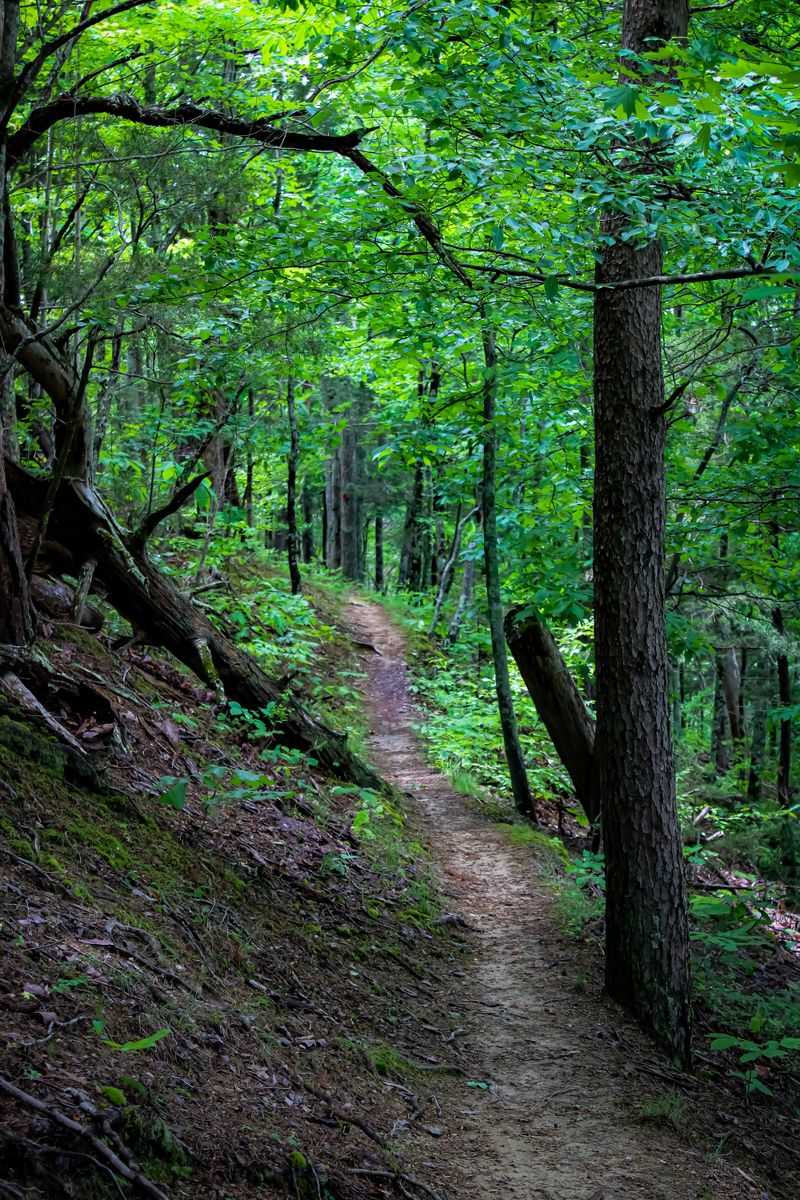
Tick activity peaks when the weather is warm and everybody is outside. May through September is the busiest stretch in West Virginia.
Cold months are quieter, but not empty. Ticks can stay active whenever temperatures climb above freezing, which happens plenty during Appalachian winters.
Keep the habit going year-round. Just tighten it up during the green months, when both hikes and ticks increase.
20. Five Quiet Minutes, Real Peace of Mind
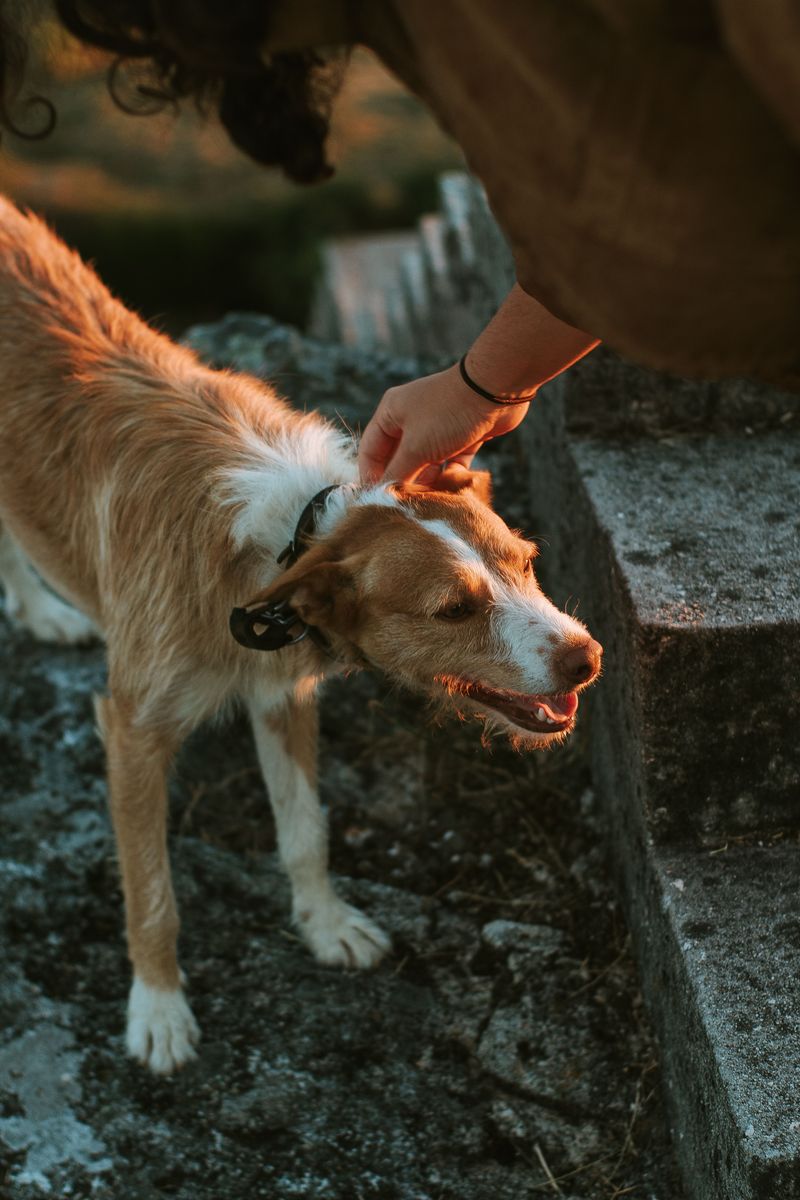
The whole routine takes about as long as unpacking your daypack. Towel, treat, hands through the coat, done.
Repeated after every hike, that small ritual becomes another layer of protection for your dog and your household.
Most dogs start looking forward to it, since it mostly feels like a massage with snacks. Good trails, good company, and one steady habit that keeps everyone comfortable.