Why Tick Checks Matter After New Hampshire Forest Hikes
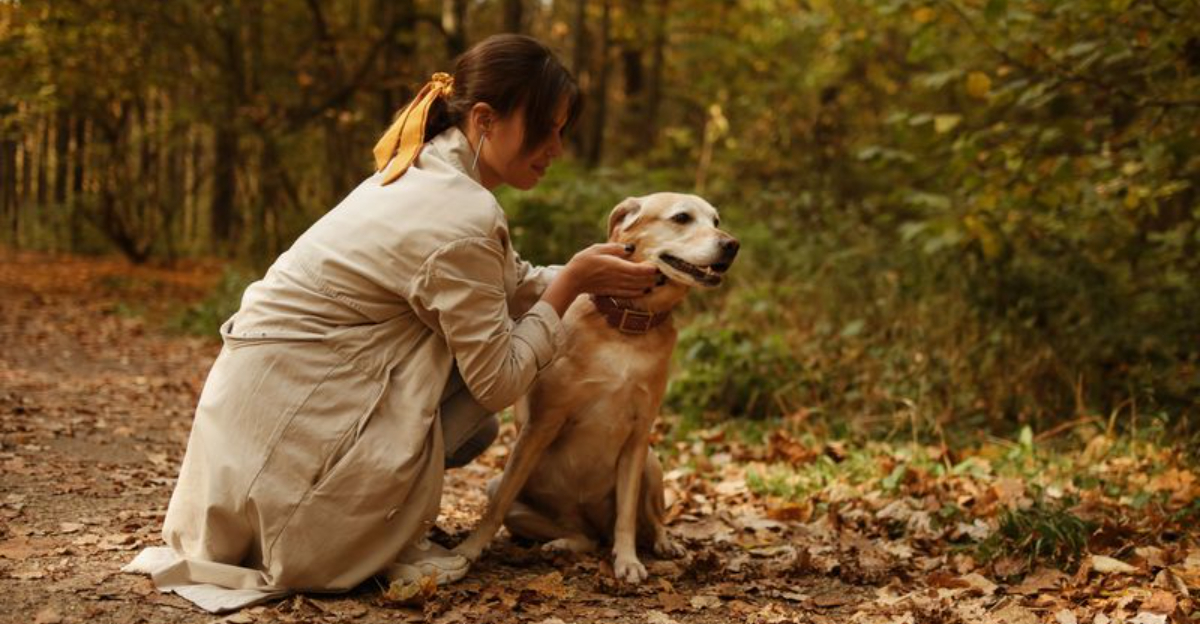
If your weekends include White Mountain trails, shaded logging roads, or a quick loop through the woods behind town, your dog is meeting ticks along the way. New Hampshire has plenty of them, especially from spring through late fall.
The good news is that a careful check after each hike does most of the protective work for you. It takes only a few minutes, costs nothing, and quickly becomes second nature.
Here is what every local dog owner should know.
Why Tick Checks Matter for Dogs After New Hampshire Forest Hikes
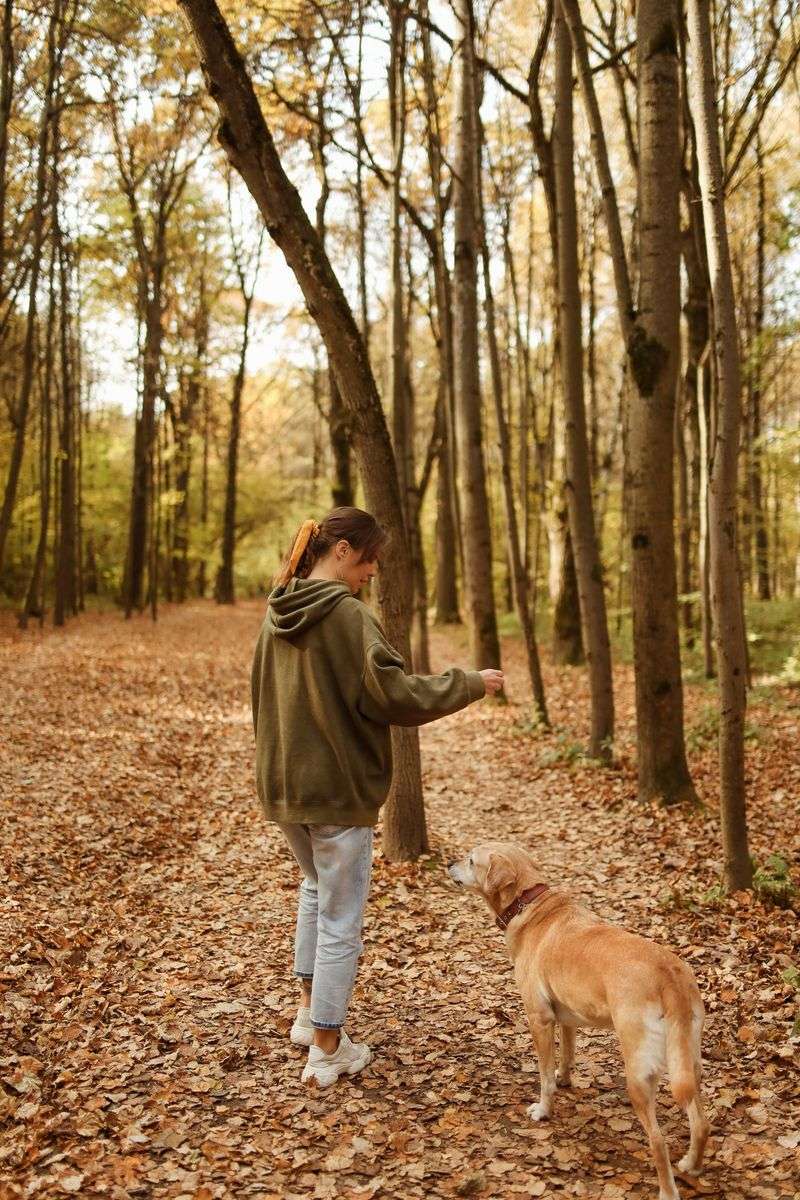
New Hampshire woods are thick with leaf litter, tall grass, and low brush. Those are exactly the spots ticks wait in, clinging to plants until a warm body brushes past.
Dogs walk right through that zone, so they pick up more hitchhikers than we do. A prompt check finds most ticks before they attach or feed.
That habit can help reduce the chance of tick-borne illness by allowing attached ticks to be found and removed promptly.
Where Ticks Hide on Dogs After a Forest Hike
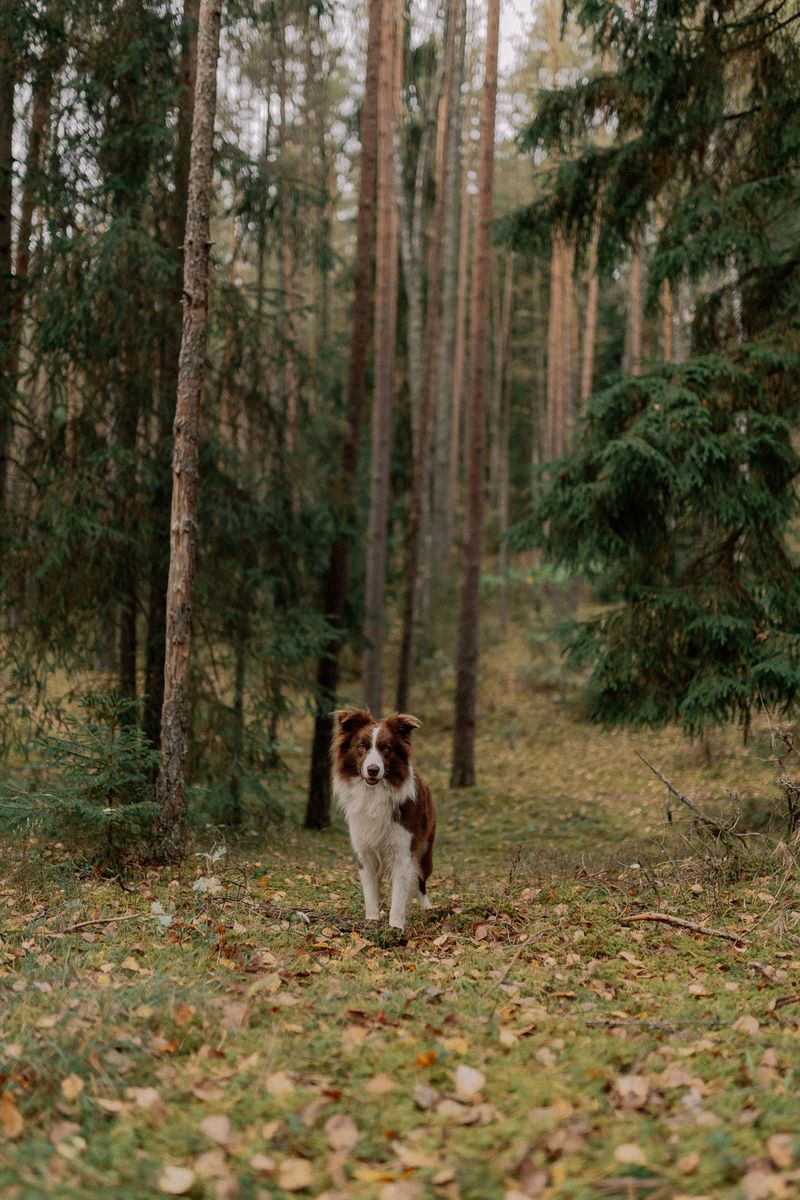
Ticks are not random travelers. They tend to crawl toward warm, thin-skinned, sheltered areas where fur is easier to navigate.
Ears, the neck, armpits, the groin, the tail base, and between toes top the list. Eyelids and lips also get overlooked.
Knowing the pattern speeds everything up. Instead of scanning aimlessly, you work through a short mental map, checking the high-traffic spots first and the rest afterward.
Check Your Dog Before Leaving the Trailhead
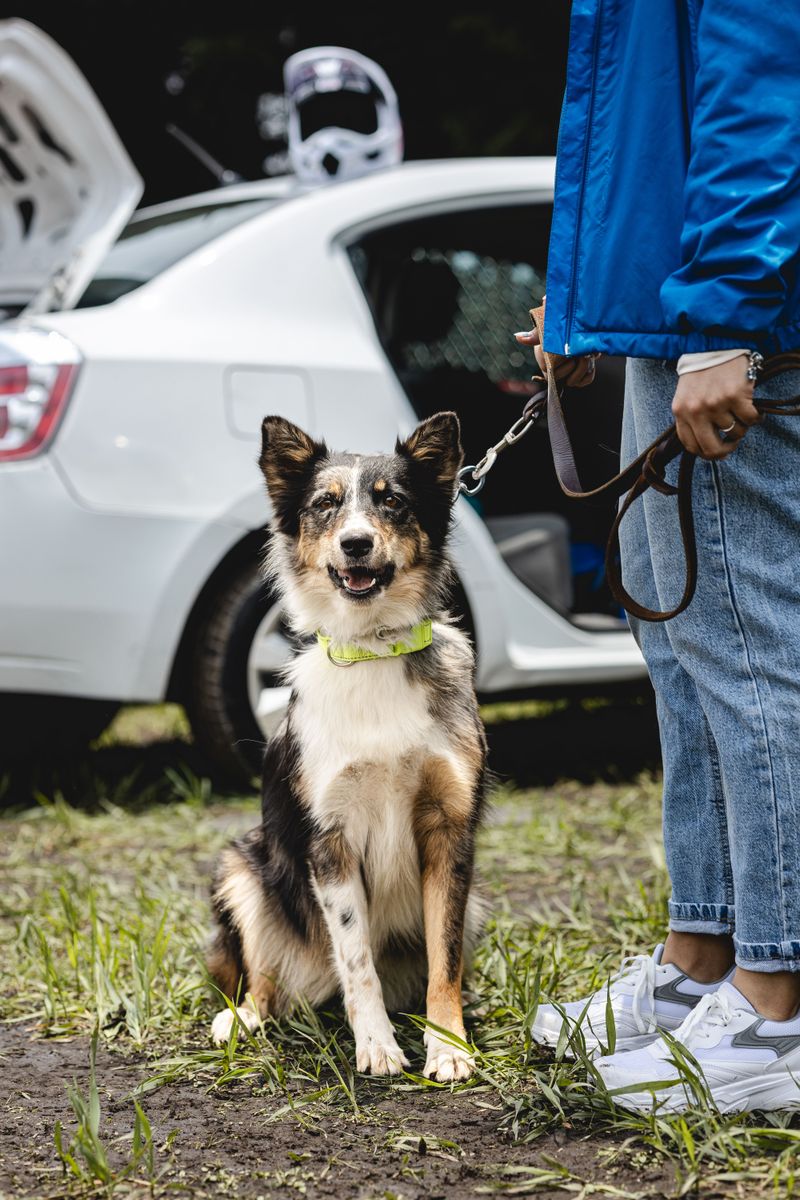
The tailgate is a surprisingly good exam table. Daylight is still on your side, and your dog is usually tired enough to stand quietly.
Run your hands over the body, then look at ears, legs, and belly. Anything you find there never rides home with you.
A lint roller may help remove some unattached debris or ticks from a short coat, but it should not replace a thorough tick check.
Pay Extra Attention to Your Dog’s Ears
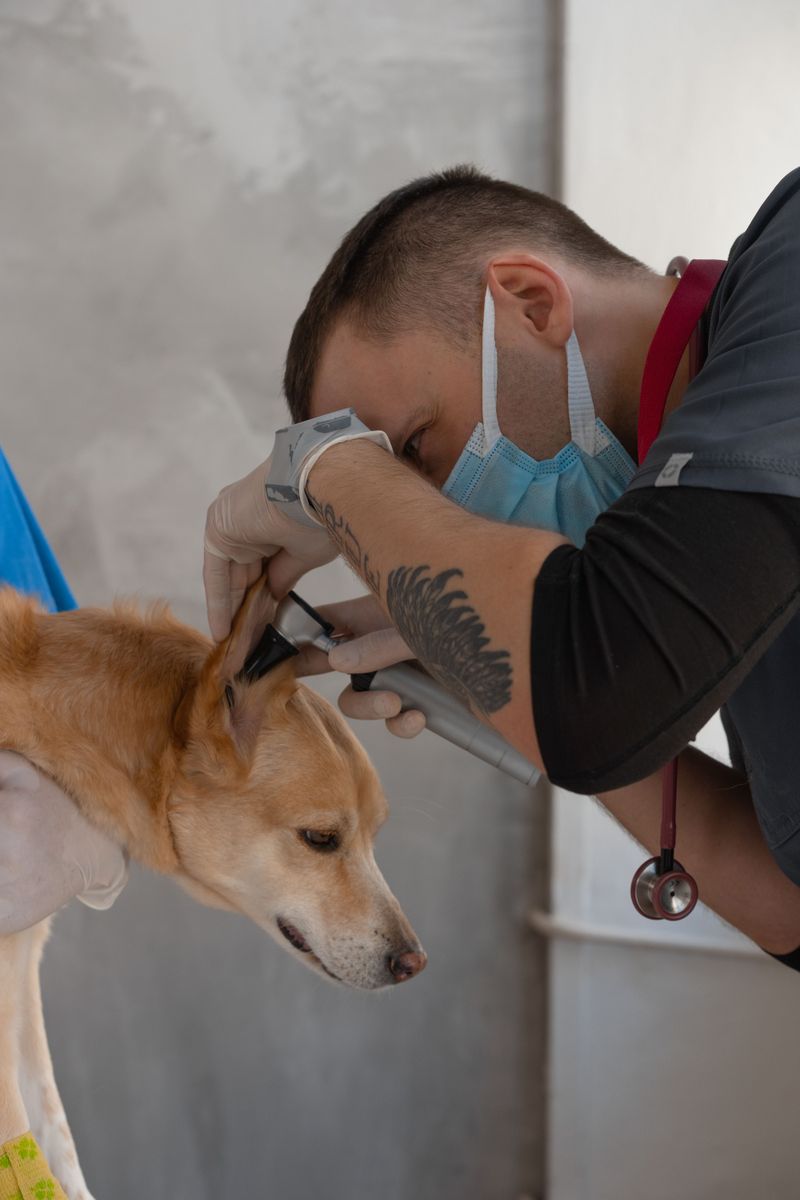
Floppy ears create a quiet, humid pocket, and ticks settle in fast. Spaniels, hounds, and retrievers are frequent customers.
Lift each ear and look at the inner flap, the outer edge, and the fold where the ear meets the head.
Use a phone flashlight for the darker crevices. If your dog shakes his head repeatedly or scratches one ear, take a second, slower look.
Inspect Under Your Dog’s Collar
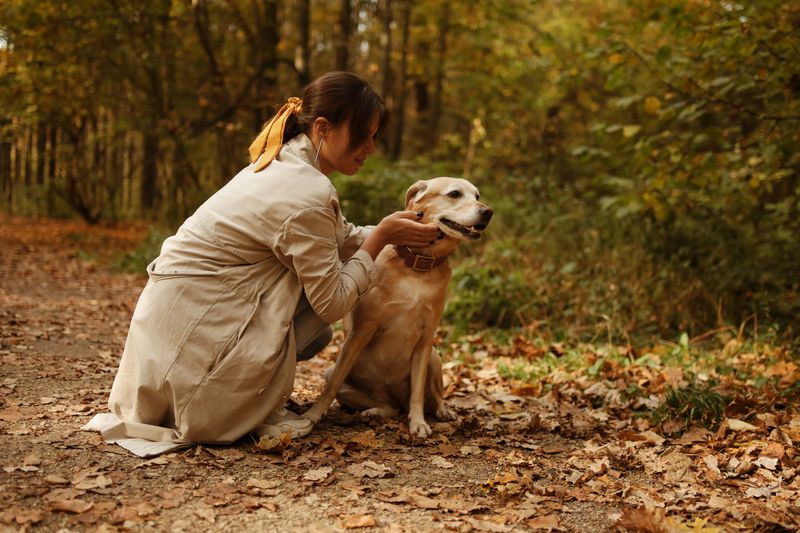
Collars hide more than people expect. Fur mats slightly underneath, and a small tick can sit there unnoticed for days.
Unbuckle it completely rather than sliding it around. Feel the whole band of skin, then check the collar webbing itself.
While you are there, wipe the collar down if it is damp. Clean gear means fewer places for a stray tick to linger.
Check Between Your Dog’s Toes
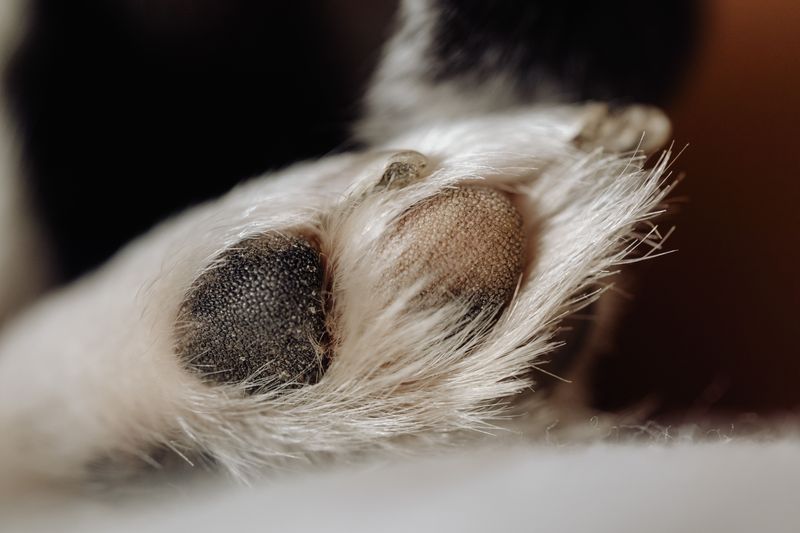
Paws take the worst of trail debris. Ticks crawl into the webbing between toes, where fur is soft and skin is thin.
Hold each paw gently and spread the toes. Look at the webbing, the pad edges, and the fur above the nails.
Many dogs dislike paw handling, so go slow and offer a treat. Regular practice at home makes trail checks far easier.
Look Closely Around the Neck and Head
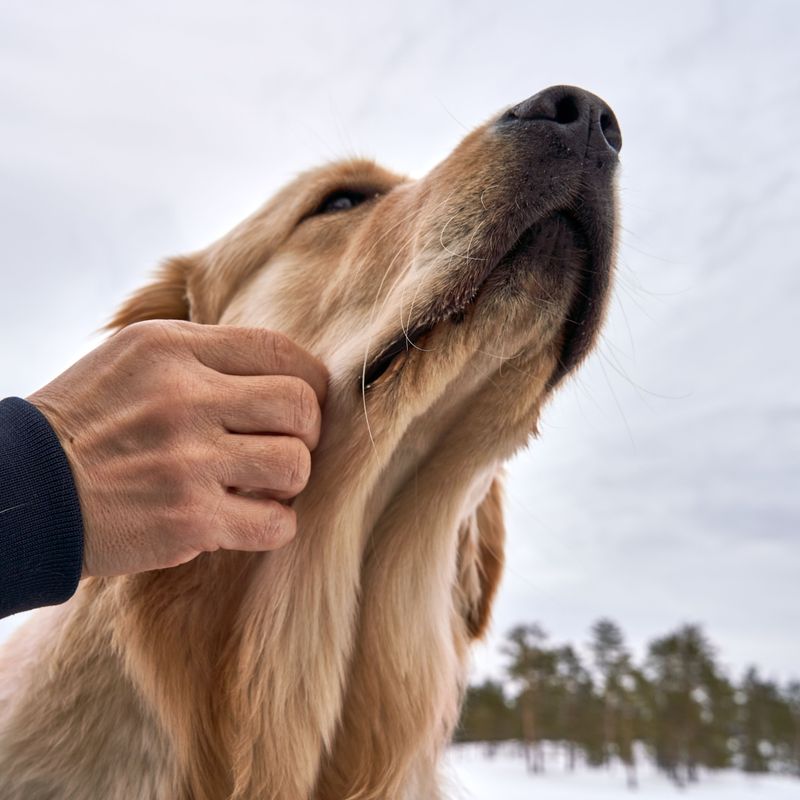
Dogs lead with their heads, pushing through ferns and low branches. Naturally, the neck and face collect plenty of passengers.
Part the fur behind the ears, under the jaw, and along the throat. Check eyelid rims and lip folds too.
Because these areas sit right where a collar and harness rub, small bumps are easy to dismiss. Look carefully instead of guessing.
Search Your Dog’s Armpits and Groin
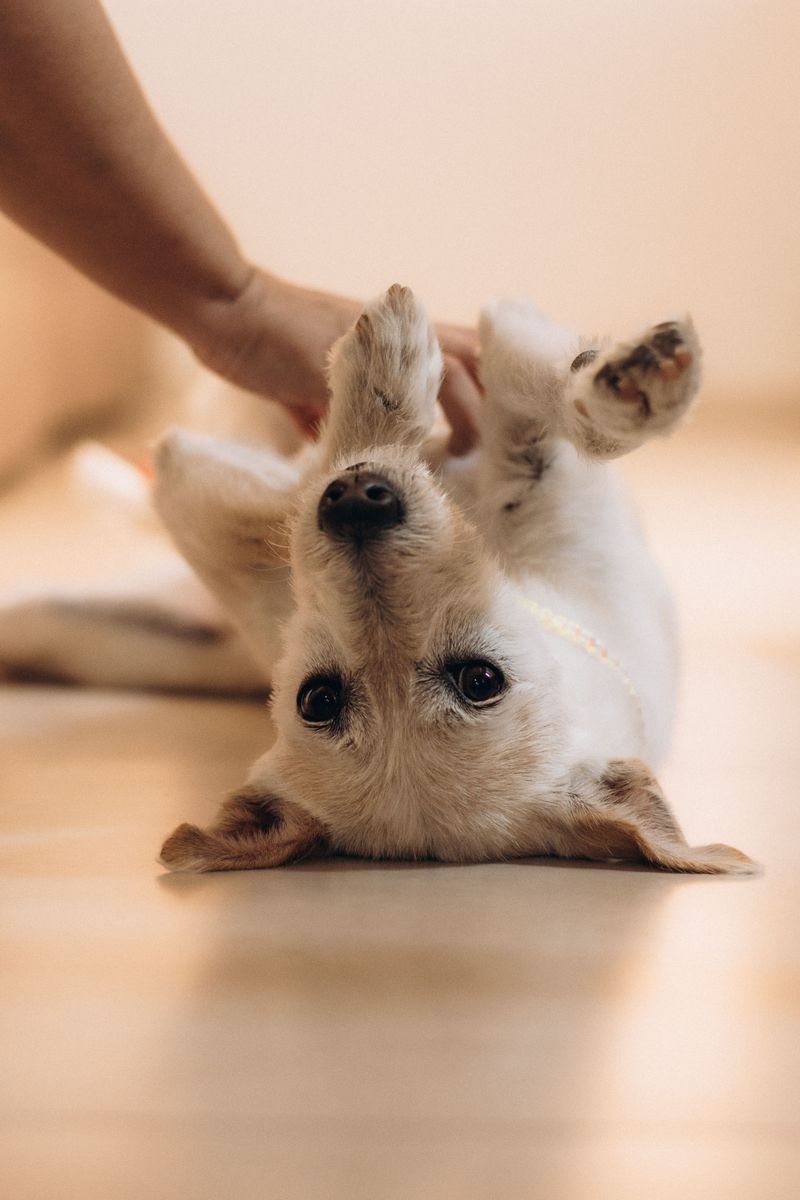
Warm, sheltered, and lightly furred: armpits and the groin check every box a tick looks for.
Ask your dog to lie on one side, then work through the front leg pit, the belly, and the inner thighs.
Most dogs enjoy this part, since it feels like a belly rub. Take advantage of that and be thorough while you have the chance.
Feel Through Thick Fur for Hidden Ticks
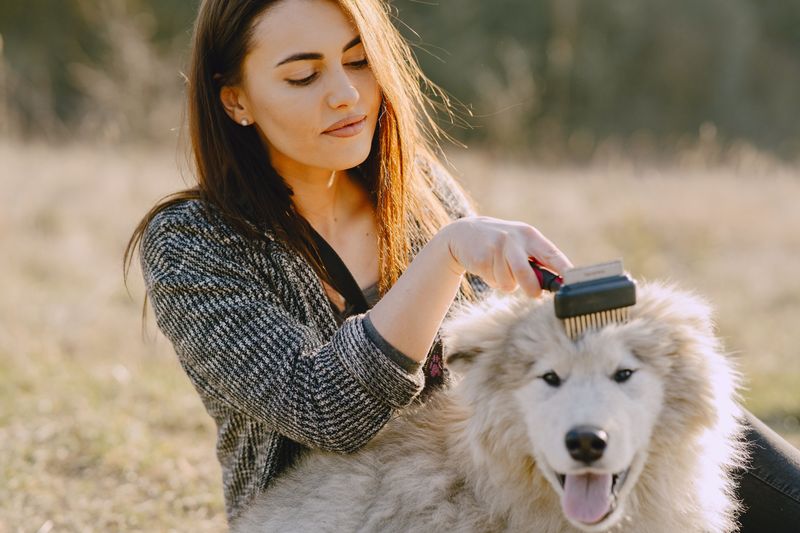
Double coats hide small things well. On a Bernese, husky, or golden, your eyes will miss what your fingertips catch.
Press lightly against the skin and move in slow rows, front to back. A tick feels like a firm little bump.
A fine-toothed comb helps on long coats. Work in good light, and stop to look whenever something snags.
Give Your Dog a Full-Body Tick Check
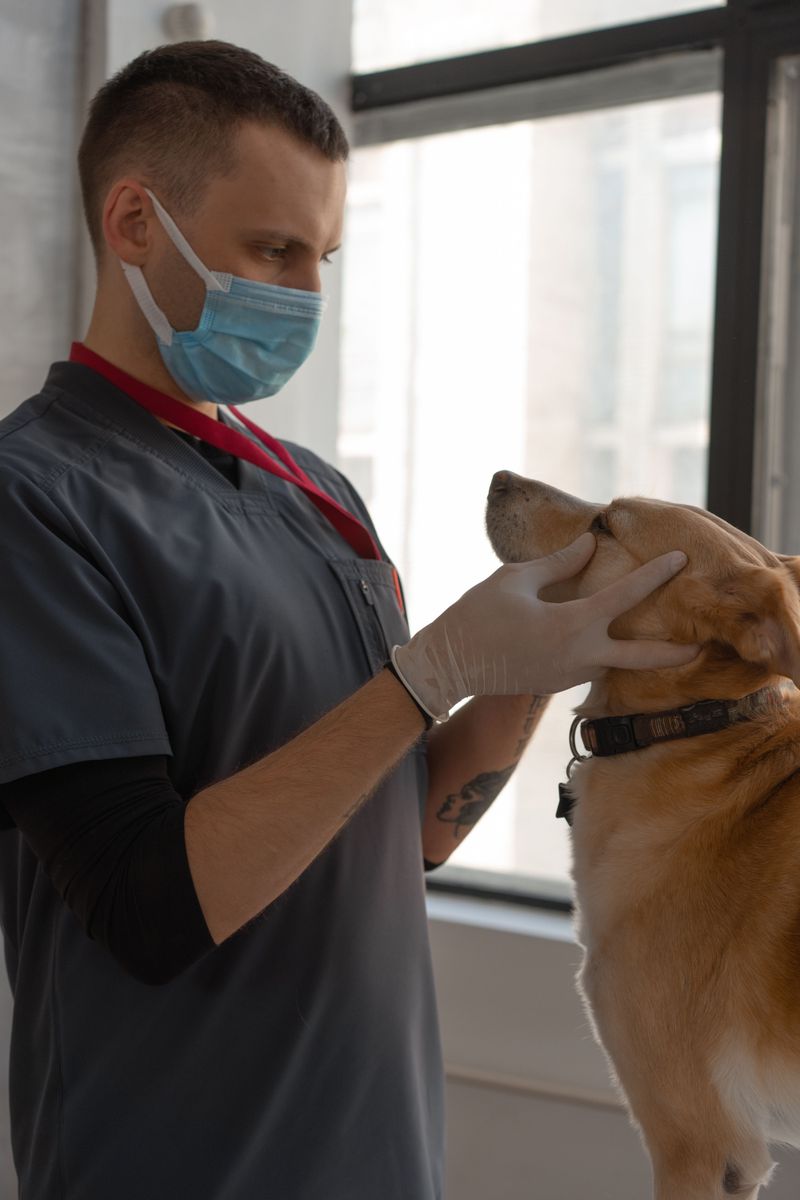
Spot checks miss things. A set routine does not, and it takes about five minutes once you learn the order.
Start at the nose and work backward: head, ears, neck, shoulders, front legs, chest, belly, back, hips, tail, rear legs, paws.
Same sequence every time builds muscle memory. You will start noticing what is normal for your dog, which makes anything new obvious.
Check Your Dog’s Bedding After the Hike
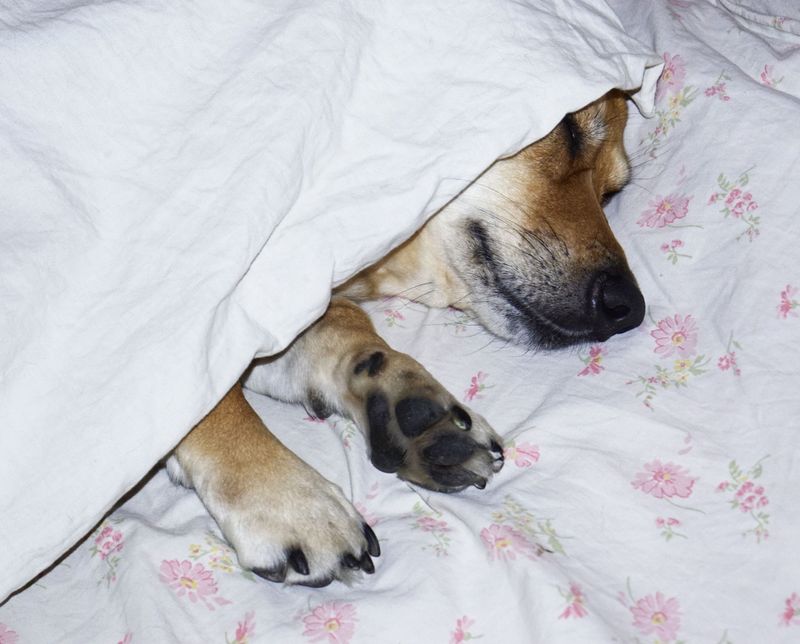
Ticks that enter the home can potentially move onto nearby resting areas, including dog beds and blankets. Shake bedding out after muddy hikes and run it through a hot wash and dry cycle when you can.
Give the car seat covers the same attention. A quick vacuum of the back seat catches loose ticks before they wander.
What an Attached Tick May Look Like
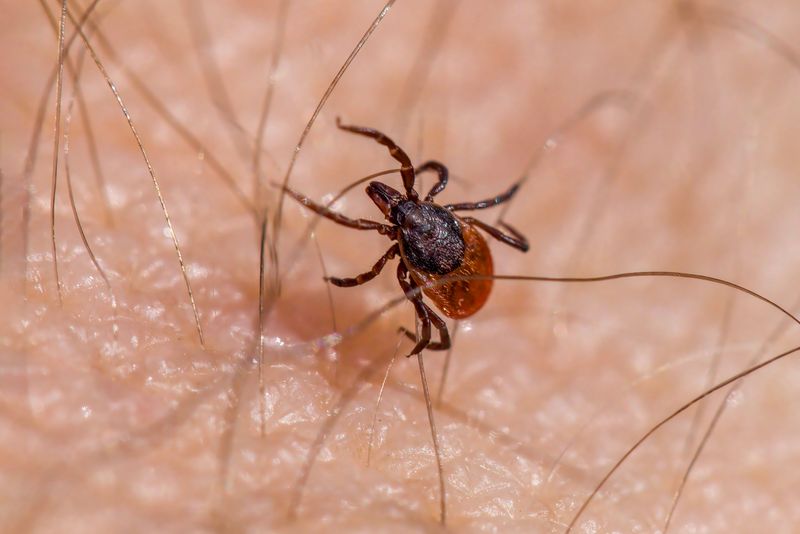
Unfed deer ticks are tiny, often compared to a poppy seed. After feeding, they swell and turn grayish.
Attached ticks sit tight against the skin with legs tucked, so they can resemble a small dark skin tag or scab.
Skin nearby may look slightly pink. If you are unsure whether a bump is a tick, have your veterinarian take a look.
How to Remove a Tick From Your Dog
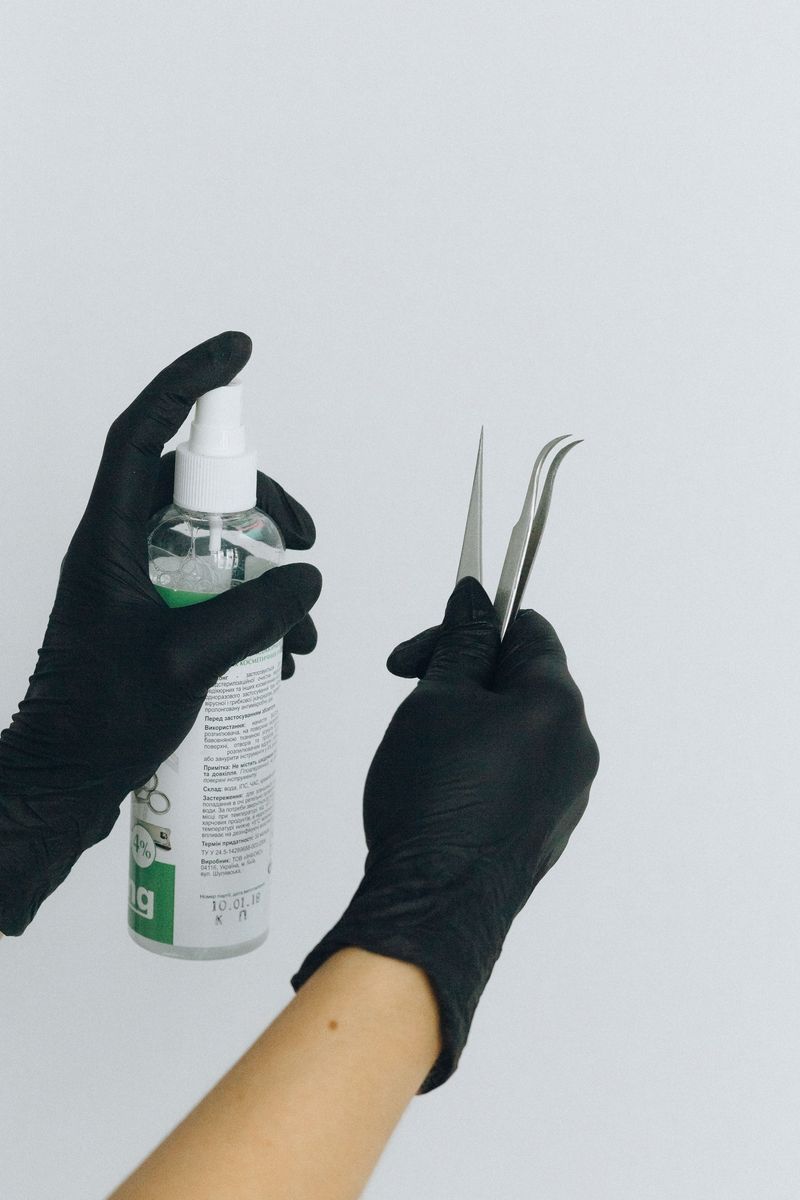
Fine-tipped tweezers or a tick removal tool do this job best. Grip as close to the skin as possible.
Pull straight up with steady pressure. No twisting, no squeezing the body, and skip old tricks involving matches or petroleum jelly.
Clean the area afterward and wash your hands. Save the tick in a sealed bag or photograph it for your veterinarian.
Why Quick Tick Removal Matters
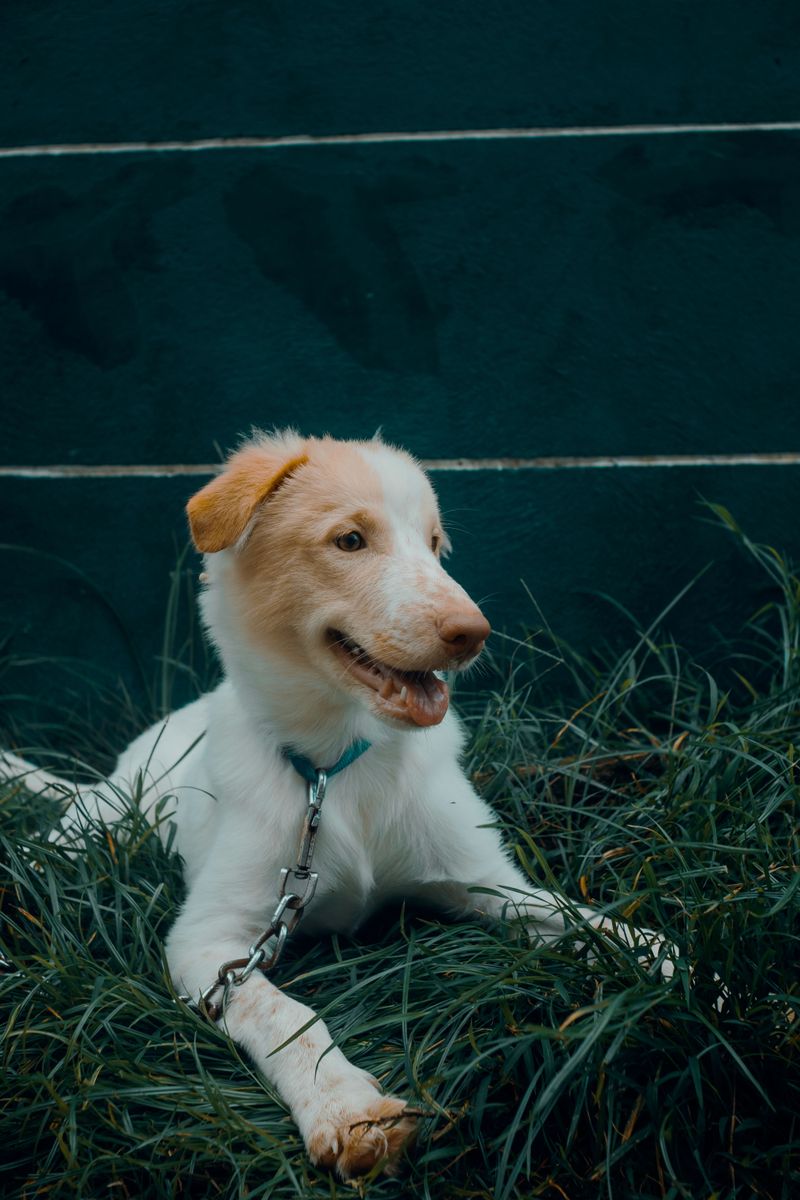
Timing does real work here. Most tick-borne infections require a tick to stay attached and feed for many hours before transmission becomes likely.
Removing one soon after a hike shrinks that window considerably. Daily checks during warm months keep the odds in your favor.
That is precisely why the trailhead check pays off. Earlier is always better, even if the removal feels a little clumsy.
Keep Your Dog Protected Between Hikes
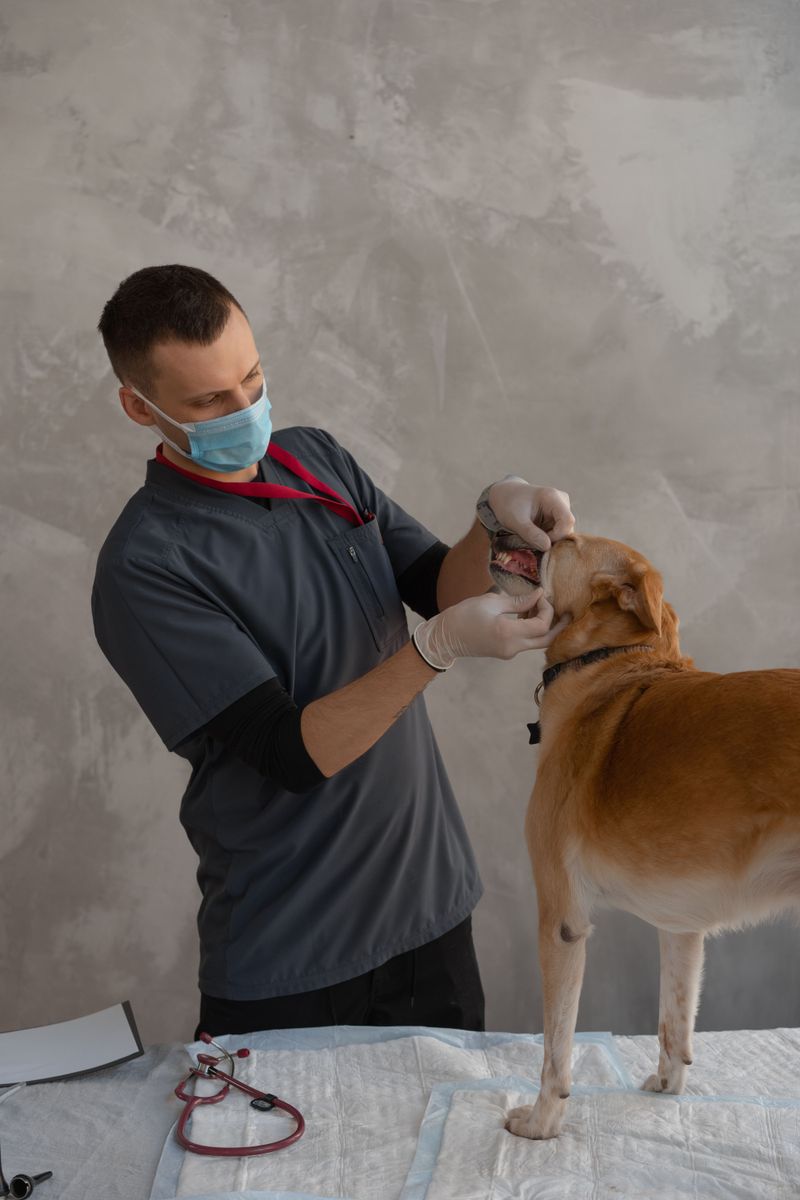
Checks catch ticks. Preventives stop many of them from ever attaching, and the two work together.
Your veterinarian can recommend a monthly chew, topical, or collar suited to your dog’s weight, age, and health history.
Ask about the Lyme vaccine too, since New Hampshire sees notable tick activity. Never use products meant for other species, and follow label directions exactly.
Watch Your Dog for Changes After a Hike
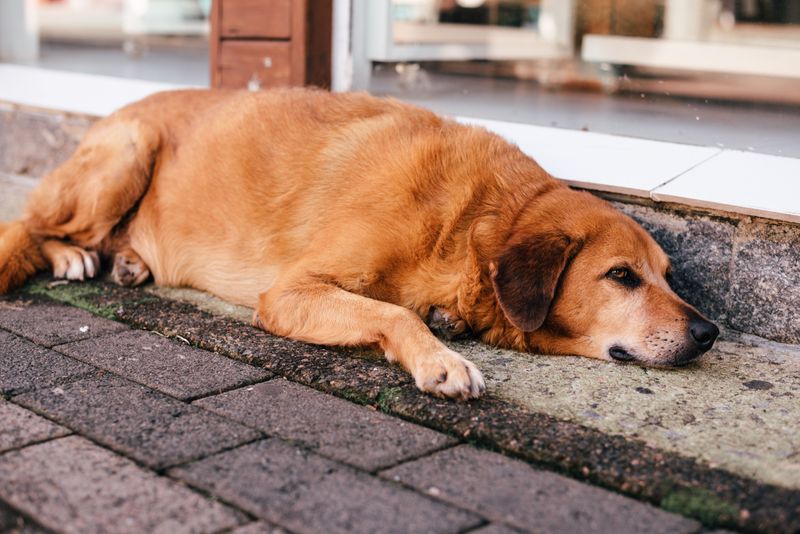
Symptoms rarely show up the next morning. Signs of tick-borne illness can appear weeks later, which makes casual observation valuable.
Watch for limping that shifts between legs, low energy, reduced appetite, stiffness, or warm swollen joints.
Jot hike dates and any tick removals on a calendar. That small record helps your veterinarian connect dots later, and it takes seconds.