Chicago Walk-Ups Make Puppy House-Training A Different Project In Illinois
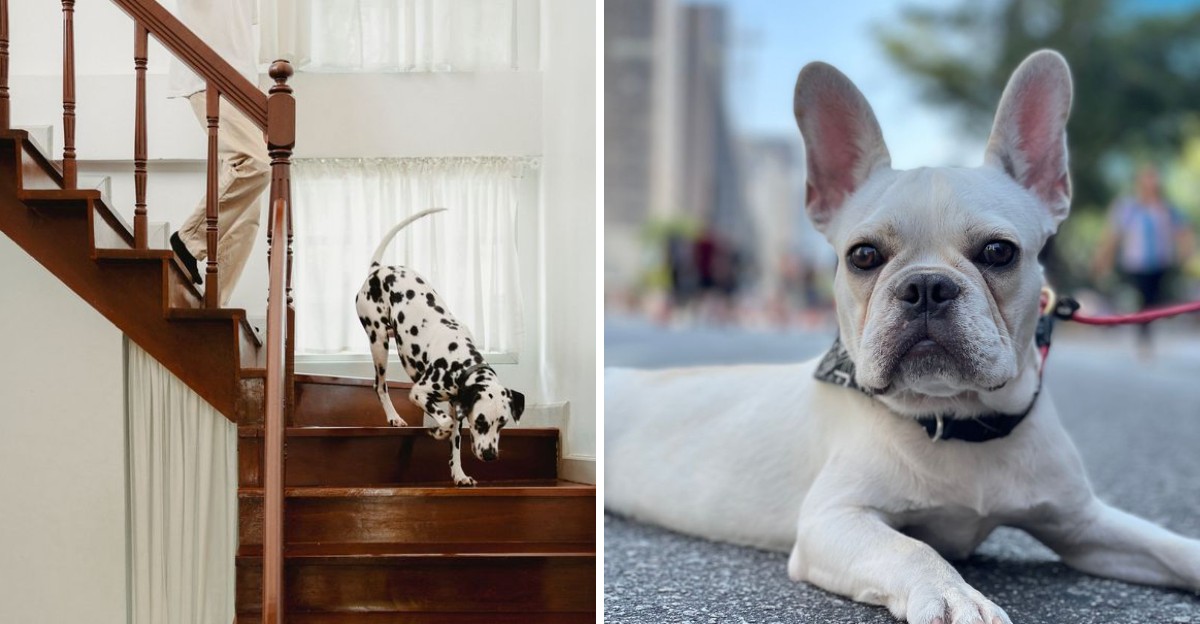
Bringing a puppy home to a third-floor Chicago walk-up is a joy, and a logistics puzzle. There is no back door to fling open, no fenced yard waiting a few steps away.
Every bathroom break turns into a small trip down stairs, through a shared entry, and out onto a busy sidewalk. The good news is that city puppies learn beautifully with a little planning.
Here is what local owners should know before the first week begins.
1. Hallways and Stairwells Can Catch a Mishap
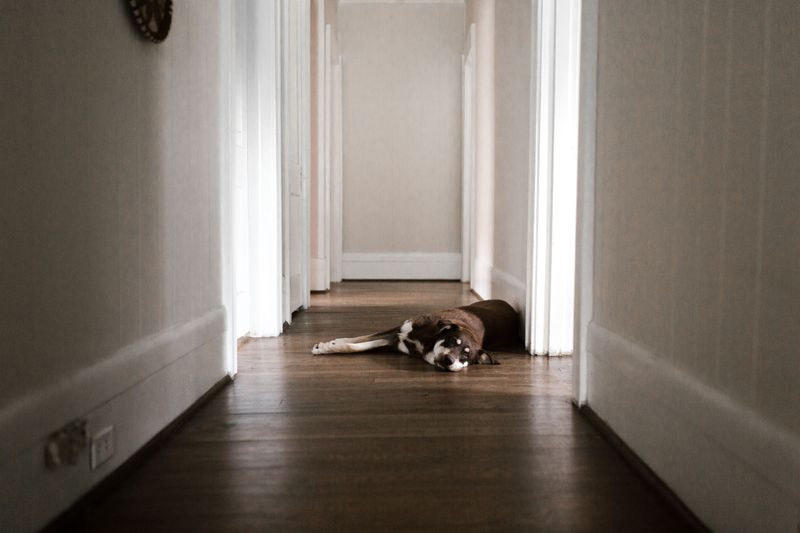
Long trips down leave room for accidents in shared spaces. A puppy who was fine at the apartment door may not last three flights.
Neighbors appreciate quick, quiet cleanup, so carry a small kit with wipes and bags. Enzymatic spray handles carpet odor in common areas.
Take the mess in stride and adjust your timing rather than your patience. Earlier trips usually solve the pattern within days.
2. Carrying the Little Ones Beats Racing Them
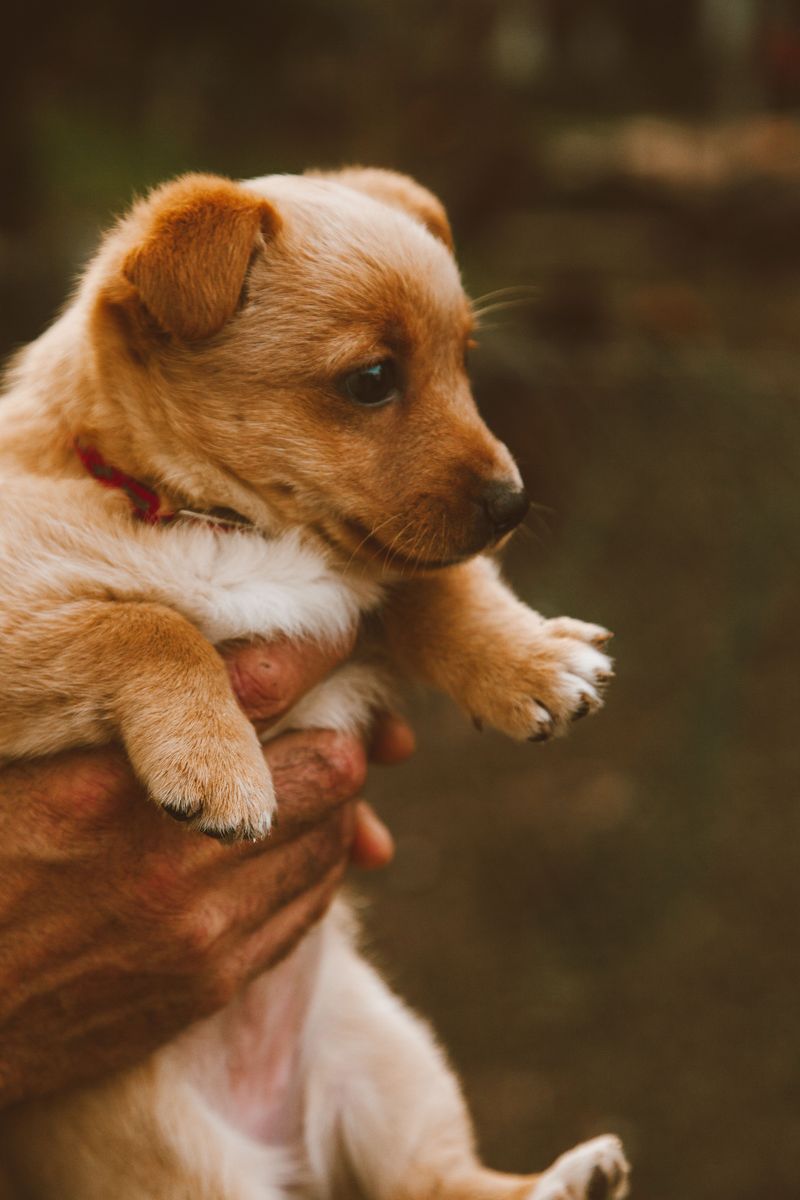
For a puppy under a few months, your arms are faster than four short legs. Carrying prevents stairwell puddles and keeps the routine tidy.
There is a health angle too. Puppies who have not finished their vaccine series benefit from limited contact with heavily used surfaces.
Ask your veterinarian when free walking on shared ground makes sense. Until then, set the puppy down only at the chosen potty spot.
3. Planning Ahead Replaces Spur-of-the-Moment Trips
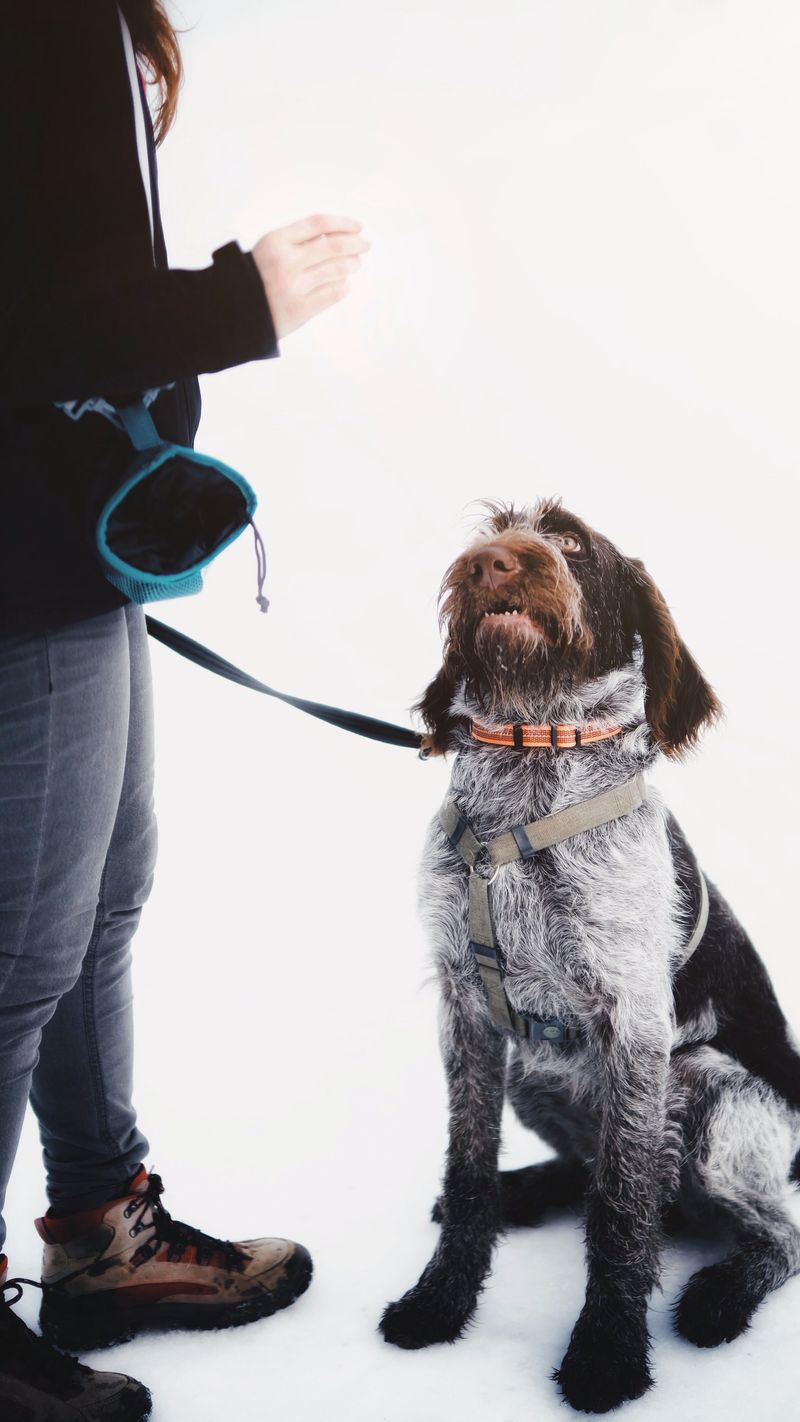
Spontaneity works in a house with a yard. In a walk-up, every outing needs a tiny bit of prep.
Set a station by the door: harness, leash, treat pouch, bags, and shoes you can slip on. Keep a coat hanging there in winter.
Some owners set phone alarms for the first two weeks. That gentle nudge prevents the classic mistake of noticing the need too late.
4. Middle-of-the-Night Trips Feel Bigger Here
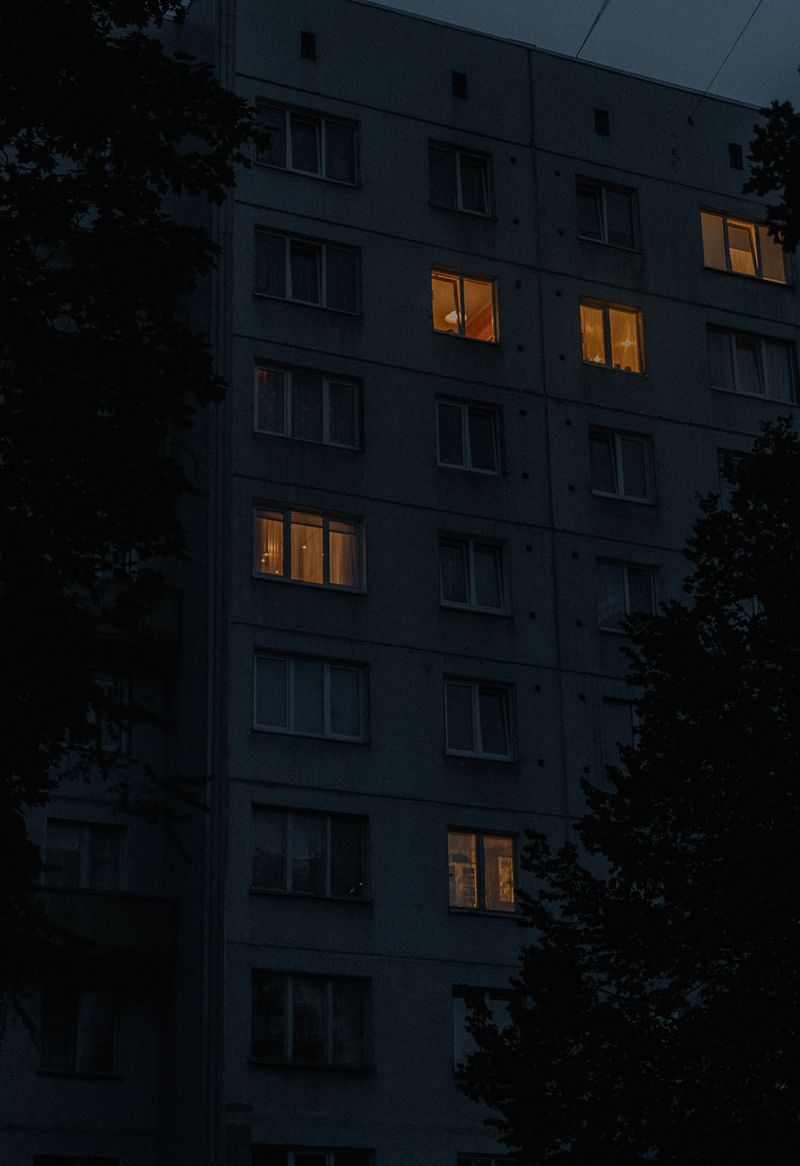
At two in the morning, three flights of stairs feel like a mountain. Overnight breaks are unavoidable for young puppies, though they shrink over time.
Keep the trip boring on purpose. No chatter, no play, just out and back with quiet praise after success.
Sleep near the crate at first so you hear the early stirring. Catching that signal saves you a cleanup and a second wake-up.
5. Every Potty Break Starts With a Stair Trip
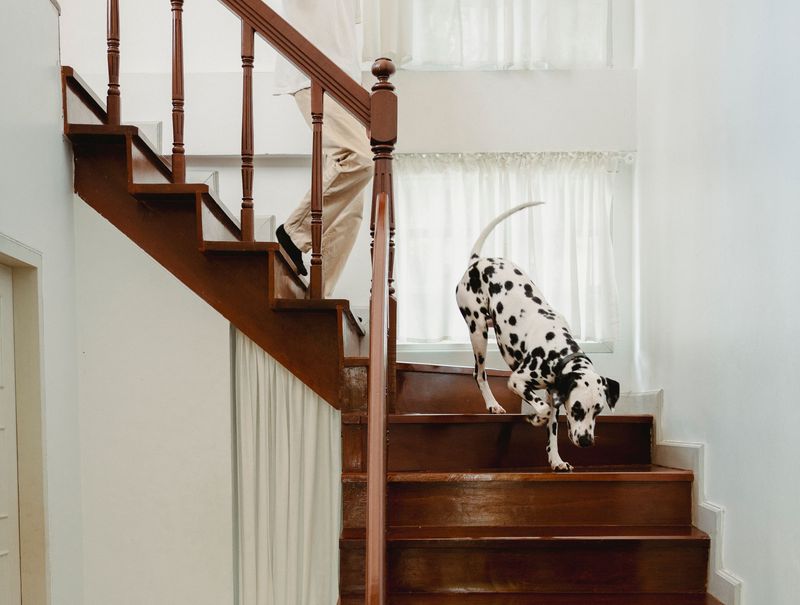
Stairs become part of the routine before your puppy ever sees a patch of grass. In a walk-up, the trip from couch to curb can take a full minute or two.
Young bladders do not hold well under that kind of delay. Count the seconds honestly, then build your timing around them.
Keeping the leash and treats near the door shaves off precious moments. Small efficiencies add up fast during those first busy weeks.
6. Winter Wind Can Stall a Puppy Mid-Task
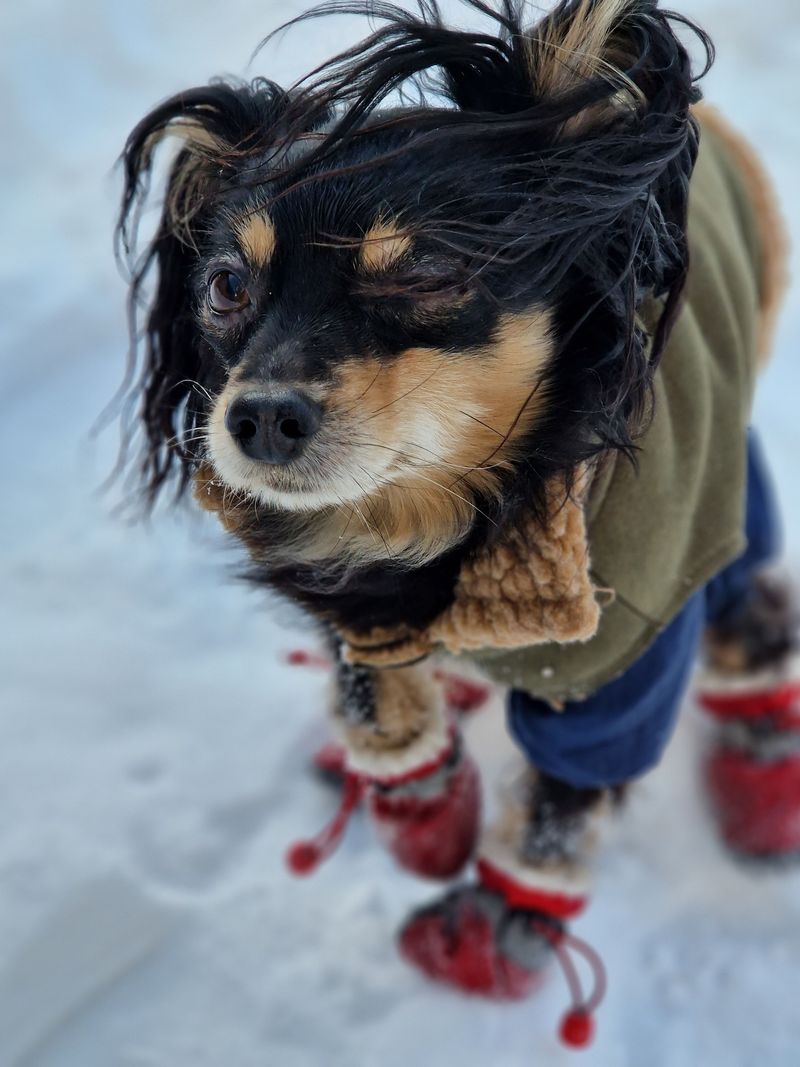
Chicago cold has opinions, and puppies have them too. Many small breeds simply freeze in place rather than squat in biting wind.
A well-fitted coat or sweater makes a real difference for thin-coated dogs. Choose something easy to slide on quickly.
Find a spot with a windbreak, like the sheltered side of your building. Stand still, stay quiet, and give your puppy a full minute to relax.
7. No Yard Means No Instant Relief
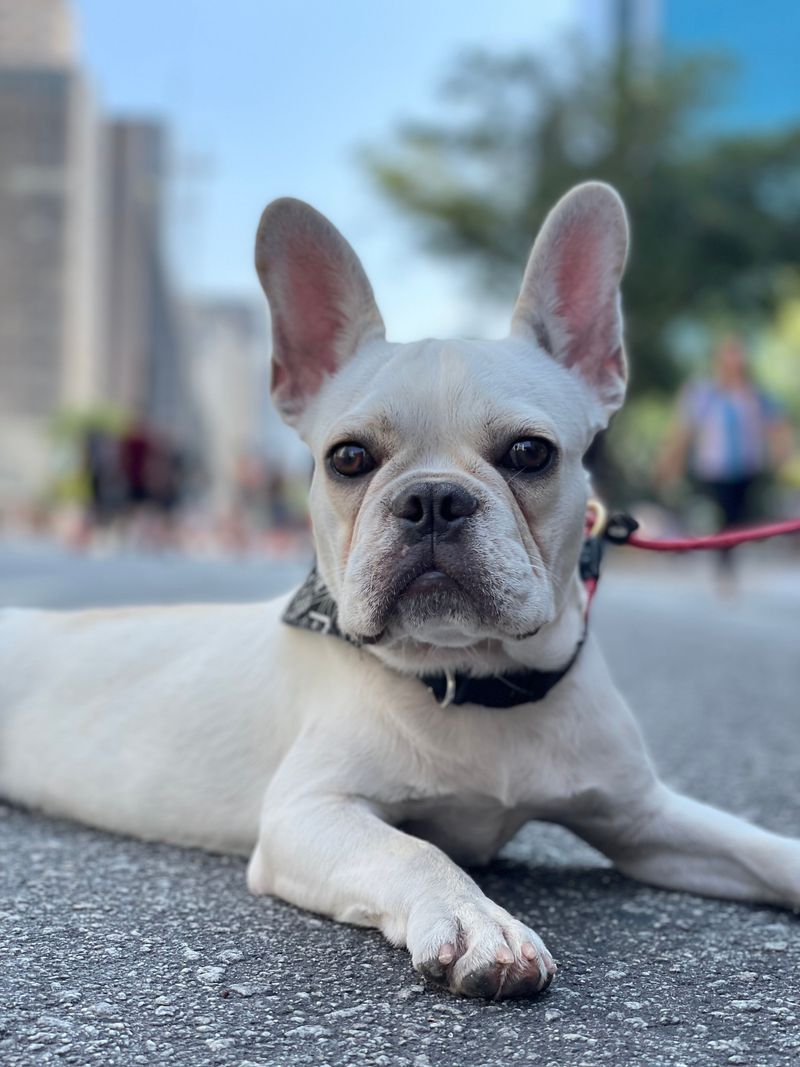
Suburban puppies trot out a sliding door and finish the job in twenty seconds. City puppies get a full outing instead, complete with harness, leash, and a walk to the parkway strip.
That difference shapes everything about your schedule. You cannot react late and hope for the best.
Pick one nearby spot and use it every single time. Familiar smells help your puppy settle in and get to business quickly.
8. Snow and Ice Slow Everything Down
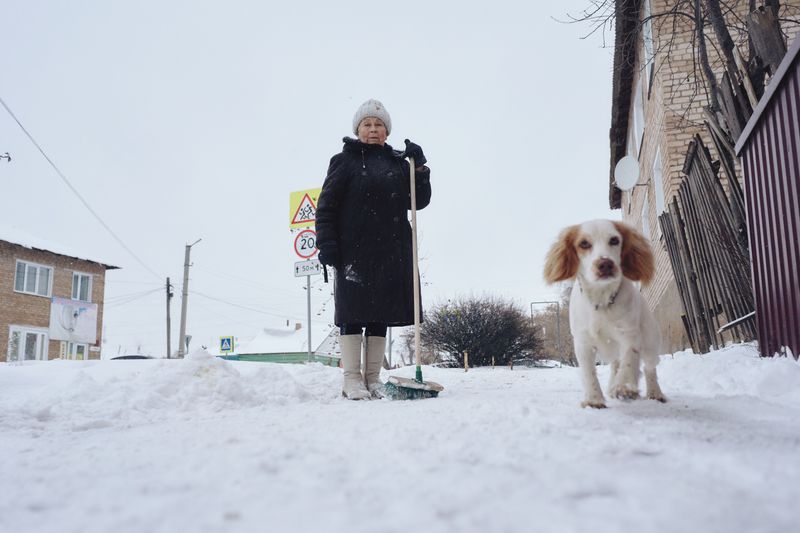
Deep snow can swallow a small puppy right up to the chest. Icy stairs make the whole trip slower and less steady for both of you.
Shovel a small, consistent potty patch near your building if you can. Consistency helps more than size.
Take stairs carefully and consider carrying tiny dogs over slick spots. A slower trip beats a slip on frozen steps.
9. Road Salt Deserves Your Attention
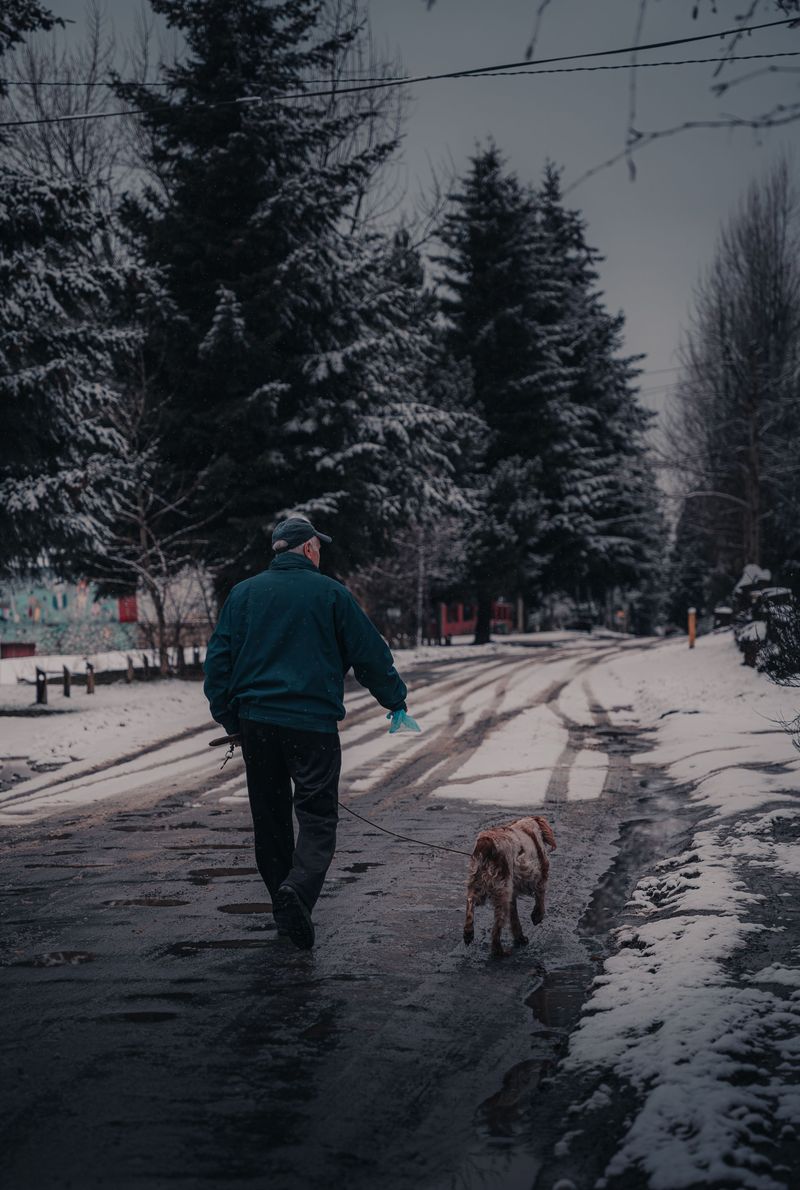
De-icing salt coats Chicago sidewalks from November through March. Those crystals can dry out and irritate soft paw pads.
Licking salty paws may also upset a puppy’s stomach, so rinse or wipe feet after every winter walk.
Paw balm before heading out adds a protective layer. Booties work well for some dogs, though many puppies need a few silly practice sessions first.
10. Summer Pavement Changes the Schedule
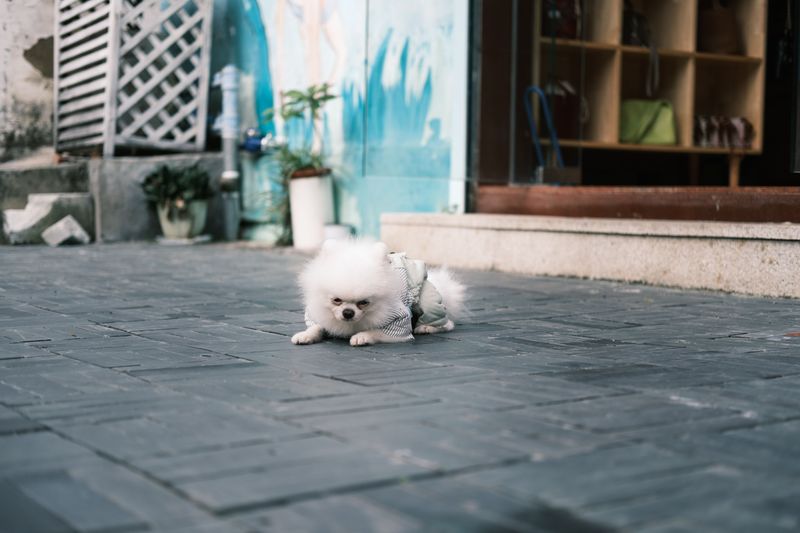
July afternoons turn concrete into a griddle. Hot pavement can hurt paw pads, and heat tires young dogs quickly.
Press the back of your hand to the sidewalk for several seconds. If it feels uncomfortable to you, it is too warm for paws.
Shift longer outings to early morning and evening. Midday trips stay short, shaded, and paired with fresh water back upstairs.
11. Sidewalk Traffic Steals Their Focus
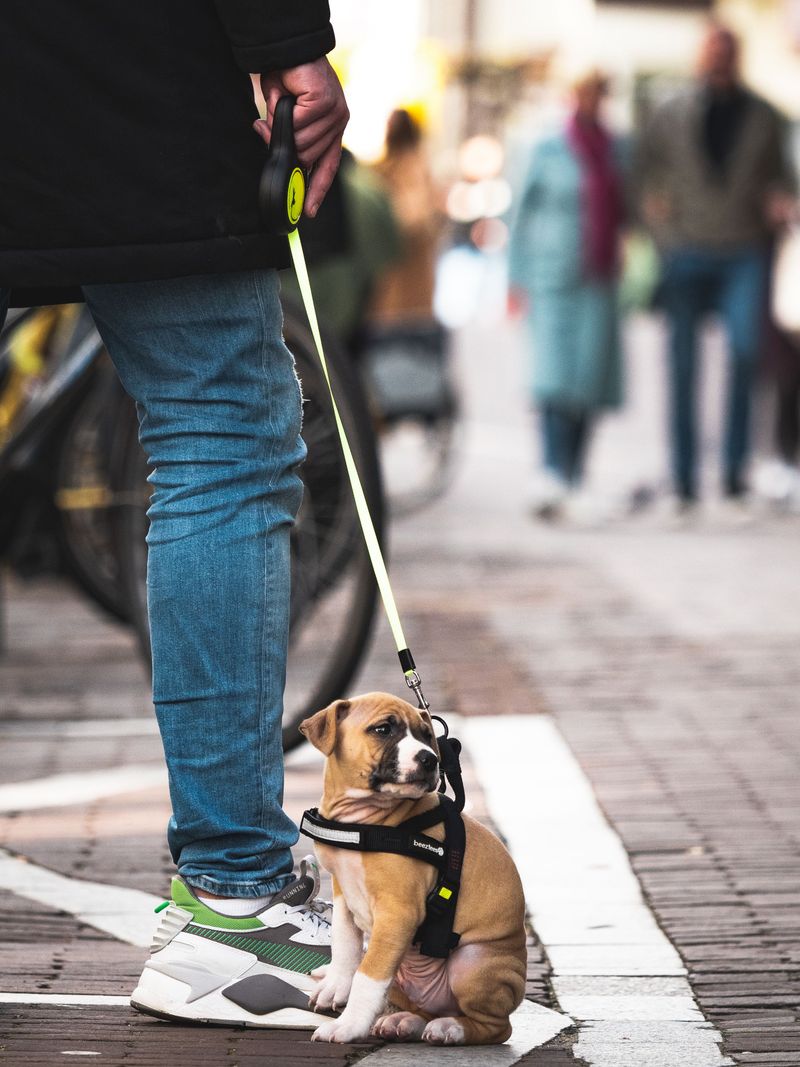
Commuters, strollers, delivery bikes, and pigeons all compete for a puppy’s attention. Bathroom business drops to the bottom of that list.
Choose a quieter side street or a low-traffic corner near your building. Fewer distractions mean faster results.
Stand relatively still and let sniffing happen without commentary. Puppies read our restlessness, and a calm handler helps them settle into the routine.
12. City Noise Makes Some Pups Hesitate
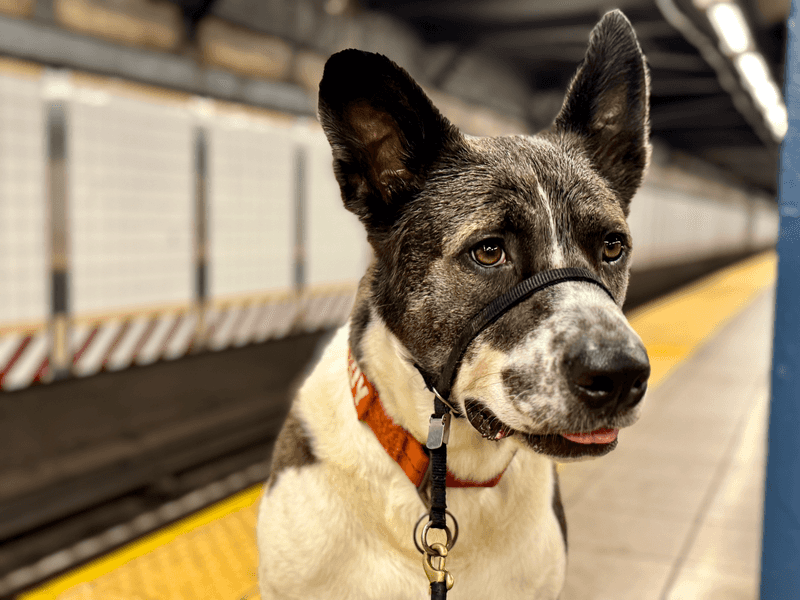
Buses hiss, sirens rise, and the L rumbles overhead. A sensitive puppy may tuck low and forget why you came outside.
Confidence grows through repetition, not pressure. Reward calm behavior with a treat, even before elimination happens.
Pick a spot slightly off the main drag while your puppy adjusts. Most young dogs tune out familiar city sounds within a few weeks of steady exposure.
13. Neighborhood Dogs Turn Potty Time Into Party Time
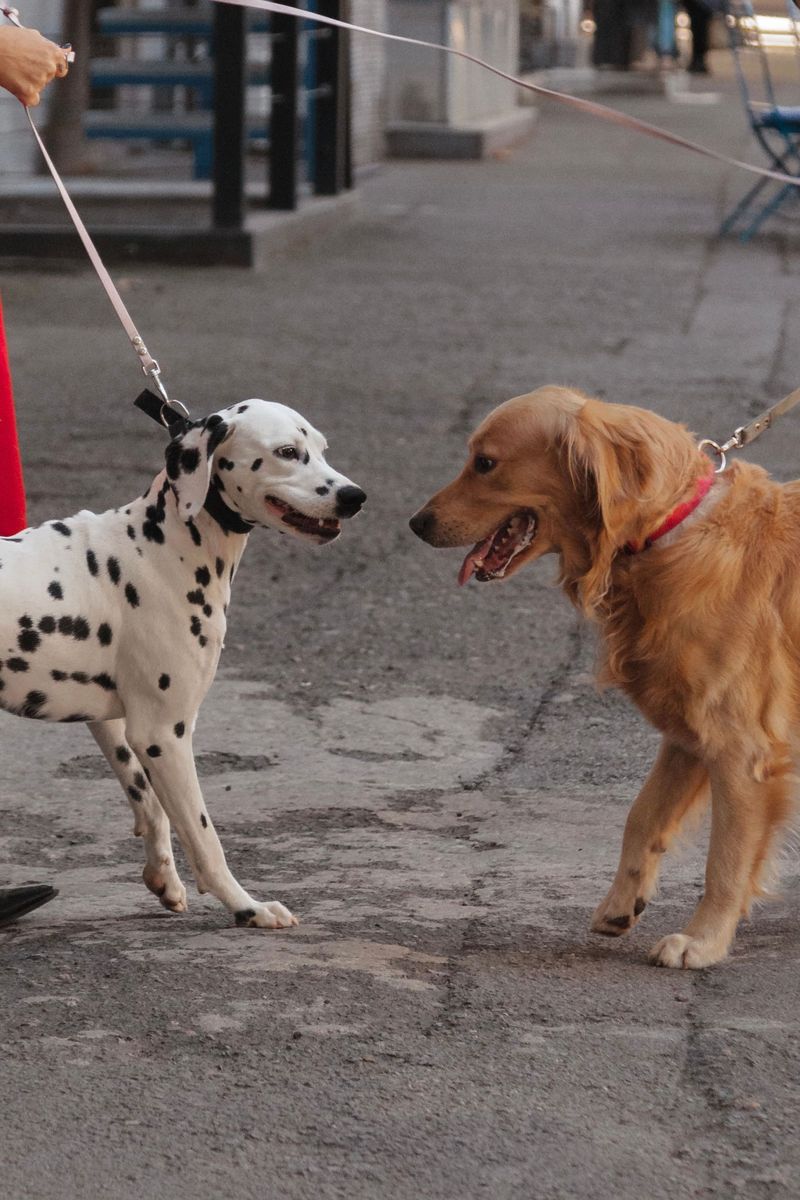
Nothing derails focus like a friendly retriever appearing at the stoop. Excitement takes over, and the bladder can wait, at least in your puppy’s mind.
Greetings are fine later, after the job is done. Ask neighbors politely for a moment of space.
Until vaccinations are complete, keep nose-to-nose contact limited and check with your veterinarian about safe socializing options.
14. Shared Doorways Demand Steady Leash Manners
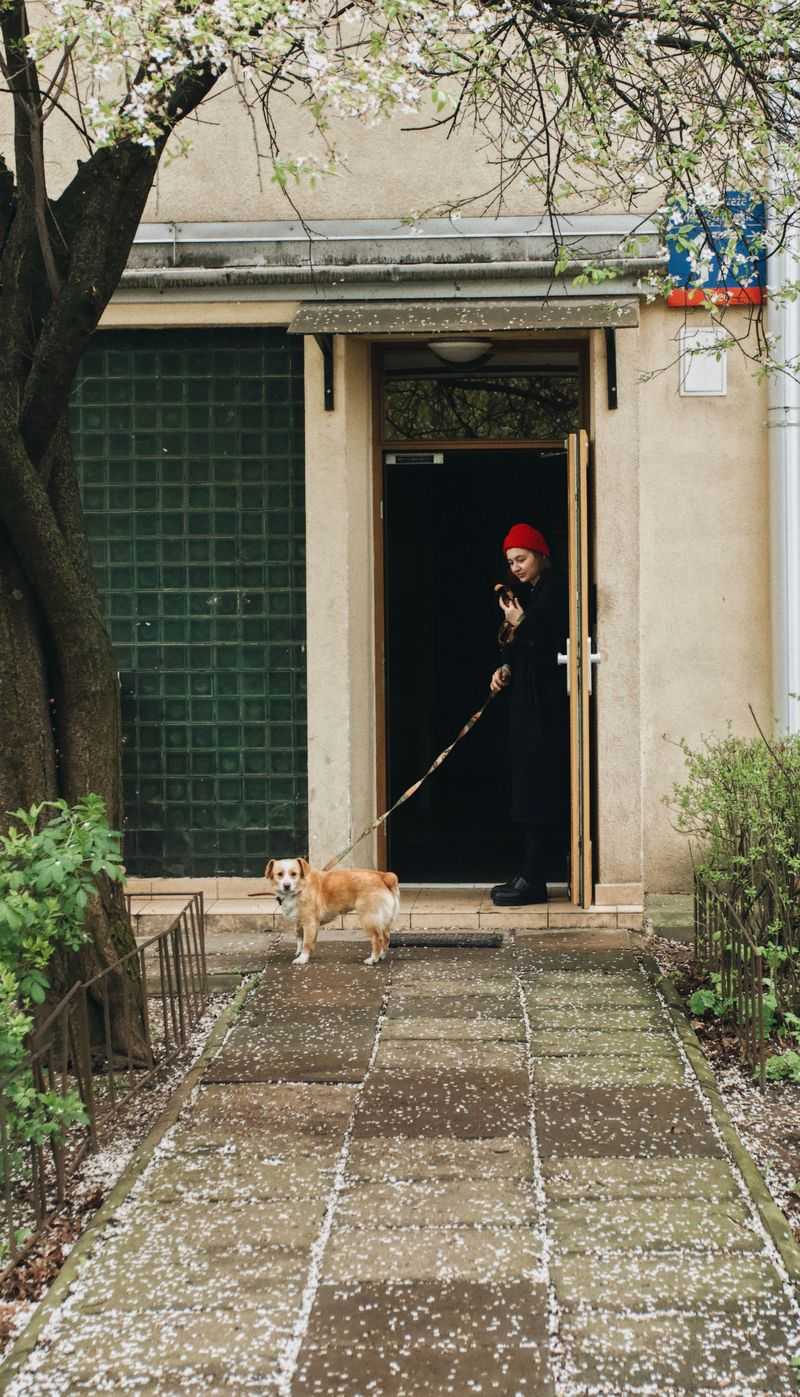
Common entryways belong to everyone, including neighbors who may not love dogs. Chicago requires dogs to be leashed or otherwise restrained in public areas.
Clip the leash on inside your apartment, before the door opens. That single habit prevents dashes down the stairwell.
Check your building rules too, since some associations add their own requirements. Local animal control can confirm current city regulations.
15. Reading the Signals Earlier Saves the Rug
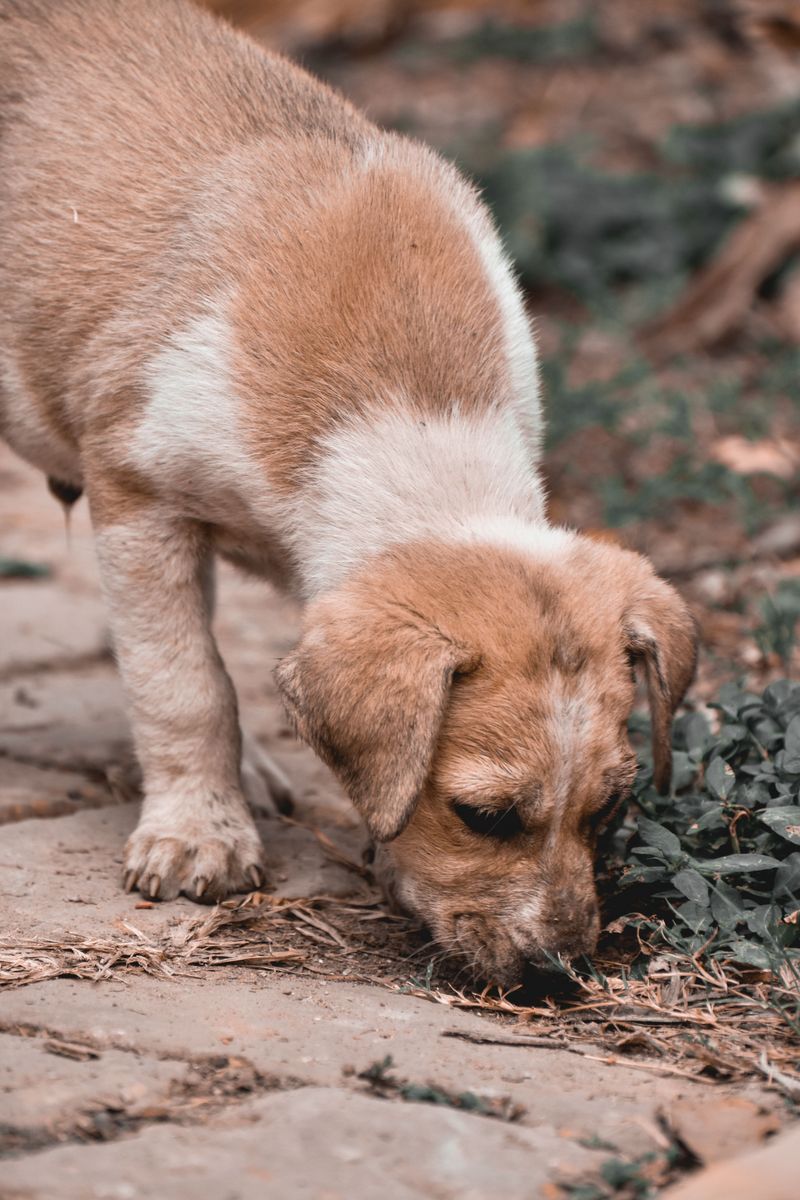
Sniffing in circles, sudden pacing, or wandering toward a quiet corner all mean the same thing. In a walk-up, you get less warning time than a yard owner does.
Watch closely after naps, meals, and play sessions. Those three moments trigger most urgent needs.
Acting on the first hint, not the third, is what makes city training click. Scoop and go without hesitation.
16. A Predictable Schedule Does the Heavy Lifting
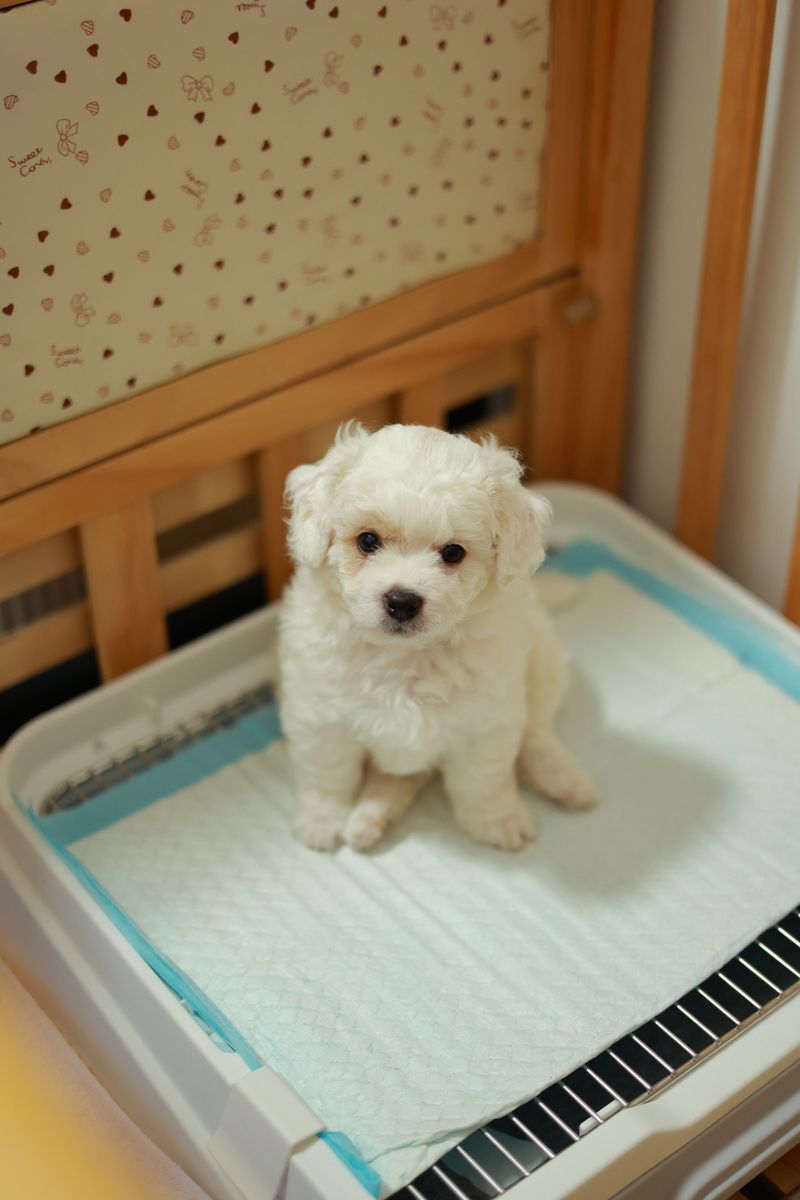
Without a yard as a safety net, structure carries the whole plan. Young puppies generally need breaks every one to four hours, depending on age.
Add trips after waking, after eating, and after play. Write the times down for the first two weeks.
Roommates and family members should follow the same list. Mixed messages slow progress more than any weather ever will.
17. Puppy Pads Come With a Trade-Off
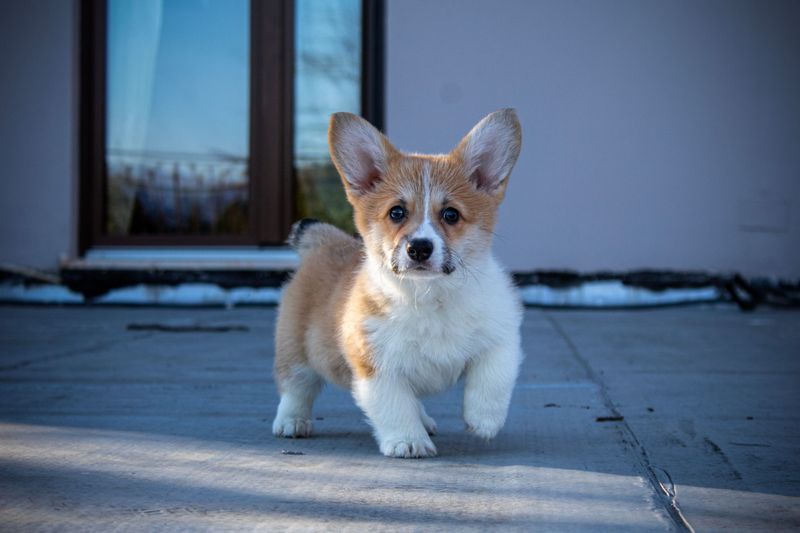
Pads help during blizzards or long workdays, and plenty of city owners use them. There is a catch worth understanding.
Dogs form surface preferences, so a pad-trained puppy may hesitate on grass later. That can stretch the timeline.
If you use them, place them near the exit door and shrink the area gradually. Move the routine outdoors as soon as the weather and schedule allow.
18. Keep Cleanup Gear Stocked in Two Places
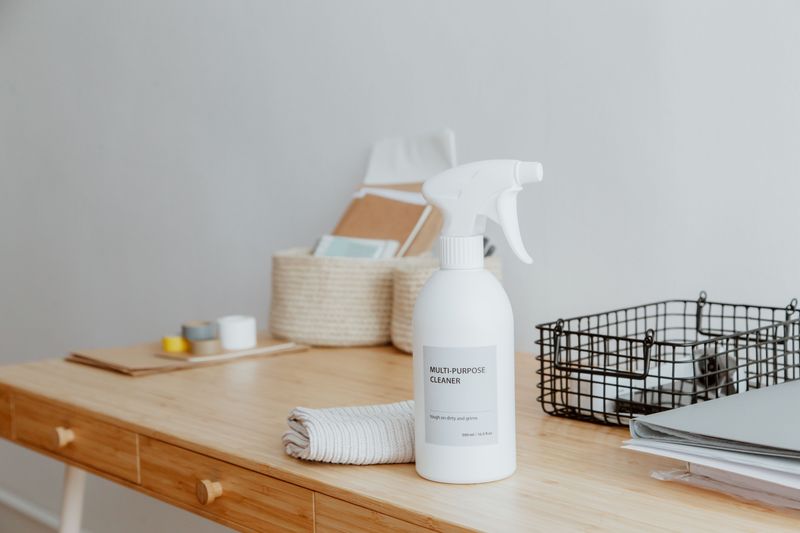
Stock enzymatic cleaner under the sink and a small go-bag by the door. Regular household sprays mask odor without removing the scent markers that invite repeats.
Waste bags belong in every coat pocket, no exceptions. Chicago requires owners to promptly remove dog waste from public ways and other people’s property.
Fines apply for violations, so keep a spare roll clipped to the leash handle.
19. Praise Happens Outside, Not Upstairs
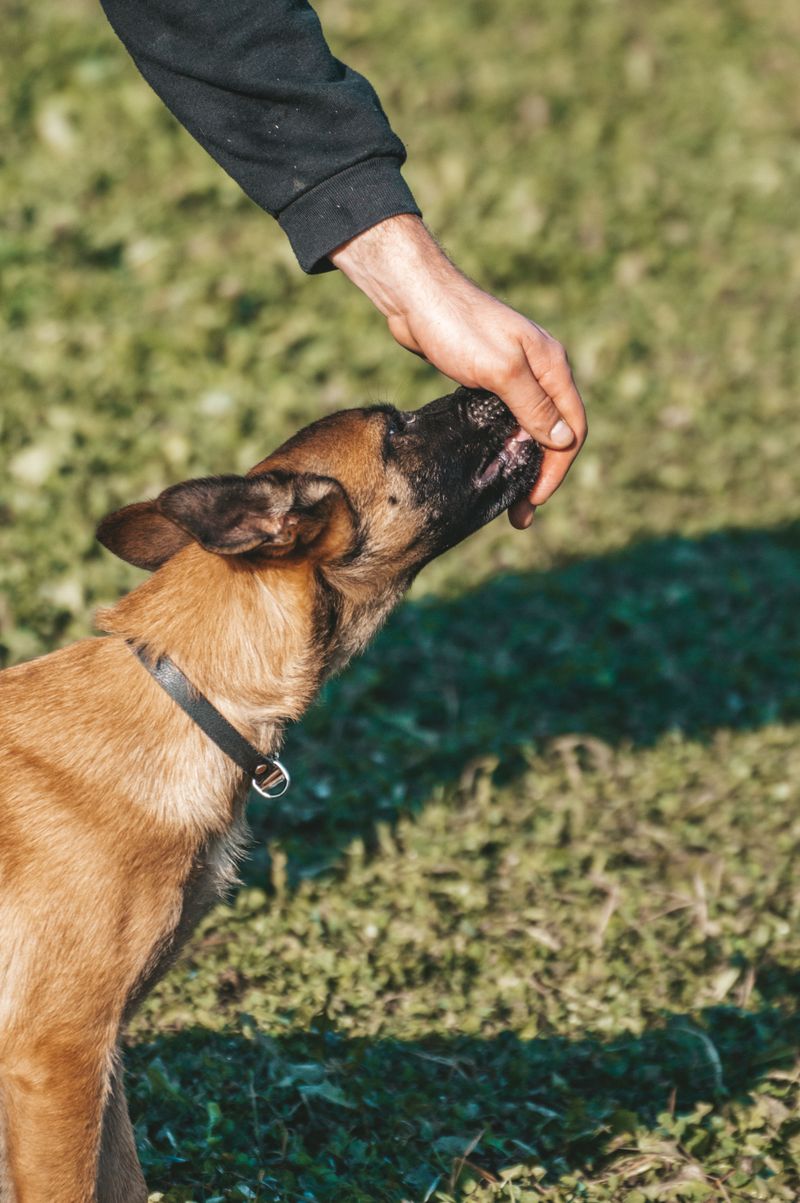
Timing turns a lucky moment into a learned habit. Deliver the treat within seconds of the finish, right there on the sidewalk.
Waiting until you are back in the kitchen teaches the wrong lesson entirely. Your puppy connects the reward to walking through the door.
Use something special, like a soft training treat saved only for potty success. Add cheerful, quiet praise and you are set.
20. Patience Is the Real City Training Tool
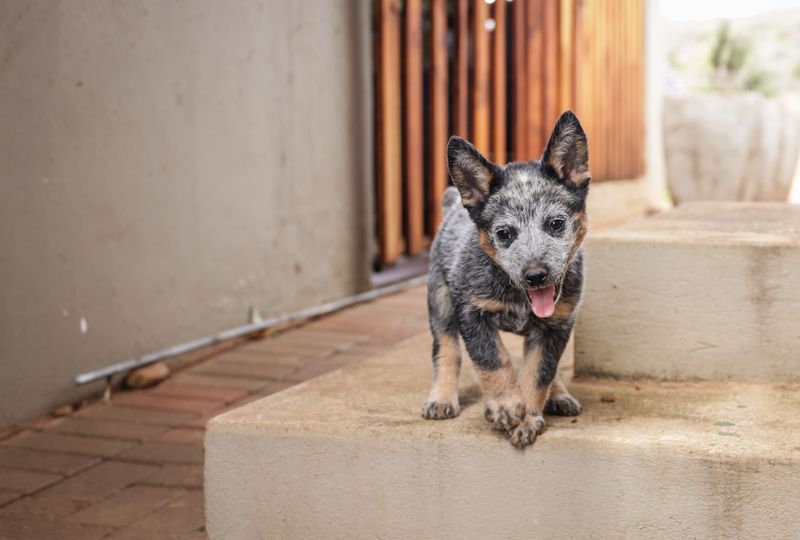
Walk-up training usually takes more repetitions and more trips than yard training does. That is a scheduling reality, not a reflection of your puppy.
Most dogs become reliably house-trained somewhere between four and six months, with consistency speeding things along.
Track wins instead of setbacks, and celebrate the first accident-free week. City puppies grow into wonderfully confident, well-mannered dogs.