How Arizona’s Monsoon Season Changes When And Where You Can Walk Your Dog
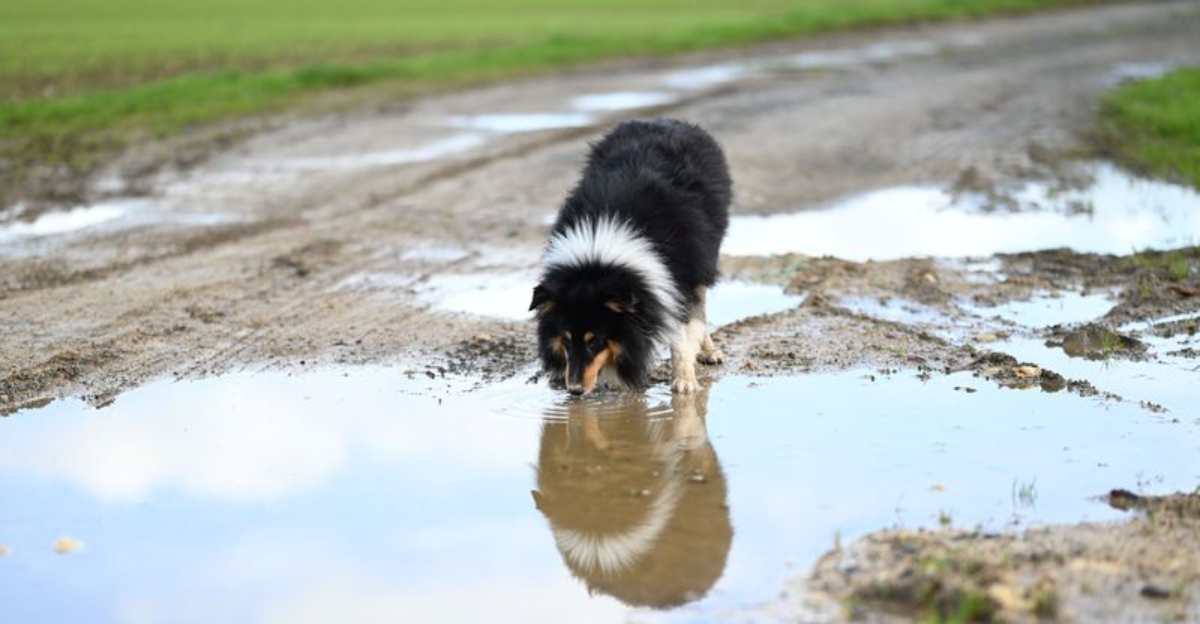
If you live in Arizona, you already know summer walks take planning. Monsoon season adds another layer, with afternoon storms, sudden downpours, and flooded washes.
None of it means your dog has to stay inside all summer. It just means the when and where of your walks shift for a few months.
Here is what local owners watch for, so you can head out with confidence and come home dry.
Monsoon Storms Reshape The Walking Routine
Arizona summers already ask a lot of dog owners. From roughly mid June through September, afternoon storms add wind, rain, and lightning to the heat.
Walks that once fit neatly into the evening may need to shift earlier or later. Flexibility becomes your best tool during these months.
Think of your schedule as a rough draft. Sky conditions get the final say, and your dog adapts faster than you expect.
Early Mornings Offer The Safest Window
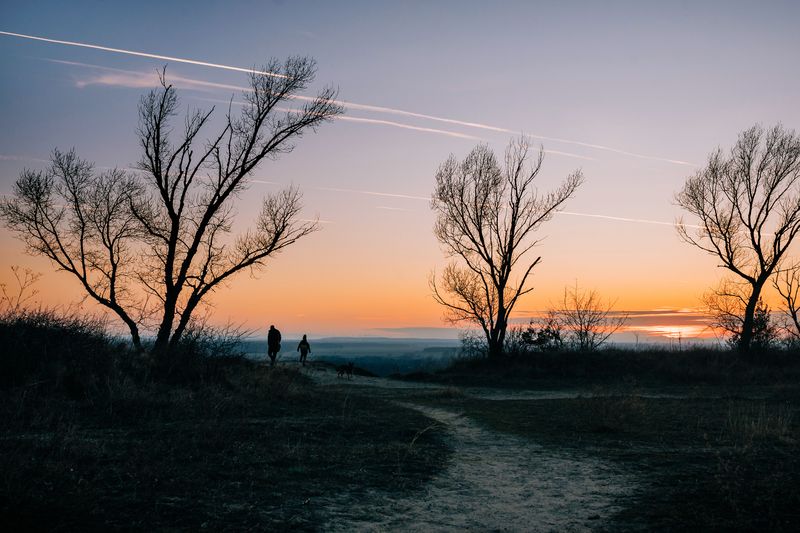
Early morning is often a good window for a monsoon-season walk. Thunderstorms frequently develop later in the day, but conditions can vary, so check the latest forecast before heading out.
Pavement has cooled overnight too.
Aim for a walk shortly after first light. You get better footing, cooler surfaces, and fewer surprises overhead.
One note: humid mornings after an overnight storm can still feel heavy. Keep the pace easy and watch your dog’s breathing.
A Quick Radar Check Before The Leash Comes Out

Five seconds of scrolling can save you a soggy scramble home. Most weather apps show radar loops, lightning data, and short term forecasts.
The National Weather Service also posts local alerts for Phoenix, Tucson, and Flagstaff.
Look at what is moving toward you, not just current conditions. Storms travel quickly across open desert.
If a cell sits within a few miles, delay the walk and try again later.
Lightning Means The Walk Waits
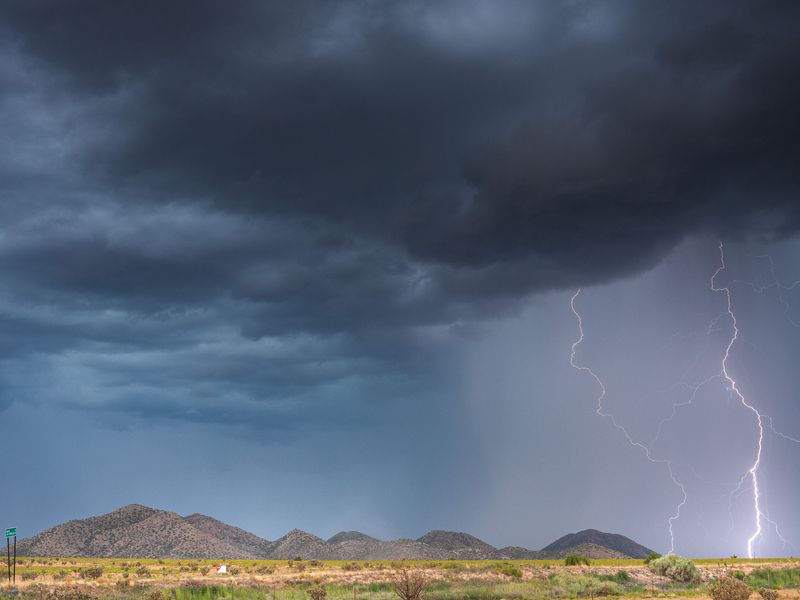
Thunder is your cue, not a suggestion. National Weather Service guidance is simple: when thunder roars, go indoors.
Lightning can reach several miles from the visible storm.
Wait about thirty minutes after the last rumble before heading back out.
Dogs will not understand the delay, so offer a chew or a short indoor game instead. Skipping one walk costs nothing at all.
Heavy Rain Raises Hidden Risks
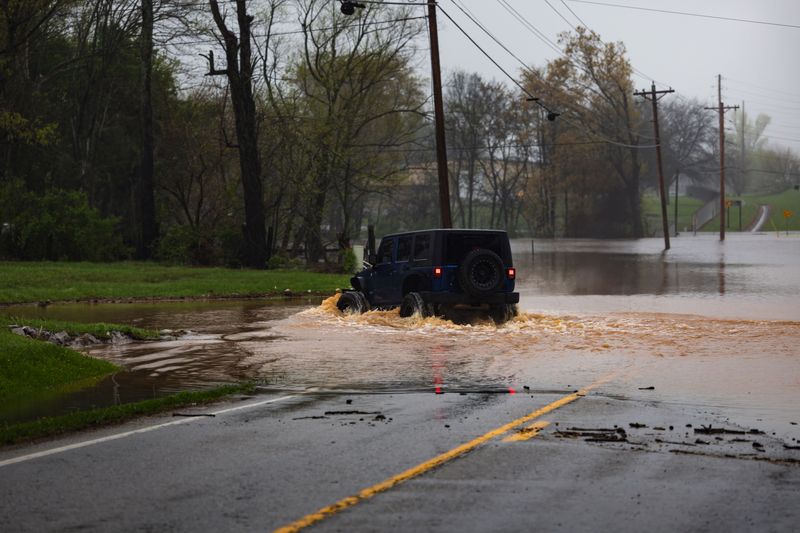
Rain in the desert arrives with force, not drizzle. Sheets of water cut visibility for drivers and for you.
Storm drains overflow, curbs disappear, and familiar corners look different.
Reflective gear and a shorter leash help if you are caught out.
If heavy rain makes your dog uncomfortable or conditions are worsening, head for home rather than pushing through the storm.
Washes And Fast-Moving Water Deserve Wide Distance
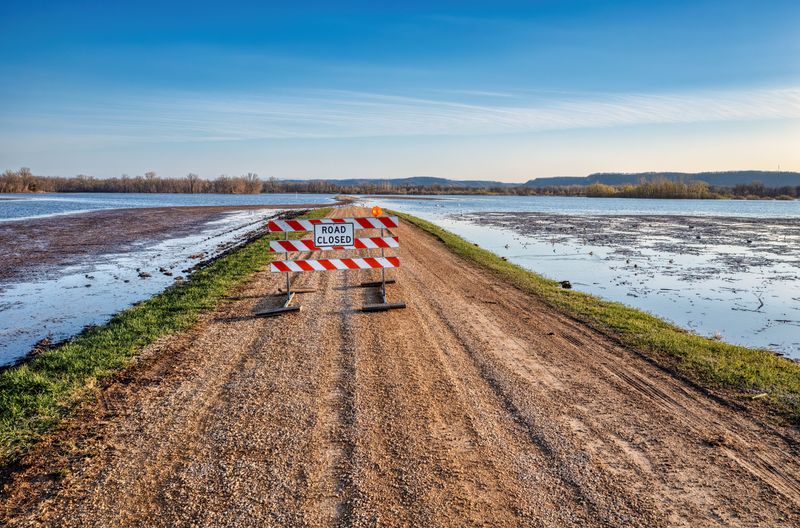
Dry sandy washes look like perfect trails until they are not. Rain falling miles away can send water downstream within minutes.
Even ankle deep flow can knock a strong dog off balance.
Keep leashes short near any wash, culvert, or low crossing.
Never let a dog wade or swim in moving stormwater. Arizona law can make drivers liable for certain emergency-response expenses when they drive into barricaded flood areas and become stranded, so always respect flood closures.
Mud Changes Trail Conditions Overnight
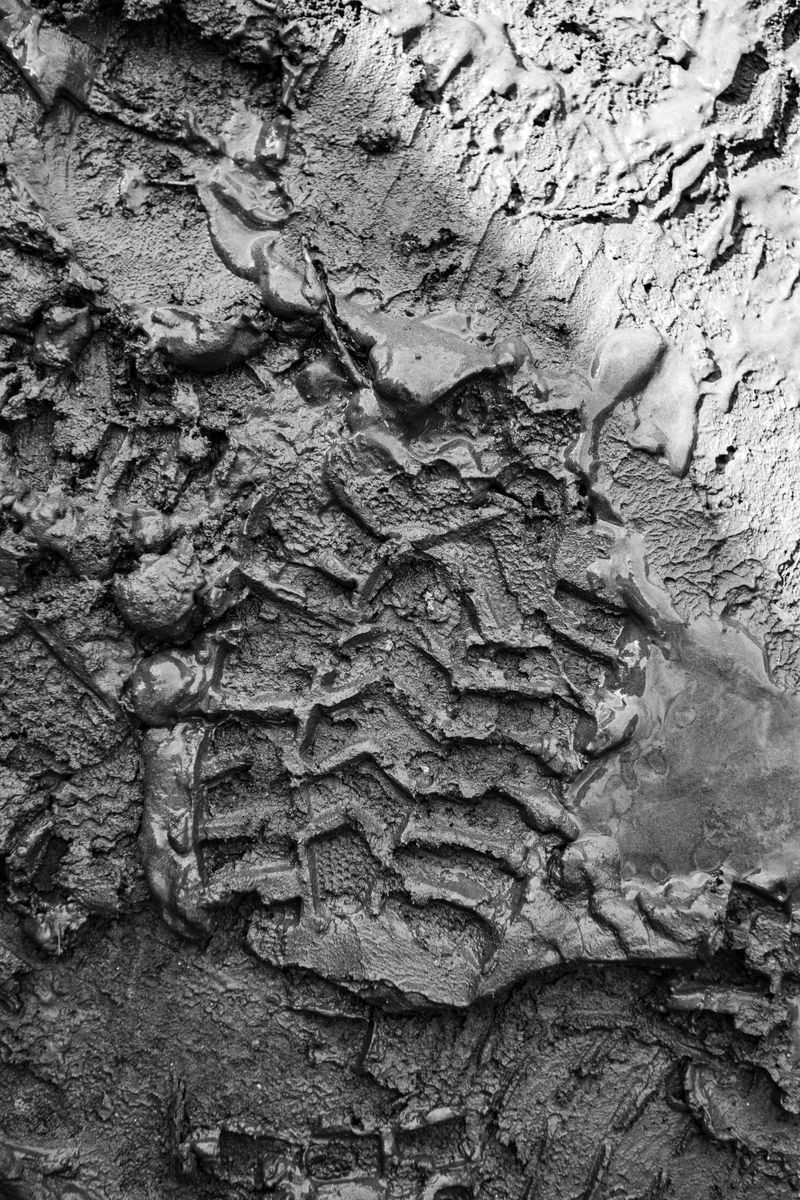
Trails that felt like concrete on Monday can turn to slick clay by Tuesday. Desert soil sheds water instead of soaking it in.
That means slippery slopes, hidden ruts, and paws caked with grit.
Land managers often ask hikers to wait a day or two so trails can dry.
Staying off soft ground protects the path and your dog’s joints. Pavement works fine while things firm up.
Standing Water Is Not A Dog Bowl
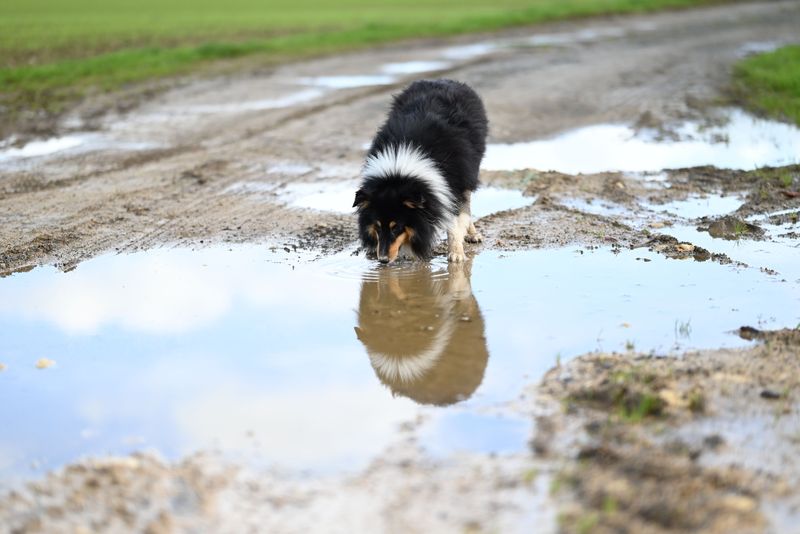
Puddles are tempting, especially for a hot, thirsty dog. Street runoff can carry oil, lawn chemicals, and bacteria from yards.
Warm standing pools may also attract mosquitoes.
Offer clean water from your own bottle instead.
If your dog gulps from a puddle, do not panic. Watch for an upset stomach over the next day and call your veterinarian with any concerns.
A quick paw rinse at home helps too.
Wet Pavement Can Still Be Too Hot
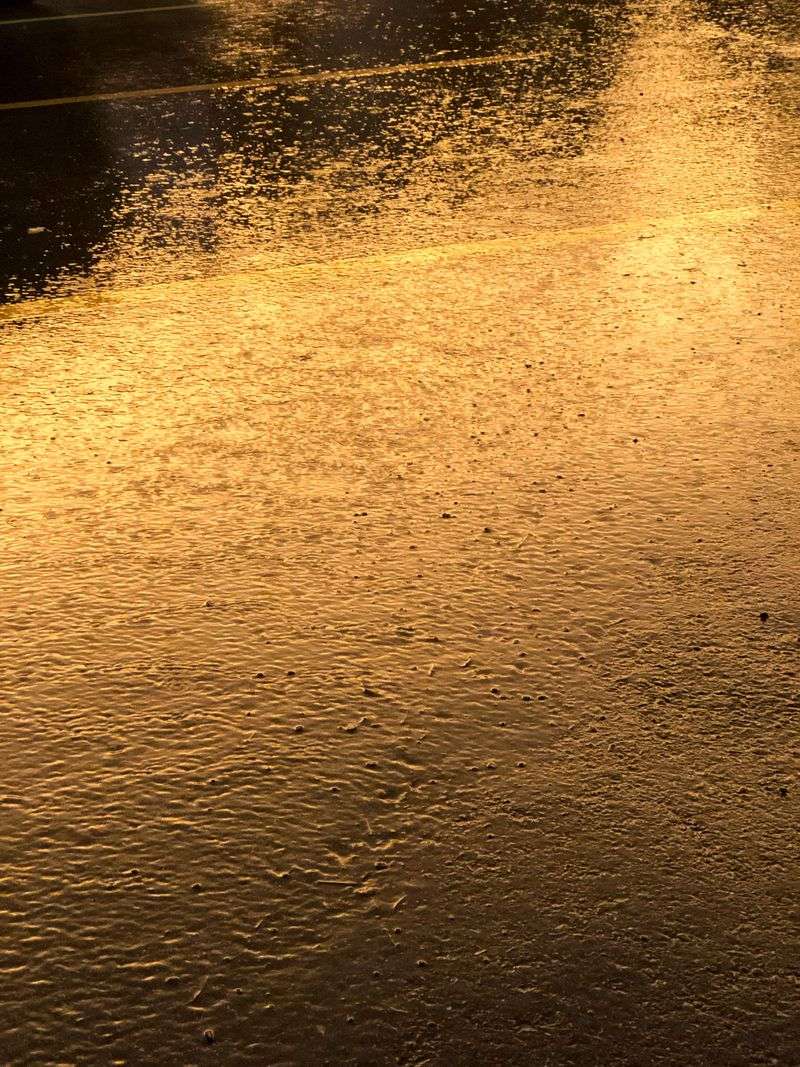
Rain cools the air, but asphalt holds heat stubbornly. A brief shower can leave pavement warm underneath and steamy on top.
Humidity slows the cooling that usually happens after sunset.
Place the back of your hand comfortably on the pavement for about ten seconds. If it is too hot for your hand, choose a cooler surface or wait.
If it feels uncomfortable, choose grass, dirt shoulders, or a later hour. Booties help some dogs, though many prefer simply walking earlier.
Storm Debris And Damaged Branches On Your Route
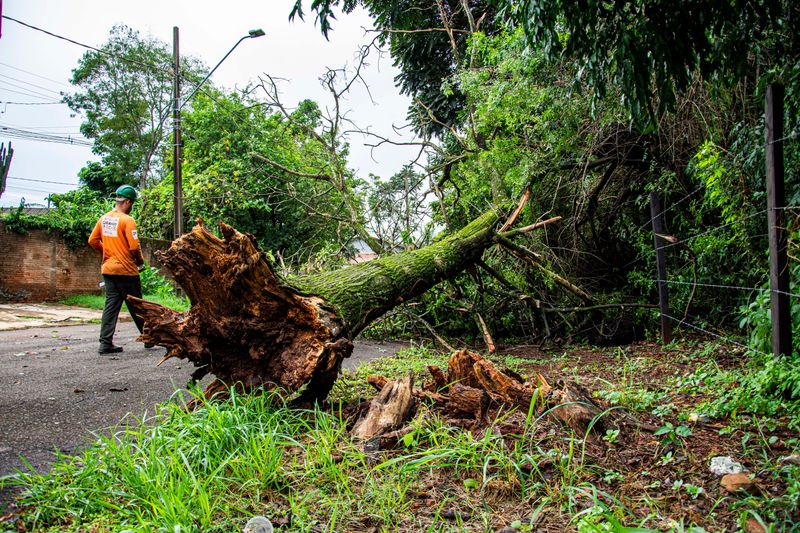
Morning after a storm, neighborhoods look rearranged. Wind scatters palm fronds, roof tiles, nails, glass, and cactus spines across sidewalks.
Downed limbs may still hang or lean.
Scan ahead and keep your dog on your inside, away from the pile.
Give damaged trees a wide berth, since weakened branches can drop later. Report blocked sidewalks or hazards to your city so crews can clear them.
Neighborhood Sidewalks Become The Smarter Pick
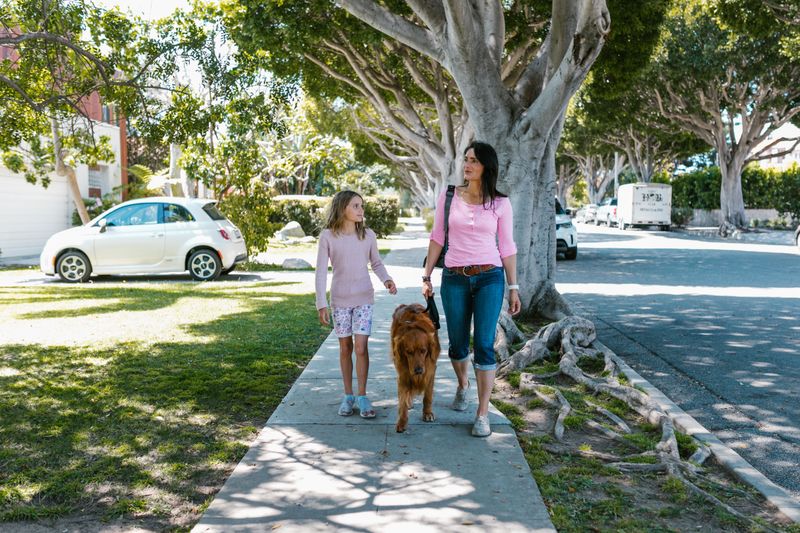
Trailheads get all the glory, but monsoon season favors the block you live on. Sidewalks drain faster, stay lit, and sit close to shelter.
You can duck home in two minutes if the sky shifts.
Loop the neighborhood a few times rather than driving to a preserve.
Sniff walks along fences and mailboxes tire dogs out more than distance does. Same tired dog, far less risk.
Humidity Makes Cooling Harder For Dogs
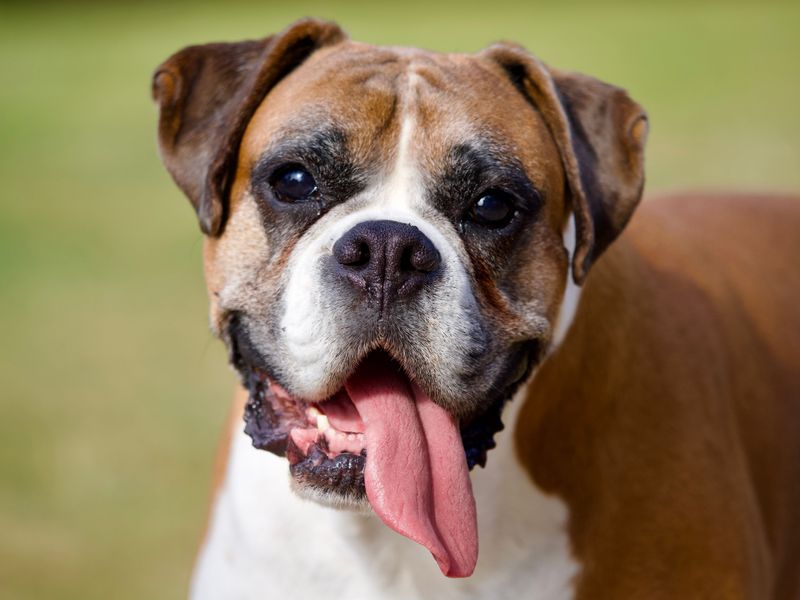
Dogs cool themselves mainly by panting, and humid air makes that harder. Monsoon dew points can climb well above typical desert levels.
Flat faced breeds, seniors, and heavy coated dogs feel it first.
Watch for loud panting, thick drool, or a dog lagging behind.
Shade breaks and slower pacing go a long way. When the air feels like a warm towel, keep the outing brief and the water close.
Carry Water On Every Longer Outing
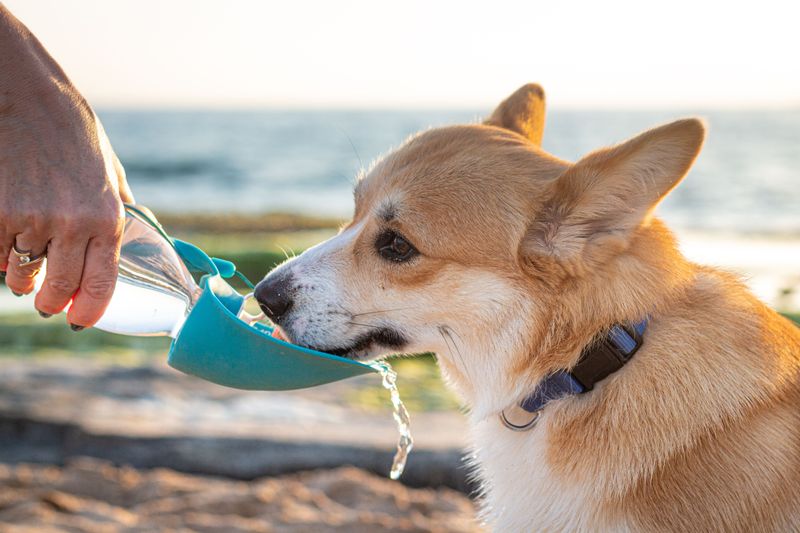
A collapsible bowl weighs almost nothing and earns its spot in your pocket. Offer small drinks every ten or fifteen minutes on warm, sticky evenings.
Dogs often refuse water from unfamiliar containers, so practice at home.
Frozen bottles double as cool packs against the chest.
Skip letting your dog drink deeply right after hard play. Small sips, offered often, sit better and keep energy steady.
Short Outings Beat One Long Loop
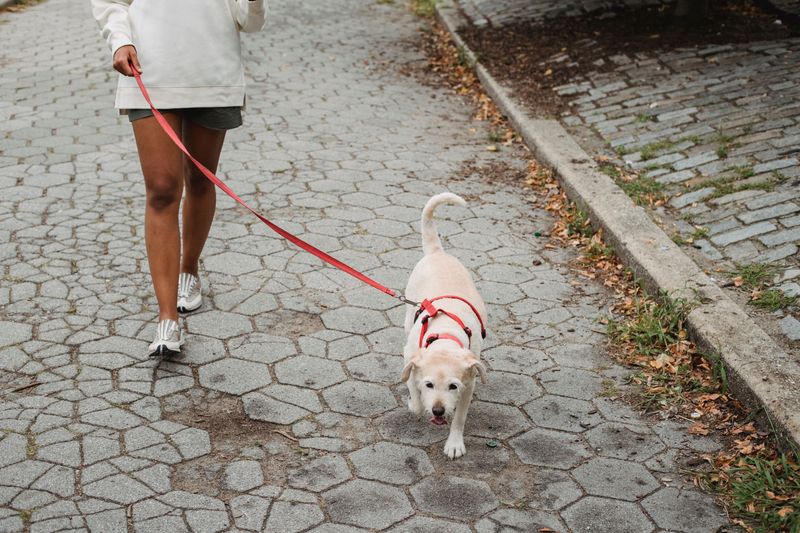
Several short walks can be easier to manage than one long outing during Arizona’s hottest and stormiest months. Shorter loops also make it easier to avoid heat spikes and changing storm conditions.
Your dog still gets sniffing, movement, and bathroom breaks.
Consider a sunrise walk and another outing after conditions have cooled and any storms have safely passed, adjusting the schedule to the day’s forecast.
Add a puzzle feeder or training session to fill the gap. Mental enrichment can provide useful activity when the weather makes longer walks impractical.
Signals That It Is Time To Turn Back
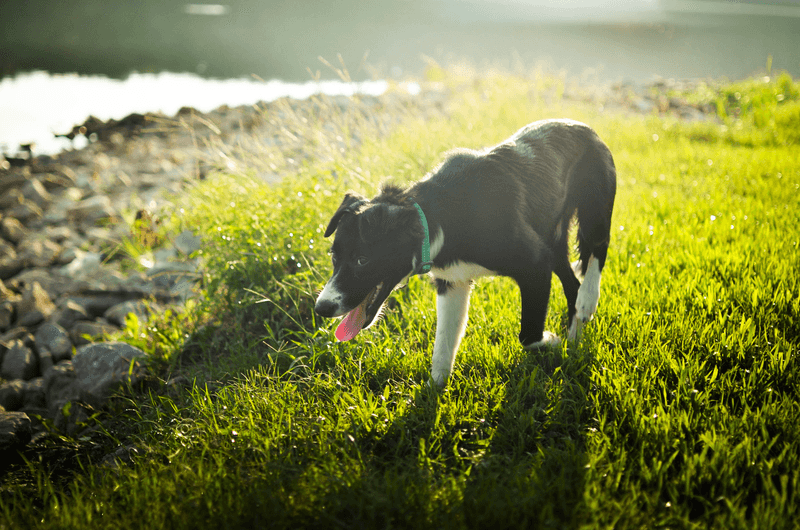
Not every walk needs finishing, and that is fine. Warning signs include heavy panting that will not slow, wobbly steps, or bright red gums.
Some dogs simply plant their feet and stop.
Distant thunder, a wall of dust, or sudden wind gusts also mean turn back.
Head for shade or air conditioning and offer water. If your dog seems off after cooling down, call your veterinarian promptly.
Indoor Games For Stormy Afternoons
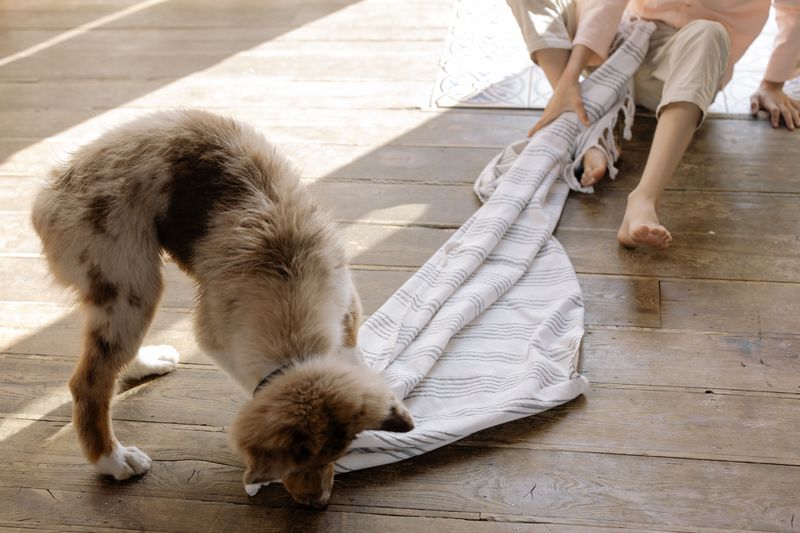
Rainy afternoons can still tire a dog out. Hide treats around a room, run short obedience drills, or roll out a snuffle mat.
Stair games and tug work for high energy pups.
Frozen stuffed toys keep chewers busy while thunder passes.
Many dogs relax with white noise and a quiet room during storms. Read the sky, stay flexible, and you both come home happy every time.