What New York Dog Owners Need To Know Before Taking A Dog On The Subway
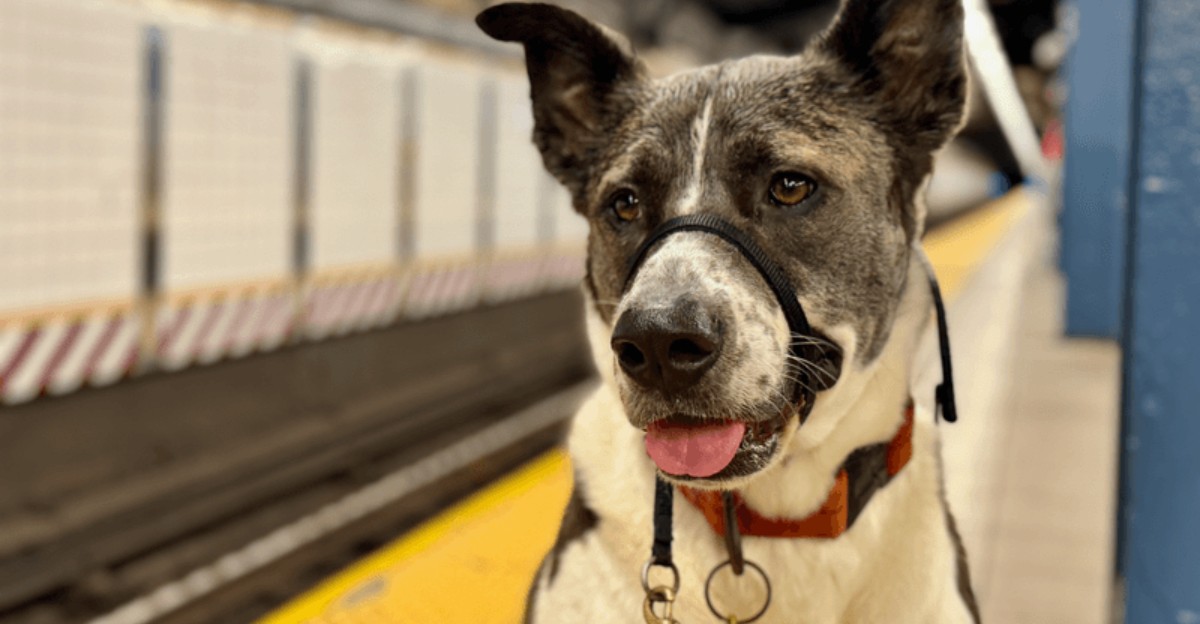
Riding the subway with your dog can feel like a big step, especially the first time. The good news is that plenty of New Yorkers do it every week without any drama.
It mostly comes down to knowing the transit rules, packing smart, and reading your dog’s comfort level. Here is a friendly, practical rundown of everything worth understanding before you tap your card and head down those stairs together.
1. Know the MTA’s Basic Dog Rule
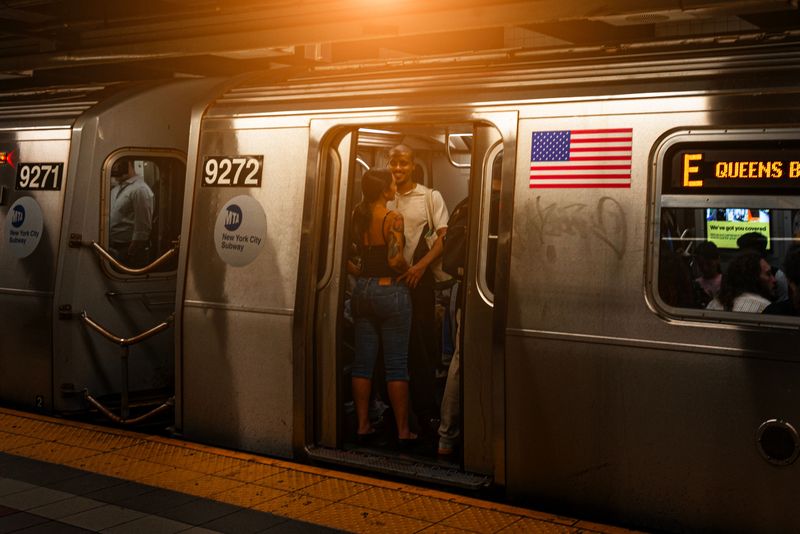
The MTA’s rulebook is short and clear on this point. Pets are allowed only when carried in a container, and they cannot bother other riders.
That single sentence shapes almost every choice you make. It means no walking your dog through the turnstile on a leash alone.
Service animals are the exception, which we cover later. Reading the official Rules of Conduct on the MTA website takes five minutes and saves confusion.
2. Choose a Carrier Your Dog Can Handle
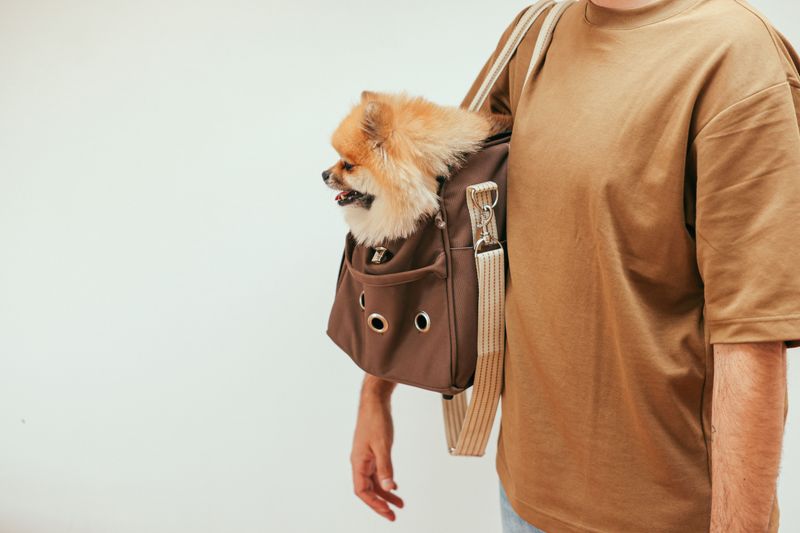
Comfort beats style every time when you are picking a carrier. Look for breathable mesh sides, a sturdy base, and padded straps that spread weight across your shoulder.
Choose a carrier that is appropriate for your dog’s size and weight, with enough room for comfortable positioning. For larger dogs, check the carrier’s weight limit and make sure you can safely carry or maneuver it through stations and onto trains.
Test the zippers before you rely on them. A weak zipper is the most common failure point.
3. Understand When a Leash Alone Is Not Enough
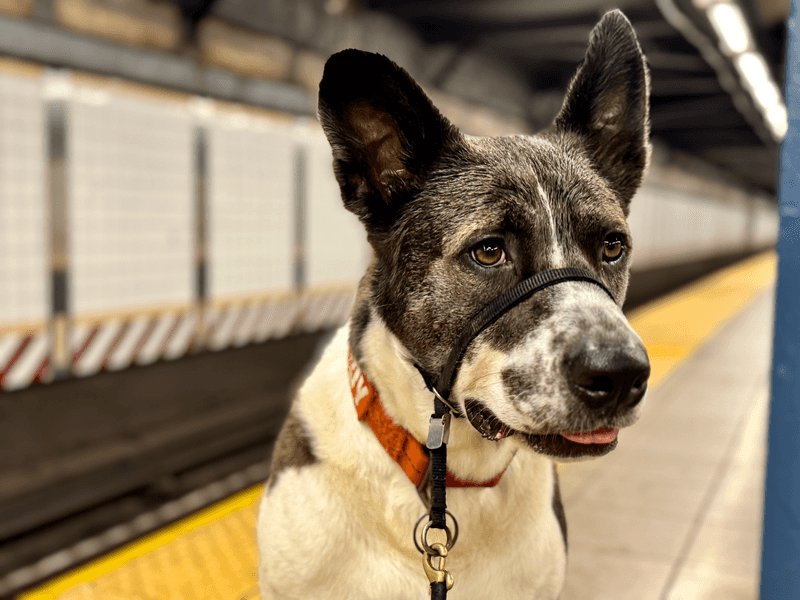
Plenty of owners assume a well behaved dog on a short leash is fine. Transit rules say otherwise for pets riding trains and buses.
A leash still matters for the walk to the station and the trip back home. Once you reach the entrance, though, your dog goes into the bag.
Station staff can decline entry if a pet is uncontained. Being prepared avoids an awkward conversation and a wasted trip.
4. Know the Rules for Service Dogs
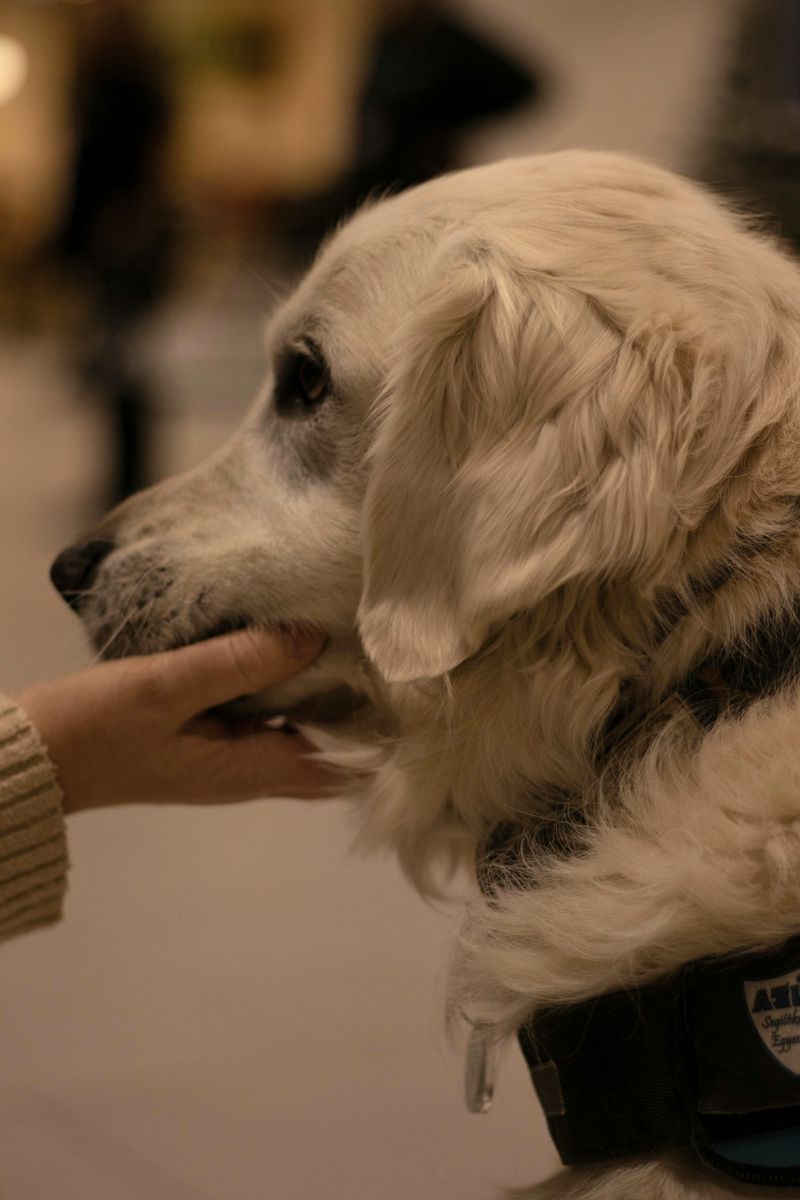
Here is where the rules shift meaningfully. Service animals trained to assist a person with a disability may ride without a carrier.
They travel on leash or harness, and they stay under the handler’s control. Staff generally cannot demand paperwork or a demonstration.
Federal law under the ADA backs this up, alongside MTA policy. If you rely on a service dog, knowing that language helps you answer questions calmly and move on.
5. Understand Emotional Support Dog Rules
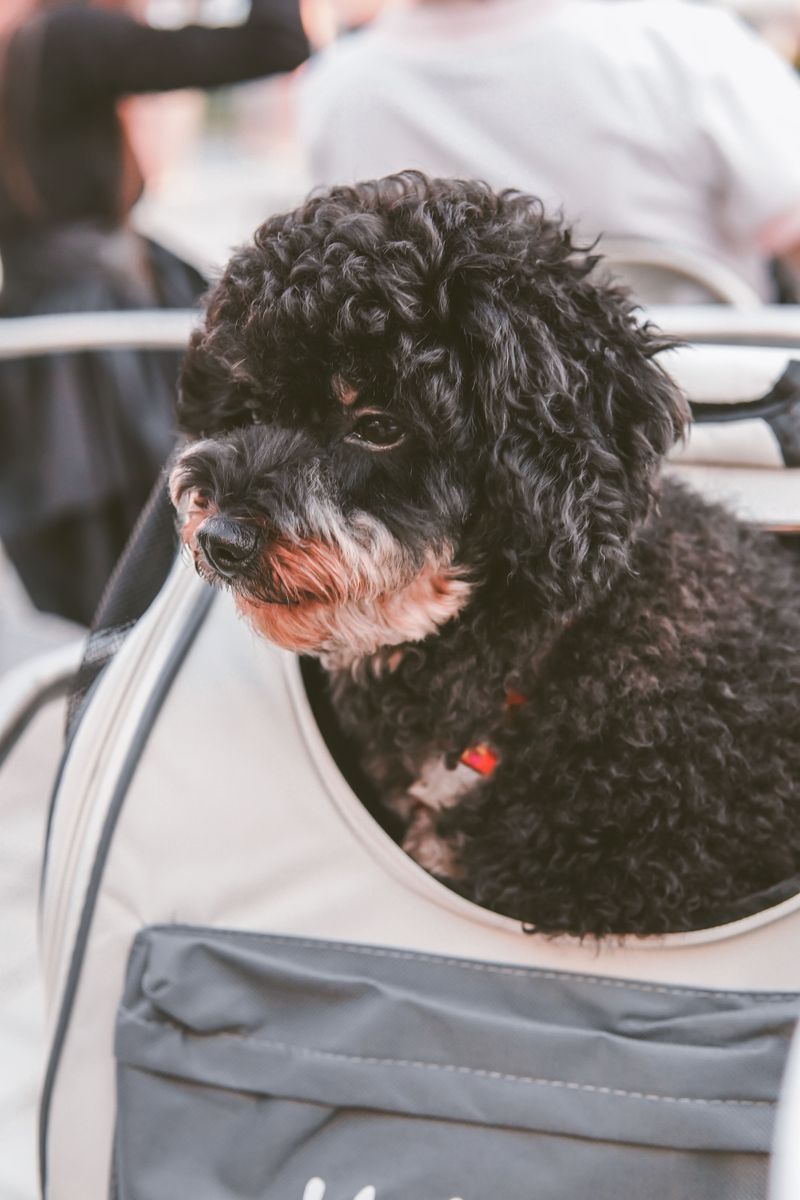
A common mix up trips people up at the turnstile. Emotional support animals are not classified the same way as trained service animals under the ADA.
On the subway, that usually means an emotional support dog follows the standard pet rule and travels in a carrier.
Vest and certificate sellers online can create false confidence. When you are unsure about your situation, contact MTA customer service directly for current guidance.
6. Practice Using the Carrier Beforehand
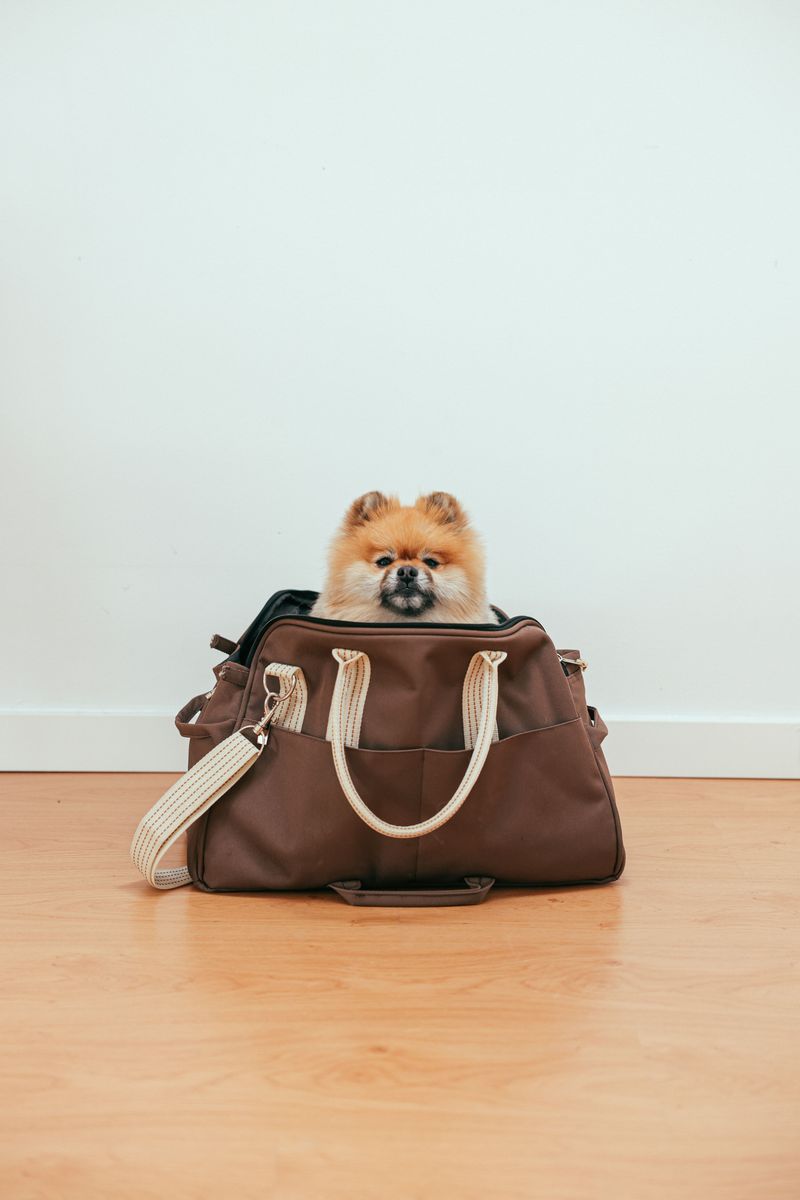
Think of the carrier as furniture, not equipment. Leave it open on the floor at home for a week with treats tucked inside.
Let your dog wander in and out freely, with no zipper, no pressure. Then try short carries around the apartment and down the block.
Dogs who already like their bag load in easily on a busy platform. Rushing this step is what creates squirming and stress later.
7. Prepare Your Dog for Subway Noise
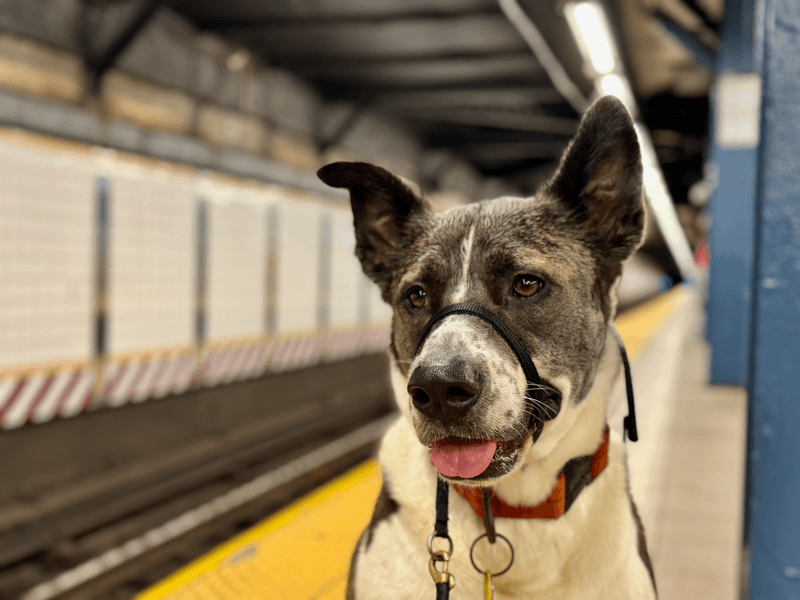
Screeching brakes, announcements, and rushing air are a lot for sensitive ears. Build tolerance gradually instead of hoping for the best.
Start by sitting outside a station entrance where the sounds are muffled. Reward calm behavior with small treats and quiet praise.
Over several visits, move closer to the platform without boarding. Many dogs adjust within a few sessions once they learn nothing bad follows the noise.
8. Keep Your Dog Safe on the Platform
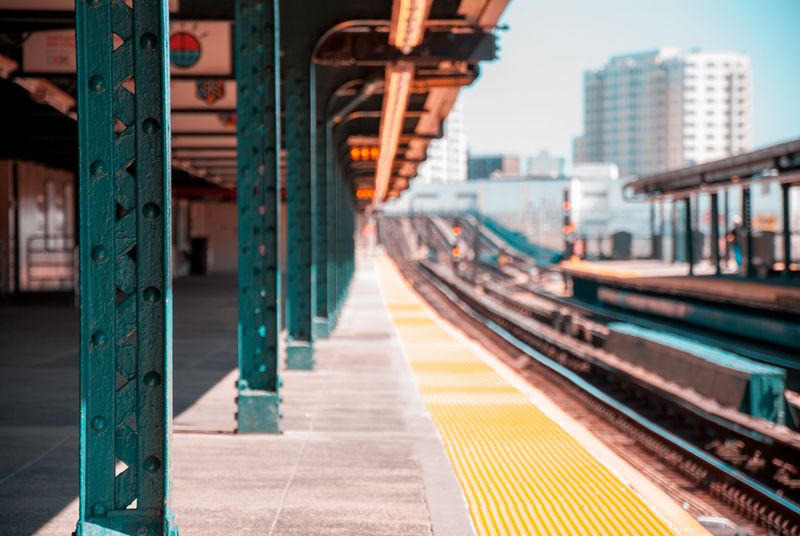
Platform edges deserve real respect. Stand well behind the yellow strip and keep the carrier on the side away from the tracks.
Hold the bag with both hands during boarding, when crowds surge forward. Avoid setting it down near stairs or busy doorways.
Gaps between train and platform can catch paws, so lift rather than let your dog step across. Steady movements keep everyone relaxed.
9. Travel During Less Crowded Hours
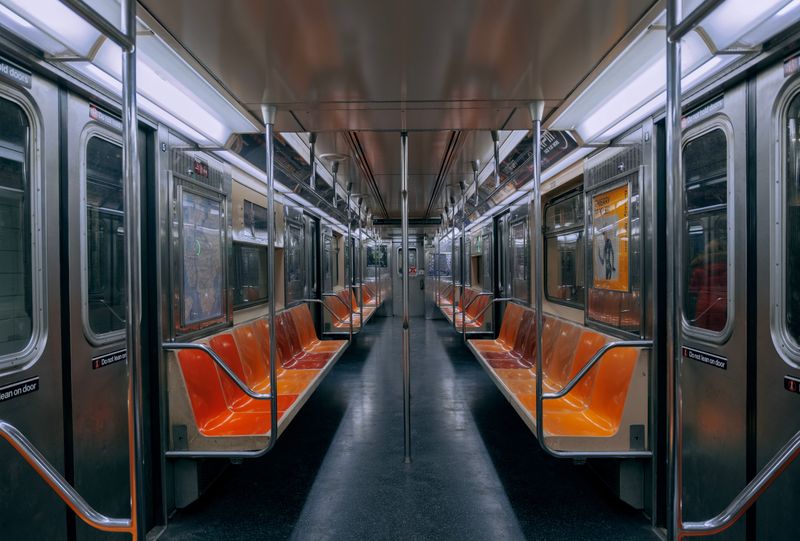
Mid morning and early afternoon are your friends. Rush hour crowds make carrier handling harder and raise the odds of bumps and jostling.
Less crowded periods can make carrier handling easier and may be more comfortable for a dog that is new to subway travel. Check current service conditions and choose a time when you can avoid the busiest crowds.
Your first few trips especially should avoid packed cars. Once your dog settles into the routine, busier rides become far more manageable.
10. Be Considerate of Other Passengers
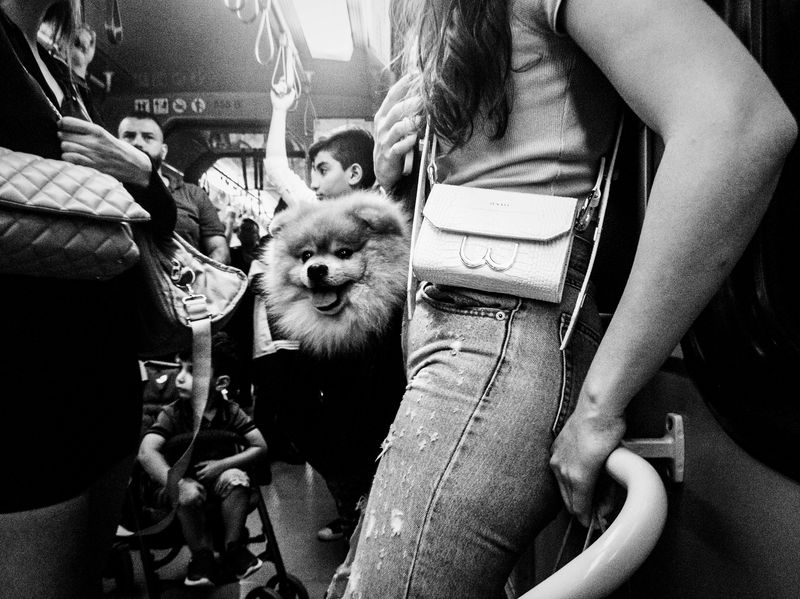
Not everyone shares your enthusiasm for dogs, and that is completely fine. Some riders have allergies, some carry a fear from childhood.
Keep the carrier zipped and skip inviting strangers to reach inside. Give a heads up if someone sits directly beside the bag.
Quiet courtesy earns goodwill for every dog owner who rides after you. Friendly rule followers keep these policies working for all of us.
11. Keep the Carrier Out of the Way
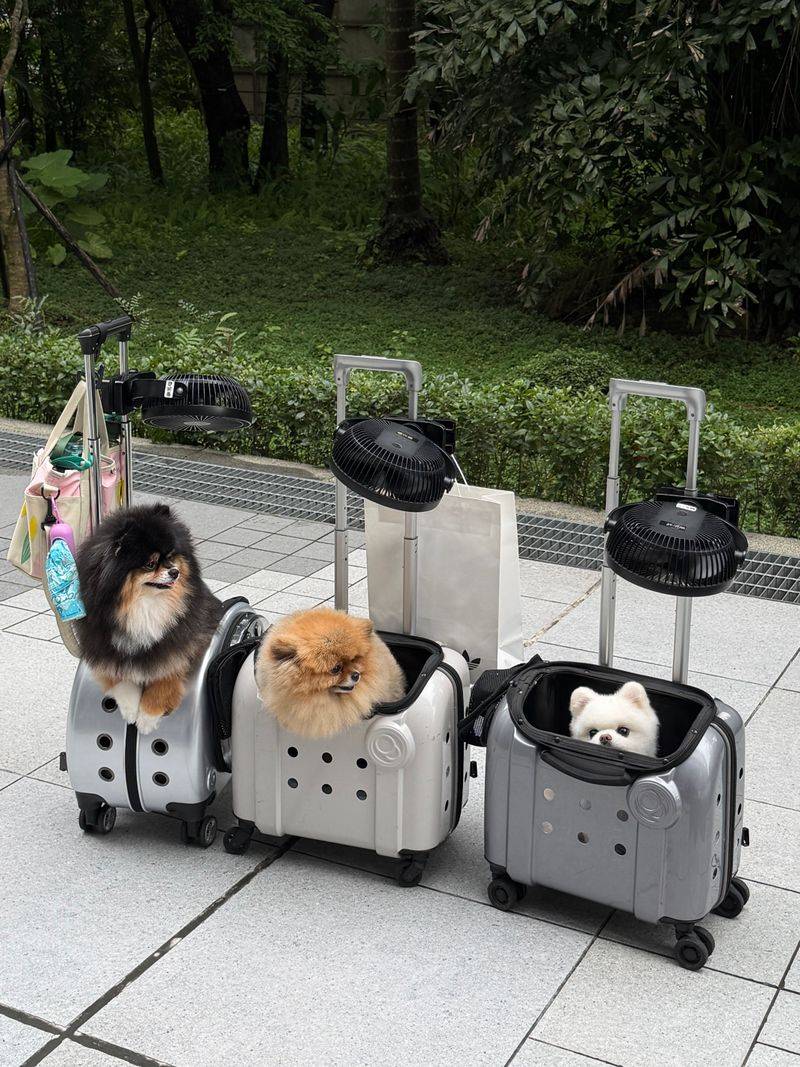
Aisles and doorways need to stay clear at all times. Tuck the carrier between your feet or hold it on your lap if seating allows.
Never place a bag on an empty seat during busy periods. Blocking a seat draws complaints faster than almost anything else.
Near the doors, step aside so exiting riders have room. Small spatial choices make the whole ride smoother for you both.
12. Give Your Dog a Bathroom Break First
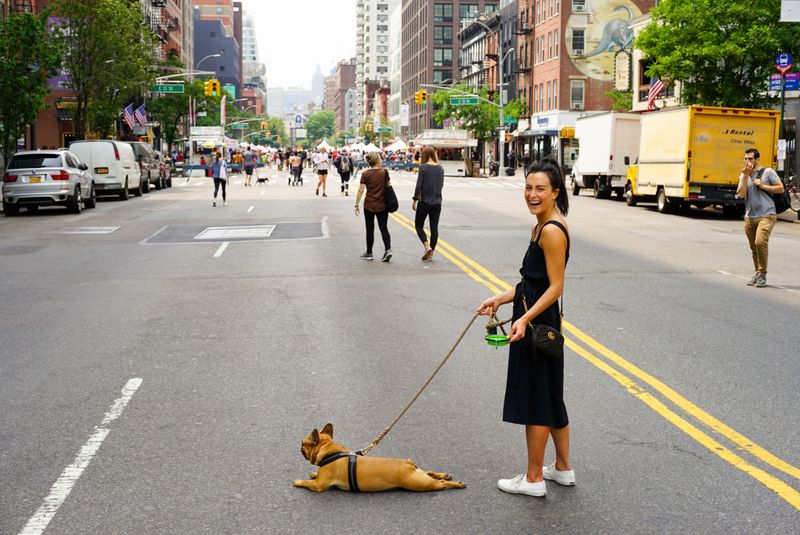
Ten extra minutes outside can save you a mess underground. Walk your dog until business is done, then head for the station.
Delays happen, and an unexpected hold between stops feels much longer with a full bladder. Skipping a big meal beforehand also helps sensitive stomachs.
Puppies and senior dogs need shorter gaps between breaks. Plan your route with an outdoor stop roughly halfway if the trip runs long.
13. Pack Cleanup Supplies

Accidents are rare but not impossible, so pack like they might happen. Waste bags, a few paper towels, and pet safe wipes cover most situations.
An absorbent pad lining the carrier base makes cleanup nearly effortless. Toss in a spare pad and a sealable bag for anything soiled.
Handling a mishap quickly and quietly keeps everyone comfortable. Nobody minds a small hiccup that disappears in thirty seconds.
14. Bring Water and Basic Dog Supplies
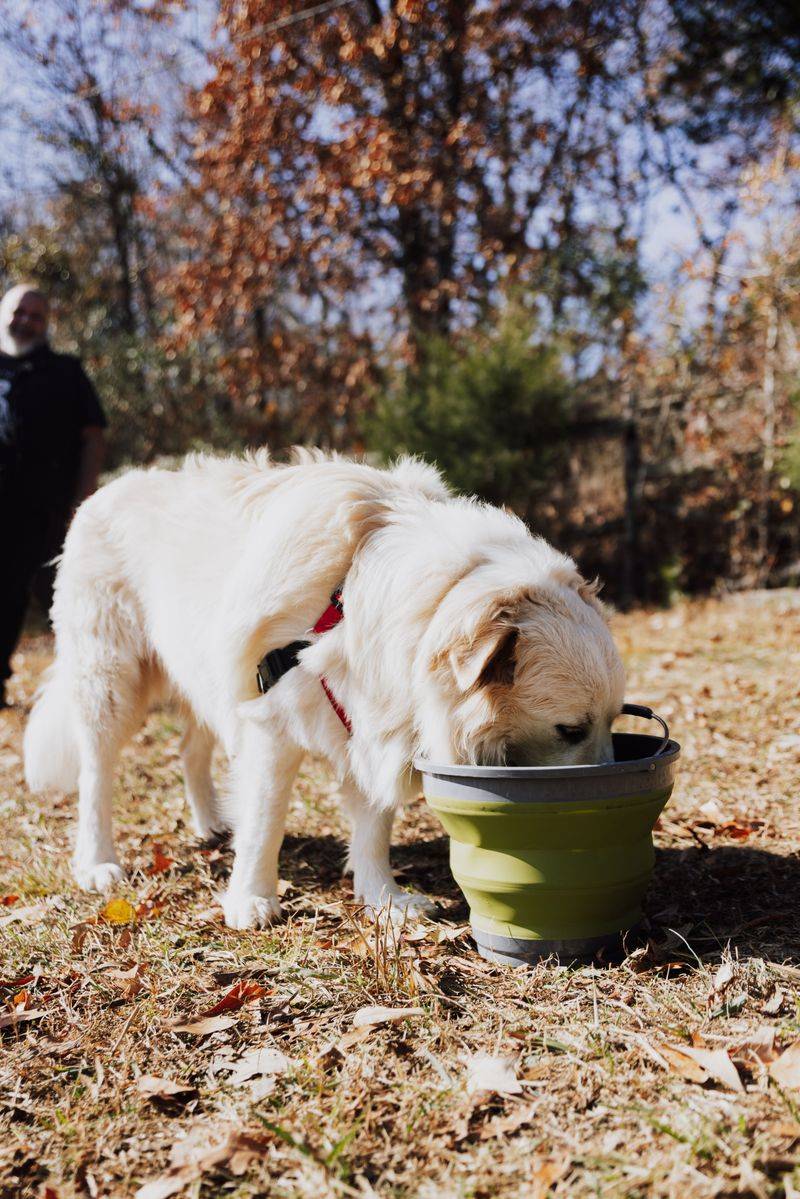
Underground stations get warm, particularly in summer months. A collapsible bowl and a small water bottle weigh almost nothing in your bag.
Offer sips once you are above ground again, not in a crowded car. Pack a couple of treats, a spare leash, and your dog’s ID tag.
Adding a photo of your dog to your phone is smart insurance. Preparedness turns small surprises into non events.
15. Check for Subway Service Changes
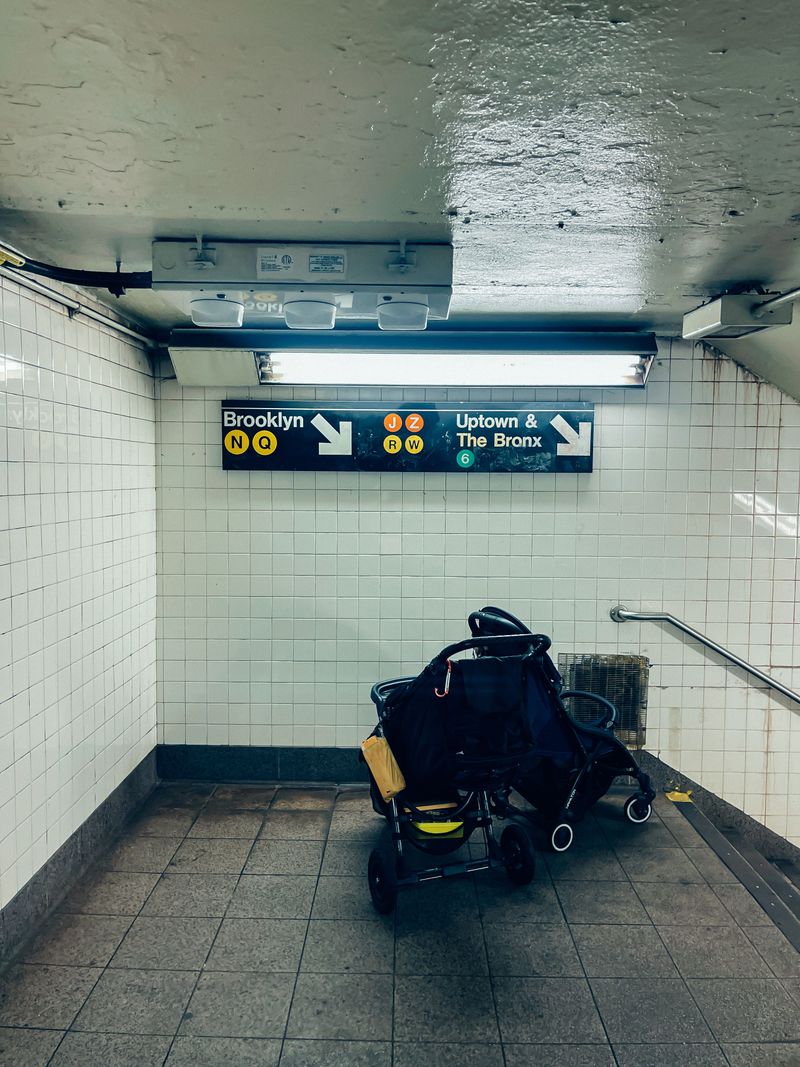
Weekend reroutes are a New York tradition. Before you leave, check the MTA app or the official service status page for your line.
Rerouted trains can mean longer rides, extra transfers, and more stairs with a bag on your shoulder.
Elevator outages matter too if you are carrying a heavier dog. Two minutes of planning often saves twenty minutes of frustration underground.
16. Watch for Signs of Stress
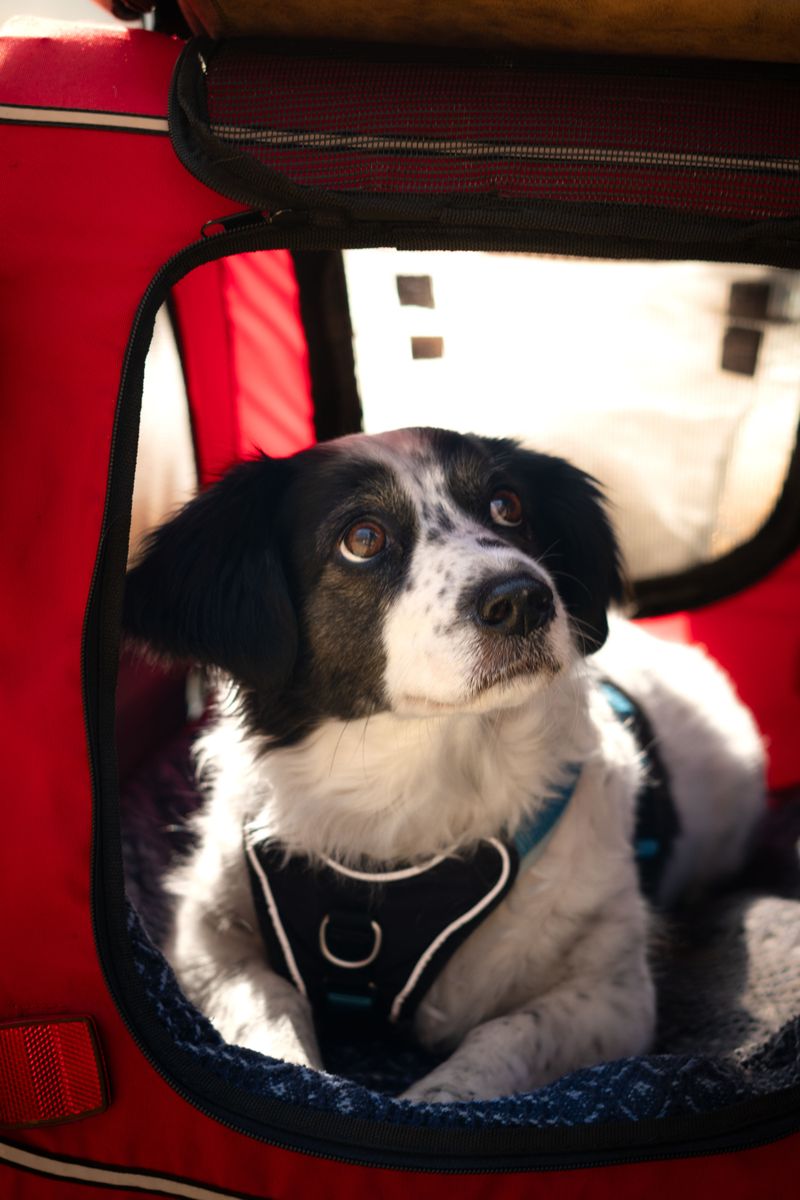
Dogs tell us plenty without a sound. Heavy panting, trembling, drooling, yawning, or a tucked tail all suggest your dog needs relief.
Speak softly, rest a hand on the carrier, and offer a familiar toy. Getting off at the next stop is always a reasonable choice.
Pushing through distress teaches your dog that trains are unpleasant. Short retreats build long term confidence far better than endurance.
17. Have a Plan for Unexpected Delays
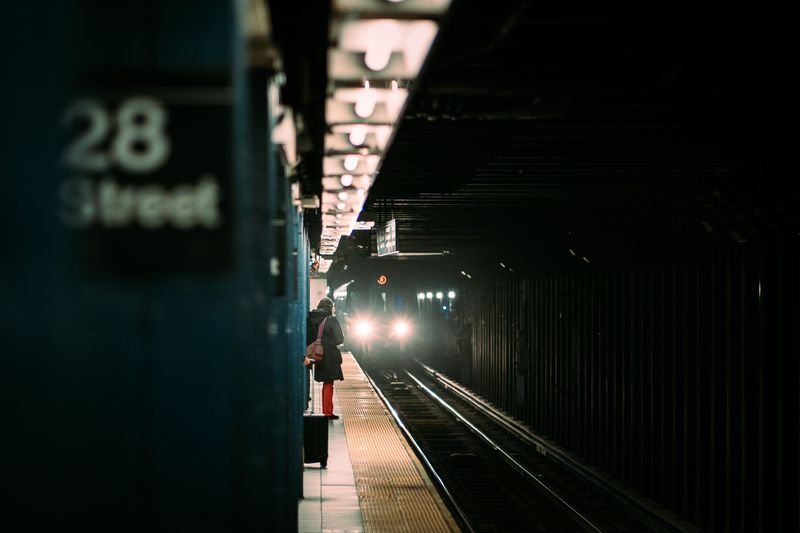
Trains sometimes hold in tunnels for a while. Knowing your backup options keeps that pause from feeling stressful.
Keep a charged phone, a little cash, and the address of your destination handy. Note which nearby streets are walkable if you decide to exit early.
Car services and buses accept pets under their own rules, so check ahead. A simple plan B makes any hiccup feel routine.
18. Know the Rules During Emergencies
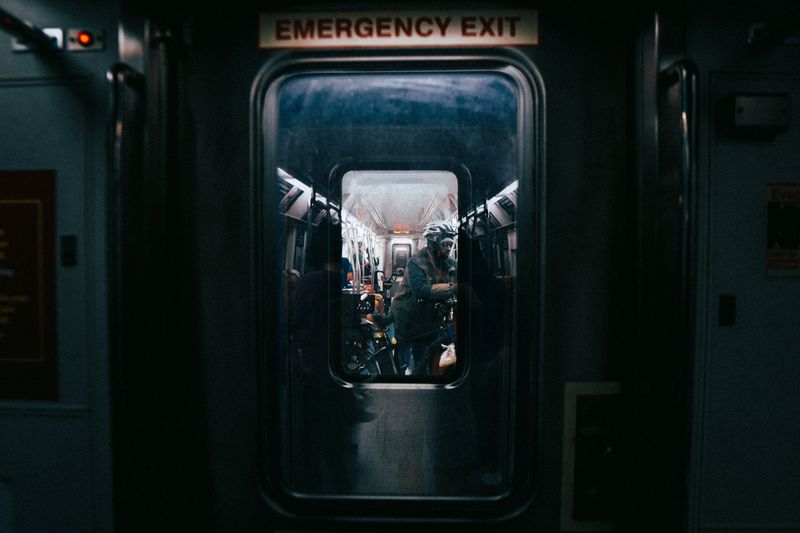
Rare situations call for calm, informed action. If crews ask riders to leave a train, keep your dog fully inside the carrier.
Follow staff directions rather than moving on your own along tracks. Announcements and posted signage explain the correct steps.
Carrying your dog rather than letting them walk protects paws and prevents bolting. Staying with the group keeps you both accounted for.
19. Start With a Short Subway Trip
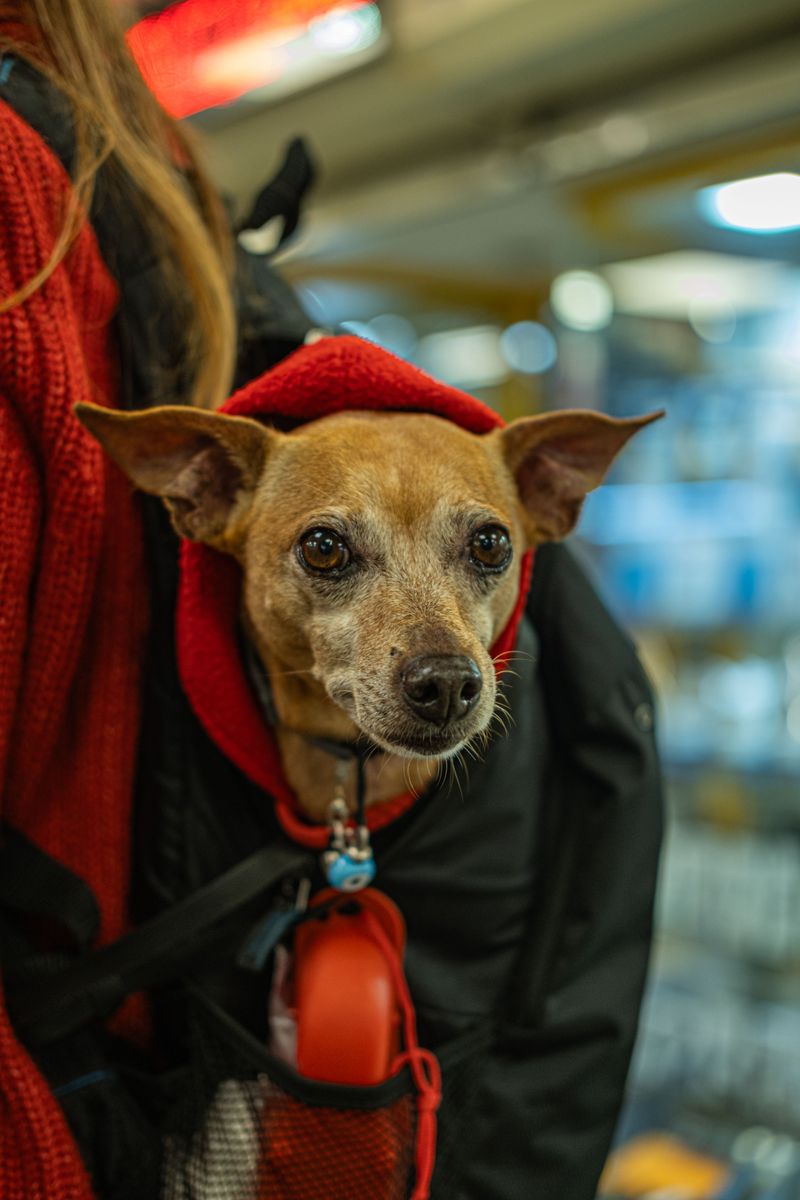
One stop is a perfectly respectable first journey. Ride a single station, step off, and reward your dog with a walk somewhere pleasant.
Success builds on success, so stretch the distance slowly over following weeks. Ending each trip on a good note matters most.
Before long, your dog will treat the train as ordinary. That easy confidence is the whole goal, and it comes from patient practice.