15 Water-Loving Dog Breeds For Maryland’s Chesapeake Lifestyle
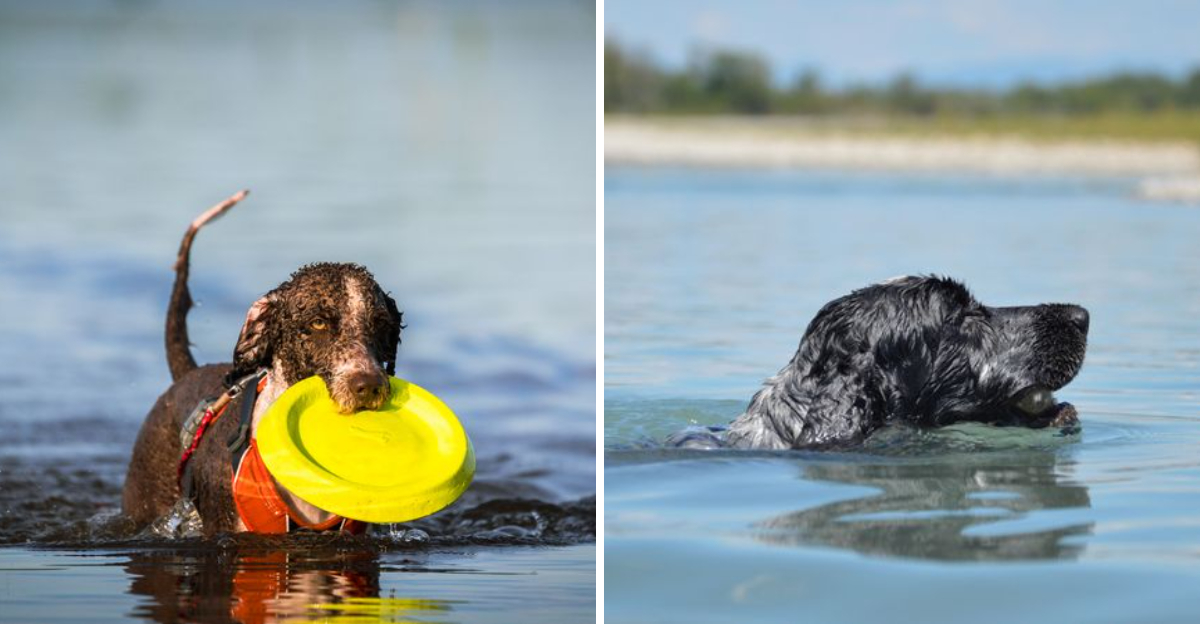
Maryland has a dog breed named after its own bay, and that says plenty about life here. Between marsh grass, crab shacks, sandy beaches at Elk Neck State Park, and skipjacks slicing through Annapolis harbor, wet paws are practically a local tradition.
Some dogs tolerate water. Others treat every ripple like a personal invitation.
If your weekends smell like salt air and sunscreen, one of these fifteen swimmers belongs in your kayak, and the reasons why might surprise you.
1. Chesapeake Bay Retriever
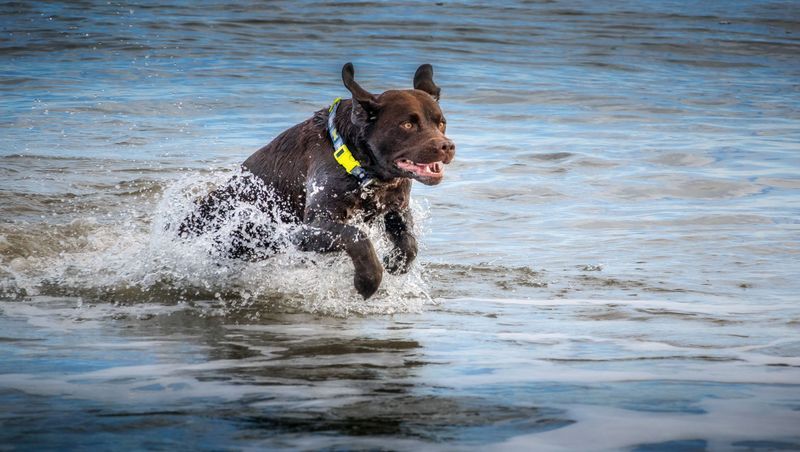
Maryland’s official state dog earned the title honestly. Bred in the 1800s to haul ducks from icy Bay waters, the Chessie has an oily, wavy coat that sheds water like a raincoat.
Expect a serious worker with a stubborn streak and a soft spot for its family. Start training early and keep it upbeat.
Give this powerhouse plenty of daily exercise, including swimming, retrieving games, or long walks and runs. A bored Chessie may find its own, less desirable ways to stay busy.
2. Labrador Retriever
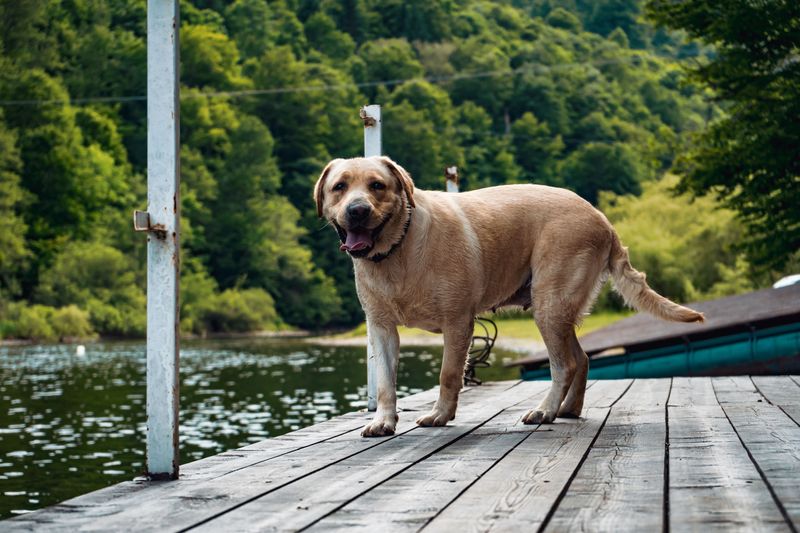
Ask any waterman which dog rides shotgun most often and you’ll hear the same answer. Labs are America’s favorite for good reason: webbed toes, a thick double coat, and an otter-like tail that steers like a rudder.
Fun bit of trivia: the breed actually traces back to Newfoundland, not Labrador.
Friendly, food-motivated, and endlessly patient, Labs handle crowded boat ramps and toddler cuddles with the same easy grin.
3. Golden Retriever
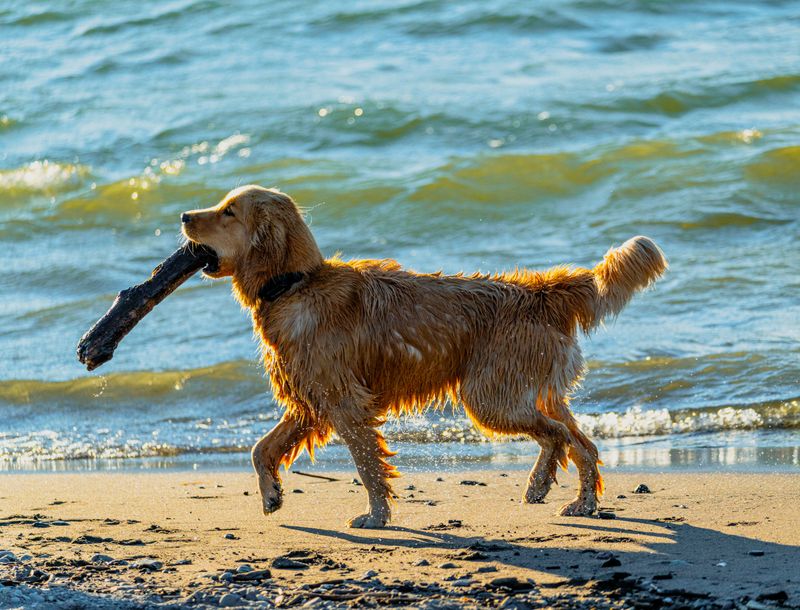
Few sights beat a Golden trotting up the beach with a soaked tennis ball and zero intention of dropping it. Scottish sportsmen developed the breed to fetch birds from ponds and rivers.
Feathered coats need real brushing after saltwater trips, or mats form fast behind the ears.
Sociable to a fault, Goldens make excellent crew for crab feasts, waterfront patios, and kids who want a swimming buddy.
4. Portuguese Water Dog
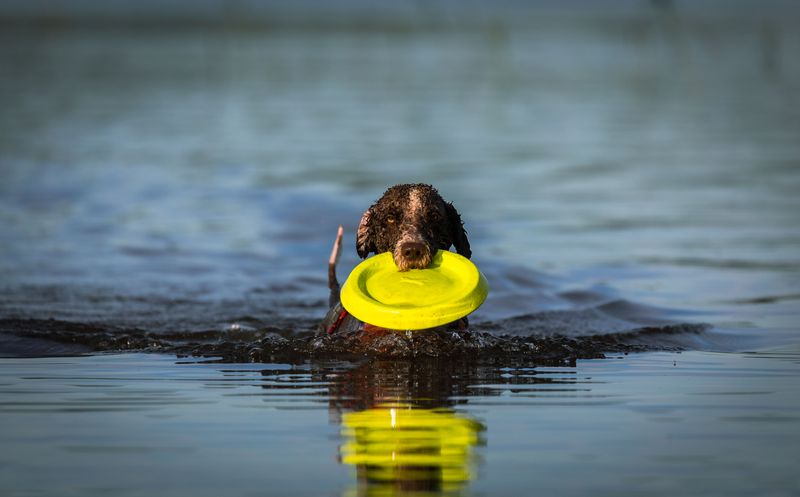
Portuguese fishermen once used these curly athletes to herd fish into nets and carry messages between boats. Talk about a resume.
The single, low-shedding coat suits allergy-sensitive households, though it demands regular clipping.
Smart and comic, a Portie invents games if left idle. Teach tricks, toss floating toys, and let it paddle often.
Compact enough for Annapolis apartments, energetic enough for all-day sails.
5. Irish Water Spaniel
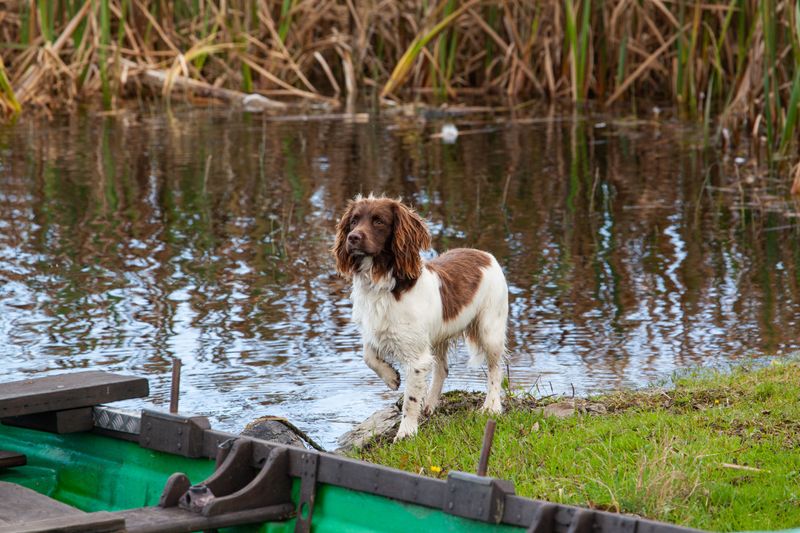
Meet the clown of the spaniel family, complete with a curly topknot and a nearly hairless tail nicknamed the rat tail.
Ireland’s tallest spaniel was built for cold rivers and rough estuaries, so Bay chop barely registers.
Independent thinkers, they respond to variety rather than repetition. Keep sessions short and silly.
Rare in the States, so expect questions at every kayak launch you visit.
6. Nova Scotia Duck Tolling Retriever
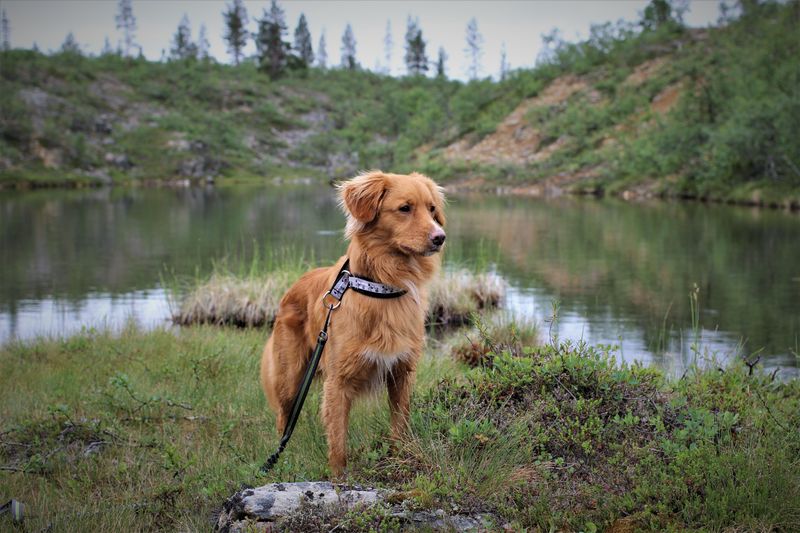
Smallest of the retrievers, and arguably the cleverest trickster. Tollers were bred to dance along shorelines, luring curious ducks closer with their flashy red coats.
Hunters called that playful routine tolling, hence the mouthful of a name.
Bright, intense, and prone to a happy scream when excited, a Toller thrives with a job to do.
Perfect size for canoes and small crab skiffs.
7. American Water Spaniel
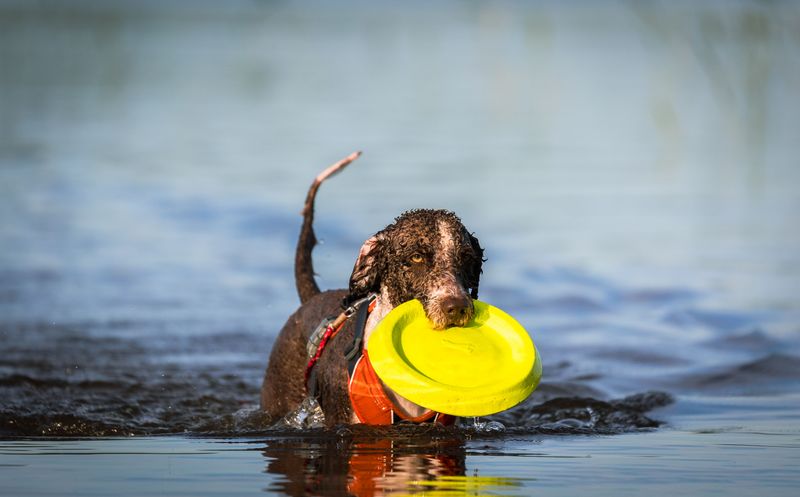
Wisconsin’s state dog was built for one thing: hunting from tippy little boats without capsizing them.
Weighing about 30 to 45 pounds, this chocolate curly-coat squeezes into a jon boat and still swims like a champion.
Affectionate with family, reserved with strangers, and quietly eager to please its person.
Numbers stay low nationwide, so finding one takes patience. Bay paddlers say the wait pays off.
8. Boykin Spaniel
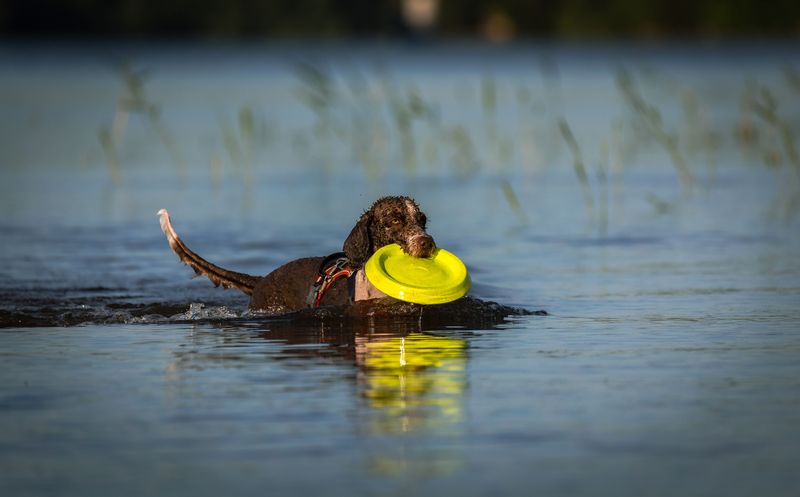
South Carolina’s swamp specialist started with a stray brown dog and a hunter with a good eye. Generations later, the Boykin became the state dog.
Nicknamed the little brown dog that doesn’t rock the boat, it excels in warm, shallow water.
Merry, bouncy, and quick to learn, Boykins love family life. Check those long ears after every swim to prevent infections.
9. Curly-Coated Retriever
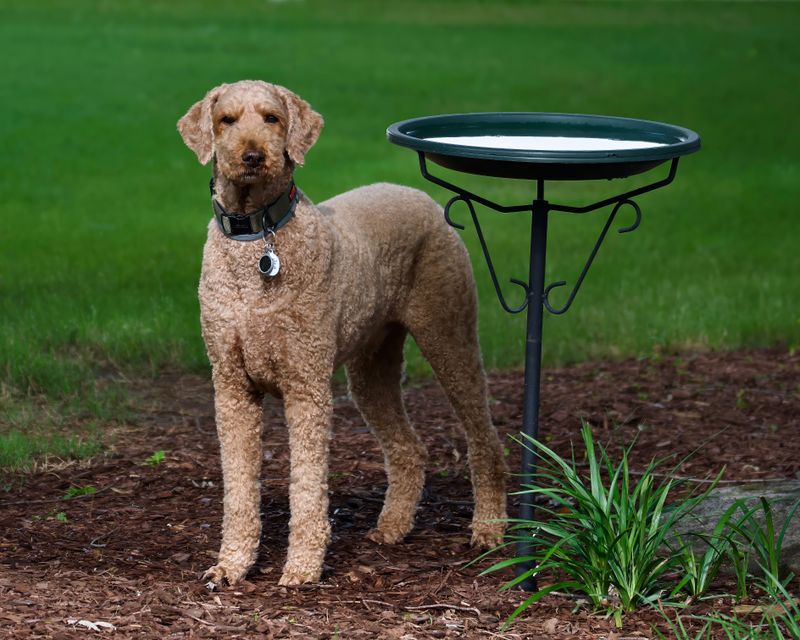
Those tight, crisp curls aren’t a grooming choice. They form natural armor against brambles, thorns, and cold water.
One of the oldest retriever breeds, the Curly kept British gunners supplied with waterfowl long before Labs took over.
Reserved around new faces but devoted at home, this dog matures slowly and keeps a puppy sense of humor for years.
Regular brushing or combing is generally unnecessary for a Curly-Coated Retriever, although light brushing can help manage shedding without needing to maintain a heavily groomed coat.
10. Flat-Coated Retriever
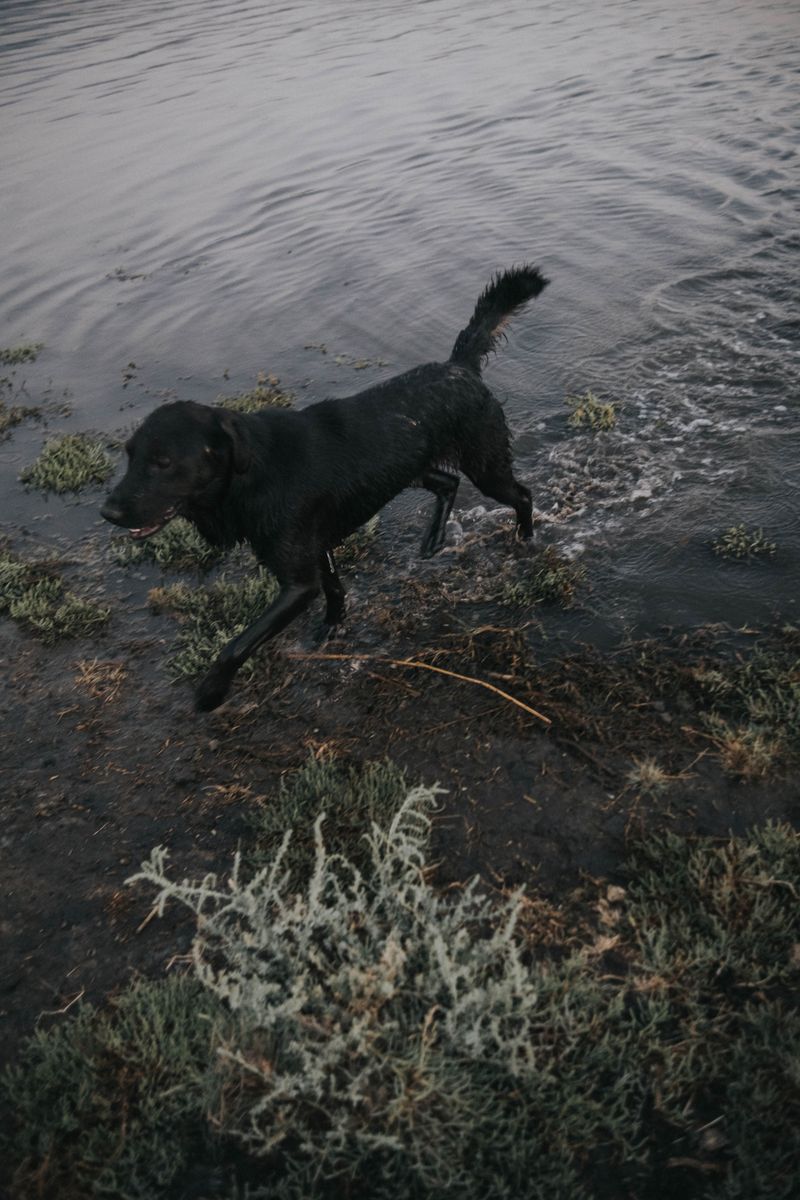
Glossy, feathered, and permanently convinced life is a party. Flat-Coats are often called the Peter Pan of retrievers because they never quite grow up.
Originally developed from Newfoundland stock and setters, they retrieve on land and water with equal joy.
Sensitive souls, they wilt under harsh corrections and bloom with praise.
Plan on long shoreline runs. A tired Flat-Coat is a well-behaved houseguest.
11. Standard Poodle
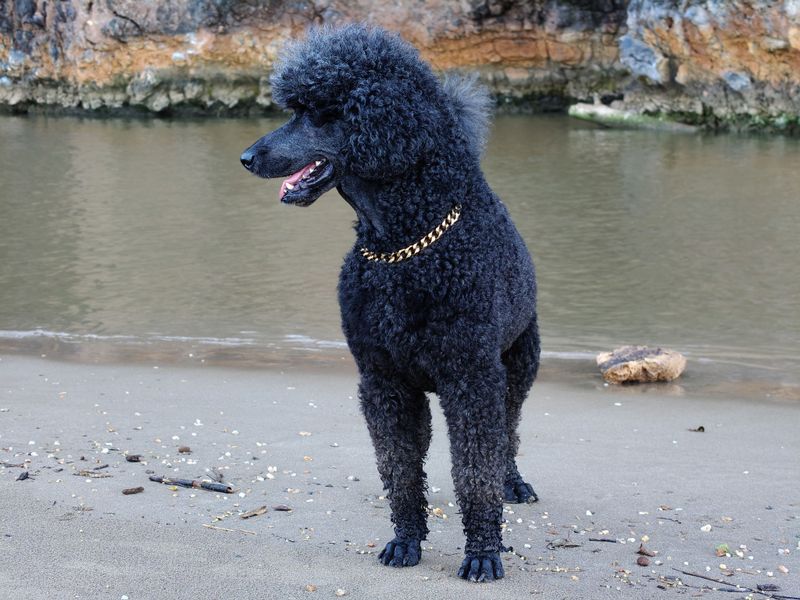
Forget the show ring fluff. Poodle comes from a German word meaning to splash, and the breed’s job was retrieving ducks from marshes.
Those famous pom-poms once protected joints in cold water.
Standards are ridiculously smart, often mastering commands faster than their owners can invent them.
Low shedding, but regular grooming is essential. Depending on coat length and lifestyle, a Standard Poodle may need bathing and trimming roughly every four to eight weeks, with extra coat care after sandy or saltwater outings.
12. Newfoundland
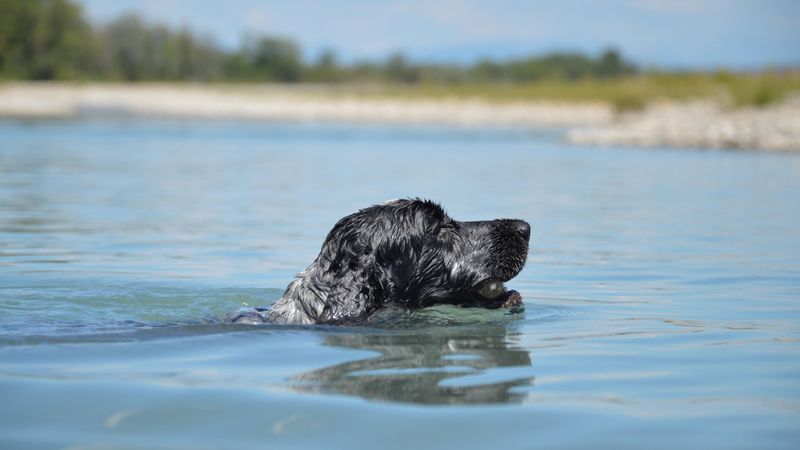
With a heart as wide as its paws, the Newf is the Bay’s furry lifeguard. Webbed feet and a water-resistant double coat power a breaststroke-style swim.
Historically these giants hauled fishing nets and pulled people from surf.
Sweet-tempered and calm indoors, they still drool, shed, and need cool spaces during humid Maryland Augusts.
Budget for big food bills and even bigger towels.
13. English Springer Spaniel
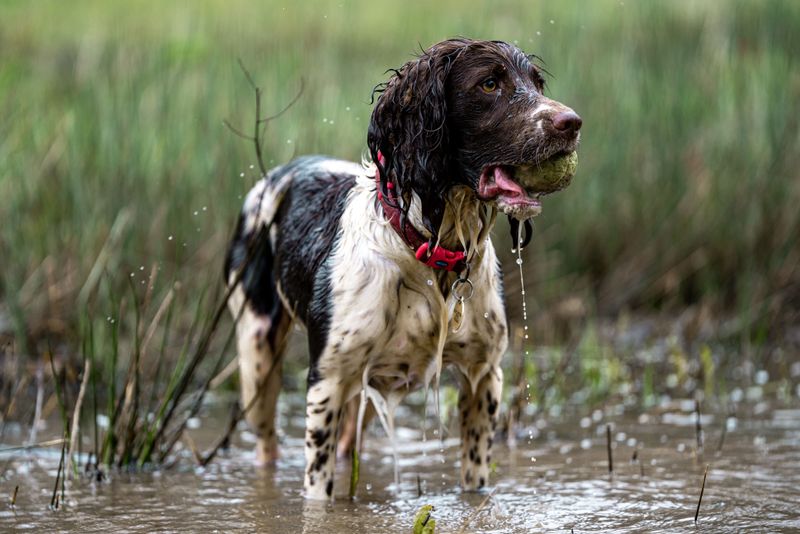
Boundless springs, hence the name. These liver-and-white bundles flush birds from thick cover and cheerfully crash into any creek along the way.
Medium size makes them easy travel partners for Eastern Shore day trips.
Springers crave company and dislike long stretches alone. Include yours in the plans.
Trim the feathering around paws before marsh walks, otherwise burrs turn into a grooming project.
14. English Setter
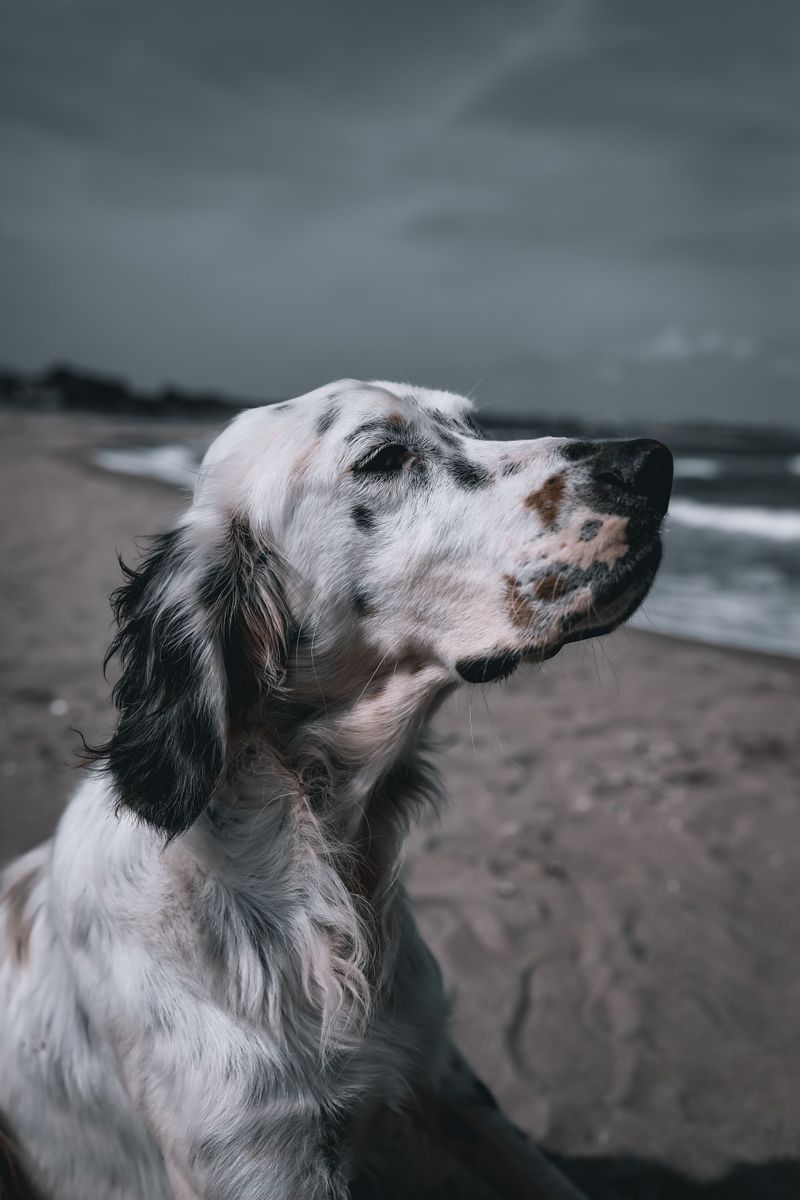
Speckled like a robin’s egg and graceful as a sailboat, the English Setter brings elegance to the shoreline.
Bred for hunting upland birds, many happily wade and swim when invited, especially in warm shallows.
The temperament earned the nickname gentleman of the dog world: mellow at home, tireless outdoors.
Daily exercise matters. Long beach walks at low tide suit this breed beautifully.
15. American Cocker Spaniel
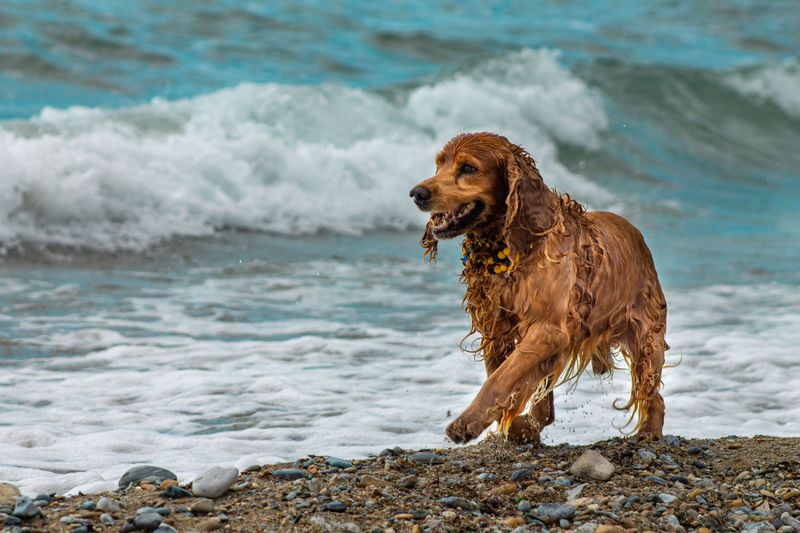
Small package, sporting soul. Cockers descend from bird dogs and plenty still paddle enthusiastically in calm shallows.
Their size can suit condos near the harbor, but they still benefit from daily exercise and mental stimulation, including walks, play sessions, and fetch.
Those glorious ears trap moisture, so dry them thoroughly after every dip.
Cheerful and sensitive, Cockers respond best to gentle guidance. A quick post-swim rinse keeps that silky coat looking waterfront-ready.