Buying A Dog In Georgia? Seller Records Matter More Than A Convenient Meeting Spot
Bringing home a dog in Georgia should feel exciting, and a little preparation can make the experience much smoother. Before choosing a convenient meeting spot, take time to learn who the seller is and review the dog’s records.
Clear paperwork helps you understand your new companion’s background, health, and care needs before money changes hands. Think of these checks as a friendly roadmap toward a confident purchase and a well-planned welcome home.
1. Check the Seller’s Identity Before Arranging a Meeting
A friendly message is a good start, but it does not establish who owns the dog. Ask for the seller’s full name, phone number, and business name, if applicable.
Compare those details with the advertisement and purchase paperwork.
For a business, look for consistent public contact information. Avoid collecting unnecessary personal information or sharing your own sensitive documents.
If names keep changing, pause until the seller provides a clear explanation you can independently check.
2. Ask Where the Dog Was Born and Raised
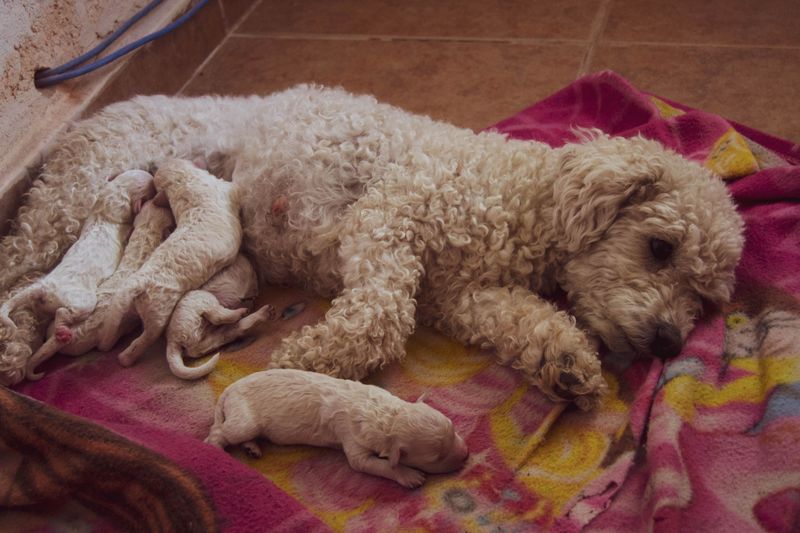
Your future dog’s story begins well before the pickup day. Request the birthplace, current living location, and details about any moves between homes or businesses.
A clear timeline helps explain who handled feeding, social contact, and medical care.
Ask whether the seller can show the living area through a visit or live video. Privacy concerns may be reasonable, but repeated contradictions deserve attention.
Record the answers so you can compare them with the paperwork later.
3. Request Veterinary Records Before Paying
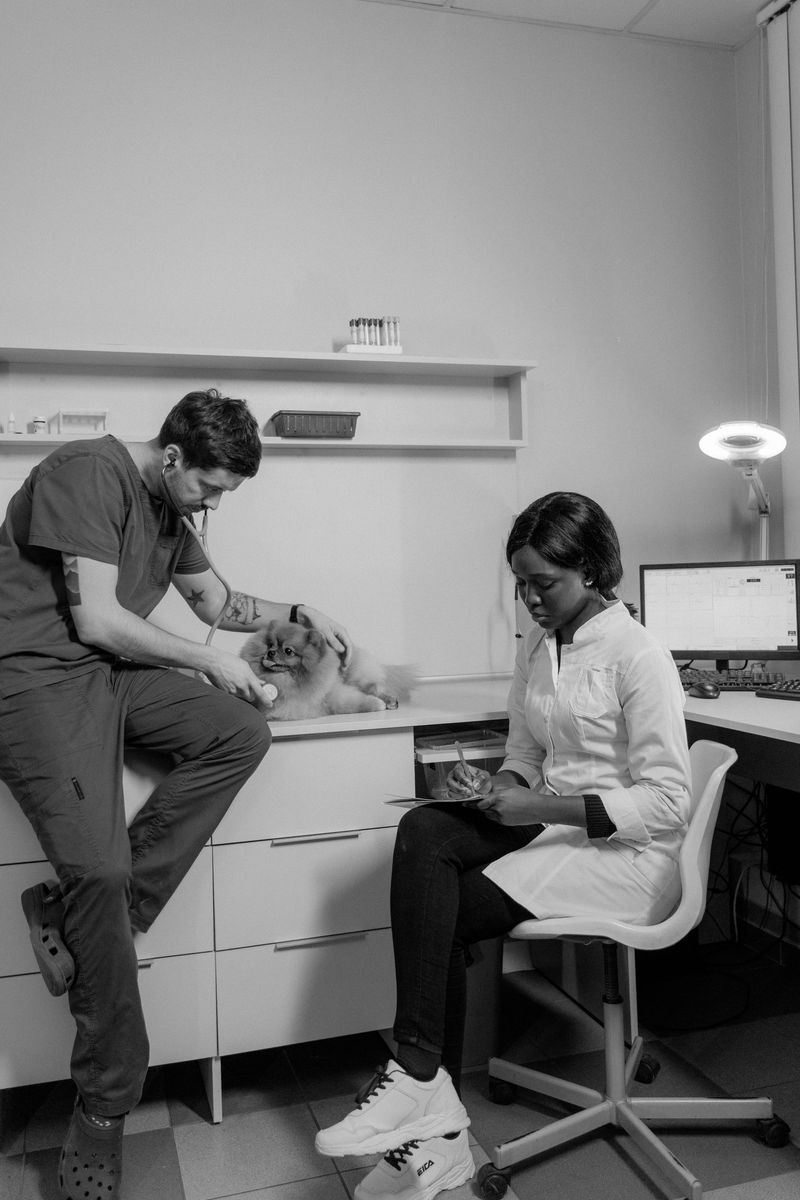
Paperwork is easier to review before excitement takes over at pickup. Request copies of examination notes, vaccination records, parasite treatments, and any test results.
Look for dates, clinic information, and details identifying the dog.
A seller’s homemade care chart can help, but it does not replace records of veterinary services. Arrange time to read everything before paying.
Missing documents do not automatically prove wrongdoing, yet unresolved gaps are a reasonable reason to delay your purchase.
4. Verify Vaccination and Health Claims
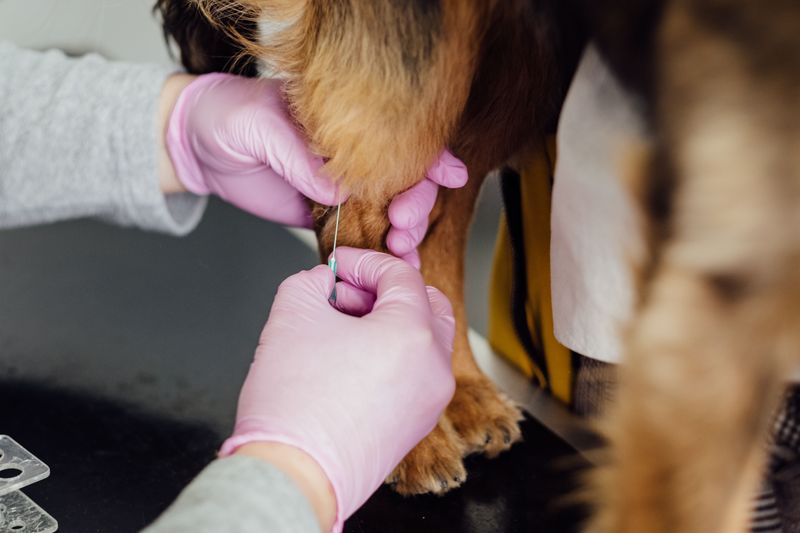
Labels such as fully vaccinated can mean different things to different sellers. Ask which vaccines were given, on what dates, and who administered them.
Your veterinarian can determine what protection and follow-up care are still needed.
Puppies usually receive vaccines in a series, rather than one visit covering everything. Georgia rabies requirements also deserve attention, with local enforcement details worth confirming.
Treat broad health promises as claims to verify, not substitutes for a veterinary examination.
5. Find Out Whether the Seller Bred the Dog

The person handing you a puppy may not be its breeder. Ask whether the seller raised the litter, purchased the dog, or represents another business.
Each arrangement creates different questions about ownership and the dog’s history.
If another breeder is involved, request that breeder’s contact information and supporting records. Learn who can answer questions after the sale.
A straightforward seller should explain their role clearly, without making you piece together basic facts from scattered messages.
6. Review Georgia’s Dog Sale Requirements
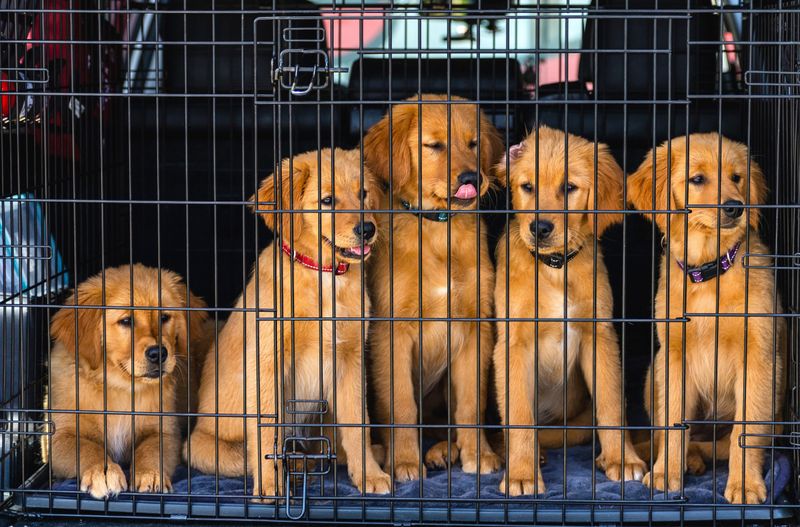
Rules matter more than a seller’s confident explanation of them. Start with the Georgia Department of Agriculture’s Animal Protection program for current licensing and animal care guidance.
Requirements can depend on the seller’s activities and circumstances.
Georgia law generally prohibits transferring a dog for commercial purposes in public places such as parking lots, sidewalks, parks, and similar outdoor locations, subject to specific exceptions. Confirm that the proposed meeting location complies with state law and any applicable local requirements before arranging the transfer.
Do not assume every private sale follows identical requirements, or that a convenient public meeting automatically makes the transaction compliant.
7. Ask for the Puppy’s Date of Birth

A tiny puppy’s size cannot reliably tell you its age. Get the actual birth date in writing, then compare it with vaccination dates and litter records.
Ask how the seller knows the date if the puppy came from elsewhere.
Age affects feeding, development, and medical planning. Confirm any applicable minimum transfer age with Georgia authorities rather than accepting guesses.
Your veterinarian can assess development, but an examination cannot always establish an exact birthday for your records.
8. Check Whether the Seller Needs a License

A business name alone does not show whether required licensing is current. Ask for the seller’s license information when their activities require one.
Verify it through the Georgia Department of Agriculture, rather than trusting a screenshot alone.
Some sellers may qualify for exemptions, so avoid assuming everyone needs the same license. Describe the seller’s activities when asking officials for guidance.
A license supports accountability, but it does not guarantee a particular dog’s health or suitability.
9. Request Written Purchase Terms
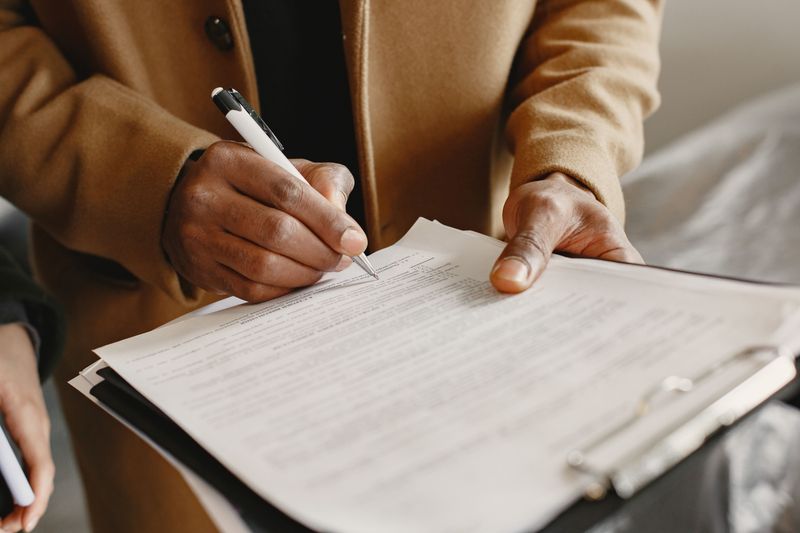
Clear terms prevent friendly promises from becoming confusing memories. The agreement should identify the seller, buyer, dog, price, and transfer date.
Include any deposit conditions, health disclosures, and promised documents.
Read return policies and health guarantees carefully, including deadlines and required veterinary visits. Ask for unclear wording to be explained and corrected before signing.
Keep a completed copy with both parties’ agreement recorded. Written terms document promises, but they do not automatically make every promise legally enforceable.
10. Be Careful With Convenient Meeting Spots
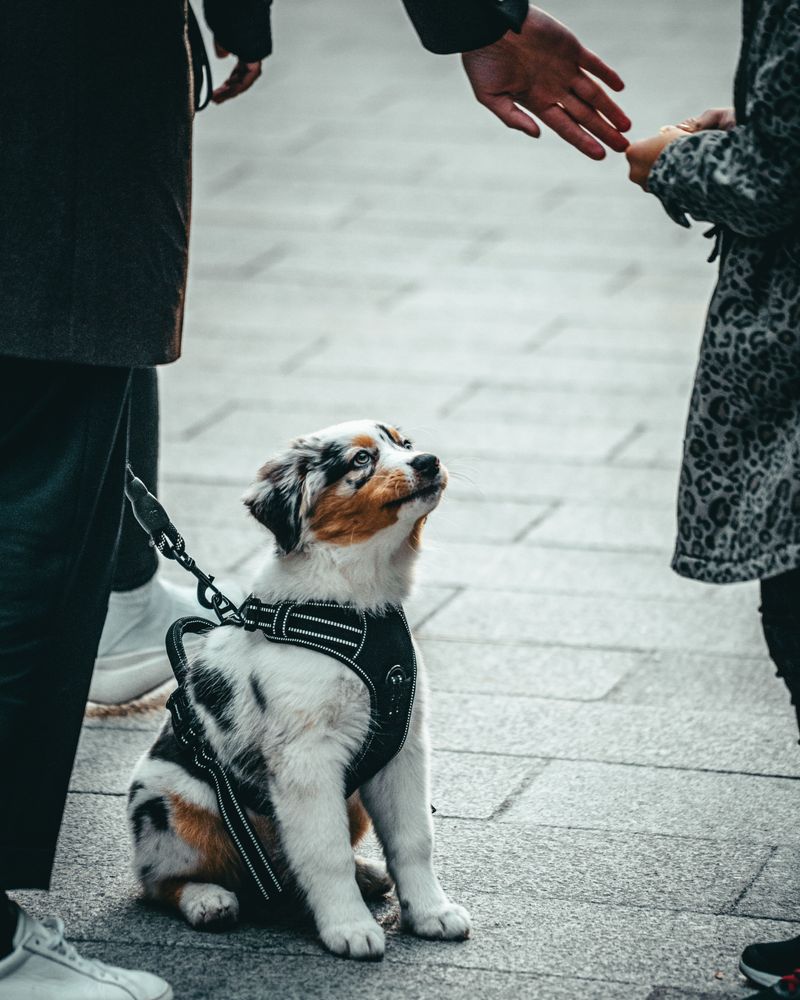
A convenient meeting spot may save driving time while leaving important questions unanswered. Meeting away from the dog’s home limits what you can observe about its care.
Georgia law generally prohibits commercial transfers of dogs in parking lots and certain other public or outdoor locations, subject to specific exceptions.
Verify that the proposed location is legally permitted before arranging the transfer. Request records and verify the seller before agreeing to travel.
A public location is not proof of a bad sale, nor proof of a safe one. Check local rules governing animal sales at that location.
Bring another adult, keep the puppy secure, and leave if promised information is still missing.
11. Ask to Meet the Puppy’s Mother

Seeing the mother can add useful context when buying directly from a breeder. Observe her comfort, general condition, and interactions without crowding her or the litter.
Ask about her veterinary care and relevant health testing.
Her behavior during one visit does not predict every puppy’s future personality. If she is unavailable, ask why and request supporting information.
Resellers may not have her present. Avoid treating photographs alone as proof that the pictured dog is actually the mother.
12. Match the Records to the Dog
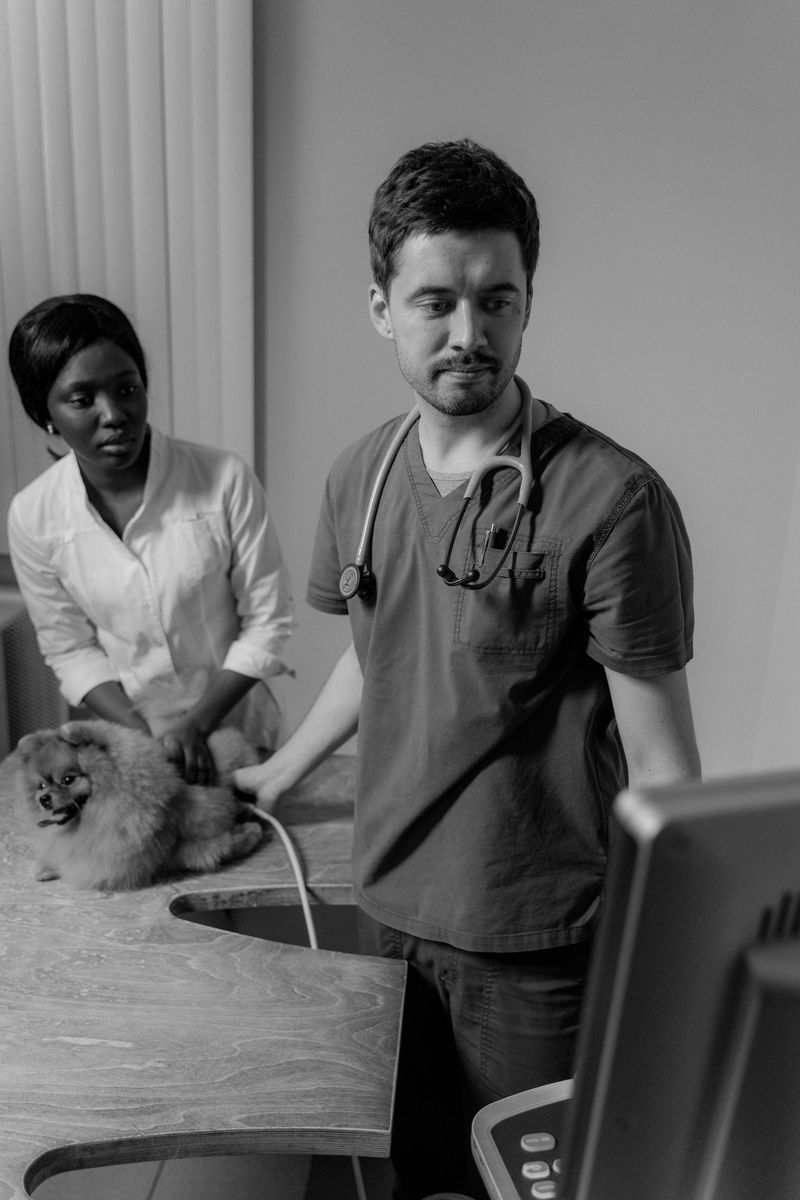
Even genuine paperwork is unhelpful when it belongs to a different animal. Compare the dog’s sex, birth date, coloring, and identifying marks with every document.
Check the microchip number if a chip is listed.
A veterinarian can scan the dog and help confirm that number. Ask the seller to resolve mismatches before payment, rather than promising corrections later.
Registration papers may identify ancestry, but they do not replace medical records or establish current health by themselves.
13. Verify the Veterinarian Listed on the Paperwork
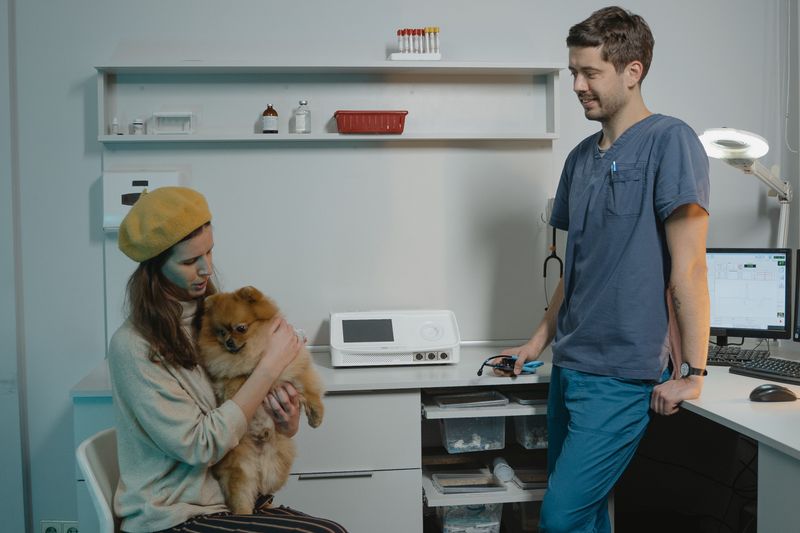
A quick phone call can clarify a confusing medical document. Find the clinic’s contact information independently, then ask about the records provided.
Do not rely only on the phone number printed by the seller.
Clinic staff may need the owner’s permission before sharing information. Ask the seller to authorize confirmation or arrange a direct records transfer.
Respect privacy limits and allow reasonable processing time. If the clinic cannot confirm the documents, resolve that uncertainty before buying.
14. Look for Signs of a High-Pressure Sale
Excitement should not come with a countdown clock. Claims that you must pay immediately can distract you from missing records.
Notice whether the seller answers questions directly or keeps steering the conversation toward payment.
Other buyers may genuinely be interested, but that does not remove your need for basic checks. Set your own pace and explain what information you require.
A suitable purchase can withstand careful questions. Walking away calmly is better than accepting details you cannot verify.
15. Avoid Paying a Deposit Before Basic Checks
Sending money can make a tentative choice feel final too soon. Confirm the seller’s identity, the dog’s existence, and available health records first.
A live video call can help, although it cannot replace other verification.
Get deposit terms in writing, including refund conditions and the puppy being reserved. Understand your payment method’s dispute rules before using it.
Avoid assuming every electronic payment offers buyer protection. Keep the receipt and pause if payment instructions suddenly change.
16. Ask About the Puppy’s Daily Care
Small routines can make the first week at home much easier. Ask what food the puppy eats, how often it eats, and where it sleeps.
Learn about toilet habits, gentle handling, and contact with people or other animals.
Request a written feeding schedule and details of recent parasite treatments. Discuss food changes with your veterinarian rather than switching suddenly.
Specific answers help you prepare supplies and spot inconsistencies between the seller’s account and the dog’s records.
17. Get Records for Any Known Health Conditions
An existing health concern does not always rule out a good match. What matters is understanding the diagnosis, treatment, likely follow-up, and possible costs.
Request examination notes and test results rather than relying on a casual explanation.
Have your veterinarian review the information before you commit when possible. Ask whether symptoms remain and whether medication or repeat testing is needed.
Include disclosed conditions in the agreement. Honest records help you decide whether your household can meet the dog’s needs.
18. Keep Copies of Every Transaction Document
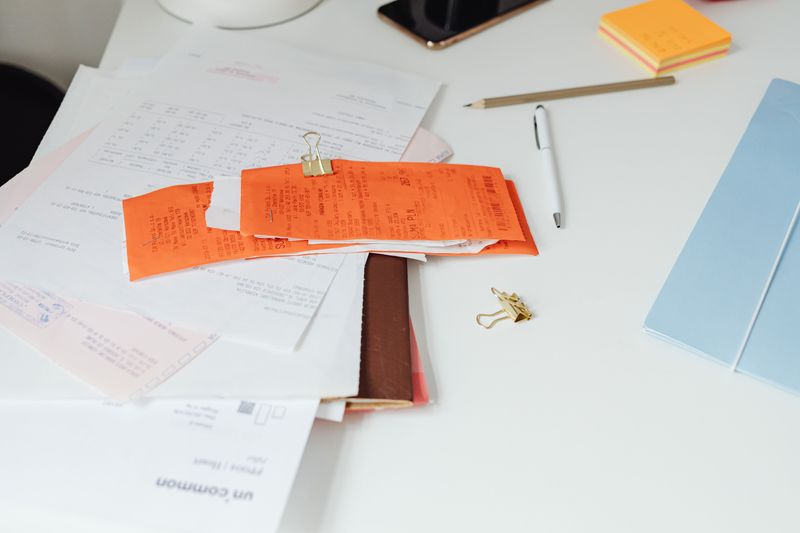
Your paperwork folder becomes useful long after the ride home. Save the advertisement, seller messages, purchase agreement, payment receipts, and medical records.
Include any written promises about documents arriving later.
Store digital copies somewhere secure, with a backup separate from your phone. Keep original records when available and note the transfer date.
Organized documents support future veterinary care and help clarify disagreements. If concerns arise, contact the appropriate agency or seek legal advice based on the specific issue.
19. Arrange an Independent Veterinary Visit After Purchase
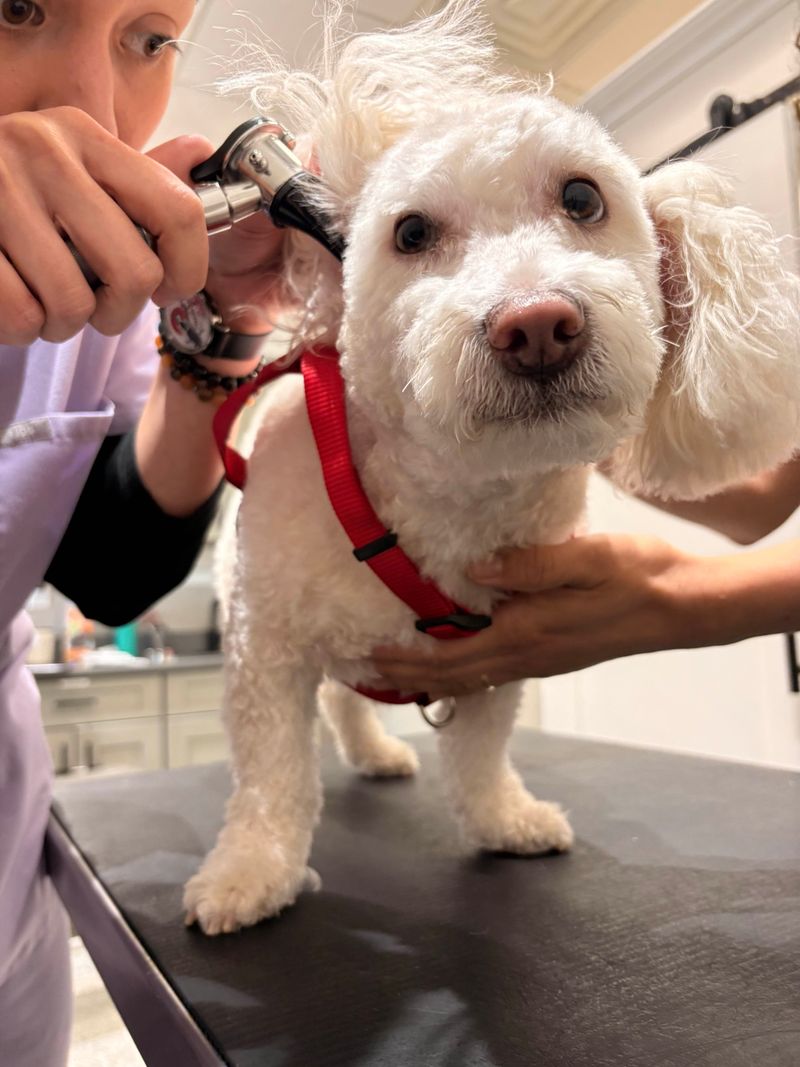
The best next step is a fresh check with your own veterinarian. Book promptly, following any purchase agreement deadlines, and bring every available record.
Discuss vaccines, parasite prevention, feeding, microchip registration, and safe contact with other dogs.
Contact the clinic sooner if your puppy seems unwell or behaves unusually. An independent examination establishes a useful starting point for care.
Choose clear records over convenience, and bring home your dog with questions answered and a practical plan ready.