How Hurricane And Flooding Risks Change Dog Planning In Coastal Virginia
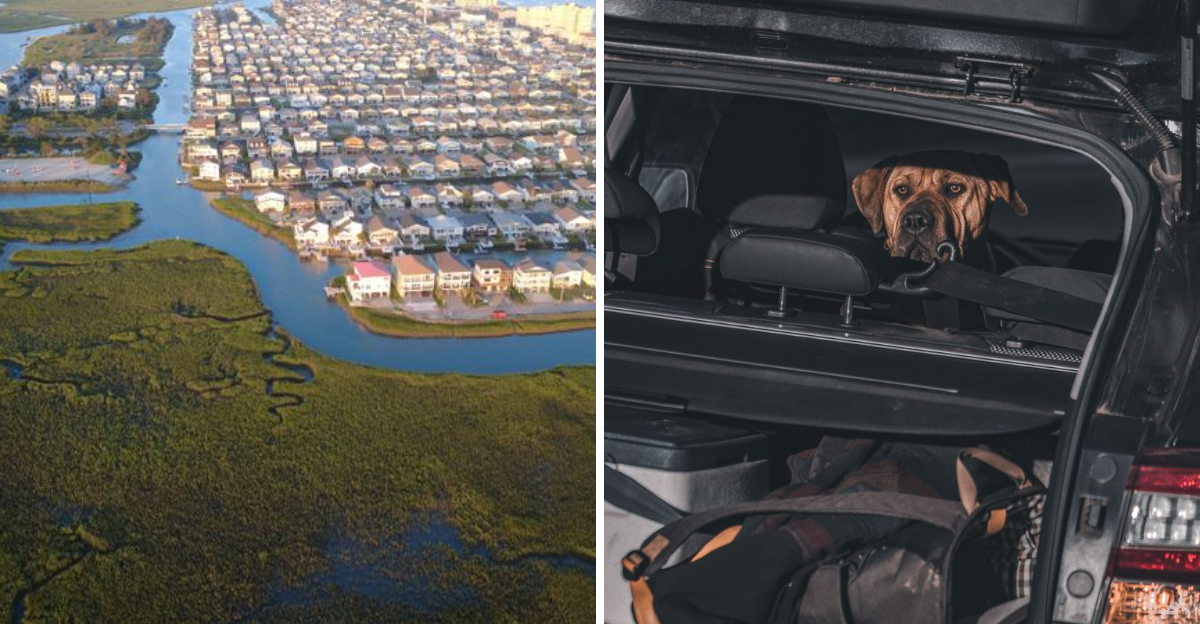
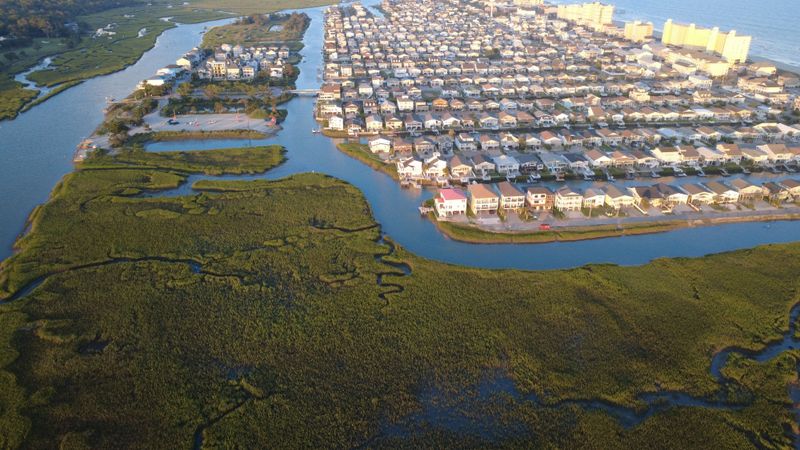
If you live near the water in Hampton Roads, you already know storm season shapes summer plans. Your dog depends on choices you make before the wind picks up.
A little preparation goes a long way, and none of it is complicated. Consider this a friendly walkthrough from a neighbor who has packed the car more than once, with everything a coastal Virginia owner should have sorted before the next watch appears.
Check Your Evacuation Zone Before Storm Season
Virginia runs a program called Know Your Zone, and it takes about a minute to use.
Type your address into the state emergency management site. You will see a letter, usually A through D, for your evacuation zone.
Officials call zones by letter when a storm approaches.
Write yours on the fridge, then share it with your dog sitter. Knowing early means fewer frantic decisions later, and calmer travel for your dog.
Keep a Dog Evacuation Bag Ready
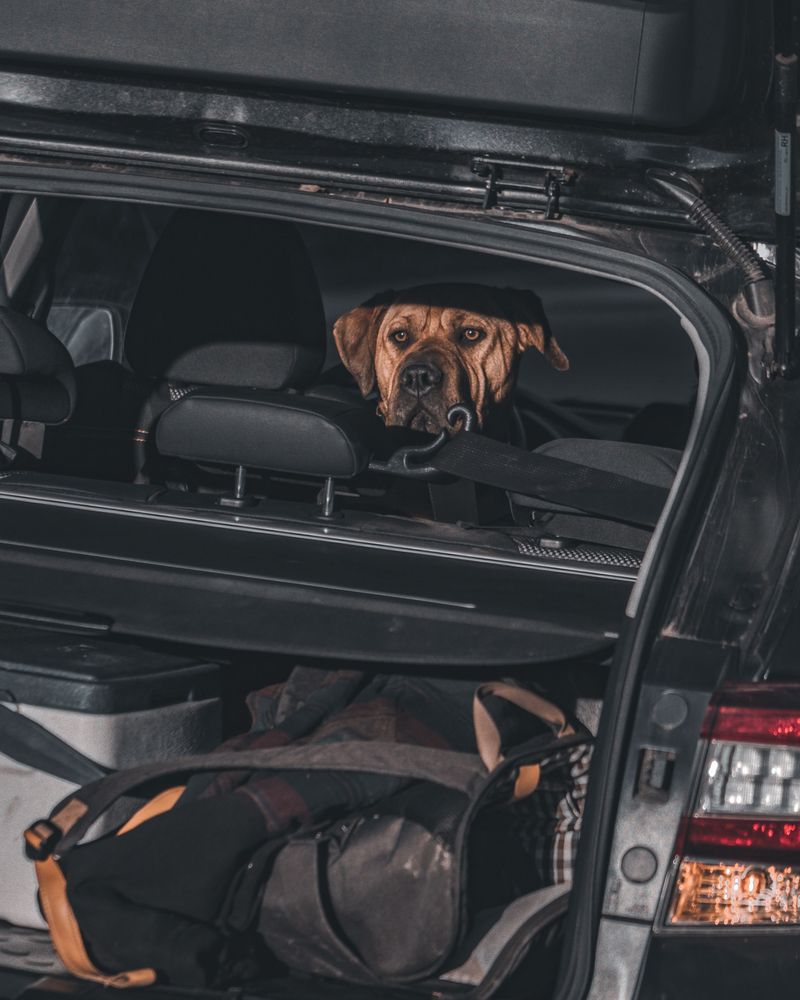
A packed bag turns a stressful morning into a simple grab and go.
Include at least three days of food, water, bowls, medications, a spare leash, and waste bags. Add a familiar blanket or toy, since familiar items can help dogs adjust to unfamiliar surroundings.
Copies of vaccine records belong inside too. Check the bag each spring, swap out old food, and refill anything you borrowed.
Store it near the door with your car keys.
Plan for Flooded Roads and Closed Bridges
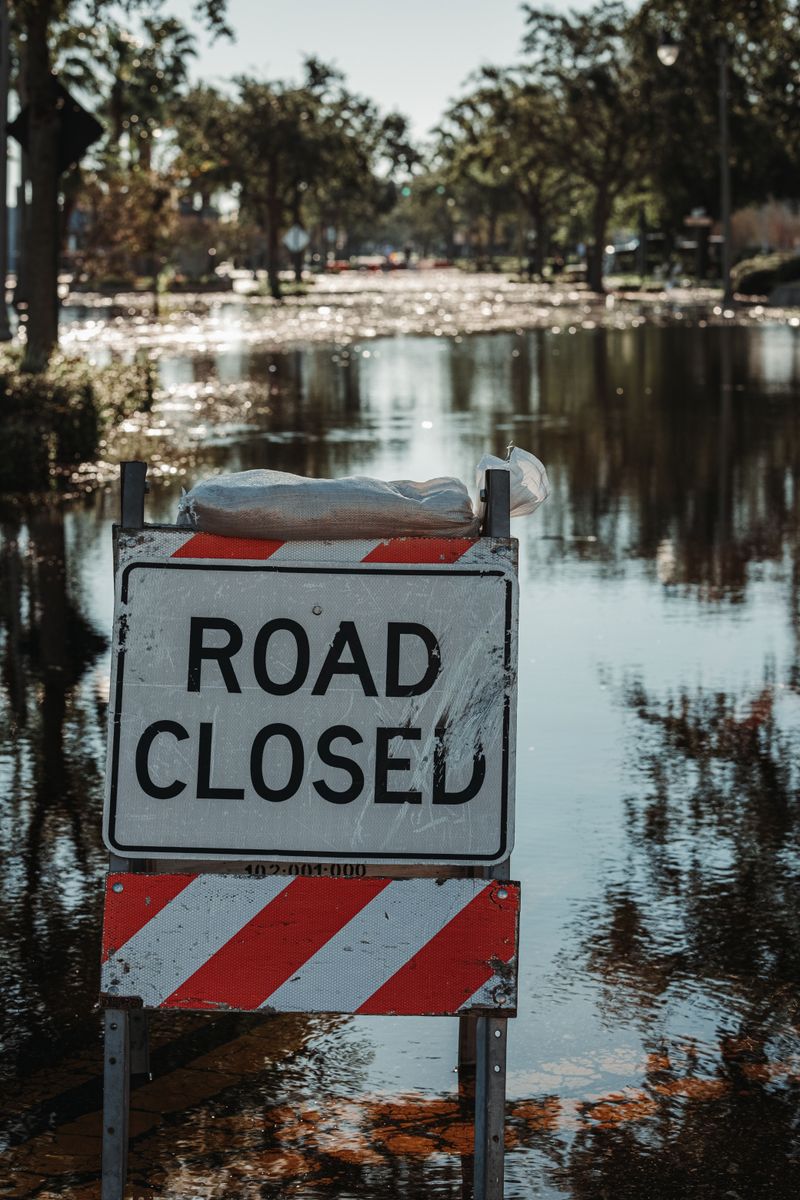
Water closes local roads long before the storm’s center arrives.
Tunnels and high bridges around Hampton Roads can restrict traffic when winds climb. Low streets near tidal creeks flood on ordinary king tides, so heavy rain fills them first.
Map two routes inland, and drive one on a calm weekend. Keep the tank above half.
Traffic crawls when whole neighborhoods leave. A crated dog rides safer through stop and start driving.
Identify Pet-Friendly Evacuation Options
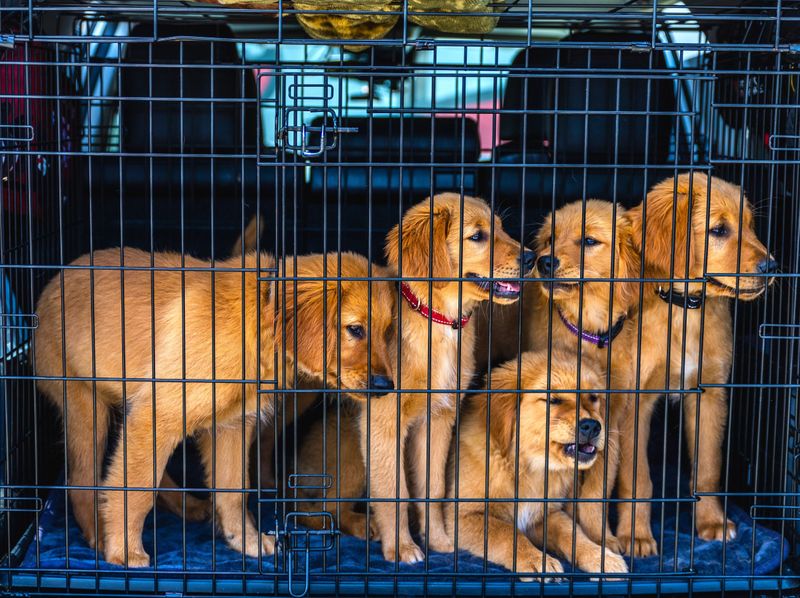
Not every shelter accepts animals, so line up choices ahead of the season.
Some Virginia localities open pet friendly shelters, though rules differ by city and county. Confirm details with your local emergency management office before storm season.
Build a short list: inland friends, family, hotels that allow dogs, and boarding kennels away from the coast. Call 211 for current information during an event.
Ask what vaccination proof each place requires.
Make Sure Your Dog Has Reliable Identification
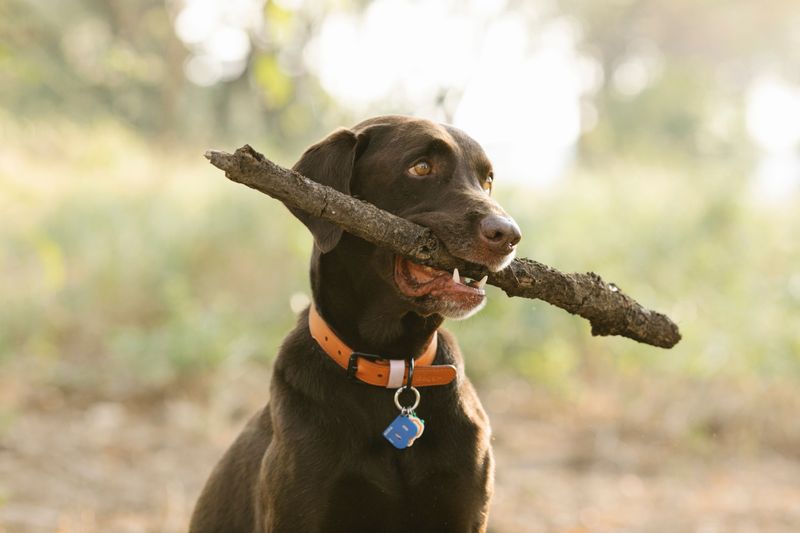
Collars slip and gates blow open, which is why layered identification matters.
A flat collar with a legible tag is your first layer. A registered microchip is the second, and it only works if your phone number is current.
Update the chip registry after any move, especially if your contact information changes. Virginia law requires dogs age four months and older to be licensed, with licensing administered through the locality.
Waterproof tags hold up better in wet weather.
Prepare for Sudden Evacuation Orders
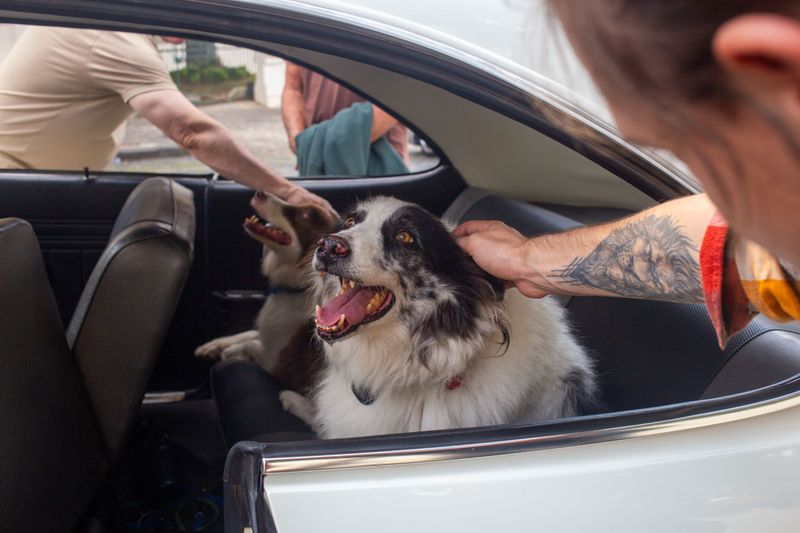
Orders sometimes arrive with only hours of daylight left.
Sign up for your locality’s emergency alerts, and turn on wireless alerts on your phone. Keep the carrier or crate accessible instead of buried in a closet.
Practice loading your dog into the car quickly and calmly. Leash on, bag in hand, and out the door in ten minutes is a realistic goal.
Rushed dogs read your tone, so speak evenly.
Keep Paws Out of Floodwater, Still or Moving
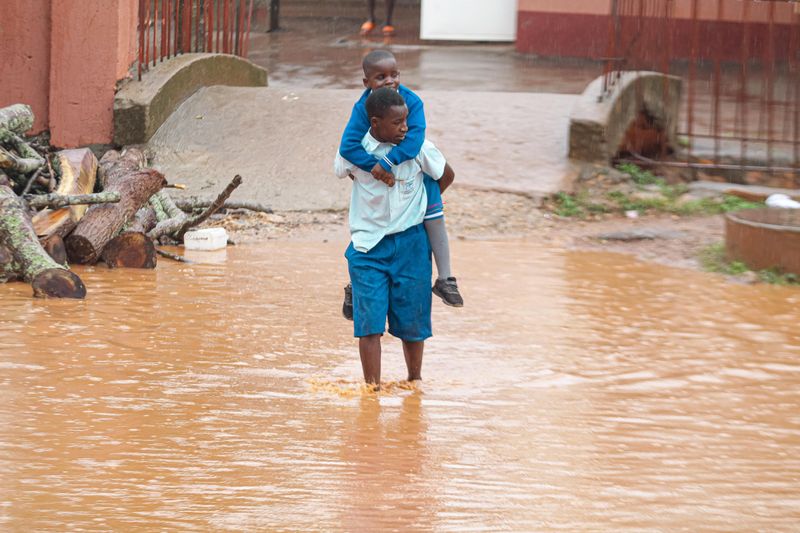
Floodwater looks like a puddle, but it rarely behaves like one.
Tidal flooding can carry sewage overflow, fuel, fertilizer, and sharp hidden objects. Even shallow moving water pushes hard, and open storm drains disappear under the surface.
Choose higher ground for bathroom breaks, and use a short leash near curbs. If paws get wet, rinse with clean water and dry between the toes.
Call your vet if irritation appears.
Account for Power Outages at Home
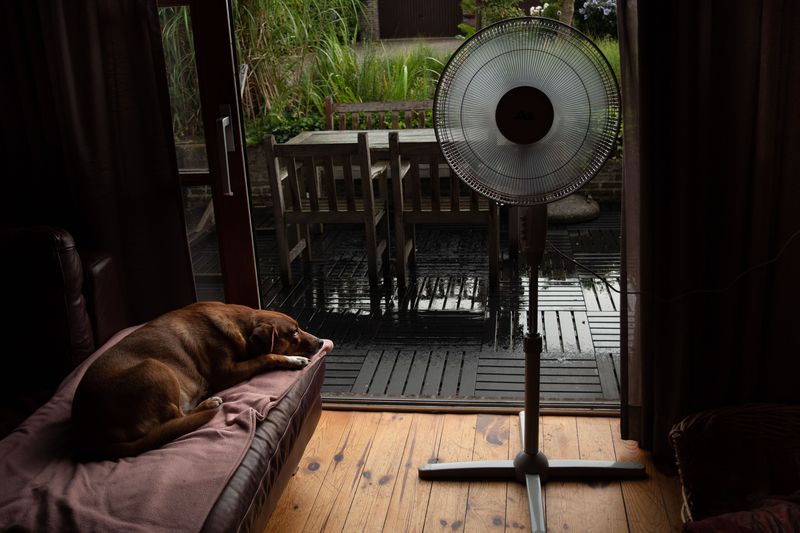
Outages in Tidewater can stretch past a day after a strong storm.
No power means no air conditioning, and summer humidity builds fast indoors. Set up a cool interior room, use battery fans, and offer chilled water often.
Watch for heavy panting, drooling, or wobbly walking, and move your dog somewhere cooler right away. Keep flashlights instead of candles.
Store kibble in sealed tubs so it stays dry.
Store Extra Drinking Water for Your Dog
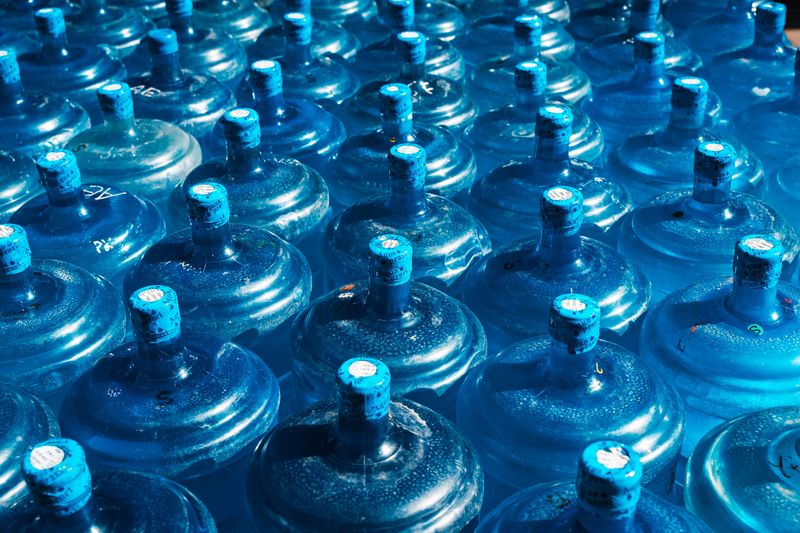
Water service can be interrupted, and boil advisories sometimes follow heavy flooding.
Plan roughly one ounce per pound of body weight each day, then store a little extra. A fifty pound dog needs roughly fifty ounces daily.
Rotate jugs every few months so they stay fresh. Never let your dog drink from puddles or standing yard water.
Bring a travel bottle for the car. Fill the tub if you use a well.
Keep Dogs Away From Storm Debris
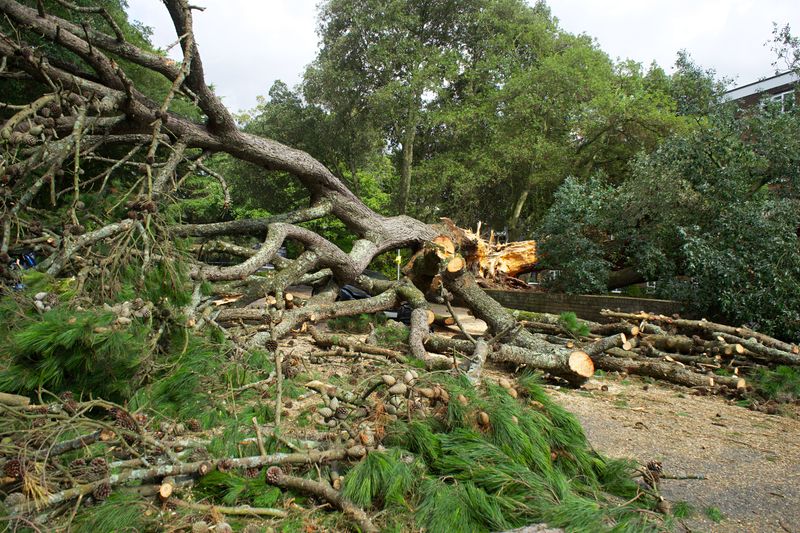
After the wind stops, yards fill with things dogs love to investigate.
Broken fence boards, nails, roofing shingles, and downed limbs create paw hazards. Marsh grass and washed up trash can hide fishhooks or glass.
Walk the yard yourself before letting your dog out, and check fence gaps that could allow an escape. Stay well clear of downed lines and report them.
A quick paw check helps too.
Expect Mosquitoes and Other Pests After Flooding
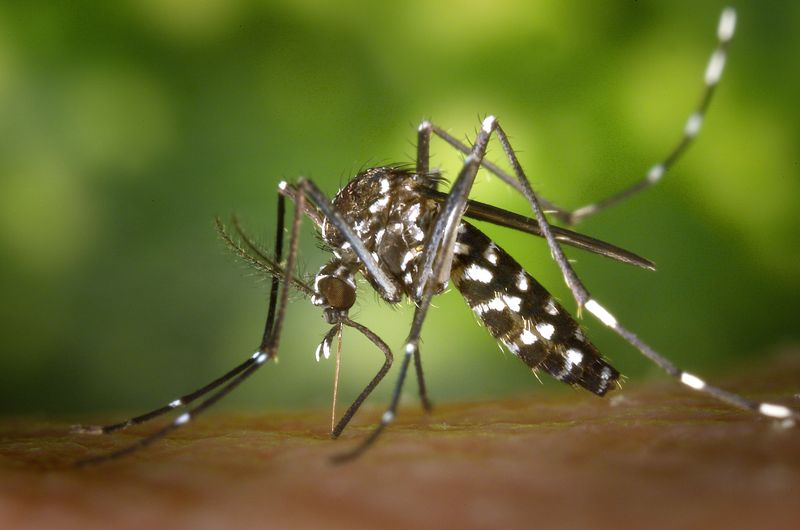
Standing water in Virginia’s coastal plain becomes a mosquito nursery within days.
Mosquitoes spread heartworm, so keep monthly prevention on schedule even during a busy recovery week. Fleas and ticks also surge when debris piles sit in warm, damp yards.
Ask your veterinarian which products suit your dog, and never use cat or human repellents. Dump water from buckets, tarps, and saucers.
Local mosquito control programs can advise on neighborhood spraying.
Use a Secure Leash During Post-Storm Walks
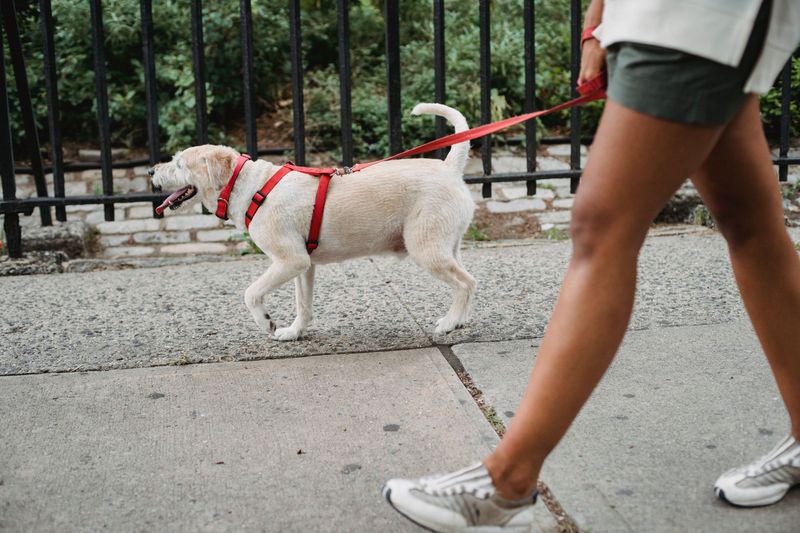
Familiar streets smell entirely different once floodwater recedes.
Scent markers wash away, sirens sound, and generators hum, so even steady dogs get jumpy. A six foot leash gives you control that a retractable one cannot.
Consider a well fitted harness, since a startled dog can back out of a collar. Skip off leash time until fences are repaired.
Virginia localities enforce leash and running at large rules, so check yours.
Keep Important Veterinary Information Handy
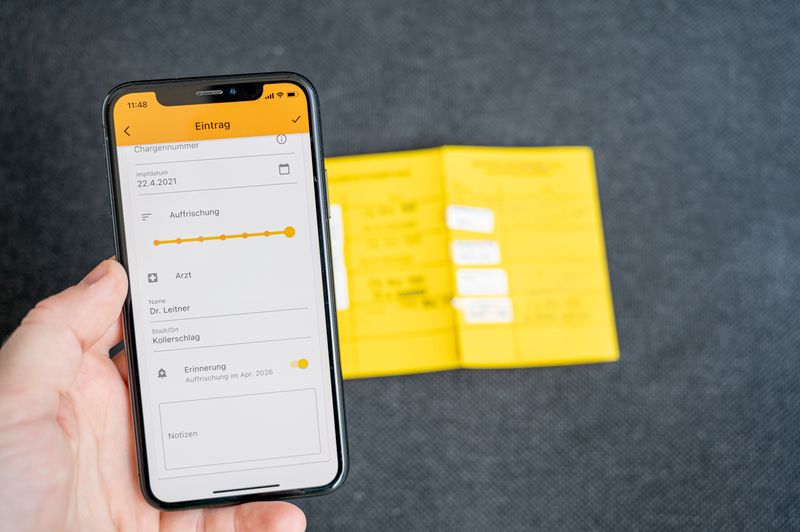
Phone batteries fade, and websites go offline when towers lose power.
Print one page with your dog’s vaccination dates, medications, dosages, allergies, and microchip number. Add your regular clinic plus a 24 hour emergency hospital inland.
Slip the page into a zip bag inside the evacuation kit, and save a photo on your phone. Boarding facilities and shelters often ask for proof of rabies vaccination at check in.
Make a Plan for Dogs With Special Needs
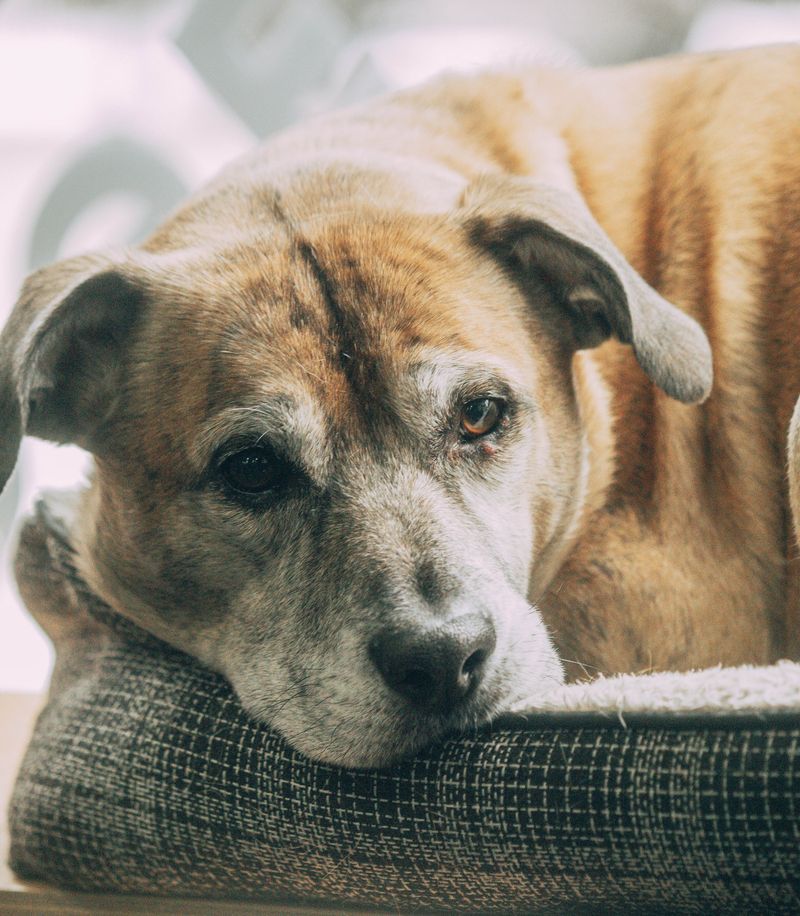
Senior dogs, puppies, and dogs on daily medication need a longer runway.
Ask your veterinarian about an extra prescription supply before hurricane season, since pharmacies may close. Insulin and similar medicines need cool storage, so plan a cooler with ice packs.
Dogs with limited sight or hearing do better with a crate they already know. Anxious dogs may benefit from calming strategies your vet suggests.
Carry a ramp if lifting is hard.
Do Not Return Home Too Quickly
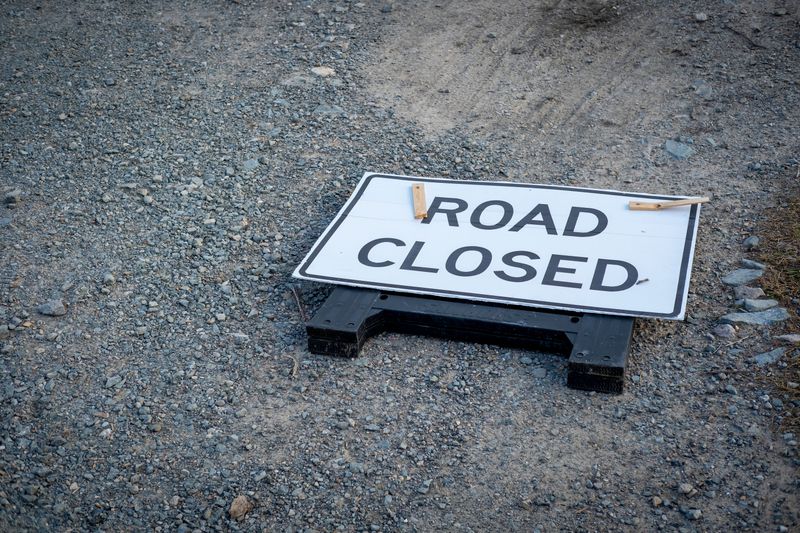
The urge to check on your house is strong, and understandable.
Roads may still hold water, and some areas stay restricted while crews work. Returning early can leave you stranded with a dog and limited supplies.
Wait for official word from your locality before driving back. When you do arrive, keep your dog leashed while you inspect rooms, wet carpet, and the yard.
Mold and damp insulation deserve caution too.
Expect Your Dog to Behave Differently After a Storm
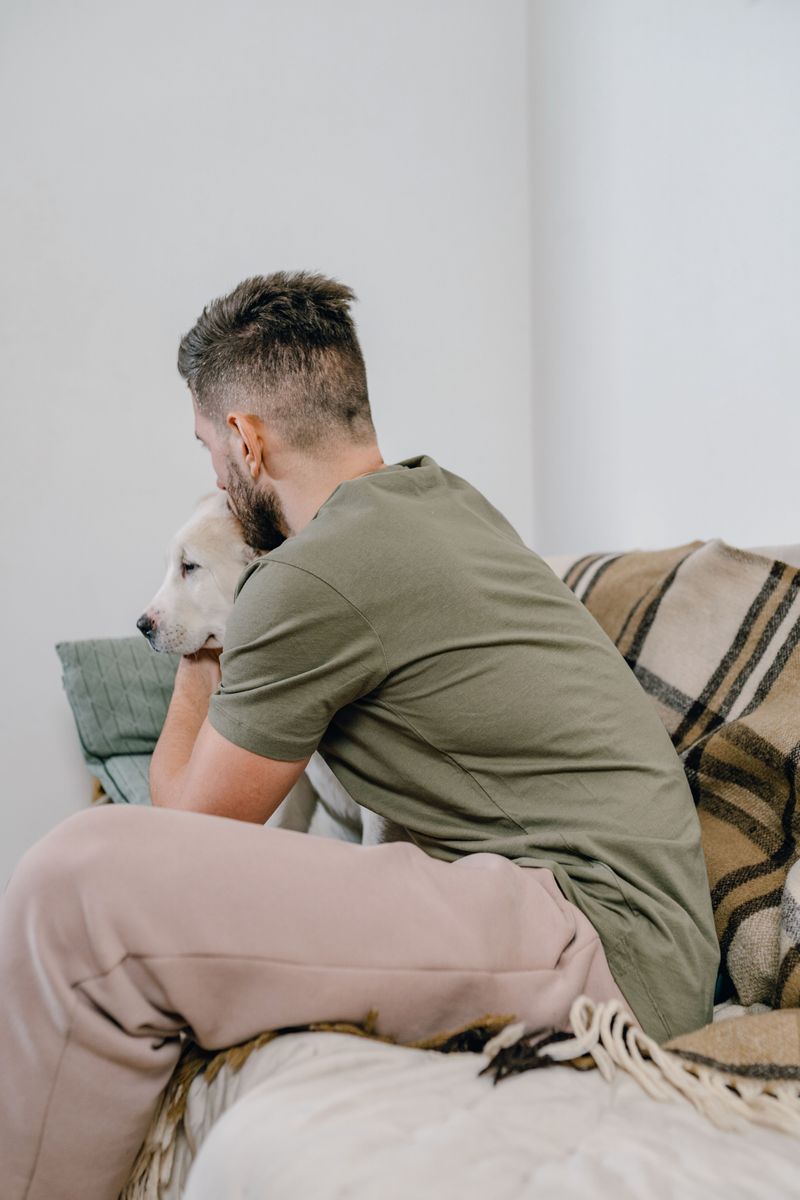
Plenty of owners notice a clingy shadow following them for days.
Loud wind, unfamiliar sounds, disrupted routines, and changes in their surroundings can affect a dog’s behavior. Some pace, some eat less, and some react to noises they normally ignore.
Rebuild normal habits gradually: similar walk times, feeding schedules, and bedtime routines can provide familiar structure. Offer a chew or puzzle toy if your dog finds those activities calming.
If significant behavior changes persist or your dog develops other concerning symptoms, contact your veterinarian.
Keep a Recent Photo of Your Dog
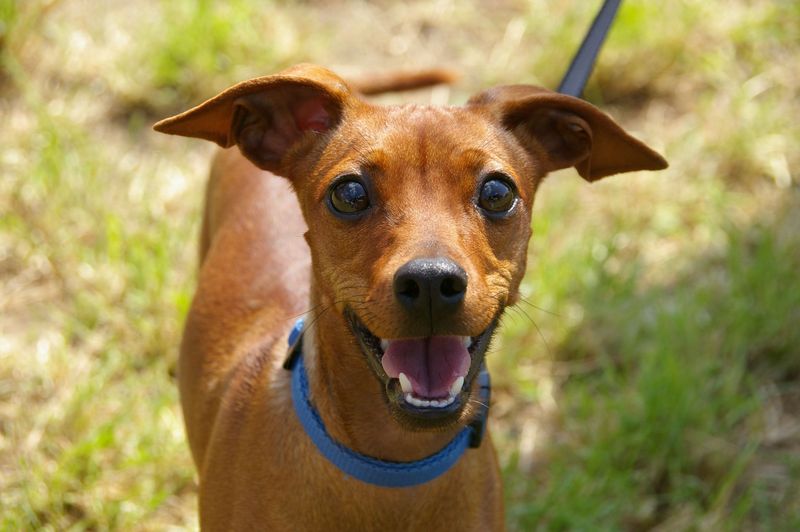
One clear picture does more work than any description during a search.
Photograph your dog from the side and the front, plus close ups of markings, scars, or a distinctive collar. Include a shot of you together, which helps prove ownership at a shelter.
Refresh the images every season. Print two copies for the kit, since phones can fail.
Post to local lost pet pages fast if needed.
Practice Your Hurricane Plan Before You Need It
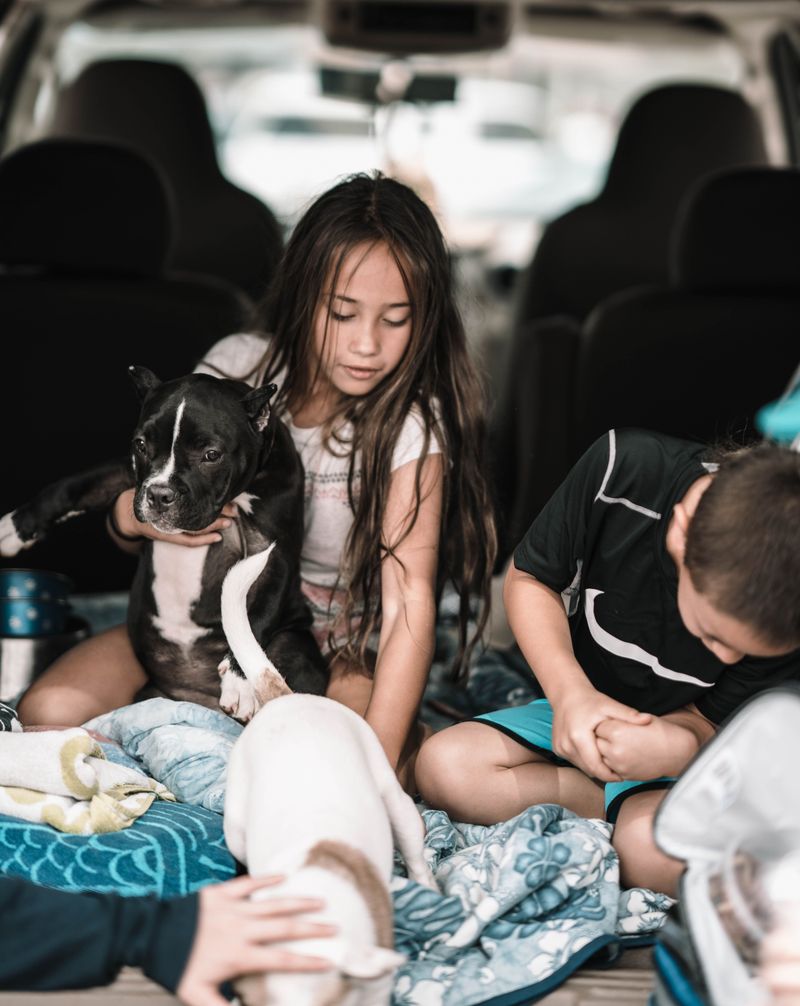
A plan on paper feels different once the car is loaded.
Run a drill on a quiet Saturday: pack the kit, crate the dog, and drive part of your route. You will spot gaps, like a crate that no longer fits.
Include everyone in the household, and give each person one job. Dogs learn the routine too.
Repeat once a year before June. Calm preparation now means a calmer dog later.