Why Tick Season Is A Bigger Concern For Virginia Dogs Than Many Owners Realize
If you share your life with a dog in Virginia, ticks are part of the local landscape. They show up in backyards, along walking paths, and in the tall grass near neighborhood trails.
Most owners know to check after a hike, yet the season here runs longer and wider than people expect. Here is a calm, practical look at what Virginia dog owners should understand, plus simple habits that keep your pup comfortable and protected.
Virginia’s Long Tick Season Starts Earlier Than Many Owners Expect
Many owners mark tick season on a mental calendar starting in May. Virginia does not follow that schedule.
Ticks can remain active during mild periods in Virginia, including parts of winter, although activity varies by species and local conditions. A mild February afternoon does not necessarily mean all ticks are active, but winter weather does not guarantee a tick-free period.
That means winter walks are not automatically safe.
Veterinarians across the state often see tick-related questions in late winter. Keeping prevention going through the cooler months closes that early gap before it opens.
Virginia’s Warm, Humid Conditions Help Ticks Thrive

Moisture is one factor that can support tick survival, and Virginia provides a range of suitable habitats. Leaf litter, shaded vegetation, and damp areas can provide favorable conditions for some tick species.
Leaf litter, shaded yards, and damp ground cover hold water long after rain. Those pockets become comfortable hiding spots.
Coastal areas, the Piedmont, and mountain counties each have their own patterns. Conditions vary, but the general rule holds statewide.
Damp shade plus mild temperatures equals more ticks near your dog’s favorite spots.
Dogs Can Pick Up Ticks in More Than Just Deep Woods
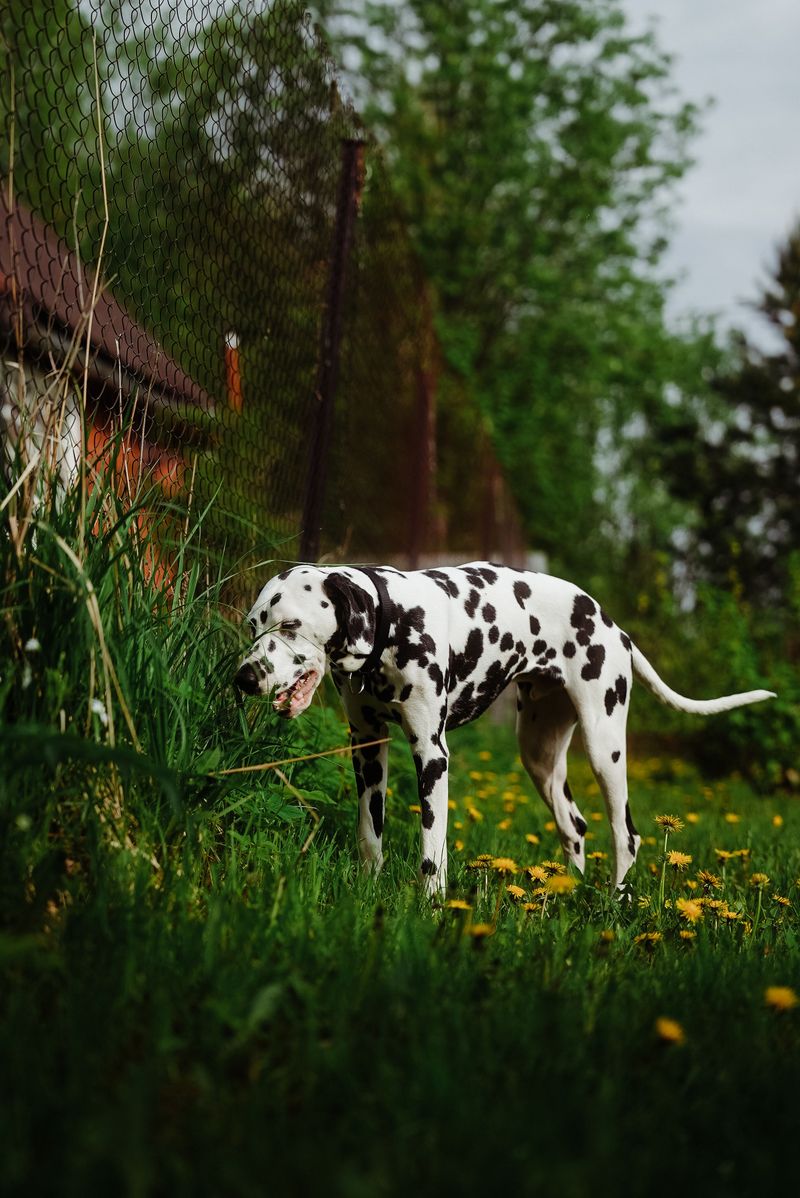
Picture a tick and you probably picture a forest. Reality is far more ordinary.
Ticks wait on grass blades, shrub tips, and mulch edges. Suburban lawns, sports fields, and park borders all qualify as habitat.
Your dog brushing past a hedge is enough contact. No hiking boots required.
Owners who never leave the neighborhood still find ticks. Treating your own yard edges as a possible source keeps expectations realistic and your checks consistent.
Deer Trails Can Bring Ticks Closer to Home
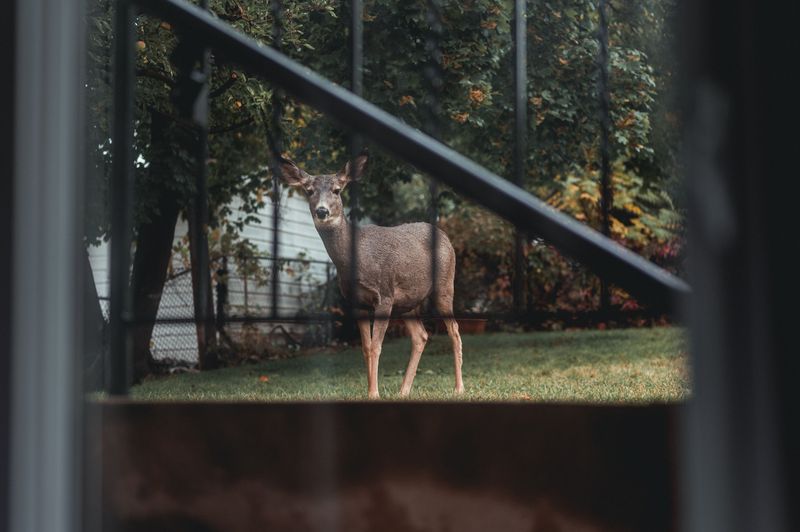
White-tailed deer wander through Virginia neighborhoods constantly. Where they travel, ticks tend to follow.
Deer carry adult ticks that drop off in yards, hedgerows, and garden beds. Those ticks then wait for the next passing animal.
Fencing helps somewhat, though determined deer find gaps.
Noticing regular deer paths near your property is useful information. Keep grass trimmed along those routes, and pay extra attention when your dog explores that side of the yard.
Virginia Dogs Face Several Tick Species
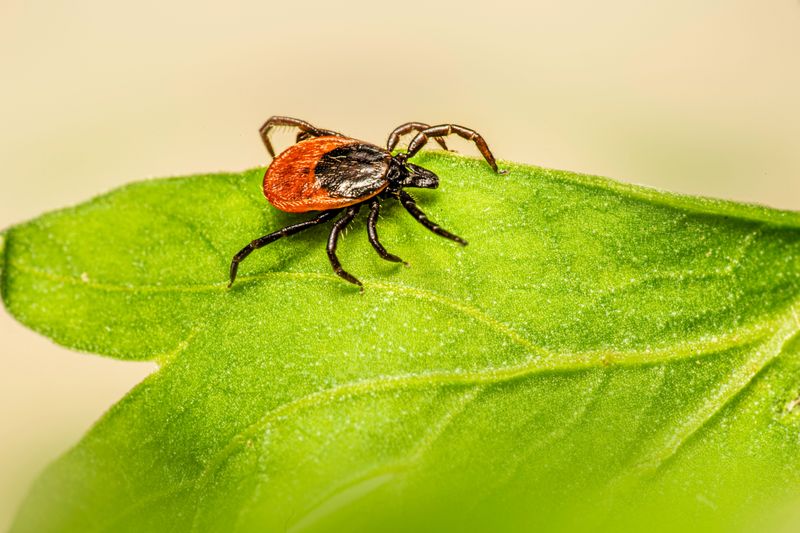
One tick is not the same as another. Virginia hosts several species with different habits.
Virginia is home to several tick species of importance to dogs, including blacklegged ticks, American dog ticks, lone star ticks, and brown dog ticks. Their habitats and periods of greatest activity vary by species.
That variety means risk does not disappear when one species slows down.
You do not need to identify every tick yourself. Save one in a sealed bag if you want your veterinarian to look.
Lyme Disease Is a Major Concern for Dogs
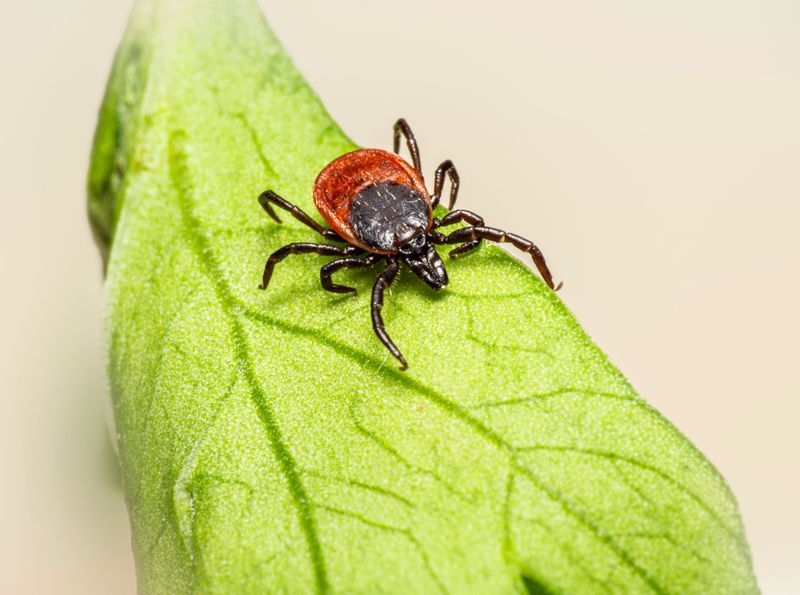
Lyme disease gets attention for good reason. Blacklegged ticks spread it, and Virginia has them.
Affected dogs may show limping that shifts between legs, low energy, or reduced appetite. Signs can appear weeks after a bite.
Northern and western counties tend to report more cases, though it occurs broadly.
A vaccine exists, and your veterinarian can advise whether it suits your dog’s lifestyle. Prevention products remain the everyday defense.
Ehrlichiosis Can Affect Dogs Across Virginia
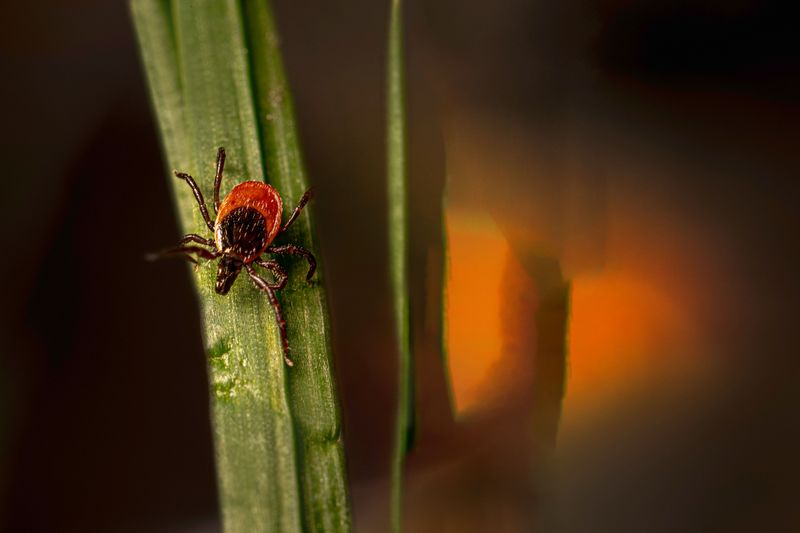
Less famous than Lyme, ehrlichiosis still matters here. Lone star ticks are an important vector of Ehrlichia species, while the brown dog tick can transmit Ehrlichia canis, a pathogen associated with canine ehrlichiosis.
Early signs are vague: tiredness, mild fever, swollen glands, or less interest in food. Owners sometimes assume the dog is simply having an off week.
Blood work usually tells the clearer story.
Treatment works best when started early. If your dog seems unlike themselves after outdoor time, a quick vet visit is worthwhile.
Anaplasmosis Is Easy to Overlook
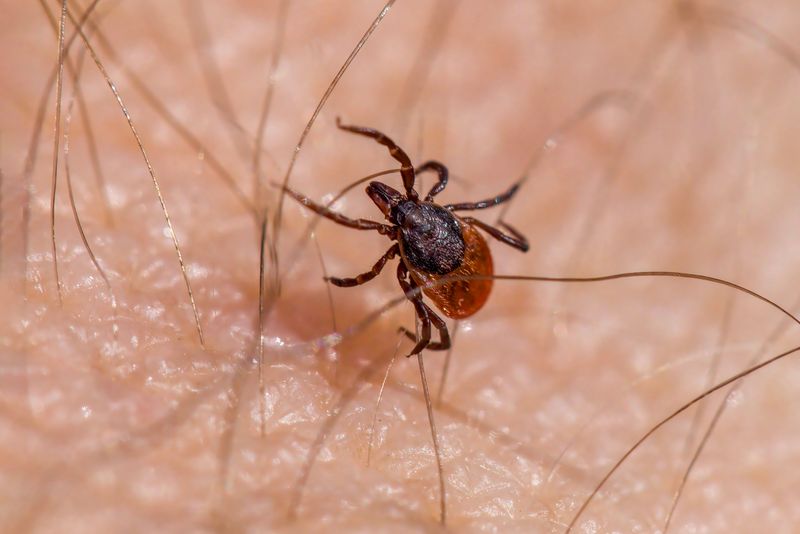
Some illnesses announce themselves loudly. Anaplasmosis rarely does.
Dogs may seem stiff, sluggish, or slightly sore. Others show almost nothing at all.
Blacklegged ticks carry it, the same species linked to Lyme disease. A dog can occasionally test positive for both.
Because signs can be subtle, anaplasmosis can be easy to overlook. Ask your veterinarian whether screening for anaplasmosis and other tick-borne infections is appropriate for your dog based on its health, exposure risk, and local conditions.
Lone Star Ticks Deserve Attention Too
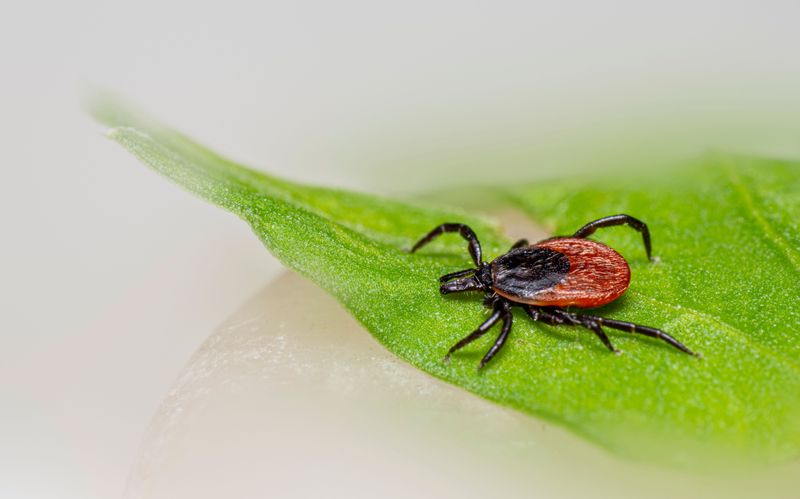
Look for a single white dot on the back and you have likely spotted a female lone star tick.
They are aggressive travelers and will move toward a host rather than simply wait. Lone star ticks are established throughout Virginia, although their abundance varies by location and habitat.
Lone star ticks are linked to ehrlichiosis and other conditions in dogs.
Their bites can also leave an irritated spot on the skin. Cleaning the area gently and monitoring it for a few days helps.
A Tick Can Hide in Places Owners Miss
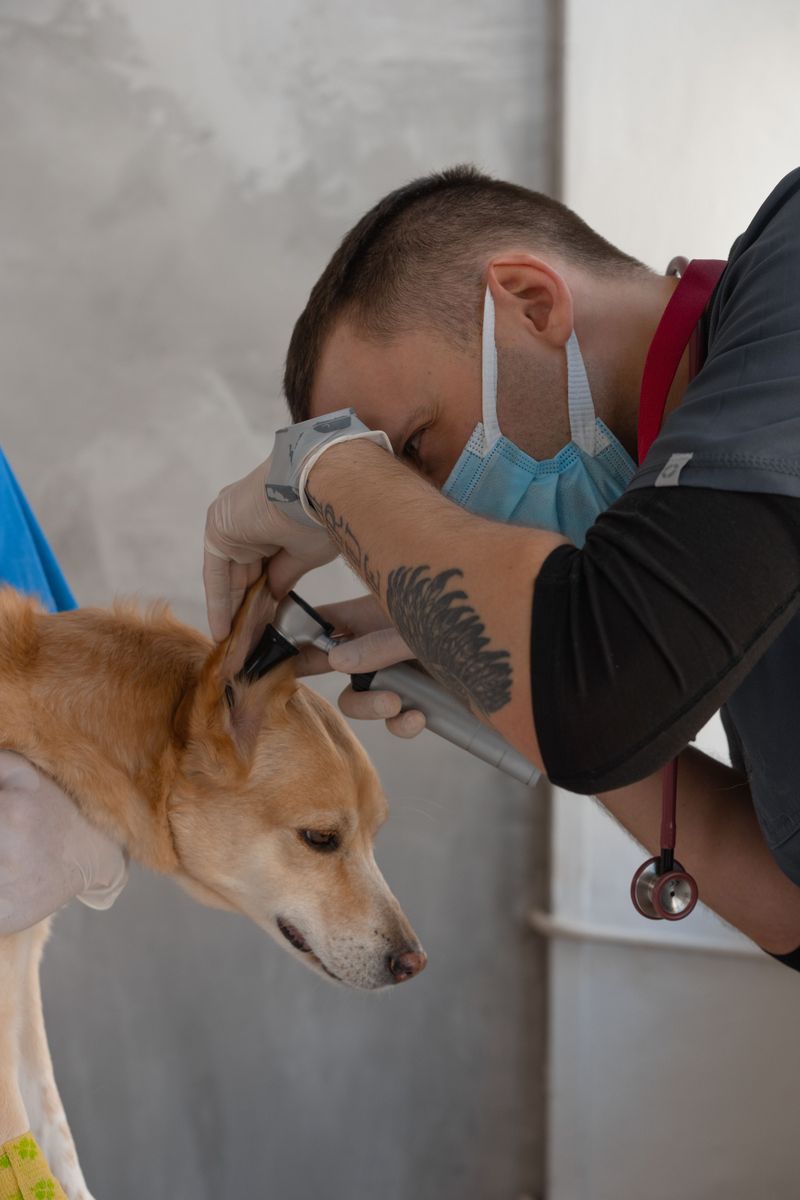
Ticks favor warm, tucked-away spots. That is where quick checks fall short.
Inside ear flaps, between toes, under collars, in armpits, and around the tail base all rank high. Long or thick coats hide them even better.
Running your fingertips slowly over the skin works better than looking alone.
Do a full pass, not a glance. Two extra minutes catches what a rushed rub down almost always misses.
Short Walks Can Still Lead to Tick Exposure
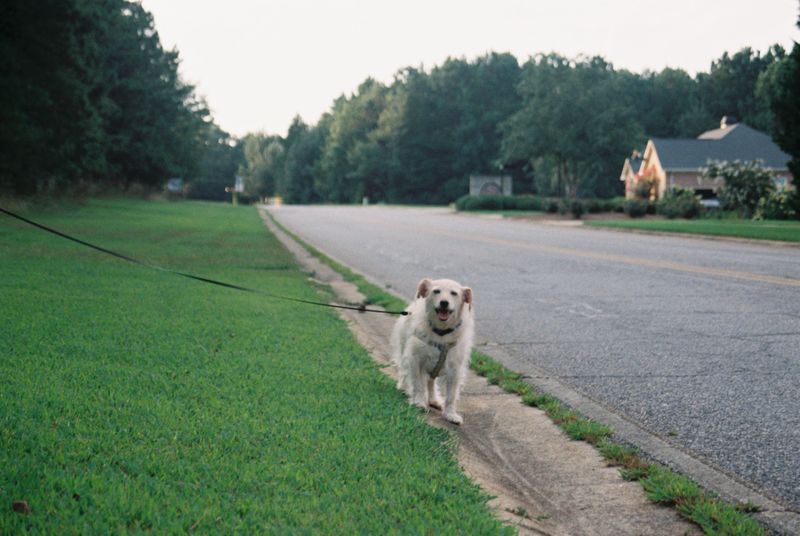
A ten minute stroll around the block feels harmless. Ticks do not measure distance.
Grass strips beside sidewalks, mulch around mailboxes, and shaded corners near fences all hold them. Contact happens in seconds.
Owners who skip checks after quick outings are the ones most often surprised.
Build the habit around every walk, not just the adventurous ones. Consistency beats intensity when it comes to catching ticks early.
Checking Your Dog After Outdoor Time Matters

Timing matters. Checking your dog after outdoor activity and promptly removing any attached ticks can reduce the opportunity for some tick-borne infections to be transmitted.
Most guidance suggests checking within a few hours of coming inside. Use a comb, good light, and calm hands.
For removal, grasp close to the skin with fine tweezers and pull straight out steadily.
Skip the folk remedies involving heat or petroleum jelly. Clean the spot afterward and note the date on your phone.
Tick Prevention Should Be a Year-Round Conversation
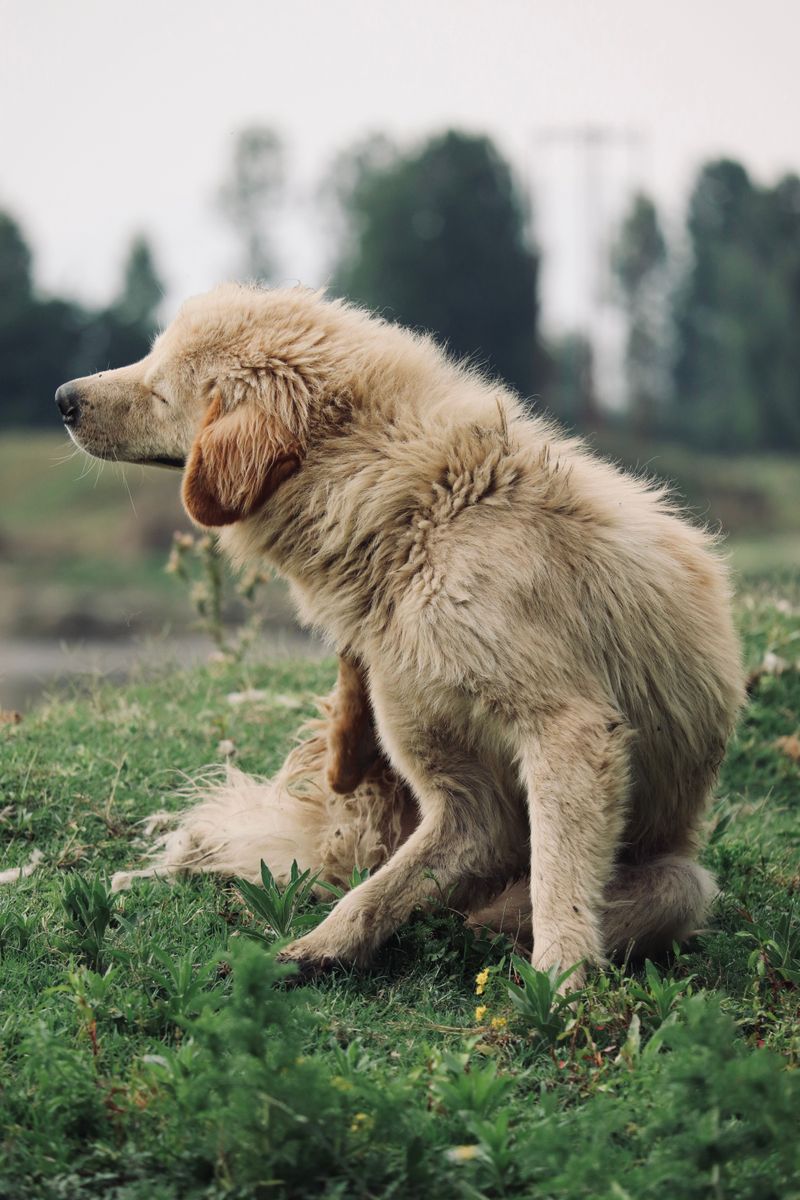
Seasonal prevention made sense in colder states. Virginia’s mild stretches changed the math.
Many veterinarians here recommend keeping dogs on preventives twelve months a year. Products include chewables, topicals, and collars.
Never guess at dosing or share products between pets of different sizes.
Ask your vet which option fits your dog’s weight, health history, and habits. A short conversation at the annual visit usually settles it.
Grooming Can Help You Spot Problems Earlier
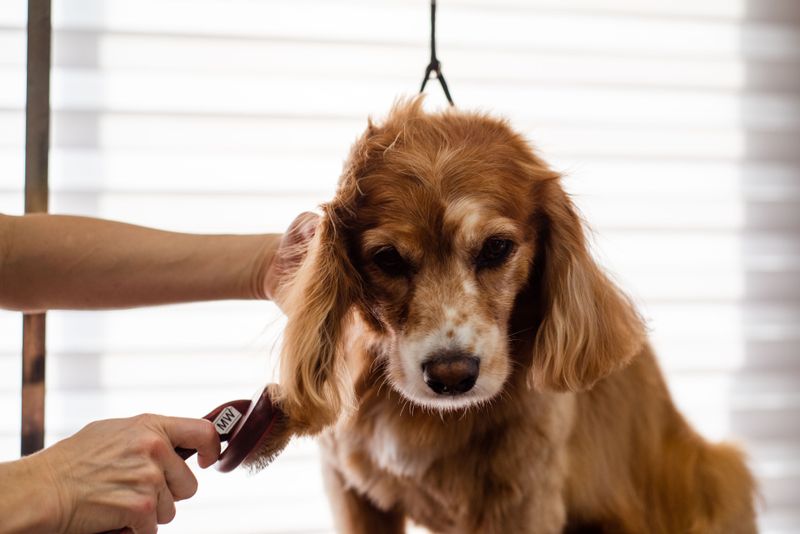
Regular brushing does double duty. It keeps the coat healthy and puts your hands on the skin.
Mats and heavy undercoat conceal ticks easily. Thinning that out improves visibility for everyone.
Professional groomers often flag bumps or irritated patches owners had not noticed.
Turn grooming into a relaxed routine rather than a chore. Your dog gets attention, and you get an early warning system that costs nothing extra.
Dogs Can Carry Ticks Into the House

A tick riding in on fur does not always attach right away. Sometimes it drops off indoors.
Bedding, rugs, upholstery, and baseboards are the usual landing zones. Brown dog ticks in particular can complete their life cycle inside.
Regularly washing dog bedding and vacuuming areas where your dog rests can help reduce the chance of ticks remaining indoors, particularly when brown dog ticks are a concern.
Vacuum along edges and under furniture during peak months. Simple housekeeping quietly reduces the chance of a hitchhiker settling in.
Watch for Changes After a Tick Bite
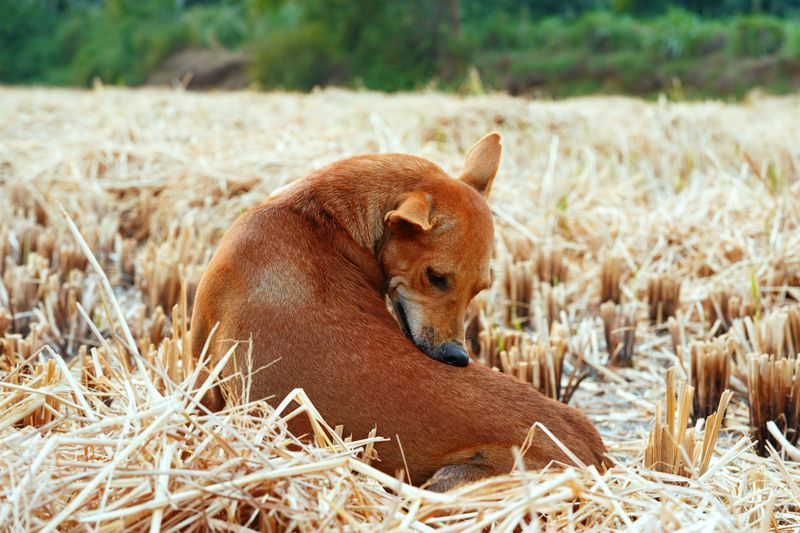
Removing the tick is step one. Observation is step two.
Over the following weeks, watch for limping, reduced appetite, unusual tiredness, or reluctance to jump. Mild swelling at the bite site is common briefly.
Anything that lingers deserves a call to your veterinarian.
Mentioning the bite date gives your vet helpful context. Most tick-borne illnesses respond well when they are caught and treated early.