17 California Trail Hazards Dog Owners Should Know Before Hiking Season
California trails give dogs some of the best days of their lives. Sandy coastal bluffs, shaded oak canyons, pine forests, and desert washes all sit within a short drive.
Each one comes with its own quirks, and a little awareness goes a long way. Knowing what to watch for lets you relax and enjoy the walk instead of second-guessing every rustle in the brush.
Here are the hazards local dog owners run into most, plus simple ways to handle them.
1. Poison Oak Can Turn a Quick Walk Into an Itchy Problem

Those glossy three-leaf clusters line trails from Marin to San Diego. Dogs rarely react to the oil themselves, but it clings to their coat.
You then pick it up during belly rubs and leash clipping. Keep your dog centered on the trail and away from brushy edges.
After a hike through leafy terrain, wash your dog with soap and water while wearing gloves. Wash the leash and harness too, since urushiol can remain on fur, clothing, and other objects and transfer to your skin.
2. Rattlesnakes Can Be Hidden Along Rocky Trails
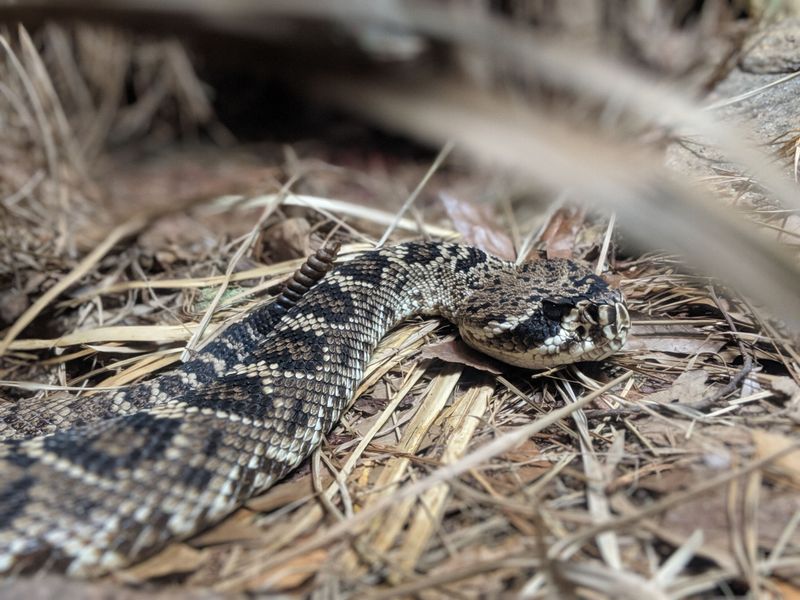
Warm weather can bring rattlesnakes out to bask on rocks and other exposed surfaces. They generally avoid people, but a curious dog that approaches too closely can provoke a defensive bite.
A short leash is your best tool, especially near boulder piles and woodpiles.
Some owners take rattlesnake avoidance classes, and vaccines exist, though vets differ on their value. Ask yours what fits your area.
If a bite happens, head straight to an emergency clinic without delay.
3. Foxtails Are More Than Just a Nuisance
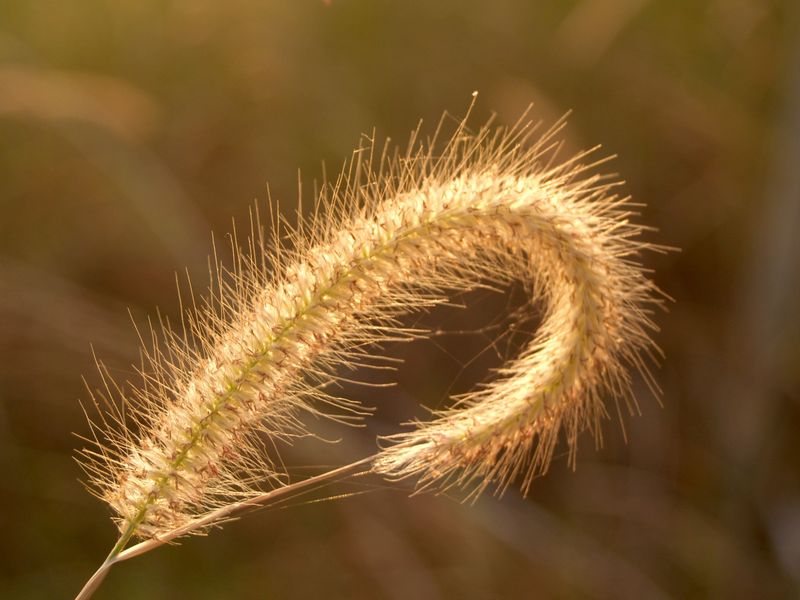
Foxtails are a common concern for dogs in California. Their barbed seed heads can become embedded in a dog’s fur, paws, ears, nose, or other areas and may be difficult to remove once they work into the skin.
They lodge in paw webbing, ears, noses, and under eyelids, and they do not work their way back out.
Grass turns golden by late spring, which is your signal. Check between toes after every hike, run fingers through the coat, and look inside ears.
Persistent head shaking, sneezing, or paw licking deserves a vet visit.
4. Hot Trail Surfaces Can Burn Paw Pads
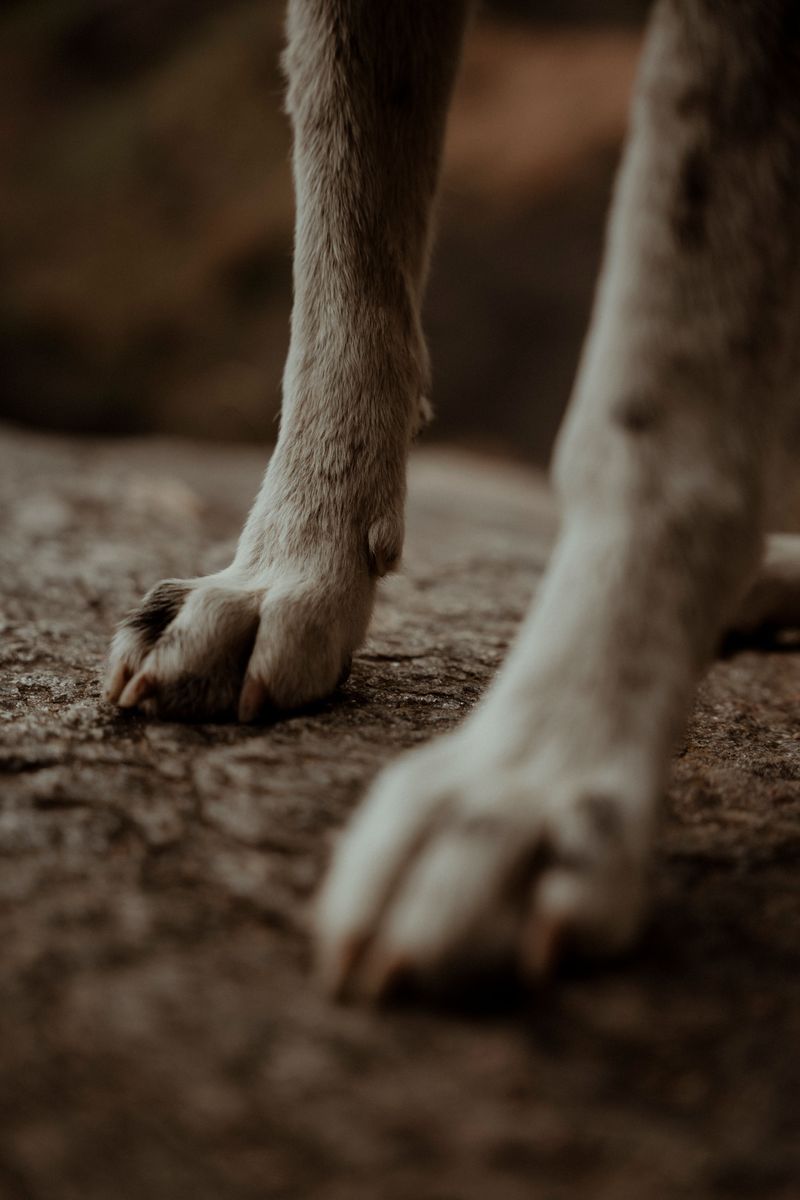
Sand, dark rock, and packed dirt hold heat long after the air cools. Paw pads are tough, but they have limits.
Press the back of your hand to the ground for seven seconds. If you want to pull away, it is too warm for paws.
Early morning hikes solve most of this. Booties help on desert routes, though dogs need practice wearing them first.
Shaded canyon trails stay noticeably cooler through the afternoon.
5. Loose Rocks Can Cause Paw And Leg Injuries
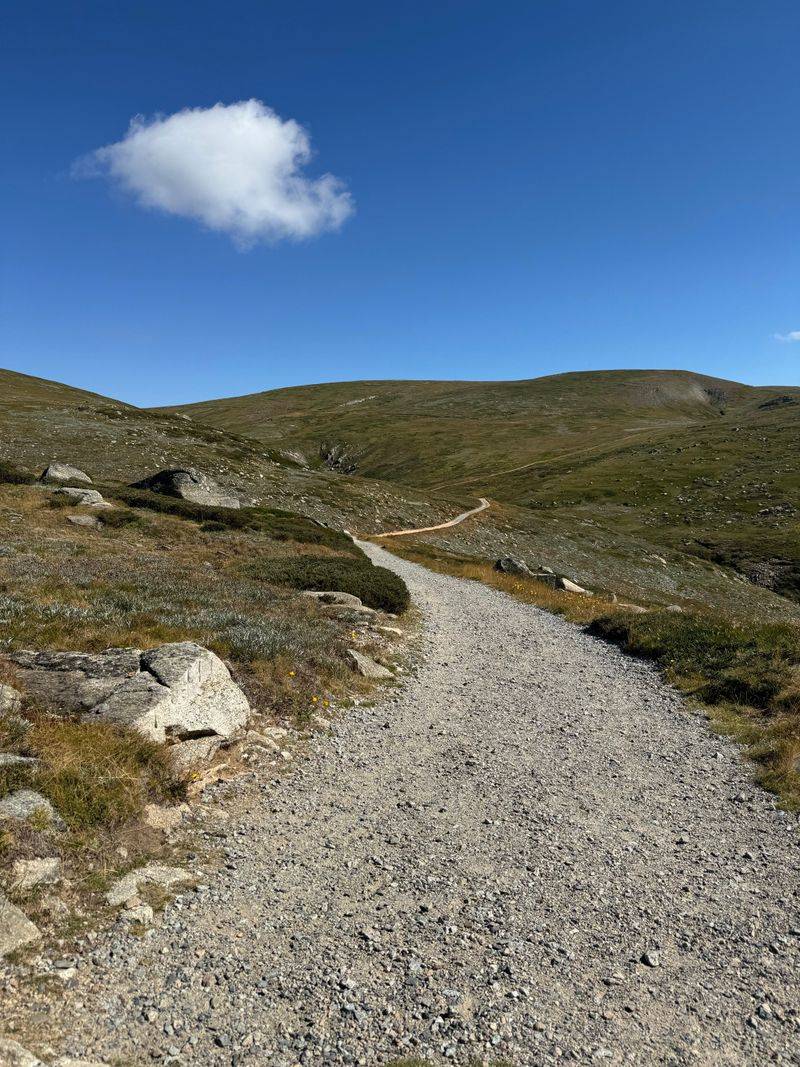
Scree slopes and gravelly switchbacks shift underfoot without warning. Dogs charge ahead, and a sliding rock can twist a wrist or split a pad.
Older dogs and short-legged breeds feel it most.
Slow the pace on descents, where momentum does the damage. A front-clip harness gives you steadier control than a collar alone.
Trim paw fur so it does not trap pebbles, and carry vet wrap for small cuts on the way back.
6. Steep Drop-Offs Need Extra Attention
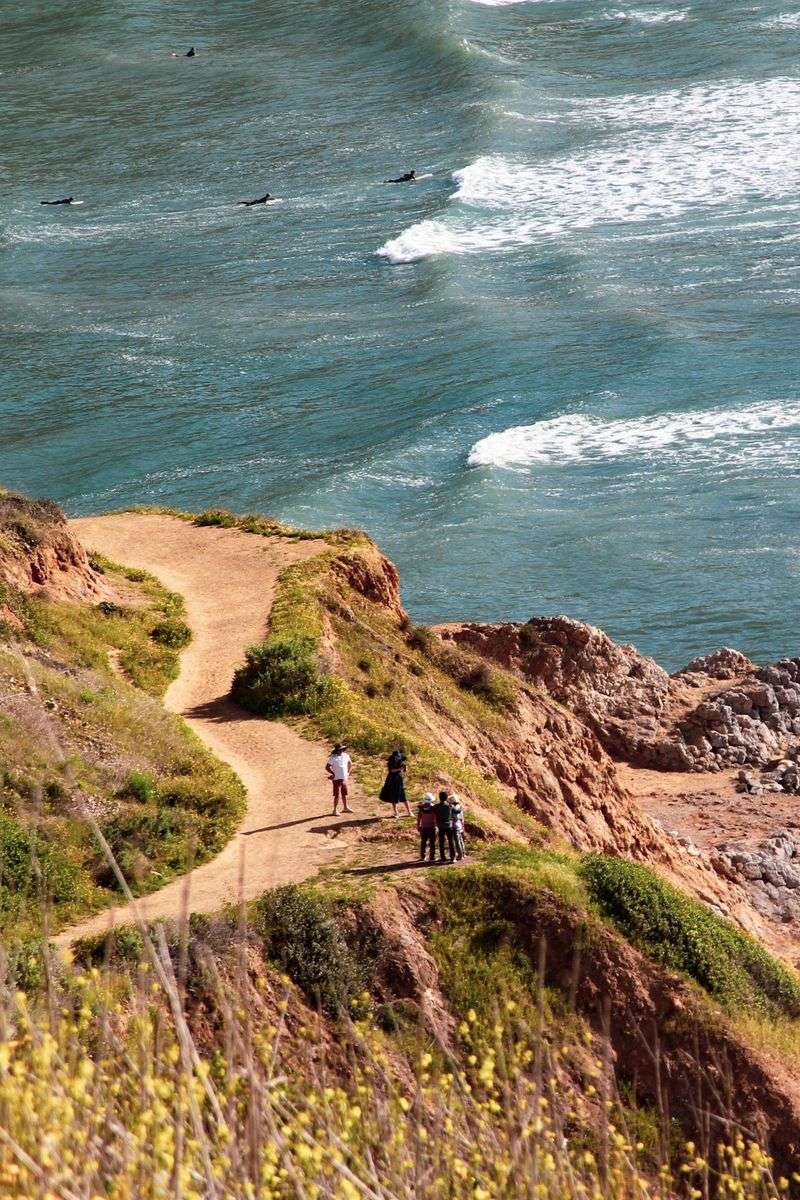
Coastal bluff trails and ridge routes look stunning, and the edges are often crumbly sandstone. A squirrel sighting is all it takes for a dog to lunge.
Keep leashes short and never use a retractable one near exposed edges.
Walk on the outside so your body sits between your dog and the drop. Skip narrow ledge sections entirely with young, excitable dogs.
Turning around early is always a reasonable call.
7. Fast-Moving Water Can Sweep Dogs Away
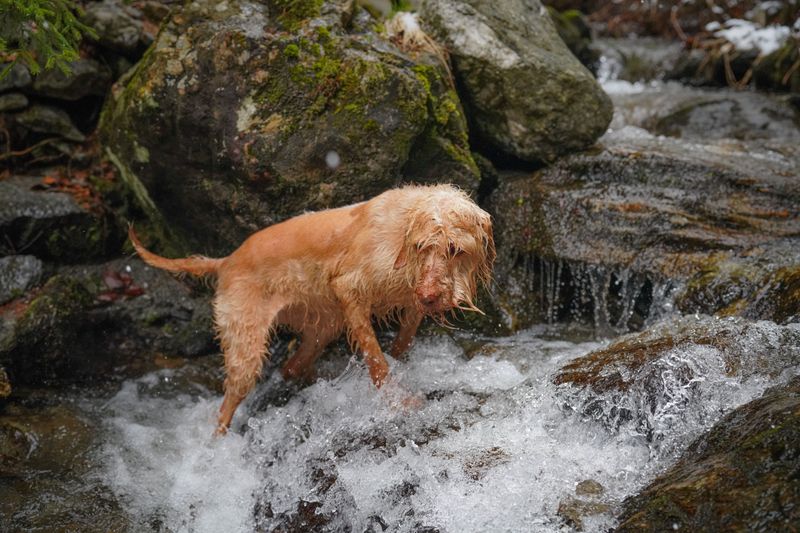
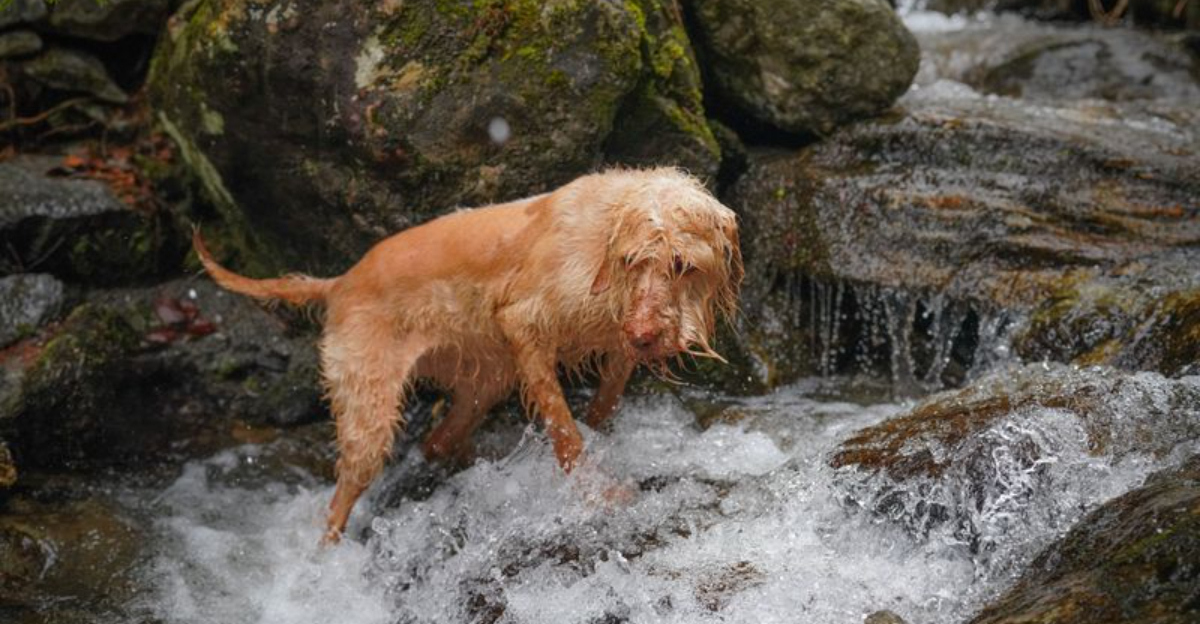
Spring snowmelt turns gentle Sierra creeks into powerful channels. Water that looks knee-deep can carry surprising force.
Strong swimmers still struggle against a current pushing them toward rocks.
Do not attempt a crossing when water is too high, cold, or swift. If a crossing is safe, choose a wide, slower section rather than a narrow chute, and consider a properly fitted canine life jacket for deeper or challenging water.
Cold water also drains energy quickly, so dry your dog and keep moving afterward.
8. Heat Can Become Dangerous Faster Than You Expect
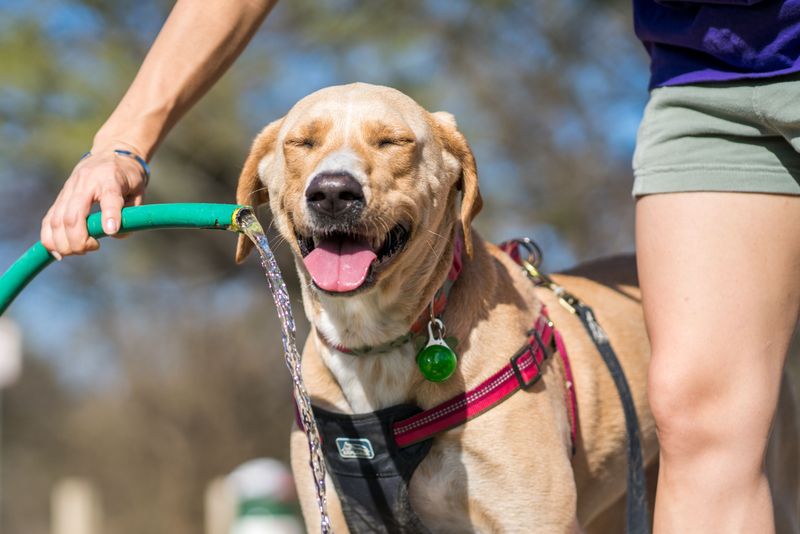
Dogs cool themselves mainly by panting, which can become inadequate during hot conditions. Flat-faced breeds, thick-coated dogs, older dogs, and dogs with certain health conditions can be especially vulnerable to overheating.
Heavy panting, bright red gums, wobbly steps, or a sudden stop all mean pause immediately.
Move into shade, offer small sips, and wet the belly, armpits, and paws with cool water. Then call a vet.
Better yet, hike at dawn and save afternoons for the yard.
9. Dehydration Is Easy To Miss On Long Hikes
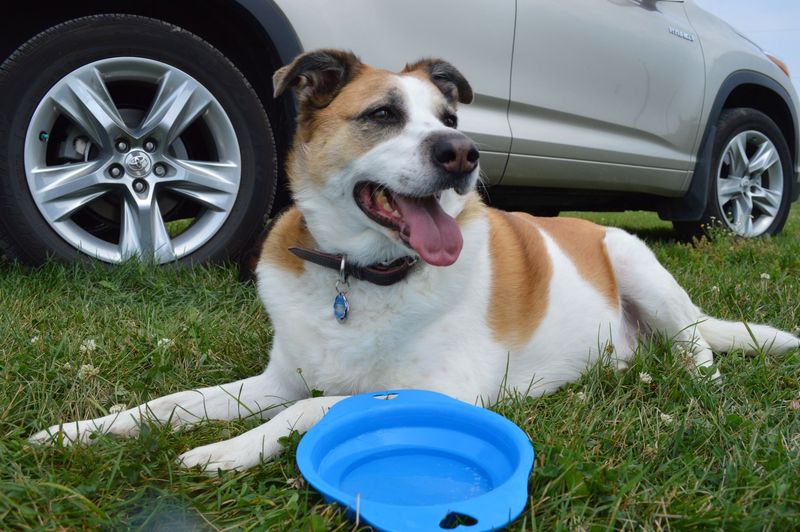
Here is a number worth remembering: dogs generally need about an ounce of water per pound each day, and hiking raises that.
Many trails in California run completely dry by June.
Pack water for both of you, plus a collapsible bowl, and offer your dog water regularly throughout the hike, especially during heat or strenuous activity. Tacky gums and thick saliva can be signs of dehydration.
Skip stagnant ponds, which can carry blue-green algae and parasites like giardia.
10. Ticks Can Hide In Brush And Tall Grass

Western black-legged ticks thrive in the damp oak woodlands of Northern California. They wait on grass tips with legs outstretched, ready to grab passing fur.
Lyme disease and other illnesses can follow a long attachment.
Year-round preventives are the real defense, so talk to your vet about options. After hikes, run your hands over ears, neck, armpits, and between toes.
Remove any tick with fine tweezers, pulling straight and steady.
11. Mountain Lions Call For Calm, Controlled Dogs
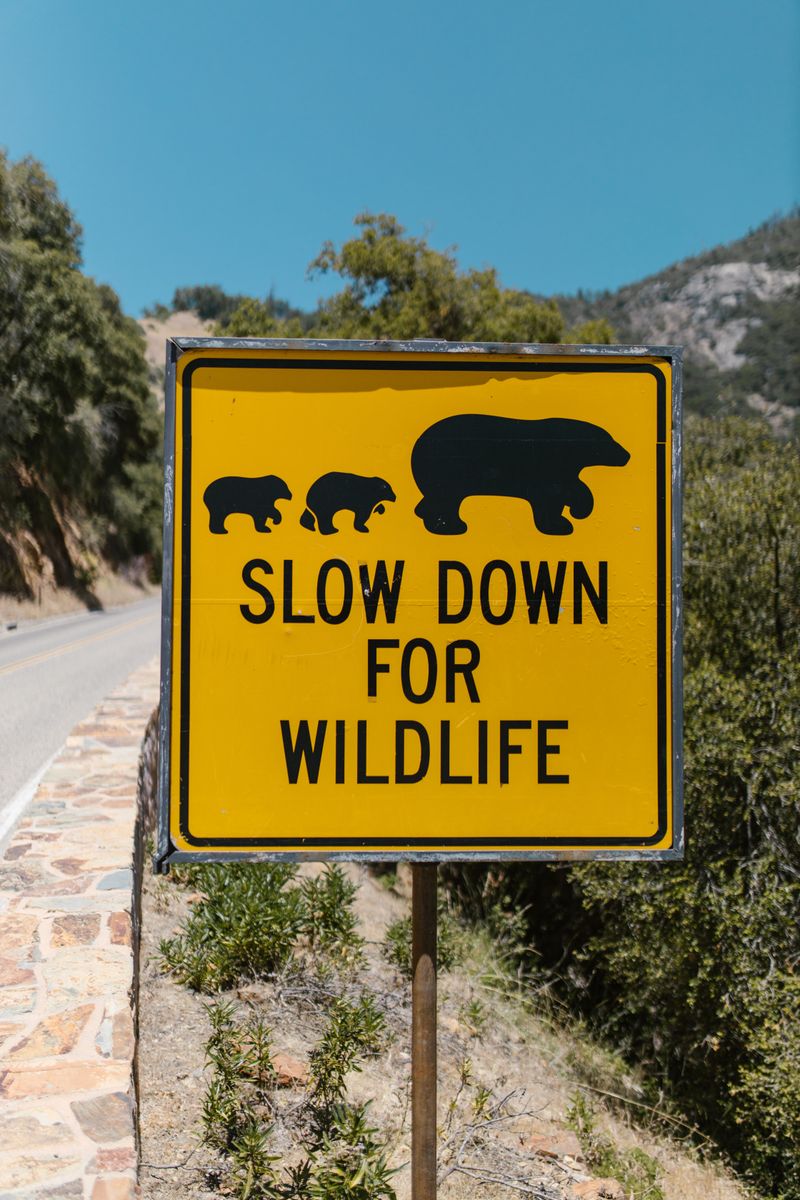
Sightings are rare, and most hikers never see one. Still, trailhead signs in the Santa Monicas and Sierra foothills exist for good reason.
A loose dog running ahead can attract attention you do not want.
Keep your dog leashed and close, especially at dawn and dusk. If you spot a lion, stay put, make yourself look large, and speak firmly.
Back away slowly. Running is the one thing to avoid.
12. Black Bears Can Appear In Mountain Areas
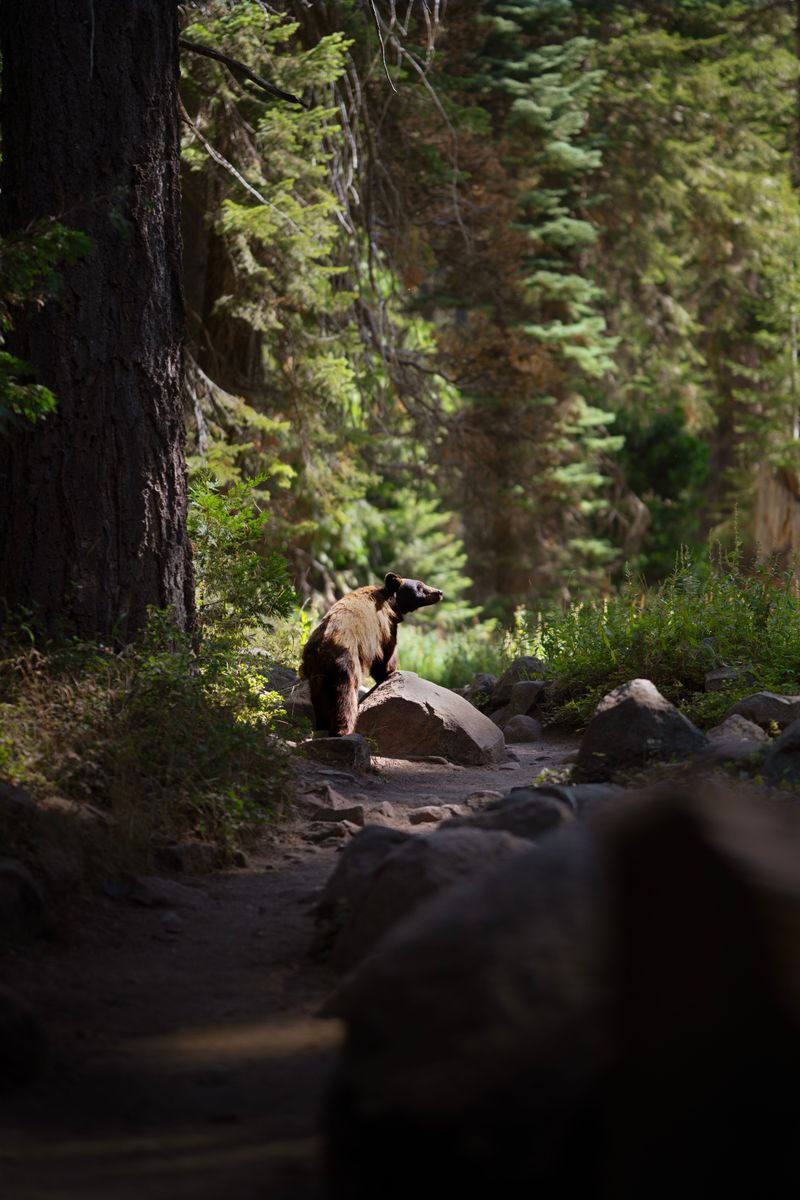
Tahoe, Yosemite, and the San Bernardinos all have healthy black bear populations. They generally want space, not conflict.
Barking dogs, however, can turn a calm encounter into a tense one.
Leash up in bear country and make casual noise as you walk. Store snacks in sealed containers, since food smells travel.
If a bear appears, keep your dog close, do not let it bark at or approach the bear, and back away slowly while leaving the area. Do not run.
13. Bees And Wasps Can Cause Painful Stings
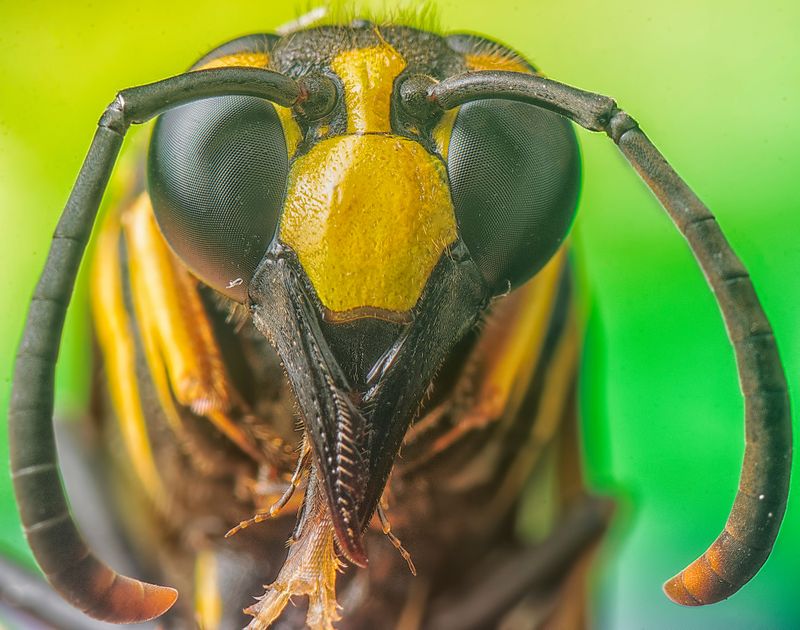
Ground-nesting yellowjackets are the sneaky ones. A dog digging at a hole or brushing a log can stir up a whole colony.
Late summer is peak activity across much of the state.
Most stings cause a swollen muzzle or paw and clear up with time. Watch for facial puffiness, hives, vomiting, or labored breathing, and get to a vet quickly.
Ask yours in advance about antihistamine dosing for your dog’s weight.
14. Hidden Holes And Burrows Can Injure Paws
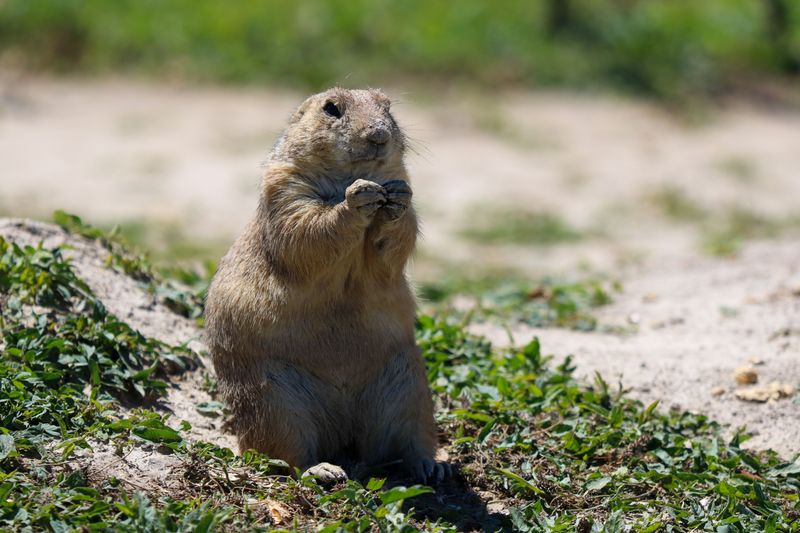
Grassy California hillsides are honeycombed with ground squirrel and gopher tunnels. Dry grass hides the openings completely.
A running dog that drops a leg into one can sprain a joint fast.
Keep off-trail exploring to a minimum in open meadow areas. Discourage digging, which can also mean contact with fleas or the occasional snake sheltering below.
If your dog comes up limping and stays sore past a day, book a vet check.
15. Cactus And Thorny Plants Can Cause Punctures
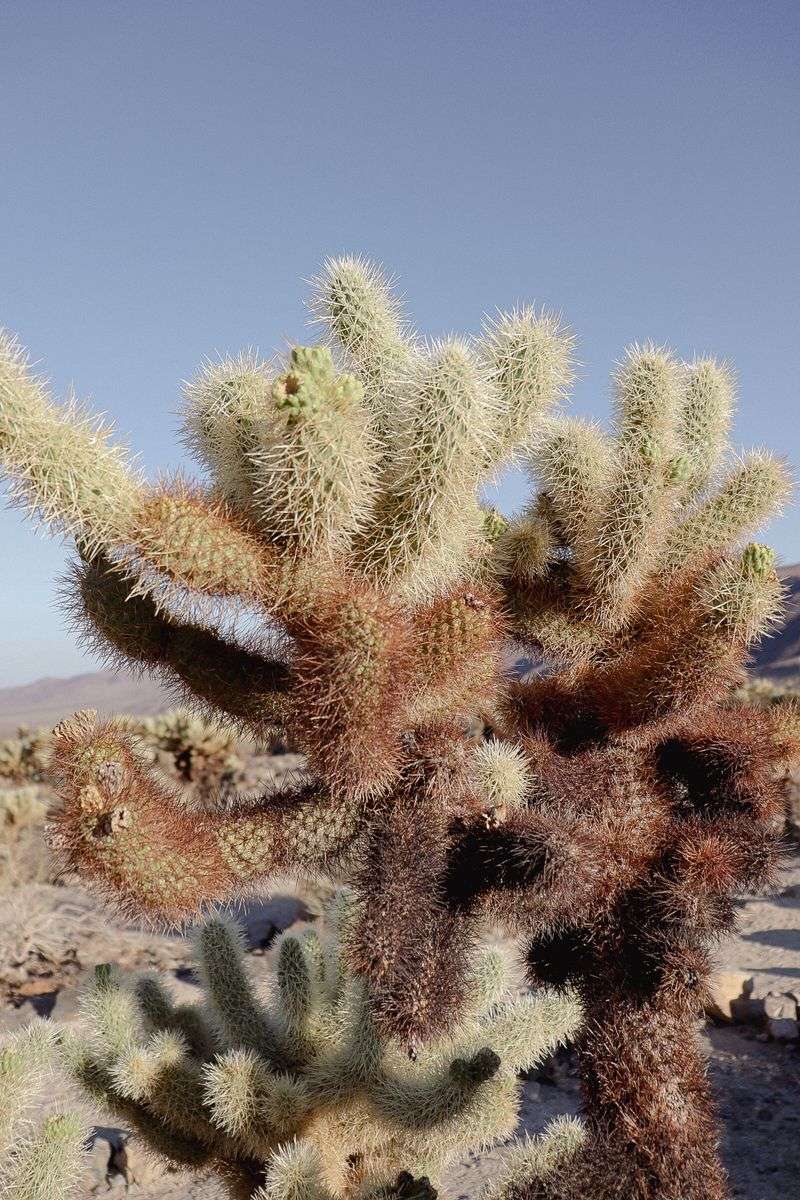
Desert routes near Palm Springs and Joshua Tree come with cholla, a cactus that seems to jump at passing legs. Prickly pear and yucca do damage too.
Segments stick to fur and paws and are tough to remove bare-handed.
Carry a comb and pliers in your pack for exactly this. Booties help on sandy washes.
Afterward, check paw webbing carefully, since tiny spines left behind cause soreness for days.
16. Mud And Slick Trails Can Become Dangerous
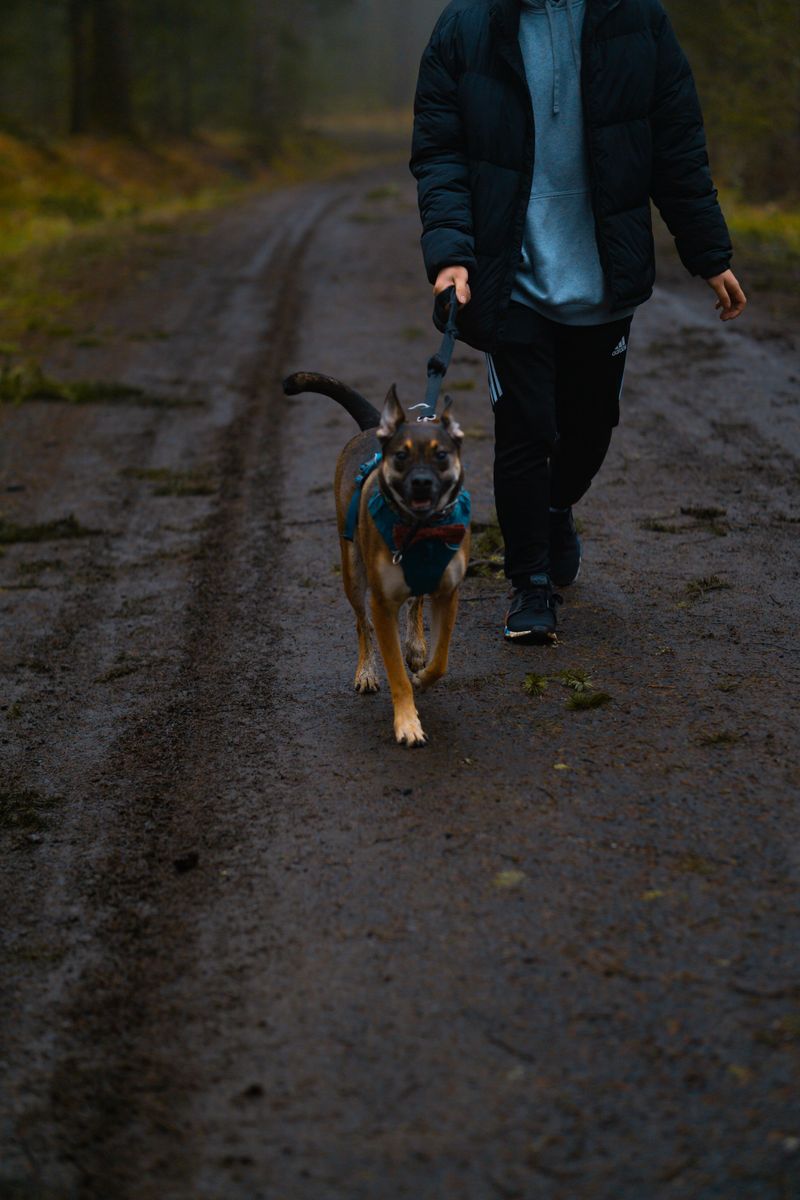
Winter rain transforms California clay into something closer to grease. Redwood and coastal trails hold moisture for days after storms.
Dogs slide on steep sections, and so do their humans.
Give trails a day or two to firm up, both for safety and to limit erosion. Shorten the leash on descents so a slip does not pull you both down.
Rinse muddy paws at home to prevent irritation between the toes.
17. Wild Animals May React When Dogs Get Too Close
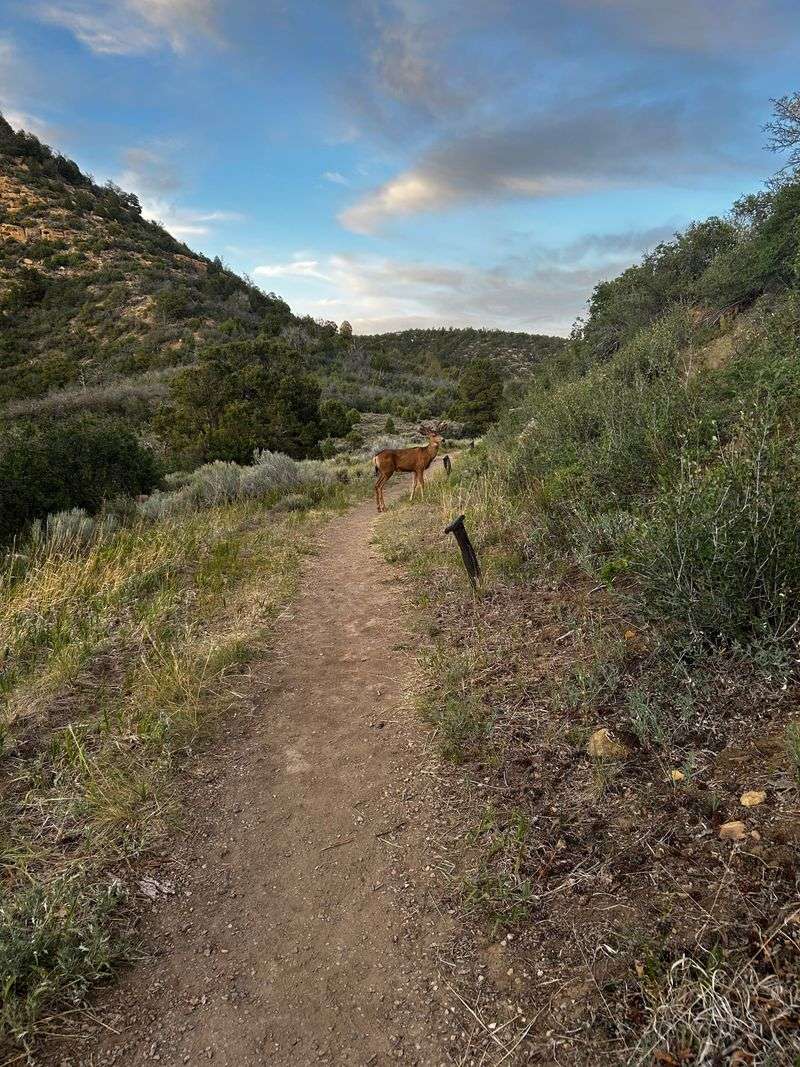
Deer, coyotes, skunks, and nesting birds all share these trails. A dog that gives chase creates stress for wildlife and risk for itself.
Coyotes may follow a loose dog, and a skunk encounter ruins the drive home.
Leash rules on most California public lands exist for this reason, though specifics vary by park and county. Check posted signs.
A reliable recall and calm walking habits can reduce the risk of wildlife encounters, but keeping your dog leashed and respecting posted trail rules are also important.
Hike prepared, stay observant, and enjoy the miles ahead.