15 Nebraska Wildlife Encounters Dog Owners Should Be Ready For
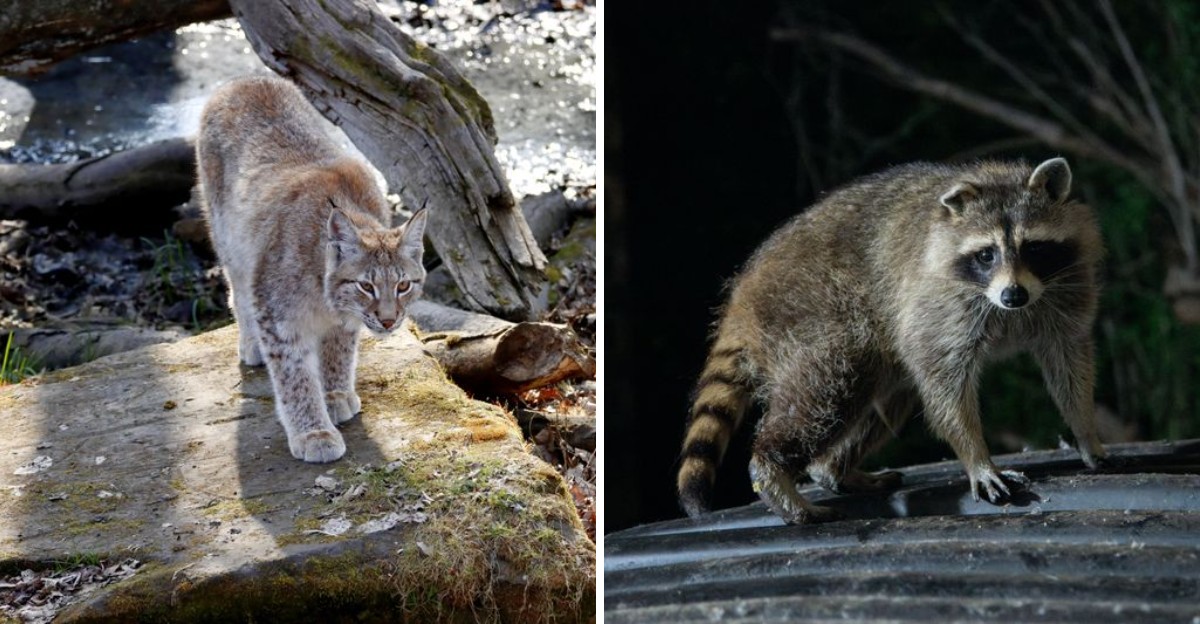
Walking a dog in Nebraska means sharing space with a lot of neighbors you did not invite. Between the river trails, the prairie, the shelterbelts and even quiet backyards, your dog may meet animals that deserve respect and distance.
None of this needs to make you nervous. A little knowledge, a reliable leash and a calm recall go a long way.
Here is what local owners should know about the critters most likely to cross your path.
1. White-tailed Deer on Trail Edges
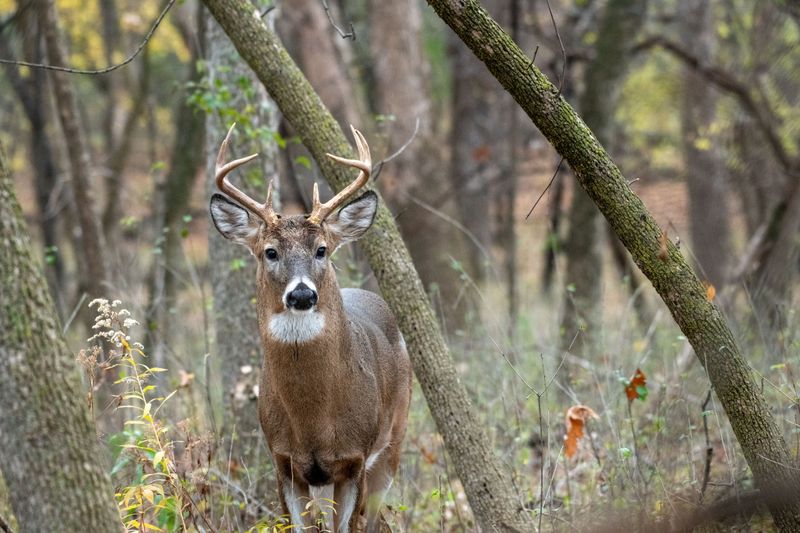
Along the Platte and Missouri river corridors, deer step out of the timber like they own the place. Most simply bound away.
The trouble starts when a dog gives chase.
A running dog can be led far from you and toward roads. Does with fawns in late spring may stand their ground and strike with front hooves.
Keep the leash on near cover. Practice recall often, and reward it generously every single time.
2. Coyotes in Town and Country
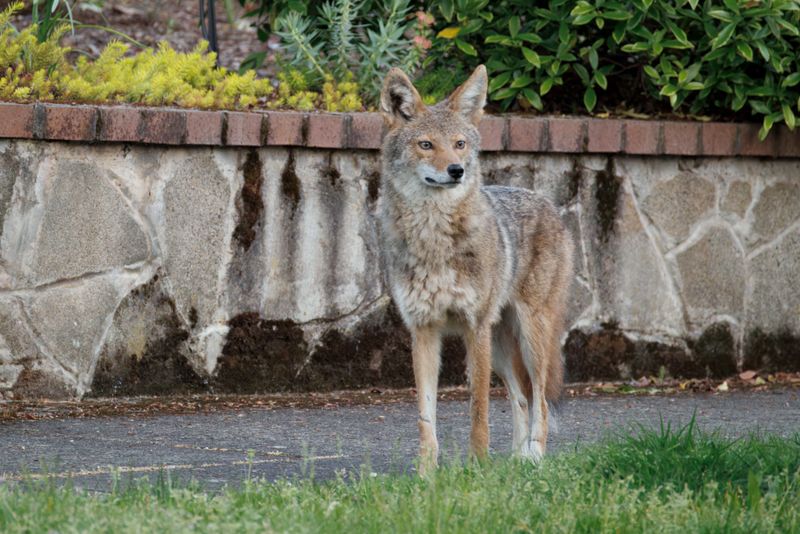
Coyotes have adapted beautifully to Nebraska, including Omaha and Lincoln neighborhoods. They hunt at dawn and dusk, and they notice unattended small dogs.
Most keep their distance from people. Problems rise when food scraps, pet bowls or trash draw them close to homes.
Walk small dogs on a short leash after dark. If one follows you, stand tall, make noise and back away slowly.
Never turn and run.
3. Raccoons Raiding the Yard
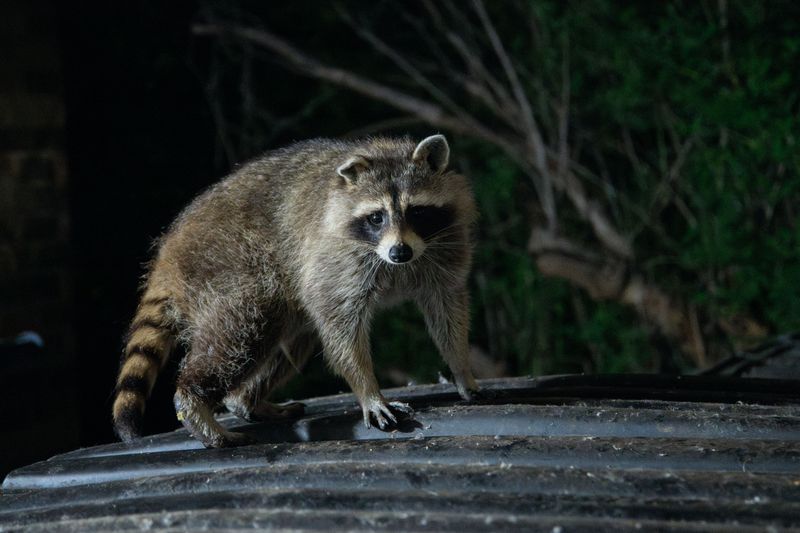
Clever paws, sharp memory, zero manners. Raccoons treat unsecured trash cans like a buffet, and your dog may object loudly.
Cornered raccoons defend themselves and can injure a curious nose. They also carry rabies, roundworm and leptospirosis in some areas.
Secure bins with locking lids and feed pets indoors. Keep rabies and lepto vaccines current, and ask your veterinarian what schedule fits your dog.
4. Striped Skunk Surprises
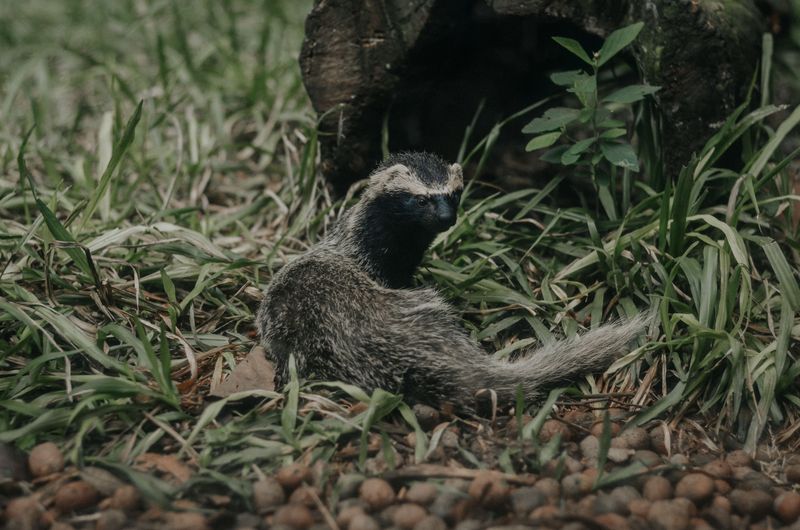
Few things end an evening walk faster than that unmistakable smell. Skunks warn first: stomping feet, raised tail, a stiff little dance.
Dogs rarely read the memo. A direct spray to the face causes stinging eyes and, occasionally, vomiting.
Mix hydrogen peroxide, baking soda and dish soap for cleanup. Skip tomato juice.
Rinse eyes with plain water and call your vet if irritation lingers.
5. Porcupines and Their Quills
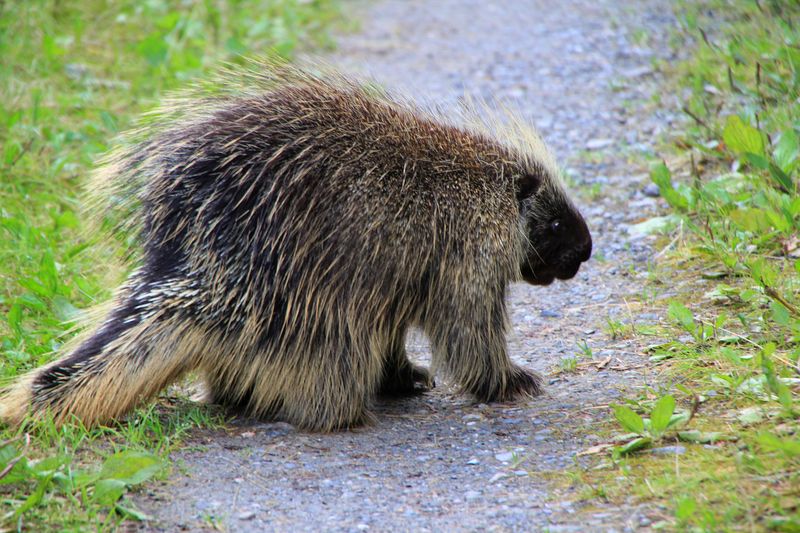
Nebraska’s porcupines are more common in the western third of the state and can also occur in wooded areas along streams and rivers. Slow movers, they do not throw quills.
Quills release on contact, and a curious muzzle usually collects a painful bunch. They have tiny barbs that work deeper over time.
Do not pull them at home. Head straight to a veterinarian, since sedation makes full removal safer.
Leash up in pine country at dusk.
6. Beavers Near the Waterline
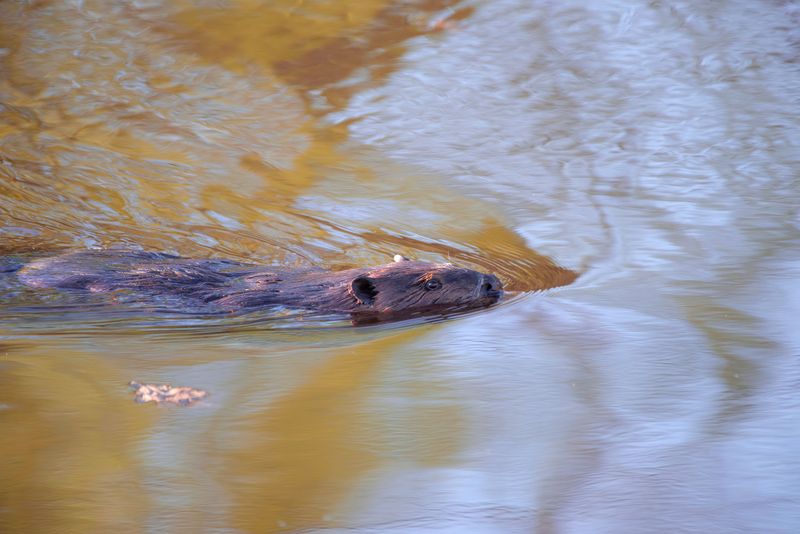
Water dogs love creeks. Beavers love them more, and they defend lodges and kits with real determination.
In water, a beaver has every advantage. Their teeth are built for felling trees, so a defensive bite is serious.
Watch for gnawed stumps and dam debris along the bank. Recall your dog before it swims toward a lodge, and rinse off after muddy water play.
7. Snapping Turtles at the Boat Ramp
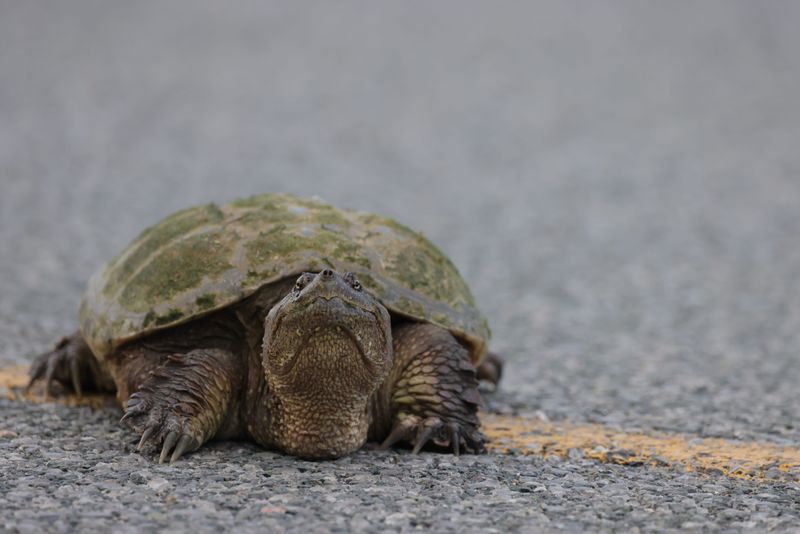
June brings female snappers ashore to lay eggs, often crossing paths and gravel lots. On land they feel exposed and act defensive.
Their necks reach farther than most people expect, and the bite is powerful.
Steer your dog wide and never let it nose a shell. If you must move one off a road, use a shovel or car mat, and only if it is safe.
8. Prairie Rattlesnakes in the Panhandle
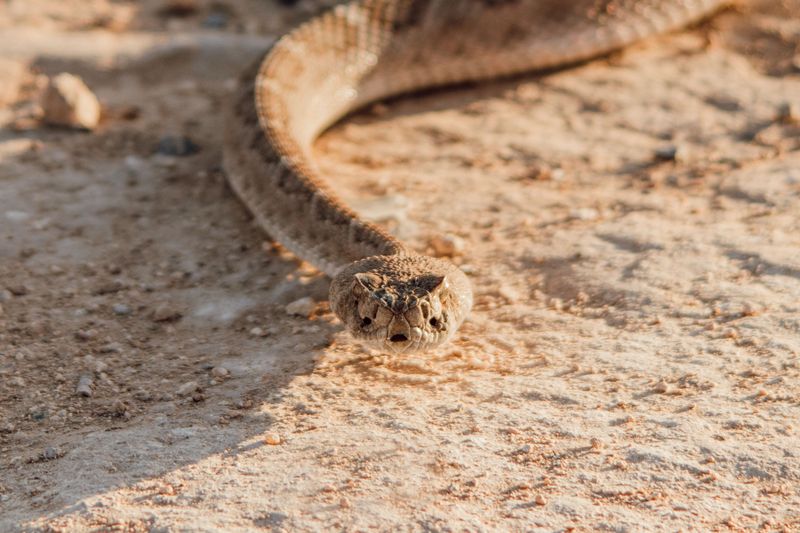
Western Nebraska’s rocky slopes and grasslands host prairie rattlesnakes, most active in warm months.
They prefer avoiding dogs entirely, but a sniffing muzzle triggers defense. Signs of a bite include swelling, drooling and sudden pain.
Treat it as an emergency and drive to a veterinarian immediately. Keep your dog calm and carry it if possible.
Ask your veterinarian about rattlesnake avoidance training and whether a rattlesnake vaccine is appropriate for your dog.
9. Prairie Dog Towns and Hidden Holes
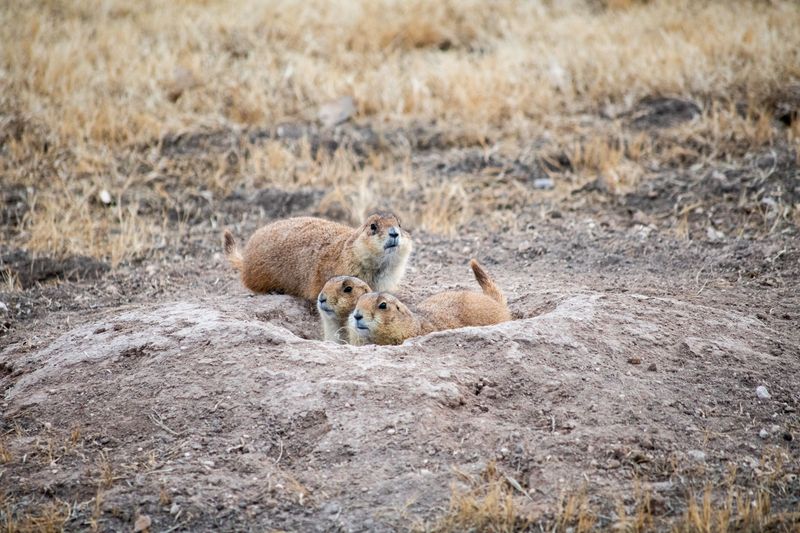
Black-tailed prairie dog towns dot western Nebraska, and dogs find them irresistible.
The bigger hazard is not the rodent. It is the burrow field, where a sprinting dog can twist a leg badly.
Fleas in these colonies can also carry disease in rare cases. Keep leashes on, maintain flea prevention year round, and admire the little sentinels from a comfortable distance instead.
10. Bison at Wildlife Refuges
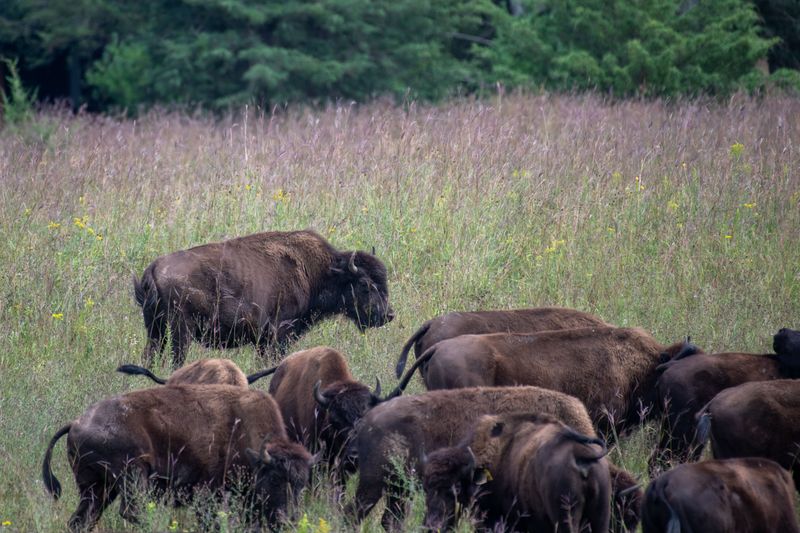
Bison can be found at places such as Fort Niobrara National Wildlife Refuge and Fort Robinson State Park. They may appear calm, but they are large, powerful wild animals that should be given plenty of space.
Both impressions are misleading.
Bison run fast and dislike barking dogs near calves. Most refuges either prohibit pets in bison pastures or require vehicles.
Check each park’s pet rules before you go, since they vary by site. When in doubt, view from the car and let your dog nap.
11. Wild Turkeys Holding the Sidewalk
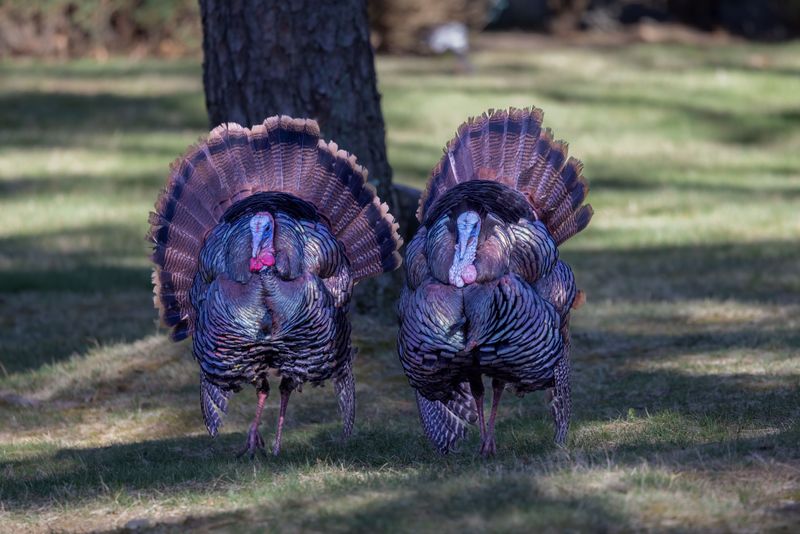
Spring toms strut through Nebraska parks and rural yards with total confidence. A flock may refuse to yield the trail.
Hens with poults get protective, and turkeys defend themselves with wings and spurred feet.
Most dogs just want to chase, which usually ends in scattered feathers and an unhappy owner. Shorten the leash, walk a wide arc and keep moving without stopping to watch.
12. Canada Geese Guarding Their Nests
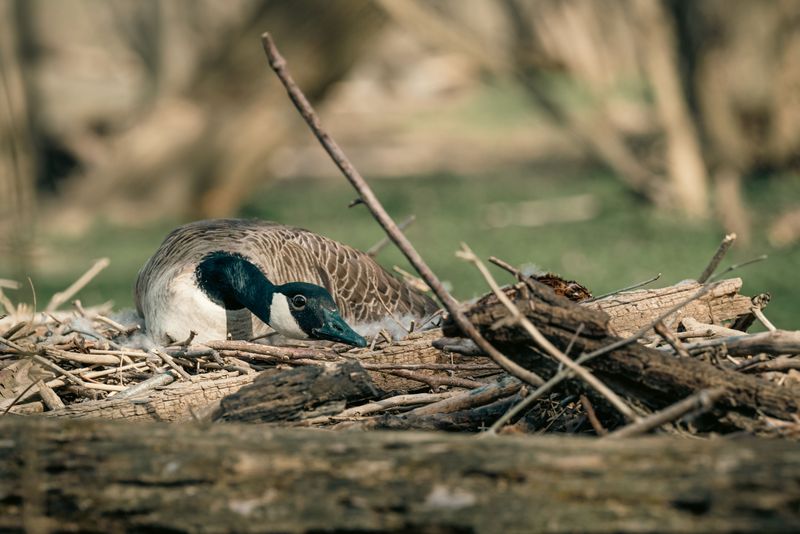
Spring at any city pond means goose season for dog walkers. Nesting pairs hiss, spread their wings and advance.
Their wings pack surprising force, and a bold dog can get bruised or scratched.
Goose droppings can contain organisms that may cause illness, so discourage your dog from eating them or grazing around heavily used shoreline areas. Give nesting geese plenty of space, keep the leash short and move away if a pair becomes defensive.
13. Badgers Digging the Grasslands
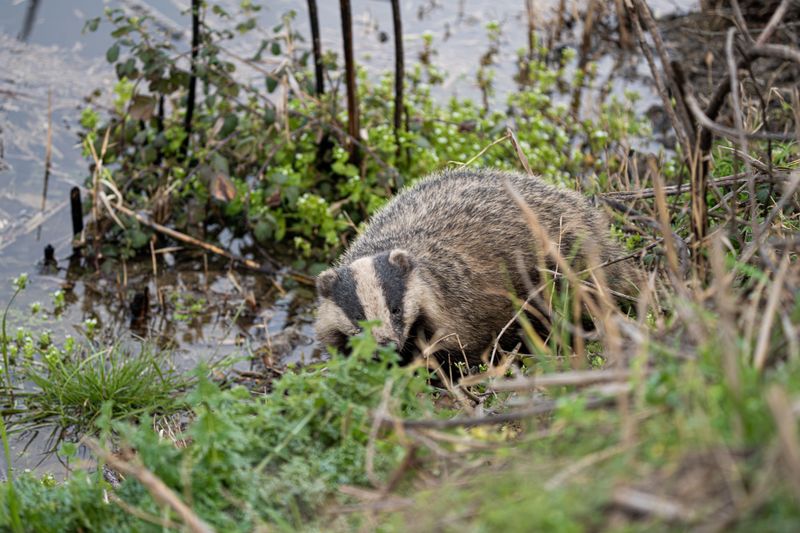
Low, wide and built like a shovel, the American badger works Nebraska’s grasslands hunting ground squirrels.
Badgers avoid trouble but will not retreat from a pushy dog. Thick claws and a stout build make them formidable.
Fresh oval diggings signal one nearby. Call your dog back, leash up and take another route.
Curiosity here is the one thing that turns a rare sighting into a vet visit.
14. Bobcats Moving Through Quietly
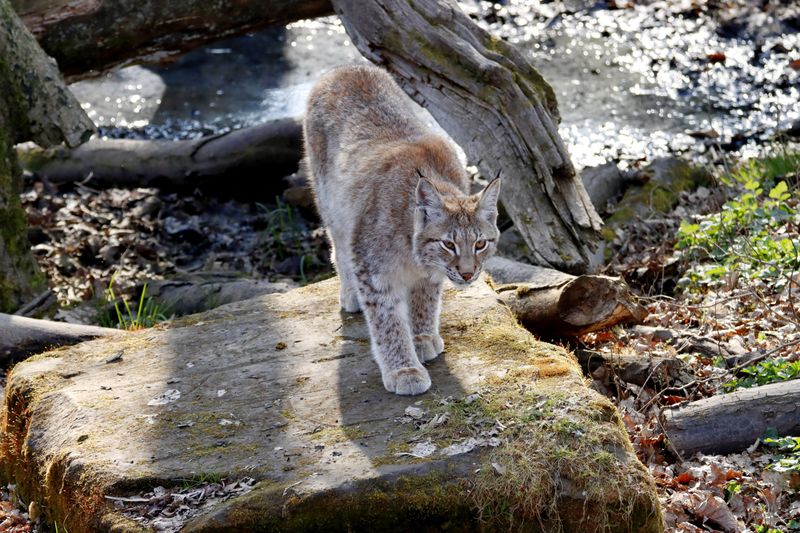
Ghosts of the canyons and river breaks, bobcats see far more people than people see bobcats.
They hunt rabbits and rodents, not dogs, and they avoid confrontation whenever possible. Small pets left outside alone at night carry the most risk.
Bring dogs in after dark and secure kennels with covered tops. If one appears, gather your dog, face the cat and back away calmly.
15. Red Foxes in Suburban Yards
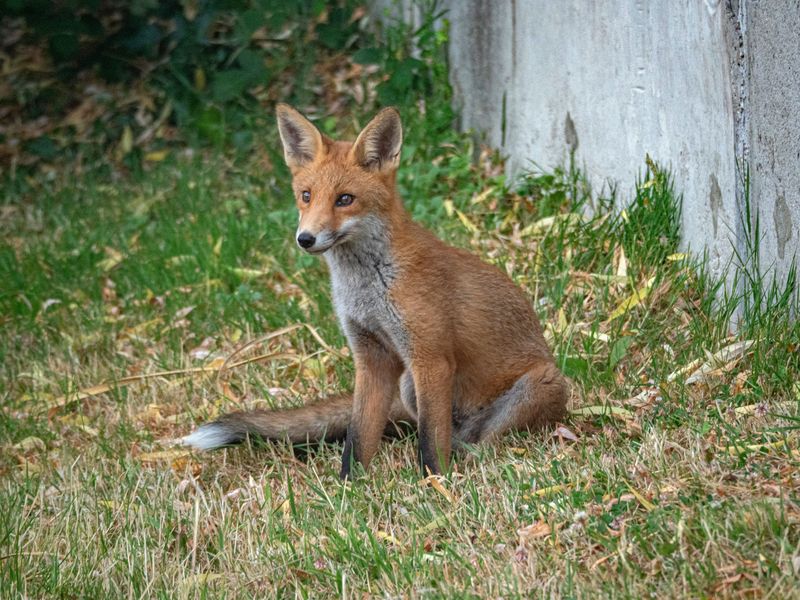
That flash of orange crossing a Lincoln lawn at sunrise is usually a red fox on its rounds.
Foxes weigh less than many house cats and rarely confront dogs. Come spring, though, they raise kits under decks and sheds.
Block off crawl spaces before denning season starts. Keep vaccines current, avoid feeding wildlife and let your dog watch through the window instead.