What Dog Owners Should Know Before Canoeing The Minnesota Boundary Waters With A Dog
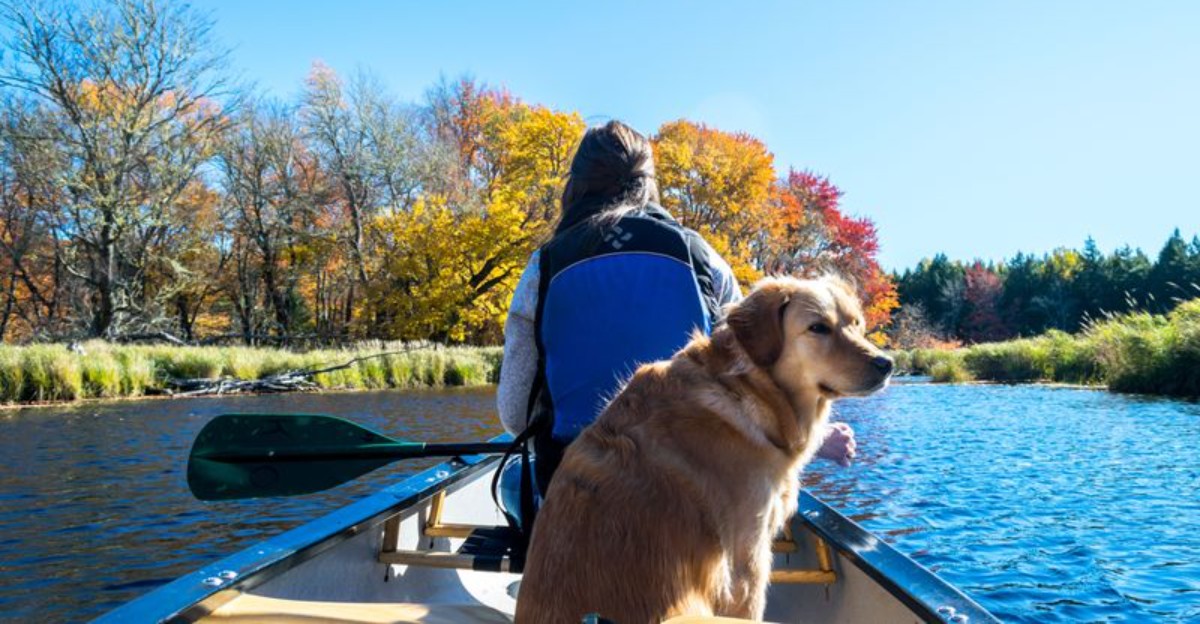
A million acres of lakes, granite and pine, connected by muddy footpaths and quiet water. That’s the Boundary Waters Canoe Area Wilderness in northern Minnesota, and yes, dogs are welcome.
But paddling wilderness with a pup is a different sport than a park walk. Balance matters.
Paw pads matter. So does knowing which portage will humble you both.
Here’s what seasoned paddlers wish they’d known before loading up the canoe.
Know the Boundary Waters Rules for Dogs
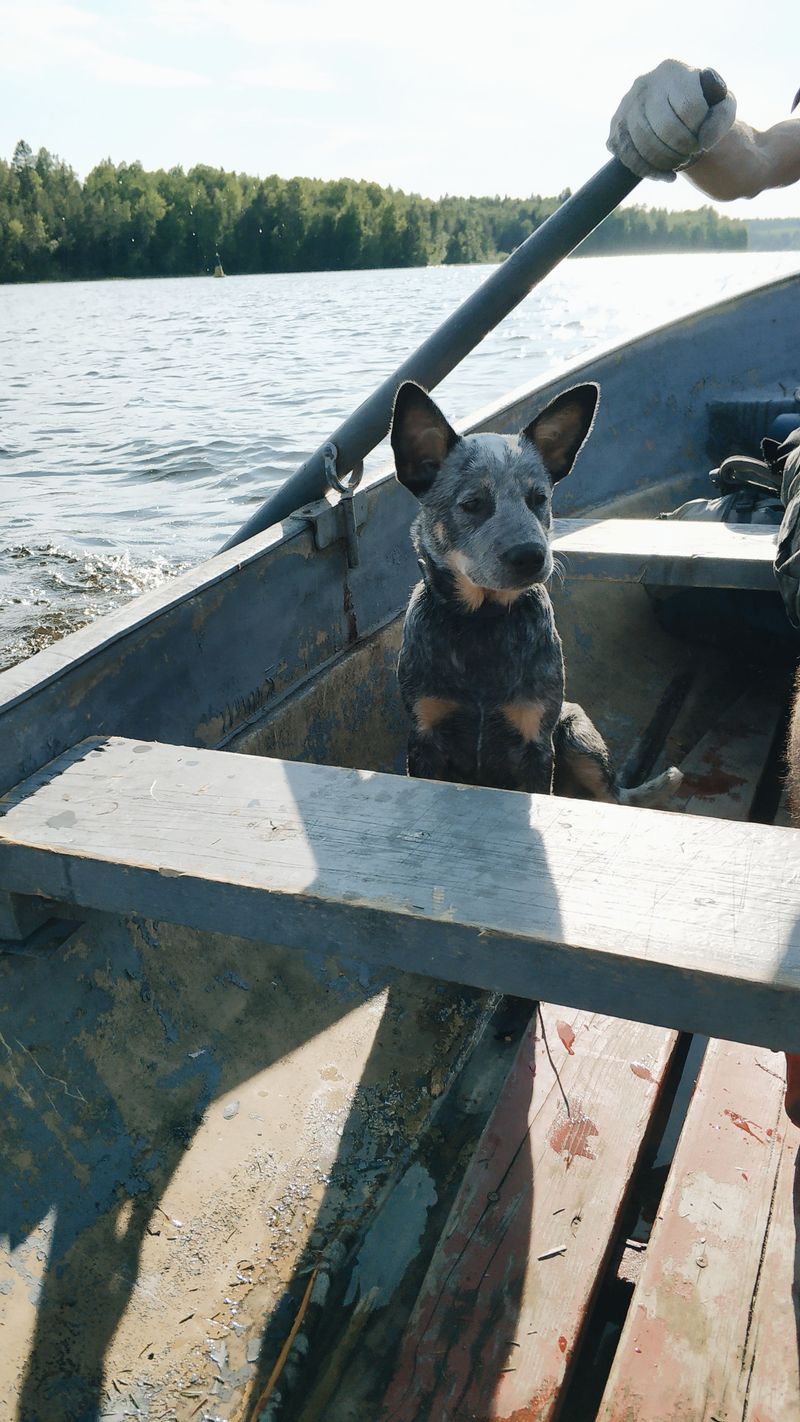
Good news first: dogs are allowed in the Boundary Waters Canoe Area Wilderness, although they must be kept under control by their handlers.
Still, you need a quota permit for overnight trips from May through September, reserved through Recreation.gov. Group size caps at nine people and four watercraft.
Dogs don’t count toward that number.
Superior National Forest rangers do ask that pets stay controlled. Read your permit video carefully.
Rules shift, so check the current year before you launch.
Choose a Dog-Friendly Route
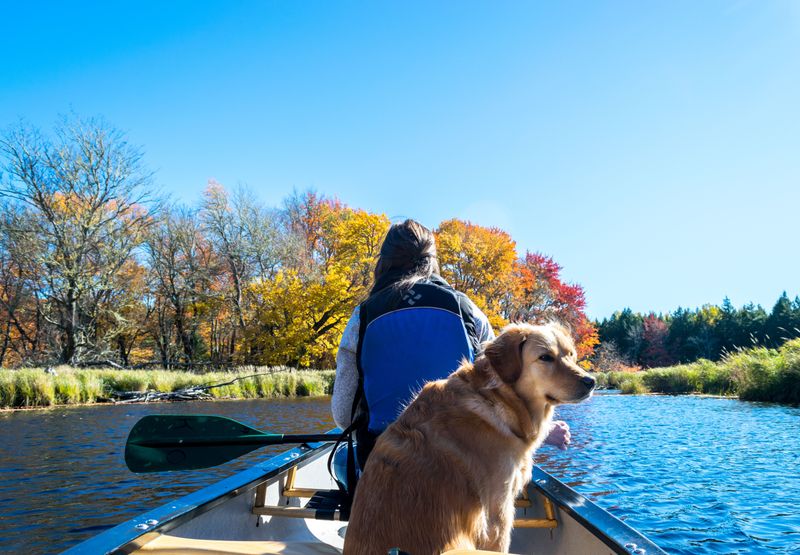
Not every route suits four paws. Entry points such as Sawbill Lake near Tofte and Moose Lake near Ely can provide routes with relatively manageable portages, depending on the specific trip.
Compare that to the Frost River loop, famous for beaver dams and boot-swallowing mud. Fun for humans with grit, rough on a dog.
Look for routes with lots of paddling and minimal portaging. Base camping works beautifully too.
Paddle in one day, then explore from a single home base.
Practice Canoeing Before the Trip
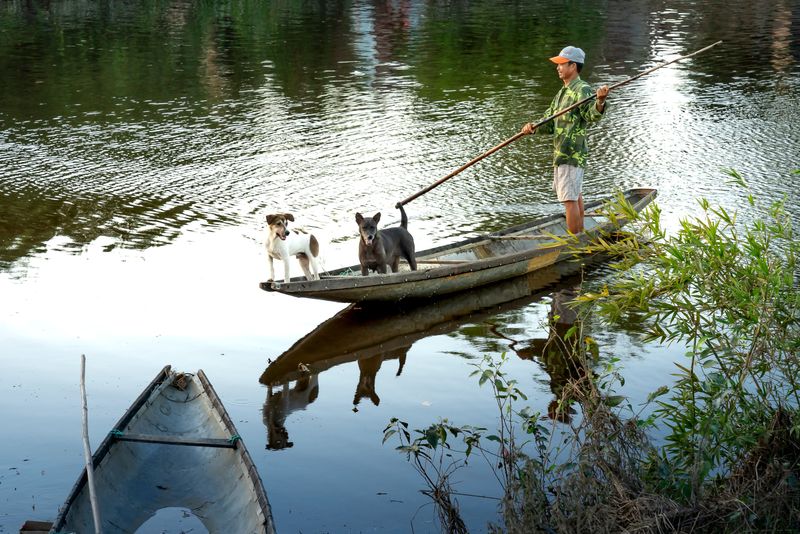
The first wobble decides everything. A dog who has never felt a canoe tip will scramble, and scrambling flips boats.
Start on a calm local lake. Teach a solid down between the thwarts, low and centered.
Reward stillness generously.
Practice getting in and out at shore, which is where most spills happen. Repeat until boredom sets in, because a bored dog is a safe passenger.
Aim for several short sessions, not one long one.
Get Your Dog Comfortable With a Life Jacket
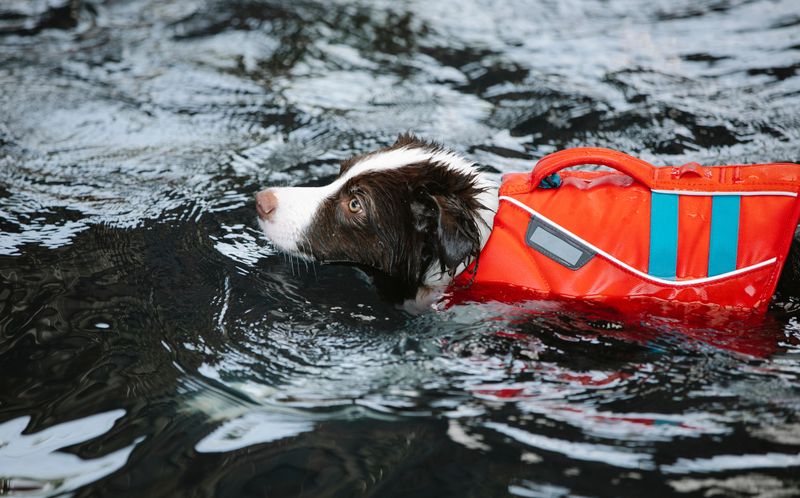
Even strong swimmers tire, and Boundary Waters lakes stretch wide enough to swallow confidence. A canine life jacket with a sturdy top handle solves two problems at once.
It floats your dog and lets you lift them into the canoe without a wrestling match.
Fit it at home weeks ahead. Snug straps, full range of motion, no chafing behind the front legs.
Let your pup wear it during play so it feels normal, not like weird armor.
Prepare for Long Portages
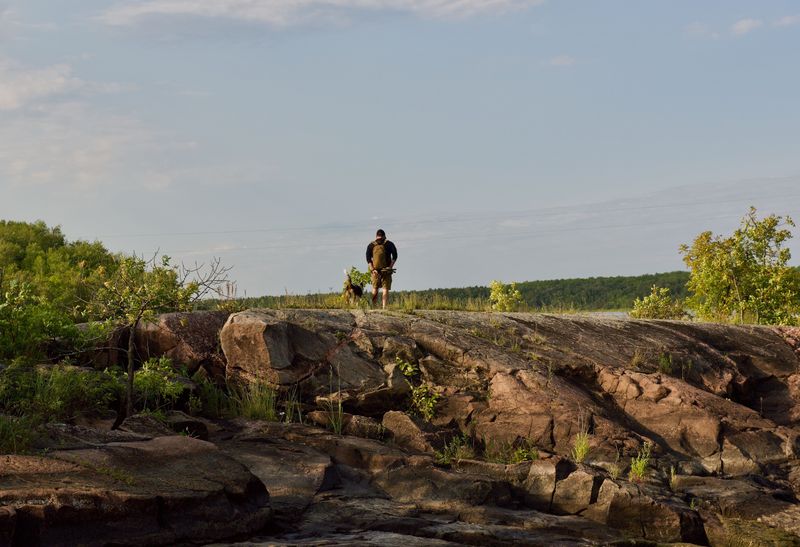
Portages here are measured in rods. One rod equals about sixteen and a half feet, roughly a canoe length.
A 320 rod carry means a mile of rocks and roots, and you’ll be under a canoe with limited vision.
Teach your dog to walk ahead or wait, never underfoot. Send them across first if the trail is clear.
Then return for gear. Expect double trips, and build in rest stops for everyone’s benefit.
Keep Your Dog Under Control Around Campsites
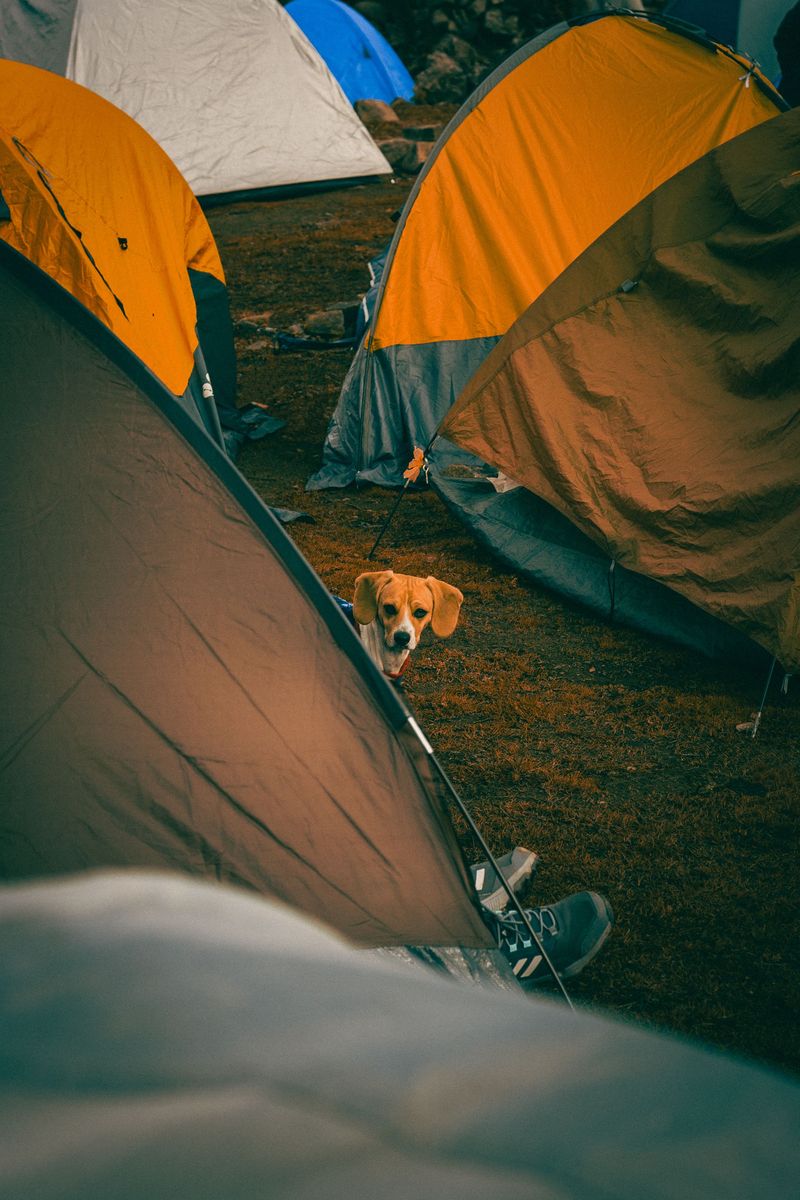
Designated campsites sit surprisingly close together on popular lakes, sound carrying across water like a telephone line.
A wandering dog can end up two sites over, begging for someone’s oatmeal. Not a great look.
Bring a long tether or lightweight cable line and anchor it to a tree. Voice control counts only if it works every time, distractions included.
Loons, squirrels and paddling strangers all test recall. Assume your dog will be tempted.
Plan Around Minnesota’s Cold Water
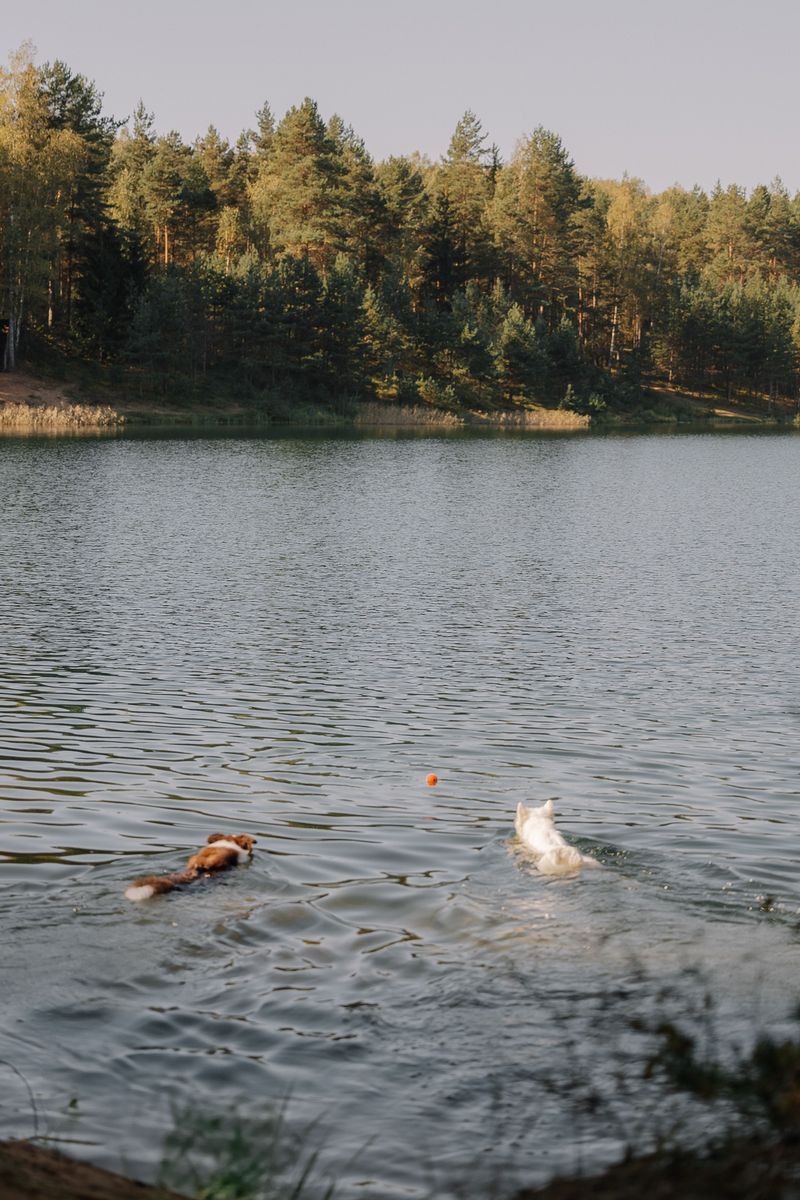
May and early June water in the BWCA can hover in the forties and fifties. That’s chilly enough to sap strength fast.
A soaked dog on a windy lake loses heat quickly, especially short-coated breeds.
Pack a fleece jacket or a dedicated towel and dry them off after swims. Watch for shivering and slowed movement.
Mid-summer trips avoid most of this. Lakes warm up nicely by July, making swim breaks the day’s highlight.
Protect Your Dog’s Paws
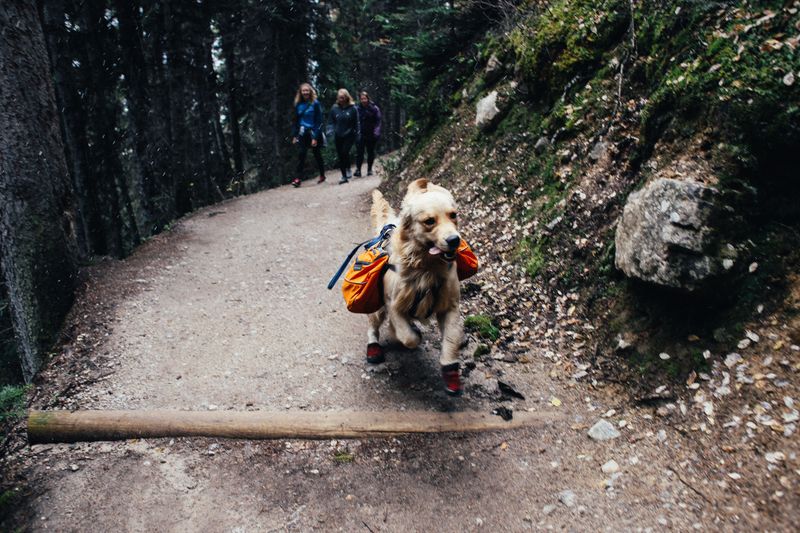
Canadian Shield granite is gorgeous and gritty. Add wet roots, sharp gravel and mud, and paw pads take a beating over four days.
Check between toes each evening. Look for splits, redness or embedded pine needles.
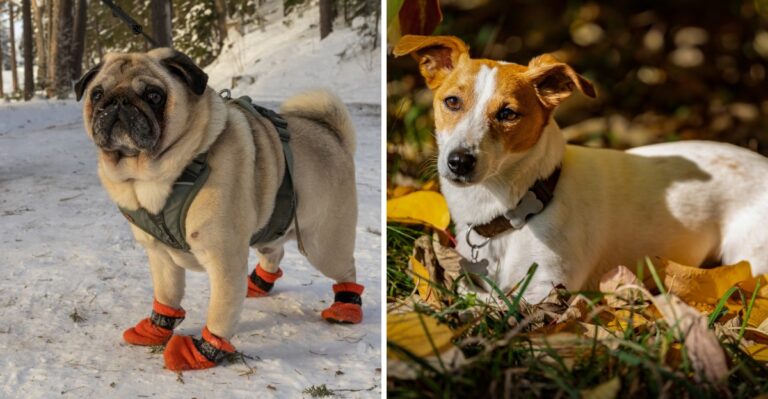
Paw balm helps toughen pads if you start applying weeks before departure. Pack booties as backup, plus vet wrap for a tender foot.
Fun fact: a limping dog is the top reason paddling trips end early.
Pack Enough Food and Water
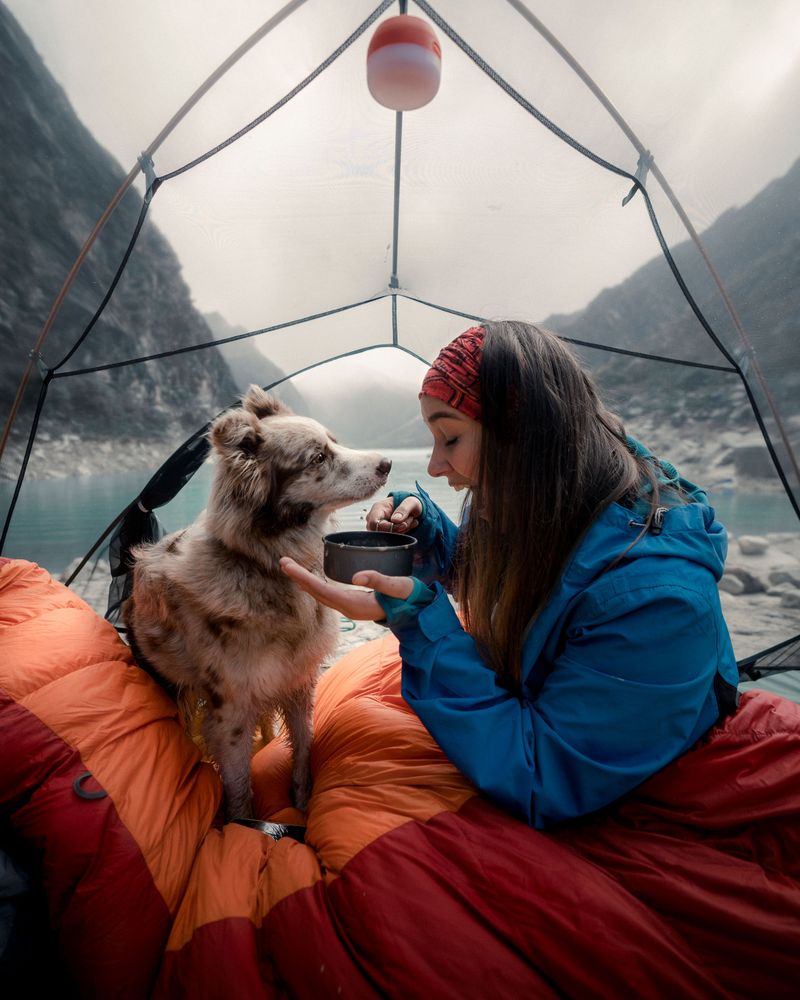
Paddling and portaging burn calories like a furnace. Most active dogs need roughly twenty five percent more food than usual on trail.
Portion each day into a labeled bag, then add one extra day for delays.
Lake water looks pristine, but giardia lives in the North Woods. Filter or treat your dog’s water just like your own.
Carry a collapsible bowl and offer drinks at every portage landing. Hydration prevents most trail grumpiness.
Bring a Leash and Backup
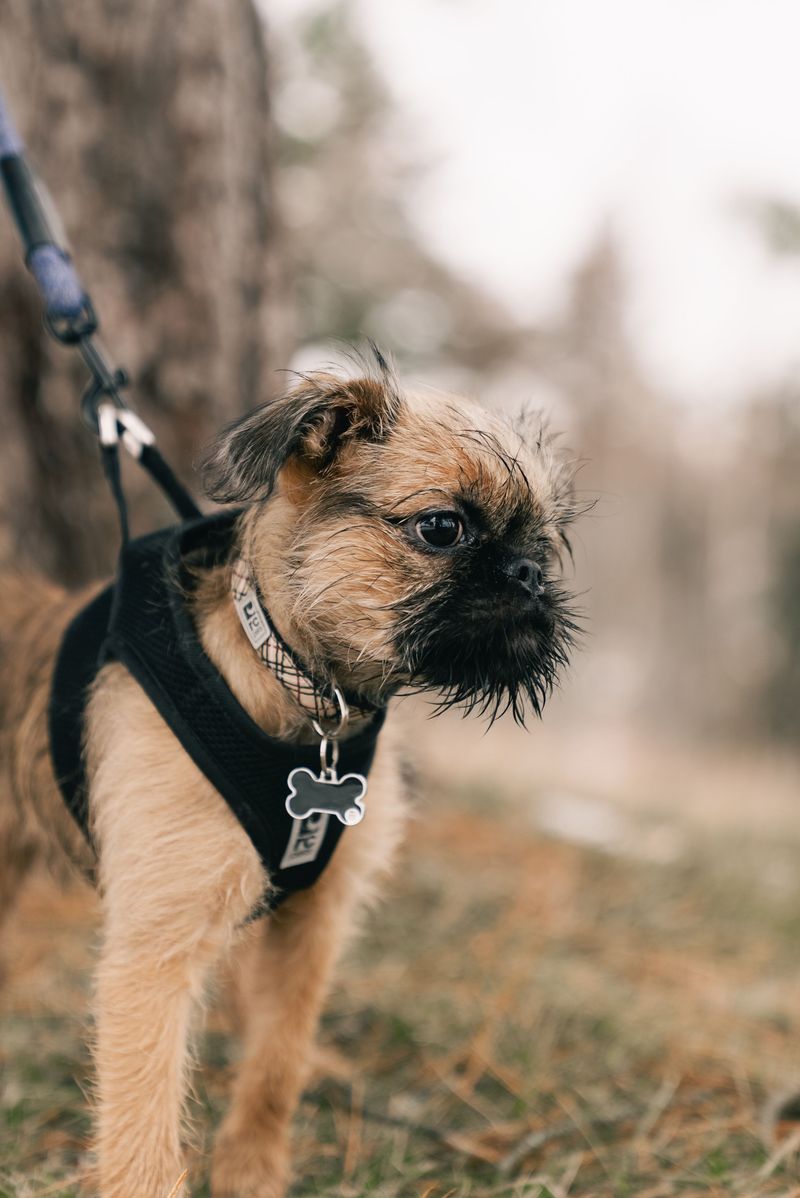
Gear disappears in the wilderness. Leashes slip off rocks, straps snap, and a chewed lead is a real possibility.
Carry a primary leash plus a spare, ideally different lengths. A six foot lead handles portages, a longer line works at camp.
Collars should hold current ID tags, and a well fitted harness gives you more lifting leverage.
Skip retractable leashes entirely. Thin cord plus granite plus a startled dog equals tangles nobody enjoys.
Watch for Wildlife
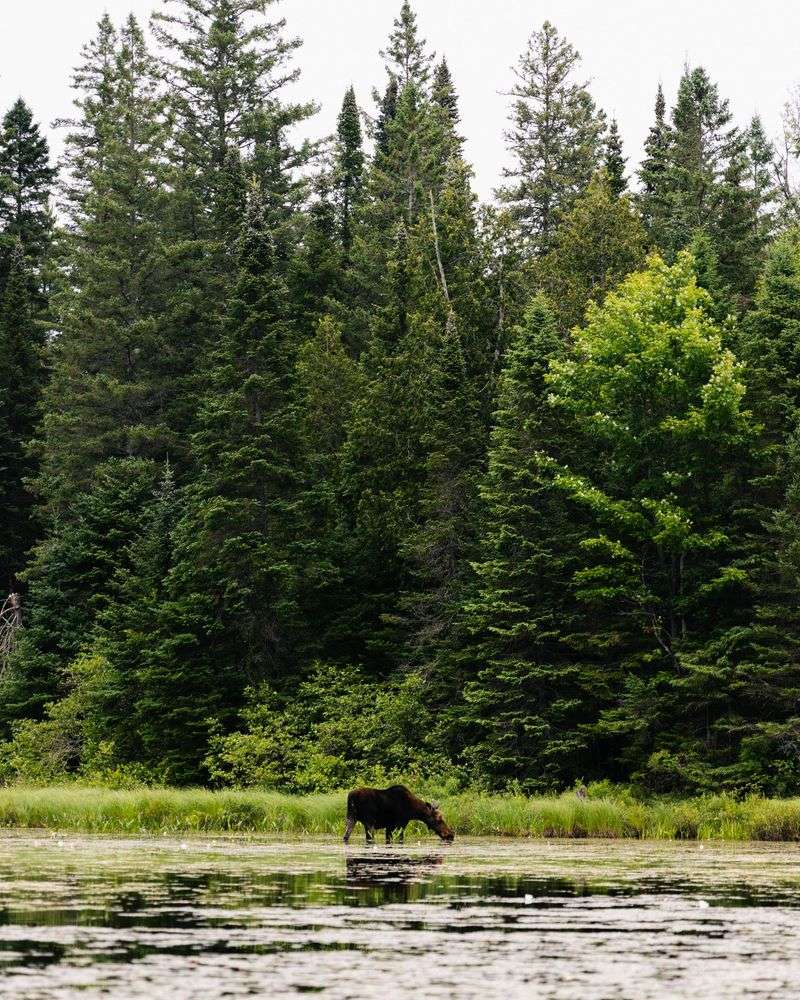
Black bears, moose, wolves and porcupines all call this forest home, and your dog’s nose will find them first.
Porcupines cause the most trail emergencies. Quills in a muzzle mean an early paddle out.
Keep your pup close at dusk and dawn, prime wildlife hours. Loons deserve space too, especially near nesting shorelines.
Never let a dog chase anything here. Curiosity is charming at home, risky in genuine wilderness country.
Keep Food Away From Your Dog’s Sleeping Area
Bears in the BWCA have learned that campsites mean snacks. Kibble smells just as interesting as your trail dinner.
Store dog food in your bear-resistant canister or hang it with the rest of the pack, well away from the tent.
Wash bowls after every meal and pack out crumbs. No food dishes near sleeping gear, ever.
Your dog might protest the policy. The uninterrupted night’s sleep is worth it.
Be Ready for Bugs and Ticks

June mosquitoes in northern Minnesota are legendary, and black flies join the party. Ticks thrive in the grassy portage edges.
Talk to your vet about a tick and flea preventive before the trip, plus heartworm coverage.
Do a nightly tick check, fingers working through the coat around ears, neck and belly.
Never use human insect repellent with DEET on your dog. Ask your vet for pet-safe options instead.
Bring a First-Aid Kit for Dogs

A tiny cut on day one can turn into a trip-ending problem by day three, miles from any road.
Build a canine kit: vet wrap, gauze, saline flush, tweezers, tick remover, blunt scissors and antiseptic wipes.
Add a spare bootie and your vet’s phone number in a waterproof bag.
Learn how to wrap a paw before you leave. Practicing at the kitchen table beats improvising on a windy island.
Know Where You Can Get Help
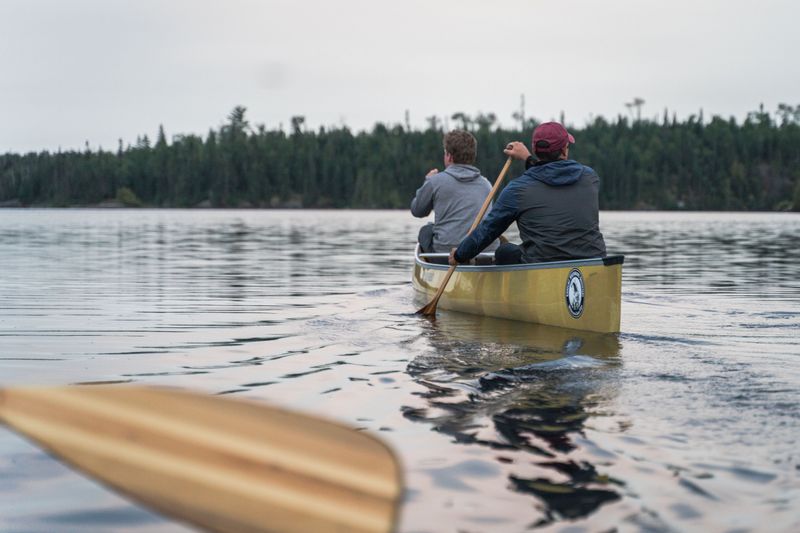
Cell service in the BWCA is patchy at best, often nonexistent. Assume you’re on your own.
Veterinary clinics sit in Ely and Grand Marais, both a long paddle plus a drive away. Save their numbers before you lose signal.
A satellite messenger gives you a real lifeline for genuine emergencies.
Tell your outfitter your route and return date. Someone knowing where you are is quiet insurance.
Check Weather Before Leaving Camp
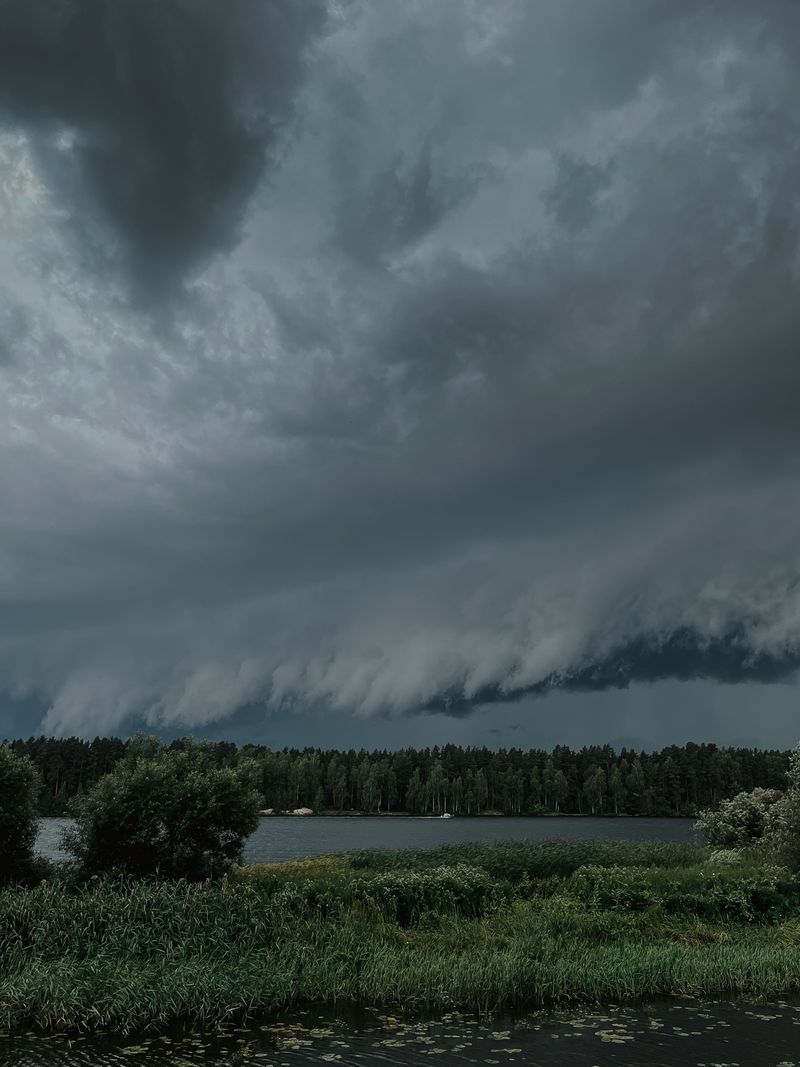
Big lakes like Basswood and Saganaga can build whitecaps within twenty minutes of a wind shift.
Paddling open water with a nervous dog and two foot waves is a hard no. Wait it out.
Grab a forecast before you leave town, then read the sky each morning. Calm dawn hours are your friend.
Afternoon thunderstorms roll through often in July. Plan crossings early and hug shorelines when wind picks up.
Make Camp Comfortable for Your Dog
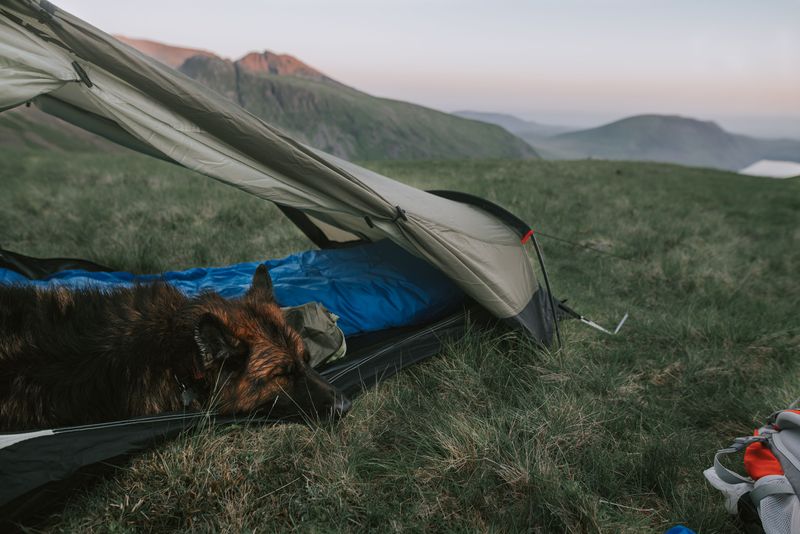
Bare granite is a cold, hard mattress. A cut piece of closed-cell foam weighs almost nothing and gives your pup a proper bed.
Set it in the shade near your tent so they can watch you work.
Sleeping inside the tent keeps them warm and bug-free, assuming they fit. Many dogs settle faster indoors.
Bring one familiar item from home. A worn shirt smells like reassurance after a big day.
Respect Other Paddlers and Campers
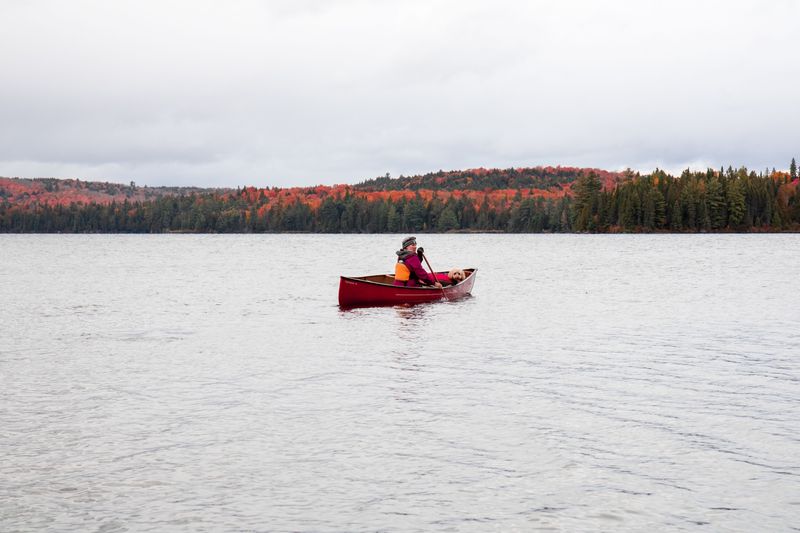
Silence is the main attraction out here. Many paddlers travel days specifically to hear nothing but wind and loons.
Barking carries astonishingly far across still water, so work on quiet cues at home.
Call your dog in when another canoe lands at a portage. Not everyone loves an enthusiastic greeting.
Pack out or bury waste properly, following Leave No Trace guidance. Considerate dog owners keep wilderness doors open for everyone.