How A Texas Dog Walker’s Midday Schedule Can Look Completely Different In Houston And Amarillo
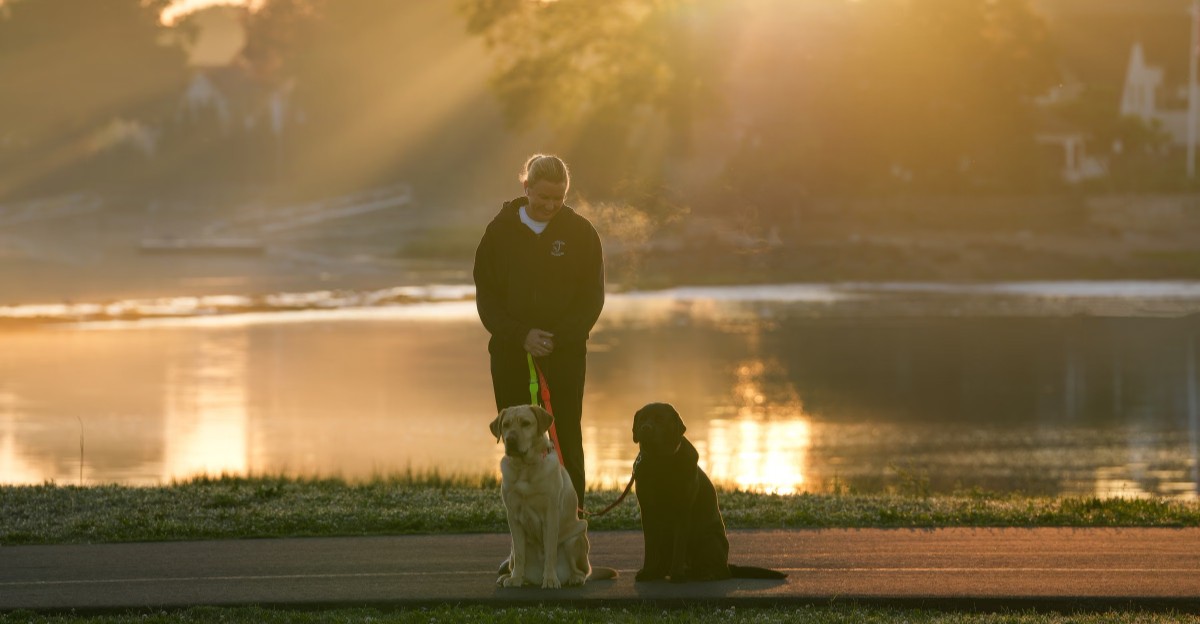
Texas is one state, but its weather can feel like two different worlds. A midday dog walk in sticky Houston looks nothing like one on the breezy, dry plains of Amarillo.
If you walk dogs or hire someone who does, knowing these local differences helps keep every pup safe and happy. Here is a friendly guide to how each city shapes the daily routine, season by season.
1. Sticky Air Versus Dry Air
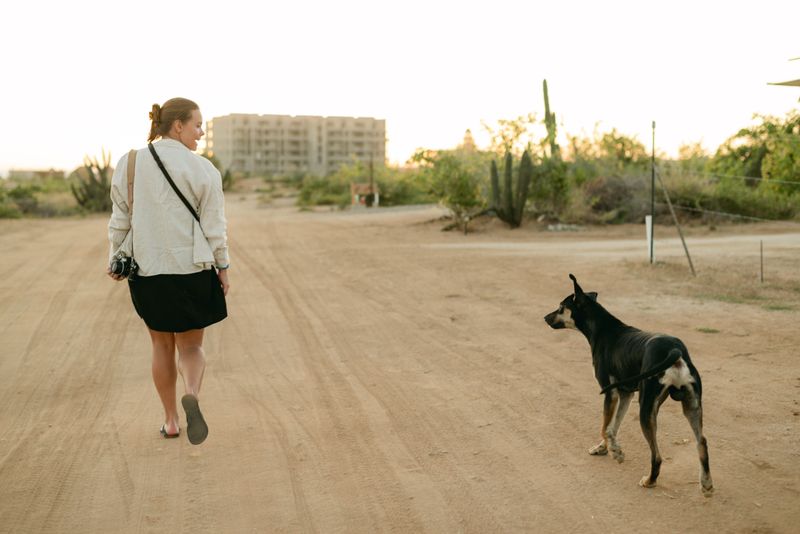
Step outside in Houston in July, and the air feels like a warm, damp towel. Summer humidity there often sits between 70 and 90 percent.
Amarillo tells a different story. Its semi-arid climate keeps July humidity near 51 percent on average.
Dry air helps soften the bite of hot afternoons.
For walkers, this difference shapes everything. A Houston dog may tire faster at the same temperature that feels manageable in Amarillo.
2. Shifting the Clock in Houston
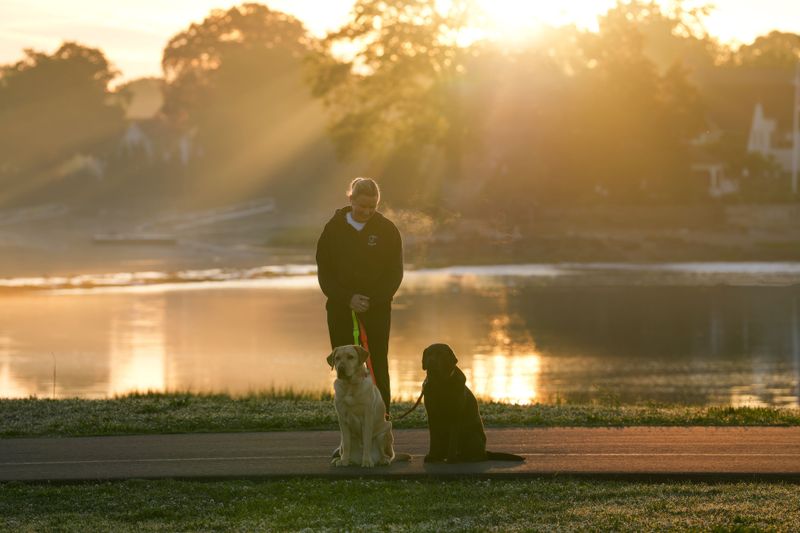
Many Houston walkers quietly move their summer schedules away from noon. Local guidance often suggests walking before 8 AM or after 7 PM.
Mornings usually win. The ground has had all night to cool, so paws stay more comfortable.
Evenings can be trickier than they seem. Dark pavement holds heat long after sunset.
A quick surface check is still smart, even when the sky looks calm and cool.
3. Shorter Strolls on Steamy Days

Here is a simple swap that works well in Houston: trade one long walk for two short ones. An early morning outing and a late evening stroll are gentler than a long midday trek.
High humidity can wear down a dog quickly, even during easy activity.
On muggy days, trim both distance and pace. A relaxed sniff walk still gives great mental exercise without pushing your pup too hard.
4. Why Humidity Matters So Much
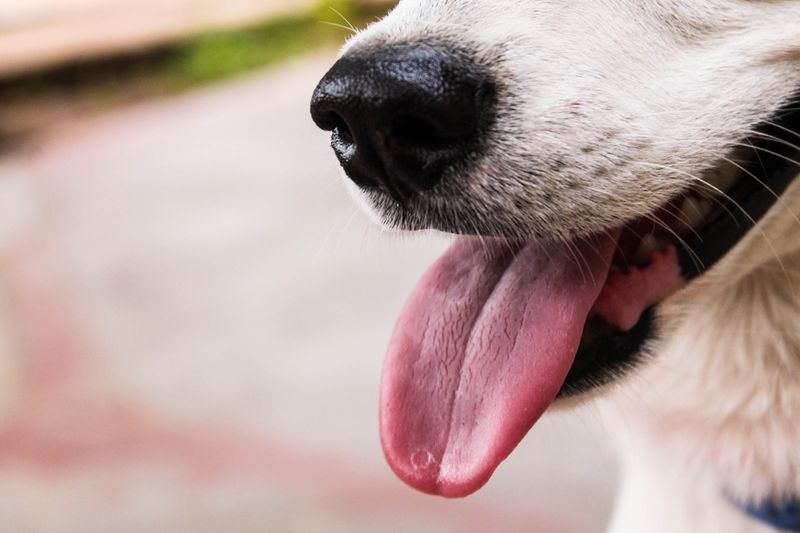
Dogs cool off mainly by panting. That system depends on moisture evaporating from their mouths and airways.
When the air is already full of moisture, evaporation slows down. Panting becomes less effective, so heat builds up faster.
Surprisingly, a humid 85-degree day in Houston can be harder on a dog than a hotter, drier afternoon. Watch for heavy panting or slowing down, and call your veterinarian with concerns.
5. The Back-of-the-Hand Test
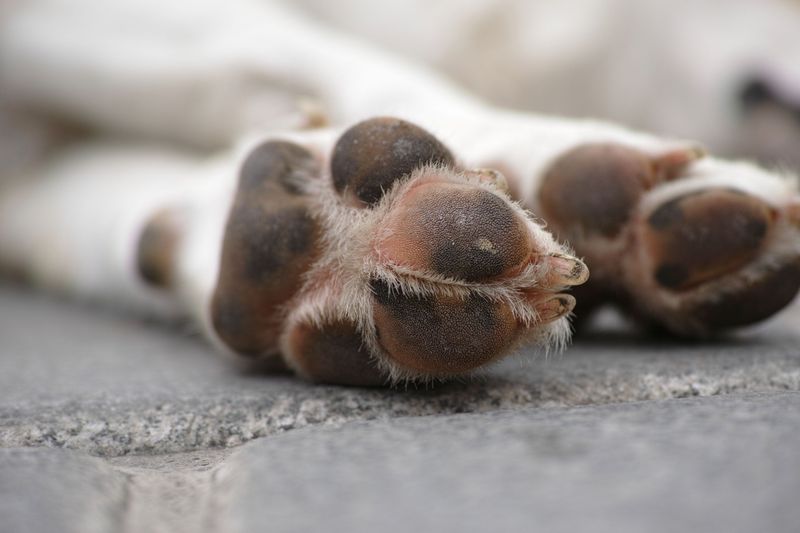
Pavement does not care which Texas city you live in. Dark asphalt and concrete can run 40 to 60 degrees hotter than the air.
Try the popular 7-second test. Rest the back of your hand on the ground.
If you cannot hold it there comfortably for seven seconds, it is too hot for paws.
Above 120 degrees, paw pads can burn in about a minute. Grass makes a friendlier path.
6. Chasing Shade Under Houston Trees
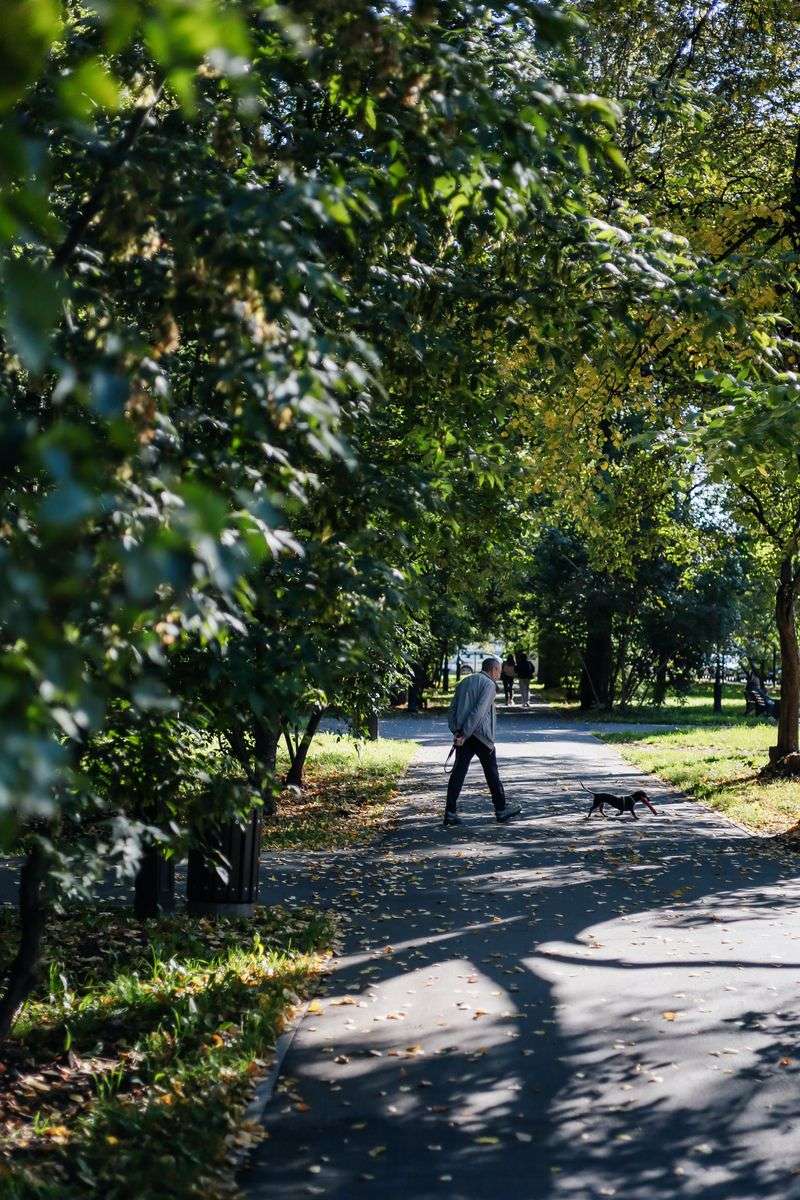
Seasoned Houston walkers map their routes around tree cover. Shady streets, grassy patches, and dirt trails stay far cooler than open sidewalks.
Parks with plenty of trees, such as parts of the Houston Arboretum or Cullen Park, can be welcome summer options. Check each park’s pet rules before visiting.
Once temperatures reach about 90 degrees, many experts suggest sticking to shade only. Your dog will happily agree.
7. Water Breaks Every Few Blocks
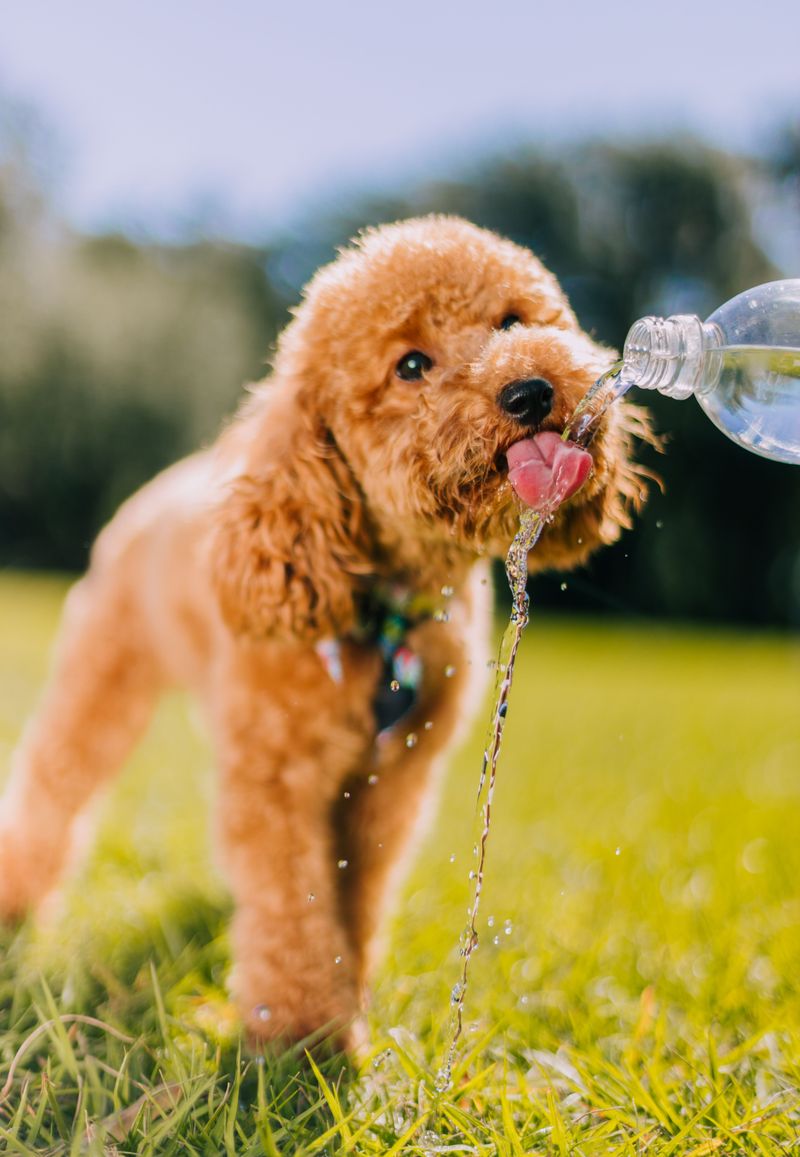
Picture a dog walker’s bag in either city. You will almost always find a water bottle and a folding bowl inside.
In warm weather, offering water every 10 to 15 minutes is a solid habit. Even short walks deserve a drink.
Let your dog take small sips at its own pace. Never force water into its mouth.
Dry Amarillo air and humid Houston heat both make hydration a top priority.
8. Rainy Days Are Routine in Houston
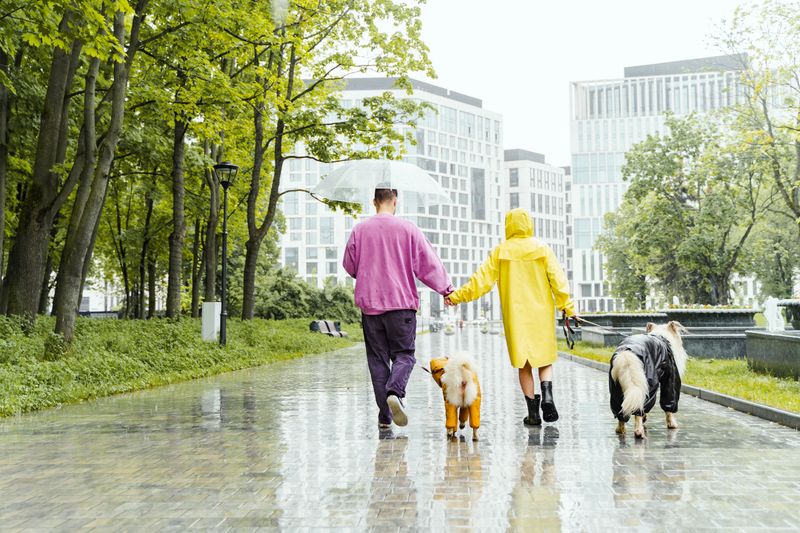
Houston gets about 55 inches of rain in a typical year. Amarillo sees closer to 20 inches.
That gap changes daily planning. Houston walkers keep rain jackets, towels, and flexible schedules close by.
Amarillo rain is less frequent and often arrives with spring and summer thunderstorms. Most of its yearly total falls between April and September.
Either way, checking the radar before heading out saves soggy surprises.
9. Different Storms, Different Plans
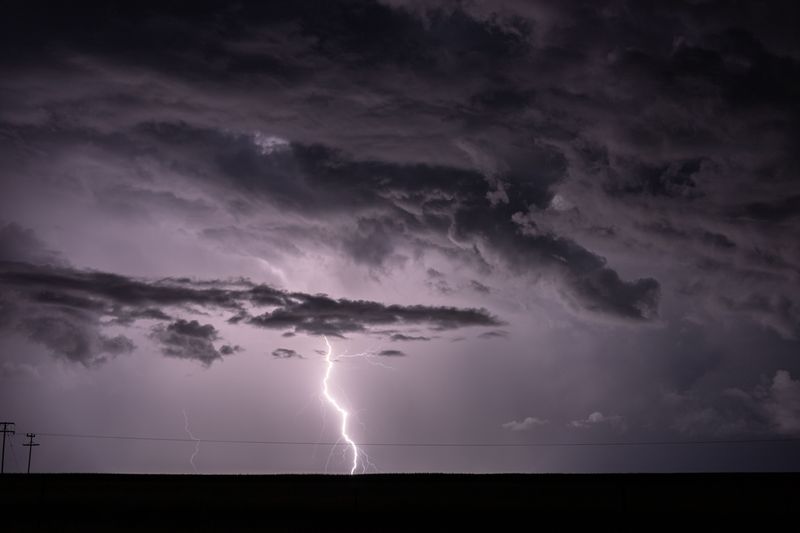
Storm season looks very different across the state. Houston sees roughly 60 thunderstorm days a year, plus hurricane and tropical storm risk, especially in August and September.
Amarillo ranks among the most hail-prone U.S. cities. Spring storms there can bring large hail, lightning, and strong winds.
Wise walkers watch local weather alerts closely. If thunder rumbles, head indoors and wait it out together.
10. Leaning Into Panhandle Wind
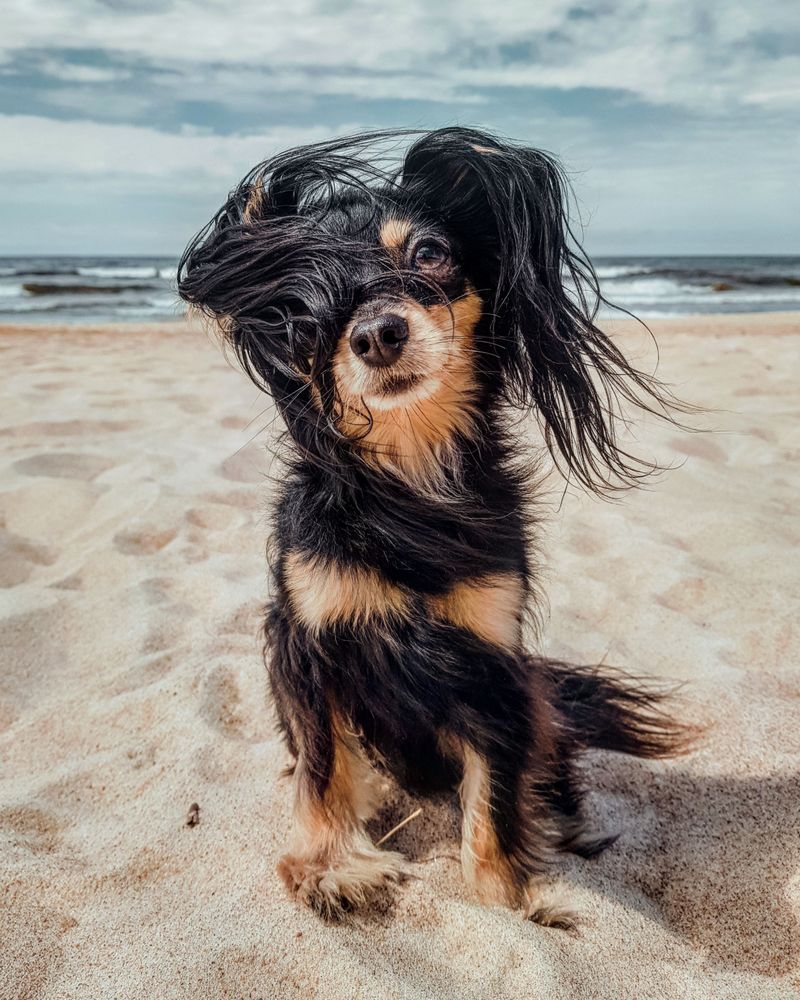
Amarillo holds a breezy title: it has the highest average annual wind speed in Texas, about 14.3 mph. Houston’s July average sits near 6.6 mph.
March and April usually bring the strongest gusts.
Strong wind can spook nervous dogs and toss debris around. A snug harness, a secure leash, and calmer routes away from open fields help everyone feel steady and safe.
11. Watching for Blowing Dust
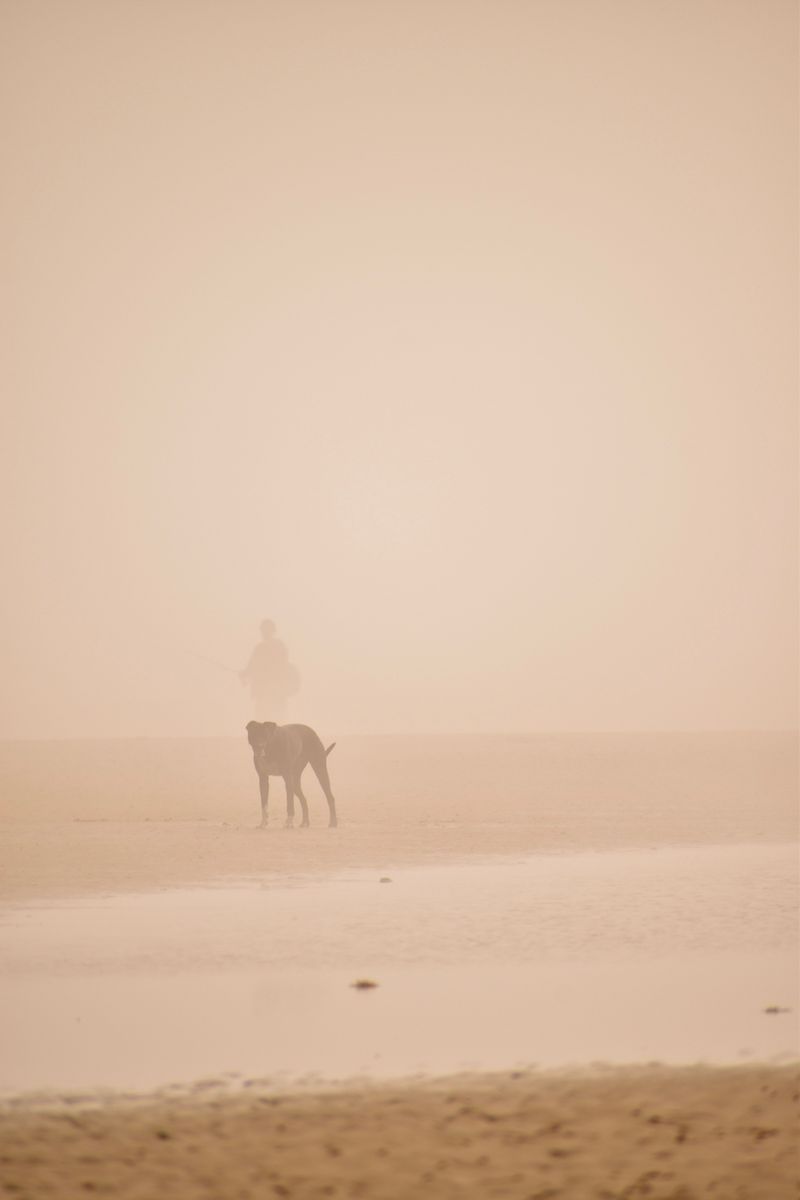
Ask an Amarillo resident about spring, and dust may come up. Light winter moisture plus strong winds can stir up dust storms that lower visibility.
Dusty air can irritate eyes and noses, for people and pups alike.
On hazy days, shorten walks or stay closer to home. Wiping your dog’s face gently afterward helps.
If irritation lingers, a quick call to your vet is a good idea.
12. Chilly Middays in Amarillo
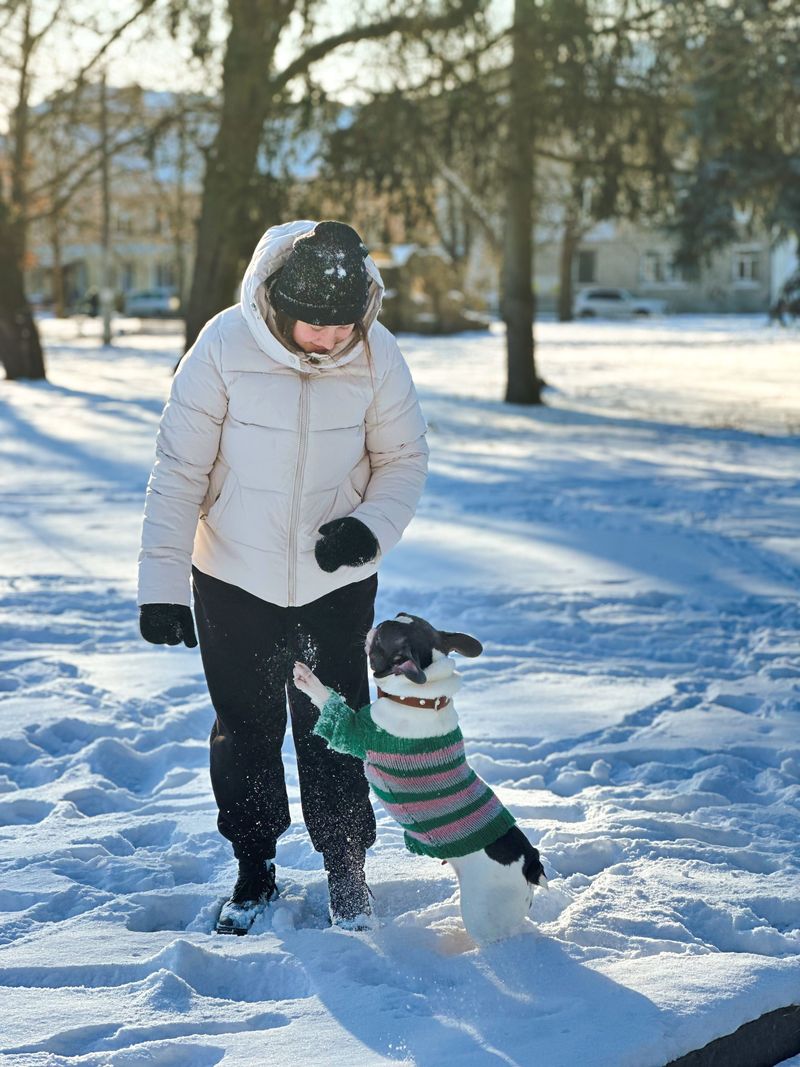
Winter flips the script completely. In Amarillo, January averages highs near 51 degrees and lows around 26.
Houston stays much milder, with January highs averaging about 63 degrees.
That makes noon a smart Amarillo walking window in winter, since it is often the warmest part of the day. Short-haired or small dogs may appreciate a cozy coat.
Shorter outings keep chilly paws comfortable.
13. Snow and Slick Sidewalks
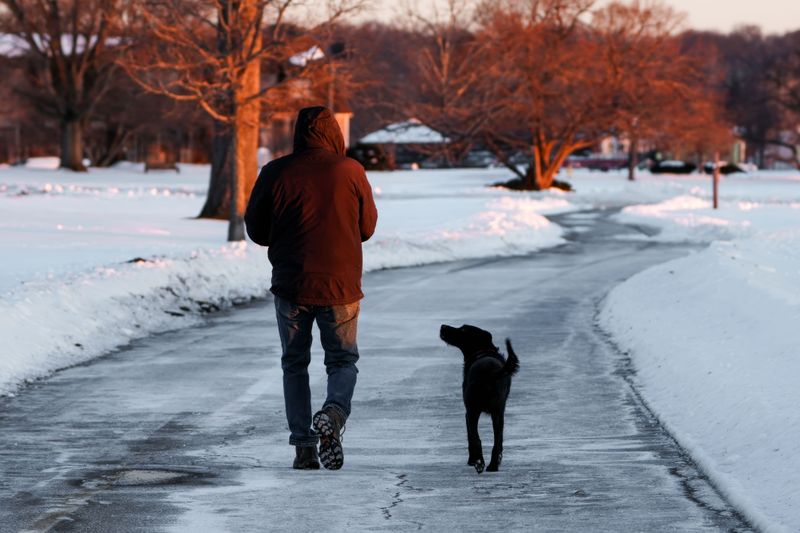
Houston averages zero inches of snow each year. Amarillo usually collects somewhere between 14 and 18 inches.
December tends to be snowiest, though March storms happen too. Most snow melts within a few days.
Watch for icy patches from freezing drizzle. De-icing products can bother paws, so rinse feet after walks.
Dog booties offer extra grip and protection if your pup tolerates them.
14. Packing for Wild Temperature Swings
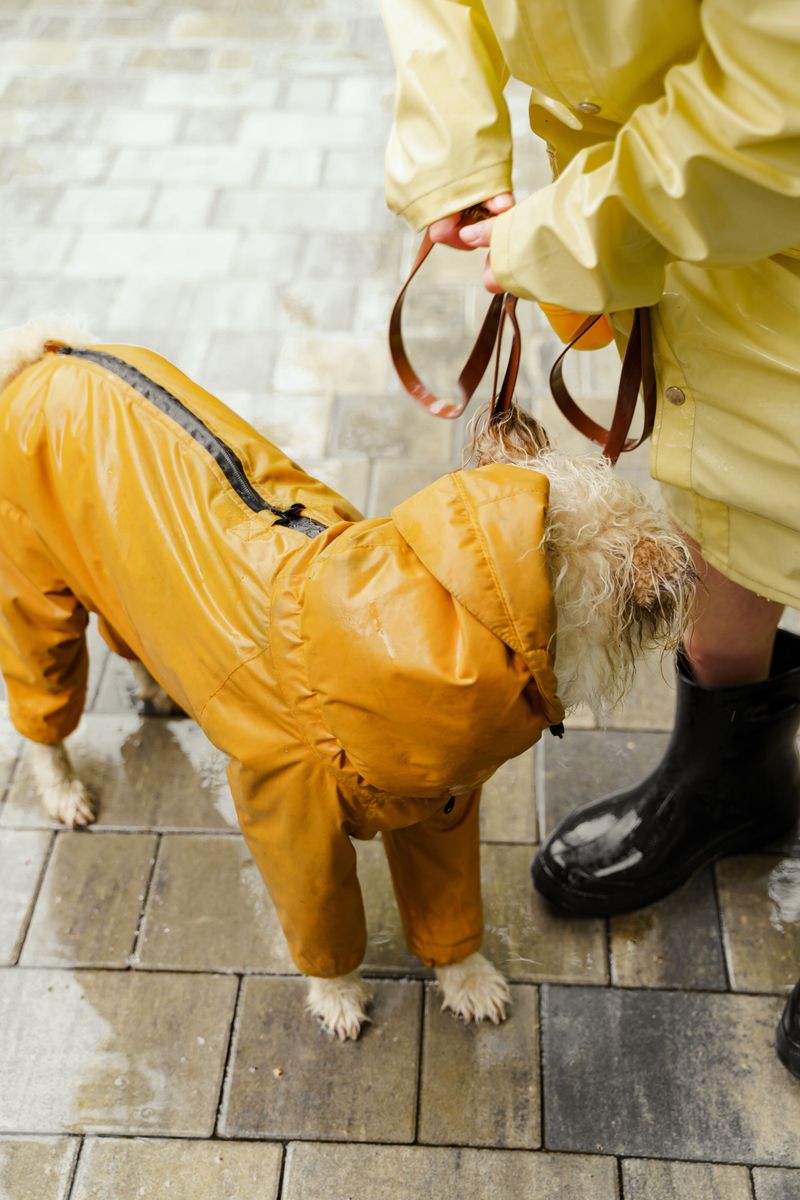
Amarillo weather can change its mind fast. Drops of 50 to 60 degrees within 12 hours are not unusual in fall and winter.
Houston’s nearness to the Gulf keeps its daily swings much gentler.
Amarillo walkers often pack layers for themselves and a light jacket for dogs. Checking the forecast right before each walk, not just in the morning, helps you avoid being caught off guard.
15. Building Traffic Into the Day
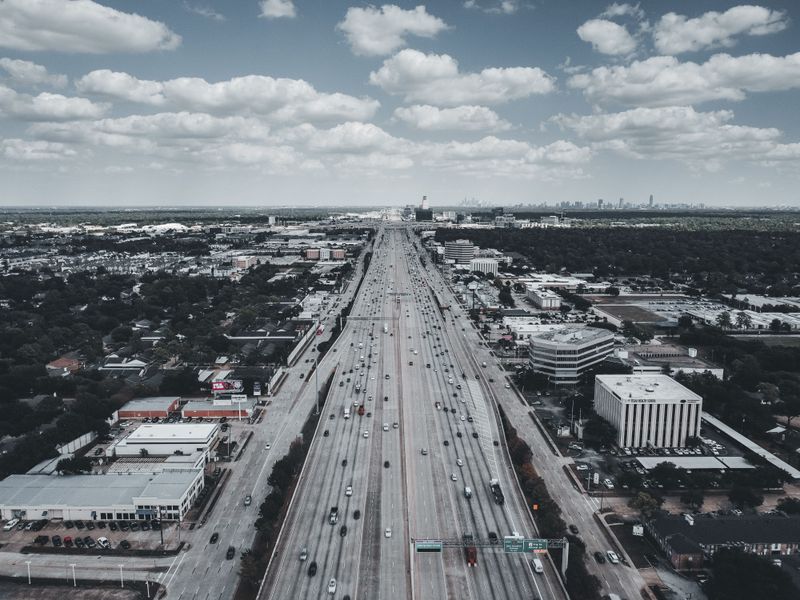
Traffic can shape a Houston walker’s day as much as weather. The city ranks among the most congested in the country.
Drivers there lost an average of 77 hours to traffic in 2024. Delays now spill into midday and weekends.
Smart walkers group clients by neighborhood and add buffer time between visits. That keeps dogs from waiting too long for their potty break.
16. Easier Drives Across Amarillo
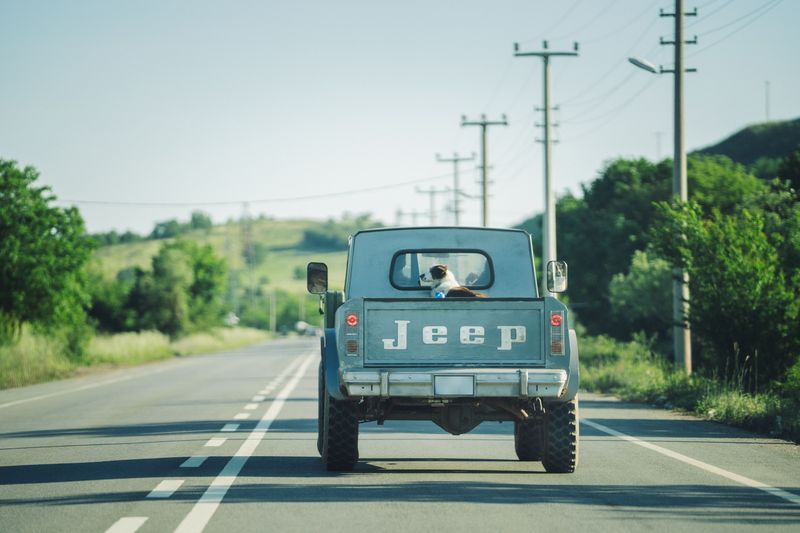
Life on the road feels lighter in Amarillo. As a smaller city, it generally has less congestion than Houston.
Exact cross-town comparisons are hard to find, but most local walkers spend less time stuck in traffic.
That flexibility helps when weather changes quickly. A walker can often reshuffle visits to dodge wind or storms.
Still, plan routes thoughtfully, especially during school and work rush hours.
17. Mud Paws and Dusty Paws
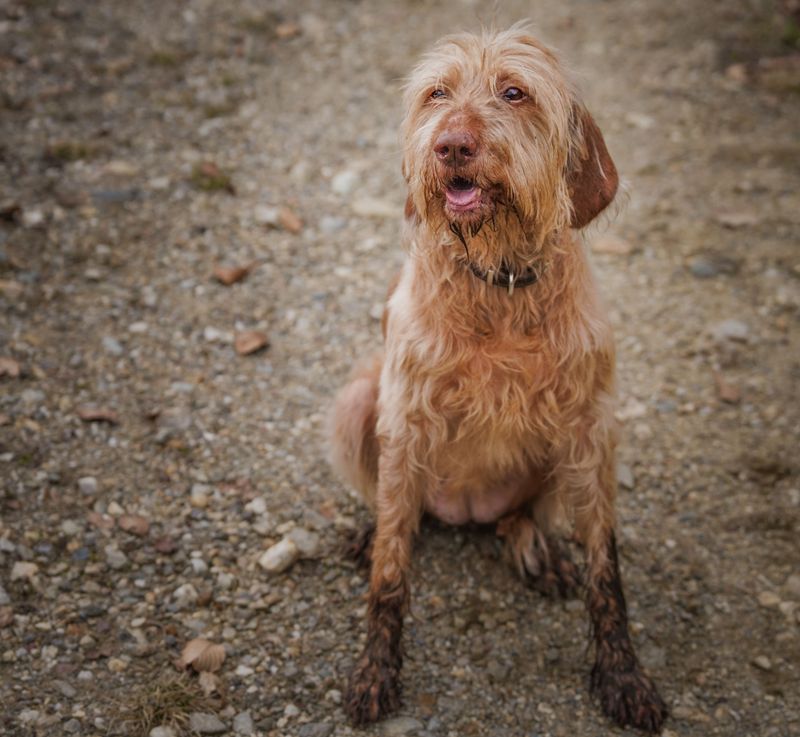
Every walk ends at the door, and the cleanup looks different by city. Houston’s frequent rain means muddy feet and damp fur are common.
Amarillo paws often come home dusty, especially in windy spring months.
Keep a towel or paw wipes near the entrance. Check between toes for burrs, grit, or small stones.
A quick wipe protects floors and keeps paws healthy and comfortable.
18. Fun Indoors When Outside Says No
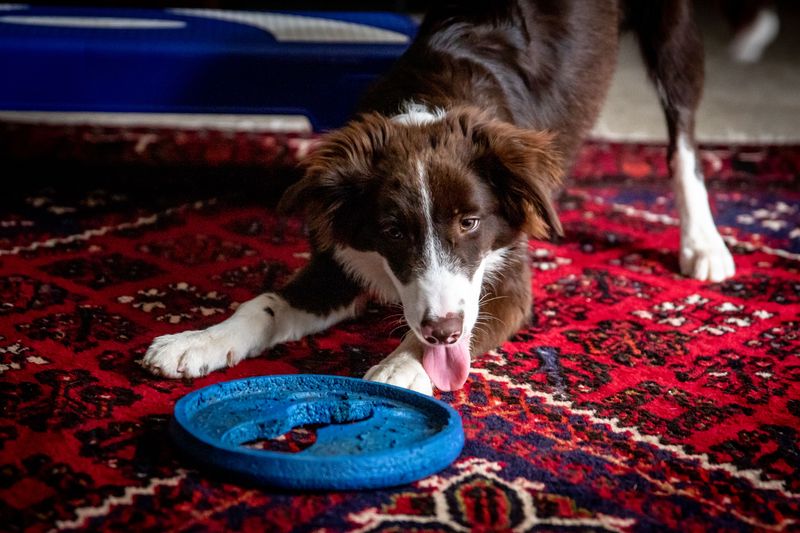
Some days, the best walk is no walk at all. Houston walkers lean on indoor play during heat waves.
Amarillo walkers do the same during cold snaps and windstorms.
Puzzle feeders, lick mats, and sniff games keep minds busy. Hallway fetch with soft toys and short training sessions burn energy too.
Air-conditioned doggy daycare is another option. A tired, happy dog does not need perfect weather.