How To Explore Kentucky Horse Country With A Dog Without Causing Trouble
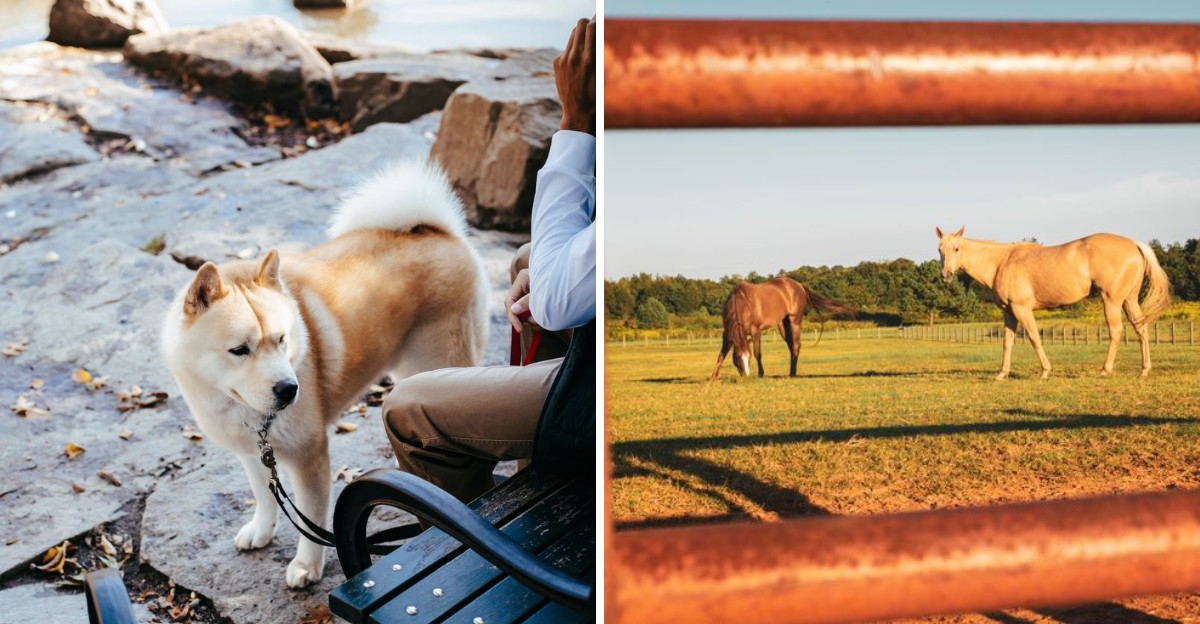
Kentucky’s Bluegrass region runs on quiet routines. Thoroughbreds nap in paddocks, foals test wobbly legs, and grooms move on tight schedules.
A single surprise bark can undo a calm morning fast. The good news: dogs and horse country can mix beautifully when you know the unwritten rules.
From black plank fences near Lexington to the shaded Legacy Trail, there are smart ways to enjoy it all. Here is how to roam politely, safely, and happily with your pup.
Choose Dog-Friendly Stops Before You Go
Half the trouble in horse country starts with a stop that never allowed dogs. Working Thoroughbred farms often ban pets entirely, for good reason.
Build your route first. Call ahead, check official websites, and note leash rules and seasonal changes.
Public parks, greenways, and pet-welcoming patios in Lexington and Versailles are your safest bets. A ten minute phone call beats a long, disappointing drive with a hopeful pup buckled in back.
Stay on Public Roads and Marked Trails
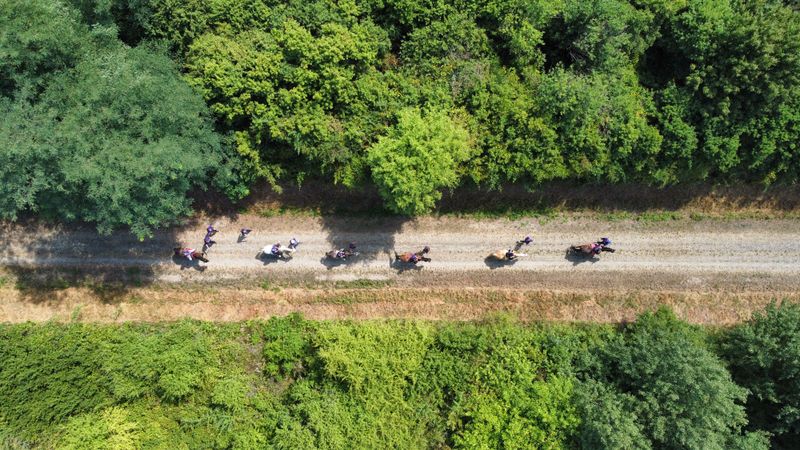
Those photogenic gravel lanes between plank fences? Most are private driveways, not scenic byways.
Stick to public roads, sidewalks, and marked trails so nobody has to ask you to leave. Farm workers handle expensive, high-strung animals daily and need clear space.
Pull off only at official overlooks or parking spots. Your dog gets the same great views of rolling pasture, and you keep every welcome intact for the next visitor.
Keep Your Dog on a Short Leash
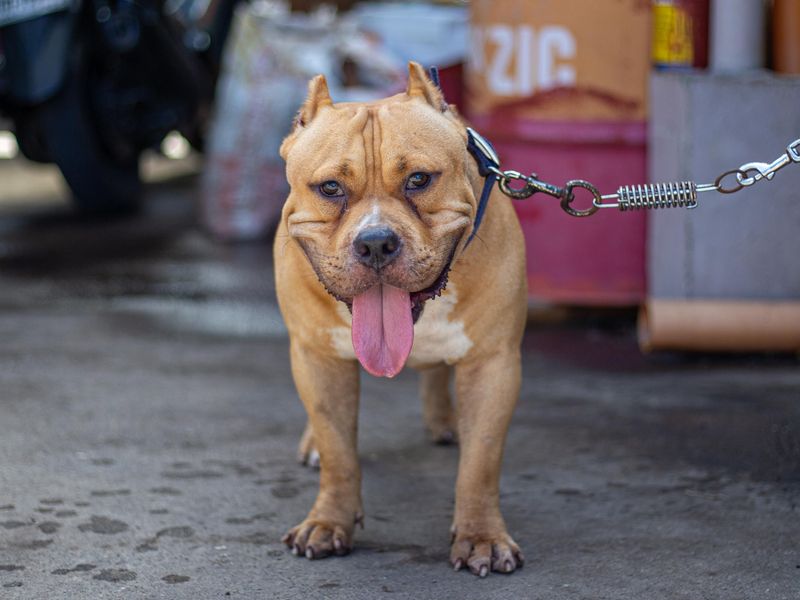
Retractable leashes and horse country are a rough match. Sixteen feet of line means sixteen feet of unpredictability near a thousand pound animal.
Clip on a sturdy four or six foot leash instead. You keep your dog close, readable, and out of the road.
Short leads also help on narrow shoulders where cars pass quickly. Control is not about being strict.
It is about everyone getting home relaxed and unbothered.
Give Horses Plenty of Space
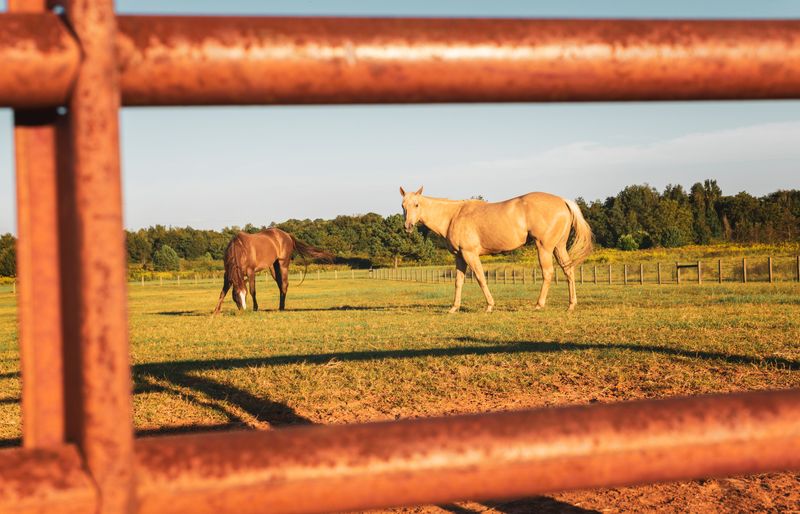
Horses can perceive unfamiliar dogs as potential threats, and even a friendly dog may startle a horse or foal.
Hang back well away from fence lines. Never let your dog paw, lunge, or bark at the rails.
If a horse lifts its head and stares, you are already too close. Quietly move along.
Distance keeps the herd calm and keeps you off the farm manager’s short list.
Check Dog Rules at Keeneland
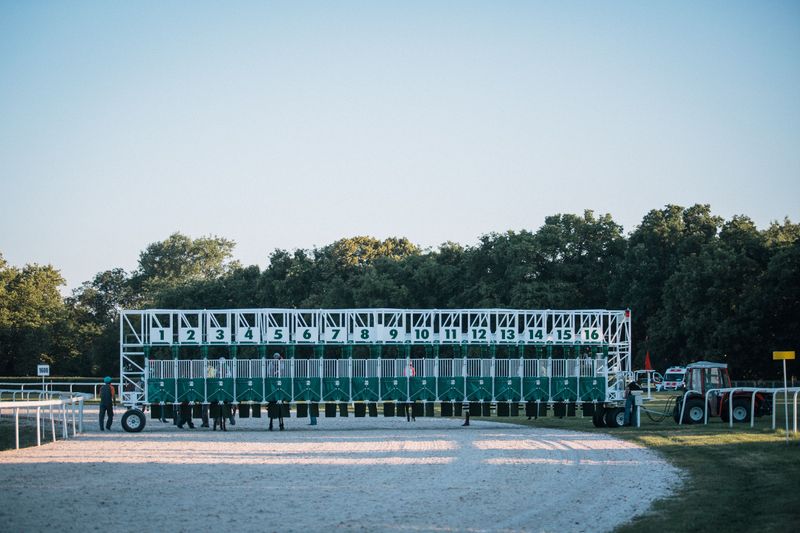
Keeneland, on Versailles Road in Lexington, is a beloved landmark with strict animal policies.
Dogs are welcome on the Keeneland grounds when leashed, but only trained service dogs are permitted through the admission gates during live racing. Specific tours may also prohibit pets, so check the current rules for the event or area you plan to visit.
Confirm current guidelines with the track before arriving. If dogs are out, plan a nearby green space walk instead.
Nobody wants to circle a parking lot with a confused pup panting inside.
Explore Lexington’s Horse Country Carefully
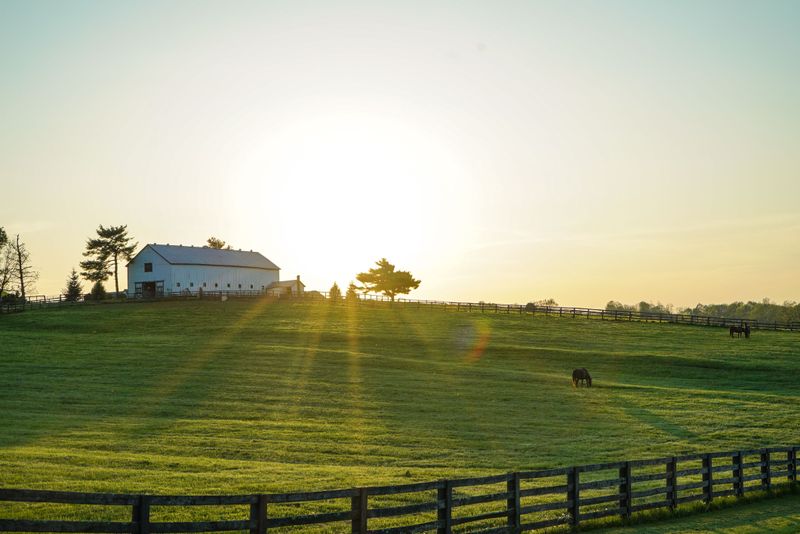
Driving the loops around Old Frankfort Pike and Paris Pike feels like rolling through a postcard.
The roads are narrow, curvy, and busier than they look. Keep your dog secured with a harness or crate while moving.
Stop only where pulling off is legal and safe. Leash up before opening any door, because an excited jump toward a pasture can end badly.
Slow driving turns pretty scenery into genuine enjoyment.
Walk the Legacy Trail With Your Dog
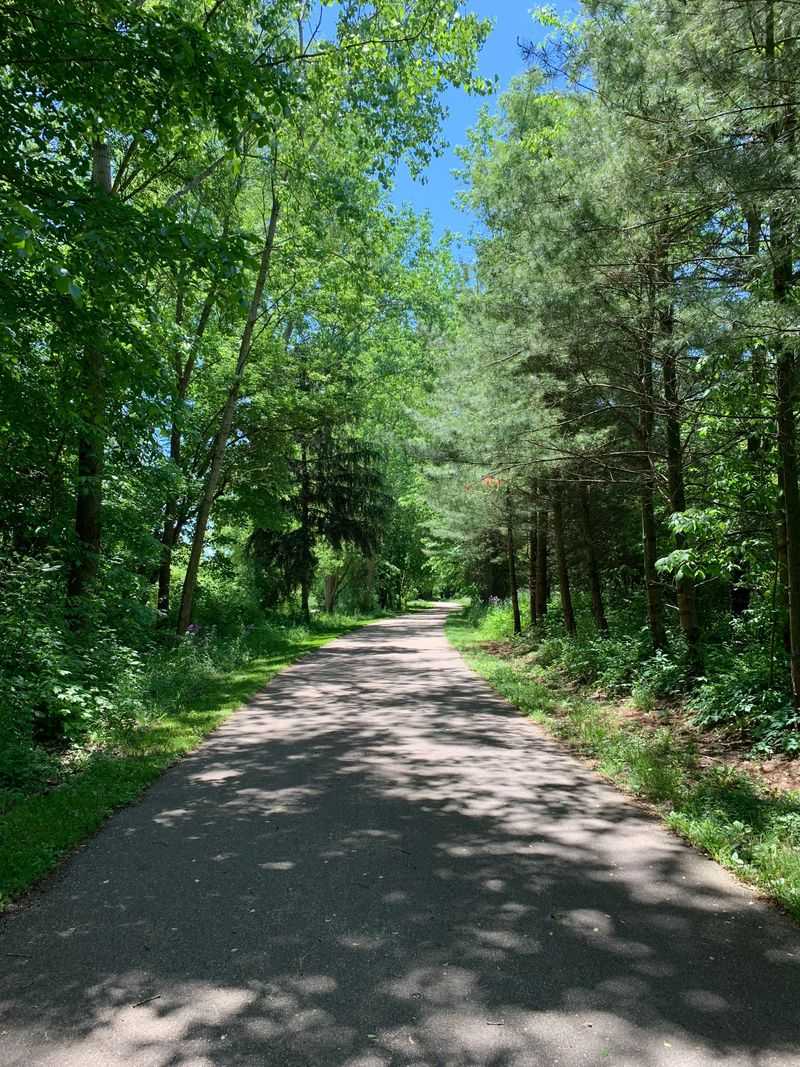
Lexington’s Legacy Trail stretches roughly twelve miles from the Northside toward the Kentucky Horse Park area.
Paved, shaded in stretches, and dotted with art installations, it welcomes leashed dogs happily. Cyclists share the path, so keep your pup to the right.
Morning walks here are wonderfully peaceful. Start at Isaac Murphy Memorial Art Garden for an easy entry point, then turn back whenever paws start looking tired.
Give Other Dogs Room
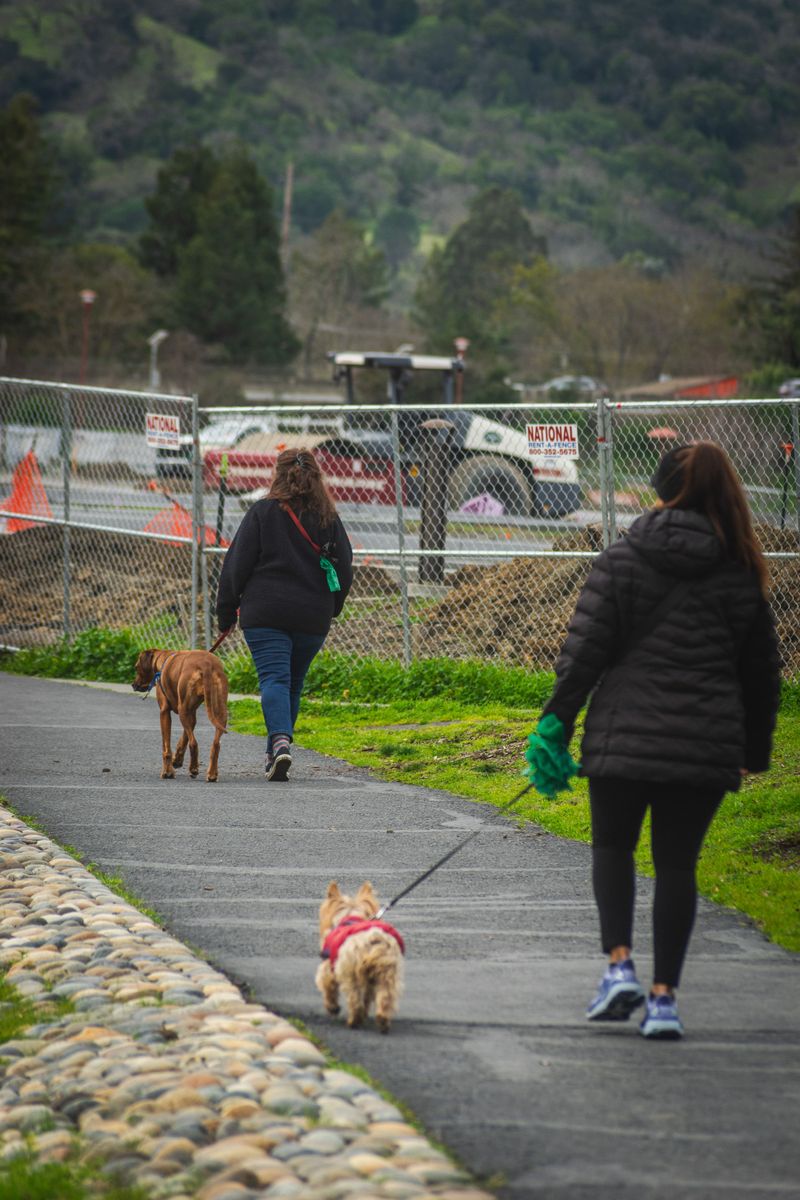
Not every dog on the trail wants a new best friend. Some are nervous, recovering, or still learning manners.
Ask before letting leashes tangle. A simple nod and a wide arc keeps things smooth.
Step aside for cyclists and strollers too. Polite passing is contagious, and it makes shared paths pleasant for everyone.
Your dog will survive without greeting every single pup, though the sad eyes say otherwise.
Pack Enough Water for the Day
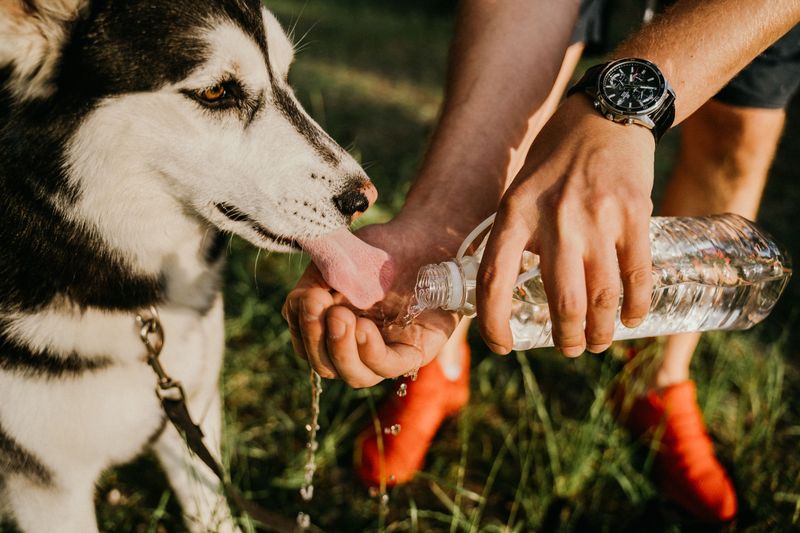
Kentucky summers bring thick humidity that sneaks up on dogs fast.
Carry more water than you think you need, plus a collapsible bowl. Offer drinks every twenty minutes on warm walks.
Skip creeks and farm ponds, which can hold bacteria or runoff. Watch for heavy panting, drooling, or a dog lagging behind.
Shade breaks under a sycamore beat pushing through. Hydration is the cheapest insurance a traveling dog owner can pack.
Watch the Ground Near Horse Farms
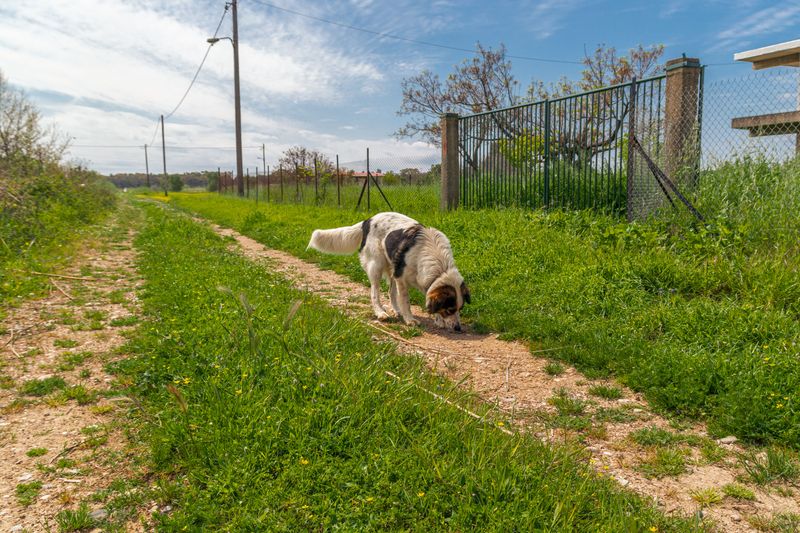
Pasture edges hide surprises: baling twine, fence staples, hoof-churned mud, and burrs that cling like glue.
Scan ahead as you walk and steer around debris. Gravel lanes can get scorching under midday sun.
Horse manure attracts curious sniffers, and eating it invites a rough night. Redirect quickly with a treat.
Check paws afterward for cuts or stuck seeds. Two minutes of inspection saves an unplanned vet visit later.
Keep Dogs Away From Livestock
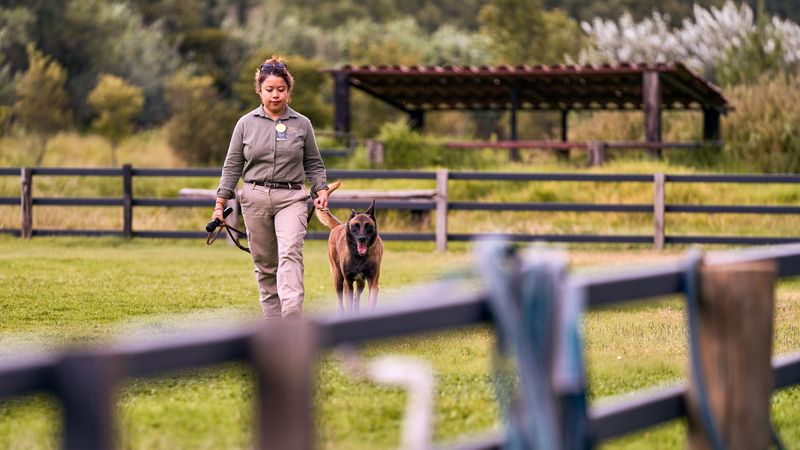
Horses share Bluegrass farms with cattle, sheep, goats, and plenty of poultry.
Kentucky law makes dog owners responsible for damage their dogs cause to livestock or other property, so allowing a dog to chase or harass livestock can create legal and financial consequences. Keep your dog under control whenever livestock are nearby.
Keep leashes secure whenever animals appear beyond a fence. Do not let your dog fixate or bark at grazing stock.
Walk on by with a cheerful voice and a treat. Calm passing builds a habit worth having.
Use Designated Parking Areas
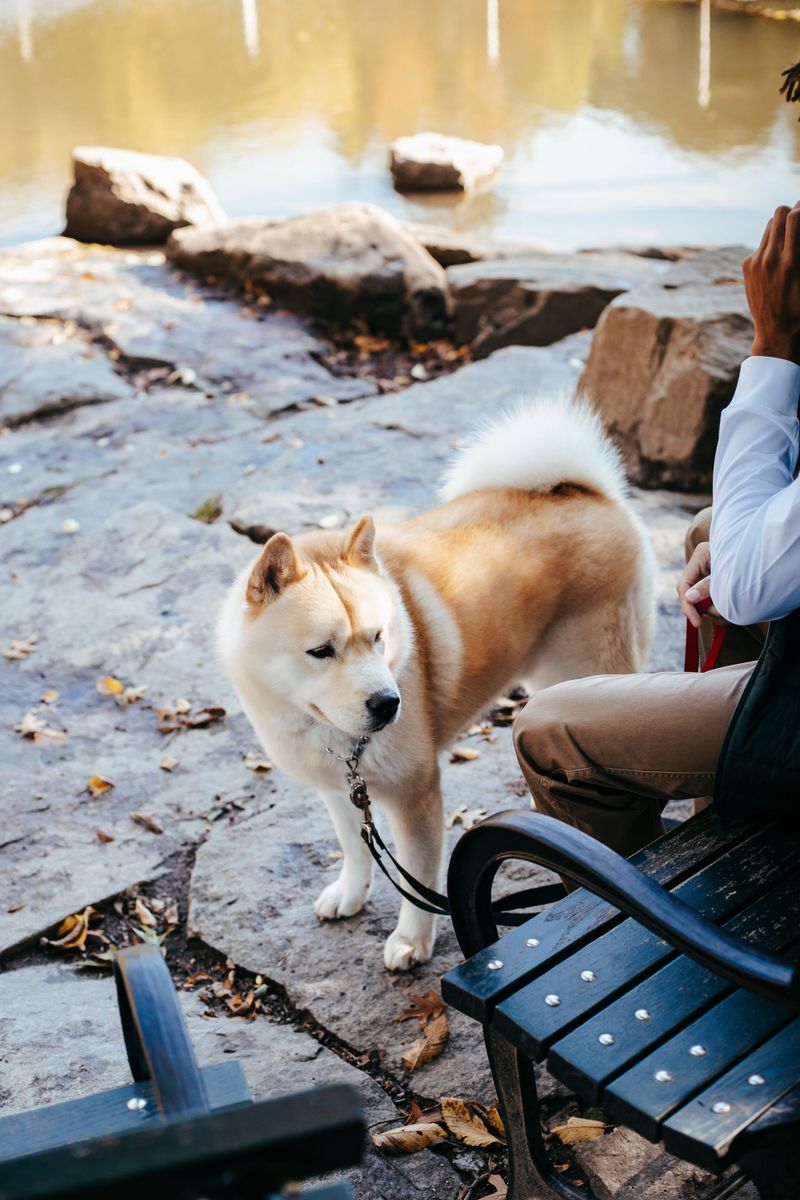
Grassy shoulders beside farm fences look tempting for a quick photo stop.
Many are private, soft after rain, and dangerous on blind curves. Farm equipment needs that space too.
Use marked trailhead lots, park entrances, and public lots instead. Kentucky Horse Park and Lexington’s public parks provide designated places to park and unload, although individual locations may have their own rules.
Leash your dog before the door swings open. Roadside sprints are the one adventure nobody wants.
Keep Barking Under Control
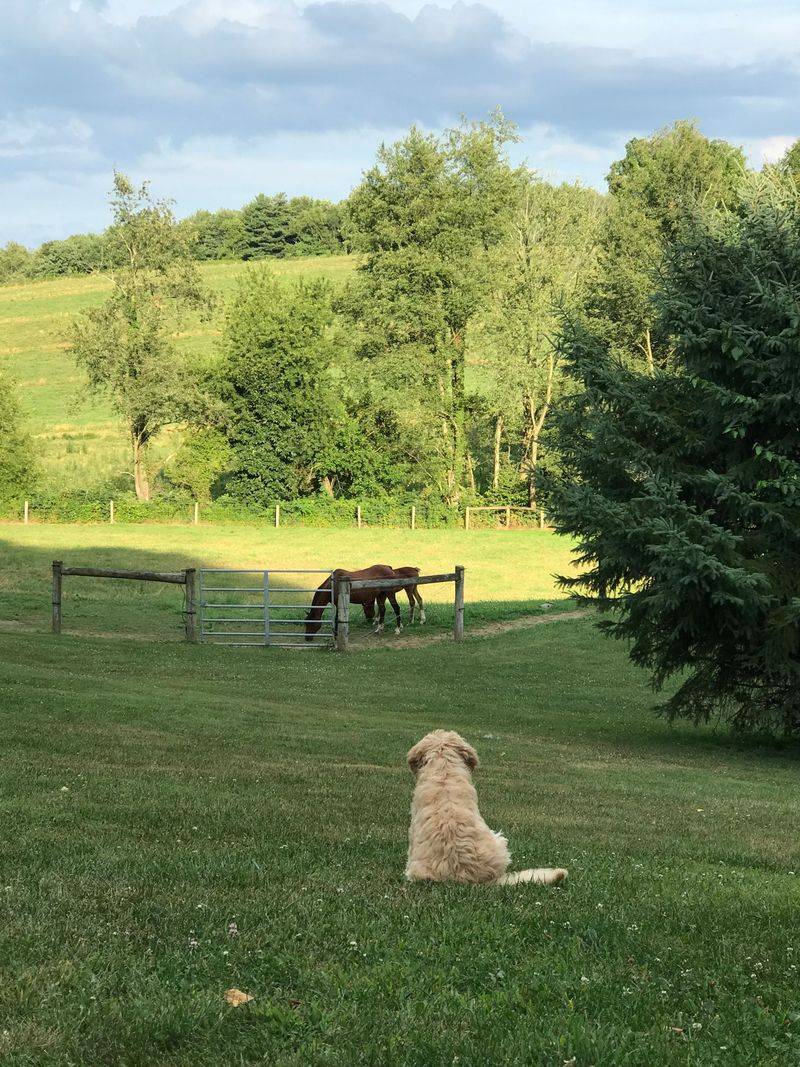
Sound travels remarkably far across open pasture.
A barking dog can startle a mare with a young foal, and that reaction happens in a heartbeat. Trainers work early mornings when quiet matters most.
Practice a redirect cue before your trip. Treats, a quick turn, and a lighter tone work wonders.
If barking starts, move away from the fence line rather than correcting loudly. Peace and quiet keeps you welcome everywhere.
Clean Up After Your Dog
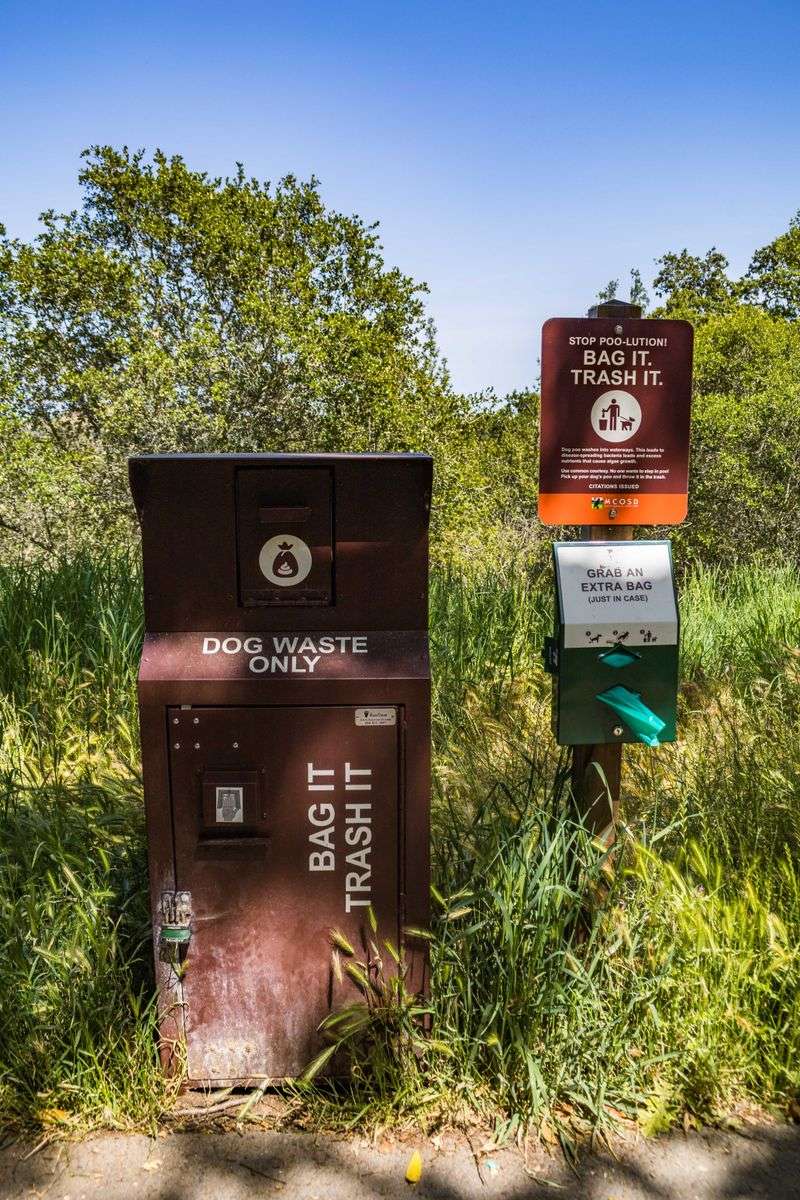
Farmland and waste bags have a complicated relationship.
Dog waste can carry parasites that affect grazing animals, so leaving it near pastures is genuinely harmful. Trail users notice fast, too.
Carry extra bags, more than you expect to use. Pack a small sealable pouch when trash bins are scarce.
Scooping is unglamorous but it protects access for every visitor after you. Consider it rent for gorgeous scenery.
Check Trail Conditions Before Hiking
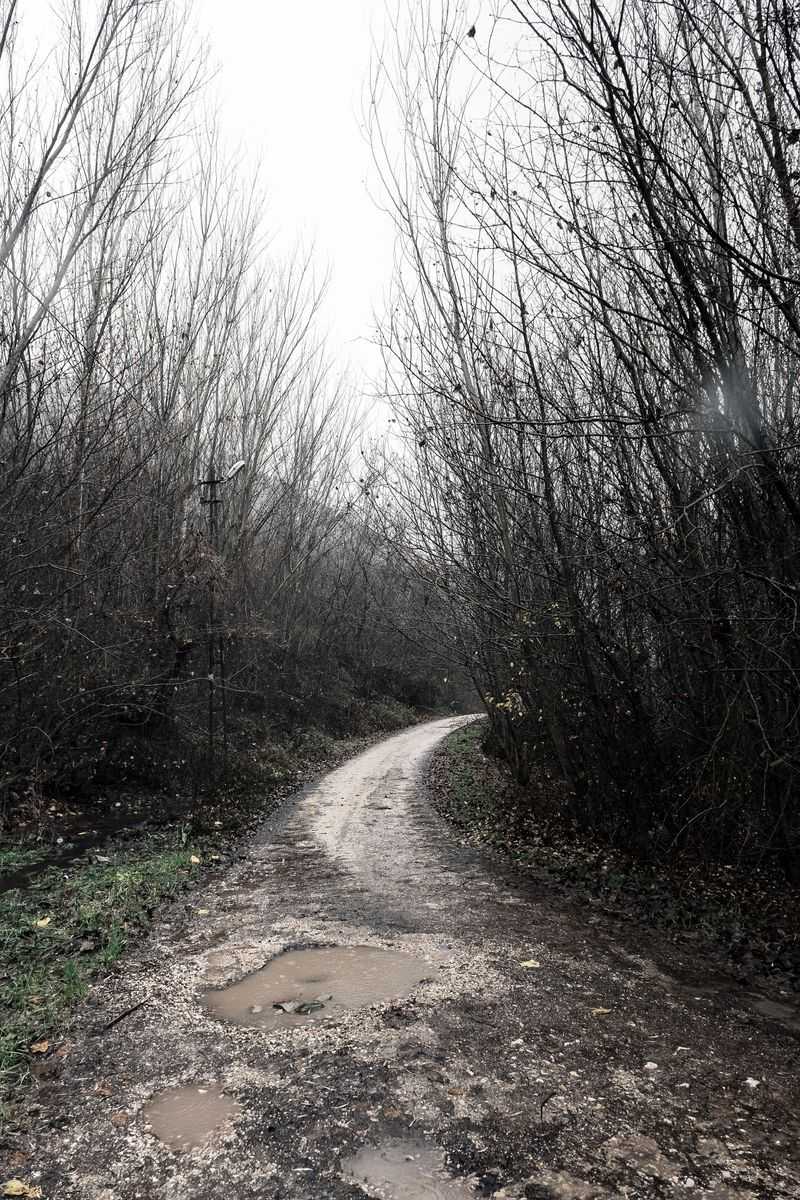
Bluegrass trails can become muddy and slippery after storms.
Places like Raven Run Nature Sanctuary in Lexington prohibit pets, while other parks may close sections seasonally. Rules vary by location, so check the current regulations before heading out.
Look up park websites or call the office the morning you go. Check for flooding, mowing, or event closures.
Five minutes of research saves muddy paws, a soggy car, and a very unhappy backseat situation.
Visit During Quieter Times
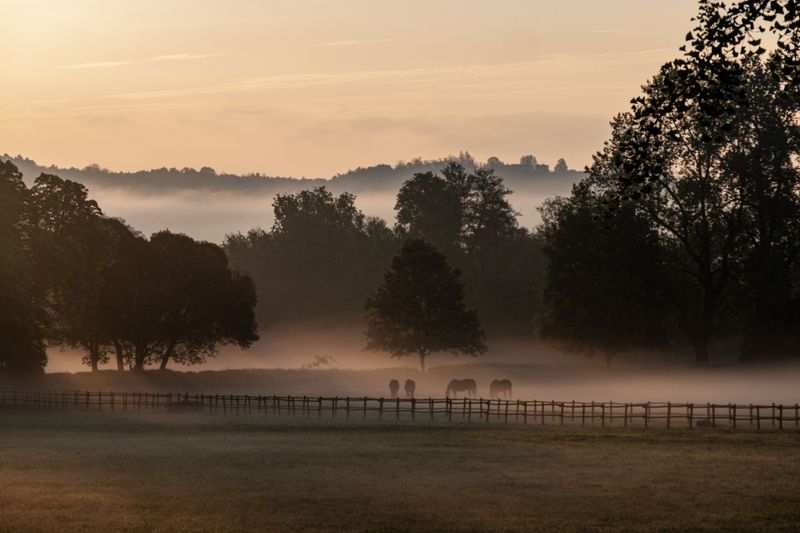
Weekday mornings in the Bluegrass feel almost private.
Mist sits low over the pastures, trails are empty, and temperatures stay kind to paws. Race weekends and spring break bring crowds that stress reactive dogs.
Aim for early hours or late afternoons outside peak season. Fewer people means easier passing, better photos, and a calmer pup.
Your dog gets more sniff time, and you get scenery without the shuffle.
Respect Private Farms and Fences
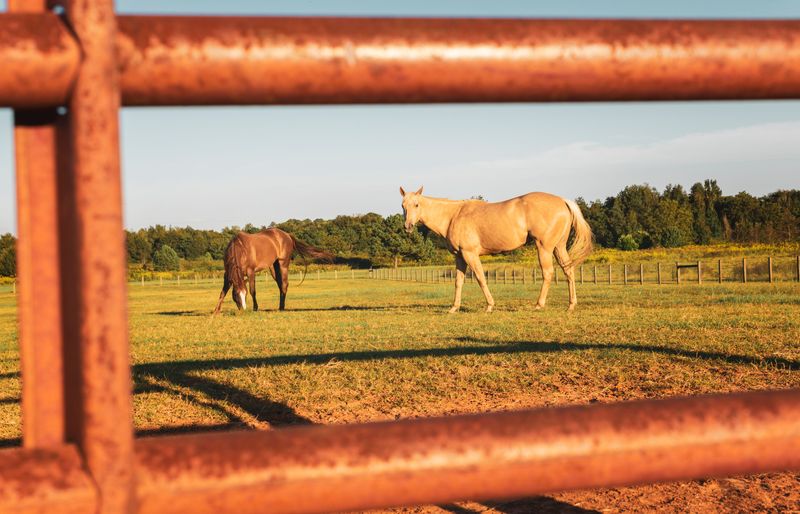
Those iconic black fences mark boundaries, not photo props.
Leaning on rails, climbing gates, or letting a leash slip underneath counts as trespassing on working farms. Biosecurity rules protect valuable animals from illness.
Shoot photos from the public road with a zoom. Never open a gate, ever.
Farm owners are famously hospitable when treated with courtesy. Respect the fence line and the Bluegrass stays generous with its beauty.
Bring Identification and a Backup Leash
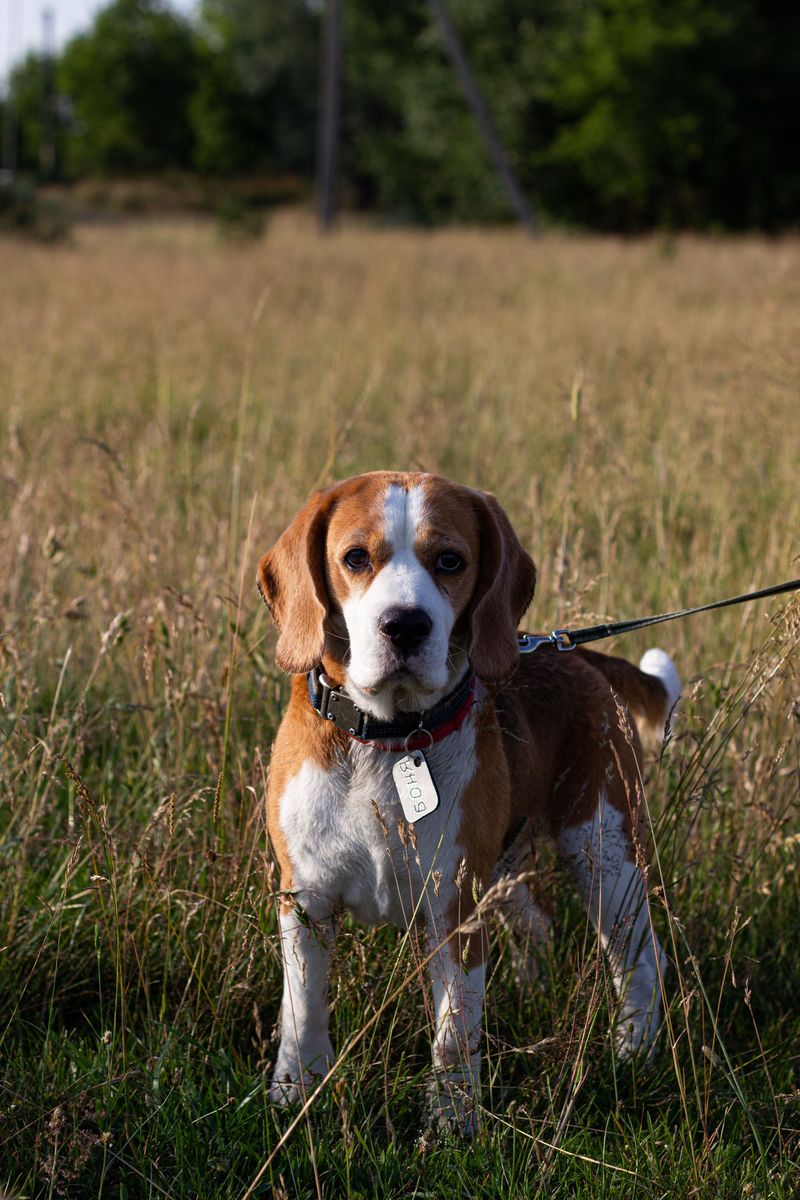
Clips fail. Collars slip.
Startled dogs bolt in unfamiliar country.
Keep a current ID tag with your cell number, plus updated microchip records. Add a spare leash and harness to your bag.
Snap a fresh photo of your dog before the trip, just in case.
Knowing when to leave your pup home matters too. Some days, a cool room and a chew toy beat the road.