Why Yellowstone And Grand Teton Wyoming Trips Require Extra Planning With A Dog
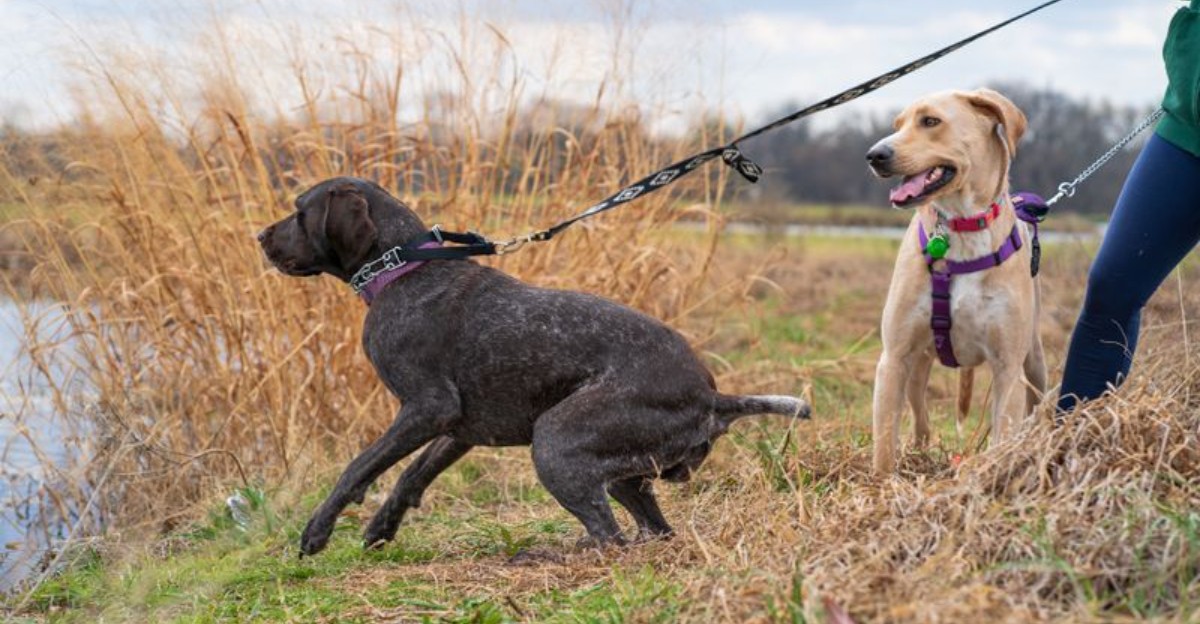
Yellowstone and Grand Teton look wide open, but dogs have a much smaller map than many travelers expect. A trip can still be fun, though it works best when you plan around rules, weather, wildlife, and long drives.
One small mistake, like a hot car stop or a wrong trail, can turn a happy day into a stressful one. A little extra prep keeps tails wagging and your Wyoming plans on track.
1. Check Park Rules Before You Go
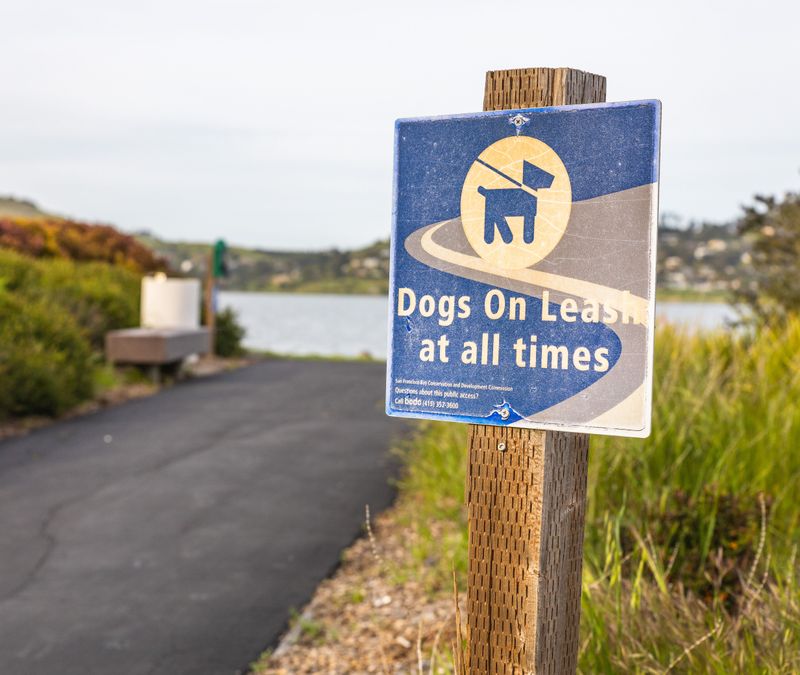
Park rules can shift faster than mountain weather. Yellowstone and Grand Teton both limit where dogs can go, and the details matter.
A quick check on each official park website can save stress at the gate. Look for pet rules, seasonal updates, and area alerts before driving in.
That five-minute step helps your whole trip run smoother. You will know what works, what does not, and where your pup fits best from the very start.
2. Know Where Dogs Are Allowed
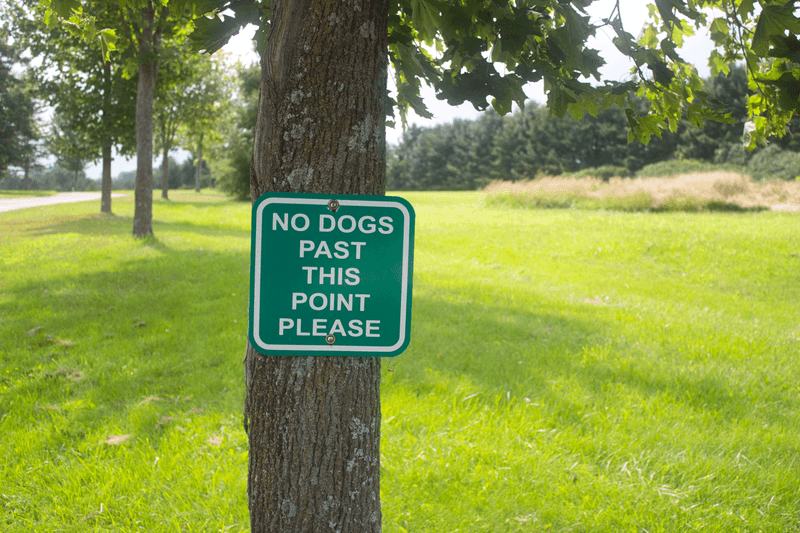
Here is the big surprise: dogs see less of these parks than people expect. In Yellowstone, pets must remain within 100 feet of roads, parking areas, and developed campgrounds.
Grand Teton restricts dogs to areas such as roads, parking areas, and developed campgrounds. Dogs are not allowed on park trails, beaches, or in backcountry areas.
Knowing that early prevents a lot of sad leash-side negotiations later. Map dog stops first, then build your sightseeing around those safe, legal spaces for everyone.
3. Plan Around Roads And Developed Areas
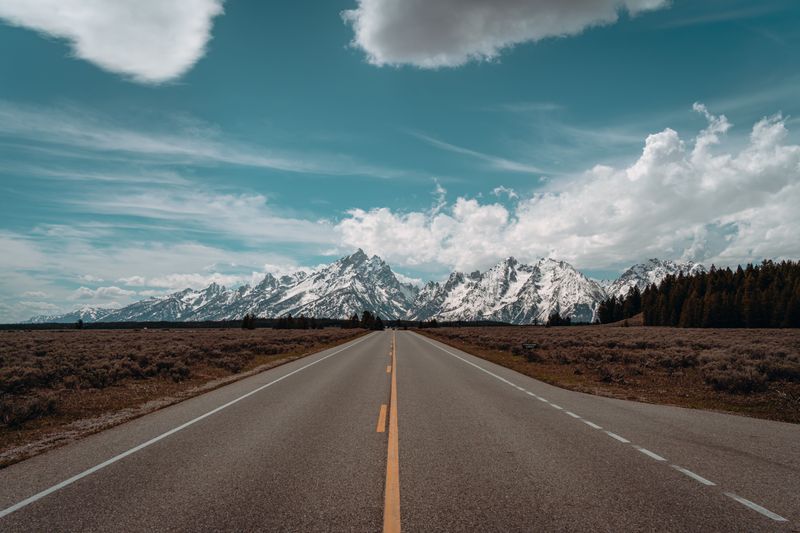
Think windshield touring with smart stops, not trail-heavy days. Because dogs stay near developed areas, scenic drives become your best planning tool in both parks.
Build your route around pullouts, picnic zones, parking lots, and campgrounds. That way, your dog gets fresh air without breaking park rules.
Honestly, a well-planned road day can still feel wild and wonderful. You will see geysers, lakes, and peaks, while your pup stays safely included beside you all day.
4. Keep Your Dog Leashed
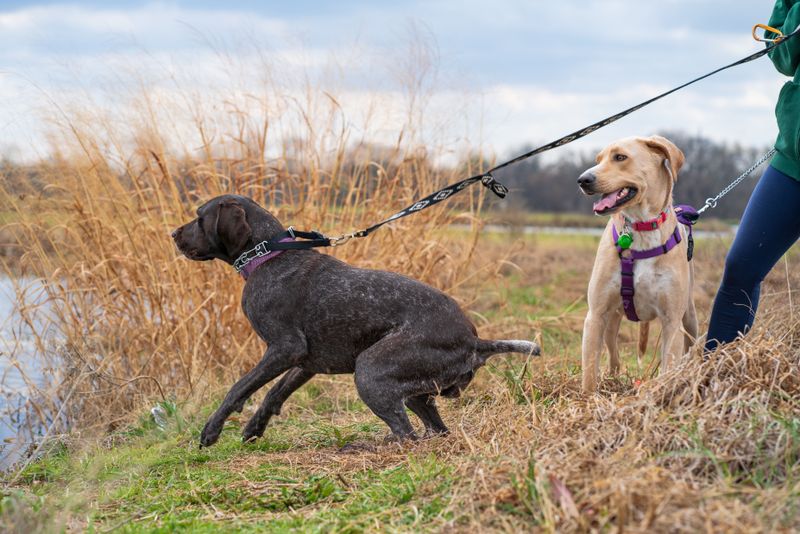
The leash rule is not just a suggestion, it is the whole game here. In both parks, dogs must be physically restrained and, where leashes are required, the leash must be no longer than six feet.
Retractable leashes sound handy, but they create trouble fast near traffic and wildlife. A short, sturdy leash gives you better control and keeps surprises small.
It also helps rangers see, right away, that you are following the rules which makes every stop easier for all.
5. Watch For Wildlife Near Roads
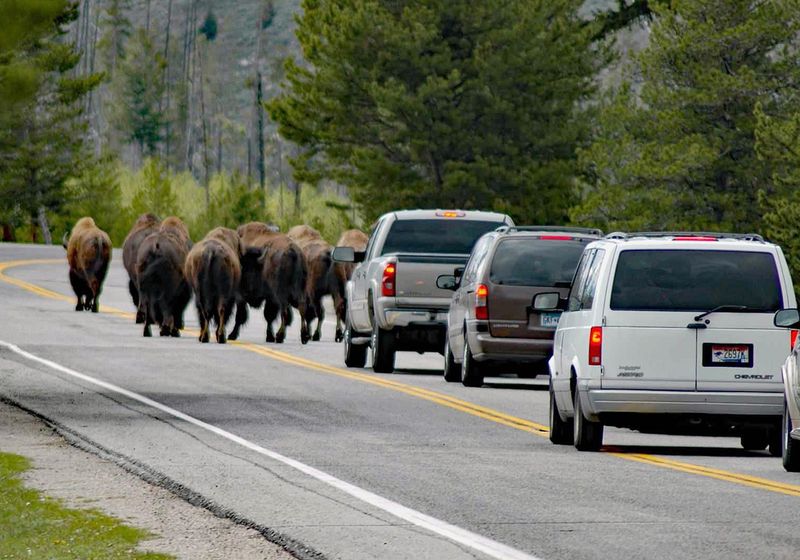
One quiet roadside photo can turn busy in seconds when wildlife appears. Bison, elk, bears, and wolves all move through roadside areas in Yellowstone and Grand Teton.
Dogs can trigger chasing, barking, or protective behavior from wild animals. Keep distance, stay calm, and skip any stop that feels too exciting.
Your pup does not need a close-up to have a good day. Safer views from the car are often the best seat in the park.
6. Never Leave Your Dog In A Hot Car
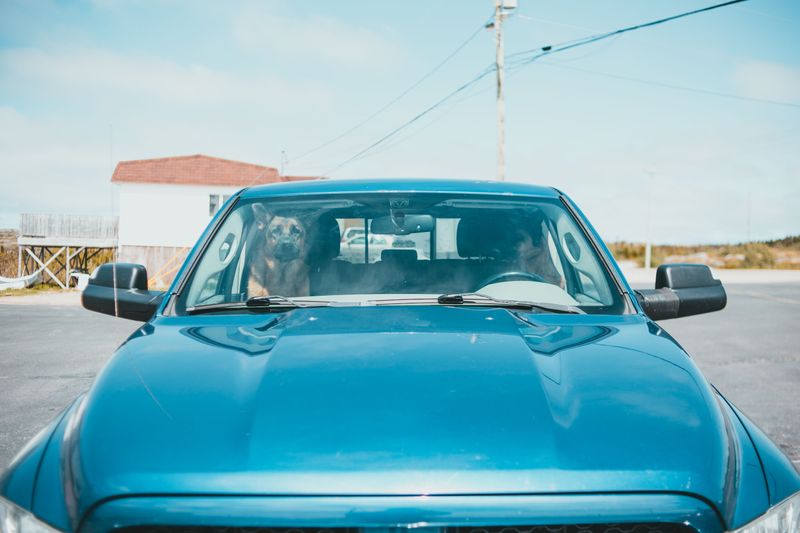
High country sunshine can fool people fast. Even on a mild day, a parked car in Yellowstone or Grand Teton can heat up dangerously.
Cracked windows are not enough, especially during busy sightseeing stops. If nobody can stay with your dog, choose a different plan for that stop.
Heat trouble arrives quietly, then suddenly. Bring shade, water, and a travel partner who can swap turns when needed during longer sightseeing pauses in sunny parking lots.
7. Pack Plenty Of Water
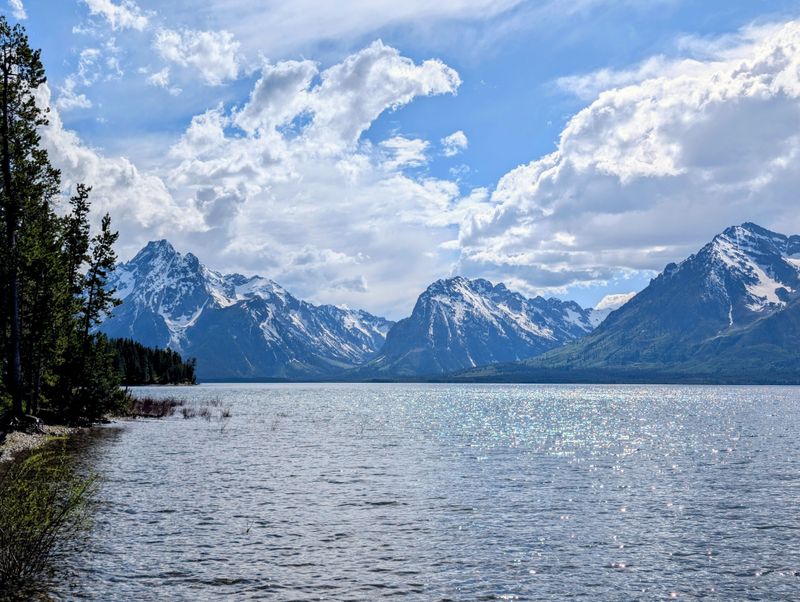
Dry air at elevation can sneak up on dogs before you notice panting. Between long drives and sunny stops, water disappears fast in Wyoming.
Pack more than you think you need, plus a bowl your dog likes using. Natural water sources may be unsafe, restricted, or simply too far away.
Offer small drinks often, not only at big stops. That simple habit keeps energy steadier and helps avoid cranky, dried-out travel moments for pups too.
8. Prepare For Long Drives
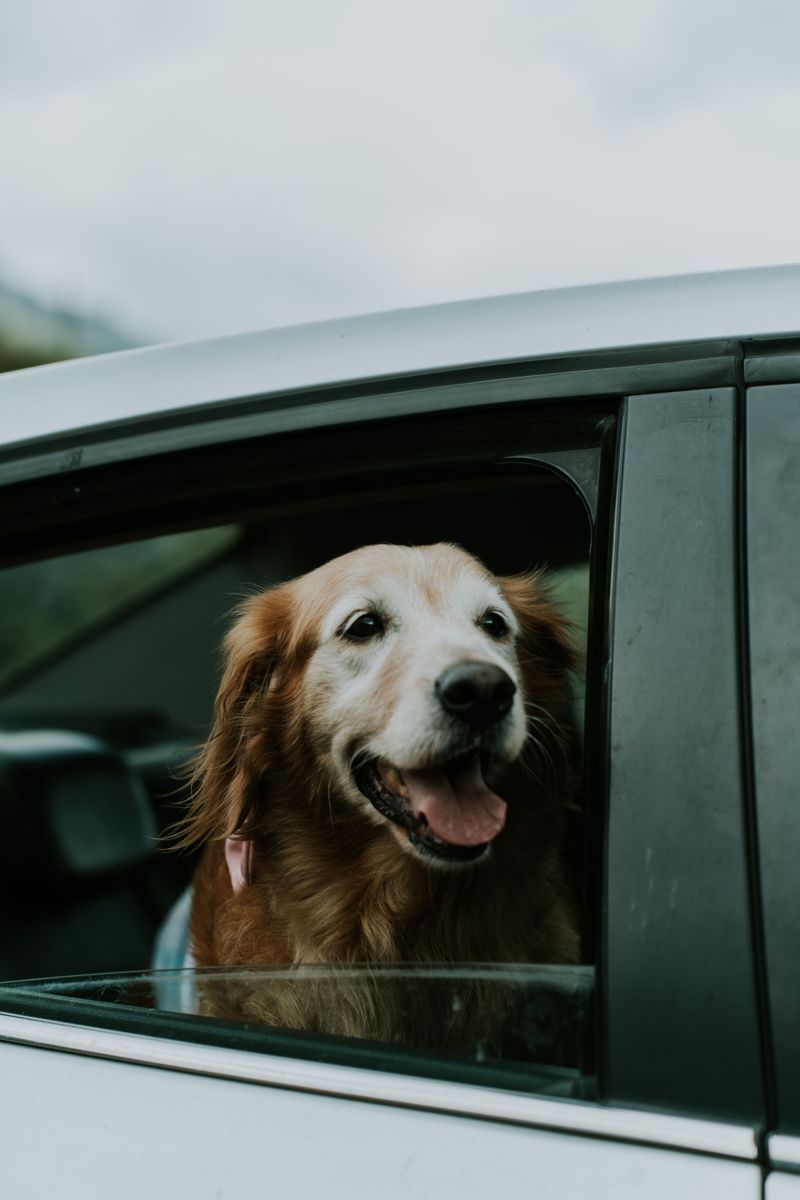
On the map, distances look manageable. Behind the wheel, Yellowstone and Grand Teton can mean many hours between gateways, viewpoints, and campgrounds.
Some dogs settle in easily, while others need practice before a big park loop. Test shorter drives at home, bring familiar bedding, and plan potty breaks in legal areas.
Motion sickness, boredom, and restlessness can all pile up. A calmer car routine gives everyone a happier start and finish each day on roads.
9. Choose Pet-Friendly Lodging
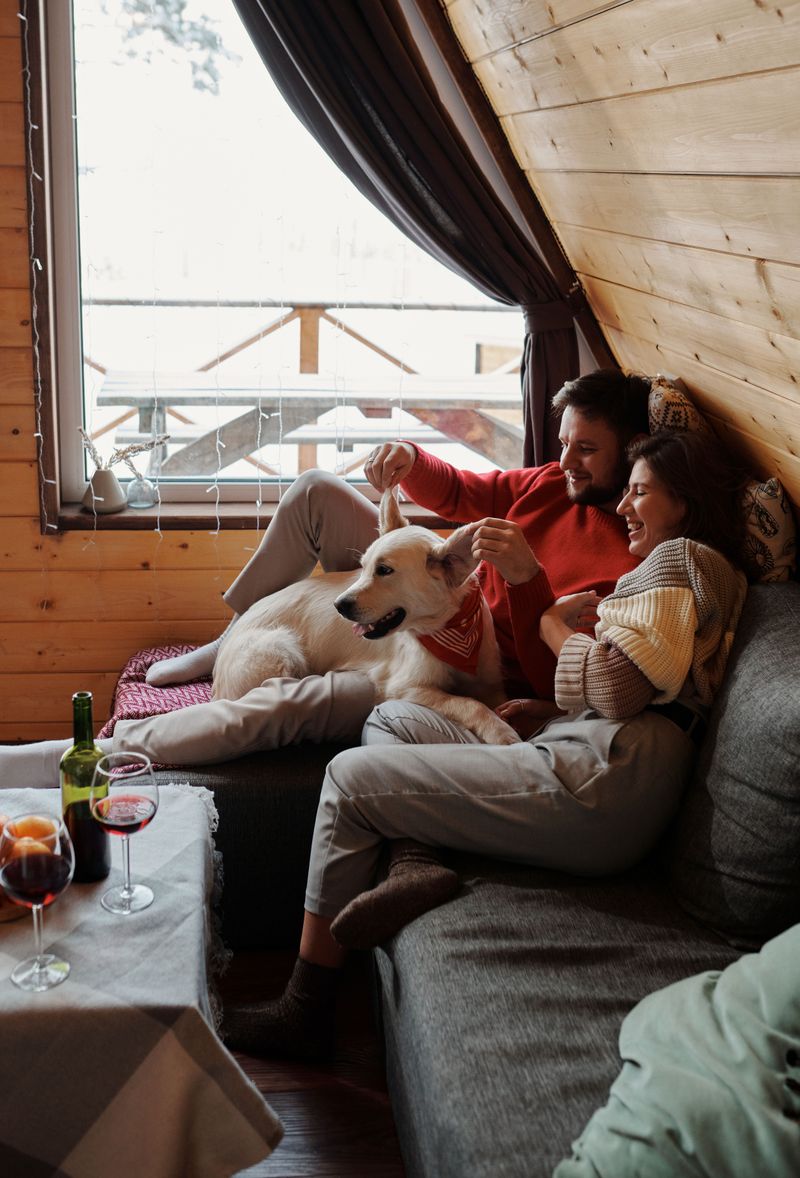
A cozy room matters more after a long day of rules and road miles. Pet-friendly options fill quickly near Yellowstone and Grand Teton, especially in summer.
Inside Yellowstone, some lodges offer designated pet-friendly cabins, often with extra fees. Gateway towns like West Yellowstone, Gardiner, and Jackson also have dog-welcoming stays.
Double-check rules before booking. Some places limit size, pet count, or where dogs can wait while you step out for short errands only each day.
10. Understand Campground Pet Rules
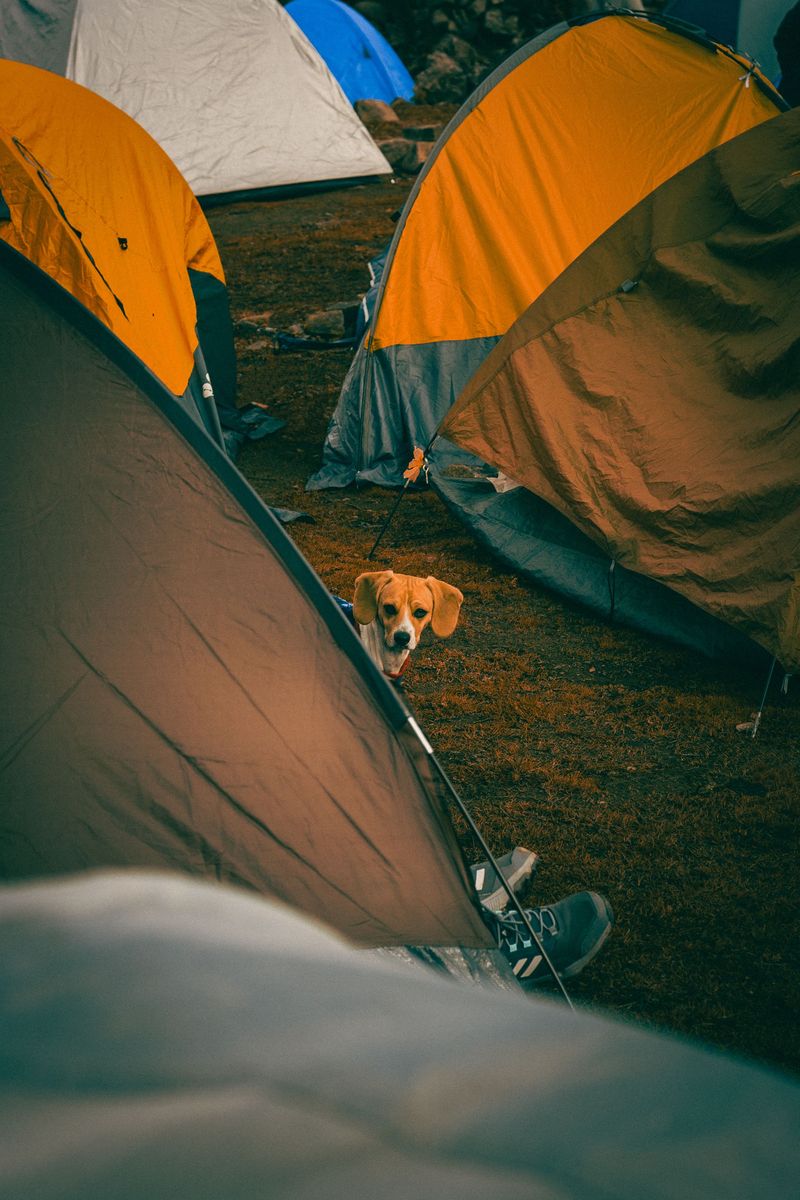
Campgrounds sound simple, but dog rules still follow you to the tent. Dogs may be permitted in developed campgrounds in both parks, but specific campground rules apply and they cannot roam freely.
Leashed, attended dogs are the standard, and tied-out pets are not a good bet. Bowls, food, and toys left outside can attract curious wildlife.
Camp politely, clean up fast, and keep bedtime quiet. That makes the site safer, and your camping neighbors will likely appreciate the courtesy too there.
11. Plan Breaks Outside Restricted Areas
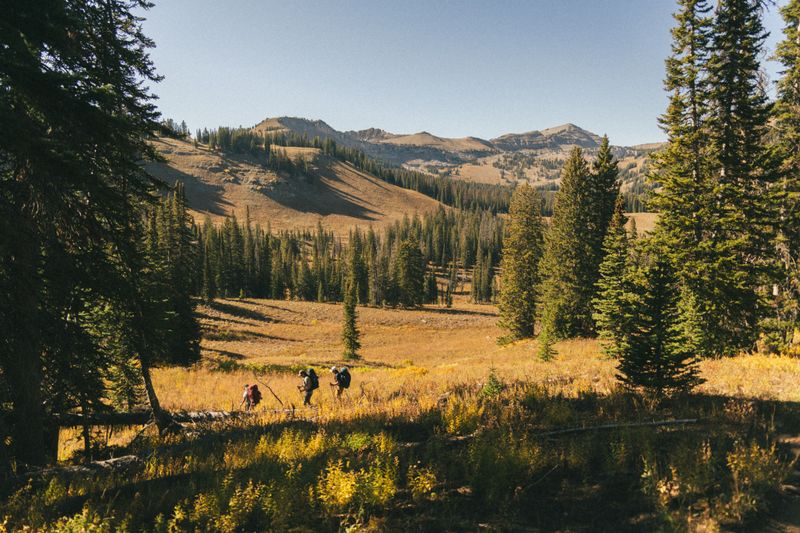
When trail maps start teasing you, the nearby National Forests become real heroes. Places around Yellowstone and Grand Teton often offer more dog-friendly walking options than the parks themselves.
Bridger-Teton, Custer Gallatin, Shoshone, and Caribou-Targhee are worth researching before you go. A legal sniff-and-stroll can make your dog’s whole trip feel bigger.
Pack waste bags, check forest rules, and keep your leash handy. A little detour can deliver the freest smiles of the week easily.
12. Prepare For Sudden Weather Changes
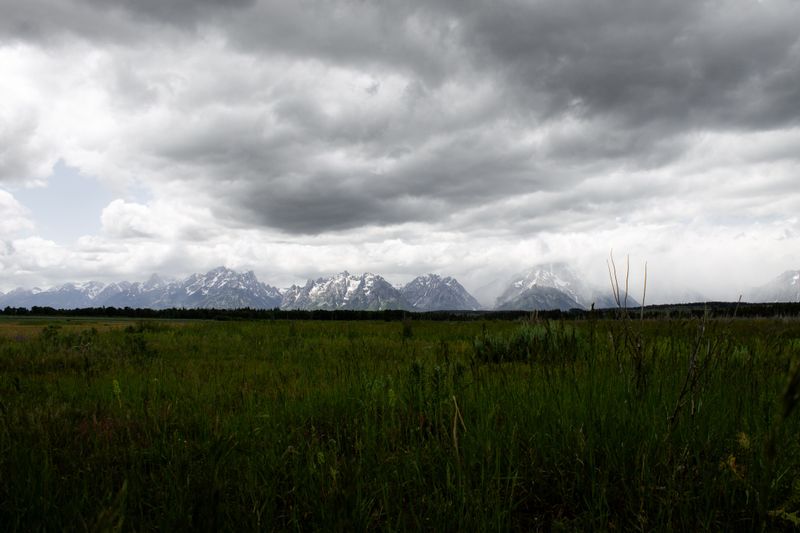
Wyoming weather loves plot twists. A bright morning can turn chilly, windy, rainy, or stormy before lunch in Yellowstone or Grand Teton.
Pack layers for yourself and a warm, dry option for your dog. Summer afternoons often bring thunderstorms, and nights can feel cold even after sunny days.
Check forecasts often, but do not trust them blindly. Mountain conditions change quickly, so a jacket, towel, and patience belong in your car every single day there.
13. Protect Your Dog’s Paws
Hot pavement can be a sneaky troublemaker on sunny park days. Rough ground, sharp gravel, and long parking lot walks also wear paws down.
Test surfaces with your hand before asking your dog to cross them. Booties or paw balm can help, especially during summer heat or rocky stops.
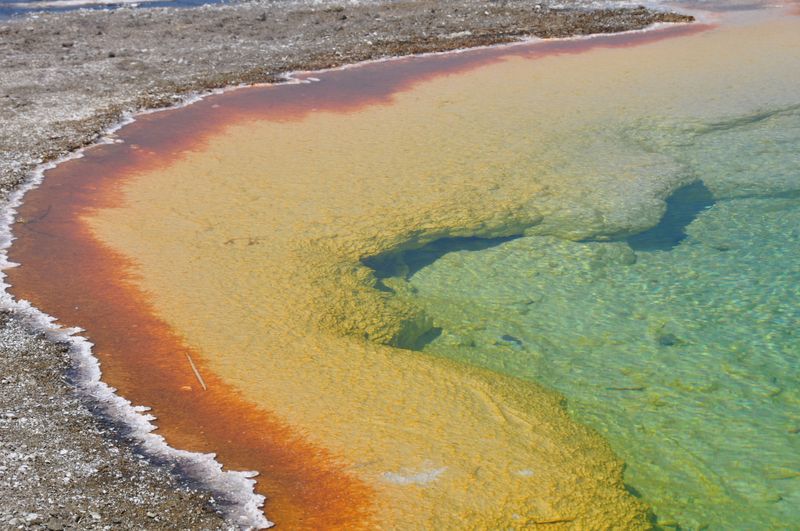
Thermal ground is a whole different danger, and it is never worth the risk. Healthy paws keep travel fun, not slow and sore for days ahead.
14. Carry Food And Essential Supplies

A missing item feels much bigger when the nearest store is far away. Park days are long, and your dog will do best with familiar gear and routine.
Pack regular food, bowls, leash, waste bags, medications, vaccination records, and a simple first-aid kit. Toss in a favorite toy or blanket for comfort.
Organized supplies save time at every stop. They also spare you from hunting for basics when your dog just wants dinner and sleep.
15. Keep Dogs Away From Thermal Features
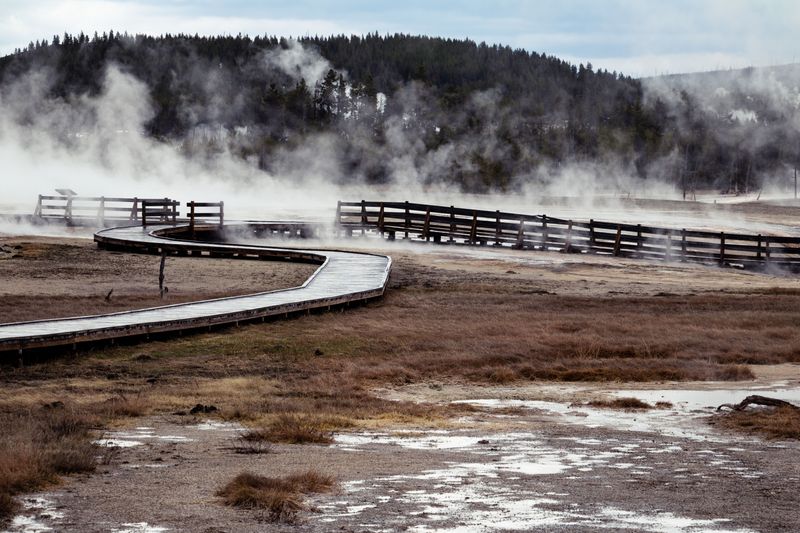
Yellowstone’s thermal areas are fascinating, but they are a hard no for dogs. Hot springs, geysers, and thin crust can cause terrible burns in seconds.
That is why pets are banned from boardwalks and thermal zones throughout the park. Even calm dogs can misstep where the ground looks solid.
Keep your route far from steaming features. A picture is never worth testing nature’s hottest sidewalk, especially when safe pullouts are nearby for easy views instead.
16. Plan For Veterinary Emergencies
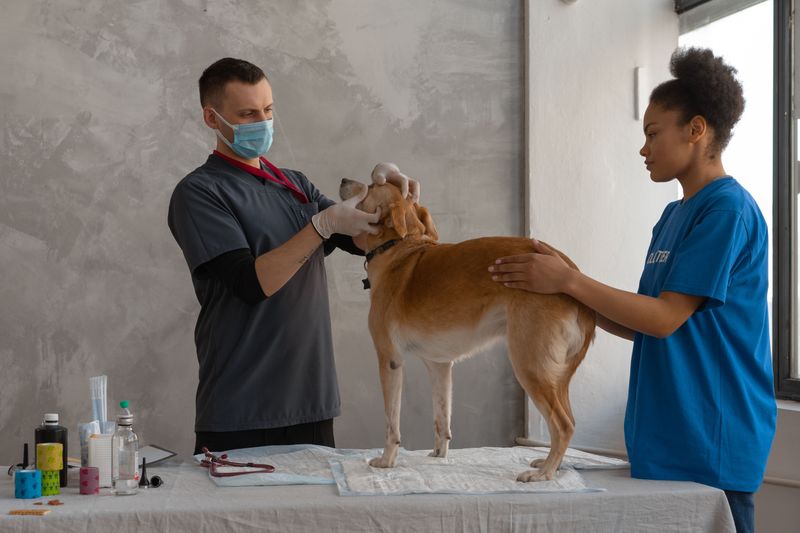
No one likes picturing an emergency, yet smart dog travel includes a backup plan. Veterinary care is limited inside the parks, and long distances can stretch response times.
Before leaving, research veterinary clinics near your lodging and along your planned route. Also note after-hours options and the fastest driving route from your lodging.
Hopefully, you will never need that list. Still, having it ready can turn a scary moment into a manageable one much faster.
17. Give Your Dog Quiet Breaks
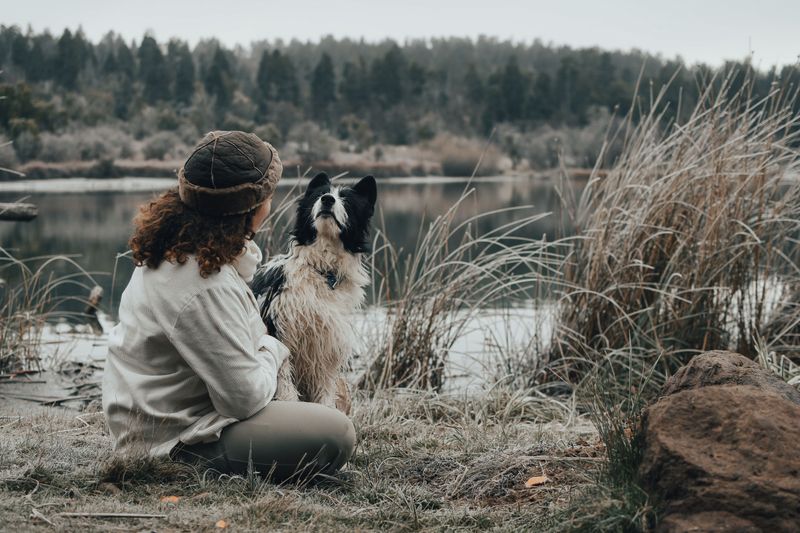
National parks can feel like a giant parade to sensitive dogs. New smells, passing cars, wildlife scents, and excited crowds can wear them out quickly.
Not every break needs action. A shady campsite corner, calm pullout, or quiet cabin moment can help your dog reset and relax.
Watch their body language, especially after busy sightseeing days. A slower hour now may prevent whining, pacing, or overexcitement later in the evening back at camp with you.
18. Consider A Dog Sitter Or Boarding
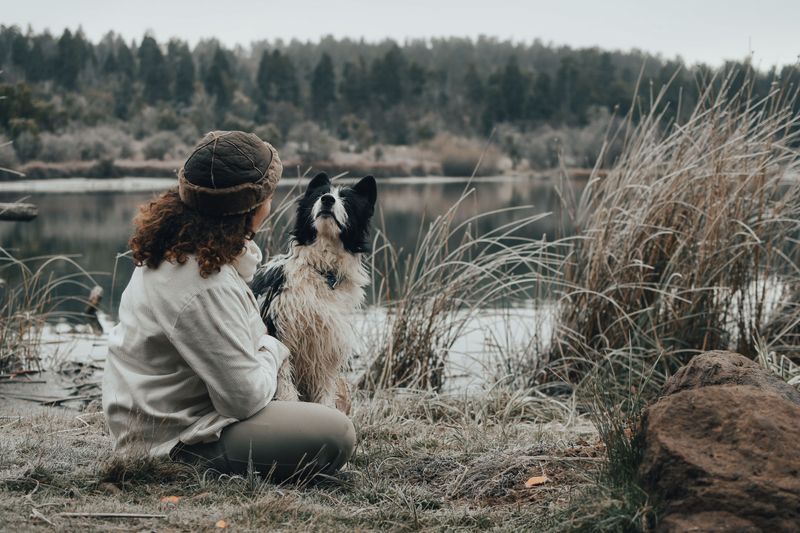
Sometimes the best dog plan is letting your dog skip part of the plan. If you want long hikes or full-day activities, boarding or a sitter can be a real gift.
Gateway areas around the parks may offer kennels, daycare, or in-lodging pet care. Check policies early, ask about supervision, and book ahead during peak season.
Your dog gets rest, and you get flexibility. That can make the whole trip feel kinder for everyone involved.
19. Check Closures And Conditions Before Leaving
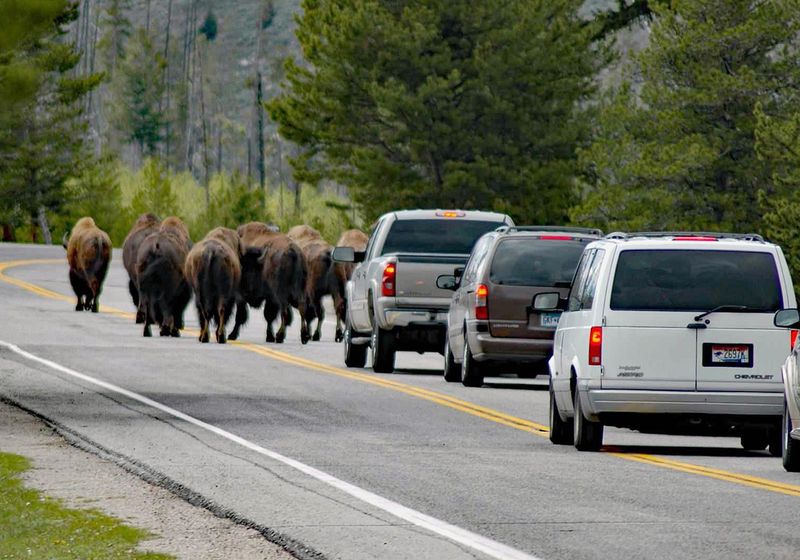
The final check before you pull out matters more than people think. Roads, construction, wildlife closures, and weather can reshape a park day quickly.
Official park alerts are your best friend here, especially during shoulder seasons. Grand Teton roads can close seasonally, and Yellowstone conditions change with storms or animal activity.
Check again the morning you leave your room. Fresh information helps you dodge detours, protect your dog, and keep the day feeling easy too.