20 Supplies To Carry When Driving Arizona’s Long Desert Highways With A Dog
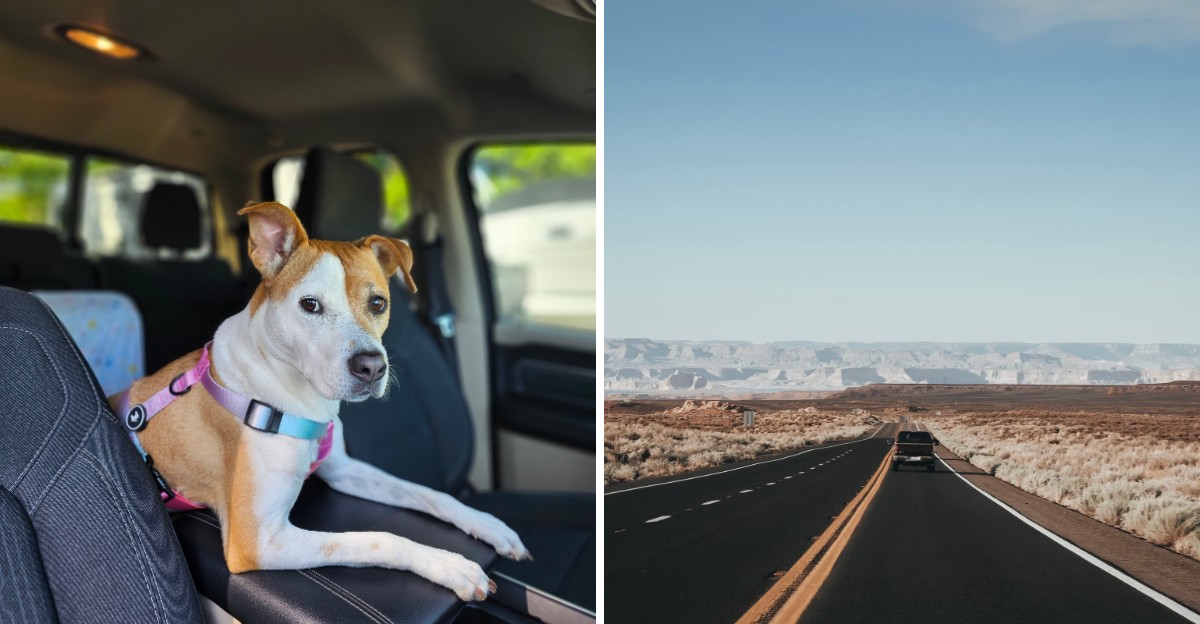
Arizona highways can stretch for miles with little shade and few towns in between. If your dog loves riding along, a little planning goes a long way.
Heat, distance, and spotty cell service are part of desert travel, but they are easy to handle with the right gear. Think of this list as advice from a friend who has made the drive many times.
Pack these supplies, and you and your pup can enjoy the open road with calm confidence.
1. A Collapsible Water Bowl
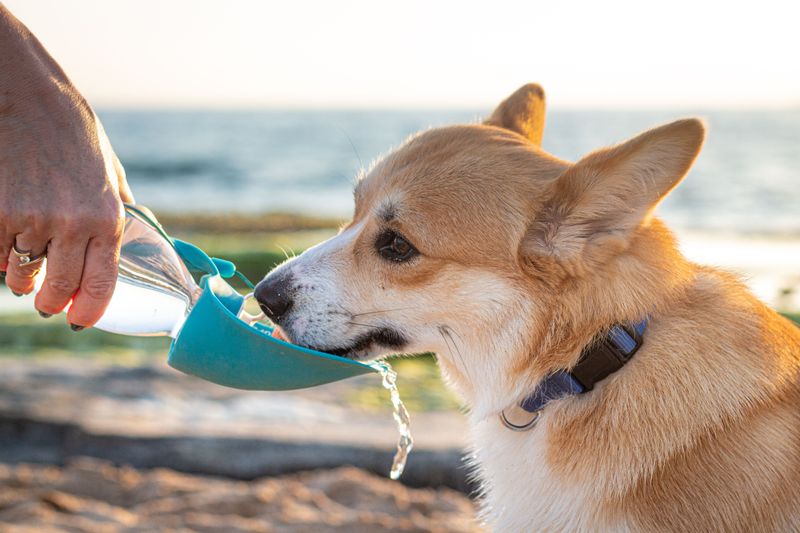
Here is a funny truth about dogs: many will not ask for a drink. They simply keep panting and hope for the best.
That makes a collapsible bowl one of the handiest items you can pack. It folds flat, clips to a bag, and pops open in seconds.
In hot weather, offer water often, roughly every 15 to 20 minutes during breaks. Small, frequent sips are easier on the stomach than one huge gulp.
2. Enough Food Plus Backup Portions
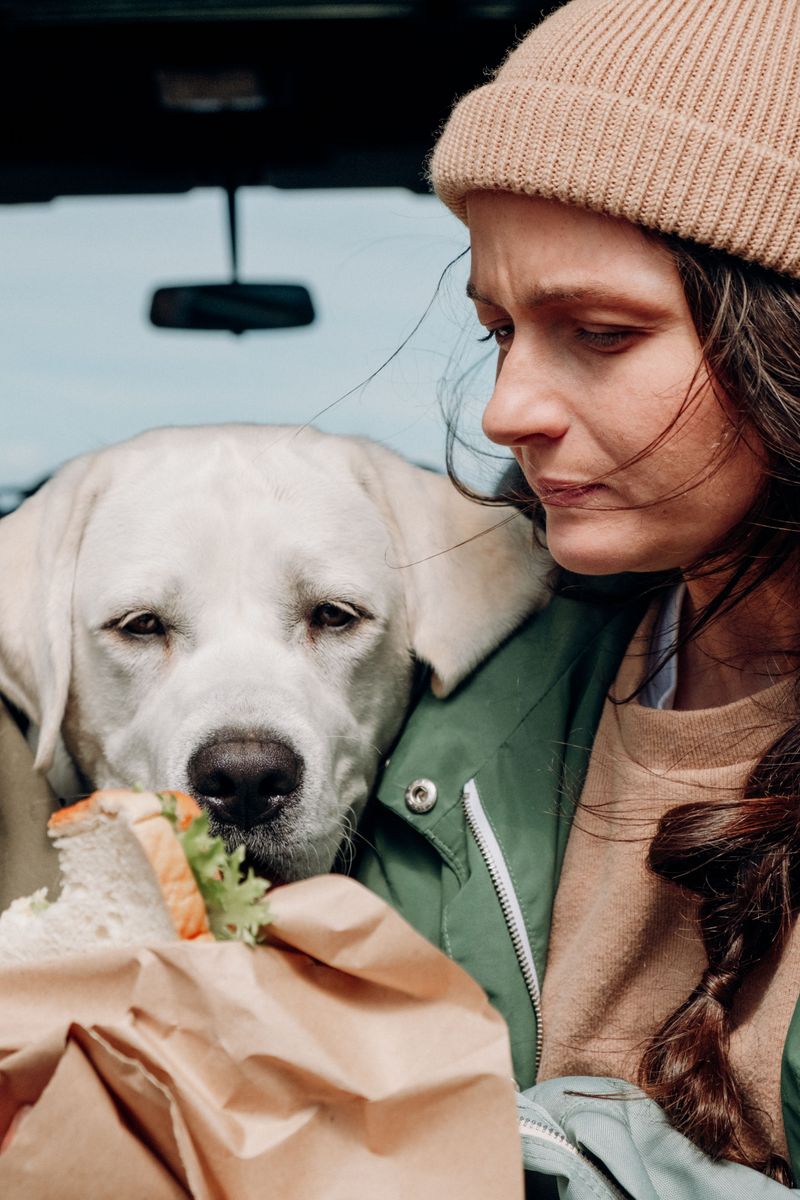
Long highways have a way of growing longer. Road work, closures, or a flat tire can easily push dinner past its usual time.
Bring your dog’s regular food, plus at least a day or two of extra meals. Sticking with the familiar brand helps avoid upset stomachs on the road.
Store kibble in an airtight container away from direct sun. Heat can affect food quality, so a shaded floor spot works well.
3. Secure Crate or Crash-Tested Harness
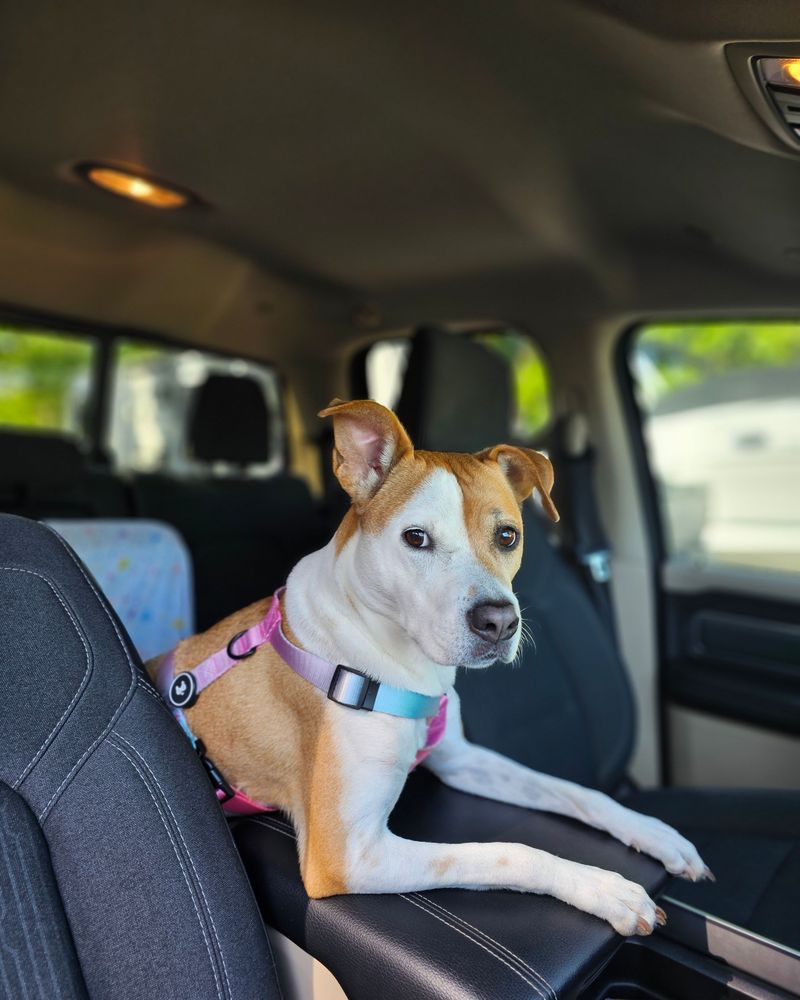
A loose dog bouncing between seats is distracting, even for calm drivers. Restraint keeps everyone safer.
A well-ventilated crate or a properly fitted harness helps protect your pup during sudden stops. Look for products that have been crash tested by independent groups.
Arizona has also tightened rules on driving with an animal on your lap, with a law taking effect in 2026. Check current state guidance before your trip, and keep pets off laps.
4. Sturdy Leash and Walking Harness
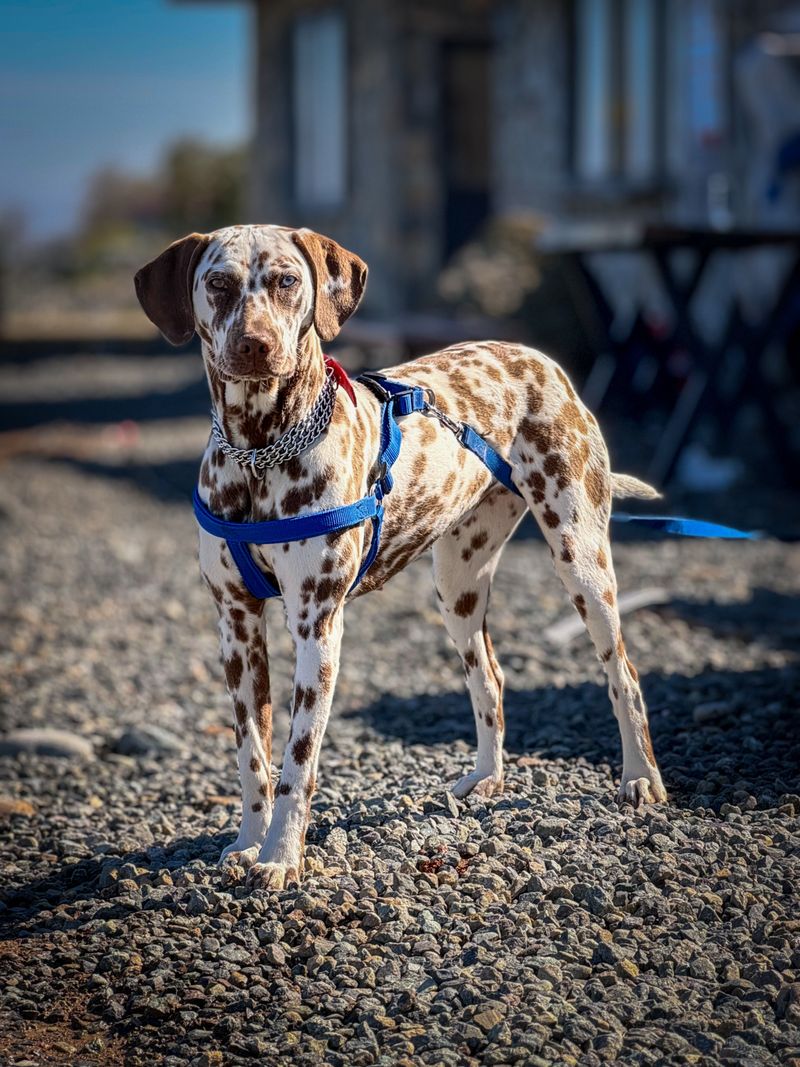
Picture a busy rest stop with trucks rumbling past and a curious jackrabbit nearby. Your dog will notice that rabbit first.
A strong leash and comfortable walking harness give you steady control in moments like that. Harnesses spread pressure across the chest instead of the neck.
Clip the leash on before opening the car door. Many rest areas sit right beside fast traffic, so this habit offers real peace of mind.
5. Plenty of Extra Drinking Water
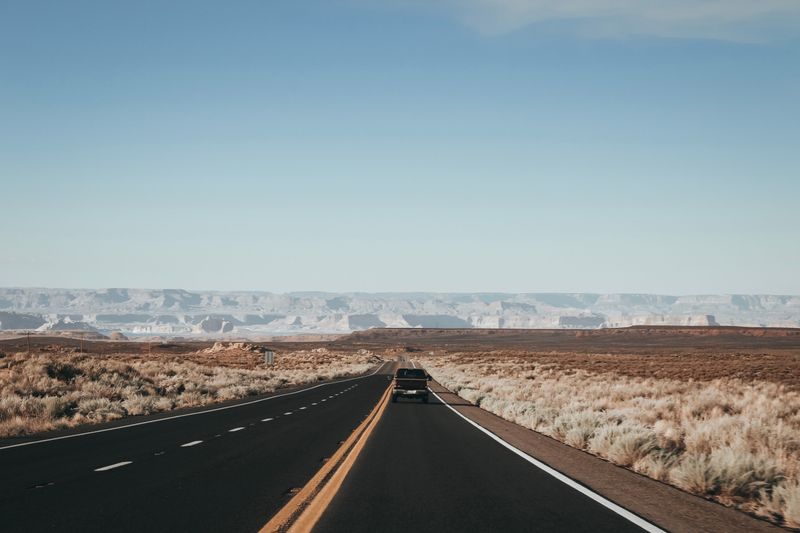
Desert air pulls moisture from bodies faster than most people expect. Dogs and people both lose water quickly in dry heat.
A common guideline says dogs need about one ounce of water per pound each day. Hot weather raises that amount.
Pack more than you think you need, for every passenger. A breakdown or traffic delay can stretch a short trip into hours.
Gallon jugs are easy to store and refill at gas stations along the way.
6. Collar With Current ID Tags
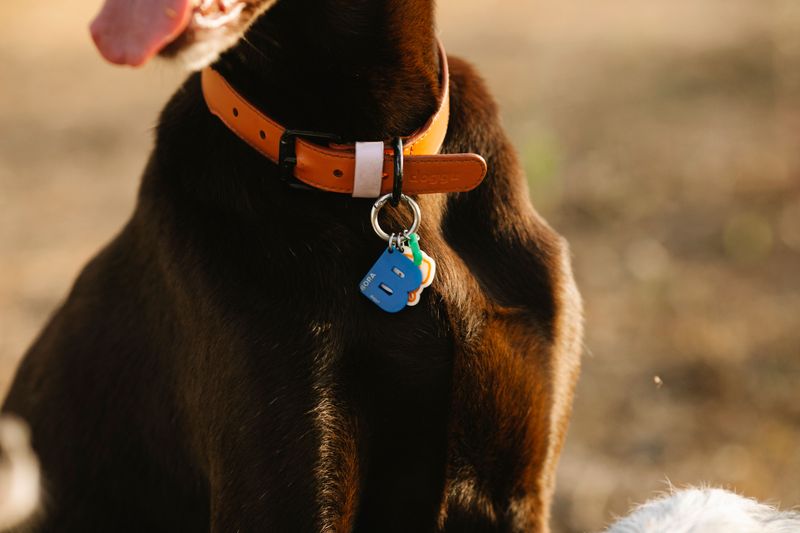
Even the most loyal dog can slip away when a loud noise startles them. Good identification helps bring them home quickly.
Make sure the collar tag shows your name and cell number. Many travelers add a temporary tag listing their destination phone number too.
A microchip offers backup protection, but only if the registry has your current details. Take a minute before leaving to log in and confirm everything is up to date.
7. Copies of Vaccination and Vet Records

Paperwork is not exciting, yet it can save real time when you need help fast.
An unfamiliar vet will want to know your dog’s vaccines, health conditions, and current medications. Having copies ready helps them start care sooner.
Keep printed records in a waterproof folder with your first aid kit. Snap phone photos as a backup.
Some hotels and boarding spots also ask to see proof of rabies vaccination.
8. Prescription Medications and Extra Doses
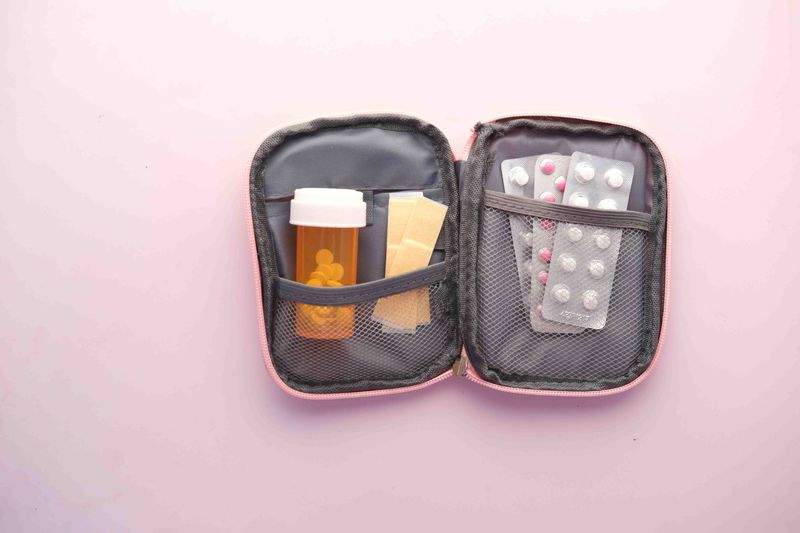
Running low on a daily pill in the middle of nowhere is a stress nobody needs. Small towns may not carry pet prescriptions.
Pack every medication your dog takes, plus several extra days of doses. Keep them in original labeled containers.
Some medicines are sensitive to heat, so store them in a cool, insulated pouch. Ask your veterinarian about proper storage and dosing before you go.
Never adjust doses without their guidance.
9. A Canine First Aid Kit
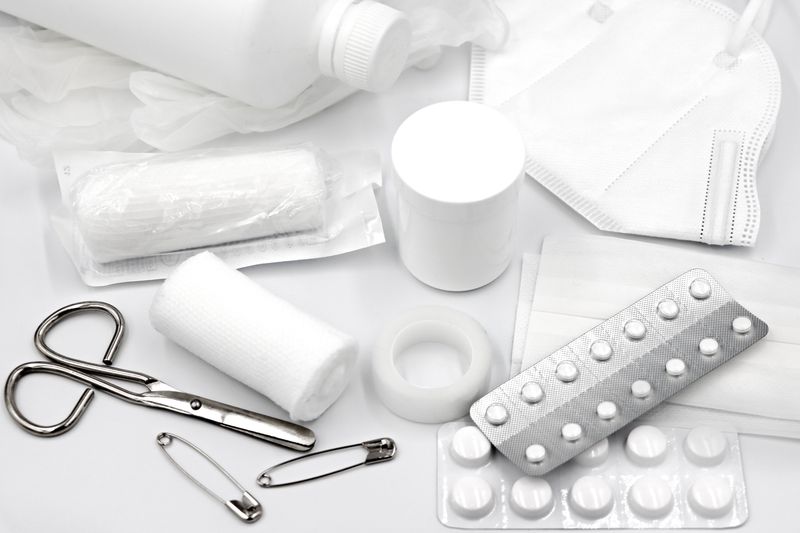
Desert trails come with cactus spines, sharp rocks, and the occasional scraped paw. A first aid kit turns small problems into quick fixes.
Include gauze pads, bandages, self-sticking vet wrap, and pet-safe antiseptic wipes. Styptic powder helps with minor nail bleeding.
Tweezers are wonderful for cactus bits.
A pet first aid class teaches you how to use everything calmly. For anything serious, contact a veterinarian right away.
10. Cooling Mat or Damp Towels
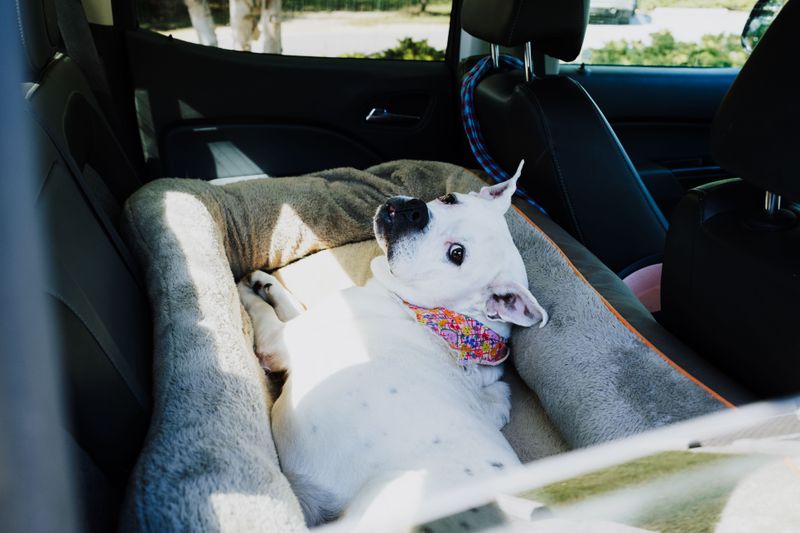
Dogs cool themselves mostly by panting, which works less well in intense heat. They need a little help from you.
A cooling mat gives your pup a comfortable spot to rest during the drive. Damp towels work too, and they cost almost nothing.
If your dog seems overheated, place cool, wet towels on their body and move them to shade. Then call a vet for advice.
Avoid ice-cold water, which can backfire.
11. Portable Shade Canopy
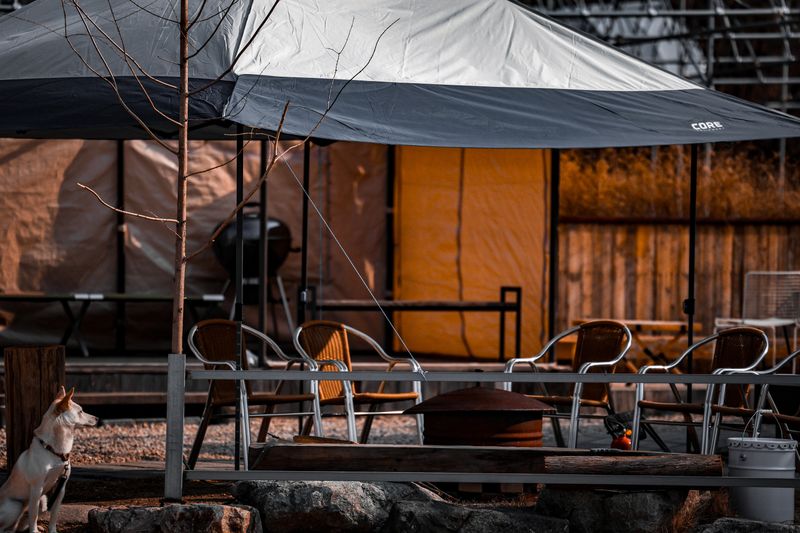
Shade can be surprisingly hard to find along stretches like Interstate 8 or Highway 93. Saguaros are lovely, but they do not offer much cover.
A lightweight pop-up canopy creates your own cool spot during a breakdown or long stop. Pair it with water and a mat for comfort.
Set it up well away from traffic lanes. On windy days, stake it down firmly so it stays put.
12. Window Sunshades
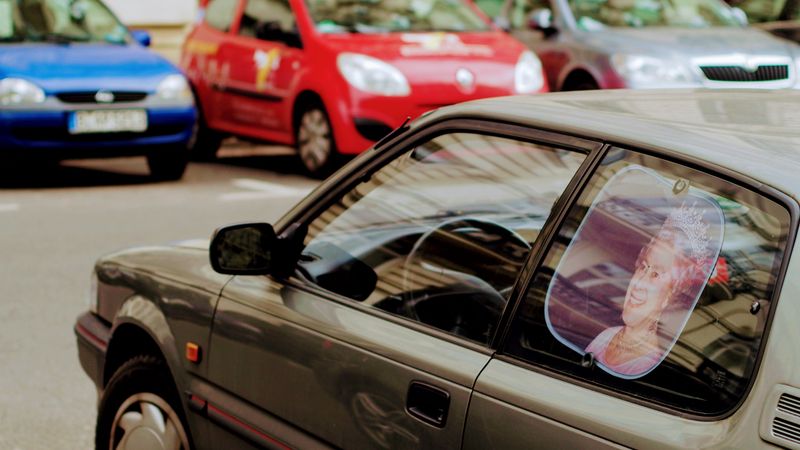
Ever notice how the sunny side of the back seat feels like an oven? Your dog notices too.
Window sunshades cut down direct sun and glare, keeping the back seat more comfortable. Mesh styles let you crack the window for extra airflow.
Remember that shades are a comfort tool only. They do not replace air conditioning, and they never make a parked car safe for a dog.
13. Protective Dog Boots
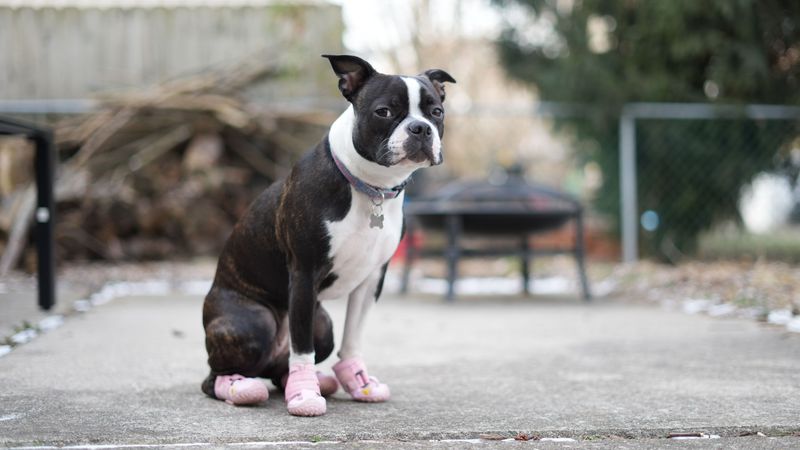
On summer afternoons, Arizona pavement can reach well over 140 degrees. Paw pads are tough, but not that tough.
Dog boots protect feet from hot asphalt, sharp gravel, and rocky ground at rest areas. Practice at home first so your dog gets used to the odd feeling.
Try the seven-second test. Press the back of your hand on the pavement.
If you cannot hold it there, it is too hot for paws.
14. Digital Cabin Thermometer
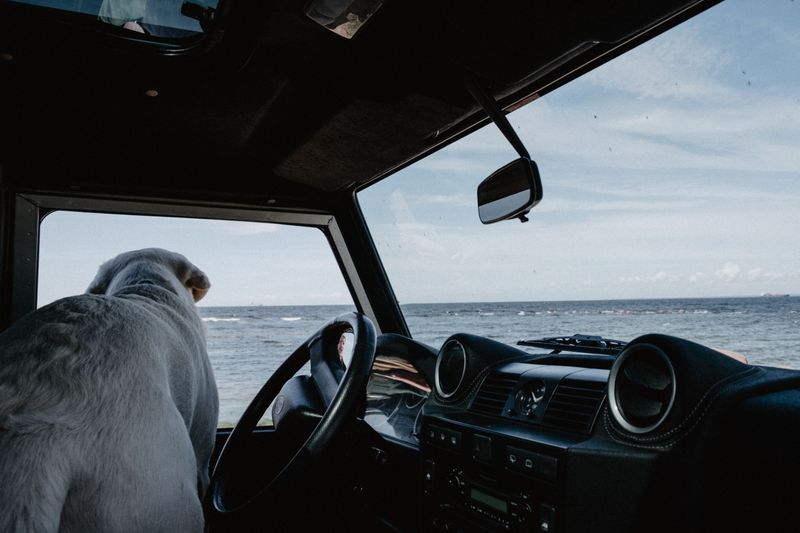
Numbers do not lie, and car interiors heat up fast. On a 90-degree day, a closed car can pass 109 degrees in ten minutes.
A digital thermometer shows how warm the back seat really is. Some models send phone alerts when temperatures rise.
Use it while driving to check that air reaches your dog. Arizona law addresses leaving pets in hot cars, so plan stops that keep your pup with you.
15. Waste Bags for Rest Stops
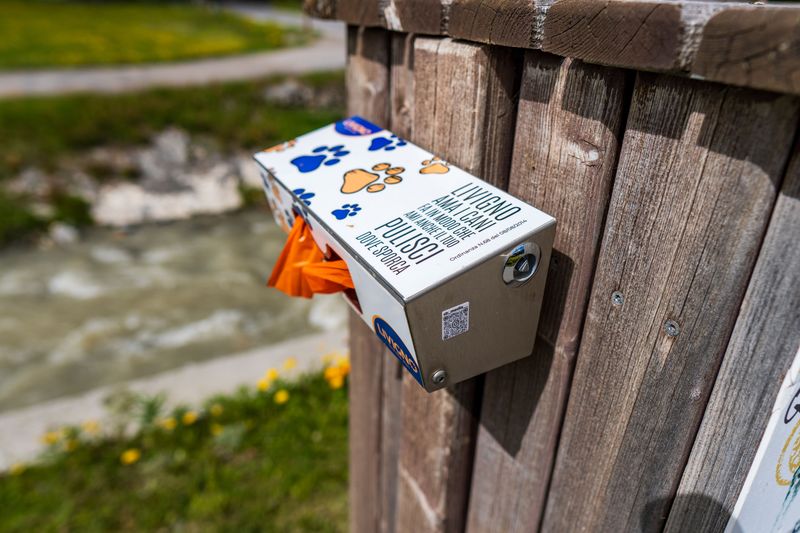
Good manners travel well. Every owner who cleans up helps keep pet areas open and welcoming.
Pack more waste bags than you expect to use. A leash dispenser keeps a roll handy at every stop.
Many Arizona rest areas have marked pet zones, so look for signs. Toss bags in proper bins.
In remote spots, seal them in a container until you reach a trash can.
16. Cleaning Wipes and Absorbent Towels
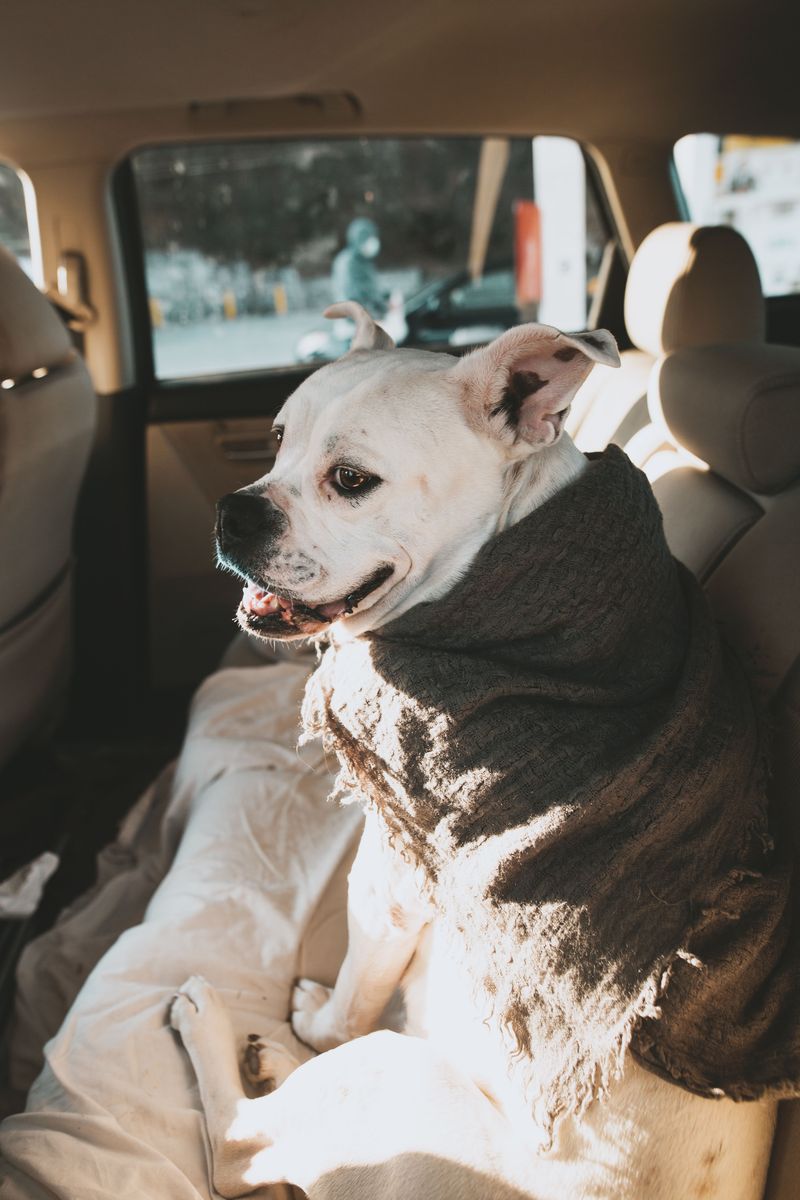
Spilled water bowls, carsick moments, and dusty paws are all part of the adventure. A quick cleanup keeps the ride pleasant.
Pet-safe wipes handle sticky paws and small messes. Absorbent towels soak up spills and protect seats.
Bonus tip: those same towels double as cooling tools when dampened. Pack a few extra, plus a plastic bag for dirty ones.
Your car upholstery will thank you later.
17. Flashlight and Reflective Gear
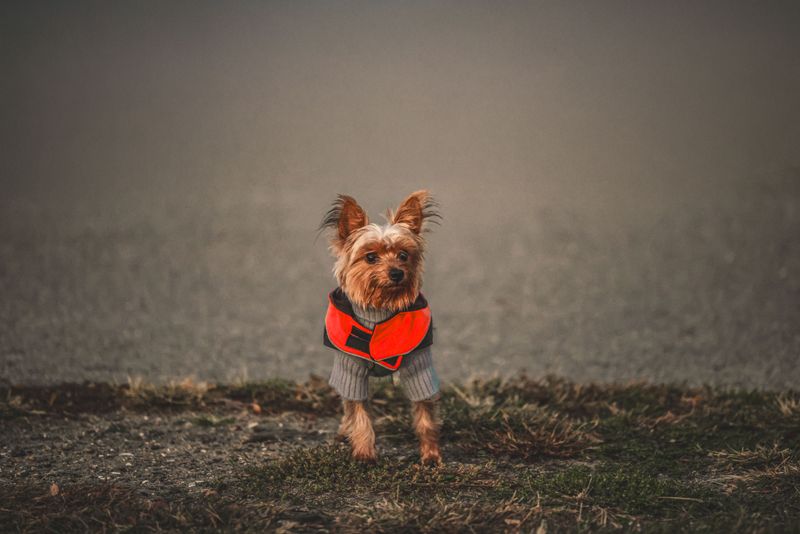
Desert nights get truly dark, with stars stretching forever and almost no streetlights. Beautiful, yes, but tricky during a roadside stop.
A bright flashlight with spare batteries helps you see the ground, your dog, and your car. A headlamp keeps both hands free.
Reflective vests for you and a reflective collar or vest for your dog boost visibility. Warning triangles alert passing drivers too.
18. Offline Maps and Emergency Vet Contacts
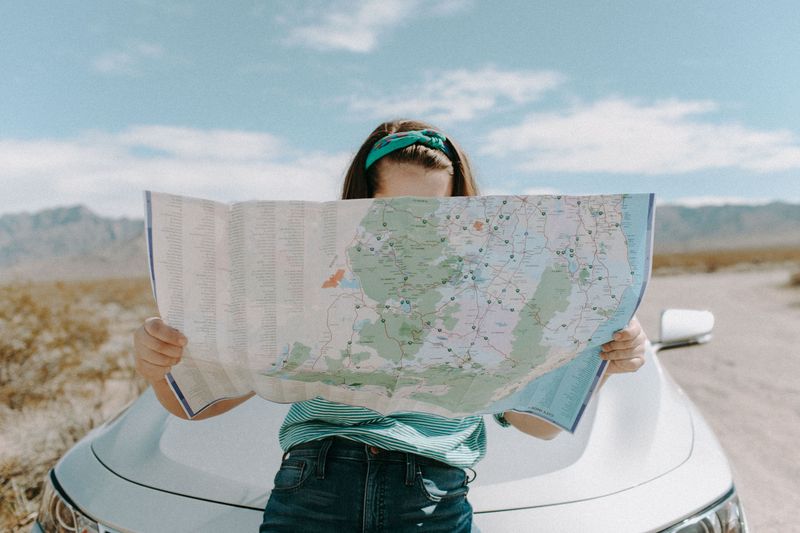
Cell signals often fade between towns across rural Arizona. Your map app may simply stop working.
Download offline maps before leaving, and carry a paper road map as backup. They never need charging.
Write down emergency vet clinics along your route, with addresses and phone numbers. Phoenix, Tucson, Flagstaff, and other cities have after-hours options.
Call ahead to confirm hours, since schedules can change.
19. Charged Phone, Power Bank, and Car Charger

Your phone is your lifeline for maps, calls, and finding help. A dead battery leaves you guessing.
Start every drive fully charged. Keep a car charger plugged in and a power bank ready for stops away from the vehicle.
Searching for signal drains batteries faster in remote areas. Switching to low-power mode helps stretch your charge.
Let someone know your route and expected arrival time.
20. Roadside Emergency Supplies
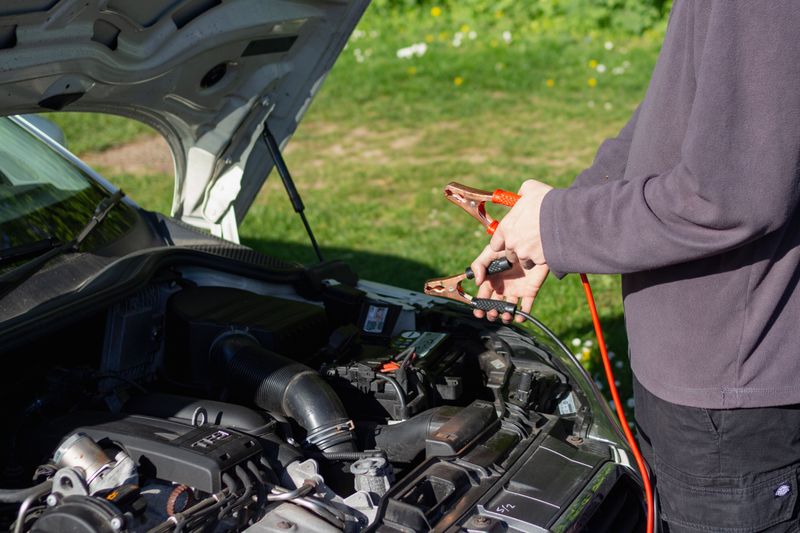
Flat tires and dead batteries are the most common desert hiccups. Heat is hard on both rubber and batteries.
Carry a good spare, a tire pressure gauge, a portable inflator or sealant, and jumper cables. Check the spare before every trip.
If you break down, keep your dog leashed and away from traffic. Arizona transportation officials suggest pulling well off the road and calling for help when needed.