What Alabama Dog Owners Should Know Before Letting Dogs Swim Along The Gulf Coast
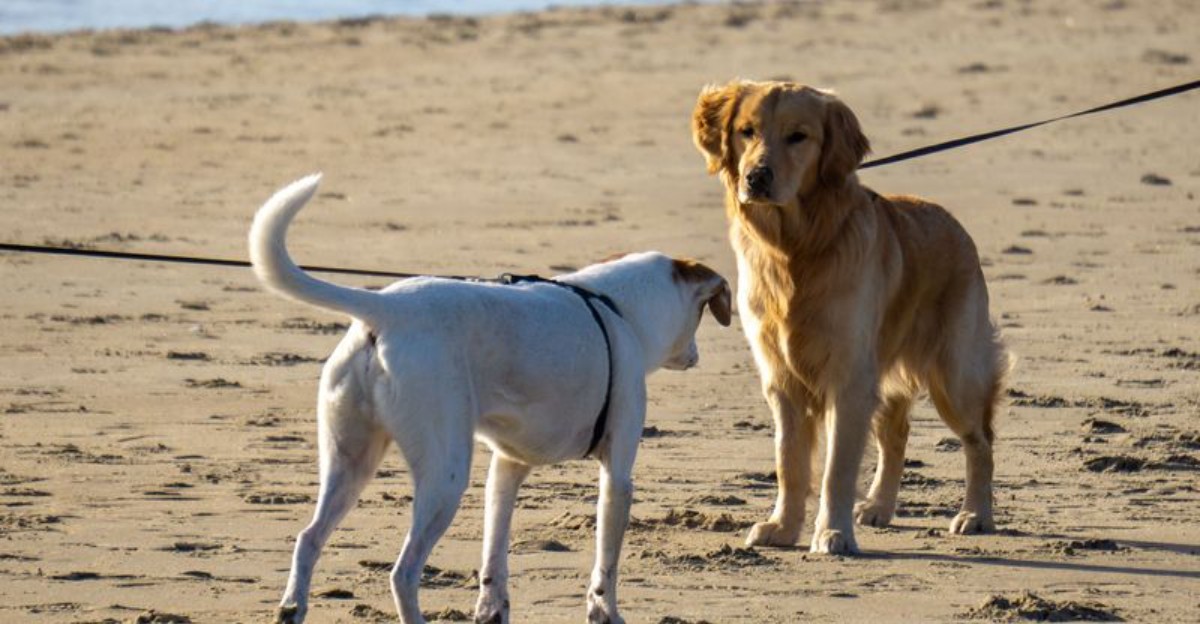
If you live along Alabama’s coast, beach days with your dog probably feel like a given. The Gulf is warm, the sand is soft, and most trips go beautifully with a little planning.
Knowing how currents, heat, saltwater, and local rules work turns a fun outing into a genuinely safe one. Here is what experienced coastal owners keep in mind before their dogs ever reach the water.
1. Check Local Beach Rules Before You Go
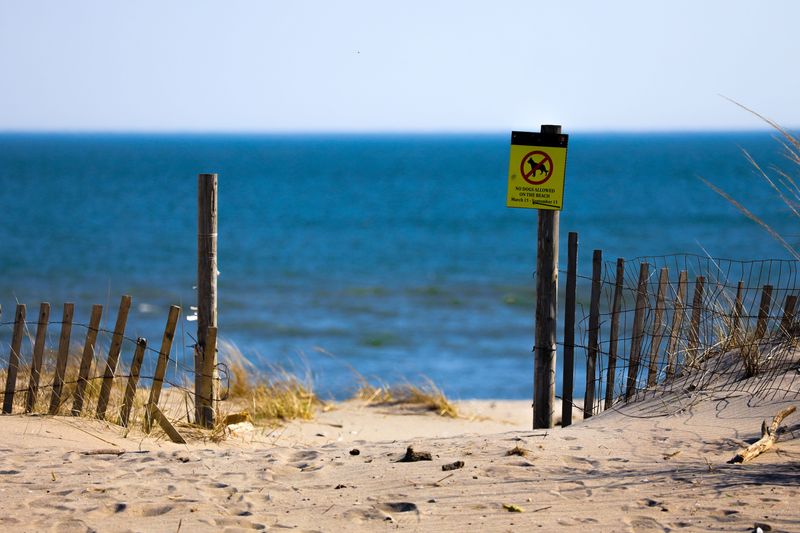
Beach rules along Alabama’s coast vary by location. Gulf Shores and Orange Beach prohibit dogs on their Gulf beaches, while Dauphin Island allows leashed dogs on its beaches except West End Beach.
Rules also change at state parks and private properties. Check the city or county website before loading up the car.
When wording seems unclear, a quick call to animal control settles it. Confirming first saves you a long drive and a disappointed pup.
2. Saltwater Is Not a Drinking Bowl
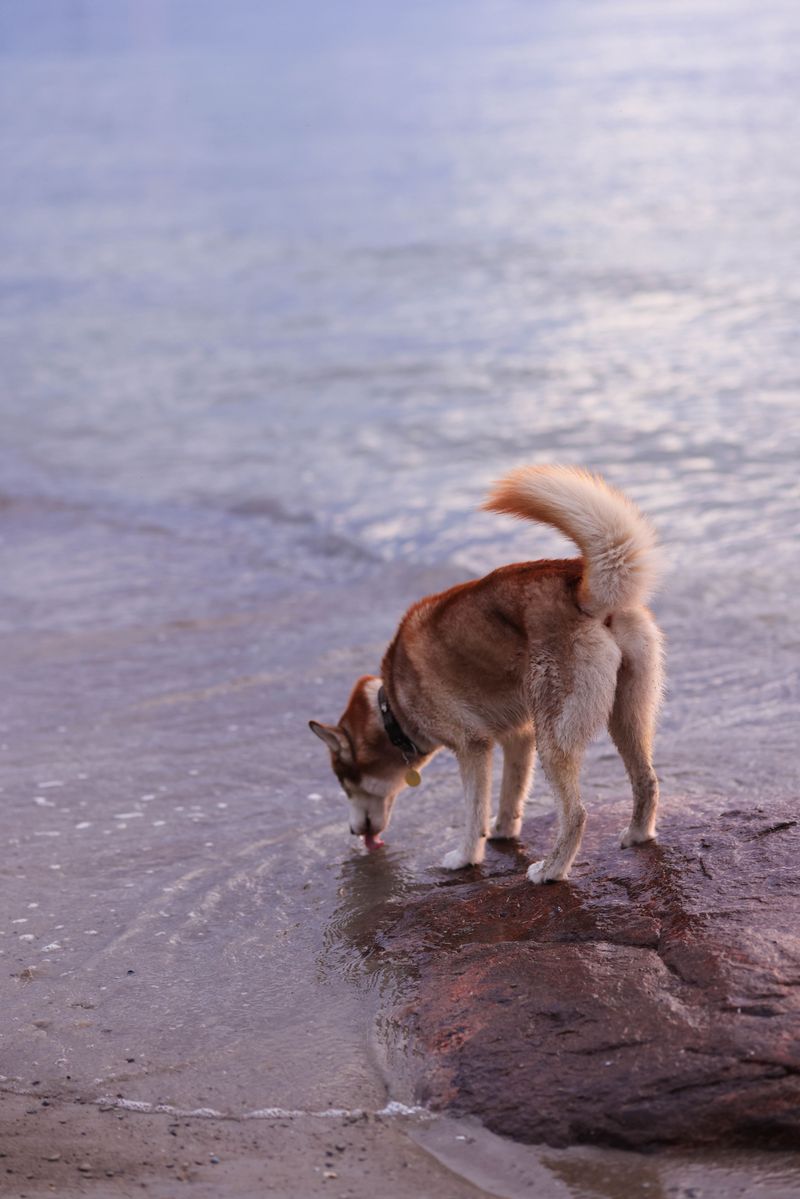
Dogs gulp seawater without thinking twice, especially while chasing waves. Too much salt can upset the stomach and leave a dog wobbly or unusually tired.
Bring a jug of fresh water and offer sips every ten or fifteen minutes. A hydrated dog is far less tempted by the Gulf.
Should your dog seem off after drinking seawater, call your veterinarian for advice. Quick guidance beats guessing on the drive home.
3. Watch for Strong Surf and Currents

Rip currents can form on calm-looking days along the Gulf. Alabama beaches use colored warning flags, and double red means the water is closed to everyone.
Dogs cannot read flags, so you become the lifeguard. Skip swimming on yellow or red flag days, even for strong paddlers.
Flag colors are posted near public access points.
Wading in shallow surf is plenty of fun. Keep your dog close, and stay where you could easily reach them.
4. Know Your Dog’s Swimming Ability
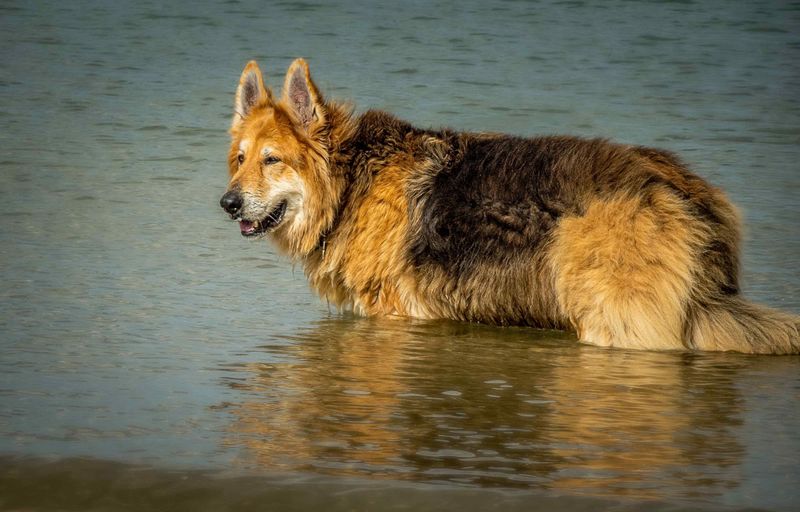
Some dogs hit the water like otters. Others sink toward the back end, no matter how eager they look.
Short-legged and flat-faced breeds, including bulldogs and dachshunds, often struggle to stay level. Age, weight, and joint pain matter too.
Test your dog in calm, shallow water first, supporting the belly if needed. Honest expectations keep beach trips happy.
A dog who prefers wading is still having a wonderful day.
5. Fit a Life Jacket for Extra Support
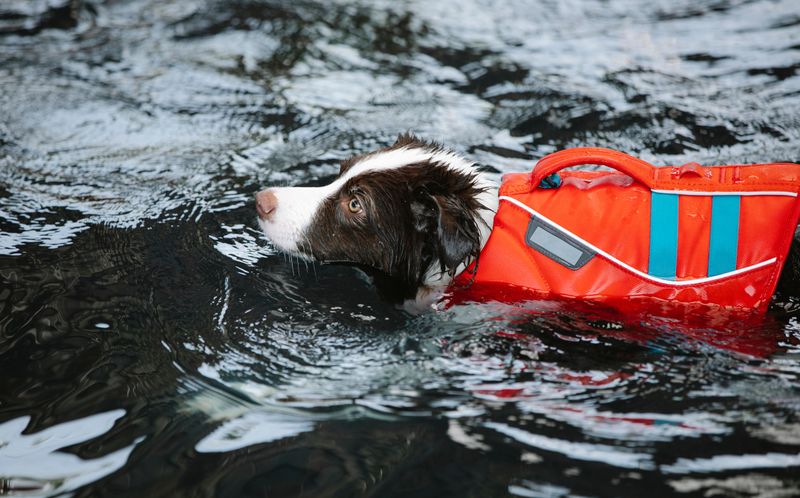
A well-fitted canine life vest does quiet, steady work. It holds the hips up, adds visibility, and gives you a handle to grab.
Look for snug straps, bright colors, and a grab loop across the back. Measure the chest, since sizing varies by brand.
Boat trips and deeper water are where vests earn their keep. Let your dog wear one in the yard first, so it feels familiar.
Comfort comes before any swim.
6. Keep Dogs Away From Rough Water

Piers, jetties, and passes look interesting to a curious nose. Water there moves fast, and rocks get slick with algae.
Perdido Pass and similar channels carry boat traffic and shifting currents. Keep leashed dogs several yards back from the edge.
Watch for fishing lines near piers, too.
Waves breaking against hard structures can knock a dog off balance. Pick a wide, open stretch of shoreline instead.
Calm water is simply easier on everyone.
7. Be Careful Around Jellyfish
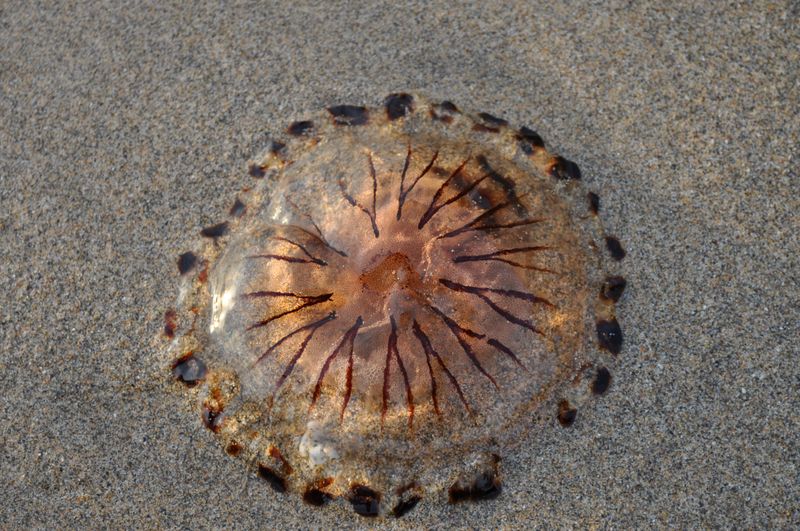
Purple flags along Alabama beaches signal dangerous marine life, often jellyfish. Stranded ones on the sand can still sting a nosy dog.
Tentacles cause burning and swelling, usually on the muzzle or paws. Rinse the area with seawater, never fresh water, and avoid rubbing.
Vinegar helps some stings, but ask your vet first.
Call your veterinarian if swelling spreads or your dog seems uncomfortable. Scanning the tide line before playtime prevents most of these encounters.
8. Watch for Fish and Marine Life
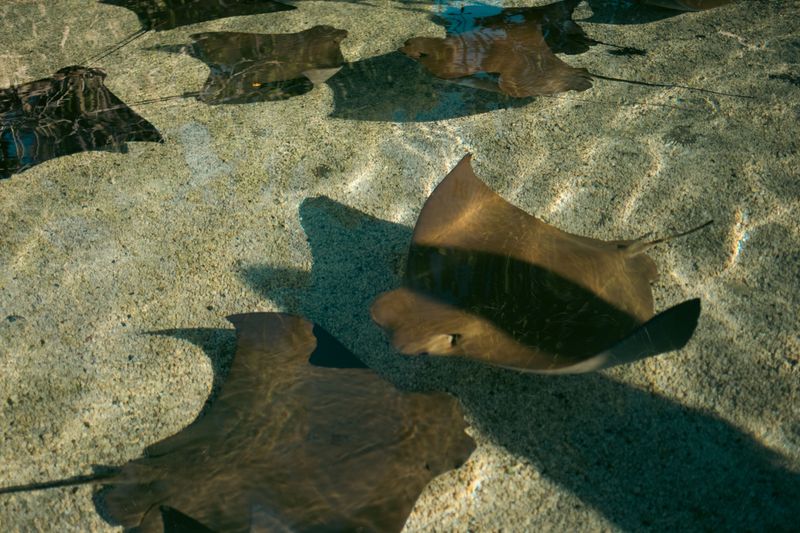
Stingrays rest in warm shallows near the Gulf’s edge. Shuffling your feet as you wade encourages them to move along.
Discarded fish, bait, and hooks also collect near the waterline. Teach a solid leave it cue before beach season.
Fishing piers and bait buckets deserve extra distance.
Crabs pinch, and washed-up fish can upset a dog’s stomach. Dogs explore with their mouths first.
Keeping your dog beside you, rather than roaming, handles nearly all of it.
9. Rinse Off Salt and Sand
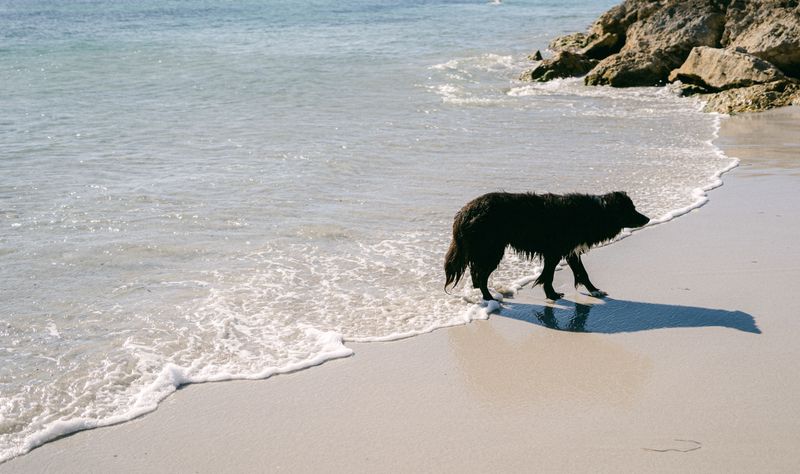
Salt left on the coat gets itchy fast. A thorough freshwater rinse after swimming keeps skin comfortable and coats soft.
Many public access points in Gulf Shores and Orange Beach have outdoor showers. A jug of water in the trunk works just as well.
Pay attention to the belly, armpits, and between the toes, where sand hides. Towel the ears dry to discourage irritation.
Rinsing takes two minutes and saves days of scratching.
10. Check the Paws After Beach Time
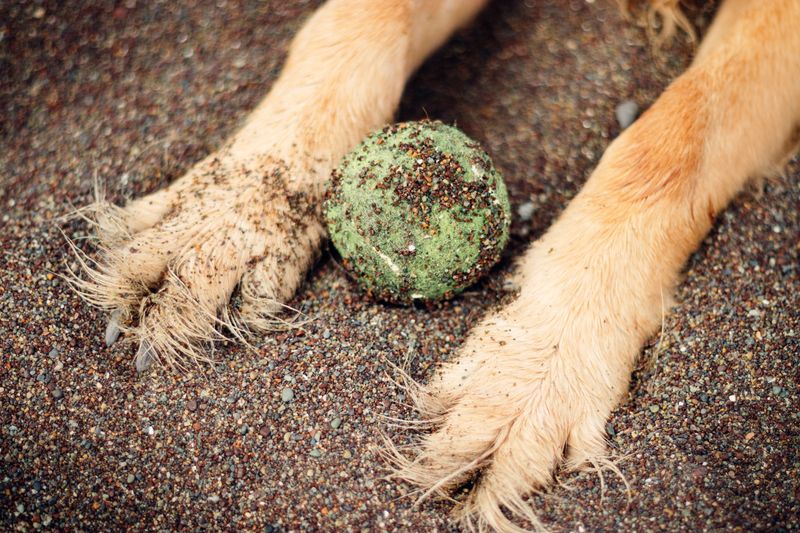
Broken shells, glass, and stray hooks hide in soft sand. Paw pads also soften in water, making small cuts more likely.
Run your fingers between each toe once you reach the car. Look for cracks, redness, or stuck debris.
Limping on the walk back is a clear signal.
Keep tweezers and gauze in your beach bag for tiny splinters. Anything deep, bleeding, or painful deserves a veterinarian’s attention rather than home treatment.
11. Protect Dogs From Gulf Coast Heat
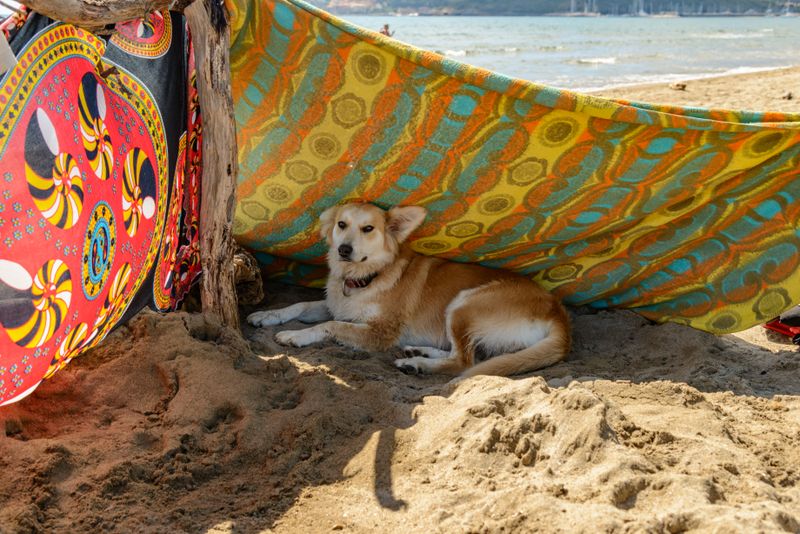
Gulf humidity makes eighty-five degrees feel much heavier. Dogs cool themselves mainly by panting, which works poorly in muggy air.
Plan trips for early morning or the hour before sunset. Bring an umbrella or pop-up shade, plus cool water.
Dark-coated and senior dogs heat up faster.
Heavy panting, thick drool, bright gums, or sudden sluggishness mean stop and cool down. Move to shade, offer water, and contact a veterinarian if recovery seems slow.
12. Avoid Hot Sand Before and After Swimming
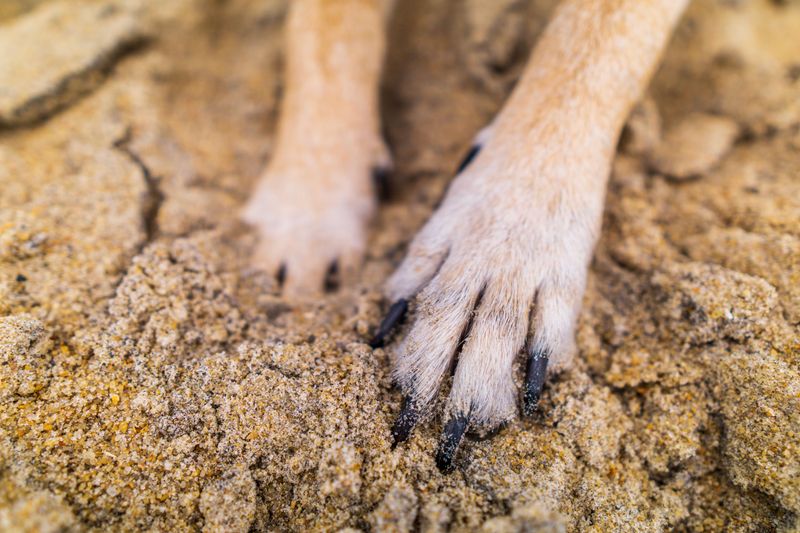
White quartz sand looks cool, yet midday it can scorch. Press the back of your hand down for seven seconds.
Too hot for your skin means too hot for paw pads. Wet paws pick up sand and heat even faster.
Walk near the damp tide line, or try breathable booties. Carrying a small mat gives your dog a comfortable place to rest.
Boardwalks and parking lots get hot too. Check surfaces before every walk.
13. Do Not Let Dogs Drink From Puddles

Tide pools and roadside puddles tempt thirsty dogs. Standing water near the coast can hold bacteria, runoff, or algae growth.
Warm, stagnant ponds and ditches are worth avoiding entirely, especially in summer. Blue-green algae blooms sometimes appear in fresh water.
Carry a collapsible bowl and offer water often. Refill it before you leave the house.
Cold water is extra appealing on hot days. A dog with easy access to clean water rarely bothers with murky puddles.
14. Look for Signs of Water Trouble
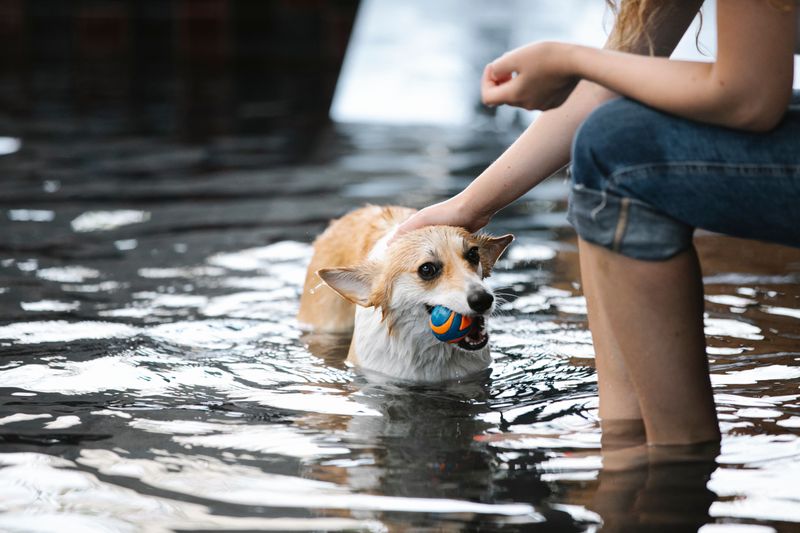
Dogs who swallow a lot of water may act unusual afterward. Watch for a swollen belly, stumbling, vomiting, or a glazed expression.
Coughing or labored breathing hours after swimming also deserves attention. Rest and quiet observation help you notice changes early.
Frequent fetch games encourage gulping, so build in breaks.
Call your veterinarian or an emergency clinic when something feels wrong. Trust your instincts; you know your dog’s normal better than anyone.
15. Keep an Eye on Water Quality
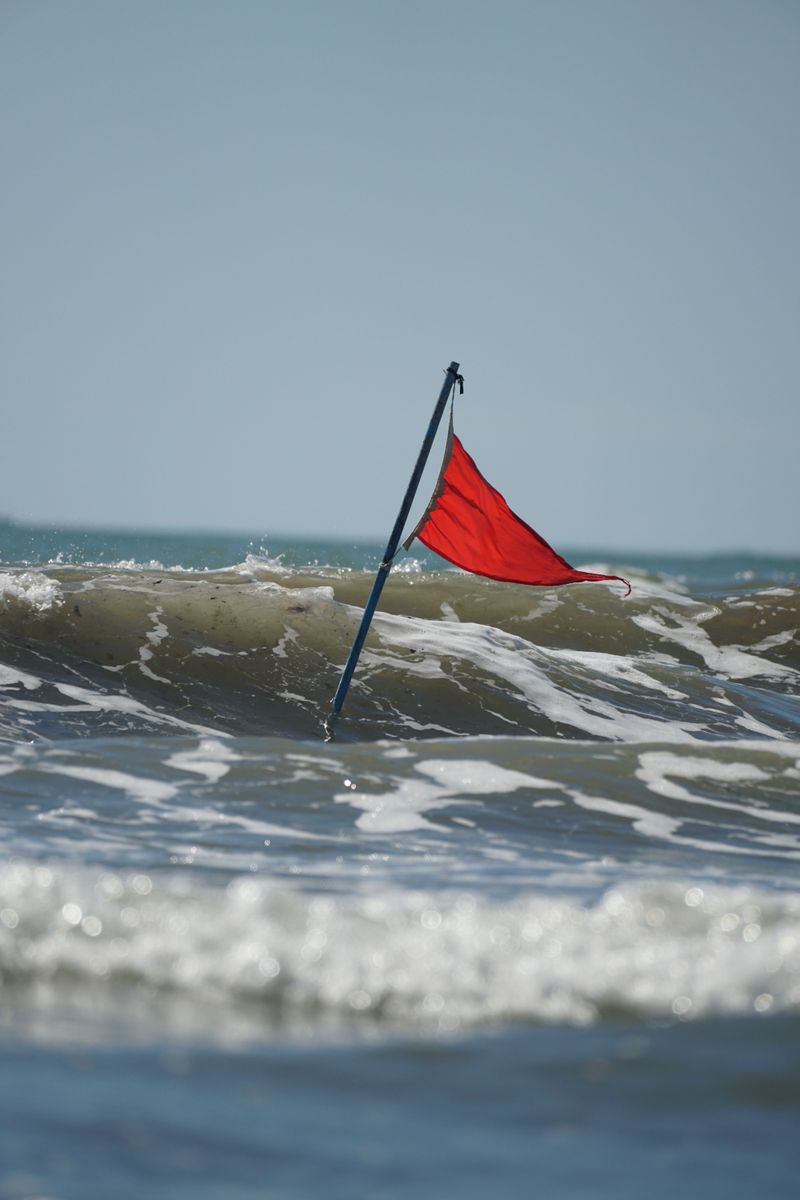
Alabama’s environmental agency monitors coastal beach water and posts advisories when bacteria levels rise. Notices usually appear online and at affected access points.
Heavy rain pushes runoff into bays and the Gulf. Waiting a day or two afterward is a sensible habit.
Check advisories the morning of your trip, since conditions change quickly. When water looks cloudy or smells off, choose a different activity.
A shady hike is never a bad backup plan.
16. Bring a Leash Even for Swimming Dogs
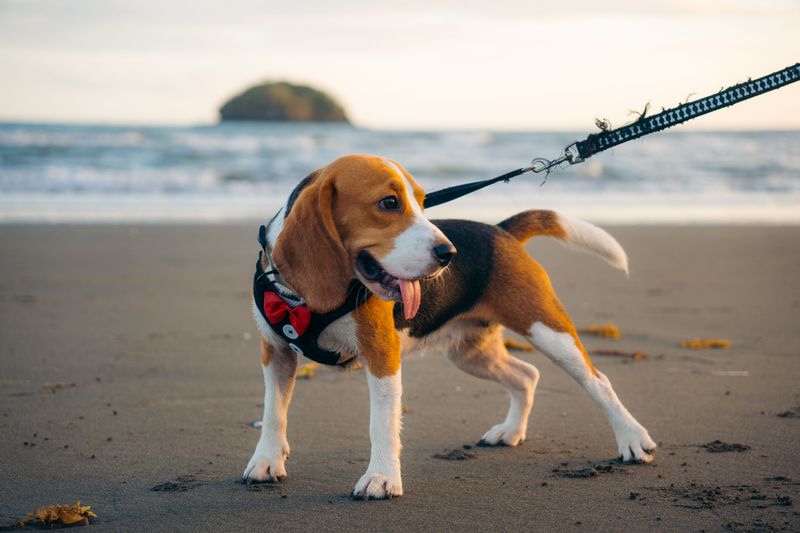
Even reliable swimmers need a leash on the sand. Most Alabama coastal communities require pets to be leashed and under control in public areas.
A long training line offers freedom without losing contact. Avoid retractable leads in surf, since they tangle and slip.
Pack a spare leash; salt water wears them out.
Distractions multiply at the beach: birds, kids, and other dogs. Local leash rules vary, so confirm details with the city or park office.
17. Give Nervous Dogs a Gentle Introduction
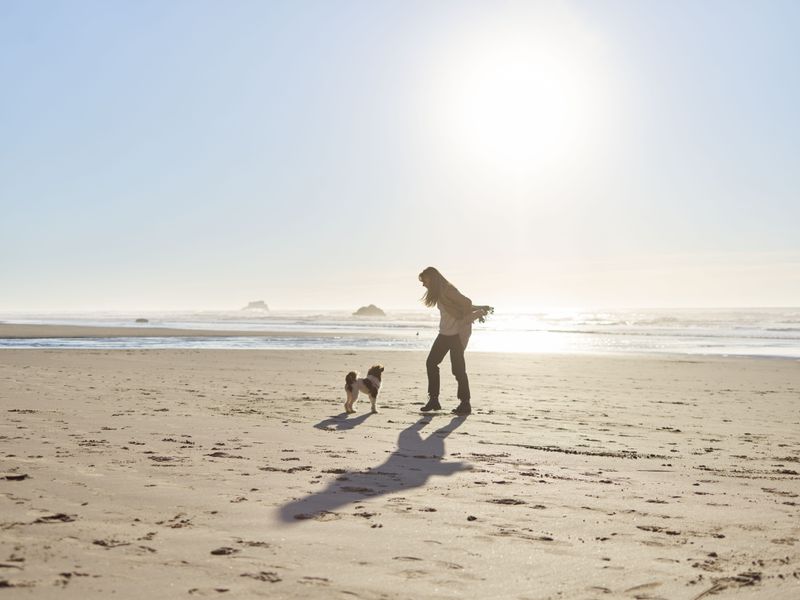
Pushing a hesitant dog into waves backfires almost every time. Start at the damp edge, where water barely touches the paws.
Let curiosity lead. Toss a favorite toy just ahead, praise small steps, and keep sessions short.
Bring high-value treats for the first trip.
Some dogs need three or four visits before wading deeper. Others decide beachcombing suits them better, and that is perfectly fine.
Patience builds confidence that lasts for years.
18. Watch Dogs Around Other Beachgoers
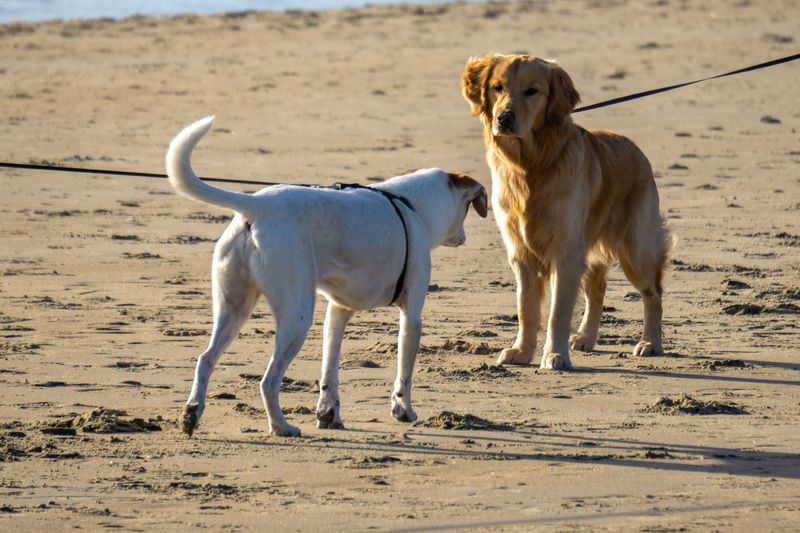
Shared shoreline means shared manners. Wet dogs shake, dig, and greet strangers with enthusiasm not everyone welcomes.
Ask before letting your dog approach children or other pets. Give fishing spots and sunbathers a wide berth.
A calm dog on a short leash is always welcome.
Nesting shorebirds use marked areas along the Alabama coast, so respect posted boundaries. Pack bags and clean up every time.
Courtesy keeps beaches open to dogs in the first place.
19. Check Your Dog After Leaving the Water
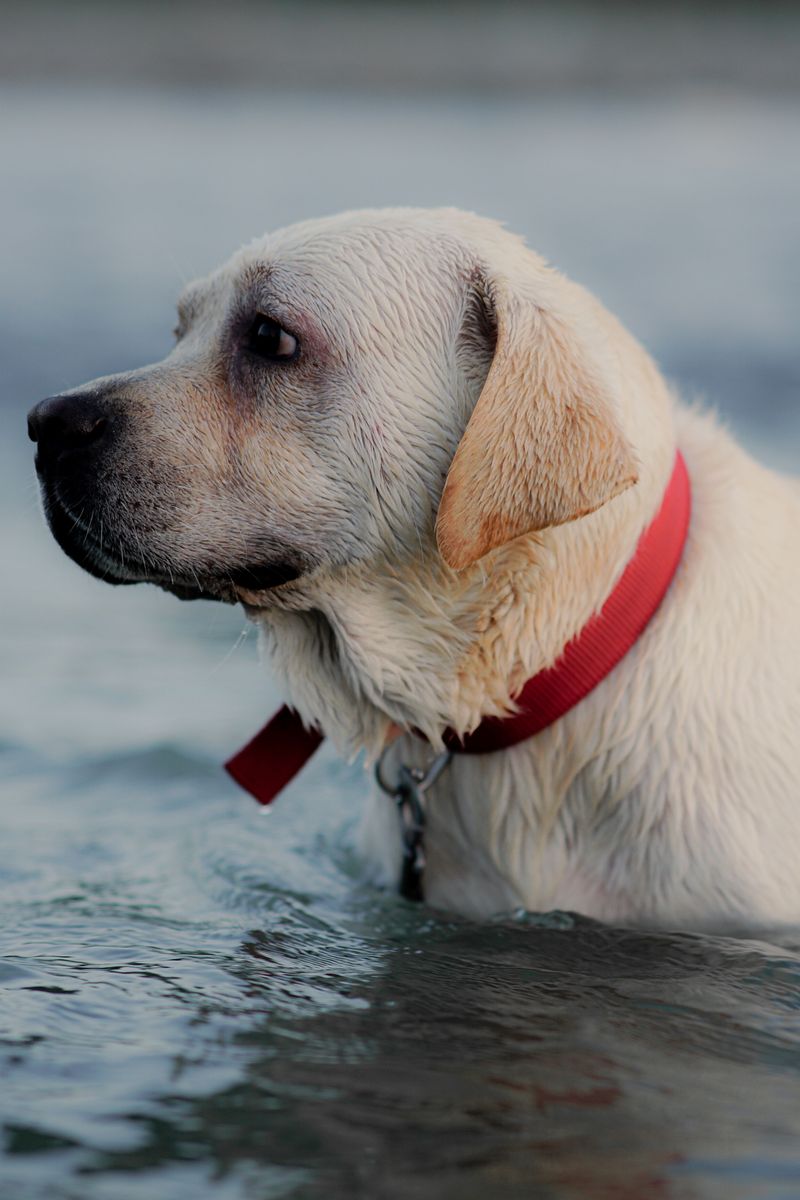
The ride home is a good time for a head-to-tail check. Lift the ears, look at the eyes, and feel along the skin.
Sand trapped in folds leads to redness, while damp ears invite irritation. Sand fleas and ticks also hitch rides from dune grass.
Note anything new, then watch it for a day. Persistent scratching, head shaking, or odor means a call to your veterinarian.
Most beach days end with nothing more than a tired, happy dog.