Why A Coastal North Carolina Pet Sitter Needs A Hurricane Plan Even When The Owner Is Only Gone For A Weekend
A weekend away should feel simple, especially when your dog stays with someone you trust. Along coastal North Carolina, changing weather can add a few extra steps to that familiar routine.
A clear hurricane plan helps your sitter handle travel changes, power outages, and evacuation decisions without guessing. Before you pack, share the details that will keep your dog comfortable and your sitter ready.
1. Coastal Weather Can Change While You Are Away
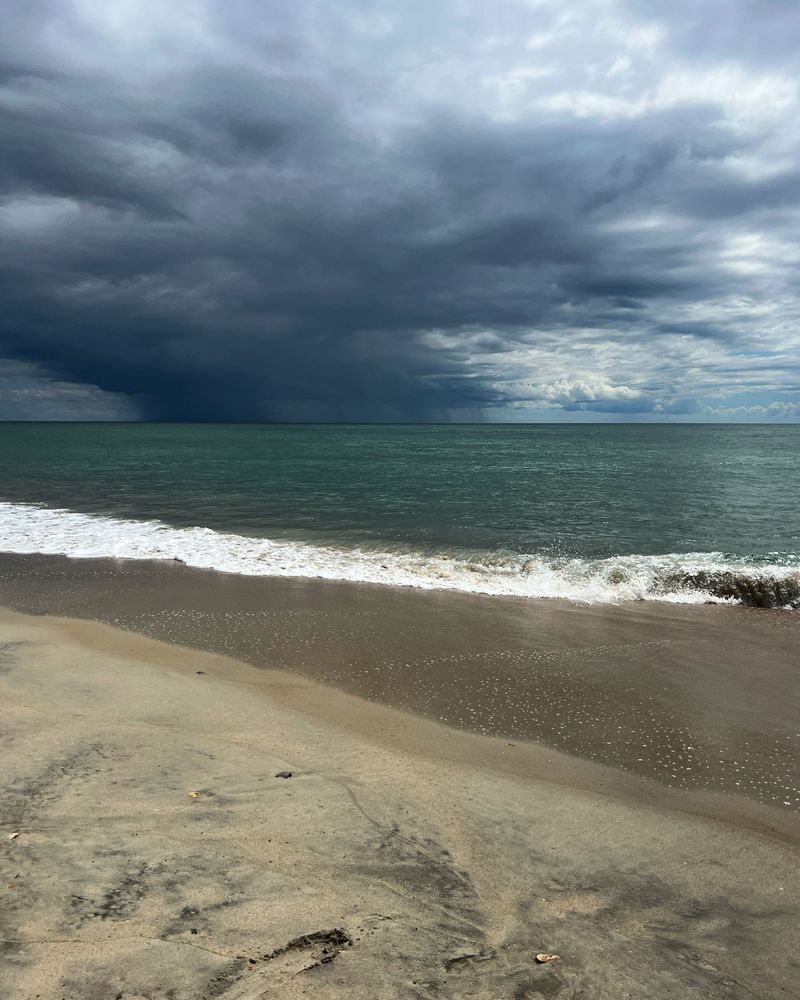
A sunny Friday does not promise a quiet Sunday along the North Carolina coast. Tropical weather can shift, and local flooding may affect places beyond the forecast track.
Give your sitter permission to adjust plans when official guidance changes. Discuss what happens if your return flight or drive gets delayed.
Planning for extra care removes guesswork. Your dog still needs meals, medication, bathroom breaks, and familiar company, even when your weekend schedule suddenly changes without warning.
2. Check Hurricane Forecasts Before Departure
Before handing over the keys, review the National Hurricane Center forecast together. Also check local National Weather Service updates and county emergency management notices.
Focus on expected impacts, not just the storm category or center line. Rain, wind, surge, and road access can create different problems.
Agree on when the sitter will check again. A quick review before each visit helps catch changes while there is still time to respond safely and update your shared plans.
3. Find Out Whether the Home Is in an Evacuation Zone

Your street address matters more than its distance from the beach. Check North Carolina’s Know Your Zone resources where available, plus your county’s evacuation maps.
Write down the home’s zone and the authority issuing local instructions. Some locations use different systems, so confirm details with county emergency management.
Make sure the sitter understands evacuation orders apply to the household’s plans. Never assume a familiar neighborhood will remain accessible throughout a storm or the days that follow.
4. Put Emergency Instructions in Writing
A hurried phone call is no substitute for clear written directions. Leave a printed plan and send the same information digitally before departure.
Include evacuation permission, approved destinations, spending limits, and who can authorize veterinary care. Ask your veterinarian what consent paperwork their practice accepts.
Explain how the sitter should act if you cannot answer. Written choices help everyone move forward calmly, without delaying needed decisions while trying repeatedly to reach an unavailable owner during travel.
5. Choose Pet-Friendly Places Before You Need Them
Not every evacuation shelter accepts household pets, and hotel rules vary. Identify several inland options before the weekend, including trusted friends when available.
Call ahead about animal limits, vaccination records, fees, and carrier requirements. County emergency management can explain local shelter arrangements and opening announcements.
Keep a second destination ready if rooms fill. Never assume an online listing guarantees space during an evacuation, especially when nearby coastal communities are also making travel plans for their pets.
6. Pack a Pet Emergency Bag for the Assignment
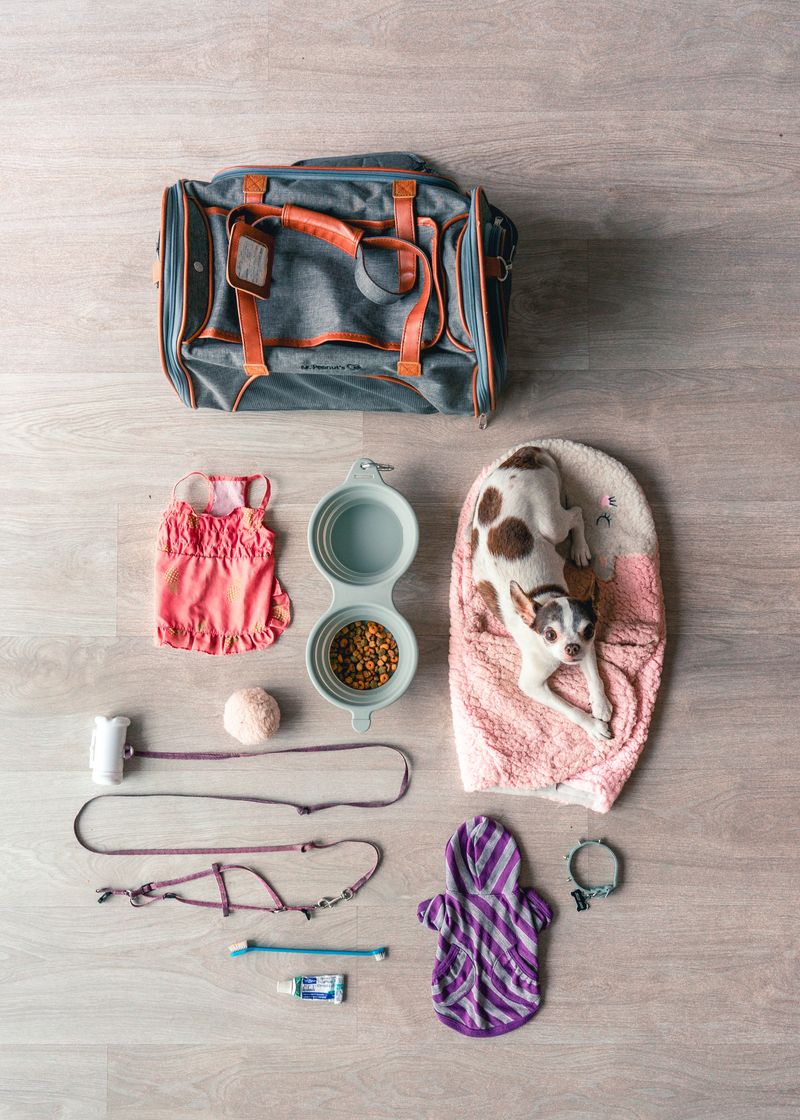
One ready bag can save several rushed trips around the house. Pack food, drinking water, bowls, waste bags, leashes, medications, and copies of records.
Add a familiar blanket and a sturdy carrier when appropriate. Label supplies with feeding directions and keep medication in its original container.
Show the sitter exactly where everything belongs. A bag helps only when someone can find it quickly and carry it comfortably alongside your pet during an unexpected change of location.
7. Make Identification Useful Away From Home
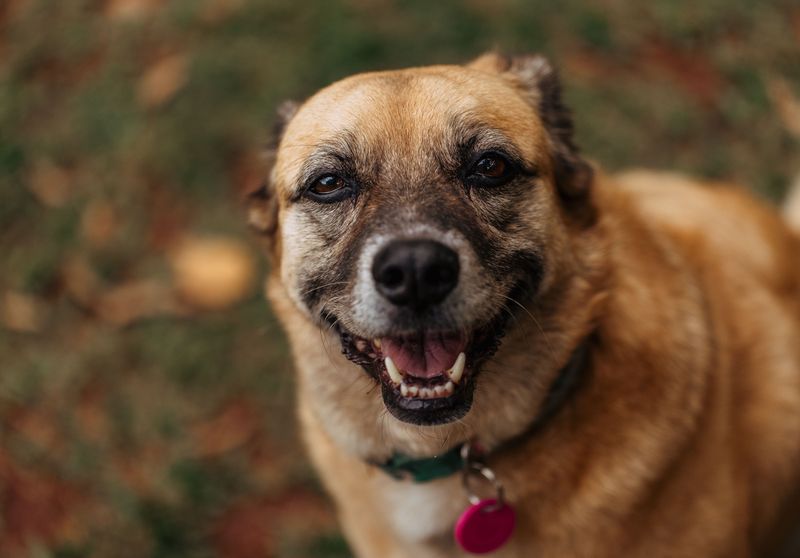
A house phone number offers little help when everyone has evacuated. Check that your dog’s tag lists a reachable mobile number before leaving.
Confirm the microchip registry has current contact details and add an alternate contact when possible. A microchip is identification, not a live tracking device.
Give the sitter recent photos showing your dog’s face and markings. Keep collars properly fitted, and attach identification to carriers for another practical layer of protection during unfamiliar travel.
8. Map Roads That Could Become Unsafe

Barrier island routes, low roads, and bridges can limit travel choices. Review primary and backup routes using local emergency guidance and DriveNC road information.
Ask about access restrictions that could affect leaving or returning. Bridge operations and reentry rules vary by location and conditions.
Never drive through floodwater or around a closure. Choose another route or follow official instructions instead, even when the familiar road appears to offer the shortest trip back to your dog’s home.
9. Set a Departure Trigger Before Roads Get Busy
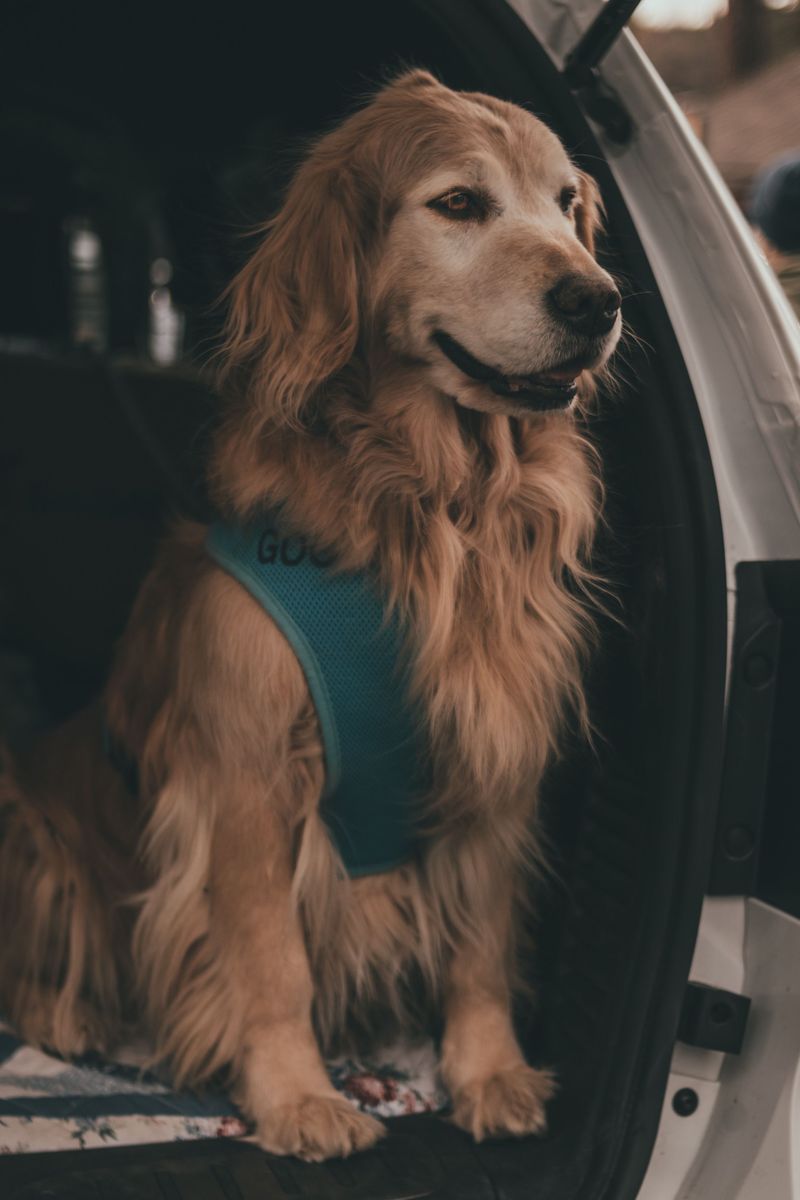
Leaving early gives a sitter more choices and a calmer drive. Agree on departure triggers before the owner leaves, using local evacuation guidance.
Include time for packing, loading pets, traffic, and reaching an approved destination. Follow evacuation orders promptly rather than waiting for visible problems.
A nervous dog may need extra loading time, too. Practice the carrier routine beforehand so departure feels familiar instead of becoming another task to solve as local travel conditions begin changing.
10. Arrange Backup Care Before Access Becomes Difficult
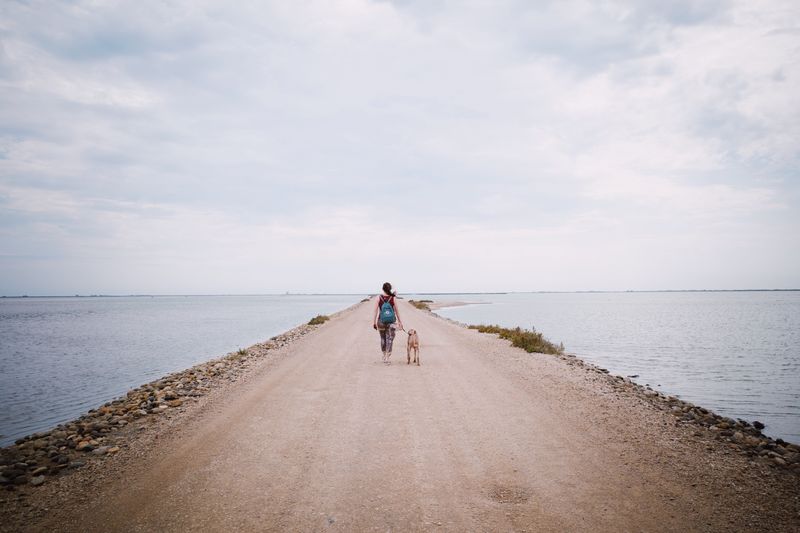
Even a dependable sitter can face blocked roads or personal evacuation needs. Name a nearby backup who has agreed to help and understands the plan.
Arrange lawful access, share care instructions, and confirm that person’s availability. Do not assume a neighbor can enter or transport your dog.
If nobody can safely reach the property, contact local emergency resources for guidance. Never ask someone to cross floodwater or ignore restrictions to complete a scheduled pet care visit.
11. Stock Supplies for More Than Two Nights
Your return ticket cannot guarantee that roads or airports will reopen. Leave supplies for several extra days, following veterinary and emergency preparedness guidance.
Count meals, medication doses, drinking water, and cleanup needs before departure. Ask your veterinarian early about prescription refills and temperature requirements.
Leave an approved payment method for unexpected purchases or extended care. Discuss extra visit charges in advance so practical money questions never interrupt your dog’s routine during a longer stay than planned.
12. Keep Paws Away From Floodwater and Debris
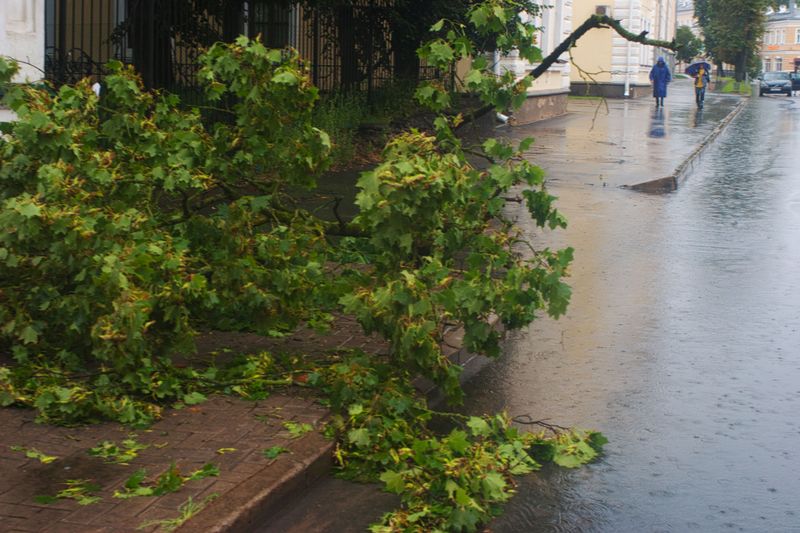
Puddles after a storm may hide more than muddy paws. Floodwater can contain contaminants, sharp objects, and other hazards that are difficult to see.
Keep dogs away from flooded areas and inspect walking spaces before outings. Use a leash, even for normally reliable pets in familiar yards.
If contact occurs, prevent licking and ask your veterinarian about suitable cleanup. Report injuries or unusual symptoms promptly, and avoid treating your dog with leftover medicines without veterinary advice.
13. Prepare a Comfortable Indoor Retreat

Familiar bedding can make an unfamiliar weather day feel more manageable. Choose an interior space away from windows, following local sheltering guidance for the home.
Place water, cleaning supplies, and your dog’s usual comfort items nearby. Remove cords, loose objects, and anything tempting to chew.
Keep the sitter informed about hiding habits and signs of stress. If your dog needs prescribed anxiety medication, leave veterinary instructions rather than expecting someone to improvise treatment during the storm.
14. Inspect Fences, Gates, and Doors Ahead of Time
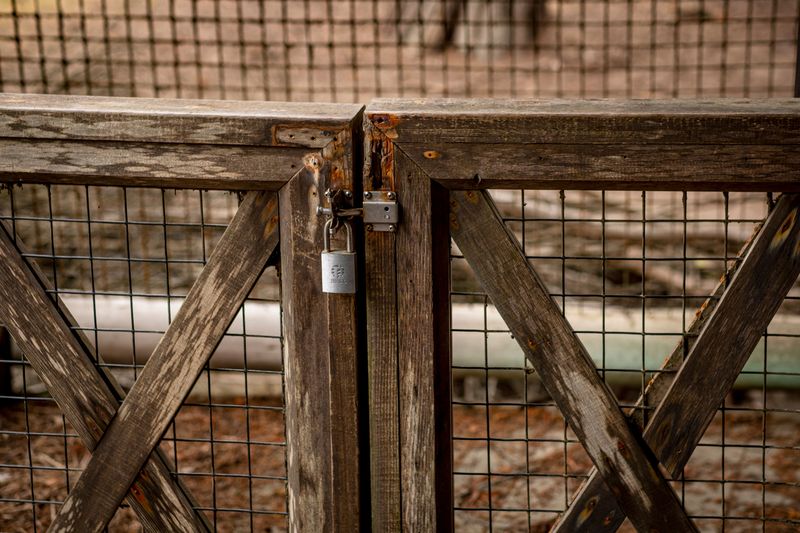
A gate that usually catches may loosen when weather turns rough. Walk the property before departure and repair weak latches, gaps, or sticking doors.
Secure outdoor objects that could shift, provided conditions remain safe. Tell the sitter which exits latch reliably and where spare leashes are stored.
After strong winds, check the yard before allowing outdoor access. Keep your dog leashed until fencing is confirmed secure, rather than trusting yesterday’s inspection after conditions have changed overnight.
15. Keep Veterinary Details Within Easy Reach

Searching old messages is frustrating when your dog needs professional advice. Put your regular veterinarian, nearby emergency clinics, and alternate contacts on one page.
Include allergies, medical conditions, current medications, and relevant vaccination records. Confirm clinic hours because storm conditions may change staffing or opening times.
Identify an emergency option near the evacuation destination as well. Explain payment arrangements and consent requirements beforehand, giving the sitter clear direction if your usual veterinary office becomes temporarily unavailable.
16. Plan Around Power and Cell Service Outages

A charged phone is useful, but service may still become unreliable. Leave power banks, flashlights, spare batteries, and printed contacts where the sitter can find them.
Choose check-in times and an alternate person who can relay updates. Text messages may sometimes connect when calls cannot, but neither is guaranteed.
Plan for safe indoor temperatures and medication storage during outages. Never run generators indoors or near openings, and follow manufacturer instructions and official carbon monoxide safety guidance.
17. Understand Watches and Warnings Before Alerts Arrive
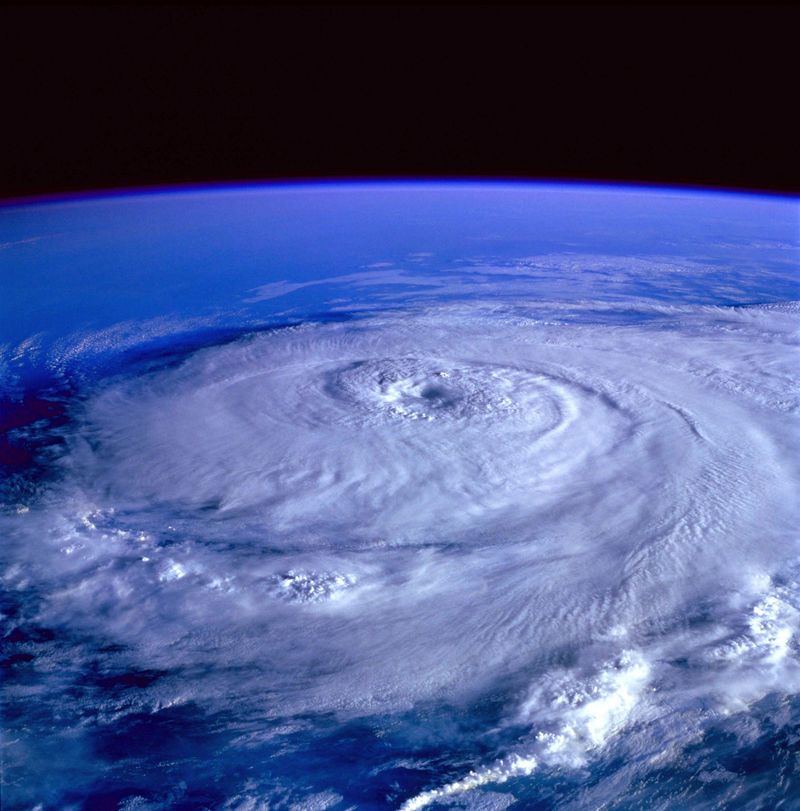
Weather alerts are easier to use when their meaning feels familiar. A hurricane watch means hurricane conditions are possible; a warning means they are expected.
Hurricane watches are generally issued 48 hours before tropical-storm-force winds are expected to begin, while hurricane warnings are generally issued 36 hours beforehand. Those winds can make preparation harder before hurricane conditions arrive.
Other alerts cover flooding, storm surge, and tornadoes. Read the full local message and follow official instructions, rather than treating every alert as having the same timing.
18. Confirm the Handover Before the Weekend Starts
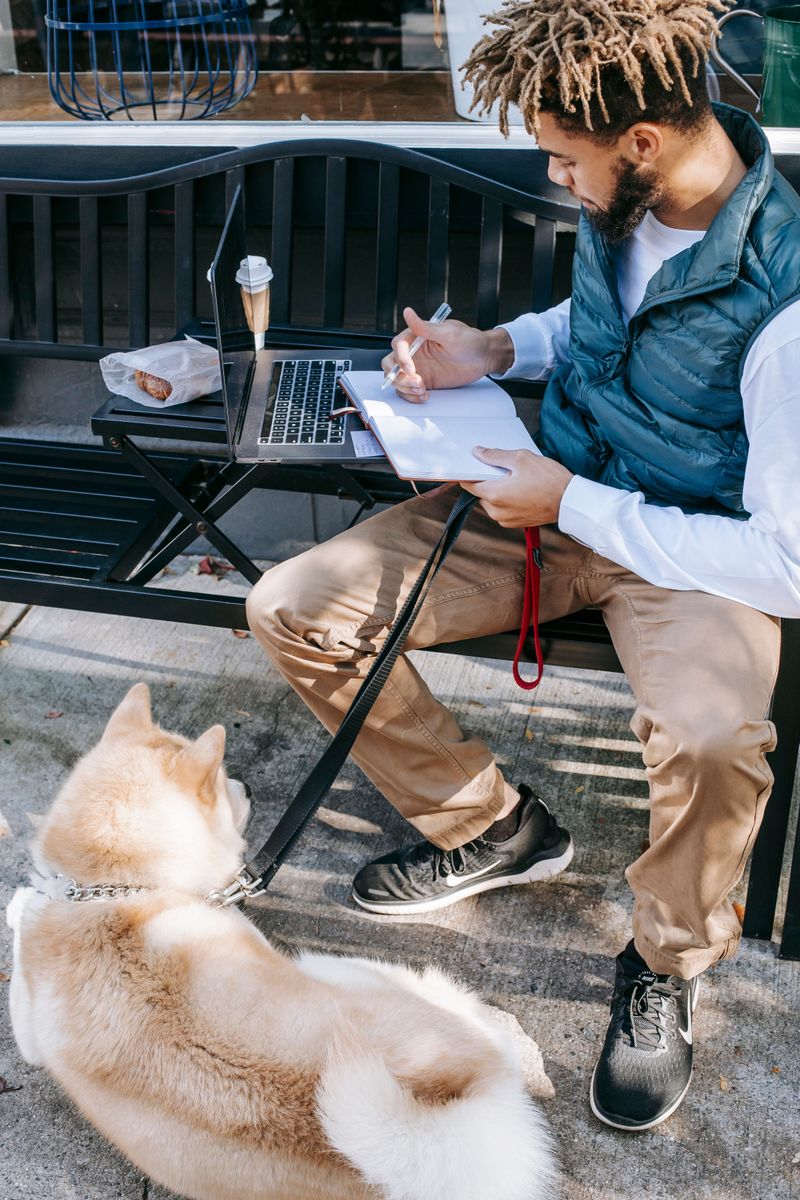
The best plan is one your sitter can actually carry out. Walk through keys, supplies, transport, contacts, and evacuation choices together before you leave.
Ask the sitter to explain the next steps in their own words. Confirm vehicle space, pet handling needs, backup access, and permission to act.
Send a final written copy and acknowledge any changes. A little preparation protects your dog’s routine and gives everyone something valuable: a clear plan for a calmer weekend.