12 Georgia Pet-Sitter Instructions That Matter More On Acreage Than In An Apartment
If your dog lives on a few acres in Georgia, a pet sitter needs more than a food scoop and a leash. Open land brings gates, ponds, livestock, wildlife, ticks, and summer heat into the picture.
None of it is scary once someone knows the layout and the routine. Think of this as the friendly handoff notes every rural owner should write before leaving town, so your sitter feels steady and your dog stays exactly where you want.
1. Know the Property Boundaries
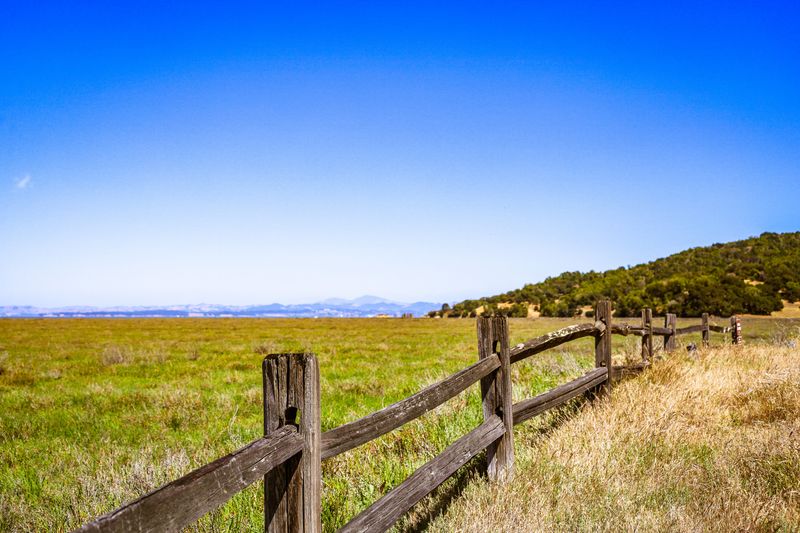
Acreage rarely has an obvious edge. A sitter who does not know where your land stops may let a dog wander toward a road or a neighbor’s field.
Walk the perimeter together, or mark it on a simple printed map. Point out corner posts, tree lines, and driveway limits.
Also share your neighbors’ names by role, like the cattle farmer next door. Clear boundaries prevent honest mistakes.
2. Explain Every Gate And Fence
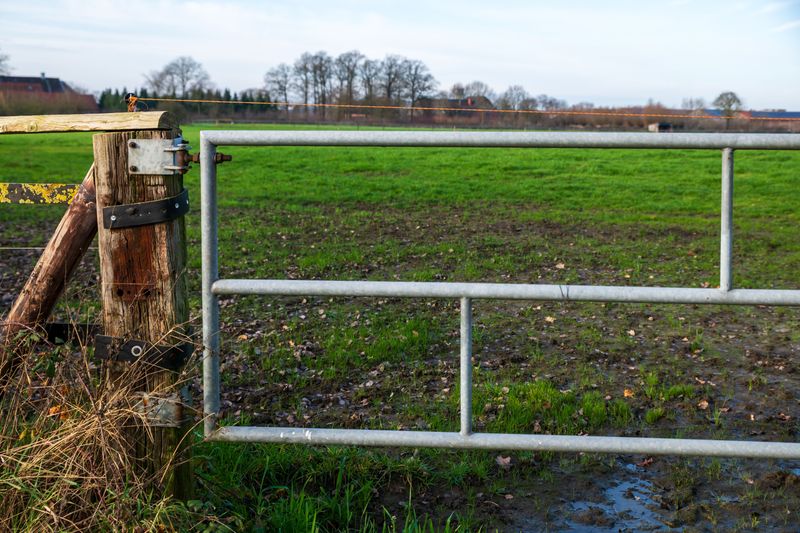
Gates are the number one escape route on rural land. Each one may latch differently, and some sag or swing open in wind.
Show your sitter how every latch works, which gates stay closed always, and where spare clips hang.
Mention weak spots in fencing too, like a low dip where a determined digger squeezes through. A quick daily gate check takes two minutes and saves hours of worry.
3. Keep Dogs Away From Livestock
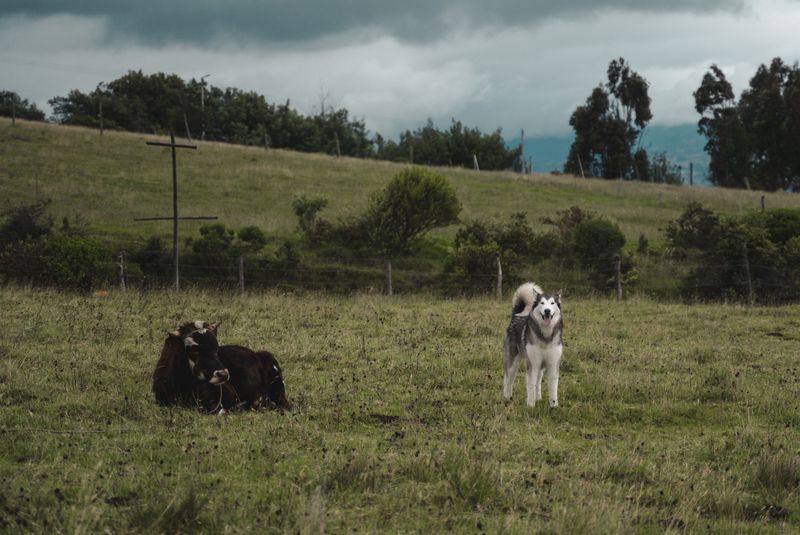
Chickens, goats, cattle, and horses change everything about off-leash freedom. Even a playful dog can stress animals or get kicked.
Tell your sitter which pastures are off limits and whether your dog goes in on leash only.
Georgia law can make a dog’s owner or custodian financially responsible for damage the dog causes to livestock, poultry, or other animals. Local governments may also have stricter dog-control rules, so check your county’s requirements if you are unsure.
4. Mark Wells, Ponds, And Water Hazards
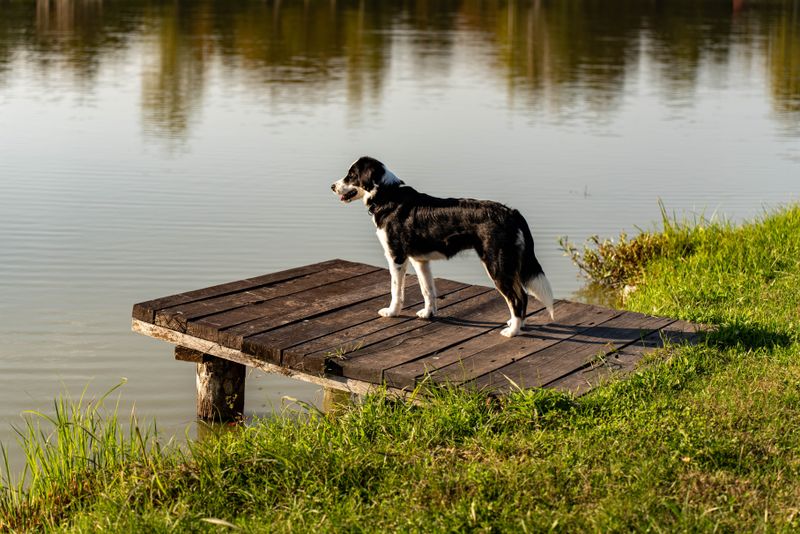
Water looks harmless until a dog slides down a steep, slick bank. Farm ponds, drainage ditches, and old well covers all deserve a mention.
Show your sitter each one and explain whether swimming is allowed.
Georgia ponds can develop harmful cyanobacteria blooms during warm conditions, particularly when water is warm, still, and nutrient-rich. If a pond has visible scum or an unusual color, keep dogs away from it rather than allowing contact.
5. Watch For Georgia Wildlife
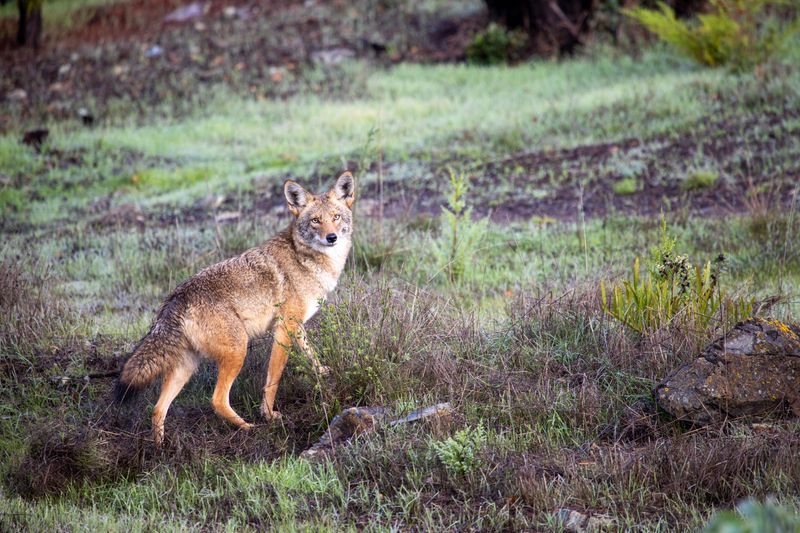
Coyotes, armadillos, raccoons, snakes, and fire ants all share rural Georgia land. Most keep their distance, but dusk and dawn raise the odds of an encounter.
Ask your sitter to scan open areas before letting dogs out and to avoid tall brush piles.
Note where snakes have been spotted before. If a dog gets bitten or scuffles with wildlife, a vet call comes first, always.
6. Check For Ticks After Outdoor Time
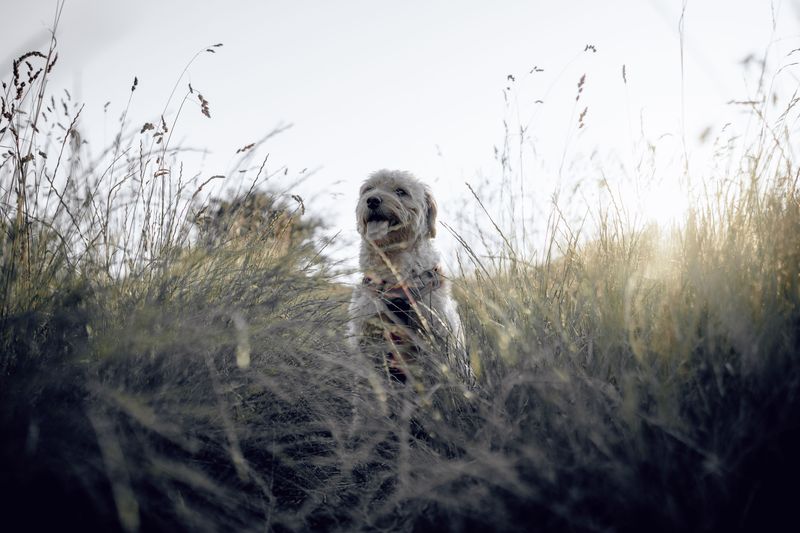
Tall grass and wooded edges are tick territory across most of Georgia, and the season stretches long here.
Show your sitter how to run hands over ears, neck, armpits, and between toes after outdoor play.
Keep a tick remover and gloves in an easy spot. Explain your dog’s prevention schedule too.
Regular tick checks after outdoor activity can help you find attached ticks promptly, making them a useful part of a dog’s routine on acreage.
7. Give Clear Instructions For Off-Leash Time
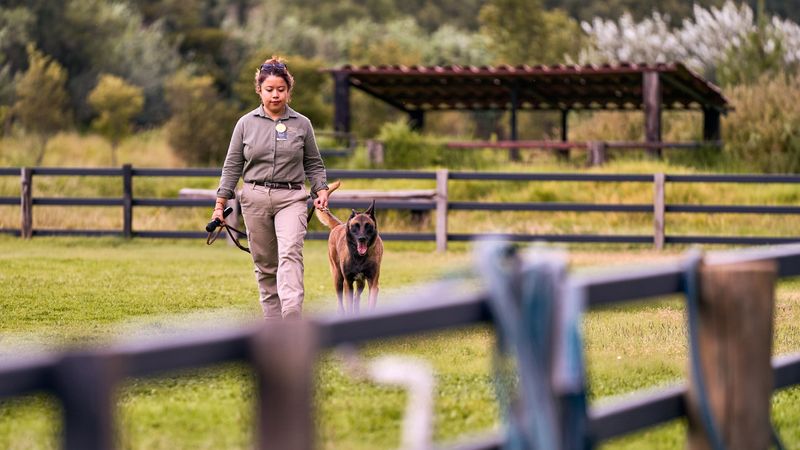
Here is where apartment habits fail fastest. A dog with a solid recall in a hallway may ignore commands with a deer in view.
Spell out exactly when off-leash time is allowed, for how long, and in which fenced area.
Share the recall word you use and the treats that back it up. If your dog’s recall is shaky, a long line is the safer default.
8. Keep Dogs Out Of Equipment Areas
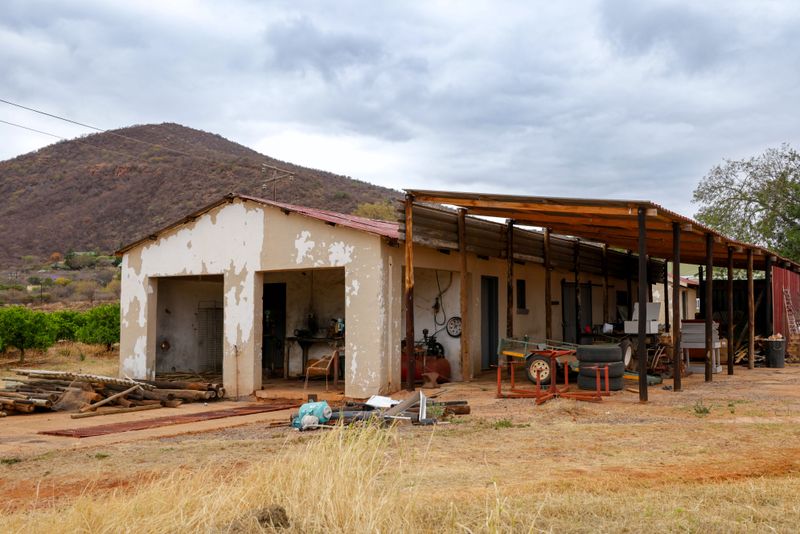
Barns and workshops hide plenty of curiosity magnets: fuel cans, fertilizer, antifreeze, rodent bait, and sharp tools.
Tell your sitter which buildings stay shut and which shelves hold anything a dog should never reach.
Antifreeze tastes sweet to dogs, so any spill needs immediate cleanup and a vet call.
Simple habit: doors closed, dog outside, every single time. It removes the guesswork completely.
9. Explain Where Food And Water Belong
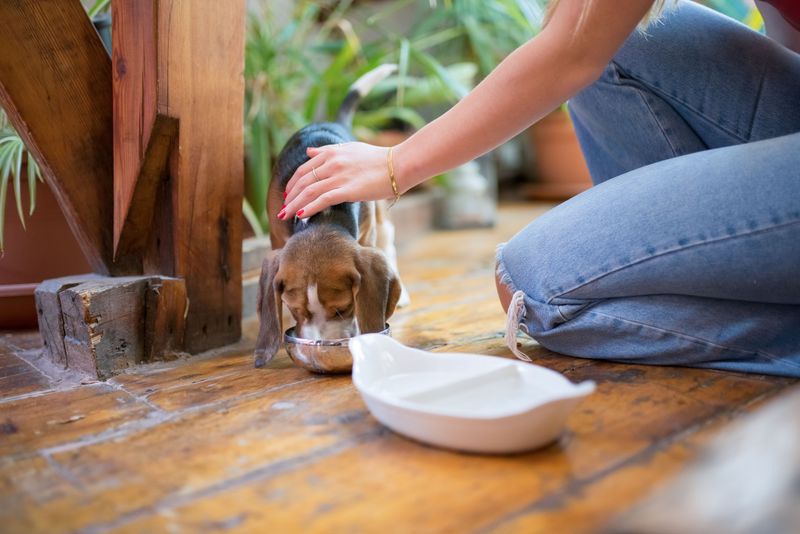
Feeding outdoors on acreage invites raccoons, opossums, and ants to the party. Left-out bowls also let livestock or barn cats sample the menu.
Show your sitter exactly where meals happen, indoors or on a screened porch, and ask that bowls come inside after.
Water is the bigger deal. In Georgia summers, outdoor bowls need refilling more than once daily, always in shade.
10. Secure Trash, Feed, And Outdoor Supplies
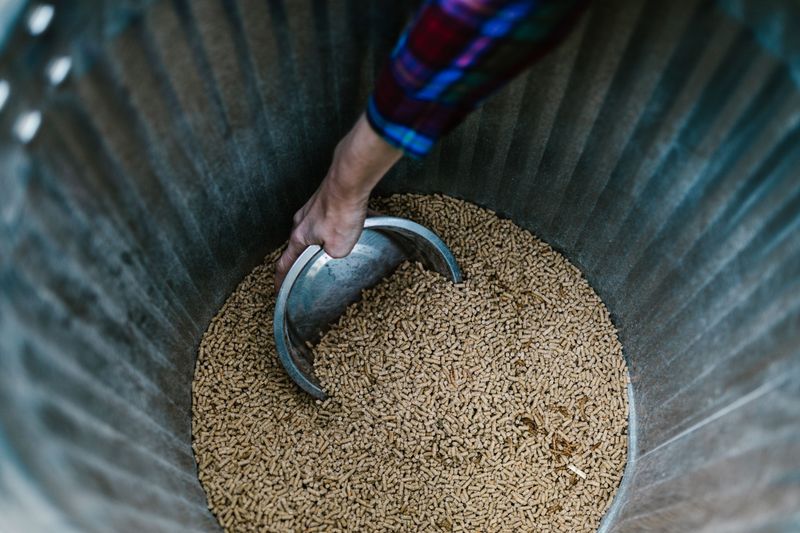
A torn feed bag is a quiet invitation to trouble. Livestock feed, birdseed, and bone meal all smell wonderful to dogs and can upset stomachs badly.
Ask your sitter to keep feed in sealed bins with lids latched and trash behind a closed door.
Compost piles deserve the same respect, since moldy scraps can make dogs quite sick. Tidy storage does most of the work.
11. Share The Best Places To Walk
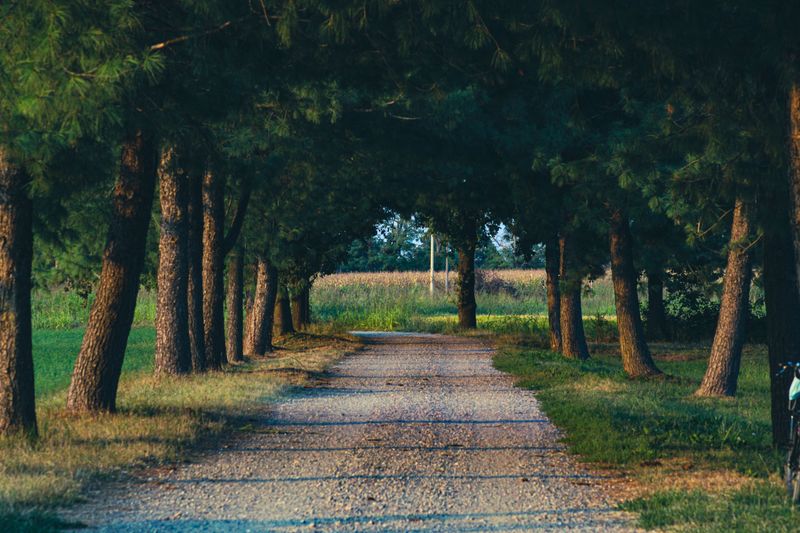
Country roads have no sidewalks, and drivers on gravel take curves faster than you would like.
Map out your favorite routes instead: the shaded tree line, the mowed pasture edge, the loop that avoids the neighbor’s dogs.
Point out where cell service drops, too. Ask your sitter to carry water and wear something bright.
Familiar paths keep walks calm and predictable for everyone involved.
12. Prepare For Georgia Heat, Storms, And Emergencies
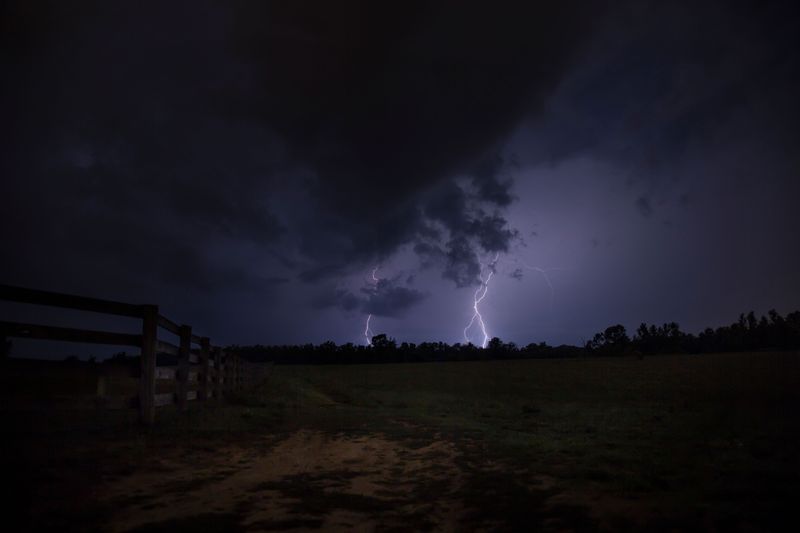
Summer humidity here makes shade and water non-negotiable. Ask for walks early or late, and keep dogs indoors during the hottest stretch.
Storms bring another layer: thunder, power flickers, and downed limbs.
Leave a safe indoor spot, flashlight, and generator notes if you have one.
Finally, post written directions to your nearest emergency vet, your address with landmarks, and two phone contacts. Then walk the whole property together before you go.