How Florida’s Year-Round Flea Season Changes Prevention For Dogs
If you share your Florida home with a dog, fleas are part of life all year long. Our warm, humid weather gives these tiny pests a cozy place to thrive in every month, not just summer.
The good news is that a steady, simple routine keeps most dogs comfortable and itch-free. Here is what every local owner should know to stay a step ahead.
1. Make Prevention a Twelve-Month Habit
Up north, many owners treat fleas like a summer chore. Florida plays by different rules.
Warm, humid air lets fleas stay active outdoors and indoors through most of the year.
That steady climate means steady protection works best. Picking one day each month, or one schedule from your product label, makes the habit easy to remember.
Think of it like brushing teeth. Small, regular care prevents bigger problems later, and your dog stays comfortable in every season.
2. Follow the Label to the Day

Every flea product comes with a schedule for a reason. Protection is designed to last a set time, then fade.
Giving the next dose late leaves a gap.
Set a phone reminder or mark a wall calendar the moment you treat. Also check that the product matches your dog’s species and weight range.
Using a cat product or the wrong size can be unsafe. When in doubt, a quick call to your veterinarian clears things up.
3. Indoor Dogs Need Protection Too
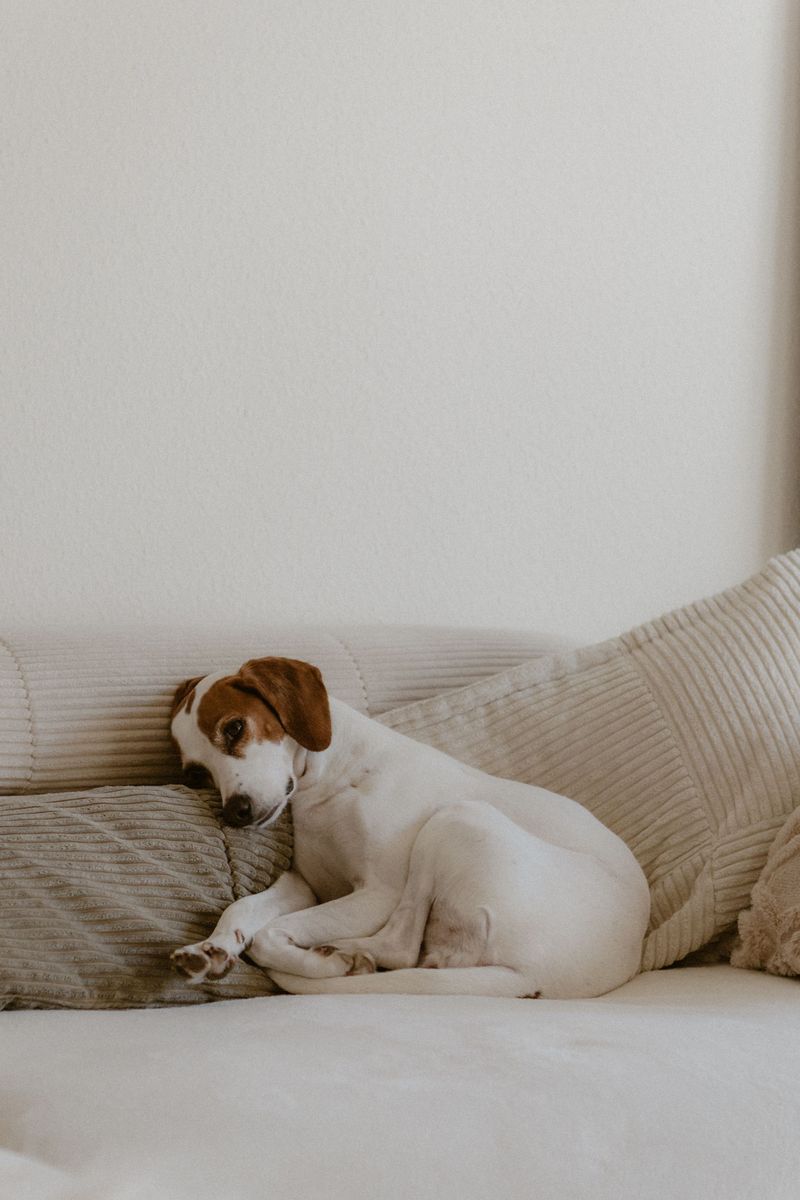
Maybe your little companion rarely leaves the couch. That feels like a safe setup, yet fleas are skilled hitchhikers.
They can ride in on your shoes, your clothes, or a visiting pet. Once inside, they multiply quickly in carpets and cozy corners.
A quick bathroom trip outdoors is enough exposure too.
Keeping indoor dogs on the same steady prevention as outdoor dogs closes that sneaky back door for good.
4. Treat Every Dog on the Same Schedule

Picture three dogs sharing one sofa. If only two get treated, the third becomes a perfect flea hotel.
Fleas jump easily between pets who sleep, play, and cuddle together. Treating all dogs at once helps break the flea life cycle across the whole household.
Many owners pick one shared treatment day for everyone. It simplifies tracking and means nobody gets forgotten.
Just be sure each dog gets the correct product for its weight.
5. Remember the Cats and Other Pets
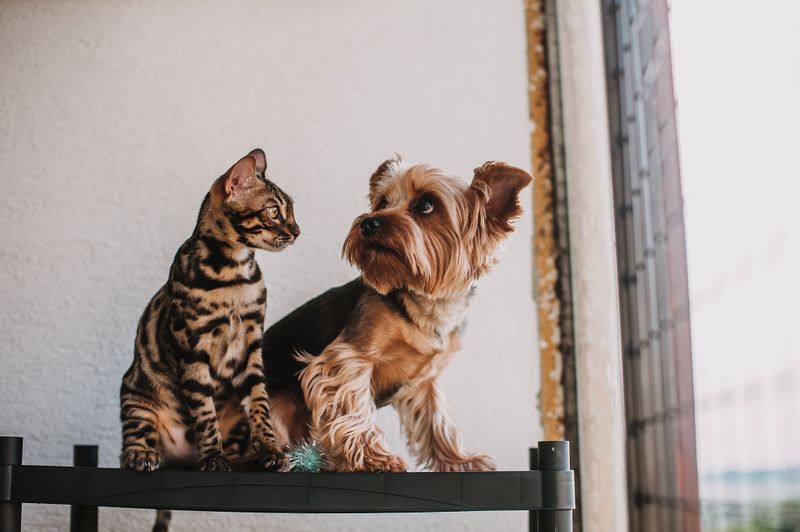
Cats often get overlooked in a dog-focused plan. Fleas do not care which furry friend they call home.
A single female flea can lay up to 50 eggs a day. An untreated cat can keep that cycle rolling for everyone.
Ferrets and rabbits can carry fleas too.
Ask your veterinarian for species-safe products for each pet. Some dog flea products can harm cats, so never share them across species.
6. Match the Product to Your Dog
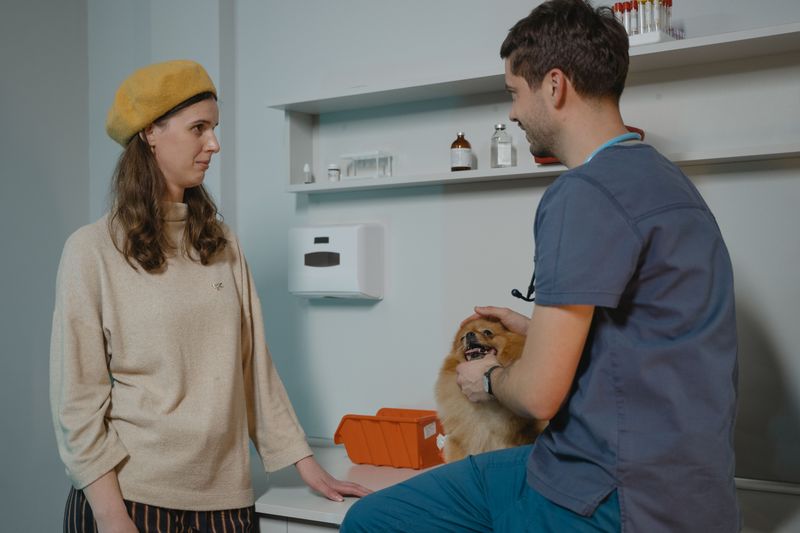
No single flea product fits every dog. A tiny puppy, a senior with health issues, and a muddy trail dog all have different needs.
Age, weight, health, and lifestyle all matter. Some products have minimum age limits.
Others may not suit dogs taking certain medications.
Your veterinarian can weigh these factors with you. A short chat helps you pick something safe, effective, and easy to use at home.
7. Skip the Winter Break
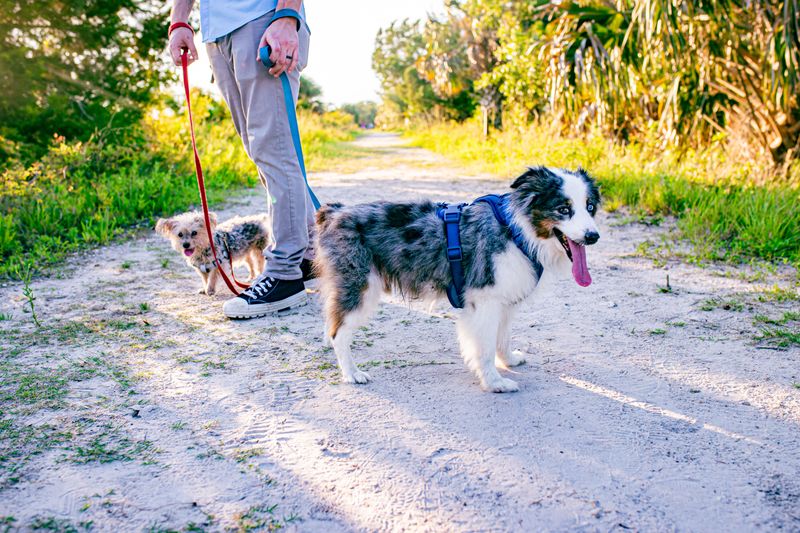
A cool January morning can feel like a fresh start. Fleas, sadly, do not take the hint.
Florida winters are usually mild, especially in the south.
Heated homes add even more comfort for fleas. Pausing treatment for a few months can open the door to a new infestation that takes weeks to clear.
Keep doses going through December, January, and February. Your future self will appreciate the calm, itch-free spring that follows.
8. Try Long-Acting Options If You Forget
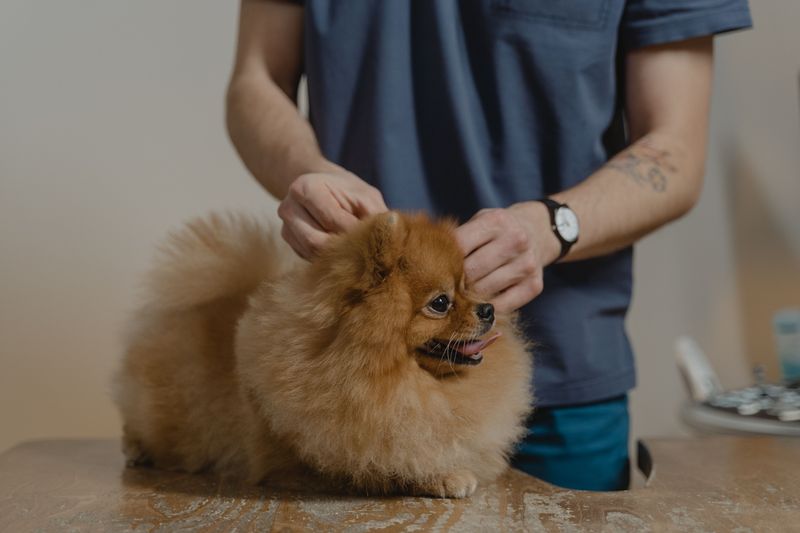
Busy weeks happen to all of us. If monthly doses keep slipping your mind, longer-lasting choices may help.
Some prescription oral products protect for up to three months. Certain flea collars also offer extended coverage, depending on the brand and label.
Fewer doses mean fewer chances to miss one. Ask your veterinarian which long-acting option fits your dog.
Then set a single reminder for the next date and relax a little.
9. Do Regular Coat Checks Anyway
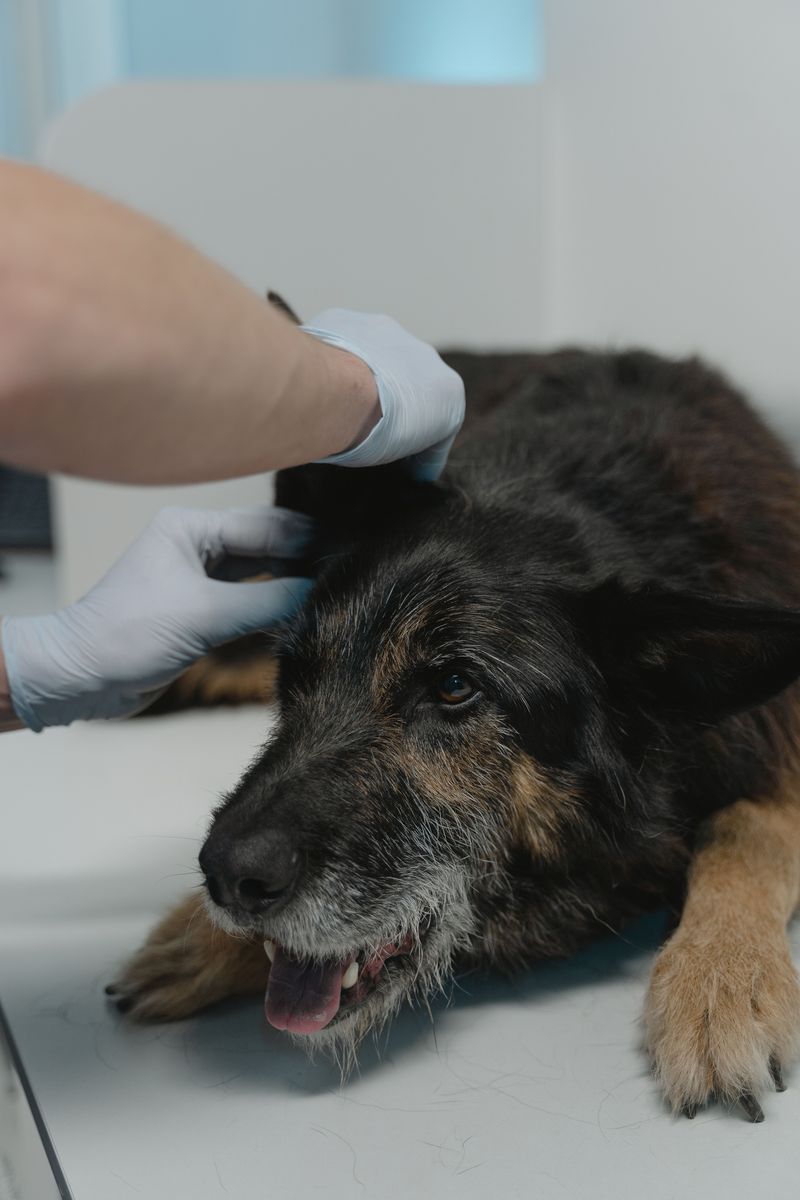
Good prevention lowers the risk, but quick checks add peace of mind. A few minutes during cuddle time works well.
Look at the ears, neck, armpits, belly, and between the toes. Watch for live fleas or flea dirt, which looks like tiny pepper specks.
Here is a handy trick. Place specks on a damp white paper towel.
If they turn reddish, that is flea dirt, and it is time to act.
10. Give Allergy-Prone Dogs Extra Care

Some dogs react strongly to flea saliva. Vets call this flea allergy dermatitis, and it is common in Florida.
For these pups, even one bite can spark intense itching, redness, and hair loss. Scratching can sometimes lead to skin infections that need treatment.
Steady, year-round prevention matters most for these sensitive dogs. Watch for scratching near the tail and back legs.
If you notice it, your veterinarian can help calm things down.
11. Wash the Bedding Weekly
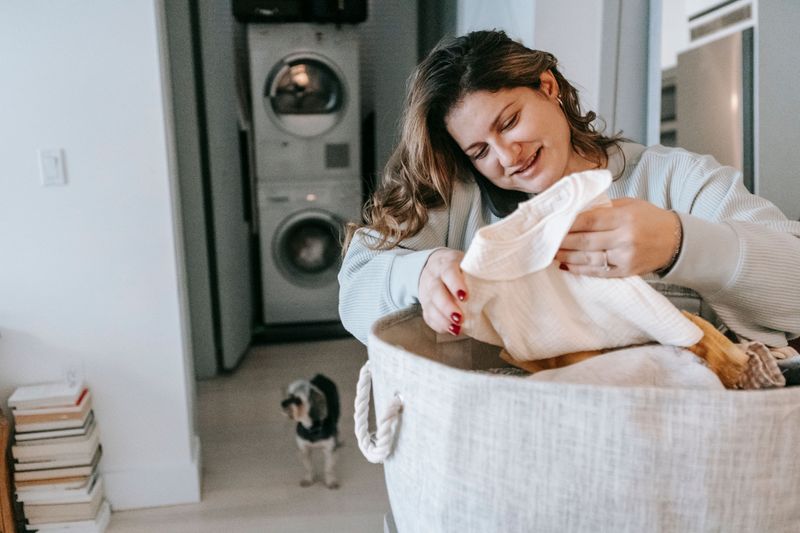
A dog bed looks innocent enough. Underneath, it can hide flea eggs and larvae waiting to grow.
Washing bedding, blankets, and soft toys in hot water helps remove these early stages. Many experts suggest doing this about once a week.
Always check fabric care labels first. A spare bed makes laundry day easier, since your dog still has a comfy spot while the other one dries.
12. Vacuum Where Your Dog Rests
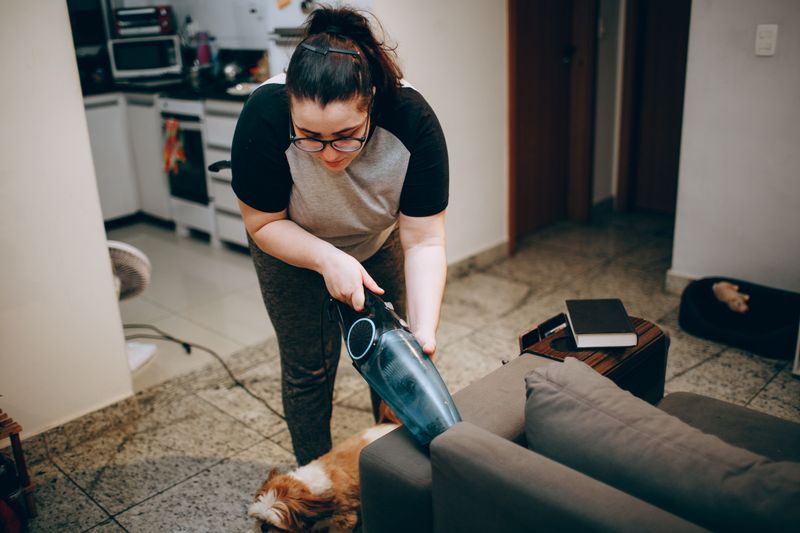
Your vacuum may be one of the best flea tools you own. Regular cleaning lifts eggs, larvae, and adults from floors and furniture.
Focus on carpets, rugs, upholstery, and favorite nap spots. During an active problem, daily vacuuming is often advised.
Afterward, seal the bag or empty the canister into an outdoor trash can right away. That small step keeps fleas from crawling back into your home.
13. Act Quickly on Home Infestations
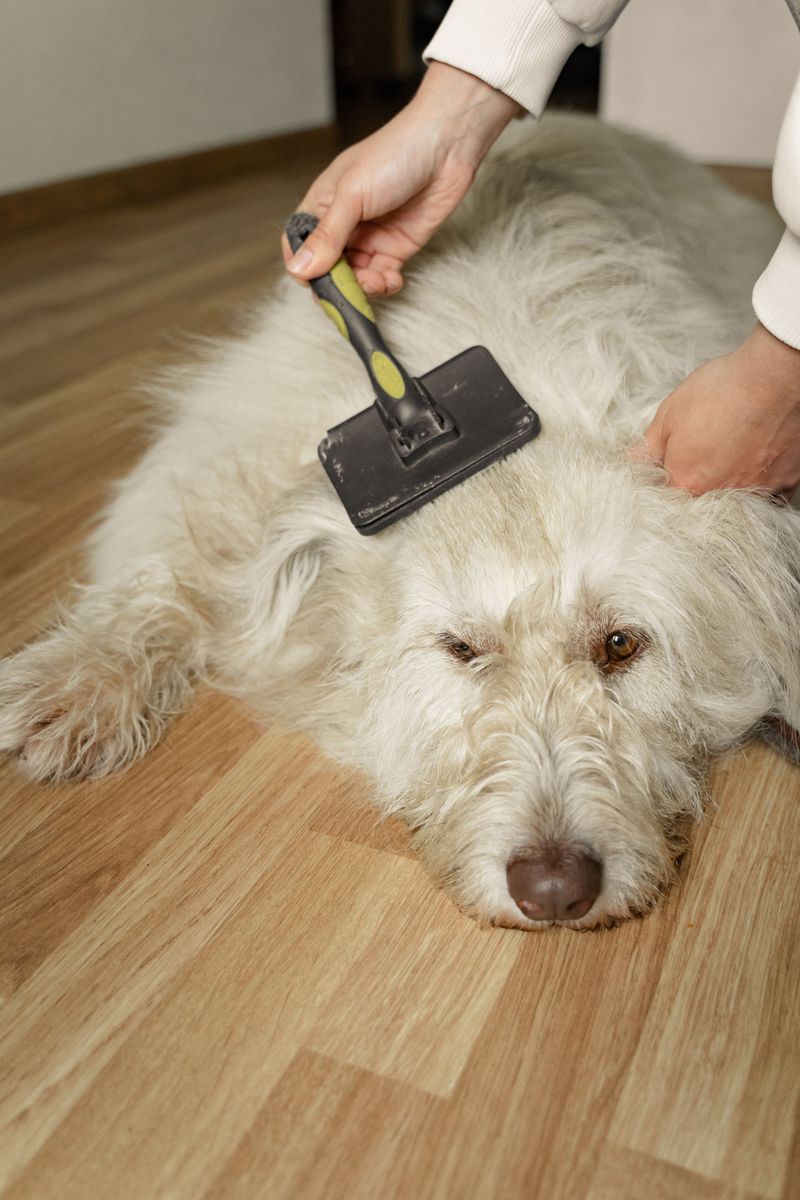
Spotting fleas in the house can feel frustrating. Quick, calm action makes a big difference.
Only a small share of fleas live on pets. Eggs, larvae, and pupae hide in carpets, bedding, and furniture, where they can last for weeks.
Treat pets and the home at the same time. Your veterinarian can suggest safe household products.
A licensed pest control company can also help with stubborn cases.
14. Tame Shady, Damp Yard Spots
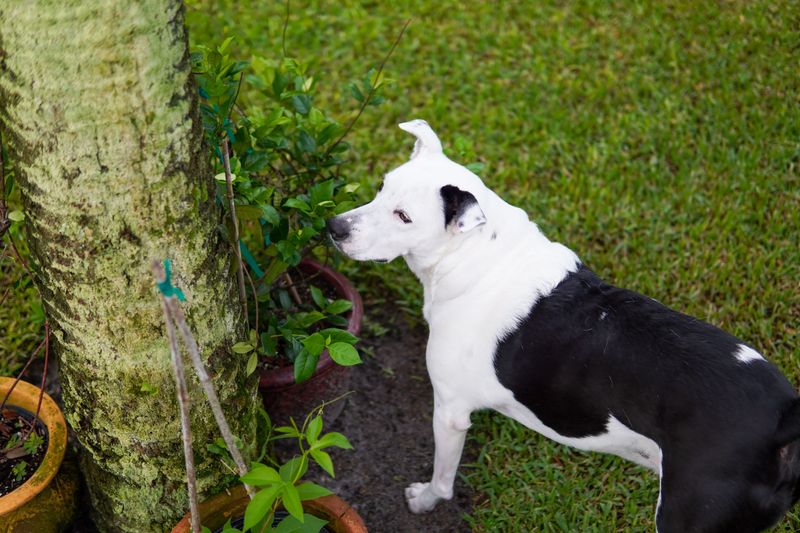
Fleas love the same shady, humid spots dogs enjoy on hot afternoons. Think under shrubs, in tall grass, and among fallen leaves.
Sunlight and airflow make these areas less inviting. Mow regularly, trim bushes, and rake away leaf piles and debris.
Wildlife like raccoons can also bring fleas into yards. Securing trash cans and closing crawl spaces may help.
Yard care will not replace prevention, but it supports it nicely.
15. Stay Consistent on Florida Road Trips
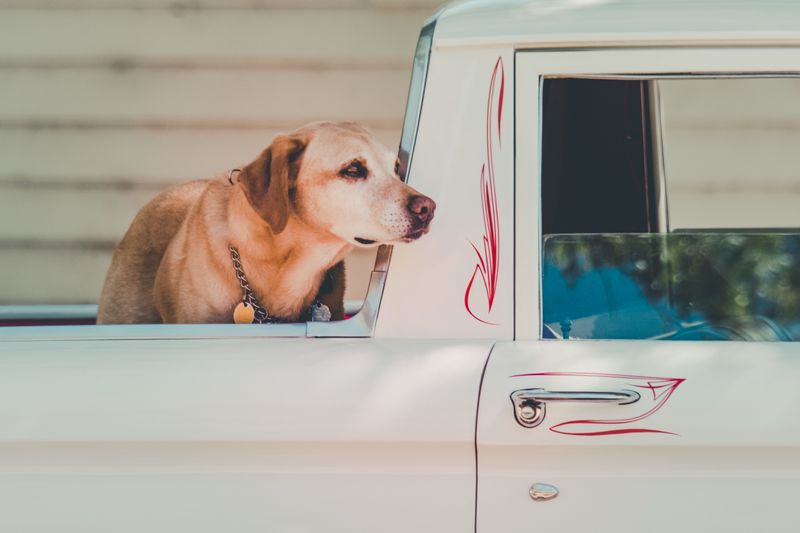
A weekend in the Panhandle can feel cooler than Miami. Still, fleas find comfort across the whole state.
There is no true flea off-season anywhere in Florida. Keep the same treatment schedule whether you visit the Keys, Orlando, or a northern campground.
Pack your dog’s next dose if it falls during the trip. Bring their own bedding too.
Familiar items help them settle while keeping protection steady.
16. Call the Vet When Fleas Keep Showing Up
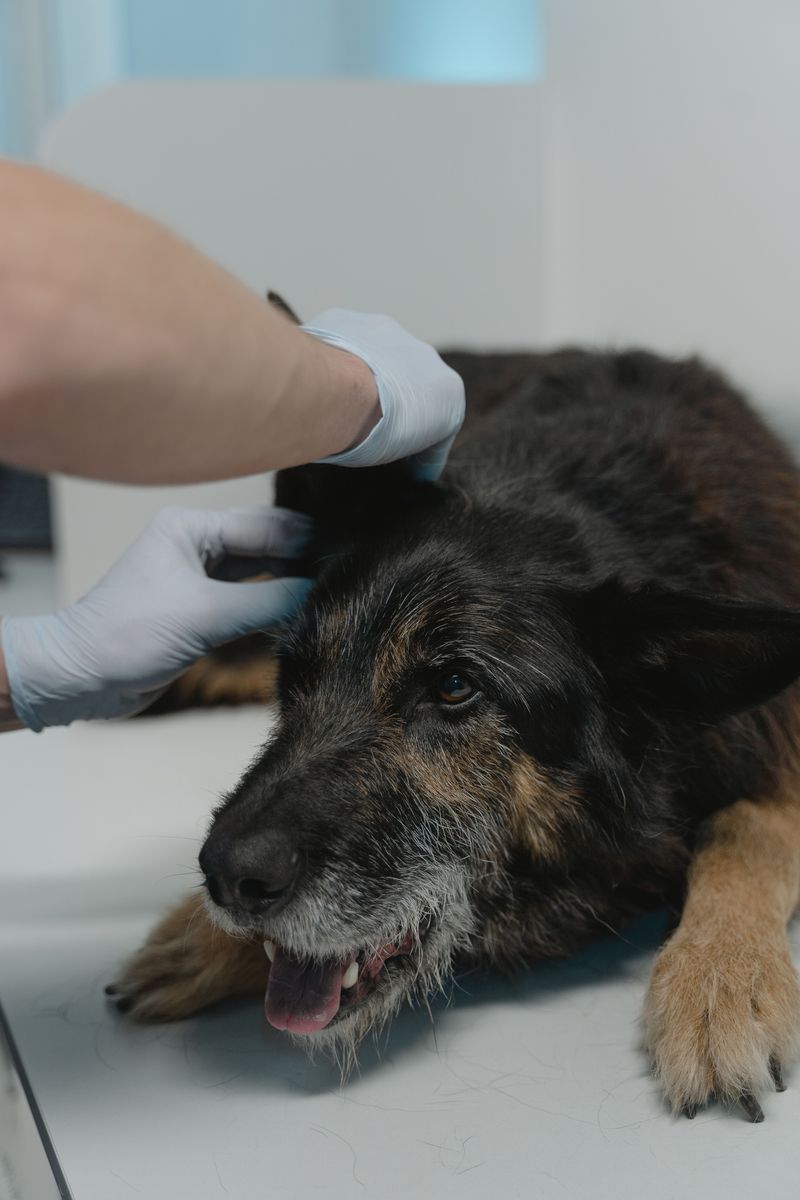
You have done everything right, yet fleas keep appearing. That situation deserves a fresh look, not more guesswork.
Your veterinarian can review the product, dosing, and household routine. Sometimes the cause is an untreated pet or hidden home infestation.
Some over-the-counter products may work less well where fleas have built resistance. Itching can also come from other skin issues.
A professional check helps sort it out quickly.
17. Plan Baths and Swims Around Topicals

Florida dogs love water, from beaches to backyard pools. If you use a topical product, timing matters.
Some topicals are water resistant, but each label differs. Many advise waiting a set time before bathing or swimming after application.
Harsh soaps, like dish detergent, can strip skin oils and may weaken protection. Choose a gentle dog shampoo.
Ask your veterinarian how often baths fit with your specific product.
18. Bundle Fleas With Ticks and Heartworm
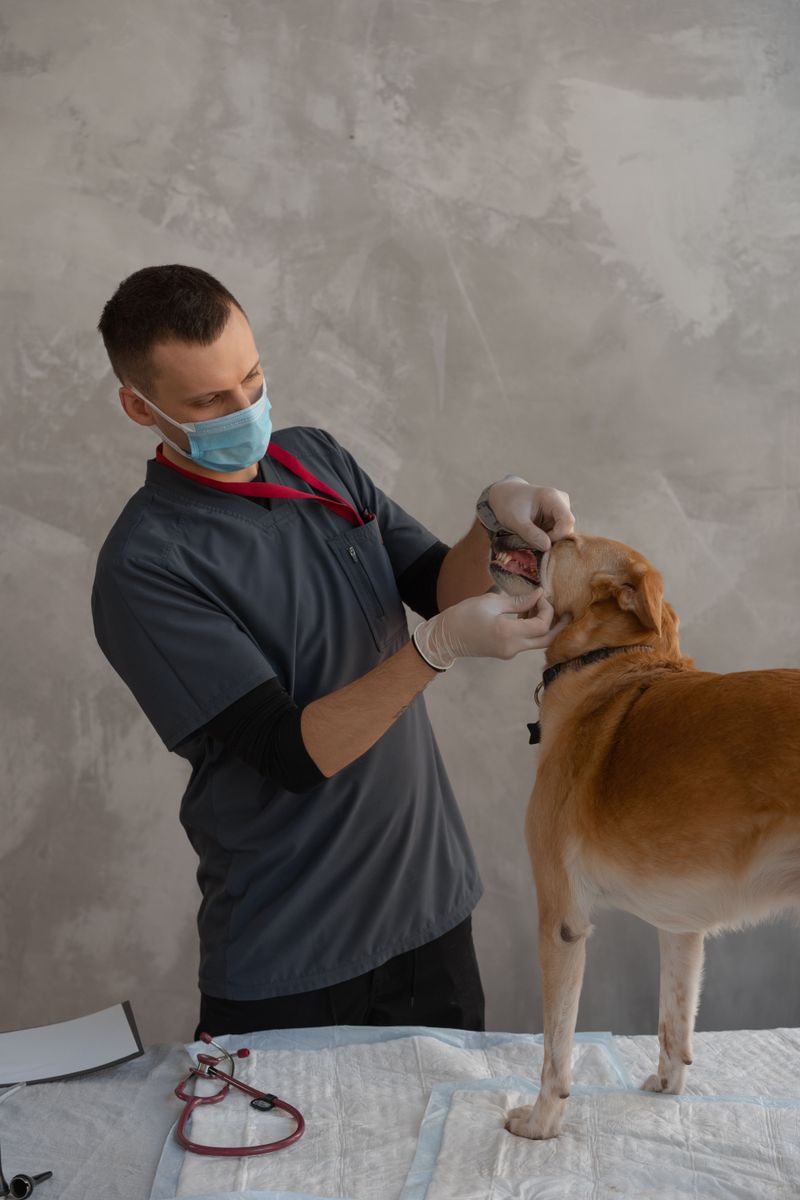
Fleas are only one piece of the parasite puzzle. Florida dogs also face ticks and mosquitoes that spread heartworm.
Many vet-approved products cover several parasites at once. Some even protect against certain intestinal worms.
Fewer products can mean a simpler routine.
Your veterinarian can build a plan that fits your dog’s health and habits. With steady care, your pup stays comfortable, and you can enjoy sunny days together.