20 Ohio Grooming Problems Caused By Road Salt, Spring Mud, Pollen, And Humid Summers
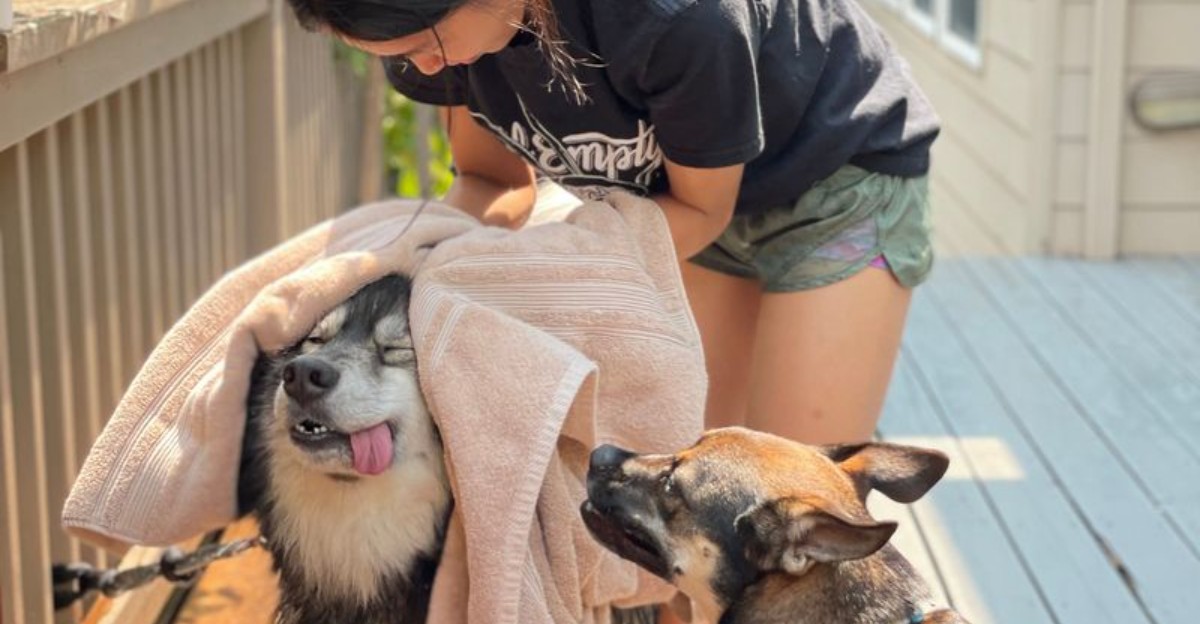
Ohio gives dogs four very different seasons, and each one leaves its mark on their coat, skin, and paws. Salted sidewalks in January, ankle-deep mud in April, heavy tree pollen in May, and sticky August air all create their own grooming headaches.
The good news is that most of these issues are easy to catch early and simple to manage at home. Here is a friendly walk through the problems local owners see most, plus what actually helps.
1. Cracked Paw Pads From Winter Road Salt
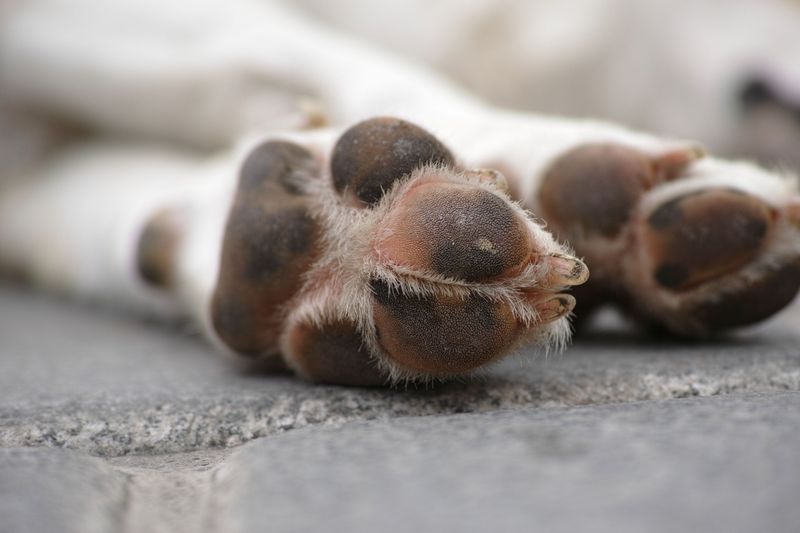
Ohio road crews spread sodium, calcium, or magnesium chloride all winter long. Those salts pull moisture straight out of paw pads.
Pads may look dry, peeling, or slightly split. Limping, reluctance to walk, and constant licking are other clues.
Rinse paws with warm water after every walk. A pet-safe paw balm or wax before heading out adds a helpful barrier.
Booties work well too, if your dog tolerates them.
2. Salt Crystals Wedged Between The Toes
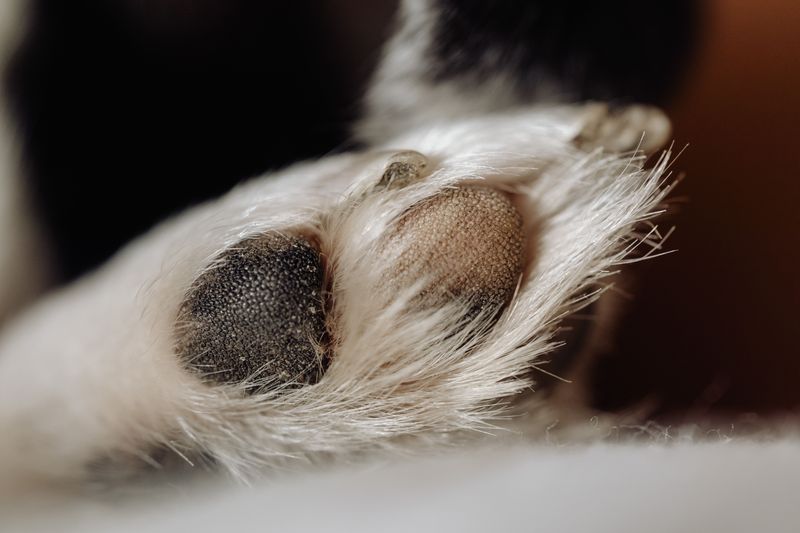
Grit hides in the smallest spaces, and the webbing between toes is a favorite spot. Dogs then chew at it, which means swallowing de-icer chemicals.
Warm water and a soft cloth solve most of this in under a minute. Get right down between each toe.
Trimming the fur growing between pads makes a noticeable difference. Less hair means less salt clings on the way home.
3. Dry, Flaky Skin Through The Cold Months
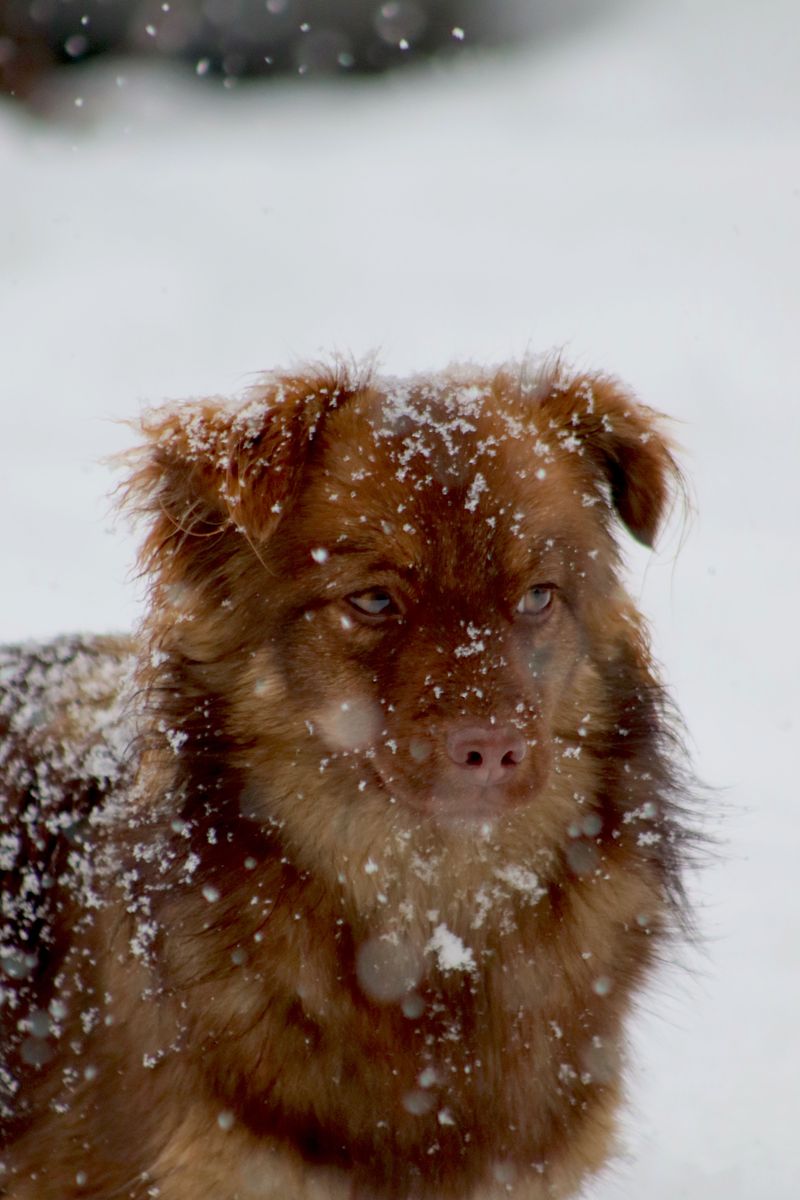
Cold outdoor air holds very little moisture, and furnace heat indoors dries things further. Skin loses hydration from both directions.
You might spot dandruff on dark coats, scaly patches, or more scratching than usual. Dogs also self-groom less when it is chilly.
A room humidifier helps a lot. Pair it with a moisturizing shampoo and a diet containing essential fatty acids for steadier skin support.
4. Red Skin After Salted Sidewalk Walks
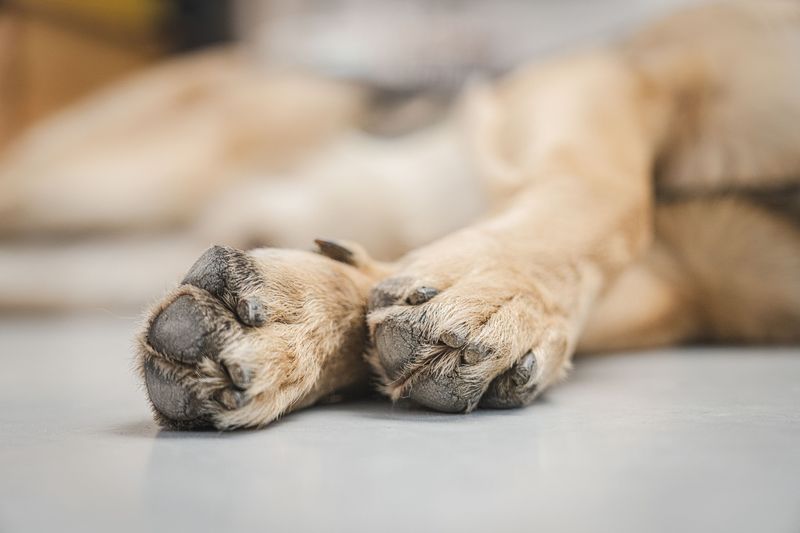
Contact dermatitis is the technical name for it. Salty slush sits against the pads and irritates the surface.
Paws can look raw, pink, or puffy within hours of a walk. Some dogs favor one foot afterward.
Immediate rinsing is your best tool. If redness sticks around for more than a day or two, or the skin opens, book a vet check rather than guessing.
5. Mud Packed Tight Between The Pads
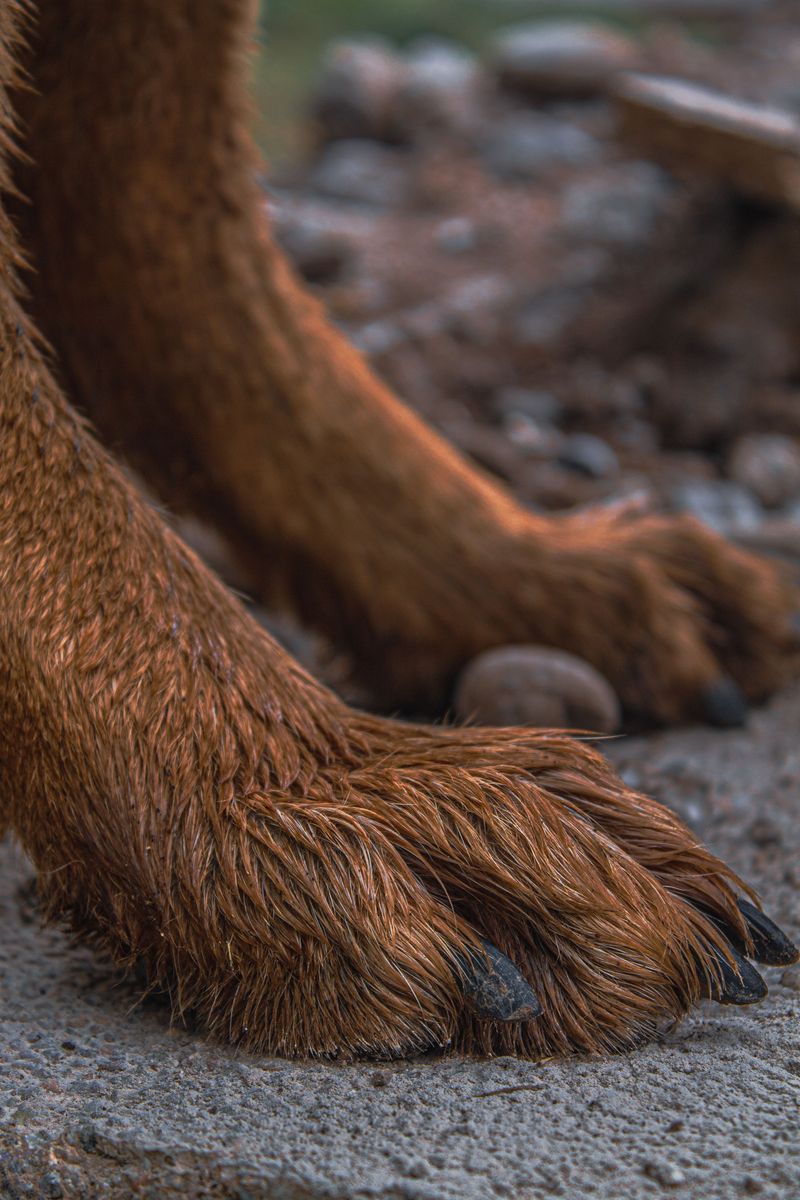
Spring thaw turns Ohio yards into soft, sticky ground. Mud presses into the grooves between pads and dries hard.
Trapped grit rubs with every step, and damp dirt carries bacteria against the skin.
A paw plunger, or simply warm water and mild dog shampoo, clears it out. Dry carefully afterward.
Keeping pad hair short stops most of the packing before it starts.
6. Mats Forming After Wet, Muddy Romps
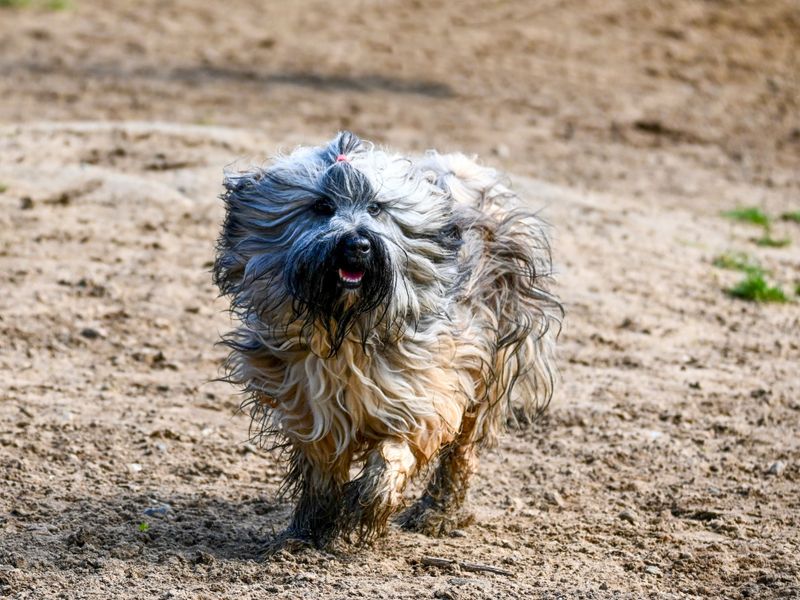
Wet fur plus movement equals friction, and friction builds tangles fast. Within a day those tangles tighten into mats.
Mats hold moisture and dirt flat against skin, which invites irritation and sore patches underneath.
Let heavy mud dry, brush the bulk out, then bathe. Brushing before water touches the coat prevents the worst knots.
Trim leg and paw feathering if mud is a regular visitor.
7. Grime Clinging To Legs And Belly
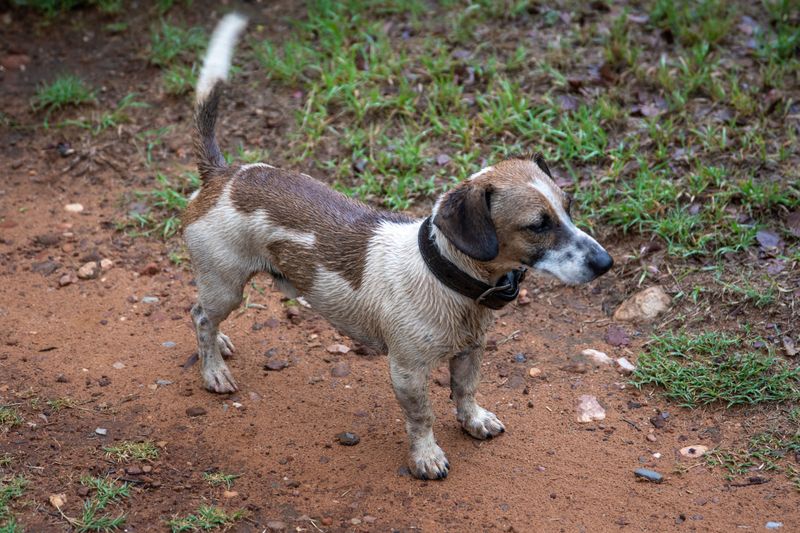
Short-legged breeds take the brunt of this one. Wet grass, road spray, and mud coat the underside first.
For light dirt, damp cloths or pet-safe wipes handle it quickly. Heavier mud needs a rinse with dog shampoo.
Many Ohio owners set up a mud zone by the back door: towel, wipes, and a shallow tub. Cleanup stays contained, and floors stay tolerable.
8. Muddy Discoloration That Lingers On Paw Fur
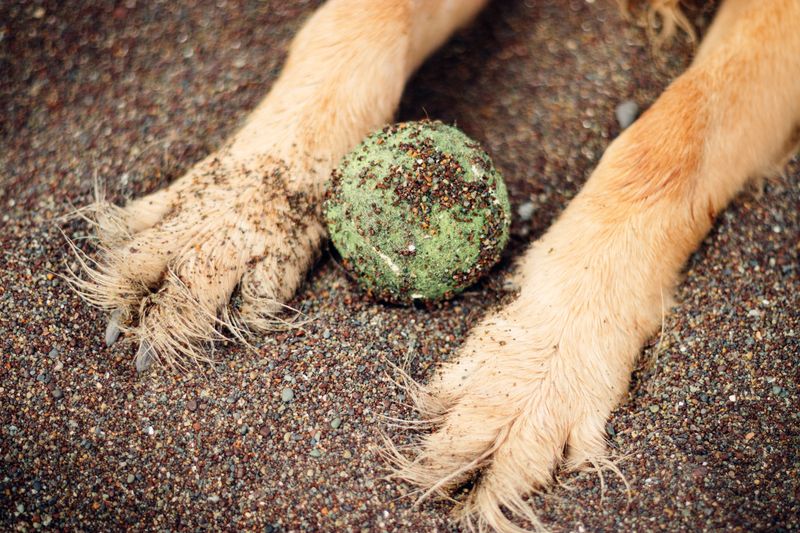
White and cream coats show every muddy season. Repeated exposure without prompt washing leaves paw fur looking dull and brownish.
Cleaning soon after outings is the real fix, since dirt sets in when it dries repeatedly.
Shorter paw hair gives mud less to grab. Balms or booties add a barrier on especially sloppy days.
Stubborn discoloration is usually cosmetic, not painful.
9. Pollen Settling Deep In The Coat
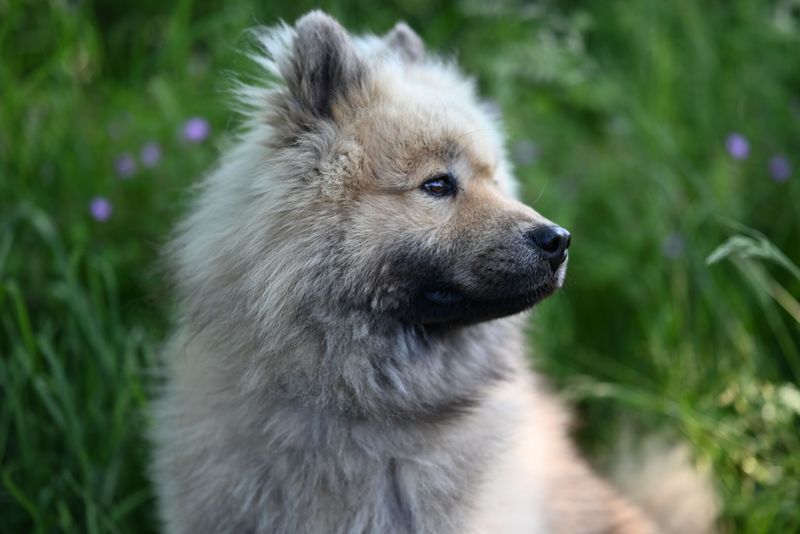
Tree, grass, and weed pollen peaks across Ohio from April into June. Fur acts like a filter and holds onto it.
Allergens then stay against the skin and get tracked onto couches and beds.
A gentle bath rinses much of it away. Regular brushing pulls out loose debris between baths.
Pet-safe wipes are handy for a quick once-over after the evening walk.
10. Itchy Paws Once Pollen Season Arrives
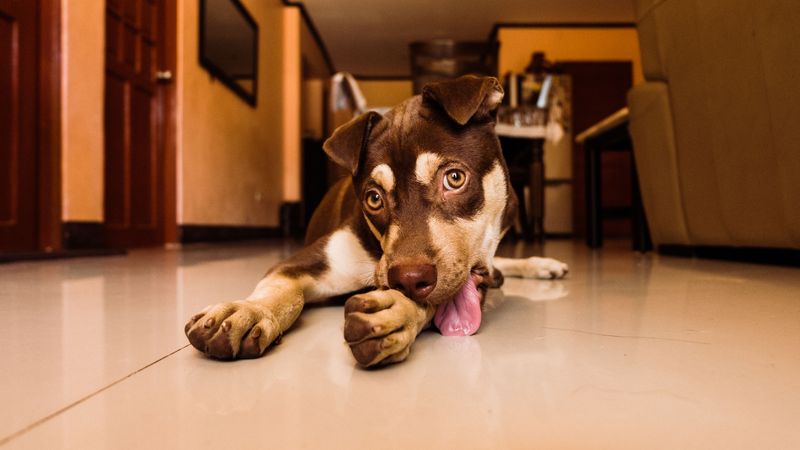
Licking and chewing at the feet is one of the clearest allergy signs in dogs. Vets often call it atopic dermatitis.
People sneeze; dogs itch, especially between the toes.
Rinsing feet after outdoor time removes a surprising amount of pollen. A hypoallergenic shampoo can ease mild cases.
Persistent chewing deserves a veterinary visit, since medications and immunotherapy work far better than waiting it out.
11. Watery Eyes When Pollen Counts Climb
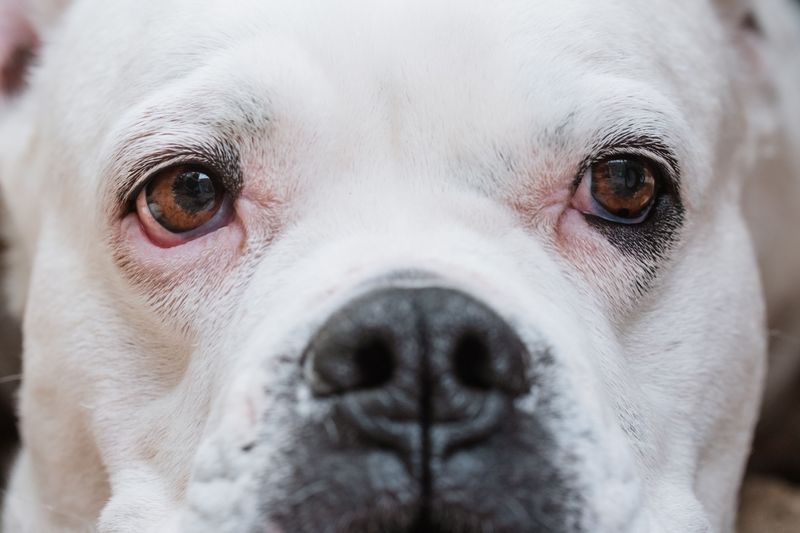
Tear production ramps up as the body tries to flush airborne particles away. Clear discharge is typical.
Watch for pink eye rims, puffy lids, blinking, or face rubbing on furniture. Allergic conjunctivitis is common in spring.
Wipe the area with a clean, damp cloth. Anything painful, cloudy, one-sided, or worsening needs prompt veterinary assessment, since other eye conditions look similar at first glance.
12. Scratching That Ramps Up With Seasonal Allergens
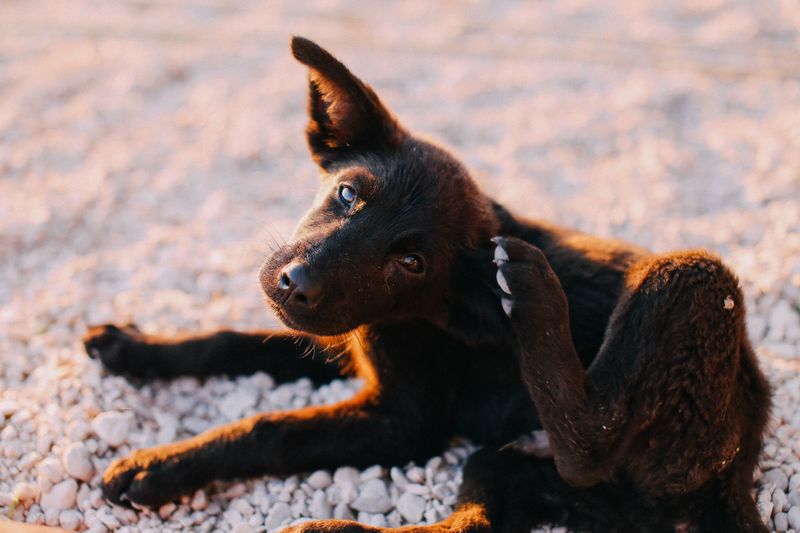
Pollen, mold spores, and dust mites can all set off an overreaction. Histamine release brings inflammation and intense itch.
Nonstop scratching damages skin, thins hair, and opens the door to secondary infections.
Bathing with a mild shampoo washes allergens off and gives short-term relief. Ohio veterinarians offer oral or injectable anti-itch options, topicals, and allergy immunotherapy for dogs who need more support.
13. Ear Trouble When The Air Turns Sticky
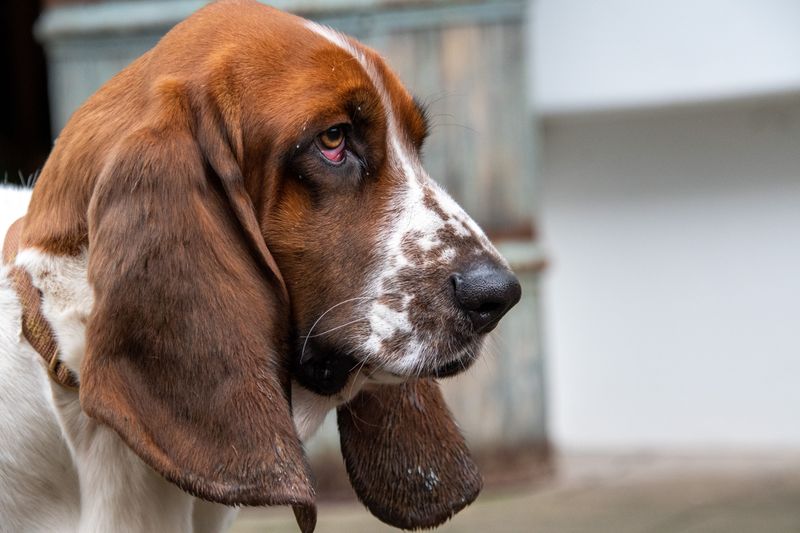
Warm, humid Ohio summers give bacteria and yeast exactly what they want inside the ear canal. Swimming and rain add more moisture.
Floppy-eared breeds have less airflow, so dampness sticks around longer.
Head shaking, scratching, odor, redness, or discharge all point to otitis externa. Dry ears thoroughly after water exposure.
Recurring infections often trace back to underlying allergies worth investigating with your vet.
14. Dampness Hiding Under A Thick Double Coat
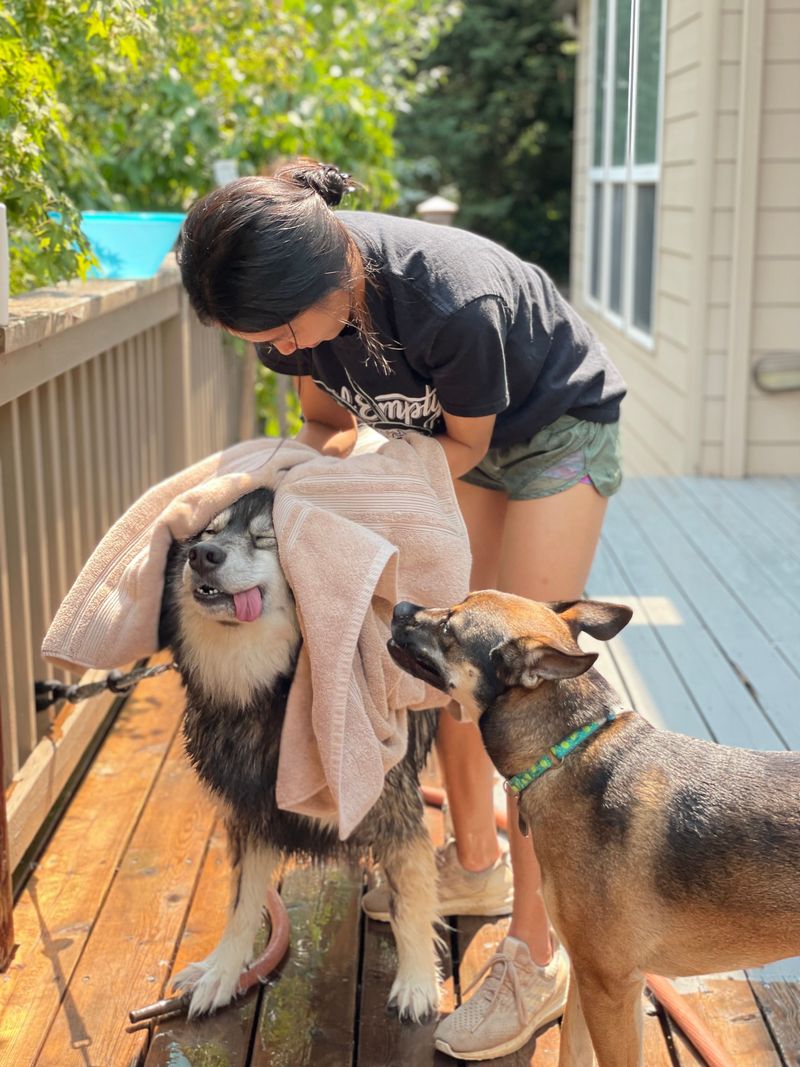
Labs, goldens, and shepherds carry dense insulation that holds water close to the skin. A towel-dry rarely reaches that layer.
Mats make it worse by blocking airflow entirely.
Dry all the way down to the skin after baths, swims, or rainy walks. Regular brushing keeps air moving and gives you a chance to spot any early redness before it becomes a real problem.
15. Hot Spots Flaring In Muggy Weather
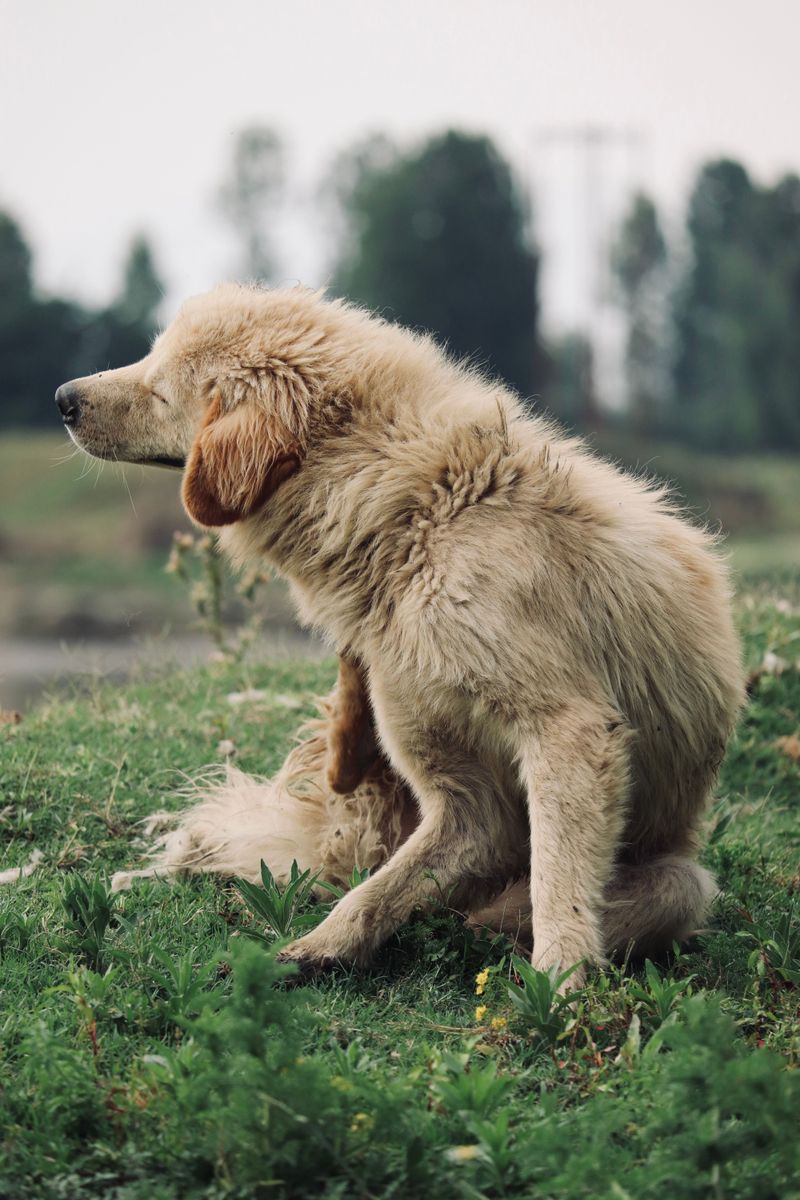
Acute moist dermatitis appears quickly: a warm, reddened, irritated patch that the dog will not leave alone.
August humidity traps moisture in the coat, and surface bacteria multiply on already itchy skin.
Triggers include allergies, fleas, ear issues, and matting. Thick-coated breeds face higher odds.
Consistent grooming, thorough drying, and year-round flea control prevent most cases. Established spots need veterinary treatment to clear properly.
16. Tangles Multiplying In Damp Or Curly Coats
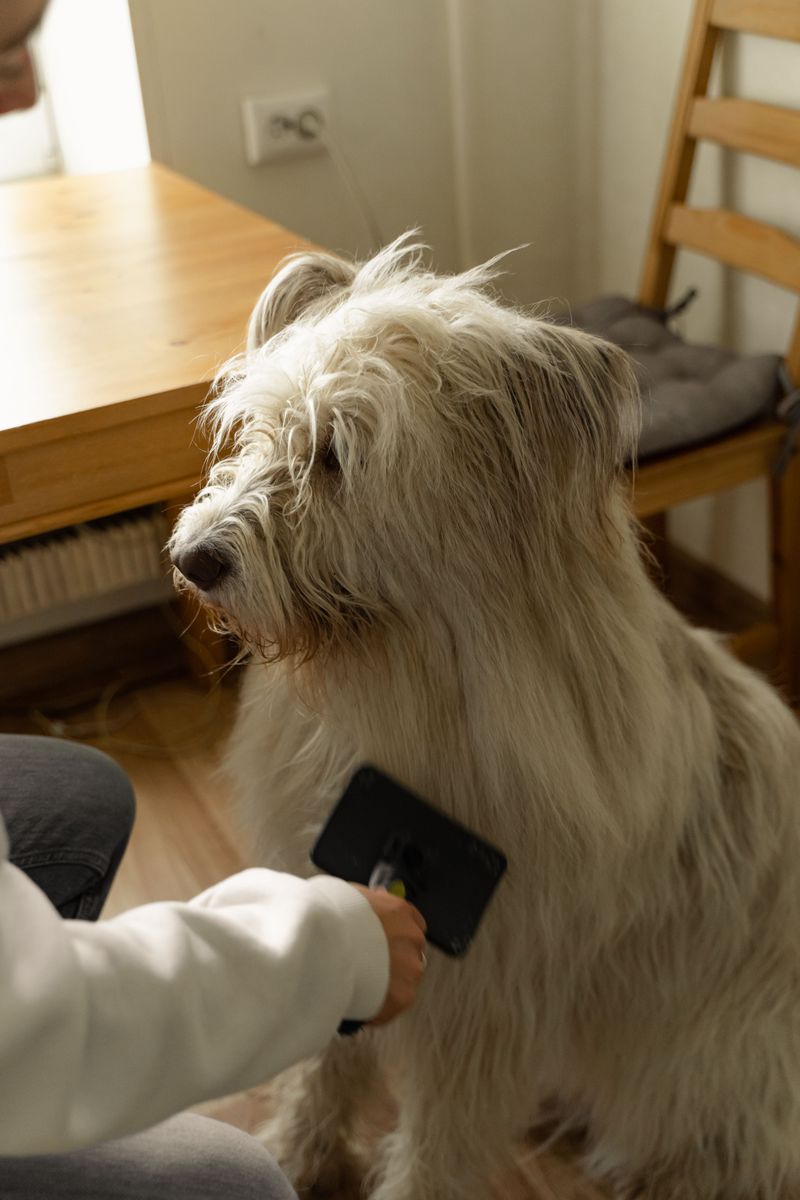
Curly and wavy coats tangle the moment they get wet and rubbed. Doodle owners across Ohio know this rhythm well.
Knots trap moisture and debris, which irritates skin underneath.
Brush often with a slicker, then follow with a wide-tooth comb to check for hidden mats. A detangling mist eases stubborn spots.
Always dry the coat fully; damp curls set into knots overnight.
17. That Stronger Smell After Swims And Rainstorms
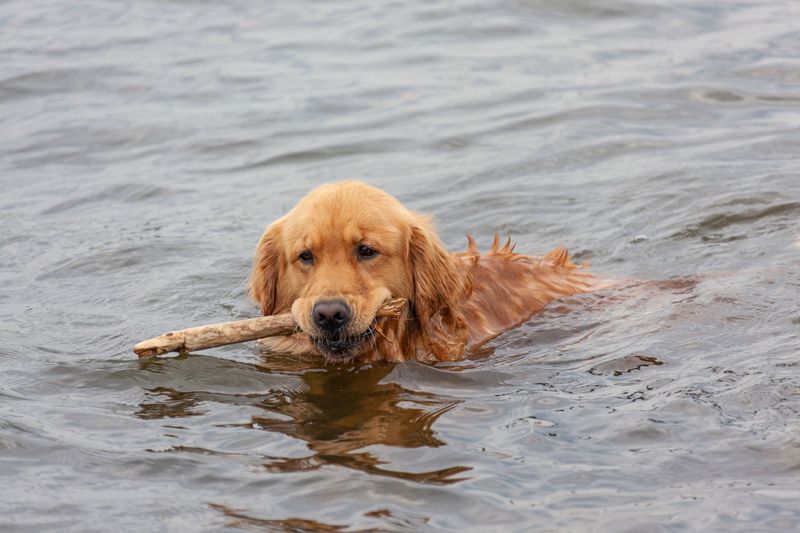
Wet dog smell comes from bacteria and yeast living normally on skin and fur. Water releases the compounds they produce.
Humid air carries more of those odor molecules, so summer amplifies everything.
Dry the coat thoroughly, paying attention to the undercoat and any skin folds. Regular bathing with a pet-safe shampoo helps.
A cleansing spray covers the gaps between full baths nicely.
18. Yeast Building Up In Folds And Between Toes
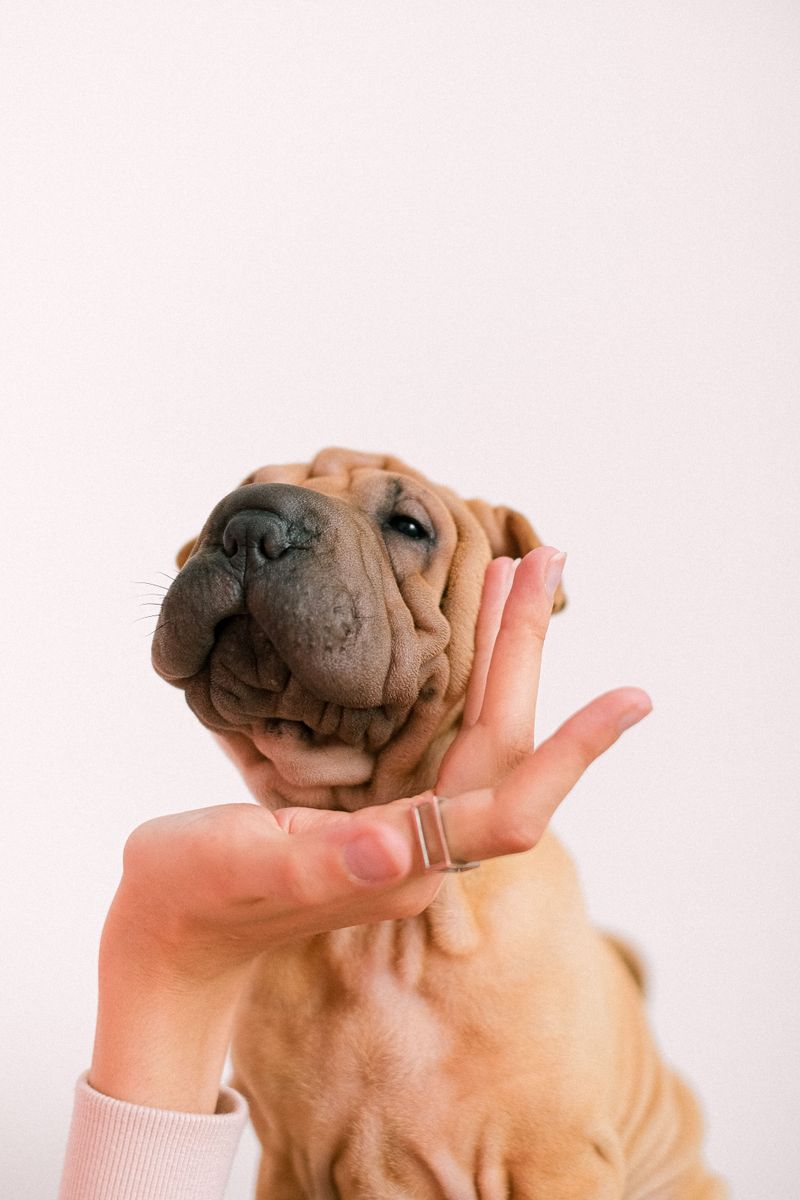
Malassezia yeast lives on every dog, but warmth and moisture let it multiply. Paws and skin folds are prime real estate.
Bulldogs, pugs, and shar-peis need extra fold attention in summer.
Look for greasy redness, rust-colored fur, persistent itching, or a musty, corn-chip odor. Dry between toes and inside folds daily.
Managing allergies reduces the licking that fuels the whole cycle.
19. Burrs And Seeds Hitching A Ride Home
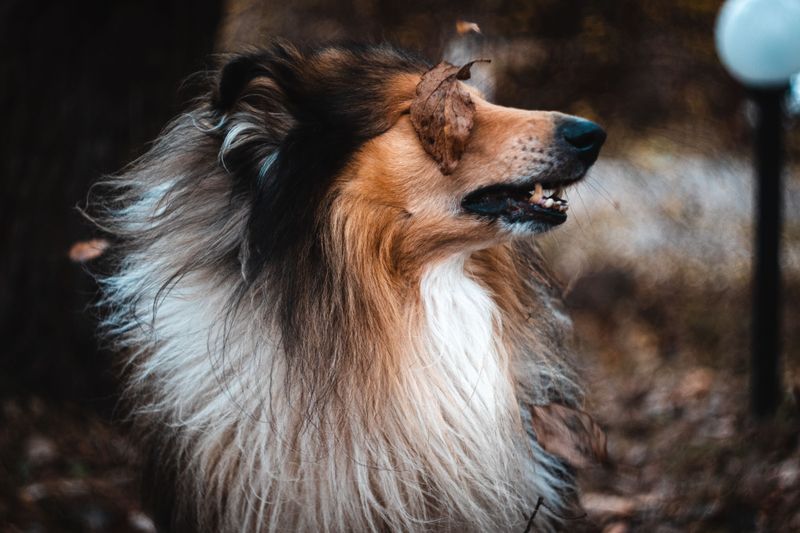
Burdock and cockleburs thrive along Ohio trails and field edges. Long coats and dense undercoats collect them easily.
Favorite hiding places include armpits, tails, earflaps, and between toes. Left alone, they work deeper and irritate skin.
Pick off the loose ones, then use a metal comb with detangler or a little coconut oil. Deeply embedded burrs are a job for a professional groomer.
20. Brittle Nails From Endless Wet-To-Dry Cycles
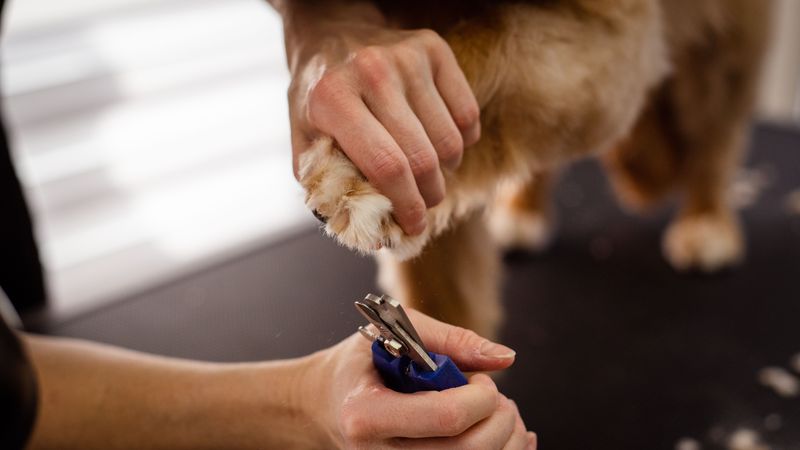
Nails absorb water outdoors, then dry out beside the furnace indoors. Repeat that all winter and they turn brittle.
Cracks, peeling layers, snagging on carpet, or licking at one foot are the signs to watch.
Trim regularly, since overgrown nails shift weight and crack more easily. Pet-safe balms restore moisture, and booties shield against salt.
Steady grooming habits carry your dog comfortably through every Ohio season.