15 Illinois First-Year Dog Costs That Change Between Chicago And Downstate Communities

A new dog brings plenty of happy moments, but the first year also brings bills you might not expect. Where you live in Illinois can change what you pay for licenses, care, housing, and daily help.
Chicago owners may face different costs than families in smaller downstate communities. Knowing what to check ahead of time helps you build a budget that fits your dog and your home.
1. Dog Adoption Fees Can Start the Budget Differently
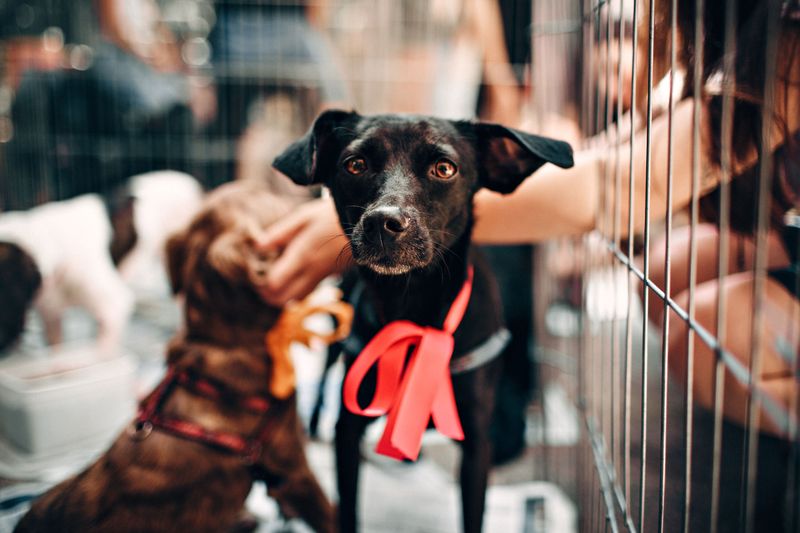
That first shelter visit can shape your whole budget. Dog adoption fees vary by organization, age, and location.
A Chicago shelter may charge differently from a rescue serving a smaller Illinois town. Fees sometimes cover vaccines, a microchip, or spay and neuter surgery, but included services vary.
Ask for a written list before you adopt. Compare the total cost of getting your dog ready for home, not just the fee on the website.
Set aside money for anything still needed.
2. Chicago Dog Registration Has Its Own Fee Structure
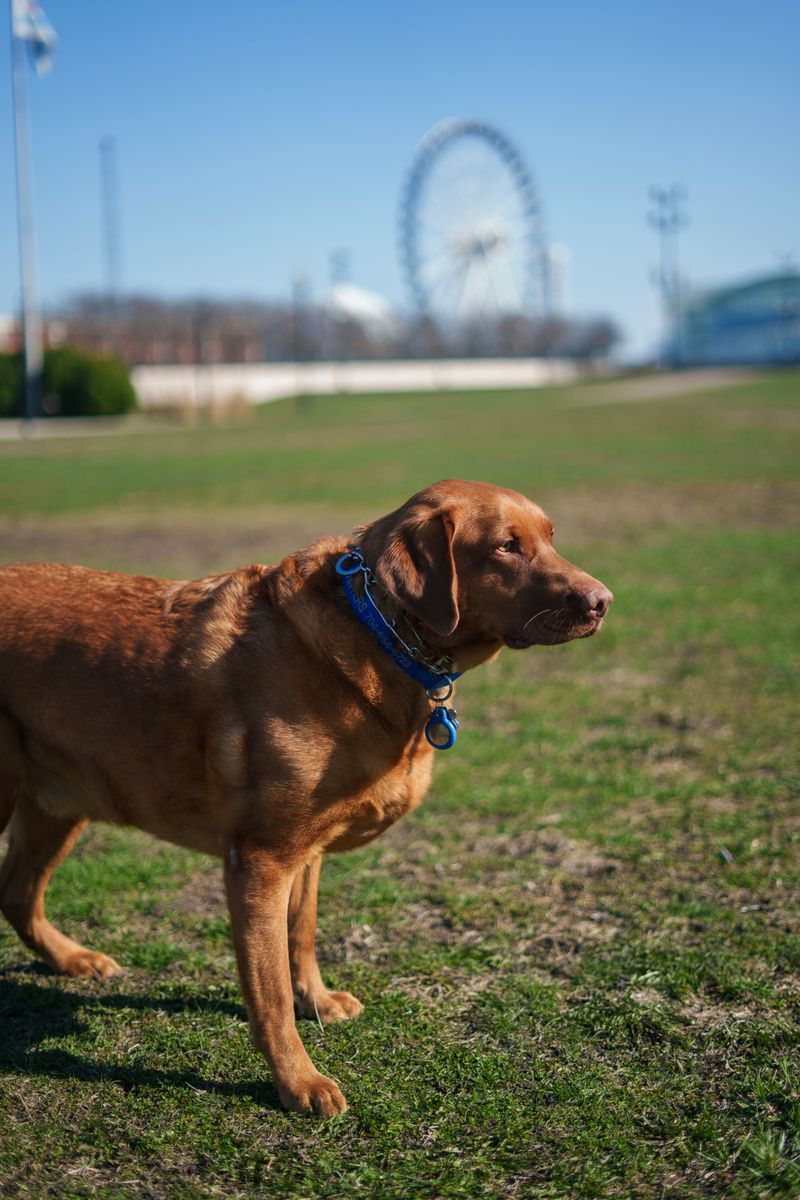
A collar tag is a small item with its own line in a Chicago budget. The city requires dog registration, and the applicable fees and requirements should be checked against current city rules.
Registration is separate from the rabies vaccination itself. Check the city’s official instructions for the current price, required records, and renewal schedule.
Save copies of your dog’s paperwork when you visit the veterinarian. That makes registration easier and helps you avoid an extra trip.
3. Downstate Licensing Rules Depend on the Community
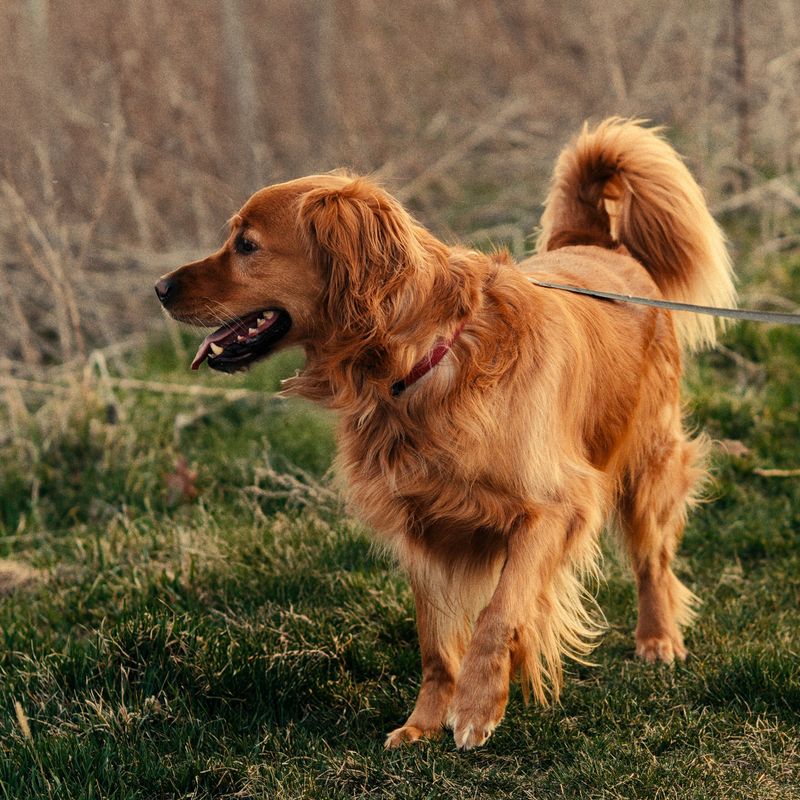
Move a few towns over, and the licensing checklist may change. Downstate dog rules can come from a city, village, or county.
Some communities require a local license, while fees and deadlines differ. Never assume Chicago’s registration process applies elsewhere.
Call your local clerk or animal control office after bringing your dog home. Ask what proof they need, how long registration lasts, and whether your address falls inside city limits.
Keep the answer with your other first-year records.
4. Rabies Vaccination and Cook County Tags Are Separate Costs
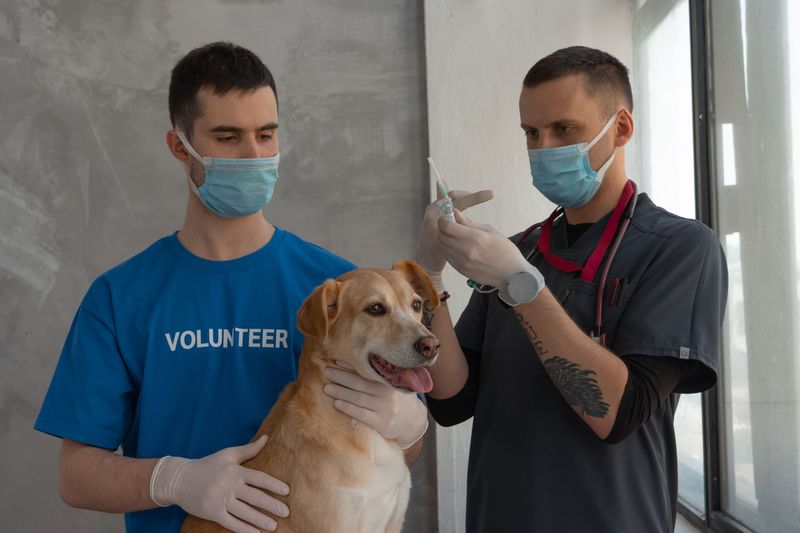
Rabies vaccination belongs near the top of every Illinois dog’s care plan. Illinois requires owners to have dogs age 4 months and older vaccinated against rabies by a licensed veterinarian, with a second vaccination required within one year of the first.
Your veterinarian can explain the timing for your dog’s age and records. The exam and vaccine can have separate prices.
Cook County also charges for rabies tags. For 2026, the county lists a $6 fee for a one-year tag and an $18 fee for a three-year tag.
Ask the clinic which charges it collects, then confirm local requirements before counting the expense as paid.
5. Puppy Vaccines and Low-Cost Clinics Change the Calendar
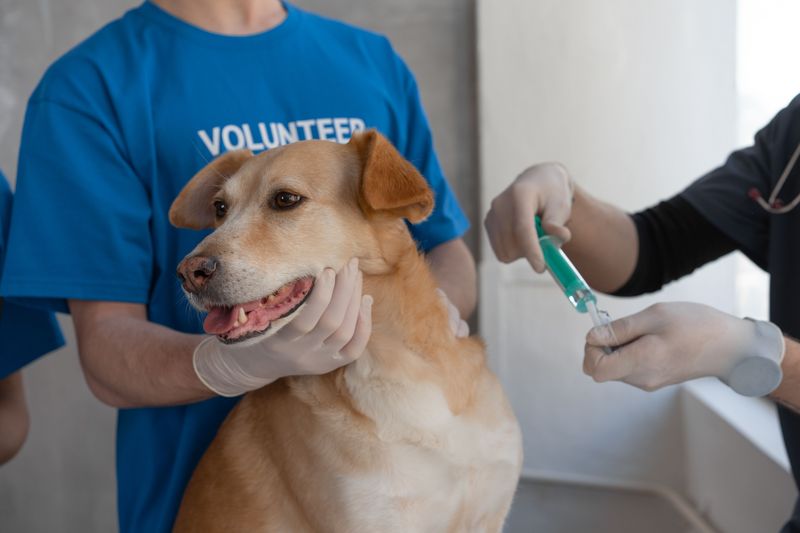
Puppies rarely finish their first-year care in one visit. Their vaccine series usually takes several appointments, with timing guided by a veterinarian.
That can mean more exam fees and travel than an adult dog needs. Chicago owners may find low-cost vaccine clinics that ease part of the bill.
Check what each clinic offers before booking. Some services need a full veterinary appointment.
Write down every due date, including boosters, so a cheaper visit does not lead to a missed dose.
6. Routine Vet Prices Vary by Location
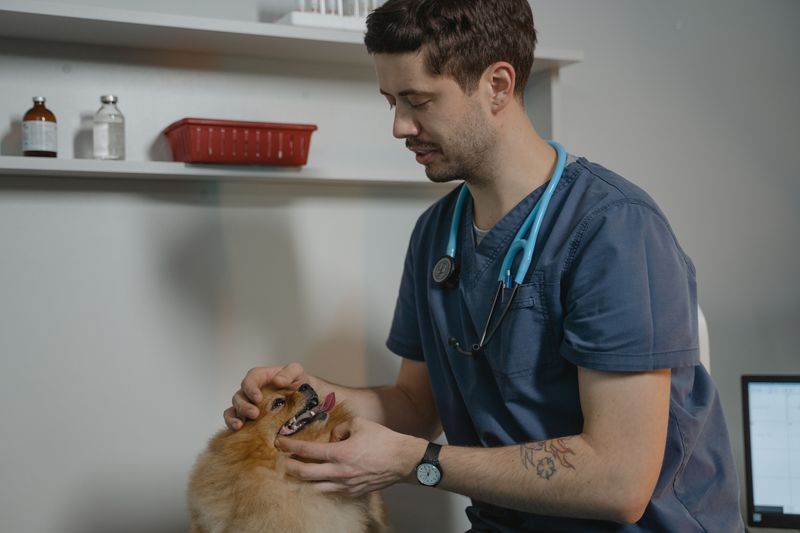
The same routine appointment can carry a different price across Illinois. Clinic costs reflect staffing, rent, services, and local demand, not simply whether an address is in Chicago.
A smaller city’s visit is not guaranteed to cost less.
Request estimates for wellness exams, common tests, and parasite prevention from nearby clinics. Ask what the estimate includes.
Choosing a clinic you can reach comfortably matters too, since follow-up visits can add time and travel costs during your dog’s first year.
7. Spay and Neuter Costs Depend on Where You Go
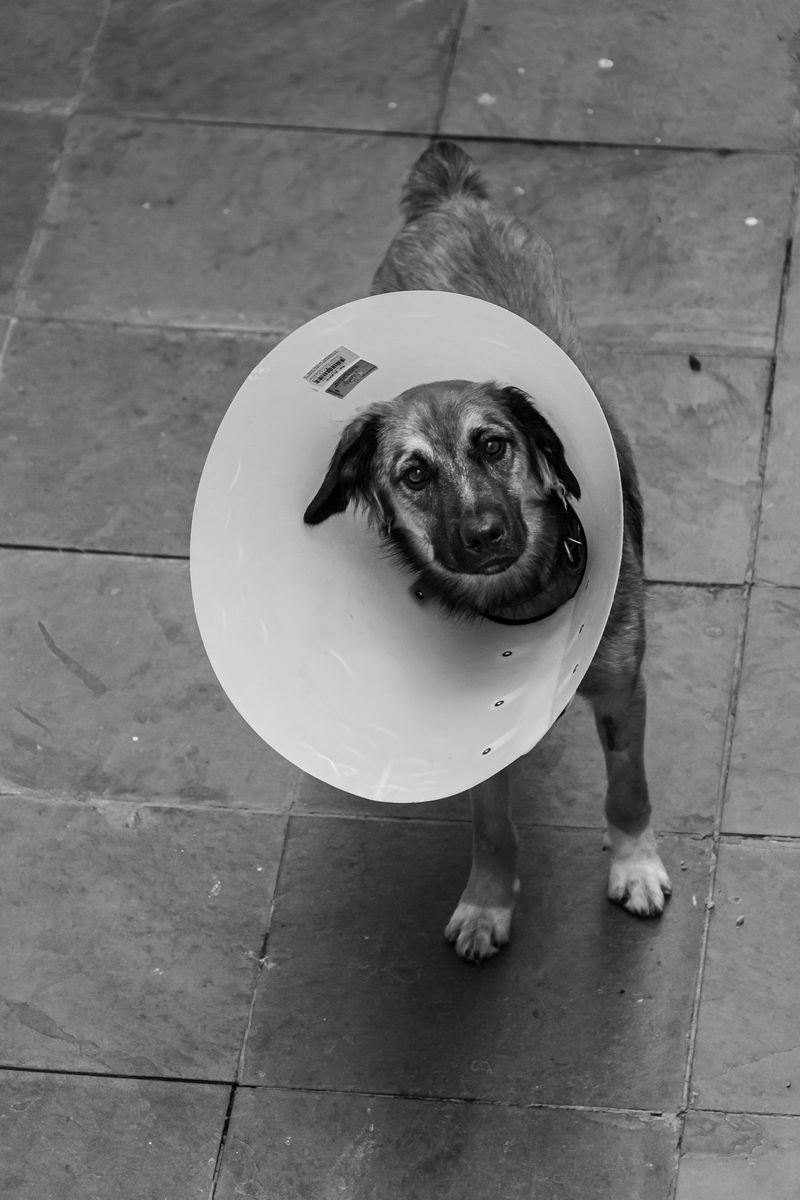
Surgery estimates deserve a closer look than a single price. Spay and neuter costs can differ between private clinics, shelters, and qualifying low-cost programs.
Your dog’s size, age, and health may also affect the estimate. Ask a veterinarian when surgery makes sense for your individual dog.
Compare what each quote includes, such as an exam, pain medicine, and follow-up care. Some adopted dogs already have the procedure completed.
Check their records first, especially before adding it to your first-year savings goal.
8. Microchipping May Be Cheap or Included
A microchip can be easy to overlook when making a shopping list. Many shelters include one with adoption, while clinics and community events may offer it separately.
Prices and any registration steps vary, so check your dog’s adoption records before paying again.
If your dog already has a chip, confirm the number with a veterinarian or shelter. Then update the contact details linked to it.
That small task matters whether your dog lives beside a Chicago train stop or a downstate field.
9. Food Costs Rise With Size and Diet

A big dog’s food bowl can make a monthly budget climb fast. Size matters, but age, activity, and a veterinarian’s advice also shape feeding costs.
Prices may vary by store and delivery options in Chicago and downstate areas.
Start with a complete food suited to your dog’s life stage. Measure portions using the package guidance, then adjust with your veterinarian if needed.
Compare cost per serving rather than bag price alone. Leave room for treats without letting them replace balanced meals.
10. Grooming Can Be a Bigger Difference for Some Dogs
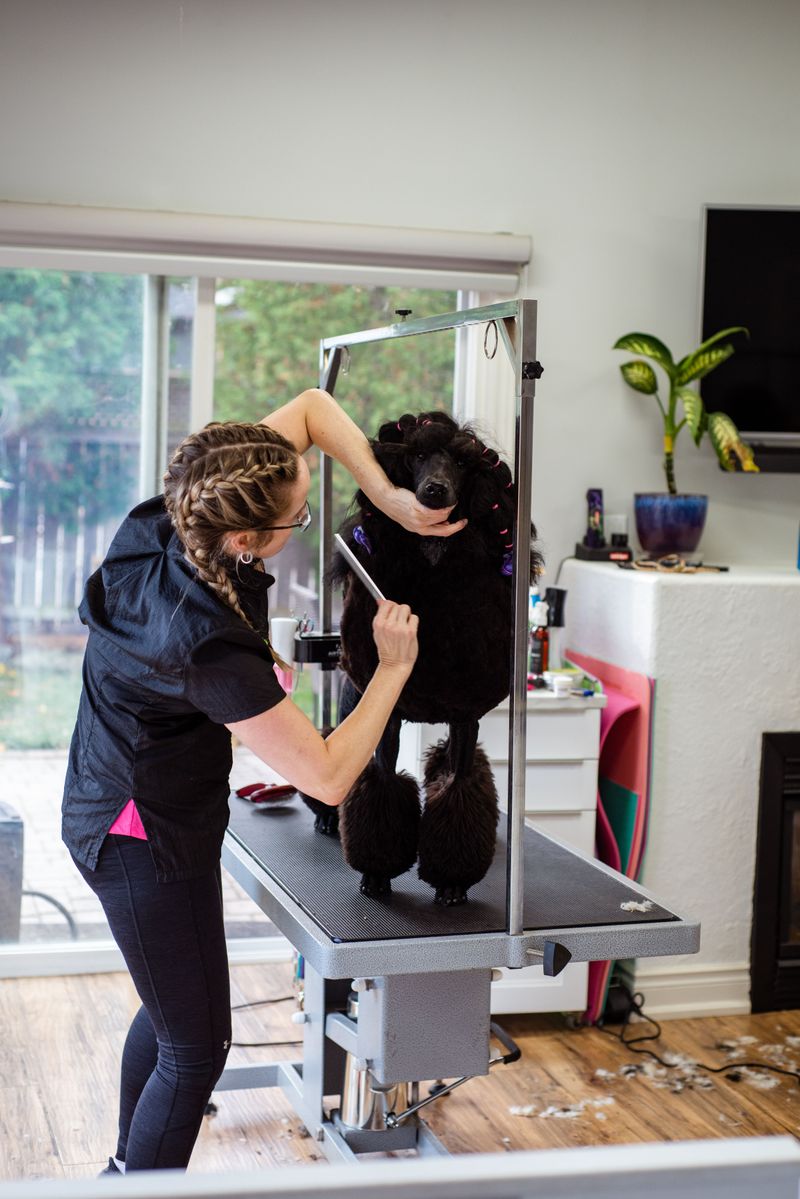
Some coats need a brush; others need regular professional appointments. Grooming prices differ by dog size, coat condition, services, and local availability.
A Chicago salon and a downstate groomer may quote different amounts for similar visits.
Ask how often your dog’s coat needs care before setting a budget. Regular brushing at home can help prevent tangles, but it may not replace trimming.
Include nail care in your plan. Compare what each appointment covers so a low quote remains a fair comparison.
11. Training Costs Depend on How Much Help You Need

A puppy learning to sit may do well in a group class. A dog needing more personal help may benefit from private sessions, which often cost more.
Prices and class availability vary across Chicago and smaller Illinois communities.
Look for trainers who use reward-based methods and explain their approach clearly. Ask about class size, total sessions, and homework before enrolling.
Practice between lessons costs nothing and helps the training stick. Choose support that fits your dog’s needs and your schedule.
12. Dog Walking Can Become a Chicago-Specific Expense

An apartment dog still needs a good break when work runs long. In Chicago, hiring a walker may become a regular expense, especially without nearby help.
Downstate owners might use a yard or a trusted neighbor, though neither replaces attention and exercise.
Price visits by length and frequency, not just the posted rate. Ask about backup coverage and how walkers handle keys and leashes.
Try your workday routine before committing, then budget for the help your dog actually needs.
13. Boarding and Daycare Can Add Up Quickly

One weekend away can reveal a cost you forgot to plan for. Boarding and daycare rates vary by location, visit length, and services.
Busy travel dates may affect availability. Chicago choices can differ from those in smaller communities, where finding a nearby spot may take more planning.
Ask about required vaccines, trial visits, pickup times, and extra charges. Meet the caregivers and review supervision practices.
Compare a facility with an in-home sitter, then choose what suits your dog’s comfort and routine.
14. Housing Rules and Yard Space Shape Daily Costs

Your address can affect dog costs before you buy a leash. Chicago renters may face pet deposits, monthly pet rent, or building rules.
Downstate rentals can have these charges too, so read the lease closely. Ask which payments are refundable.
Yard space can change everyday dog expenses, including walking help and outdoor supplies. A fenced yard still needs supervision and cleanup.
Without one, plan safe walks and weather-ready gear. Budget for the home you have, not an ideal setup.
15. Supplies and Emergency Savings Finish the Plan

The first shopping trip often includes a bed, leash, bowls, cleanup bags, and safe travel gear. Supplies add a noticeable first-year bill, whether bought in Chicago or downstate.
Buy essentials first, then learn what fits your dog’s size and habits.
Emergency savings matter more than the location. Unexpected care can happen anywhere, and prices vary by clinic and treatment.
Start a separate savings fund if you can. Even small, regular deposits make an unplanned vet visit easier to manage.