18 Everyday Texas Dog Routines That Change Between Gulf Coast Humidity, Hill Country Heat, And Panhandle Wind
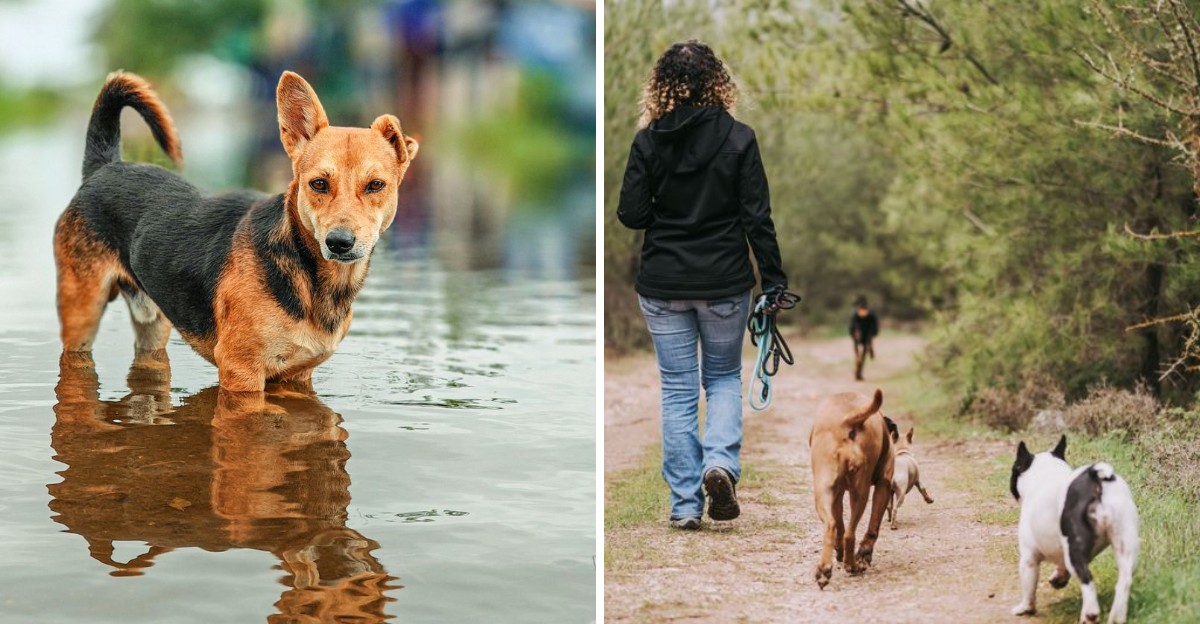
Texas is not one climate, and your dog feels the difference every single day. A sticky Houston morning asks for something different than a rocky Hill Country trail or a windy Amarillo afternoon.
Small adjustments to walk timing, water breaks, and post-walk checks keep your dog comfortable and steady all year. Here are everyday routines local owners tweak by region, with practical tips you can start using on your very next walk.
1. Shorter Gulf Coast Walks When The Air Feels Heavy
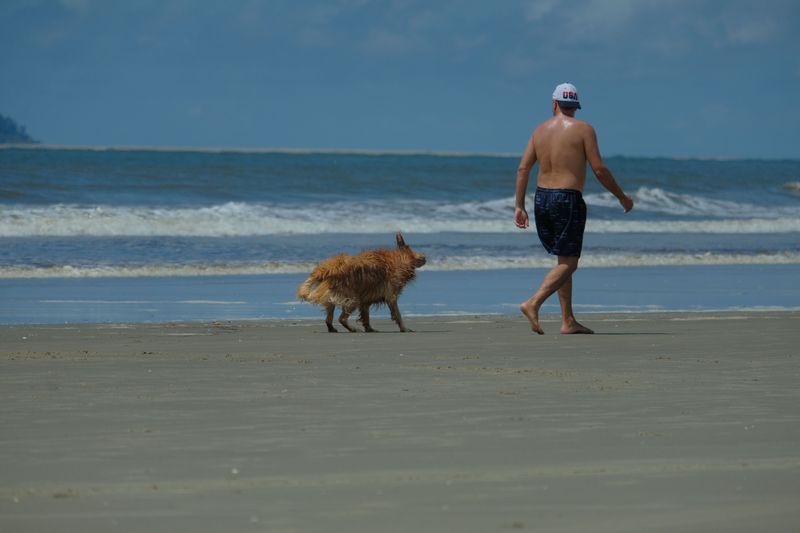
Humidity is the quiet part of the heat equation. When moisture hangs in the air, panting cools a dog far less effectively, so body temperature climbs faster than owners expect.
Many Gulf Coast owners trim walks down on sticky days. Short noses, senior dogs, heavier dogs, and pups with heart or breathing concerns need extra care.
Veterinarians often suggest limiting outdoor activity above 90 degrees, especially when humidity is high too.
2. Sunrise And Sundown Become Prime Walking Hours
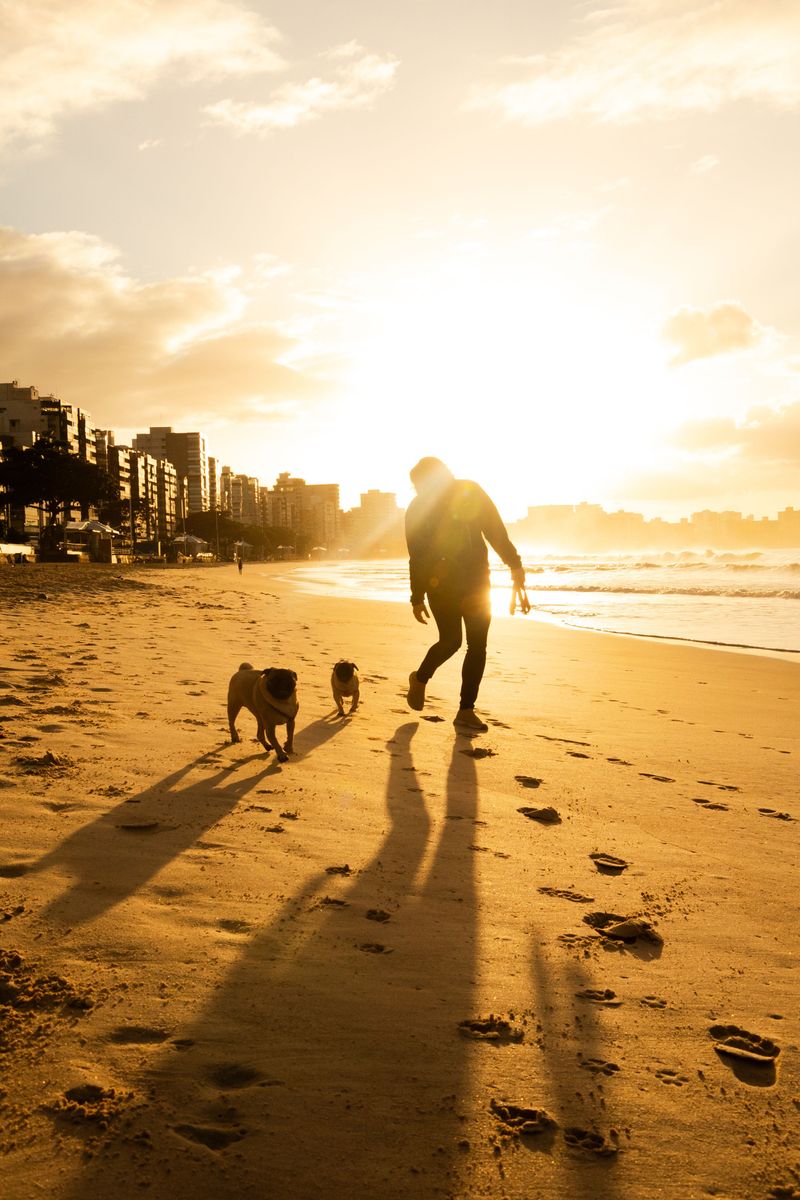
Along the coast, the clock matters as much as the thermometer. Early morning walks tend to be safest because pavement has cooled overnight.
Evening outings work too, though concrete can still hold warmth from the afternoon sun.
Splitting one long midday walk into two shorter sessions is a simple summer fix. Even in cooler hours, humidity lingers, so watch your dog’s breathing and slow down whenever panting gets heavy.
3. Water Breaks Every Ten To Fifteen Minutes
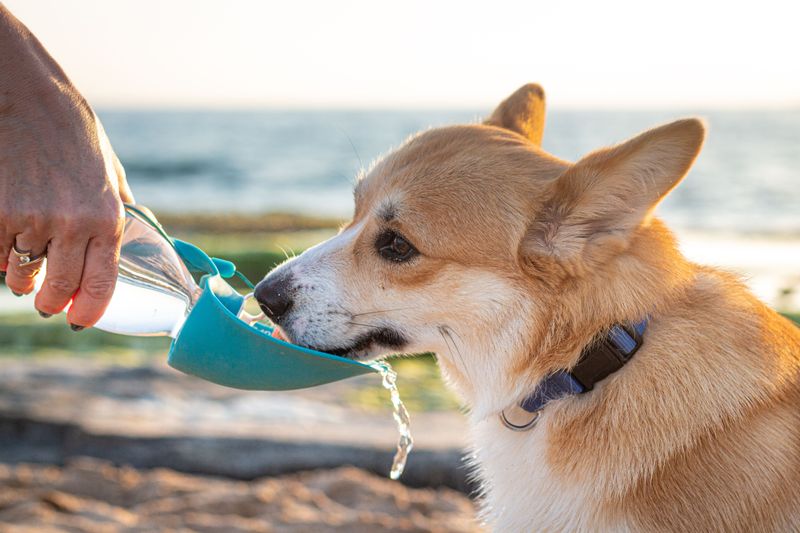
Bring the water to your dog rather than hoping they ask. Hot, panting dogs often skip drinking on their own, which is why offering it matters.
A collapsible bowl and a bottle fit easily in a pocket or bag.
Aim for a pause every ten to fifteen minutes on warm coastal days. Increased panting and summer activity mean your dog simply needs more fluids than usual.
4. Post-Walk Body Checks For Damp Skin And Ears
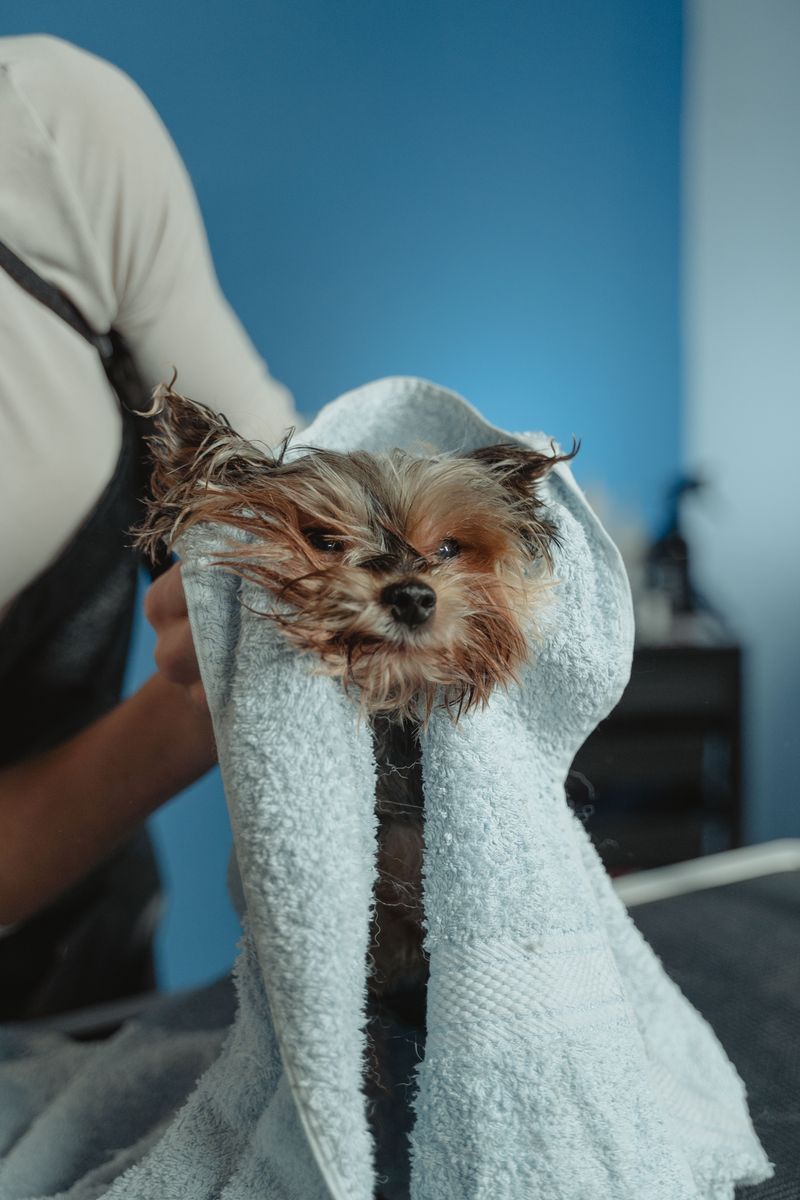
Moisture is the sneaky troublemaker in coastal Texas. Warm, damp skin folds, ear canals, and toe spaces invite yeast and bacteria to multiply.
Bulldogs, Pugs, and Shar-Peis are prone to skin fold irritation, while floppy-eared breeds trap moisture in their ears.
Towel drying after rain, swimming, or a sweaty walk prevents most problems. Watch for redness, itching, or a musty odor, and call your veterinarian early.
5. Mosquitoes, Puddles, And Soggy Ground Deserve Respect
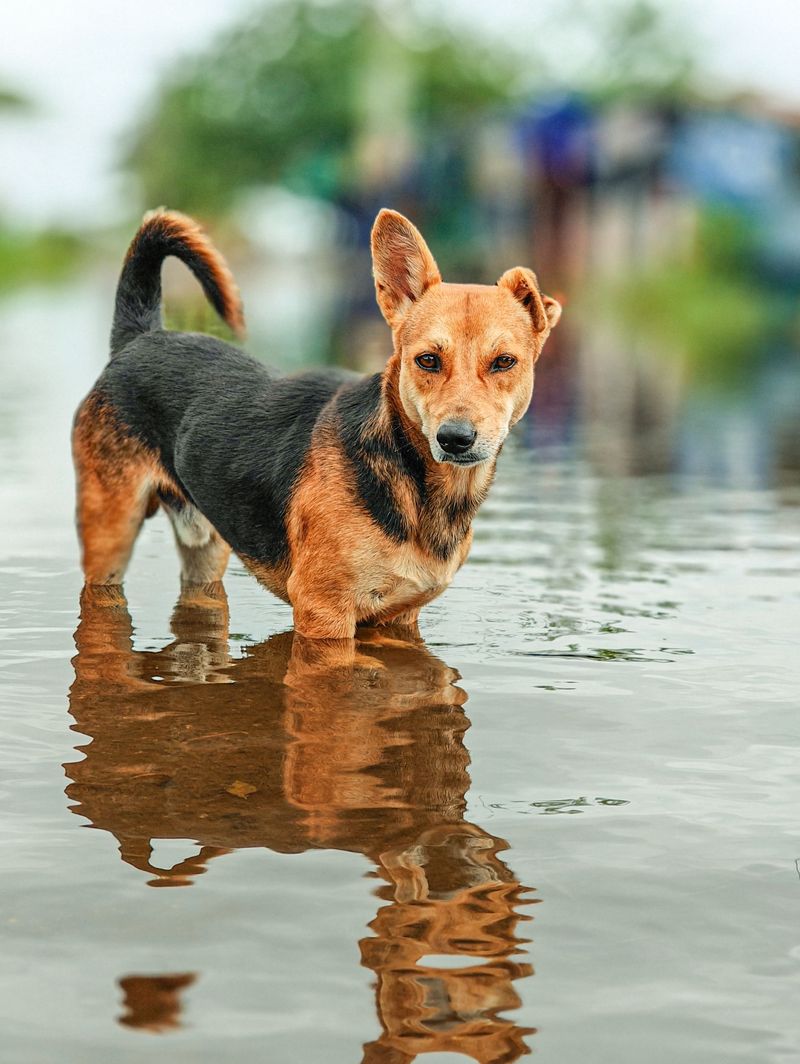
Texas ranks high for heartworm risk, and the Gulf Coast climate keeps mosquitoes busy nearly year-round. Even indoor dogs can be exposed when mosquitoes slip inside.
Standing water brings a second concern: leptospirosis bacteria thrive in puddles and stagnant pools, often spread through wildlife urine.
Steer your dog away from drinking puddles. Ask your veterinarian about year-round prevention and whether the leptospirosis vaccine fits your dog.
6. Hill Country Hikes Shift Toward Cooler Hours
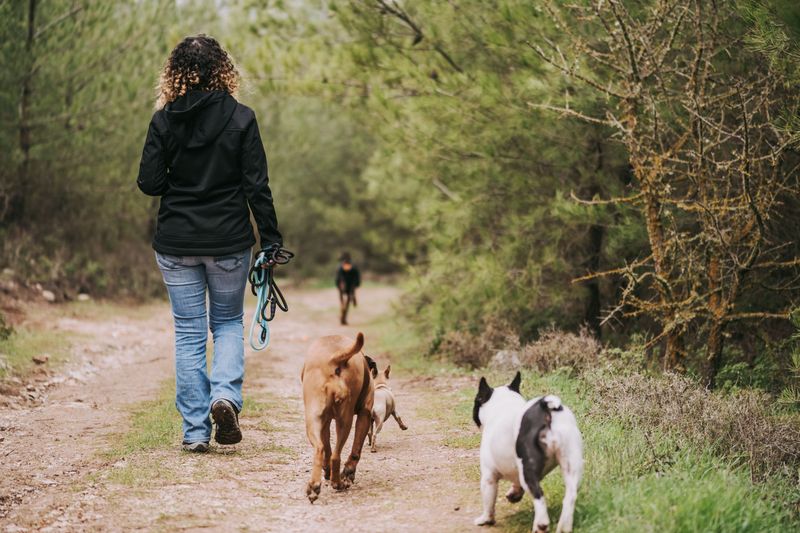
Limestone hills soak up sun and hold it. That is why longer Hill Country hikes belong to early morning or late evening during warm months.
Once temperatures pass 90 degrees, the risk of heat-related trouble rises sharply for active dogs.
New to the region? Start with shorter, slower outings and build distance gradually.
Your dog needs time to adjust to both the climate and the rugged terrain.
7. The Seven-Second Surface Test Before Heading Out
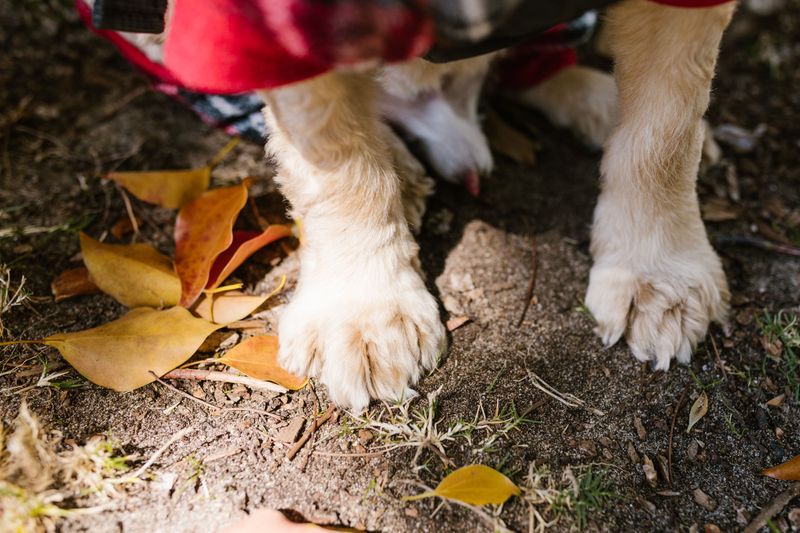
Asphalt, concrete, and artificial turf can reach 140 to 150 degrees on a sunny afternoon, even when the air feels tolerable. Paw pads can be burned in minutes.
Press the back of your hand to the surface for seven seconds. Too hot for you means too hot for paws.
Grass and shaded trails stay noticeably cooler. Remember, your dog walks much closer to that radiating ground than you do.
8. Packing Extra Water For Rocky Trails
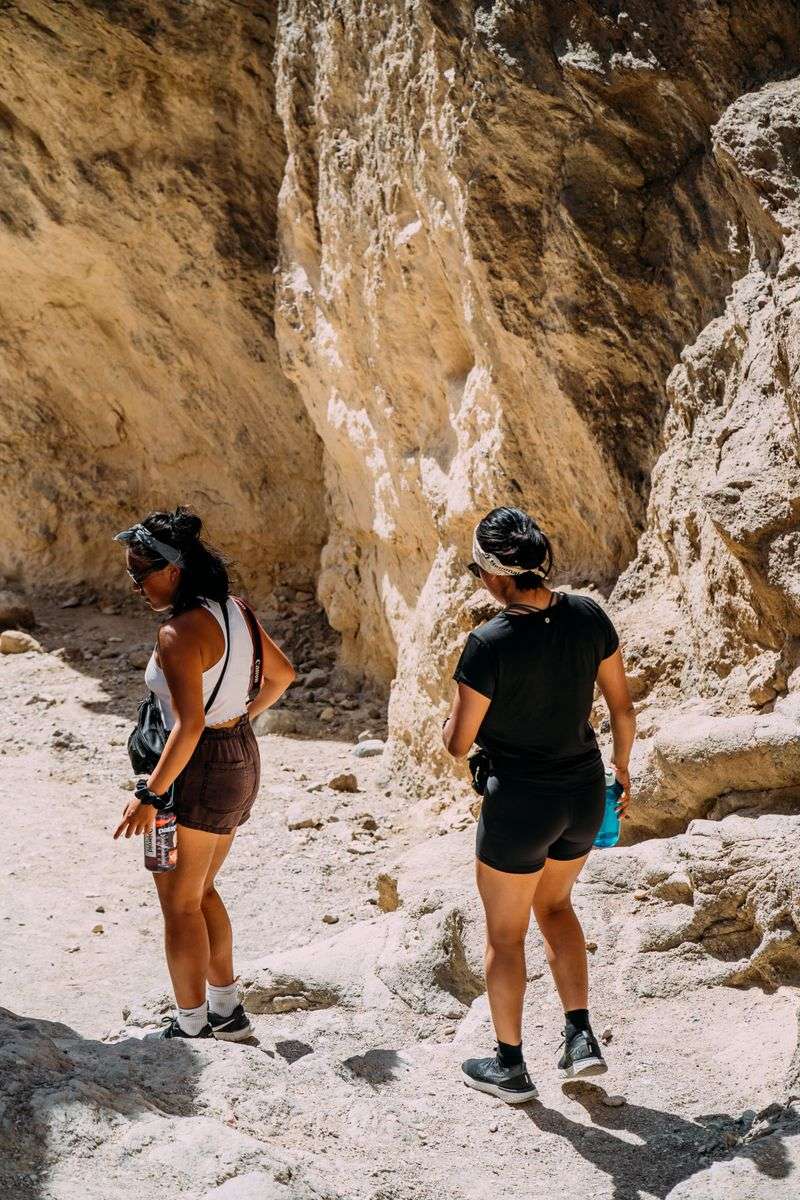
Creeks look inviting, but they are not a reliable drinking source. Natural water in the Hill Country may carry harmful bacteria or blue-green algae.
Carry bottled water for yourself and your dog, plus a portable bowl.
Dehydration builds quietly on long, sunny climbs. A good rule is packing more than you think you need, because turning back early with an empty bottle is nobody’s favorite hike ending.
9. Scheduled Shade Stops, Not Just Emergency Ones
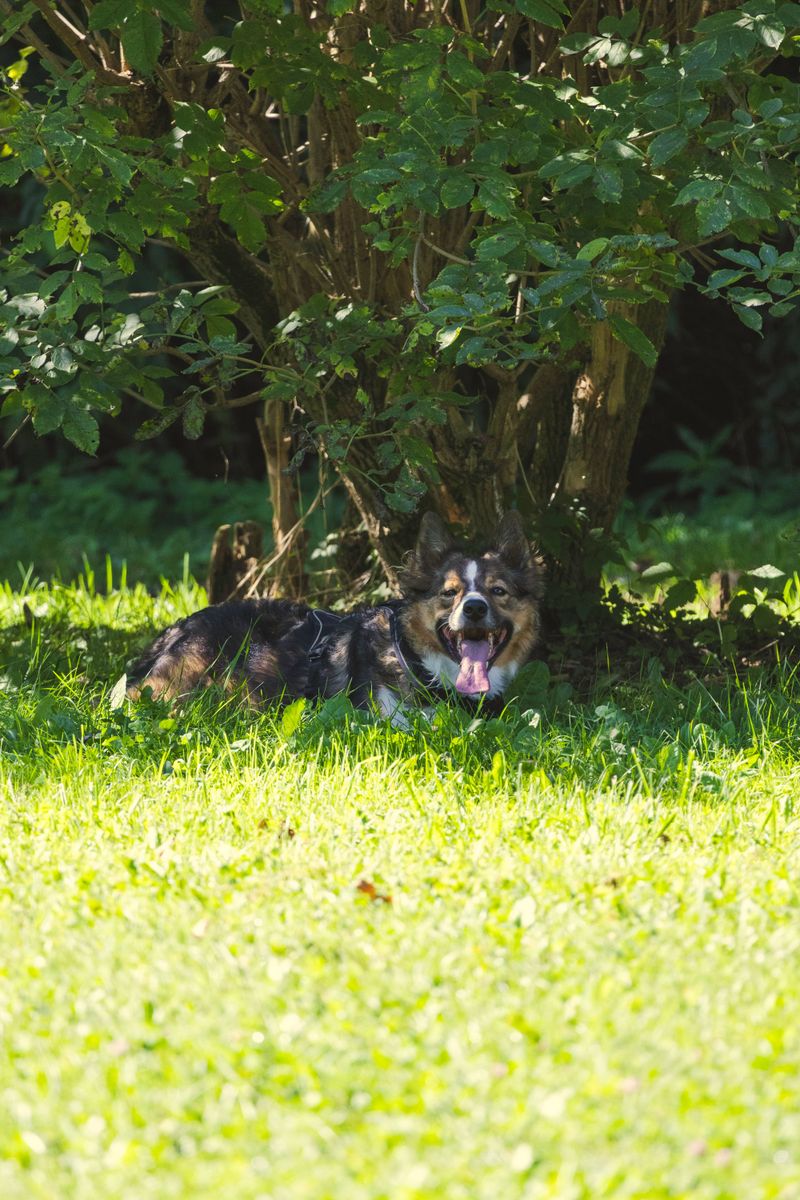
Waiting for your dog to look tired is waiting too long. Planned rest stops under trees or overhangs help keep body temperature steady throughout an outing.
If panting becomes heavy or frantic, move to shade immediately and offer cool, fresh water until breathing settles.
Air conditioning works just as well when you are near the car. Build breaks into your route the same way you plan mileage.
10. Leashes Stay Short Where Wildlife Roams
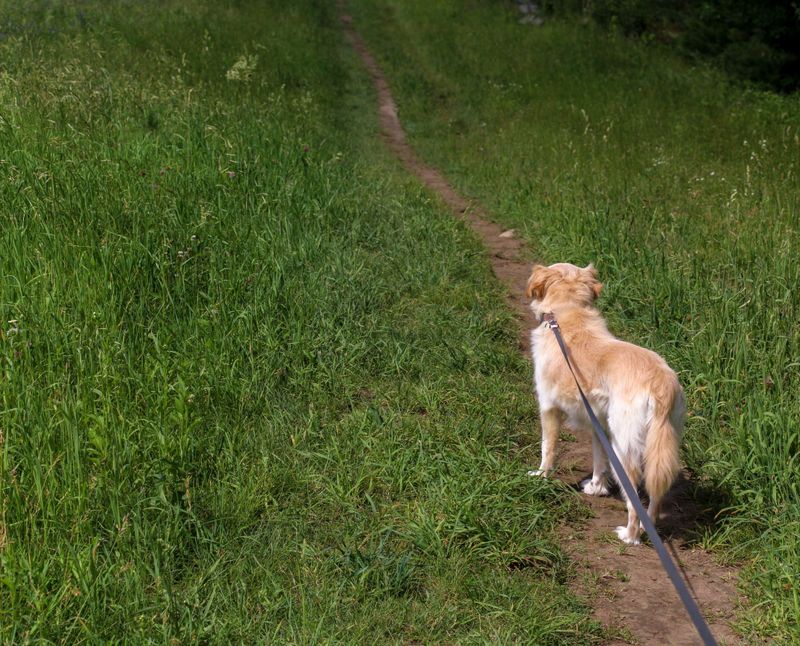
Most Texas state parks and natural areas, including Hill Country State Natural Area, require leashes no longer than six feet. Sticking to marked trails keeps curious noses away from hidden spots.
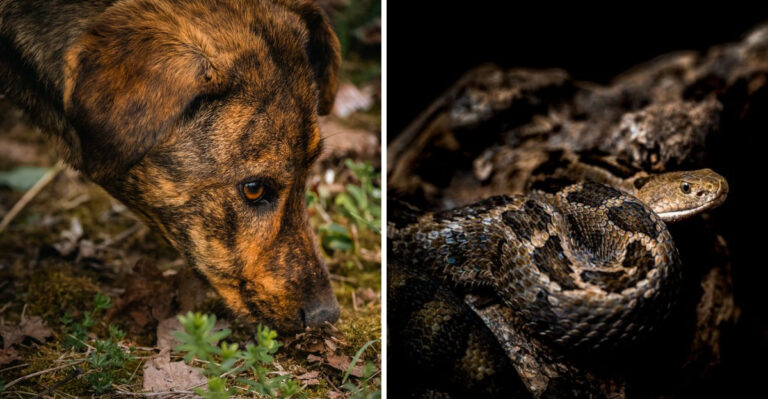
Rattlesnakes, coyotes, and other wildlife share this landscape, and many snake encounters happen when a dog investigates.
Texas has no statewide leash law, though most cities and counties enforce local restraint rules. Confirm requirements before you visit.
11. Burr Patrol After Every Brushy Outing
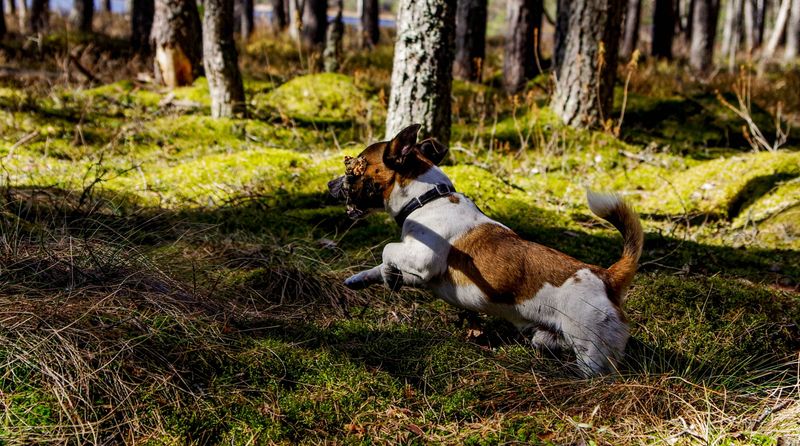
Rocky ground and thick brush leave souvenirs. Burrs, thorns, and grass awns like foxtails cling to fur and wedge between toes.
A two-minute check after each hike saves discomfort later. Run your fingers along the legs, belly, armpits, and ears, then spread each paw open.
Anything embedded, swollen, or tender deserves a veterinary look. Small seeds can travel under skin, so early removal really is the easier route.
12. Indoor Games Fill The Gap On Scorching Days
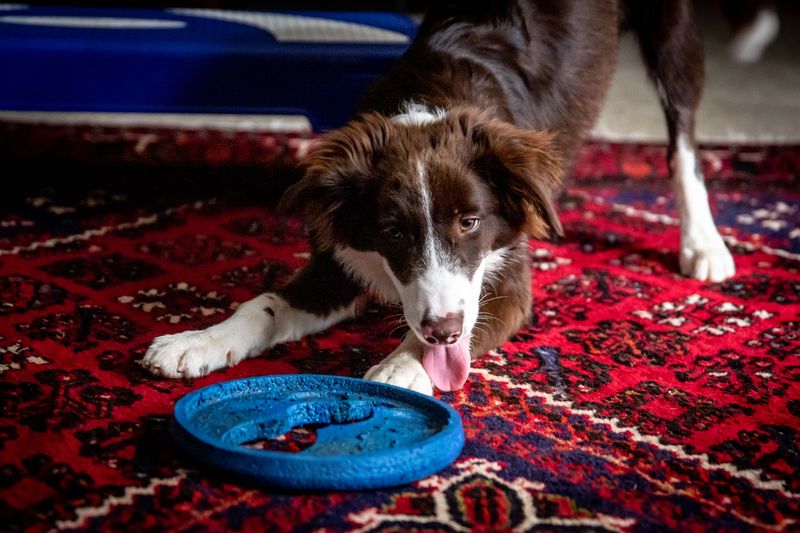
Some afternoons simply are not walkable, and that is fine. Sniffing games, puzzle feeders, hallway fetch, and short training sessions burn mental energy fast.
Ten minutes of nose work can tire a dog like a long stroll.
If you must step outside during midday, keep it brief and stick to shaded routes. Staying indoors during peak heat protects both paw pads and overall comfort.
13. Panhandle Walks Get Planned Around The Wind Forecast
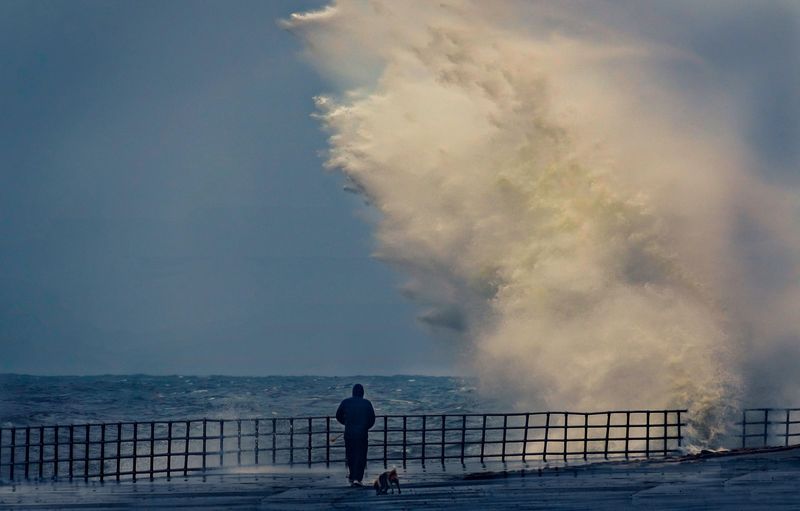
Up north, the wind report matters as much as the temperature. Panhandle gusts can turn a mild day into a rough outing, sometimes carrying blowing dust along with them.
Local owners often check wind speed before deciding on a route or a departure time.
Walking with the wind first and returning against it is one trick. Sheltered streets and buildings can block the strongest gusts nicely.
14. Small And Thin-Coated Dogs Head Home Sooner
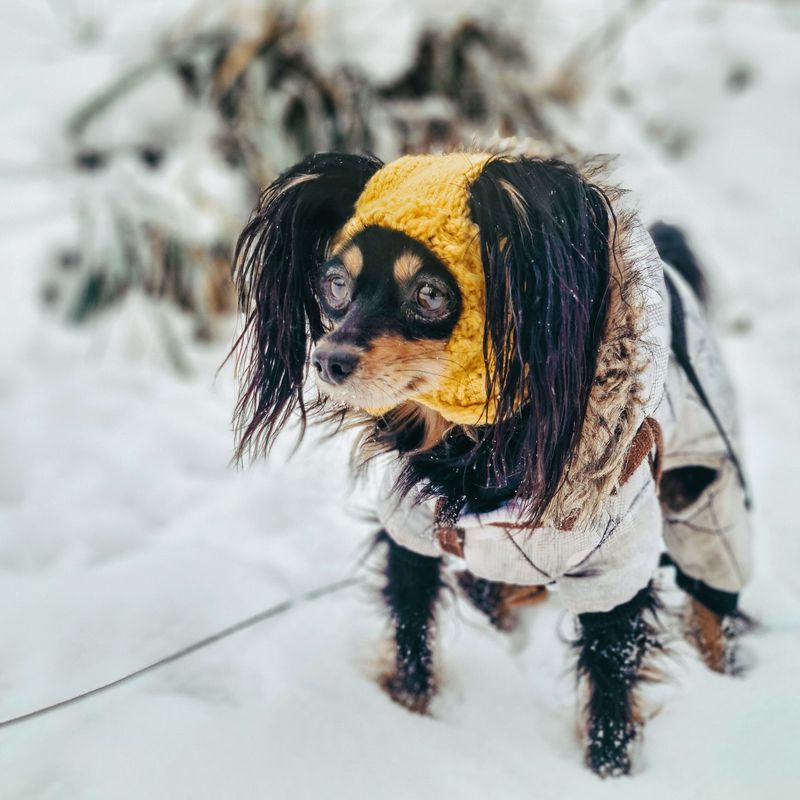
Wind pulls warmth away quickly, and not every dog handles that equally. Toy breeds, seniors, and dogs with sleek, thin coats feel the chill much faster.
Wind chill can make a comfortable reading feel considerably colder against skin.
Shorter loops, a well-fitted jacket, and a warm car or house waiting nearby all help. Shivering, lifted paws, or a reluctance to keep going means it is time to turn around.
15. Dust Days Call For A Rain Check
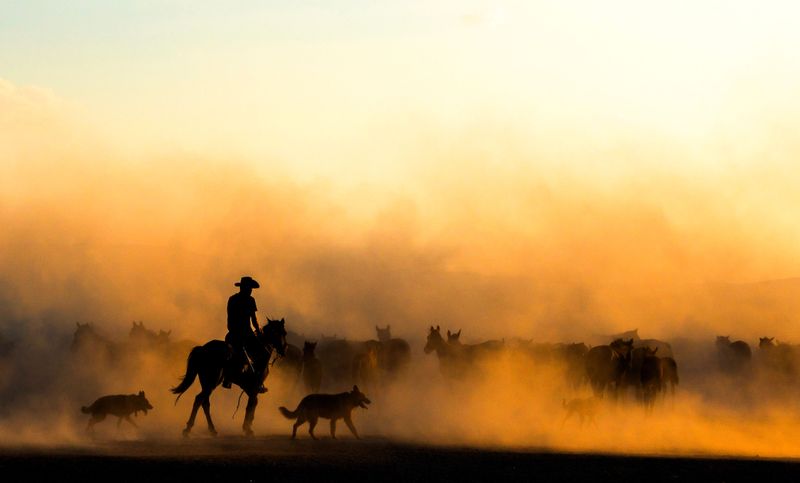
Blowing dust changes the whole outing. Fine grit in the air can irritate eyes and airways, which is why many Panhandle owners simply postpone longer walks.
A quick potty break in a sheltered spot usually works better than a full lap around the neighborhood.
Swap the mileage for indoor training or a game. The dust settles, the sky clears, and your normal route will still be there tomorrow.
16. A Quick Wipe-Down After Gritty Outings
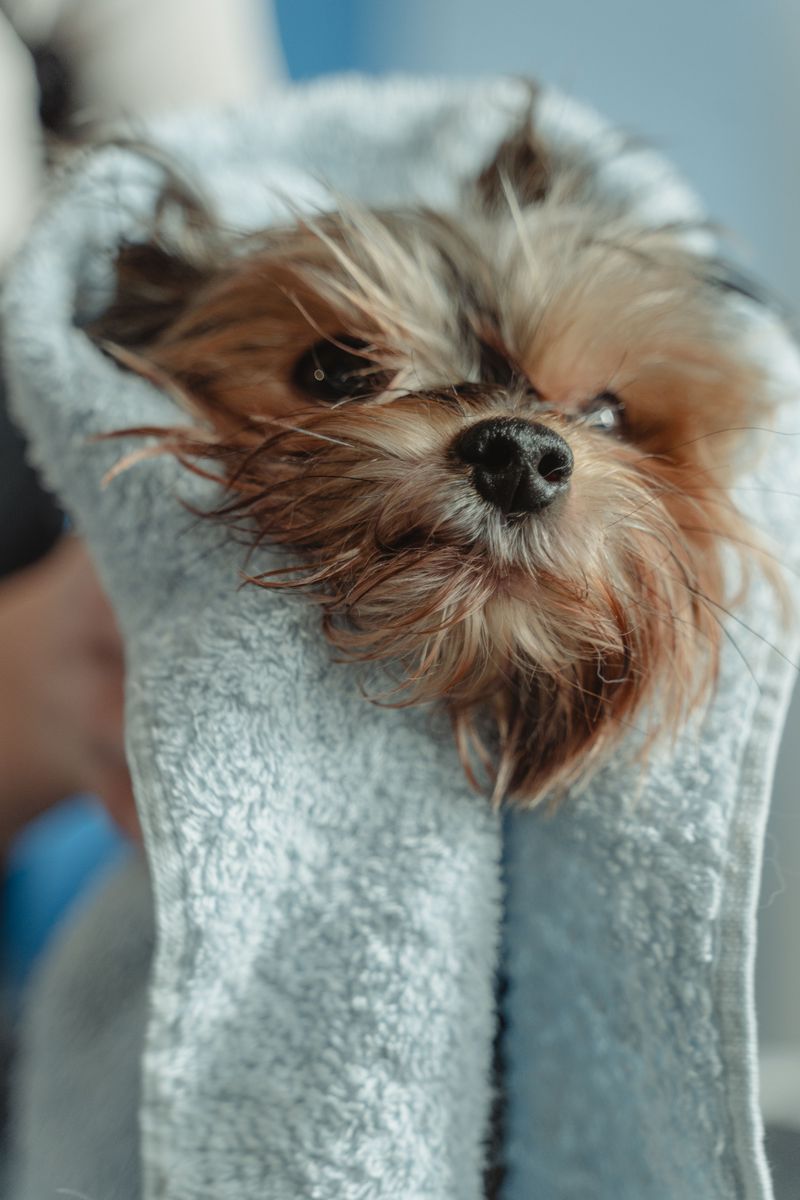
Grit settles everywhere: around the eyes, in the coat, and between toe pads. A damp cloth or pet-safe wipe clears most of it in a minute or two.
Gently wipe the face first, then work down the body and finish with paws.
Removing dust helps prevent itching, dryness, and irritated eyes. Watery eyes, repeated squinting, or persistent rubbing afterward is worth mentioning to your veterinarian.
17. Winter Up North Means Watching Wind Chill Closely
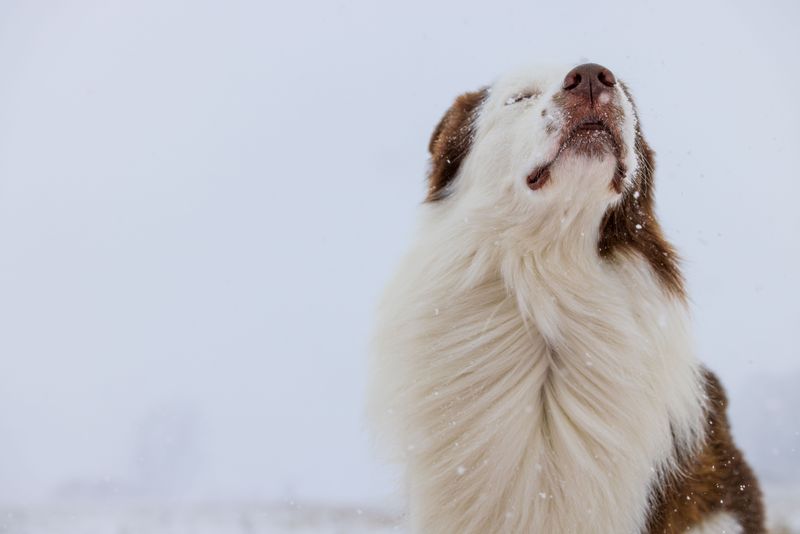
Panhandle winters swing hard and fast. A pleasant afternoon can flip to biting cold once a front rolls through, and wind chill sharpens the effect.
Check the forecast twice a day during unsettled weeks.
Keep outdoor time shorter, use a coat for dogs who need one, and provide warm, dry bedding indoors. Fresh unfrozen water still matters in cold months, since dry winter air quietly increases thirst.
18. One Dog, Three Climates, A Flexible Plan
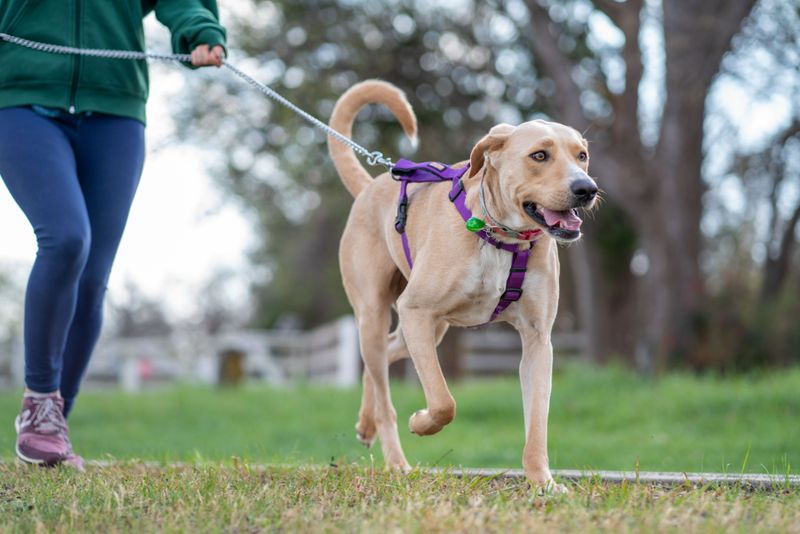
Rigid routines rarely survive a Texas calendar. Humidity, surface temperature, wind, and sudden fronts all shift what a safe walk looks like week to week.
Dogs cool themselves differently than we do, which makes them more sensitive to heat than most owners realize.
Watch your dog, check conditions, and adjust without guilt. Flexibility is the real skill, and it is what keeps tails wagging in every corner of this state.