What Pennsylvania Dog Owners Should Check After Moving To A New County

Moving to a new county is exciting, and your dog is part of that fresh start. Still, a few quick paperwork steps help keep your pup legal, safe, and easy to find.
Pennsylvania has clear rules about dog licenses, rabies shots, and transfers between counties. Think of this guide as a friendly neighbor walking you through each step, one calm checklist item at a time.
1. Know Which License Your Dog Holds

Dig out your old paperwork before you call anyone. You need to know if your dog has an annual or a lifetime license.
An annual license covers one calendar year. A lifetime license lasts for your dog’s whole life, but it requires permanent identification, like a microchip or tattoo.
Your certificate or tag usually shows which type you have. If you are unsure, your old county’s treasurer can look up the record for you.
2. Pick Up Your New License and Tag

A brand-new tag is a small but satisfying moving milestone. Once the transfer clears, your new county issues a fresh license and identification tag.
Lifetime license holders typically receive a new license number tied to the new county. Annual license holders get a tag that matches the new county’s records.
Keep the certificate with your important papers. Then swap the old tag for the new one, so nobody gets confused.
3. Make Sure the Tag Stays On

Pennsylvania law expects licensed dogs to wear their current tag. Limited exceptions exist, such as during certain hunting or show activities.
That little metal tag works like a return address. If your dog wanders off in an unfamiliar area, anyone who finds it can trace the license.
Check that the collar fits snugly, about two fingers wide. Inspect the ring every few weeks.
Tags can loosen during rough play.
4. Watch the Ten-Day Lifetime License Window

Timing matters for lifetime license holders. Pennsylvania’s Dog Law expects owners to notify the county within 10 days after a permanent move.
Mark the deadline on your calendar right after moving day. Life gets busy with unpacking, so a reminder helps.
Exact procedures can vary between counties. If you are unsure, call your treasurer and ask how they handle notices.
Acting quickly keeps your dog’s record accurate and protected.
5. Find Your New County Treasurer
Every Pennsylvania county handles dog licenses a little differently. In most cases, the County Treasurer’s Office is the place in charge.
Start by visiting your new county’s official website. Look for a dog licensing page with office hours, phone numbers, and forms.
Many treasurers also allow approved agents to sell licenses. These might include local vet offices, pet shops, or township buildings.
Knowing your options early saves time and helps you plan your first errand.
6. Refresh Your Address and Phone Number

Picture a kind stranger finding your dog and calling an old number. That outcome is easy to avoid.
Ask the licensing office to confirm your new address and current phone number are on file. If you changed phone carriers or numbers during the move, mention that too.
Accurate records help animal control and wardens reach you fast. It takes two minutes and gives real peace of mind.
7. Review Your Dog’s Description

Records are only helpful when they match the real dog. Take a careful look at your new license certificate.
Check the breed, age, sex, color, and any special markings. A white chest patch or one floppy ear can help identify your pup.
Mistakes happen during data entry. If something looks wrong, call the treasurer’s office and request a correction.
Clear details make reunions much smoother if your dog ever goes missing.
8. Keep Permanent ID Records Solid

Lifetime licenses rely on permanent identification. In Pennsylvania, that means a microchip or a tattoo.
Many counties use a Permanent Identification Verification Form signed by you and a licensed veterinarian. Confirm your new county has this information linked correctly.
Fun fact: tattoos were common long before microchips became popular. Whichever your dog has, ask your vet to verify it is still readable during the next checkup.
9. Update the Microchip Registry

A microchip only works if the database knows where you live. Moving is the perfect moment to update it.
This registry is separate from your county license. Contact the chip company or log into its website with your dog’s chip number.
Enter your new address, phone, and email. Some companies charge optional fees, while others update for free.
If you do not know the chip number, your vet can scan it.
10. Remember the December Deadline

Here is an easy date to remember. Annual dog licenses in Pennsylvania expire on December 31 every year.
It does not matter when you bought the license. A tag purchased in October still ends at year’s end.
New annual licenses usually go on sale around December 1. Set a reminder so renewal does not slip during the busy holiday season.
Your dog stays covered without any stress.
11. Look Into Fees and Discounts

License costs are modest, and some owners pay even less. Pennsylvania offers reduced rates for seniors age 65 and older and people with disabilities.
Current fees often differ for spayed or neutered dogs. Counties may also add small agent fees, so prices vary slightly.
Check your county’s website for its latest fee chart. Bring proof of eligibility, like an ID or benefit letter, when asking for a discount.
12. Check Rabies Shots Are Current
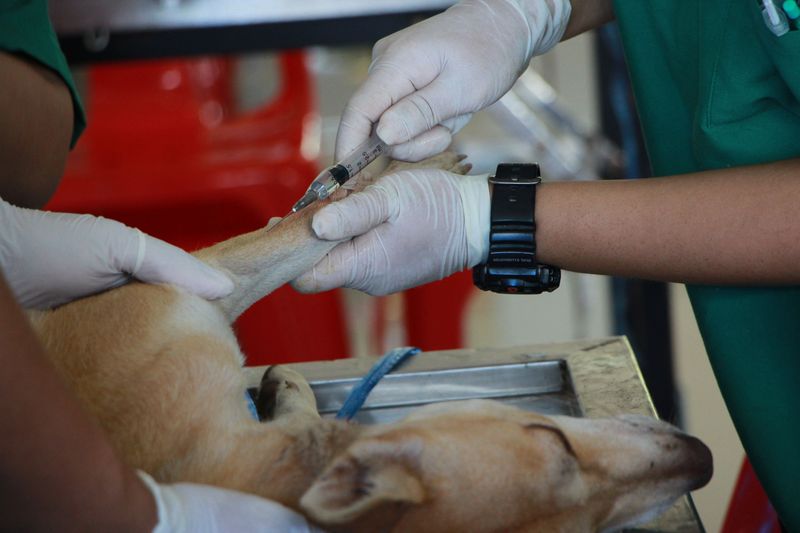
Rabies protection is one rule that applies statewide. Pennsylvania generally requires dogs to be vaccinated beginning around three months of age.
Boosters follow the schedule set by the vaccine your vet uses. Some last one year, while others last three.
Look at your dog’s last certificate and note the due date. If you need a new vet in your new county, booking a visit now is a smart welcome step.
13. Store Important Papers Where You Can Find Them

Moving boxes have a way of hiding important things. Keep your dog’s rabies certificate and license papers in one easy-to-reach folder.
Officials such as a state dog warden may ask for proof of vaccination. Groomers, boarding kennels, and new vets often ask too.
Snap clear photos of each document and save them on your phone. Having both paper and digital copies makes any request simple and calm.
14. Learn the Local Leash Rules
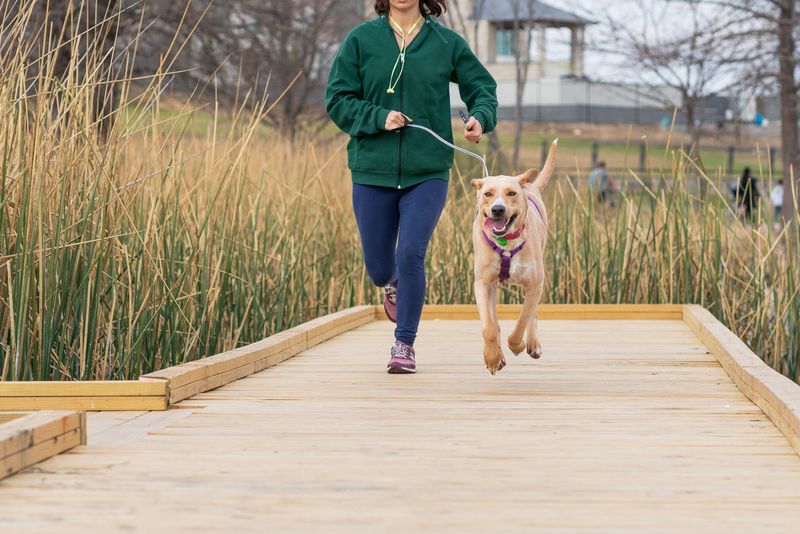
Your new neighborhood may have its own walking rules. State law says dogs must be confined or kept under reasonable control off your property.
Letting a dog run at large is not allowed. Many townships, boroughs, and cities go further and require leashes in public spaces.
Visit your municipality’s website or call the office to read local ordinances. Parks may post extra rules at trailheads, so watch for signs.
15. Ask About Dog Limits and Kennels

Got a multi-dog household? Some Pennsylvania municipalities limit how many dogs can live at one home.
These limits vary widely, and some areas have none at all. Zoning rules may also apply in certain neighborhoods.
State kennel licensing is separate. It generally applies to larger operations, like housing 26 or more dogs in a year or running boarding facilities.
When in doubt, check with your local zoning office.
16. Know Your Renewal and Replacement Options

Lost tags happen to the best of us. Knowing how your new county handles renewals and replacements makes life easier.
Many counties offer annual renewals online, by mail, or in person. Lifetime licenses are often handled by mail or at the treasurer’s office.
Replacement tags usually cost a small fee. Bookmark your county’s licensing page for quick access.
With that, your move is wrapped up, and your dog is ready to explore.