How Florida Heat Changes Exercise For Older Dogs
Your older dog may still love a walk, but a Florida summer can change how that walk feels. Warm mornings, humid air, and hot sidewalks can make exercise harder than it looks.
You do not have to give up outdoor time together. A few changes to when, where, and how you exercise can help your dog stay comfortable and active.
1. Older Dogs Feel Florida Heat More Quickly
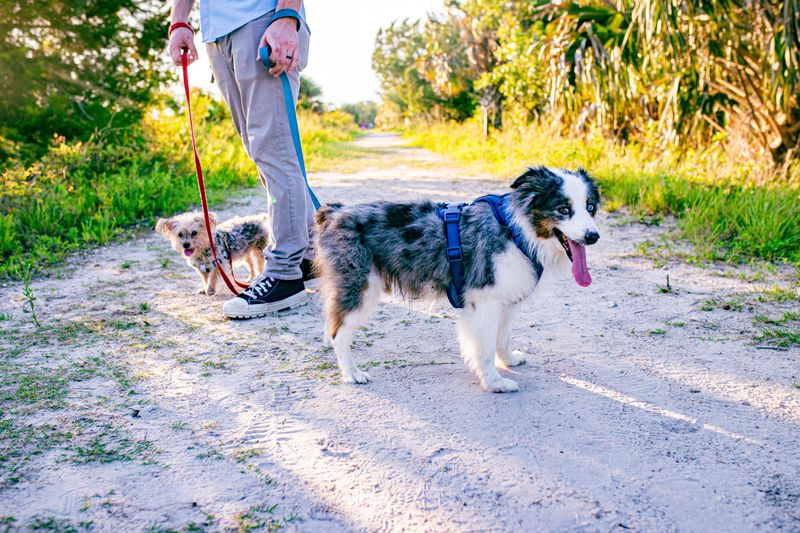
An older dog might head outside with the same excitement as always. Yet age, health conditions, and lower fitness can make warm weather harder to handle.
Watch your dog, rather than using yesterday’s walk as your guide.
Start slowly and notice changes in pace, breathing, and interest. A dog that usually trots may prefer to stroll.
Ask your veterinarian about safe exercise if your dog has a medical condition or takes medication that could affect heat tolerance.
2. Morning Walks Become More Important
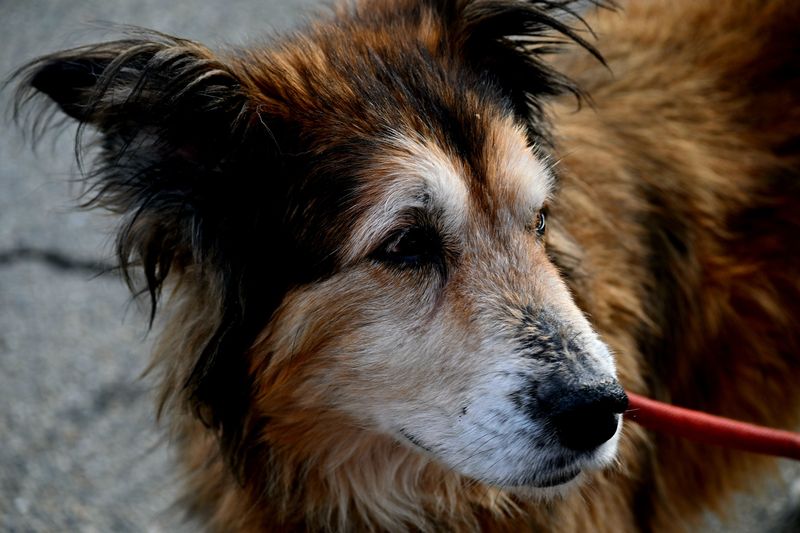
Before the neighborhood gets busy, the air often feels easier for a senior dog. An early walk may offer cooler ground and a calmer pace.
Check the weather anyway, since Florida mornings can still be warm and humid.
Choose a short route near home and bring water. Avoid assuming sunset is cool enough; sidewalks may hold heat after dark.
If the morning already feels uncomfortable, try a brief bathroom break and move playtime indoors instead.
3. Short Walks May Replace Long Outings
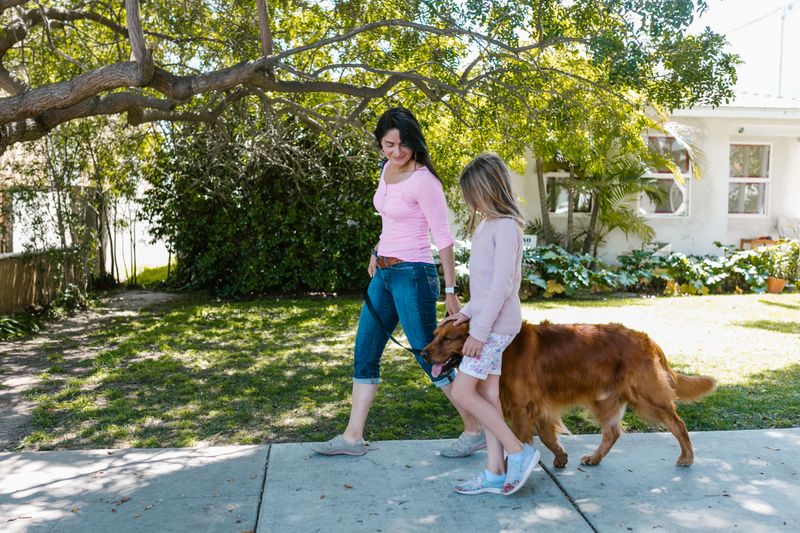
A favorite long loop does not have to disappear forever. During hot months, several brief outings may suit your older dog better than one tiring trip.
Keep each walk slow enough for sniffing and easy conversation.
Plan a route that lets you turn home quickly. Let your dog’s energy afterward guide the next outing.
If your dog seems worn out for hours, shorten the walk further. Comfortable movement matters more than reaching a distance goal.
4. Humidity Makes Cooling Down Harder
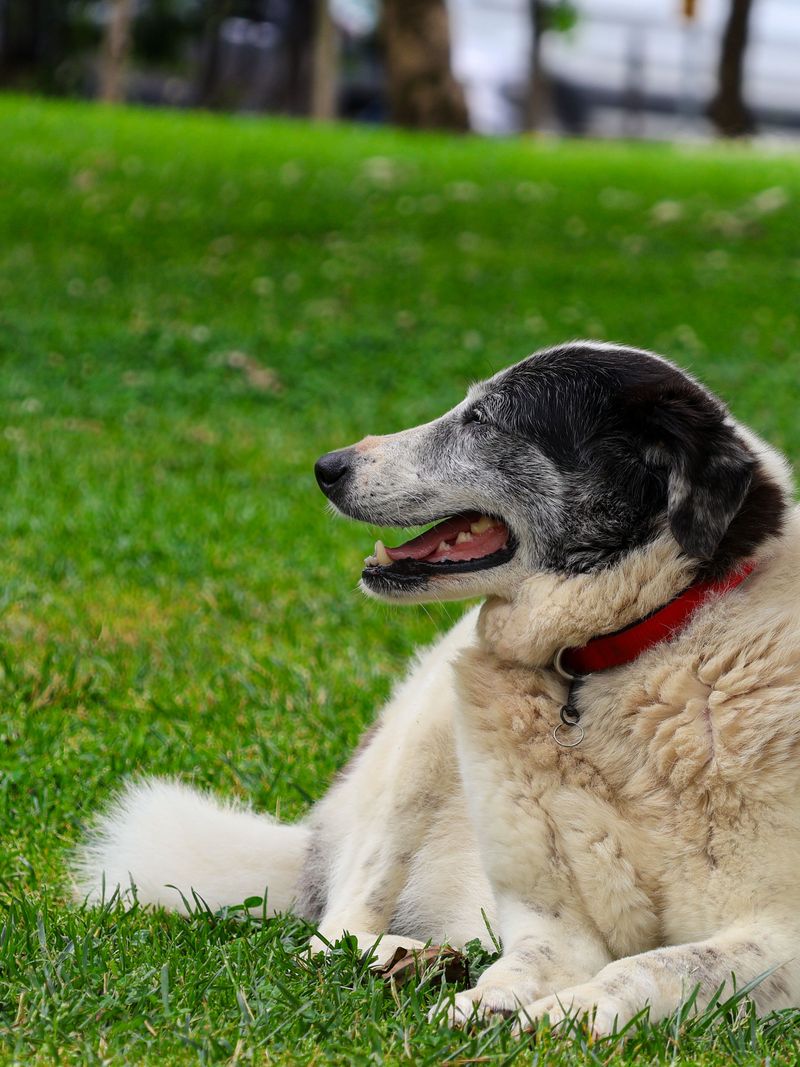
A cloudy Florida day can feel surprisingly sticky. Dogs mainly release heat through panting, and humid air can make that process less effective.
Shade helps, but it does not remove humidity.
Look at the whole forecast, not just the temperature. Keep outdoor exercise lighter when the air feels muggy, and offer a cool indoor place afterward.
Give your dog time to settle before another activity. If panting stays heavy after rest, contact your veterinarian promptly.
5. Hot Pavement Can Limit Exercise
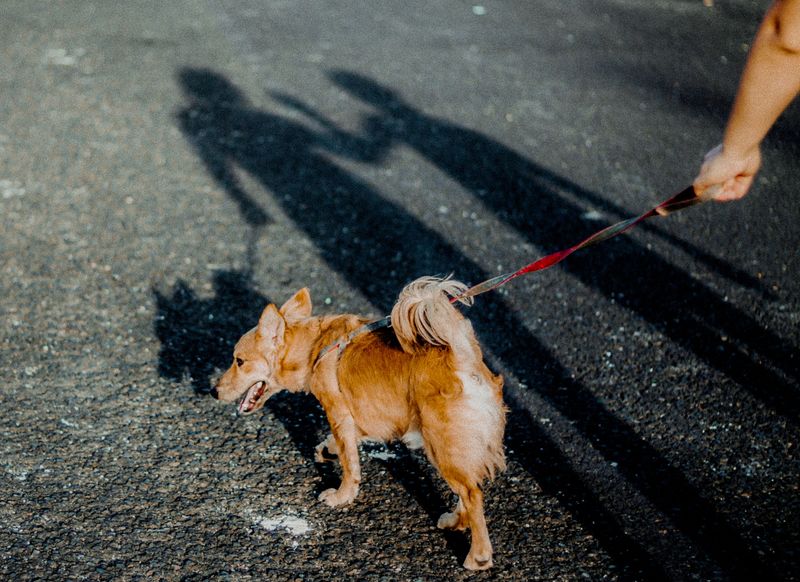
The sidewalk may look harmless while the sun warms it. Pavement can become uncomfortable for paws, especially during Florida afternoons.
Place the back of your hand on the surface for several seconds. If it feels too hot for you, choose another route.
Grass or shaded paths may offer better footing, though their surfaces need checking too. Watch for paw lifting, hesitation, or sudden stops.
Save sunny sidewalks for cooler times when possible.
6. Hills And Stairs Can Feel Much Harder
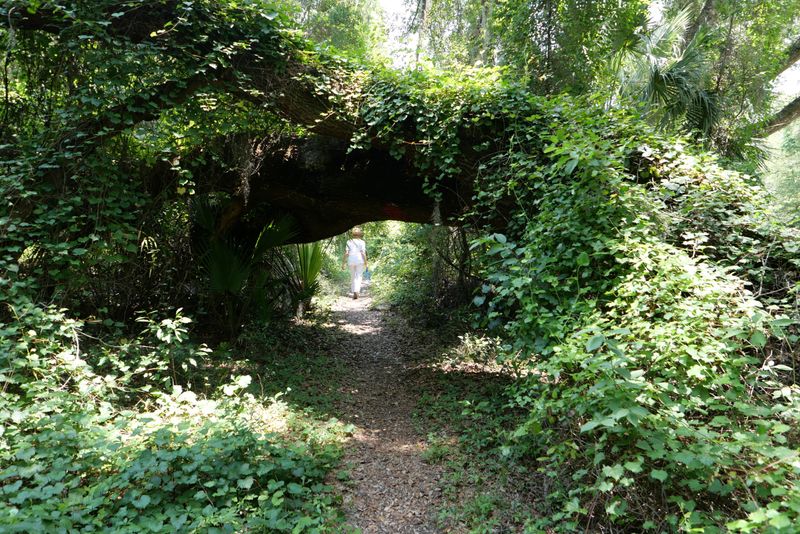
Even a small rise can change the effort a walk requires. Heat adds to that work, and older dogs may need more time for steps or slopes.
Pick flatter paths when the weather is warm.
At home, notice whether stairs leave your dog breathing harder than usual. Allow pauses and never pull a hesitant dog forward.
If climbing becomes difficult in any weather, speak with your veterinarian. Pain or another health problem may need attention.
7. Joint Stiffness Can Affect Summer Walks
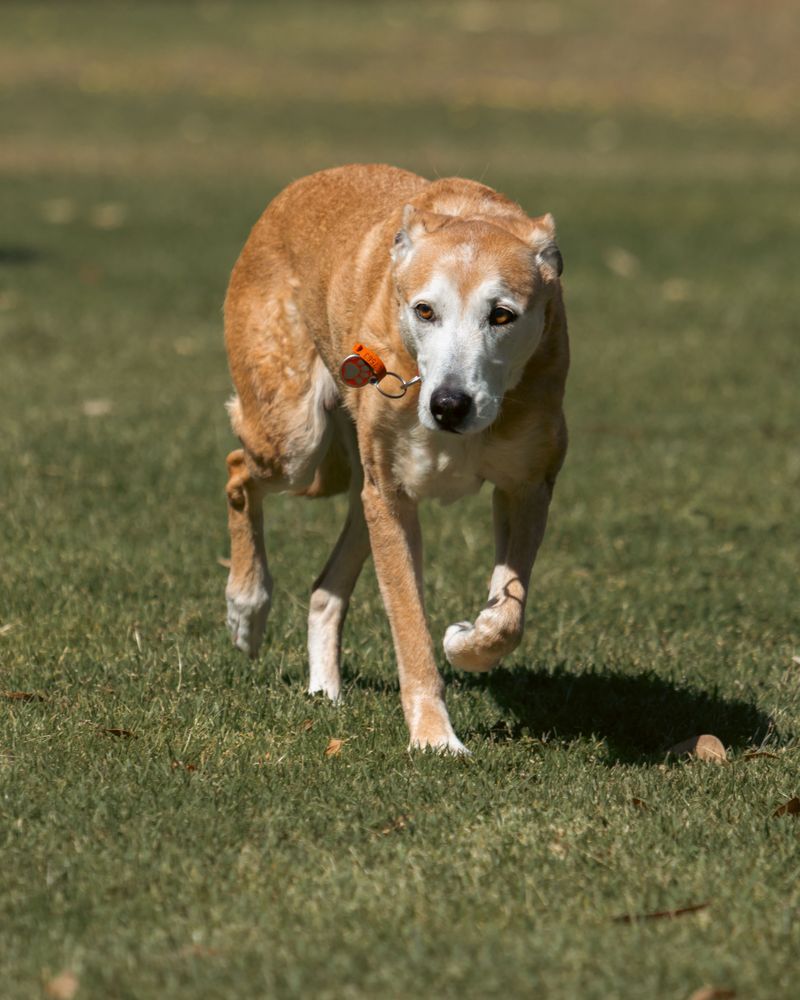
Some older dogs take a few careful steps before finding their stride. Joint stiffness can make a rushed summer walk less comfortable, especially on uneven ground.
Begin slowly and stay on stable paths.
Watch for limping, lagging, or trouble rising after exercise. Those signs deserve a veterinary discussion rather than a longer warmup walk.
Your veterinarian can suggest a movement plan that fits your dog’s joints. Never give human pain medicine without veterinary guidance.
8. Panting Deserves Close Attention
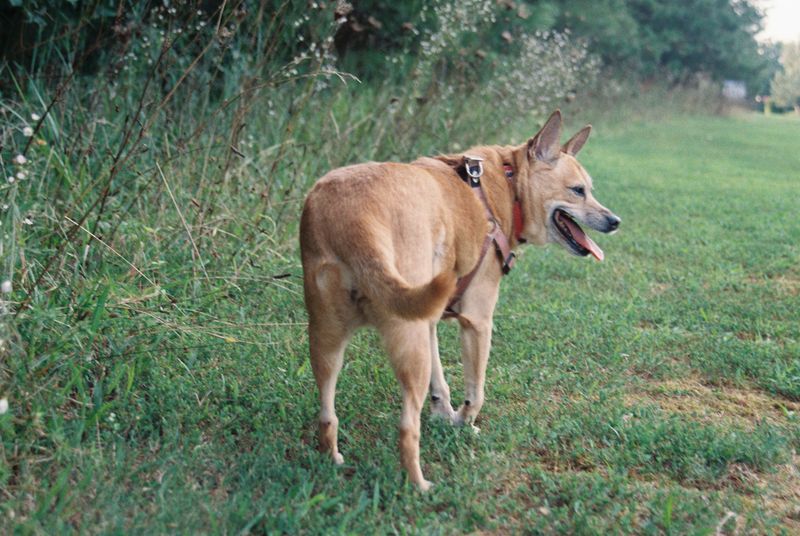
Panting after a little activity is normal, but its pattern tells you plenty. Notice whether your dog’s breathing grows unusually heavy or fails to ease during a break.
Slowing down early is kinder than pressing on.
Move to a cool place and offer water if your dog seems uncomfortable. Weakness, confusion, vomiting, or breathing trouble calls for prompt veterinary help.
Learn your dog’s usual recovery time on mild days. That gives you a useful comparison when Florida feels hotter.
9. Water Breaks Should Be Part Of The Routine
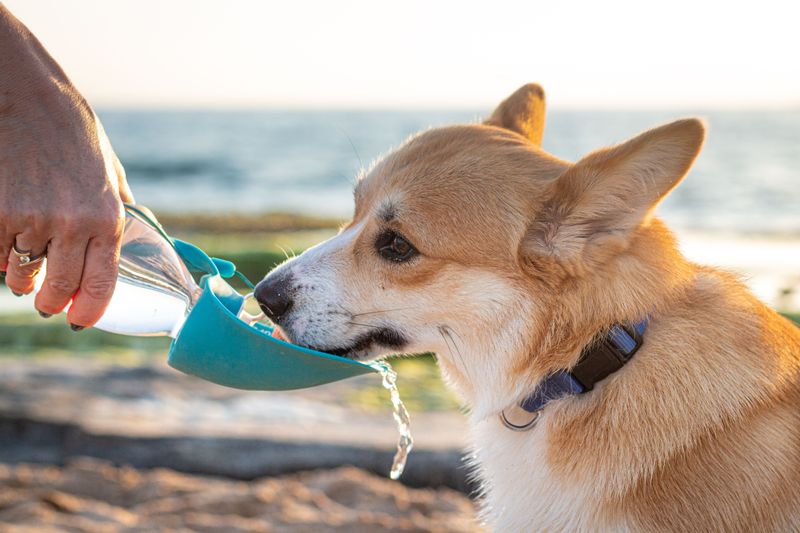
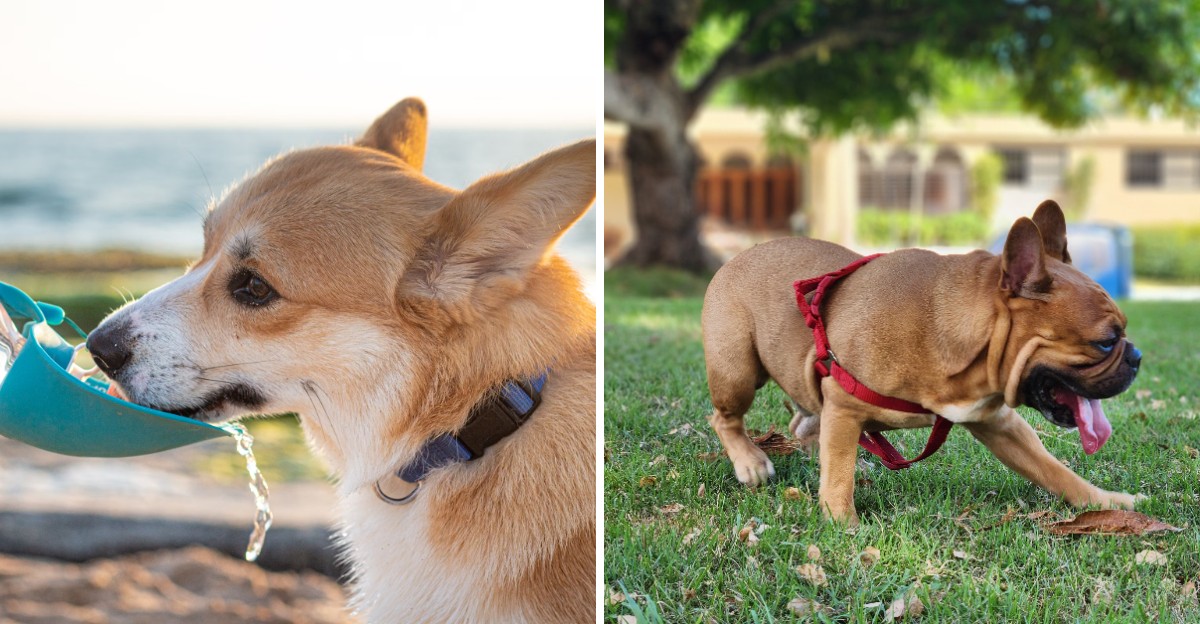
A portable bowl makes a quick pause easy, even close to home. Bring fresh water whenever you exercise your older dog outdoors.
Offer small chances to drink, and let your dog choose a comfortable pace.
Do not wait for obvious thirst before stopping. Plan breaks under shade and keep extra water for the trip home.
Avoid forcing a dog to drink. If your dog refuses water and seems unwell, end the outing and call your veterinarian.
10. Shaded Routes Can Change The Whole Walk
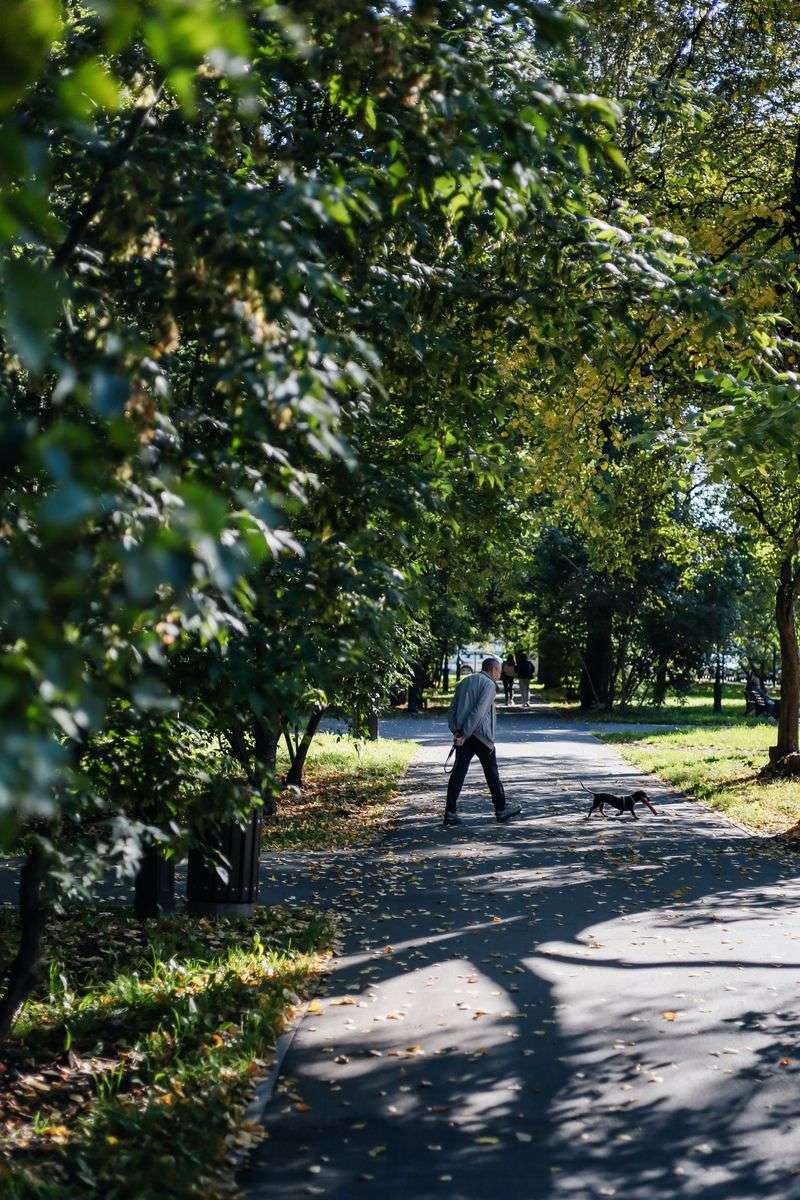
One side of a Florida street can feel different from the other. Trees and covered paths reduce direct sun, making a gentle stroll more pleasant.
Before leaving, choose a route with regular shade and places to stop.
Remember that shade does not cool hot air or pavement instantly. Test the ground and watch your dog’s breathing throughout the walk.
A familiar loop near home is often more useful than a beautiful trail with no easy exit.
11. Swimming Is Not Always An Easy Alternative
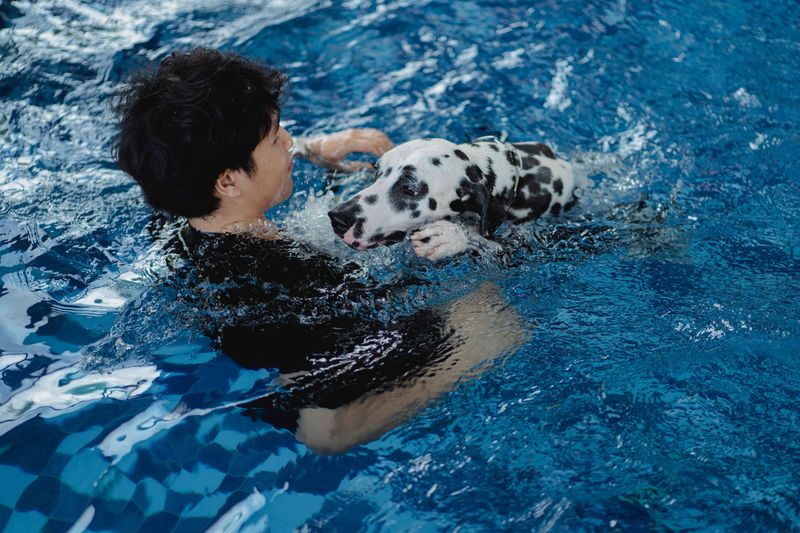
Water play sounds refreshing, but not every older dog enjoys swimming. Joint problems, fatigue, and unfamiliar footing can make entering or leaving water difficult.
Never assume your dog can swim safely without support.
Use close supervision and an easy exit if your veterinarian agrees water exercise is suitable. Avoid water with posted health warnings or visible algae.
Florida waterways can also have wildlife and changing conditions. A shallow, supervised splash at home may be enough.
12. Indoor Exercise Can Keep Dogs Moving
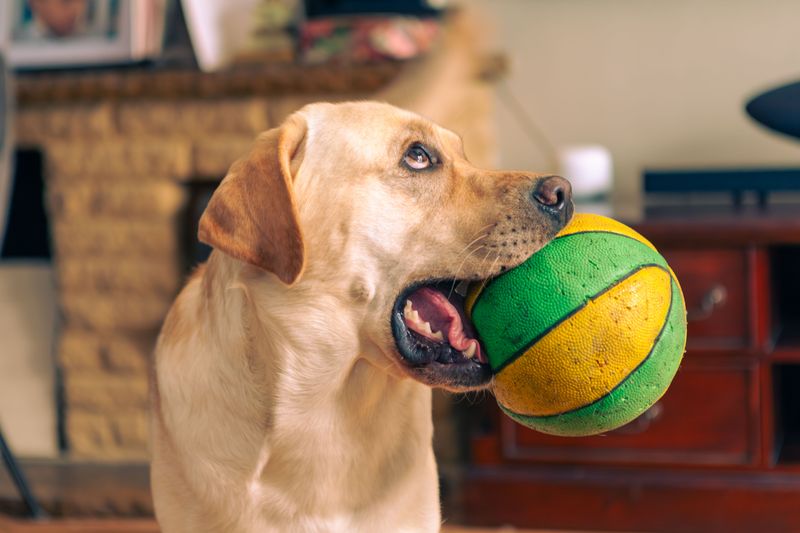
Rain or intense sun can turn the living room into a useful play space. Try short scent games, gentle training, or a slow search for treats.
These activities add movement without a long outdoor walk.
Keep floors clear and use rugs where slipping is possible. Let your dog rest between games, and count treats toward daily food.
If movement seems painful, ask your veterinarian which activities fit best. Mental work can make a quiet afternoon satisfying too.
13. Rest Days May Need To Be More Frequent
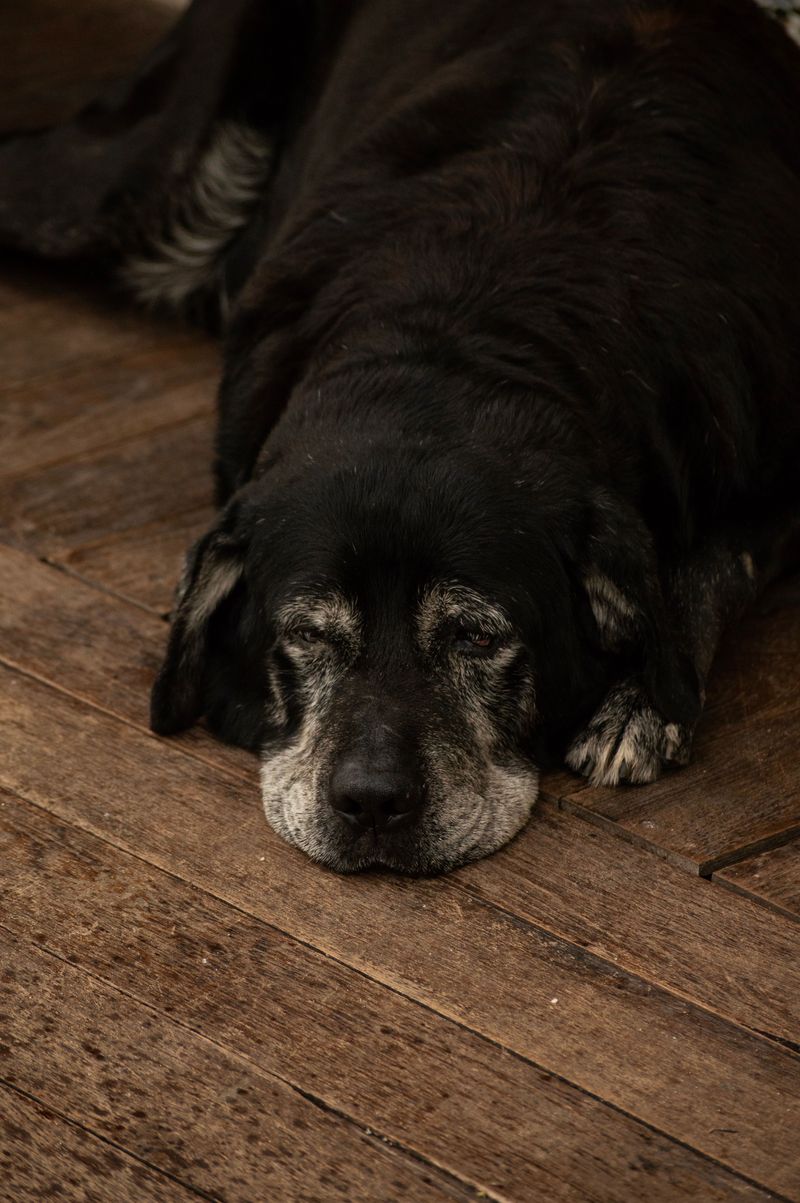
Yesterday’s easy walk may leave your dog tired today. Older dogs often need more recovery, and hot weather can add to the effort.
A rest day can still include bathroom trips and gentle indoor play.
Notice whether your dog eats, moves, and settles as usual after exercise. If tiredness seems unusual or lasts, contact your veterinarian.
There is no prize for keeping a strict walking schedule. Adjusting plans shows you are paying attention to your dog’s needs.
14. Florida’s Heat Can Change Exercise Tolerance
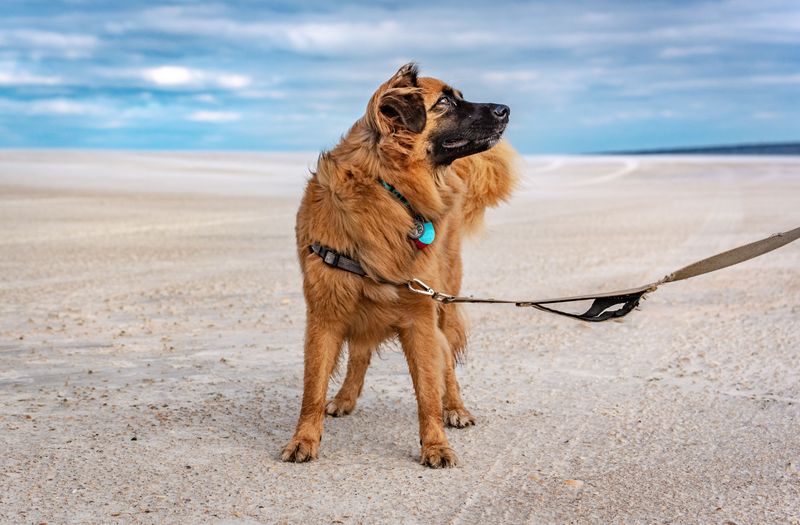
A dog that handles a long walk in winter may struggle with it in July. Seasonal heat changes how much activity feels comfortable, even when your dog seems eager to start.
Treat summer plans as flexible.
Compare your dog’s energy during the walk and later at home. If recovery takes longer, reduce the next outing’s length or effort.
Discuss lasting changes with your veterinarian, since age or illness may also play a part. Let comfort set the pace.
15. Breathing Problems Need Extra Caution
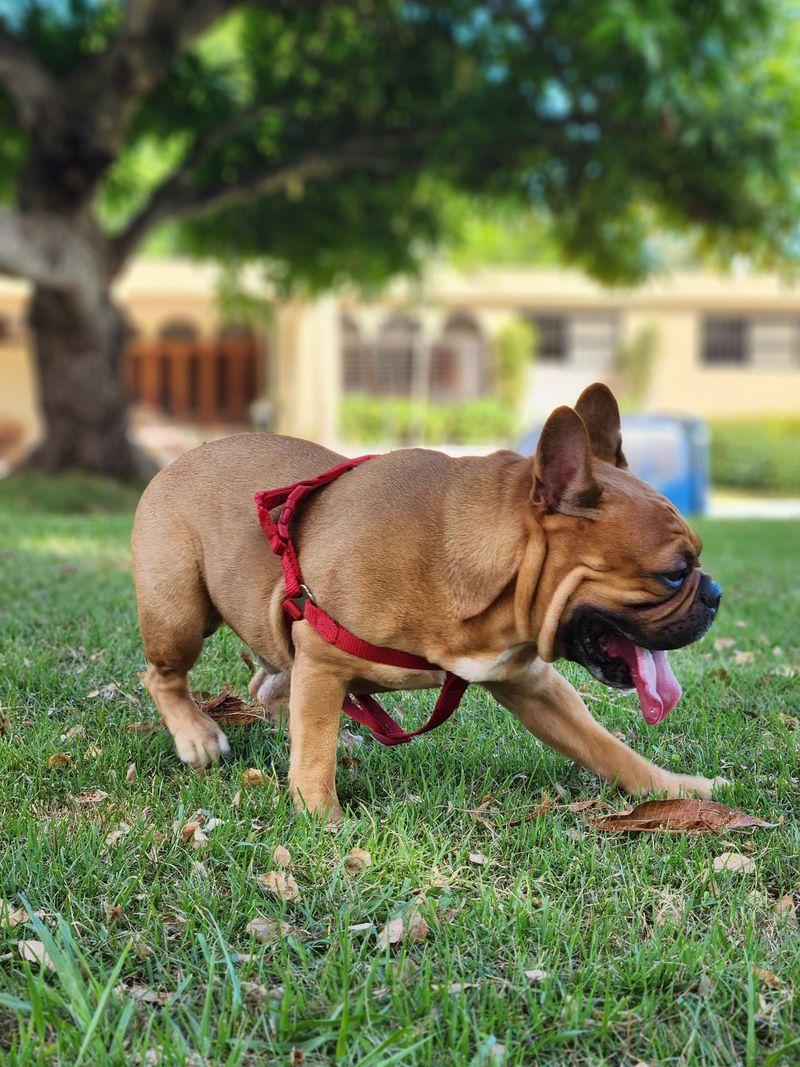
For a dog with breathing trouble, a brief warm outing may still be demanding. Short-nosed breeds and dogs with heart or airway conditions need a plan suited to their health.
Ask your veterinarian what exercise limits make sense.
Keep trips close to home and avoid muggy periods. Stop when breathing sounds different or your dog struggles to continue.
Seek prompt veterinary advice if breathing does not settle with rest in a cool place. Choose caution over a longer route.
16. Know When A Walk Should End
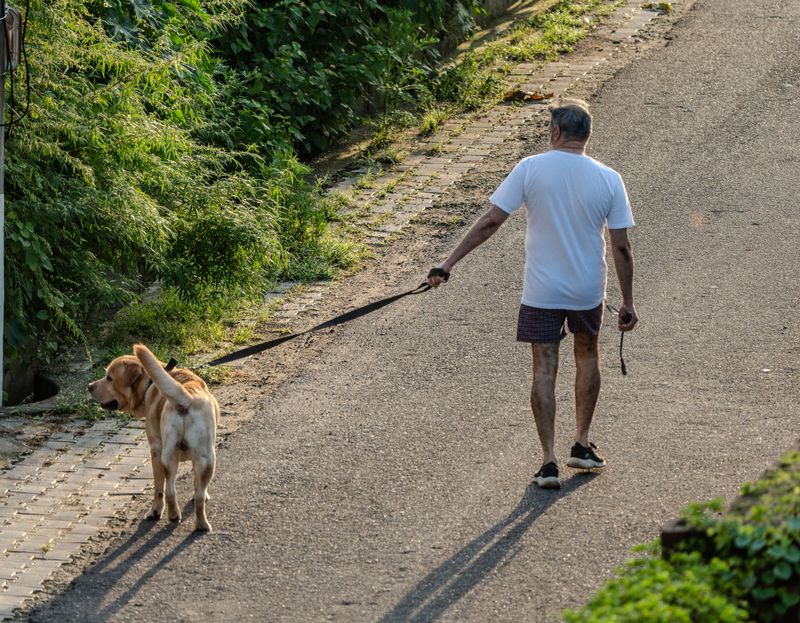
Turning around early is a smart choice, not a missed goal. End the walk if your dog slows sharply, seeks shade, seems unsteady, or pants unusually hard.
Head somewhere cool and offer water.
If symptoms persist or your dog seems confused or weak, contact a veterinarian promptly. For concerning heat signs, seek urgent veterinary care rather than waiting for improvement.
Over time, you will learn which routes and hours work best. A good summer walk ends with your dog comfortable at home.